

Key Ingredients for Hair Growth: What Actually Works
The key ingredients for hair growth fall into three groups: those with strong clinical evidence, those with promising but early evidence, and those that support scalp and strand health cosmetically. The names worth knowing are minoxidil (medical), rosemary, caffeine, and peptides (promising), and biotin, niacinamide, argan oil, and allantoin (supportive). No single ingredient is magic. The best routines combine a healthy scalp, good nutrition, and a few well-chosen actives. Here is what each one does and how to read a label.
Key Takeaways
- Minoxidil has the strongest evidence but is a medicine with side effects, so it is a GP conversation.
- Rosemary and caffeine show promising results for supporting fuller-looking hair.
- Biotin and niacinamide support the scalp and normal hair, especially where there is a shortfall.
- Peptides such as hydrolysed lupine protein help strengthen the strand and reduce breakage.
- Consistency matters more than any one hero ingredient. Give a routine three to four months.
- Choose sulfate-free, paraben-free formulas so you support hair rather than strip it.
How does hair actually grow?
Every follicle cycles through three phases. The anagen (growth) phase lasts two to six years and is when hair actively lengthens, roughly one centimetre a month. The short catagen phase is a two to three week transition. Then the telogen (resting) phase lasts around three months before the old hair sheds and a new one begins. At any moment about 85 to 90 percent of your hair is in anagen.
The goal of most growth ingredients is simple: keep more follicles in anagen for longer, keep the scalp healthy so follicles can do their job, and strengthen the strand so what grows does not snap off. Understanding that helps you judge any product honestly. If you want the wider picture of why hair thins, see our guide to what causes thinning hair.
Which key ingredients for hair growth have the best evidence?
It helps to sort ingredients by how much proof stands behind them, rather than by marketing noise.
| Ingredient | Evidence level | What it does |
|---|---|---|
| Minoxidil | Established (medical) | Extends the growth phase; a licensed medicine |
| Rosemary | Promising | May improve scalp circulation and support growth |
| Caffeine | Promising | May counter a hormone that shortens the hair cycle |
| Peptides (lupine protein) | Promising (cosmetic) | Strengthen the strand and reduce breakage |
| Biotin, niacinamide | Supportive | Support the scalp and maintenance of normal hair |
| Argan oil, allantoin | Supportive (cosmetic) | Soothe, moisturise, and add shine and manageability |

1. Rosemary
Rosemary is one of the more exciting botanicals in hair care. A well-known trial found rosemary oil performed comparably to a low-strength minoxidil for some users over six months, with less scalp itching. It is thought to improve microcirculation around the follicle. It will not work overnight, but as a gentle, everyday support it earns its place.
2. Caffeine
Caffeine applied to the scalp may help counter the effects of dihydrotestosterone (DHT), the hormone linked to androgenetic thinning, and lab studies suggest it can stimulate the hair shaft. In a rinse-off shampoo the contact time is short, so it is best seen as a helpful supporting act rather than a standalone fix.
3. Biotin (Vitamin B7)
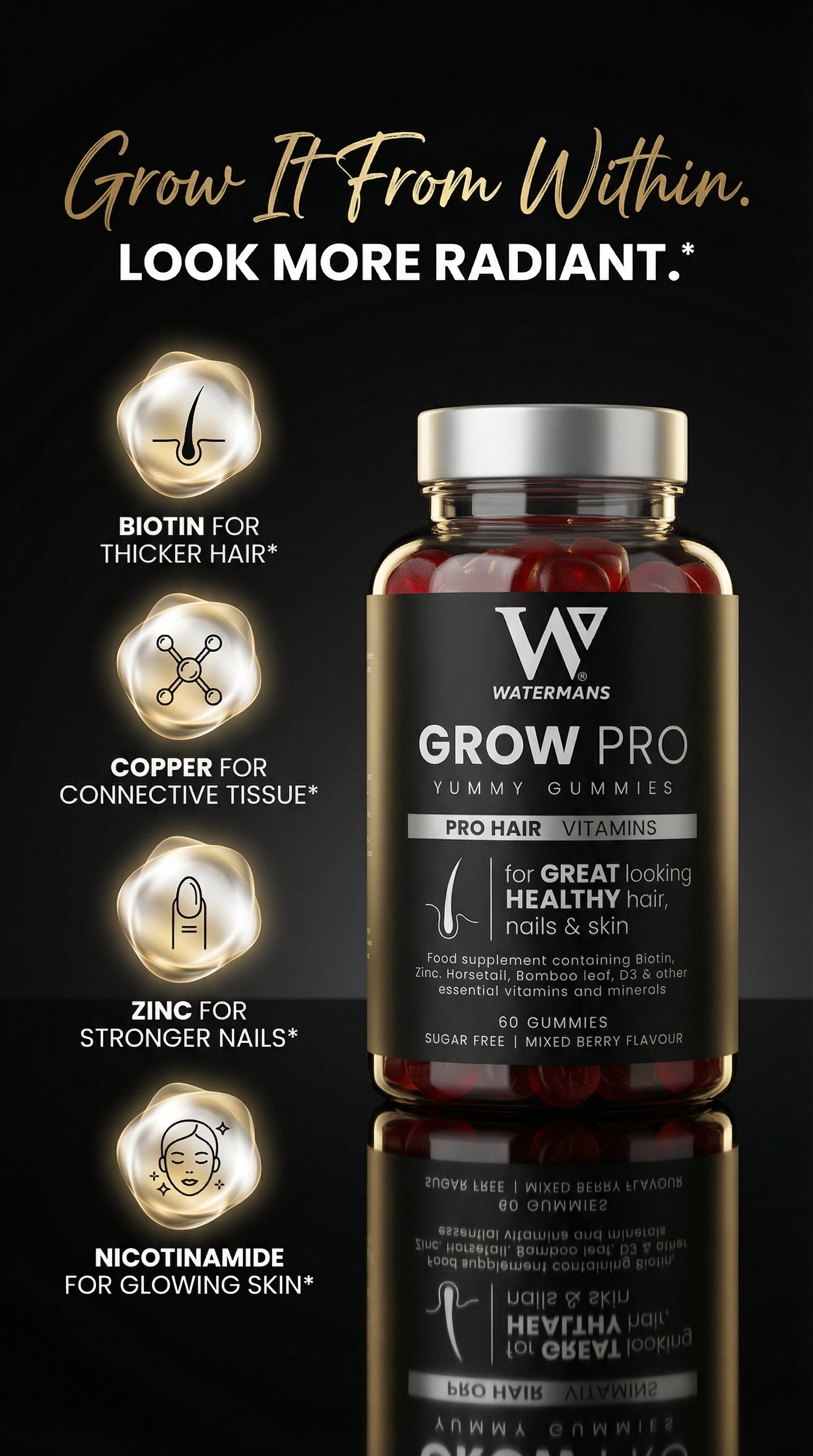
Biotin is essential for building keratin, the protein hair is made of. A true biotin deficiency causes thinning, and correcting it helps. For people who are not deficient the benefit is more about supporting normal hair than dramatic regrowth, which is the honest, compliant way to describe it.
4. Niacinamide (Vitamin B3)
Niacinamide helps keep the scalp comfortable and hydrated, and a calm scalp is a better foundation for growth. We go deeper in our dedicated guide to niacinamide for hair.
5. Hydrolysed lupine protein (peptides)
Peptides such as hydrolysed lupine protein (marketed as ANAGELINE) are small protein fragments that can reinforce the hair fibre and support the scalp environment. Since hair is around 95 percent protein, feeding the strand proteins it recognises helps reduce breakage so length is retained.
6. Argan oil and allantoin
These are your finishers. Argan oil brings fatty acids and antioxidants for shine and softness, while allantoin (from comfrey) soothes and moisturises the scalp. They will not grow hair on their own, but they keep what you have looking and feeling healthy, and a soothed scalp is a productive one.

What about minoxidil?
Minoxidil is the ingredient with the deepest clinical evidence for androgenetic hair loss, which is why it appears in so many pharmacy products. It is also a medicine, with a genuine side effect profile including scalp irritation, unwanted facial hair, and occasionally systemic effects. It is not a cosmetic ingredient, and it needs continued use to maintain results. If you are considering it, that is a conversation to have with a GP or pharmacist rather than a purely cosmetic decision. For the full ladder of options from gentle care to clinical treatment, see effective solutions for hair loss.
Reality check: No ingredient can override genetics or a medical cause of hair loss. If your shedding is sudden, patchy, or rapid, a shampoo is not the answer. Conditions like telogen effluvium and hormonal thinning are treated differently, so get a diagnosis first.
How do you choose a good hair growth product?
- Read the ingredient list, not the front label. The actives that matter should appear reasonably high up.
- Look for a sensible blend rather than a single mega-dosed hero. Scalp, strand, and cycle all need support.
- Sulfate-free and paraben-free so you clean gently without stripping natural oils.
- Match the format to the ingredient. Leave-on serums give actives more contact time than a rinse-off wash, so many people use both.
- Be patient and consistent. Judge results at three to four months, not three weeks.

Grow Me® Shampoo
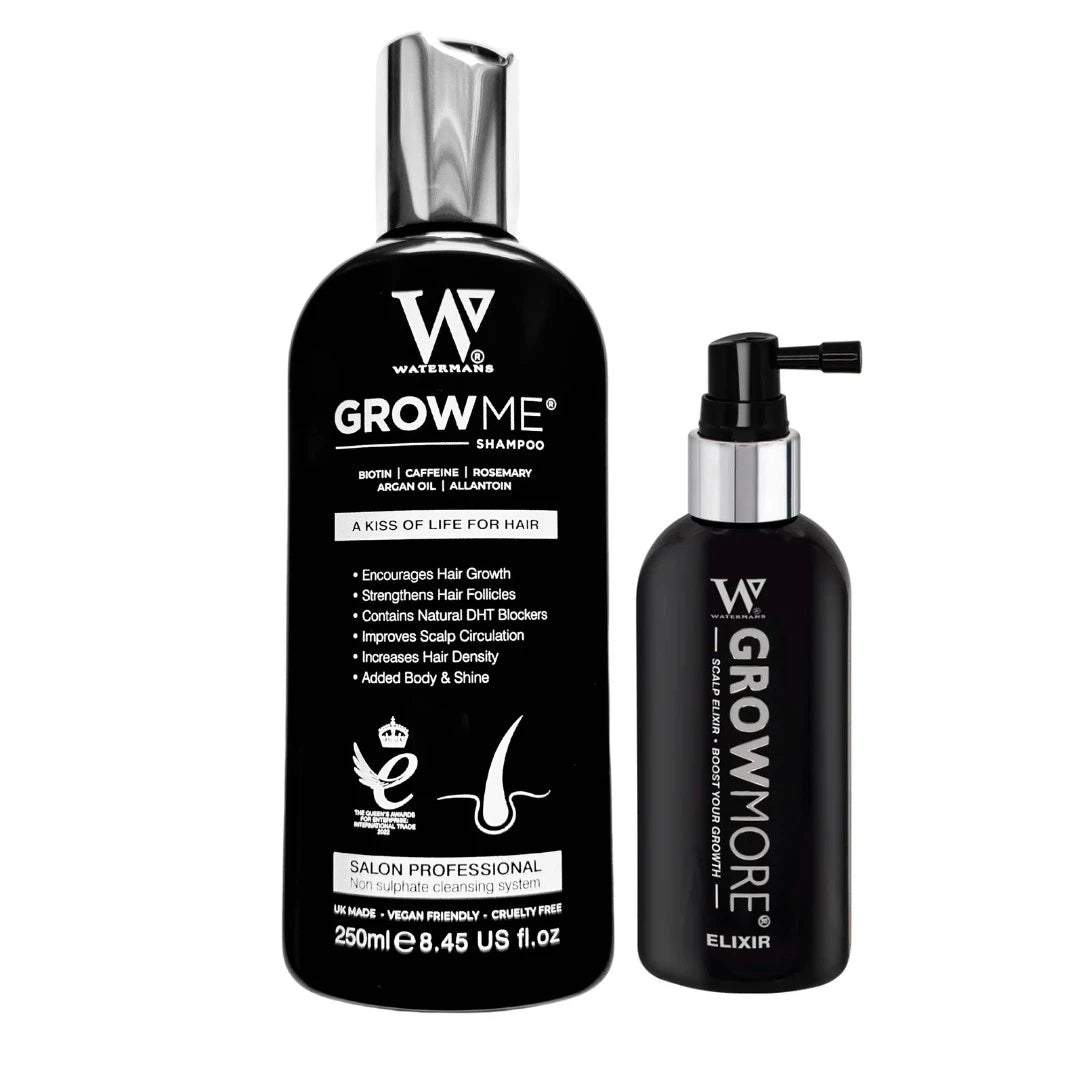
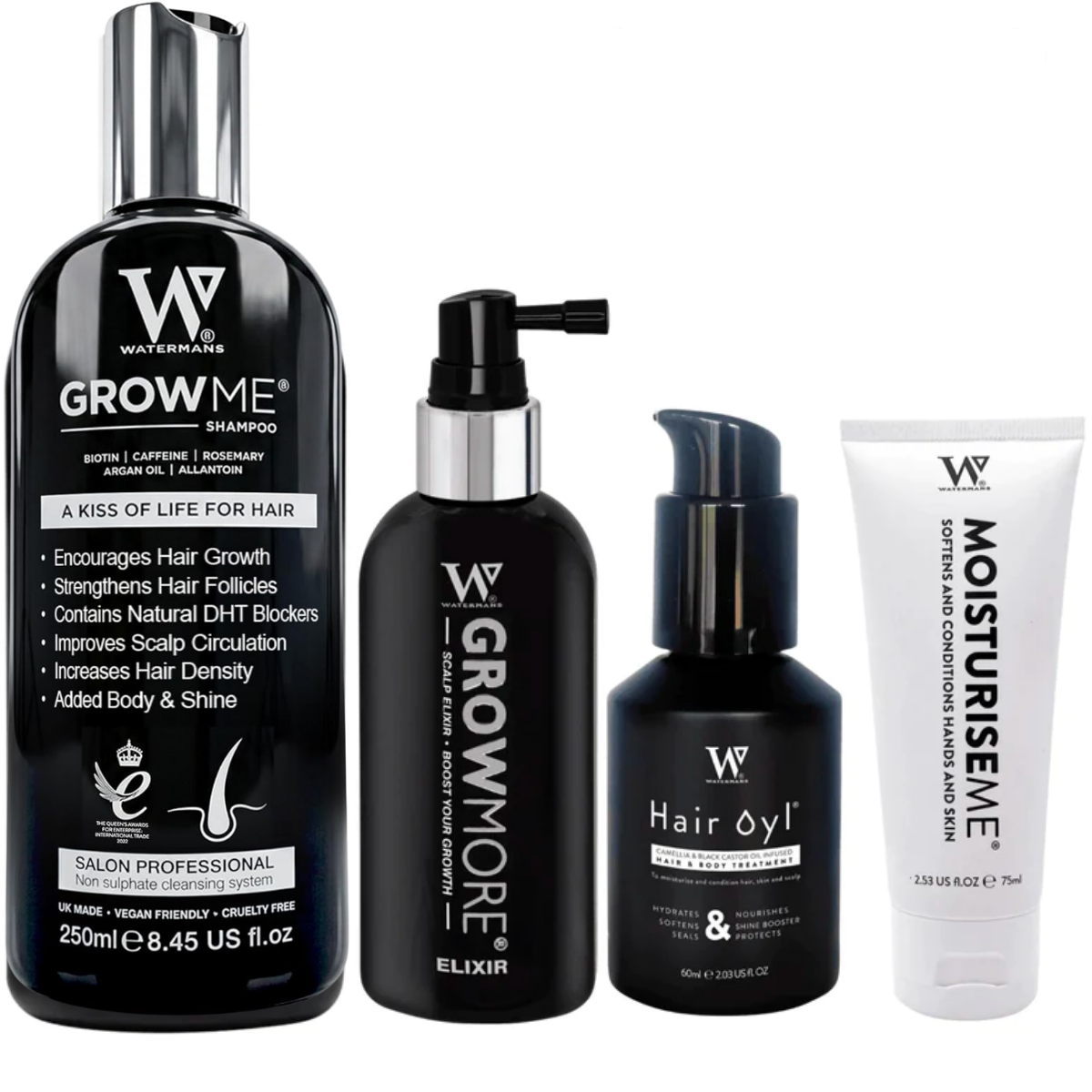
Watermans Grow Me Shampoo brings many of these key ingredients together in one sulfate-free, vegan formula: biotin, caffeine, rosemary, niacinamide, hydrolysed lupine protein, argan oil, and allantoin. It is a cosmetic shampoo designed to support fuller, healthier-looking hair as part of a consistent routine.
View Grow Me Shampoo
Hair Growth Boost Set
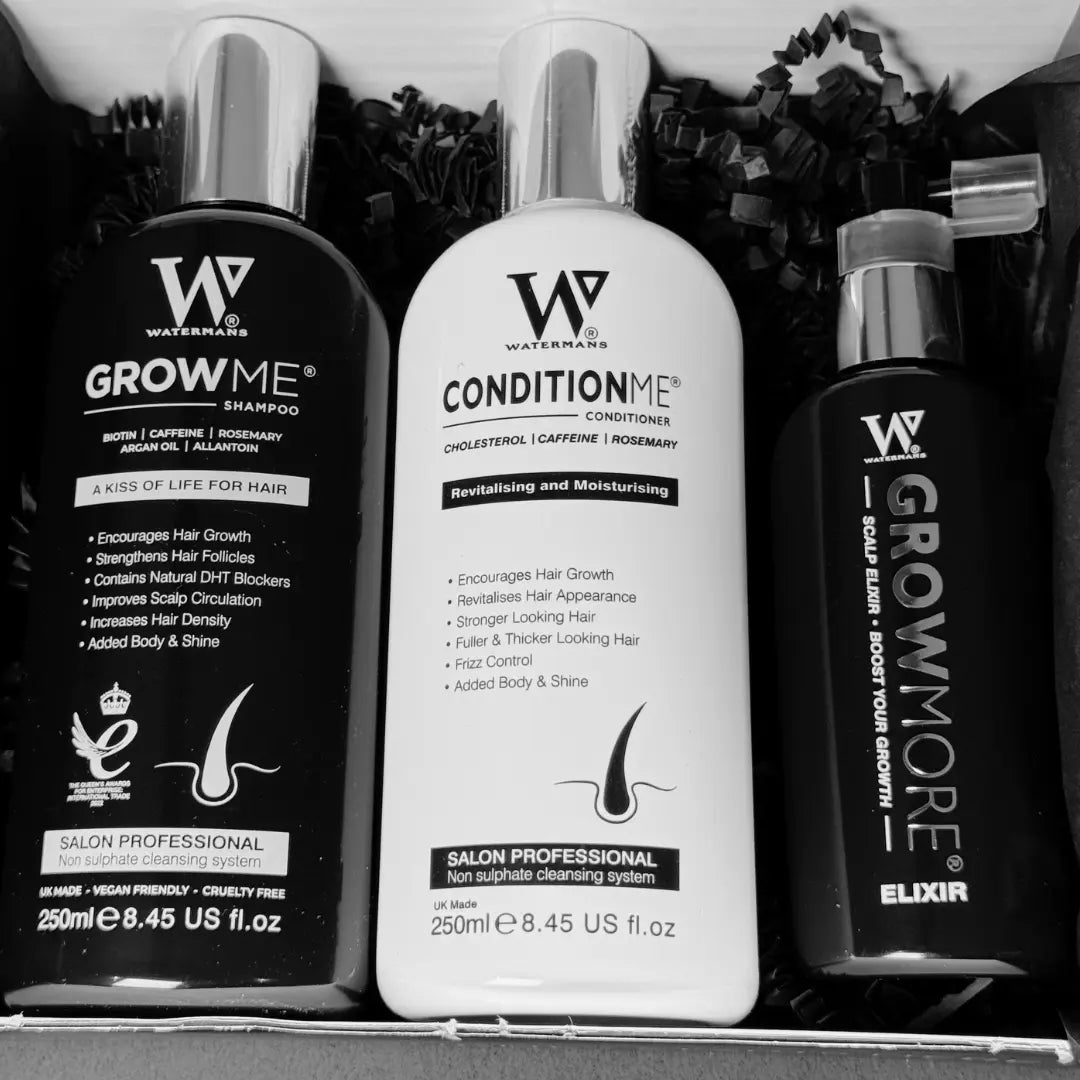
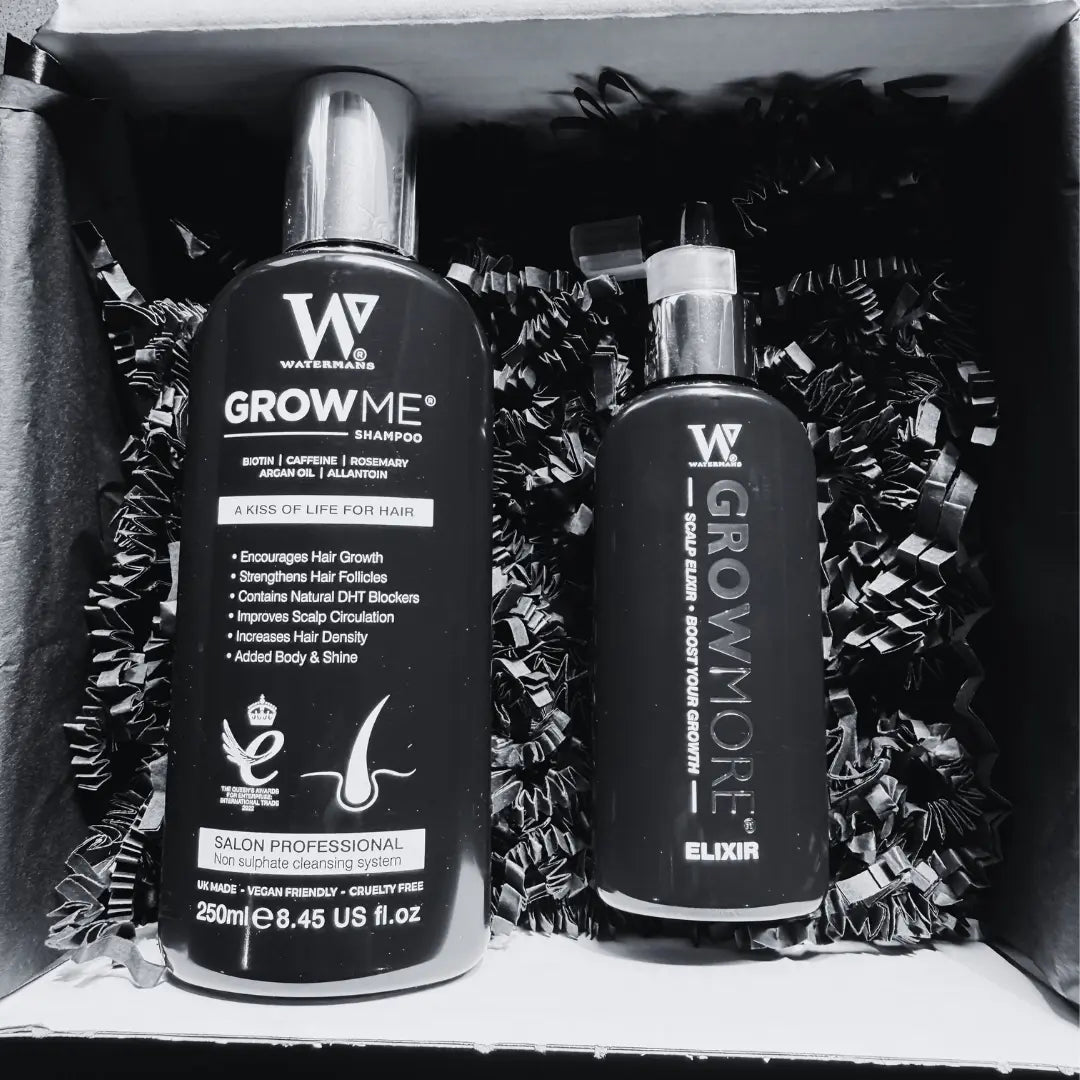
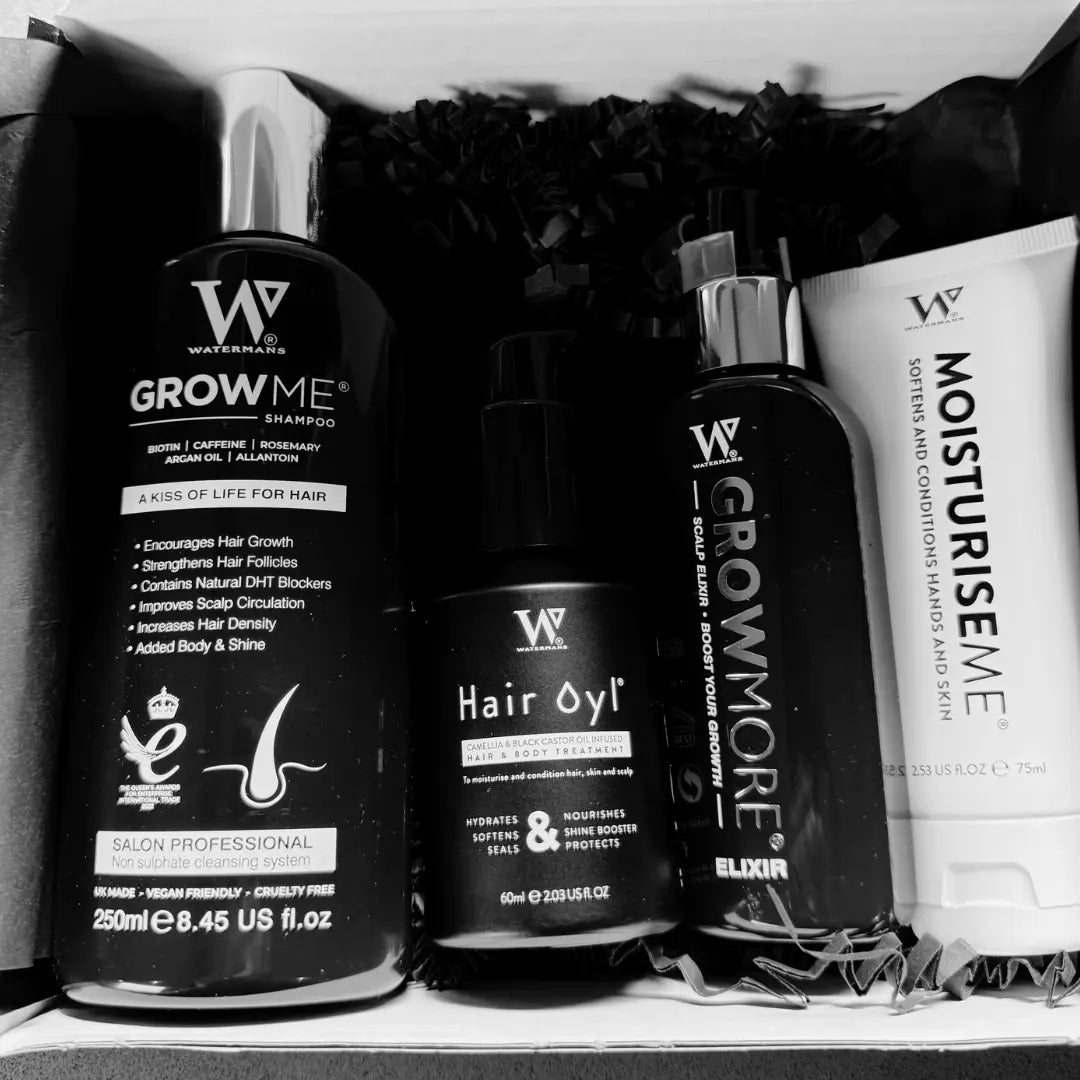
For contact time on the scalp as well as a gentle cleanse, the Hair Growth Boost Set pairs Grow Me Shampoo and Condition Me conditioner with the leave-on Grow More Scalp Elixir. It is the closest thing to a complete, ingredient-led routine in one box.
View Hair Growth Boost SetWatermans has sold over 5 million bottles since 2012. Our hair care is vegan and made in the UK. These are cosmetic products and are not intended to diagnose, treat, or cure any medical condition. Speak to a GP about hair loss that is sudden, patchy, or worrying.
Frequently Asked Questions
What ingredient is best for hair growth?
For medical regrowth, minoxidil has the strongest evidence, but it is a medicine with side effects. Among cosmetic ingredients, rosemary and caffeine are the most promising, supported by peptides, biotin, and niacinamide.
Do rosemary and caffeine really help hair grow?
The evidence is promising rather than definitive. Rosemary performed comparably to a low-strength minoxidil in one trial, and caffeine may counter a hormone linked to thinning. Both work best as part of a consistent routine.
Does biotin make your hair grow?
Biotin is needed to build keratin, so correcting a deficiency helps. If you are not deficient, it supports normal hair rather than causing dramatic regrowth.
What ingredients should I avoid in hair products?
Harsh sulfates can strip natural oils and irritate a sensitive scalp. Many people also prefer to avoid parabens and heavy silicones that can build up. Patch test anything new.
How long before hair growth ingredients work?
Because hair grows about a centimetre a month, most people need three to four months of consistent use to judge results fairly.
Are natural hair growth ingredients better than minoxidil?
They are gentler and lower risk, but generally less powerful. Minoxidil has more evidence for genetic hair loss, while natural actives suit people who want cosmetic support without a medicine.
Can I mix different hair growth ingredients?
Yes, and many products deliberately blend them so the scalp, strand, and hair cycle are all supported. Introduce new products one at a time so you can spot any reaction.
What should I look for on a hair growth shampoo label?
Look for actives like caffeine, rosemary, niacinamide, biotin, and peptides listed reasonably high up, plus a sulfate-free, paraben-free base.