

Understanding the Distinction: Mature Hairlines vs. Balding - What You Need to Know

The key difference between a mature hairline and balding is progression. A mature hairline recedes about one to one and a half centimetres from its teenage position, then stabilises, keeping full density and an untouched crown. Balding (male pattern baldness) keeps advancing, forms a deep M-shape at the temples, and thins at the crown until bald patches appear. In short, a mature hairline settles and stays put, while a balding hairline does not stop. This guide gives you a clear, practical way to tell which one you are seeing in the mirror, and what to do next.
Key Takeaways
- A mature hairline moves back slightly (1 to 1.5 cm) and then stops; balding keeps progressing.
- Mature hairlines keep a full crown and even density; balding thins at the crown and temples together.
- A mature hairline forms a gentle, even line; balding often forms a pronounced M-shape.
- Tracking your hairline with monthly photos is the most reliable way to tell them apart.
- Family history and heavier-than-normal daily shedding point toward pattern baldness.
- See a GP or dermatologist for a definitive diagnosis if recession is fast, patchy, or worrying.
What Is a Mature Hairline?
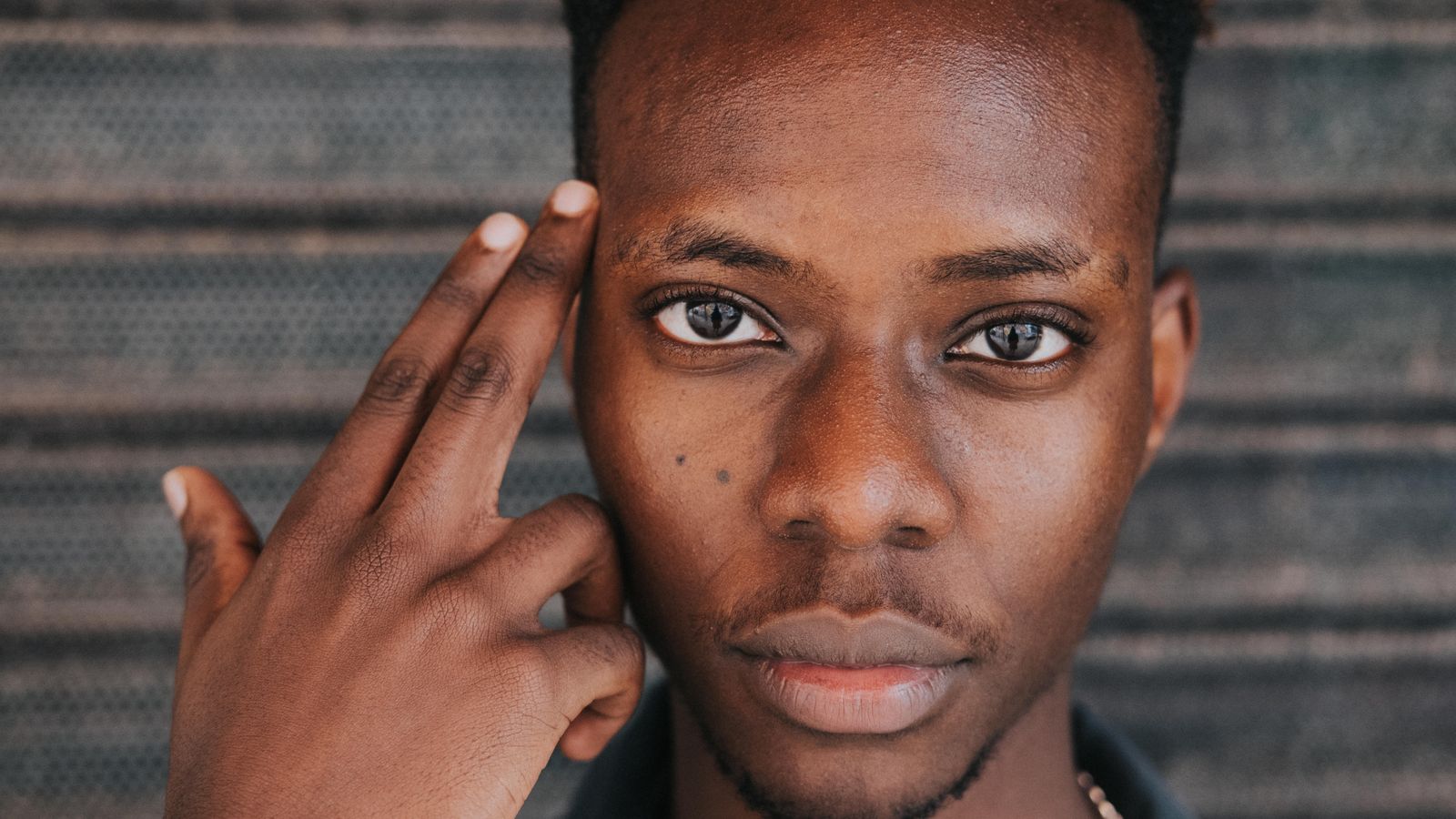
A mature hairline is a normal developmental change. The low, rounded hairline you had as a teenager (a juvenile hairline) naturally rises into a slightly higher, more defined adult shape, usually between your late teens and mid-thirties. It typically recedes a touch more at the temples than in the centre, giving a gently rounded or shallow V shape.
The defining features of a mature hairline are that it is slow, limited, and stable. It moves back a little, then holds its position for years or decades. Crucially, the density stays full and the crown is unaffected. A higher forehead on its own is not a sign of hair loss. For a full walkthrough, see our guide to the mature hairline.
What Is Balding?
Balding, most commonly male pattern baldness (androgenetic alopecia), is progressive hair loss driven by genetic sensitivity to the hormone DHT. Unlike a mature hairline, it does not stop at a new resting point. The hairline keeps retreating, the temples deepen into an M-shape, and the crown thins independently, often meeting the receding front over time.
Balding also tends to involve visibly finer, weaker regrowth and heavier daily shedding. It can begin as early as the late teens and progresses in recognisable stages. Our overview of pattern hair loss stages maps out how it typically develops, and our explainer on what triggers androgenic alopecia covers the hormonal science.

Mature Hairline vs Balding: The Full Comparison
This side-by-side table is the fastest way to place where you are. No single row is conclusive on its own, but the overall pattern usually makes it clear.
| Feature | Mature Hairline | Balding (Pattern Loss) |
|---|---|---|
| Speed of change | Slow, over years, then stops | Faster and ongoing |
| Distance receded | About 1 to 1.5 cm | Well beyond 1.5 cm and growing |
| Shape | Even, gently rounded or shallow V | Deep M-shape, pronounced temple gaps |
| Crown | Stays full | Thins, may form a bald spot |
| Density | Remains thick and even | Progressively sparse |
| Regrowth texture | Same as before | Finer, weaker, shorter |
| Daily shedding | Normal (50 to 100 hairs) | Often noticeably more |
How Do You Tell the Difference at Home?
You do not need a clinic to get a strong indication. Work through these four checks.
1. Track the Trend, Not the Snapshot
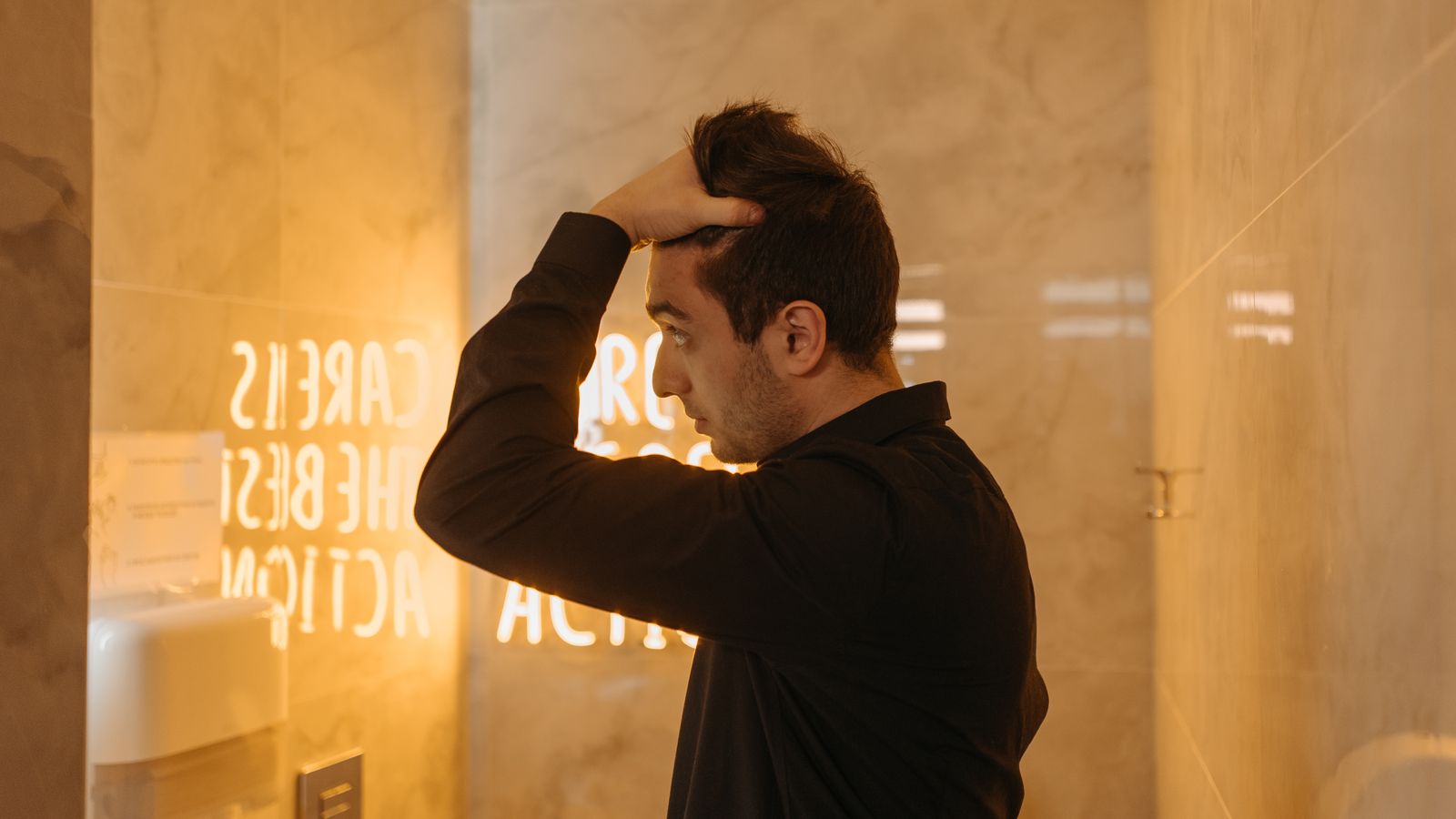
Take a straight-on, well-lit photo of your hairline with your fringe pushed back, then repeat it monthly for six to twelve months in the same lighting and position. A mature hairline looks the same across the photos. A balding one visibly climbs. This is the single most reliable home test.
2. Check the Crown
Use a second mirror or your phone camera to inspect the crown (the swirl at the back top of your head). A mature hairline leaves the crown untouched. Simultaneous thinning at the crown strongly suggests pattern baldness.
3. Look at the Shape
A mature hairline recedes fairly evenly across the front. Balding tends to hollow out the temples much faster than the middle, leaving a distinct island of hair in the centre and a deepening M.
4. Consider Your Family and Shedding
Early, significant hair loss in close male relatives raises your odds of pattern baldness. Combine that with heavier-than-usual shedding in the shower or on your pillow, and the picture leans toward balding rather than a settling hairline.
Can a Mature Hairline Turn Into Balding?
It can, but a mature hairline does not automatically lead to balding. Many men reach a mature hairline and never progress further. However, if you are genetically predisposed to pattern baldness, an early mature hairline can be the first visible stage before further loss. This is exactly why tracking matters: if the recession that once stabilised starts moving again, or the crown begins to thin, that is your cue to act and, ideally, to seek professional advice early.
How Do You Care for Your Hairline, Whichever It Is?
Whether your hairline is simply maturing or you are in the early stages of pattern loss, good scalp care helps you keep the hair you have looking its healthiest and fullest. It will not fight your genetics single-handedly, but it gives your follicles the best possible environment.
Cleanse Gently, Without Stripping
Harsh sulfate shampoos strip the scalp and leave fine hairs flat. A gentle, sulfate-free formula keeps the scalp clean and comfortable.

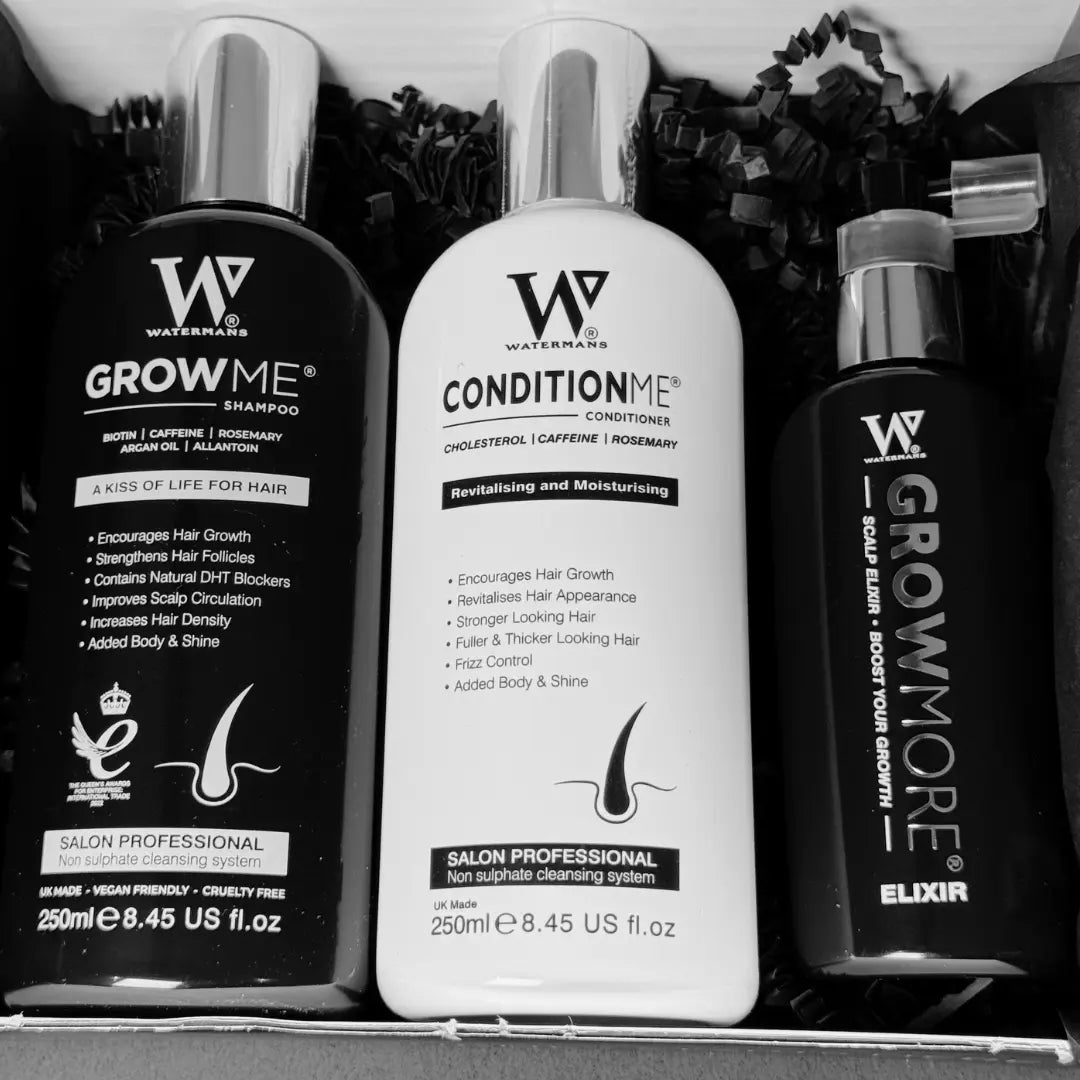
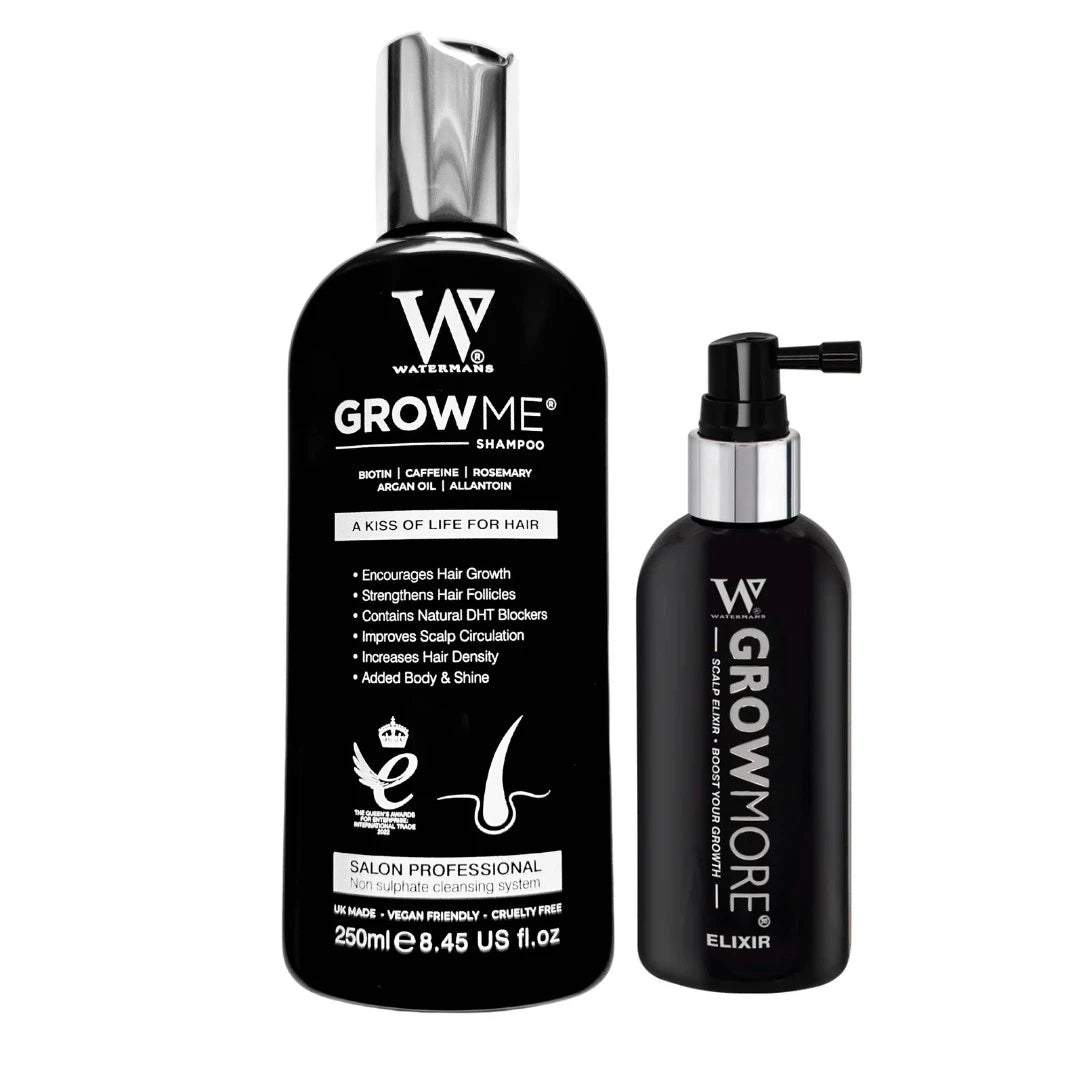
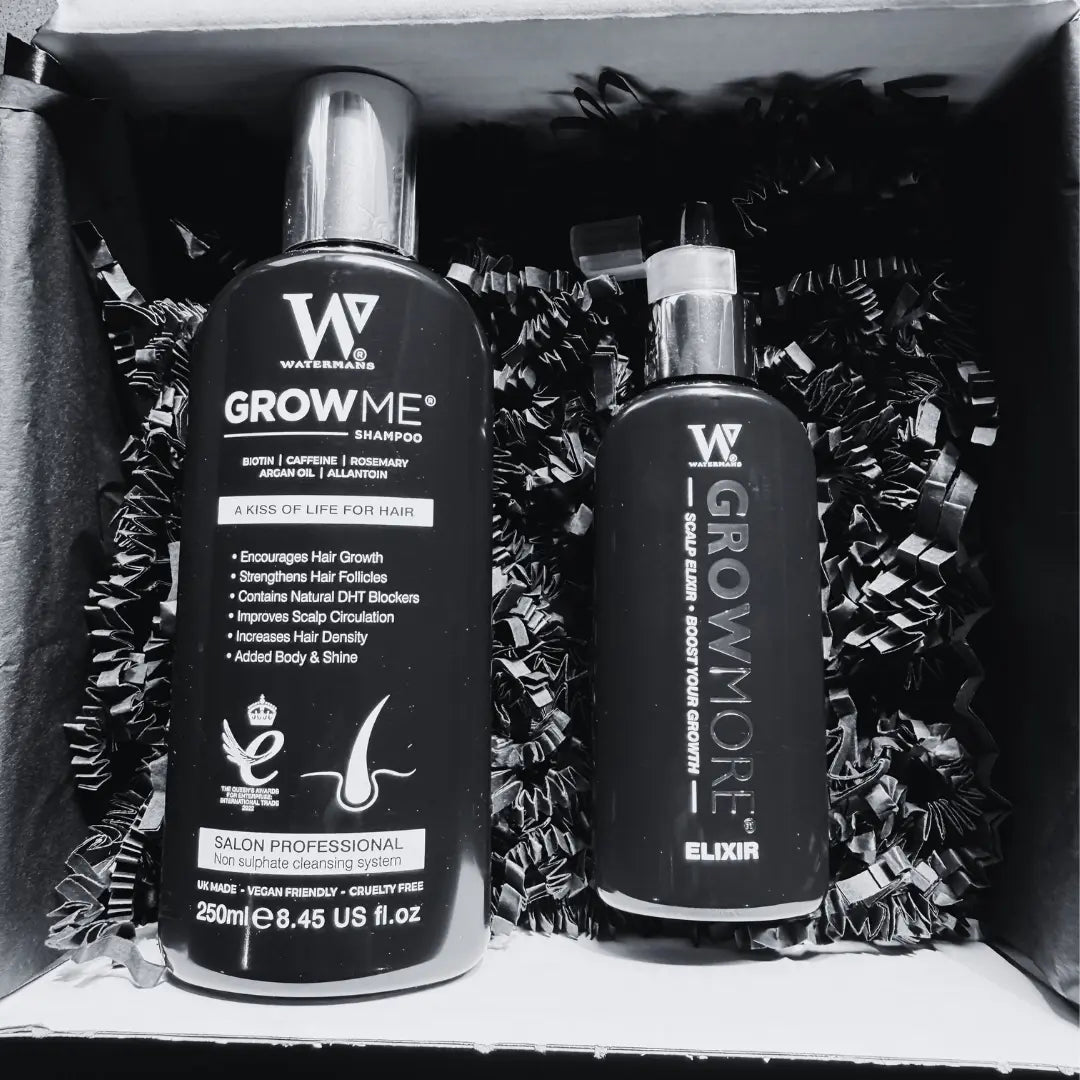
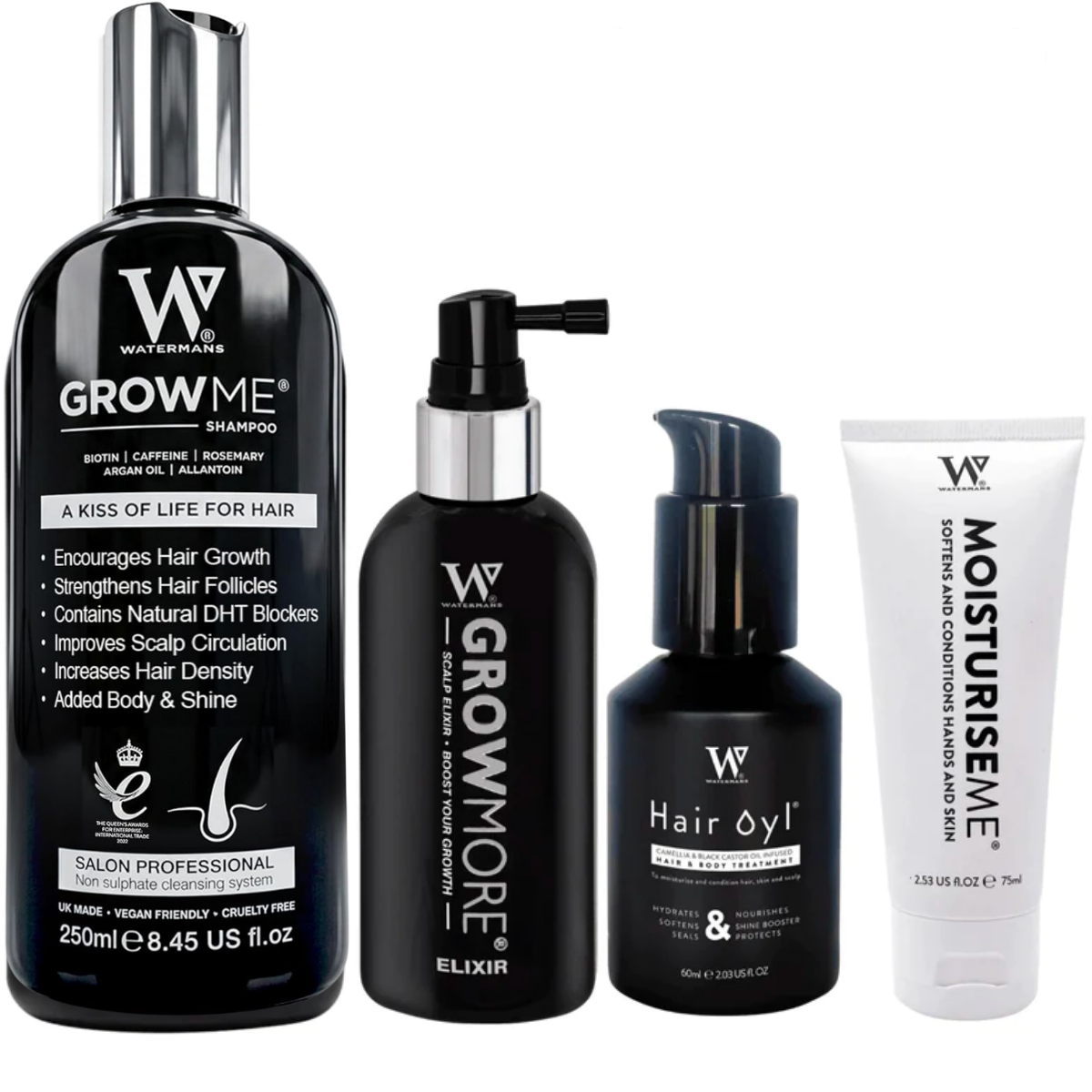
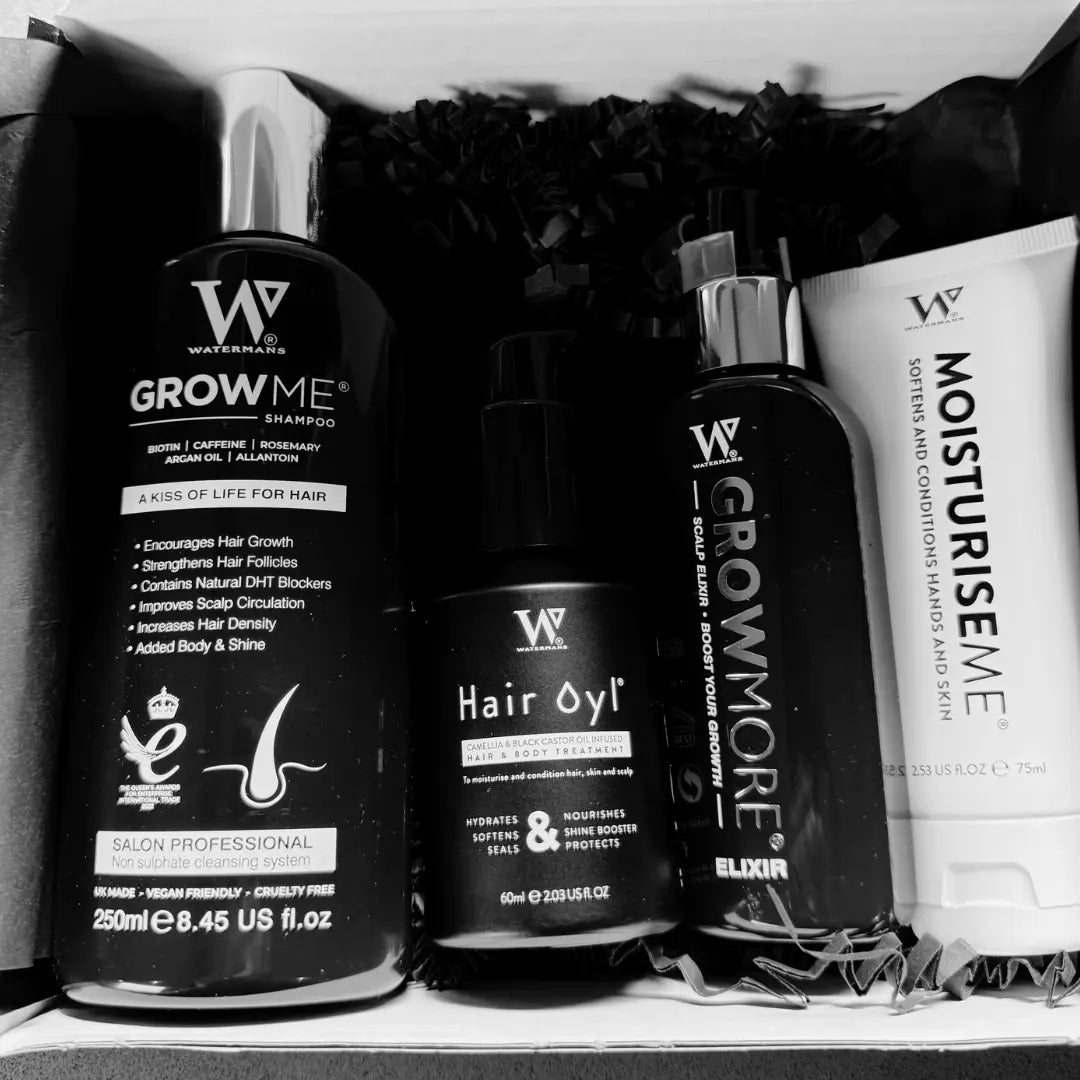
Grow Me® Hair Growth Shampoo
A sulfate-free daily shampoo with biotin, caffeine, rosemary, niacinamide, and lupin protein that cleanses gently and supports the look of thicker, fuller hair. Vegan and made in the UK.
Shop Grow Me ShampooTarget the Temples and Crown
A leave-on scalp serum massaged into the areas that show change first can help hair look denser and better conditioned, and the massage supports blood flow to the follicles.

Grow More® Elixir
A leave-on overnight scalp serum with rosemary, caffeine, and biotin, ideal for the temples and crown where change shows first.
Shop Grow More ElixirSupport From the Inside and Style Smart
Eat for your hair (protein, iron, zinc, omega-3s, and vitamins A, C, D, E), manage stress, and choose a haircut that flatters the shape you have. Short, textured cuts and a little forward styling almost always look fuller than slicking hair straight back.

Where Does a Mature Hairline Sit on the Norwood Scale?
Doctors classify male hairline changes using the Norwood scale, which runs from Stage 1 to Stage 7. Knowing roughly where you sit helps you understand whether you are looking at a normal mature hairline or the start of pattern loss.
- Stage 1: The juvenile hairline, low and full with no recession.
- Stage 2: The classic mature hairline. Slight, even recession at the temples, a full crown, and no ongoing progression. This is the stage most men settle at and stay.
- Stage 3: The first stage medically classed as balding. Deeper temple recession forming a clearer M-shape.
- Stage 3 Vertex and beyond: Recession combined with visible thinning at the crown, the hallmark of progressing pattern baldness.
The practical takeaway: a stable Stage 2 is a mature hairline and nothing to worry about. Movement into Stage 3 with crown involvement is the point at which many men choose to seek advice. Because the scale is about progression, a single photo cannot place you reliably, but a series over several months can.
Common Myths About Receding Hairlines
A few persistent myths cause unnecessary worry, so it is worth clearing them up.
- Wearing hats causes baldness. False. Normal hats do not affect your follicles.
- Washing your hair too often makes it fall out. False. Seeing hairs in the shower is normal shedding, not damage caused by washing.
- Only your mother's father's genes matter. False. Hair loss is inherited from both sides of the family.
- A high forehead always means balding. False. A high but stable hairline with full density is simply a mature hairline.
When Should You See a Professional?
Book a GP or dermatologist if you notice rapid recession over a few months, a crown that is visibly thinning, patchy bald spots, heavy shedding with finer regrowth, or a red, flaky, or sore scalp. These can indicate pattern baldness, alopecia areata, a thyroid or iron issue, or a scalp condition. A professional can examine your scalp, run blood tests, and discuss evidence-based options. Getting advice early, while you still have more hair, gives you the most choices.
Frequently Asked Questions
How do I know if my hairline is maturing or balding?
Track it with monthly photos. A mature hairline recedes about 1 to 1.5 cm and then stays stable with a full crown, while balding keeps progressing, forms a deep M-shape, and thins at the crown.
Is a mature hairline a sign of balding?
Not on its own. A mature hairline is a normal developmental change that often never progresses. It only signals balding if it keeps receding or is joined by crown thinning.
At what age does a mature hairline develop?
It usually appears between the late teens and mid-thirties. Balding can also begin in the late teens, which is why watching the trend over time is important.
Can a mature hairline become balding later?
It can if you are genetically predisposed to pattern baldness. Many men, however, reach a mature hairline and never progress further. Monitoring it helps you catch any change early.
Does a bigger forehead mean I am going bald?
Not necessarily. A higher hairline with full, even density and an untouched crown is usually just a mature hairline, not hair loss.
What is the difference in shedding between the two?
A mature hairline involves normal shedding of 50 to 100 hairs a day. Balding often involves noticeably heavier shedding with finer, weaker regrowth.
Can shampoo stop balding?
Cosmetic shampoos support the look and health of the hair you have but cannot stop genetic pattern baldness. For that, a GP or dermatologist can discuss evidence-based medical treatments.
Understanding the difference between a mature hairline and balding puts you in control: monitor the trend, care for your scalp, and seek professional advice early if the signs point to pattern loss. Watermans makes vegan, UK-made hair care trusted by customers worldwide, with over 5 million bottles sold since 2012.
Support a Fuller-Looking Hairline
Give the hair you have its best chance with a gentle, sulfate-free routine from Watermans.
Explore the Hair Growth Boost Set