

Affordable Sunscreen: How to Buy Well Without Overspending
SPF is a regulated, measured number, which means a three pound SPF 30 and a thirty pound SPF 30 give you the same protection when you apply the same amount. What the extra money buys is texture, finish, fragrance and packaging. Since almost everyone under applies sunscreen, and people ration expensive bottles hardest, buying cheap and using plenty is genuinely better protection than buying expensive and being careful with it.
Key Takeaways
- SPF is tested to a standard, so the number on a supermarket own brand means the same as the number on a luxury bottle.
- Price buys cosmetic elegance, not protection. How it feels, how it sits under makeup, whether it leaves a cast, how it smells.
- Under application is the real problem. A full body application is roughly six to eight teaspoons, so a 200ml bottle is about five or six full applications.
- Check the UVA rating as well as the SPF. Look for the UVA logo in a circle or four to five stars.
- Spend on the face if you want to, because you will wear it daily. Buy the big cheap bottle for arms, legs and backs.
- Last summer's half used bottle that lived in a hot car is a false economy. Heat and time degrade filters.
- Your scalp and your hair need a plan too, and for the scalp the cheapest option of all is a hat.
What you are actually paying for
Sunscreen is one of the few areas of skincare where the core claim is independently tested to a standard rather than left to the brand. That is unusually good news for anyone on a budget.
| What you get | Does price change it? |
|---|---|
| SPF protection | No. The number is tested to a set method. SPF 30 is SPF 30. |
| UVA protection | No, as long as you check the rating. Budget products carry high UVA ratings routinely. |
| Texture and finish | Yes, and this is most of the gap. Expensive sunscreens tend to feel lighter and sit better under makeup. |
| White cast | Yes. Newer, pricier filters generally leave less cast, which matters a lot on deeper skin tones. |
| Fragrance and feel | Yes, though fragrance free is widely available cheaply and is the better choice for reactive skin. |
| Added extras | Usually not meaningfully. Antioxidants and botanicals at the end of an ingredient list are rarely present at useful levels. |
| Packaging and brand | Yes, and it protects nothing. |
None of that means expensive sunscreen is a con. If a nicer texture is what gets you wearing it every day, that is a real benefit and worth paying for. It just is not extra protection.
How to read a UK sunscreen label

- SPF number. This describes protection against the UVB wavelengths that burn you. SPF 30 is the sensible everyday minimum, SPF 50 if you burn easily or will be out for hours.
- The UVA logo, the letters UVA inside a circle, means the UVA protection is at least a third of the SPF figure. That is the mark to look for.
- Star ratings, from zero to five, describe UVA protection relative to the SPF. Four or five stars is what you want.
- Water resistant does not mean waterproof, and both mean reapply after swimming or towelling.
- The open jar symbol with a number and an M tells you how many months the product lasts once opened. Twelve months is common.
Two numbers, one logo. Anything else on the front of the bottle is marketing.
The cost per use maths
This is where budget thinking actually pays off, and almost nobody does the sum.
A full body application is around six to eight teaspoons, which is roughly 30 to 40ml. So:
| Bottle | Full body applications | What that means on a beach day |
|---|---|---|
| 200ml | About 5 to 6 | One person, reapplying every two hours, uses most of a bottle in a single long day. |
| 400ml | About 11 to 13 | A more realistic size for a family, or for a week away. |
| 50ml face bottle | About 150 face applications | Roughly five months of daily face use. This is where a nicer product is affordable. |
The honest reason cheap sunscreen wins. Laboratory SPF testing uses two milligrams per square centimetre of skin. Real people consistently apply between a quarter and a half of that, which drags an SPF 50 down toward the behaviour of an SPF 15 or lower. Nobody rations a four pound bottle. Plenty of people ration a thirty pound one. That single behavioural difference outweighs every formulation advantage on the shelf.
Where to spend and where to save

- Save on body sunscreen, always. Buy the largest bottle of a supermarket or high street own brand with SPF 30 or 50 and a high UVA rating, and use it lavishly.
- Spend on face sunscreen if it helps you wear it. A 50ml bottle lasts months, so even a pricey one is a few pence a day, and daily wear is the whole game.
- Save on children's sunscreen brand, but do choose a high SPF, high UVA product, and apply it generously and often. Child specific formulas are often just fragrance free versions at a premium.
- Spend a little on sensitive skin if cheaper versions sting. A fragrance free mineral formula is usually the answer, and plenty of budget options exist.
- Never save by keeping last year's bottle if it has spent a summer in a hot car or been open more than twelve months. Filters degrade with heat and time.
- Never save by diluting it, mixing it into moisturiser, or relying on the SPF in a foundation. Foundation SPF is genuine but you would need an implausible amount of it.
Do not forget the scalp, which costs nothing to protect
The single most neglected patch of skin on the body is the parting in your hair, and the cheapest sun protection available is a hat.
Scalp skin burns readily, gets more direct overhead sun than your face, and is easy to miss because hair feels like cover even when it is not. Partings, hairlines, thinning crowns and short hair all leave skin exposed. A wide brimmed hat covers the scalp, the ears and the back of the neck at once, never needs reapplying, and costs less than a bottle of sunscreen.
Sun also affects the hair itself, which is a separate matter from burning. UV degrades protein in the hair shaft and lifts the cuticle, so hair comes home from a holiday drier, rougher and more tangled, with colour faded. Salt and chlorine add to it. Sunscreen does nothing for that, and conditioning does.
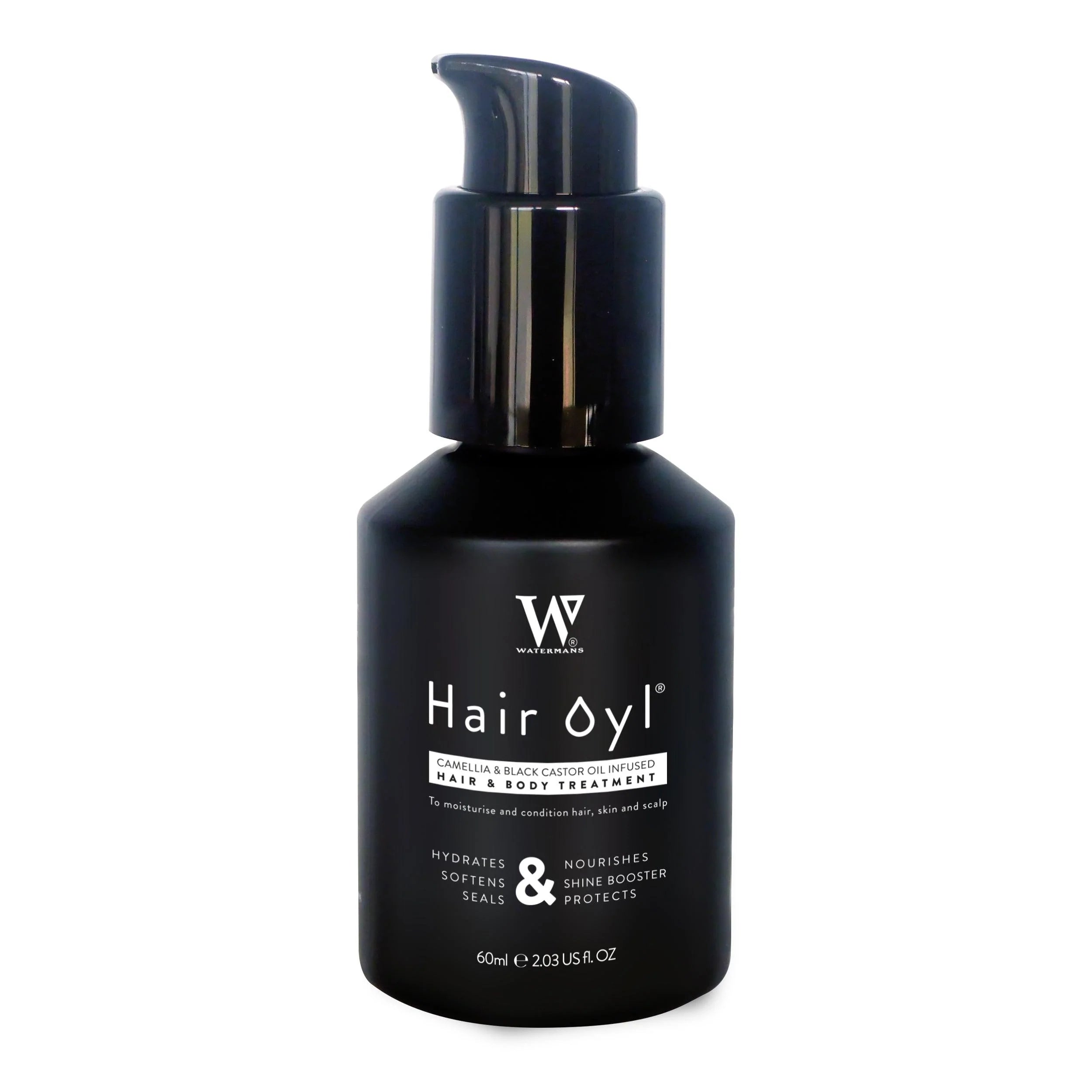
Camellia & Black Castor Hair & Body Oil, £24.95
One bottle for hair, scalp and body, which is its own kind of value in summer when everything feels dry by the evening. Also works as a pre swim coating on the lengths, so hair takes on less chlorinated water. Not a sunscreen and never a substitute for one.

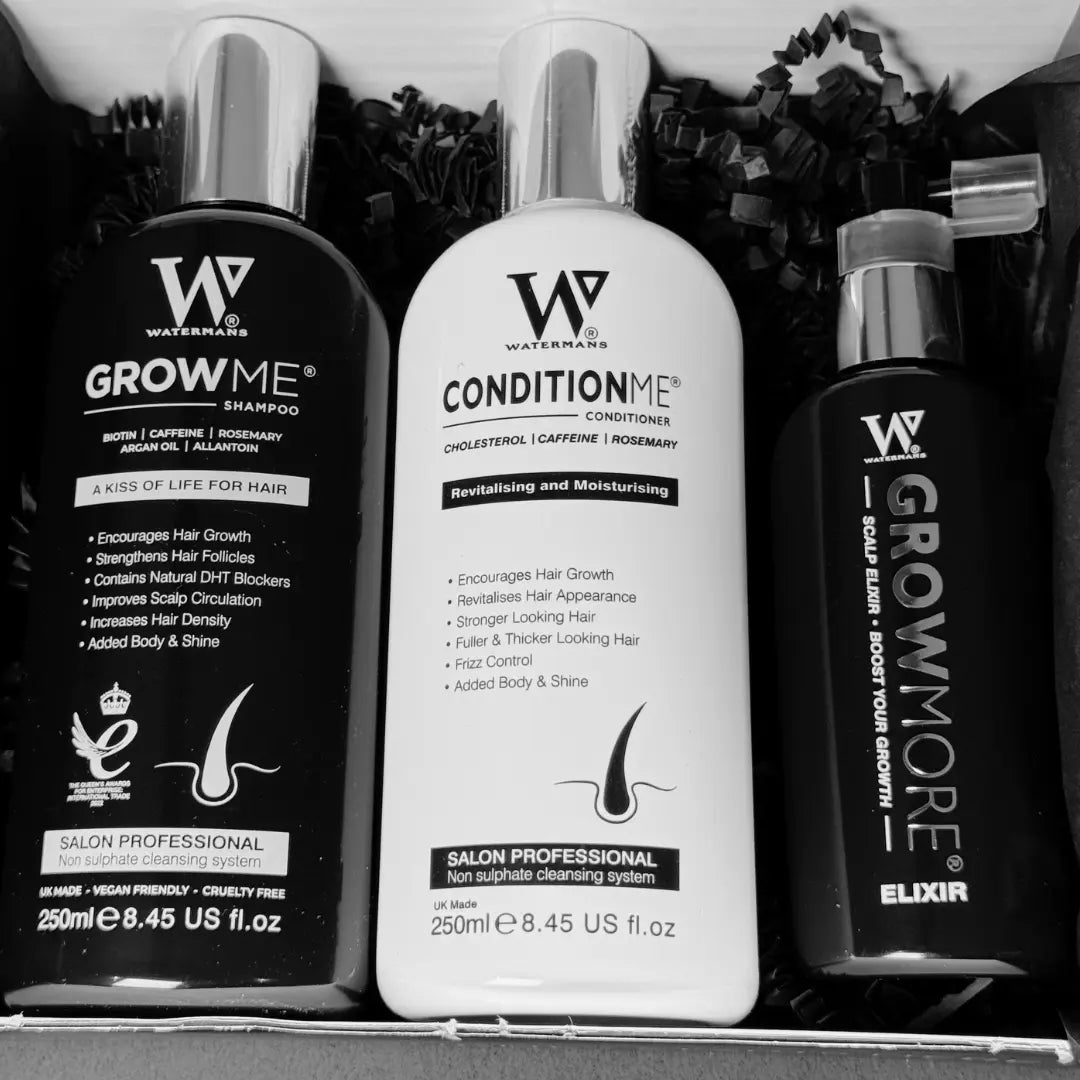
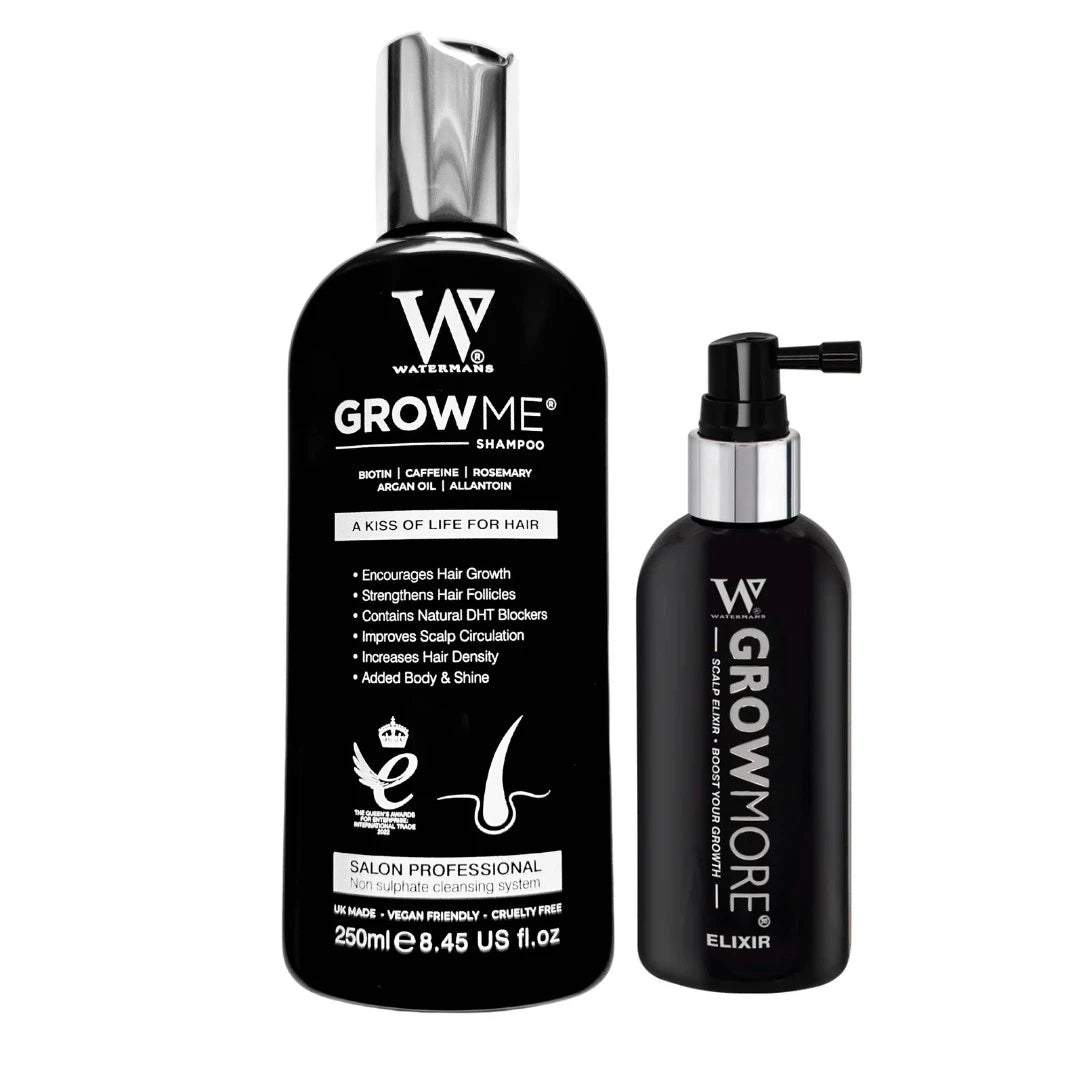
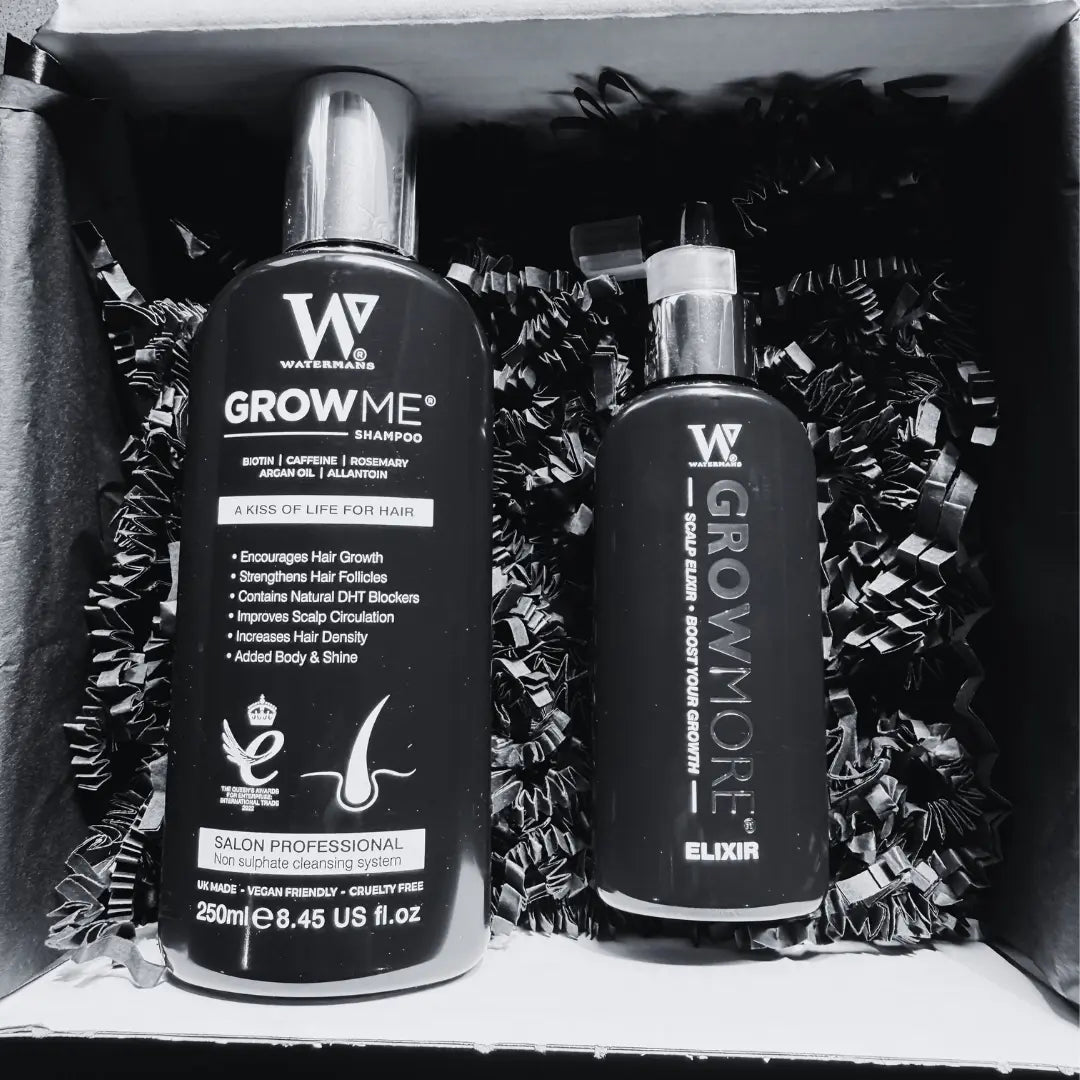
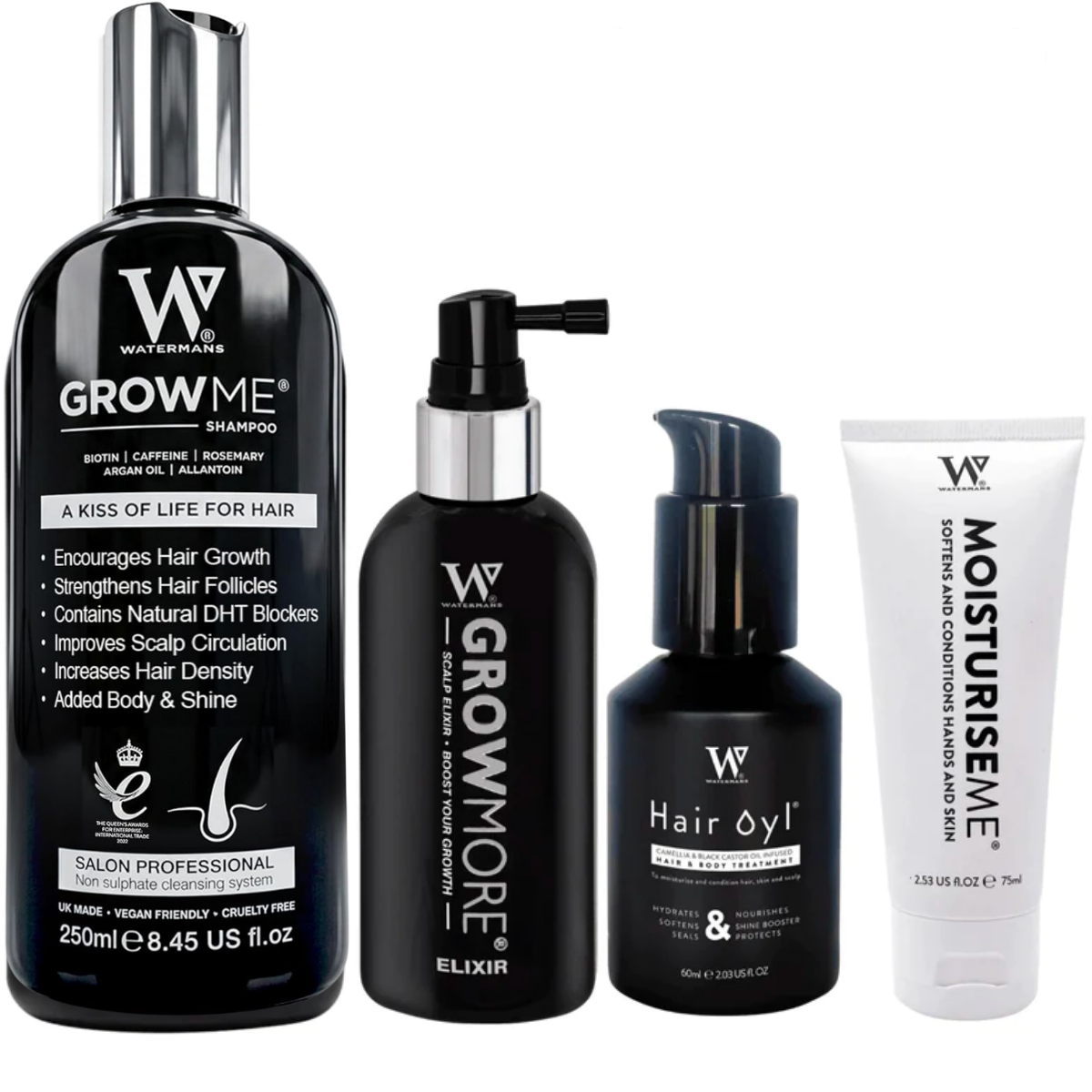
Grow Me® Shampoo, £14.95
Sulphate free, which matters in summer when you are washing more often after swimming and sweating. It cleanses without stripping and reduces breakage, so hair that is already stressed by sun and salt is not being roughed up daily as well. Vegan and made in the UK.
Get the summer hair rescue guide
A short email guide to holiday hair on a budget: the free trick that keeps chlorine out, how to protect a parting without lotion in your roots, what sun and salt actually do to the hair shaft, and how to bring dry, faded, sun stressed hair back without buying a shelf of products.
One email at a time, no spam, unsubscribe whenever you like.
Six ways people waste money on sun protection
- Buying a small premium bottle for whole body use. You will use it sparingly, which defeats the purpose.
- Paying for SPF 100. The difference between SPF 50 and SPF 100 is marginal, and it encourages people to stay out longer.
- Buying separate face, body, kids and sport versions when one high SPF, high UVA bottle would cover most of it.
- Replacing sunscreen with an SPF moisturiser and applying a pea sized amount.
- Buying tanning oils with a low SPF. These exist to help you brown, and browning is the skin responding to damage.
- Spending on after sun instead of on enough sunscreen in the first place. Aftersun is a comfort product.
For more on whether an added ingredient is worth paying for, see our guide to what ceramide sunscreens actually add. And because sunscreen is only one part of the picture, our complete guide to sun protection beyond sunscreen covers shade, clothing and the bits people always miss.
Frequently asked questions
Is cheap sunscreen as good as expensive sunscreen?
For protection, yes, provided the SPF and UVA ratings match. SPF is tested to a set method, so the number means the same thing on any bottle sold in the UK. Price buys texture, finish and fragrance rather than protection.
What SPF should I actually buy?
SPF 30 as an everyday minimum, SPF 50 if you burn easily, have very fair skin, are at altitude or near water, or will be outdoors for hours. Pair it with a high UVA rating, meaning the UVA logo in a circle or four to five stars.
How much sunscreen should I use?
Around six to eight teaspoons for the whole body, and about two fingers' length for the face and neck. That means a 200ml bottle gives roughly five or six full body applications, which is far fewer than most people assume.
Can I use last year's sunscreen?
Only if it is within its period after opening, usually twelve months, and has not been stored anywhere hot. Heat and time degrade UV filters. A bottle that spent August in a car boot is not worth the risk.
Is SPF in my foundation or moisturiser enough?
Almost never, because the amount needed to reach the stated SPF is far more product than anyone applies to their face. Take it as a small bonus on top of a proper sunscreen rather than a replacement.
Is SPF 100 worth the extra?
Not really. The step from SPF 30 to SPF 50 is worthwhile, and beyond that the gains are small. High numbers also tempt people to stay out longer and reapply less, which is where the real risk sits.
Do I need a special sunscreen for children?
Not a special brand, but do choose a high SPF with a high UVA rating and a fragrance free formula, and apply it generously and often. Shade, clothing and a hat matter more than the product for small children, and babies under six months should be kept out of direct sun.
What is the cheapest thing I can do for my scalp?
Wear a hat. A wide brim covers the scalp, ears and back of the neck at once, never needs reapplying and costs less than a bottle of sunscreen. If you would rather not, a spray or powder SPF made for the scalp beats rubbing lotion into your roots.
The short version
Buy the biggest bottle of SPF 30 or 50 with a high UVA rating that your budget comfortably allows, and use far more of it than feels necessary. Spend on a face product if a nicer texture is what gets it on your skin every morning. Put a hat on for your scalp, rinse your hair after swimming, and stop buying anything on the front of the bottle that is not a number or the UVA logo.
Watermans is a family run British business making vegan, cruelty free hair care in the UK, with over 5 million bottles sold since 2012. We do not sell sunscreen, which is exactly why we can tell you the cheap one is fine.
Watermans products are 100% cosmetic and do not treat medical hair loss. Individual results may vary.
This article is general information and is not medical advice. For severe or blistering sunburn, sunburn in a young child, or any mole that is changing, speak to a pharmacist or your GP.