

Ceramide Sunscreen: What Ceramides Actually Add
A ceramide sunscreen is an ordinary sunscreen with barrier lipids added. The SPF comes from the UV filters, exactly as it does in any other sunscreen, and the ceramides are there to stop the product leaving your skin tight, flaky or irritated. That makes them genuinely useful if your skin is dry, sensitive or easily upset, and largely irrelevant if your skin is oily and comfortable. They are a comfort upgrade, not a protection upgrade.
Key Takeaways
- Ceramides do not raise the SPF. Protection comes from the filters. A ceramide SPF 30 and a plain SPF 30 protect the same amount when applied the same way.
- What ceramides do is hold the barrier together, which matters because an uncomfortable sunscreen is a sunscreen you stop wearing.
- Best suited to dry, sensitive, eczema prone or tight feeling skin, and to anyone using strong actives who finds most sunscreens sting.
- The amount you apply matters far more than the formula. Most people use between a quarter and a half of what the SPF number assumes.
- Your scalp is skin, and the parting, hairline and ears are among the most commonly burnt and most commonly forgotten places on the body.
- Sun exposure also affects hair itself, drying the cuticle and fading colour, which is a separate problem from burning and needs a separate answer.
What ceramides actually are
Ceramides are fats. Specifically, they are a family of lipids that make up a large share of the material sitting between the cells in the outermost layer of your skin, the stratum corneum.
The usual way to picture it is a brick wall. The skin cells are the bricks, and the lipid mixture holding them together is the mortar. That mortar is roughly ceramides, cholesterol and free fatty acids, and its job is to keep water in and irritants out. When the mortar is depleted, water escapes more easily and things that would normally sit harmlessly on the surface get in and cause stinging or redness. That is what people are describing when they say their skin feels tight, or that everything suddenly irritates it.
Ceramide levels drop with age, in cold dry weather, with harsh cleansing, and in conditions like eczema. Putting ceramides back on the skin is a reasonable idea for exactly the same reason that putting mortar back into a wall is: it is the material that was missing.

So what does a ceramide sunscreen do differently?
It does two jobs in one step, and it is worth being precise about which job is which.
| Component | What it does | What it does not do |
|---|---|---|
| The UV filters | All of the sun protection. The SPF number and the UVA rating come entirely from these. | Nothing for dryness. Some filters make dry skin feel worse. |
| The ceramides | Support the skin barrier, reduce water loss, make the product more comfortable and less likely to sting. | They add nothing to the SPF and do not change how long you can stay in the sun. |
That is the whole story, and it explains who should care. If your sunscreen already feels fine, ceramides will not change your life. If you avoid sunscreen because it makes your face feel like cardboard by lunchtime, a ceramide version might be the thing that gets you wearing it daily, and daily wear beats formula every time.
Who genuinely benefits
| Skin type or situation | Worth paying extra for ceramides? |
|---|---|
| Dry, tight or flaky skin | Yes. This is the clearest case. |
| Sensitive or easily reddened skin | Yes, especially alongside a fragrance free formula. |
| Eczema prone skin | Yes, and choose mineral filters if chemical ones sting. |
| Using retinoids, acids or other strong actives | Yes. These deplete the barrier, which is exactly what ceramides address. |
| Mature skin | Often, since ceramide levels fall with age. |
| Oily or acne prone skin | Not particularly. Prioritise a light, non greasy texture instead. |
| Body use over large areas | Rarely worth it. Buy a bigger bottle of something cheaper and apply enough. |
How to choose one
- SPF 30 as a minimum, SPF 50 if you burn easily or will be outside for hours.
- Check the UVA protection, not just the SPF. In the UK, look for the UVA logo in a circle, or four to five stars. SPF alone only describes protection against the burning wavelengths.
- Decide on filter type. Mineral filters sit on the surface and suit reactive skin, though they can leave a cast on deeper skin tones. Modern chemical filters are lighter and more cosmetically elegant. Neither is safer than the other in ordinary use.
- Fragrance free if your skin is reactive. Fragrance is the single most common cause of a reaction to a skincare product.
- Choose a texture you will genuinely reapply. The best sunscreen really is the one you will use properly.
- Ignore the ingredient list theatre. A long list of extras at the bottom of the label is usually present at levels too low to matter.
The thing that actually changes your protection. SPF is measured using two milligrams of product per square centimetre of skin, which is far more than almost anyone applies. Studies of real world use consistently find people apply a quarter to a half of that, which means an SPF 50 applied thinly can behave more like an SPF 15. Applying enough of a cheap sunscreen beats applying a smear of an expensive one, every single time.
How much to use, and when

- Face and neck: roughly two fingers' length squeezed onto your index and middle fingers, or about a third of a teaspoon.
- Whole body: around six to eight teaspoons, which is far more than most people use. A 200ml bottle should not last you all summer.
- Timing: apply before you go out rather than once you are already in the sun.
- Reapply every two hours outdoors, and immediately after swimming, towelling or heavy sweating. Water resistant does not mean waterproof.
- Do not forget: ears, back of the neck, the tops of the feet, the backs of the hands, the eyelids, the lips with an SPF balm, and the parting in your hair.
Your scalp is skin, and it burns
This is the part almost every sunscreen article skips, and it is the part we care about most.
The scalp has the same barrier structure as the rest of your skin, the same ceramides in the same role, and it is exposed to more direct overhead sun than your face. It is also the place people most reliably forget, because hair feels like cover and often is not. A parting, a receding hairline, a crown that has thinned, or simply short hair all leave skin exposed to midday sun.

Practical version:
- A hat is far easier than sunscreen on a parting. A brim covers the scalp, ears and back of the neck in one move, and does not need reapplying.
- If you would rather not wear a hat, a spray or powder SPF made for the scalp is much less unpleasant than rubbing lotion into your roots.
- Move your parting occasionally. The same strip of skin taking sun every day is the strip that burns.
- A burnt scalp is genuinely miserable, and peeling, itching and scratching afterwards do your hair no favours at all.
Sun does something separate to the hair itself. UV degrades the protein in the hair shaft and lifts the cuticle, which is why hair comes back from a holiday dry, rougher, more tangled and lighter in colour. Salt and chlorine make it worse. That is a condition problem rather than a burning problem, and it responds to conditioning rather than to SPF.

Masque Me® Hair Mask, £24.95
A deep conditioning mask for hair left dry and rough by sun, salt and chlorine. It smooths the cuticle and reduces breakage, which is what stops sun stressed hair snapping when you comb it. Vegan and made in the UK.
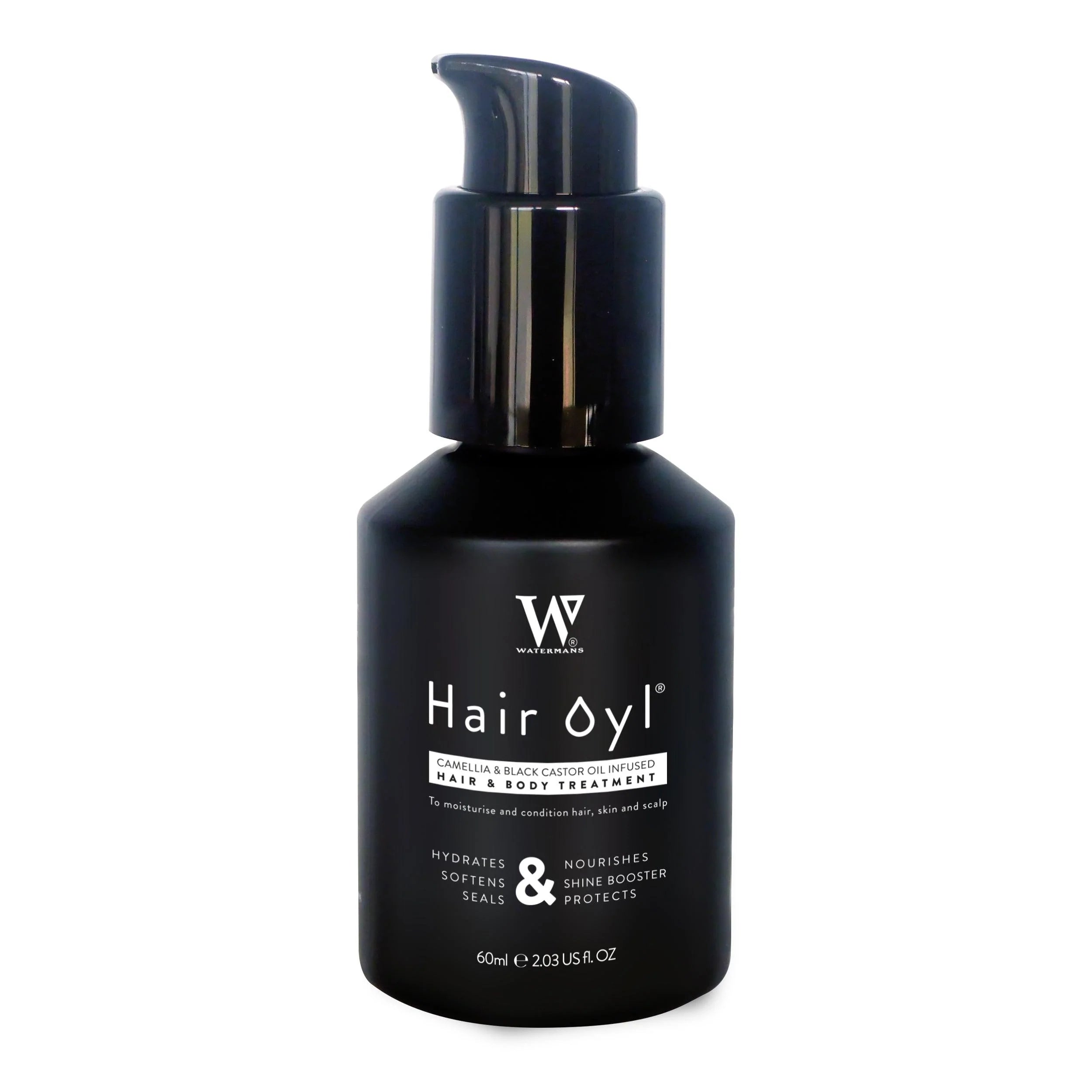
Camellia & Black Castor Hair & Body Oil, £24.95
A multi use oil for hair, scalp and body, useful in the evening after a day outdoors when skin and hair both feel dry. Not a sunscreen and no substitute for one. Use it after the sun, not instead of protection.
Get the summer hair and scalp guide
A short email guide to getting through summer without wrecking your hair: protecting the parting and hairline, what UV, salt and chlorine actually do to the hair shaft, the rinse that makes the biggest difference, and how to bring dry sun stressed hair back.
One email at a time, no spam, unsubscribe whenever you like.
Common mistakes with ceramide sunscreens
- Assuming ceramides mean you need less product. They do not. Apply the same generous amount.
- Using it as your only moisturiser on very dry skin. A sunscreen carries a limited amount of anything else. If your skin is genuinely dry, moisturise first and let it settle, then apply sunscreen.
- Buying a small expensive bottle for whole body use. You will ration it. Buy the big cheap one for your body and save the fancy one for your face.
- Ignoring the UVA rating. SPF describes burning. UVA is the part associated with longer term skin ageing and it needs its own check.
- Only wearing it on obviously sunny days. UVA passes through cloud and window glass.
- Forgetting the scalp entirely. Covered above, and worth repeating.
If your main question is really about cost rather than formula, our guide to buying affordable sunscreen well covers what you are actually paying for. And for everything sunscreen alone cannot do, see our complete guide to sun protection beyond sunscreen.
Frequently asked questions
Does a ceramide sunscreen protect better than a normal one?
No. Protection comes entirely from the UV filters and the SPF and UVA ratings on the label. Ceramides make the product more comfortable and support the skin barrier, which matters mainly because comfortable sunscreen gets worn consistently.
Do I still need a moisturiser if I use one?
If your skin is normal or slightly dry, often not. If it is genuinely dry or you are using strong actives, yes. Moisturise first, give it a couple of minutes, then apply sunscreen over the top.
Is a ceramide sunscreen good for oily skin?
It is unlikely to be your best choice. Oily skin is generally not short of barrier lipids, so you are paying for something you do not need. Prioritise a light gel or fluid texture instead.
Mineral or chemical filters, which should I pick?
Whichever your skin tolerates and you will actually reapply. Mineral filters suit very reactive skin but can leave a white cast on deeper skin tones. Modern chemical filters are lighter and less visible. Both are effective when applied properly.
How much sunscreen should I actually be using?
About two fingers' length for the face and neck, and six to eight teaspoons for the whole body. Most people use far less than this, which is the single biggest reason real world protection falls short of the number on the bottle.
Can I use face sunscreen on my scalp?
You can, though most people find lotion in their roots unpleasant. A spray or powder SPF made for the scalp is easier, and a wide brimmed hat is easier still and does not need reapplying.
Does sun damage hair as well as skin?
Yes, in a different way. UV degrades protein in the hair shaft and lifts the cuticle, so hair comes back from a sunny holiday drier, rougher and often lighter. Salt and chlorine compound it. That needs conditioning rather than sunscreen.
Do I need sunscreen in British weather?
UVA passes through cloud and glass, so daily protection is still sensible from spring through to autumn. In the depths of a British winter the case is much weaker, and a decent moisturiser matters more.
Will ceramides help sunburn afterwards?
They can make damaged skin feel more comfortable while it recovers, which is genuinely worth having, but that is soothing rather than repair. Serious or blistering sunburn, particularly in a child, is a matter for a pharmacist or GP.
The short version
Ceramide sunscreens are ordinary sunscreens made kinder to a compromised skin barrier. That is a real benefit for dry, sensitive, eczema prone or actives using skin, and mostly a marketing detail for everyone else. What changes your actual protection is applying enough, reapplying, checking the UVA rating, and covering the bits you always forget, starting with your ears and the parting in your hair.
Watermans is a family run British business making vegan, cruelty free hair care in the UK, with over 5 million bottles sold since 2012. We make hair and scalp products rather than sunscreen, and we would rather point you at a hat than sell you something that is not the answer.
Watermans products are 100% cosmetic and do not treat medical hair loss. Individual results may vary.
This article is general information and is not medical advice. For severe or blistering sunburn, a persistent skin complaint, or any changing mole, speak to a pharmacist or your GP.