

Sun Protection: The Complete Guide Beyond Sunscreen
Sunscreen is the last line of defence, not the first. The order that actually protects you is shade, then clothing, then a hat and sunglasses, then sunscreen on whatever skin is still exposed. Getting that order right costs almost nothing, works all day without reapplying, and covers the places sunscreen is worst at reaching, starting with the parting in your hair and the tops of your ears.
Key Takeaways
- Shade and clothing beat sunscreen, because they do not wear off, wash off or get applied too thinly.
- The UV index, not the temperature, tells you when to bother. At index 3 or above, protection is worth it, and a cool bright April day can hit that easily.
- A close weave and a darker colour block more UV, and wet fabric blocks considerably less than dry.
- The commonly missed spots are consistent: ears, back of the neck, the hair parting, the tops of the feet, the backs of the hands, the eyelids and the lips.
- Your scalp burns more easily than your face because it takes more direct overhead sun, and a hat is the only sun protection you never have to reapply.
- UV damages hair as well as skin, degrading protein in the hair shaft, roughening the cuticle and fading colour. That needs conditioning rather than SPF.
- Wetting your hair with clean water before you swim is free and genuinely reduces how much chlorinated or salt water it absorbs.
The hierarchy of sun protection
Almost all sun protection advice starts and ends with sunscreen, which is odd, because sunscreen is the least reliable layer. It is applied too thinly, it comes off on towels, it needs reapplying every two hours, and it is the one layer whose performance depends entirely on human diligence.
Work down this list in order and sunscreen has far less to do.
| Layer | How effective | Effort |
|---|---|---|
| 1. Shade, especially 11am to 3pm | Very high. Removes the exposure rather than filtering it. | Free, no reapplication. |
| 2. Clothing | High. A close weave dry cotton t shirt blocks a great deal of UV all day. | Free if you own a shirt. |
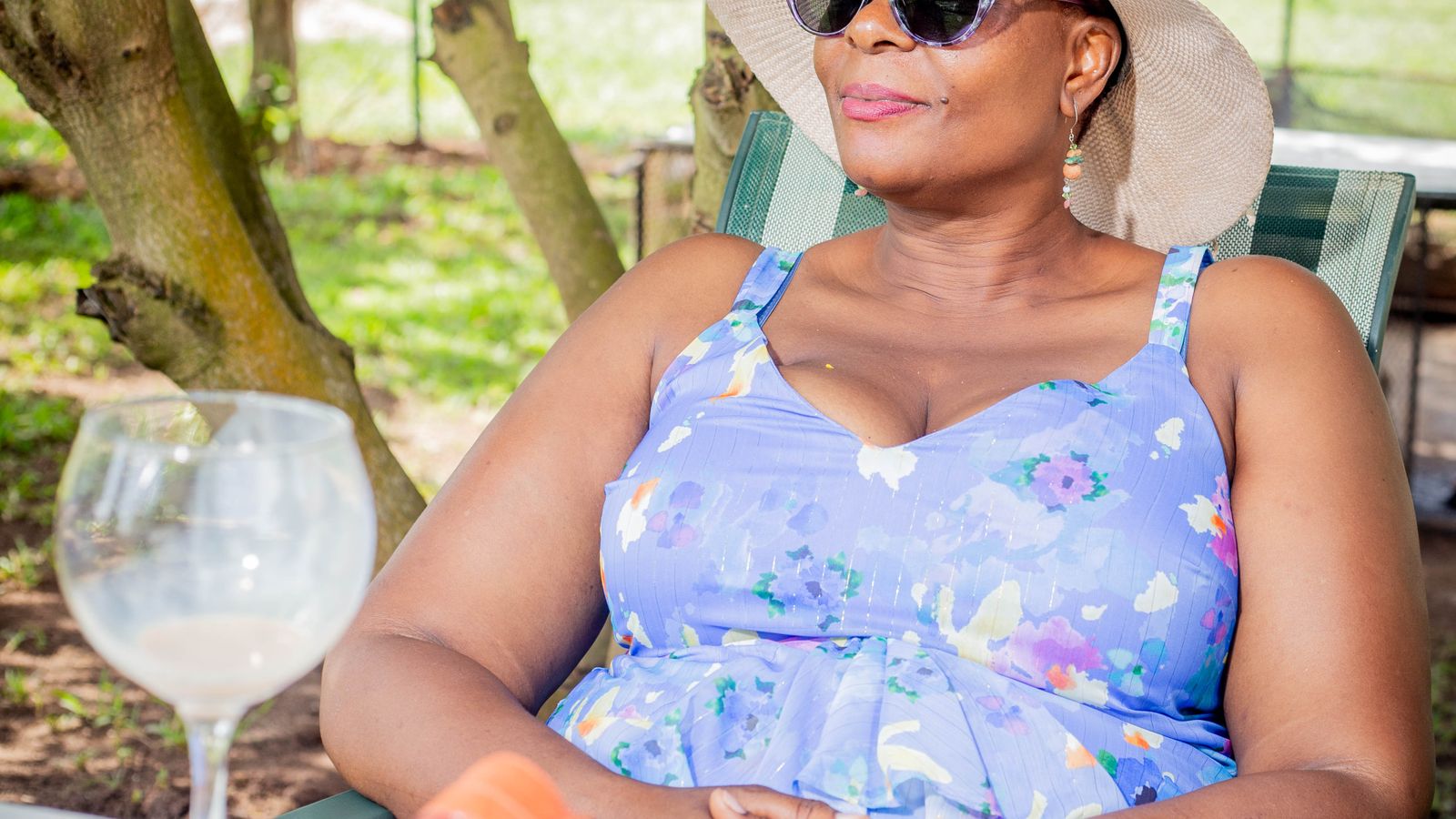
| 3. A wide brimmed hat | High for scalp, ears and neck, which sunscreen reaches worst. | One purchase, never reapplied. |
| 4. Sunglasses with UV protection | High for eyes and the thin skin around them. | One purchase. |
| 5. Sunscreen on the rest | Good in theory, moderate in practice because of under application. | Ongoing cost, reapply every two hours. |

Use the UV index, not the thermometer
The most common British mistake is judging sun exposure by how warm it feels. UV and heat are not the same thing. A breezy bright day in April or a cold clear day in the mountains can carry more UV than a muggy overcast day in July.
| UV index | What to do |
|---|---|
| 1 to 2 (low) | No special measures needed for most people. |
| 3 to 5 (moderate) | Worth protecting. Shade around midday, a hat, sunscreen on exposed skin. |
| 6 to 7 (high) | Shade in the middle of the day, cover up, SPF 30 or higher applied generously. |
| 8 to 10 (very high) | Avoid midday sun where you can. Hat, clothing, SPF 50, reapply properly. |
| 11 or more (extreme) | Unprotected skin can burn quickly. Stay out of it around the middle of the day. |
Most weather apps show the UV index. It is a better guide than the temperature, and it also explains why people burn on cloudy days: cloud reduces heat far more than it reduces UV. Water, sand and snow all reflect UV back at you, which is why days by the sea or on a ski slope catch people out.
Clothing, and what UPF actually means
- Weave matters most. Hold fabric up to the light. The more you can see through it, the more UV passes through.
- Darker and more saturated colours absorb more UV than pale ones.
- Wet fabric protects considerably less than dry fabric, which is why a soaked white t shirt in the pool is not the shield people assume.
- Stretched fabric protects less too, since stretching opens the weave.
- UPF ratings are the clothing equivalent of SPF. UPF 50 fabric lets through about one fiftieth of UV. Useful for swimwear and for children, though ordinary dry clothing is already good.
- A brim of at least seven or eight centimetres is what actually shades the face, ears and neck. A baseball cap leaves ears and neck exposed.
The spots almost everyone misses. Ears, particularly the tops. The back of the neck. The hair parting and any thinning area at the crown. The tops of the feet, which catch it badly in sandals. The backs of the hands, where sun ageing shows first. The lips, which need an SPF balm rather than lotion. The eyelids, best handled with sunglasses. Run through that list once and you will have covered more than most people manage in a whole summer.
Sun, your scalp and your hair
This is the part we know most about, and it is the part almost every sun guide leaves out.
The scalp
Scalp skin is skin. It burns, it peels, and it takes more direct overhead sun than any other part of you. It is also the easiest place to forget, because hair feels like cover and frequently is not. Partings, hairlines, thinning crowns, short hair and shaved heads all leave exposed skin sitting under the midday sun.
- A hat is the answer, and a brim beats a cap because it covers ears and neck too.
- If you will not wear a hat, use a spray or powder SPF designed for the scalp. Lotion in your roots is unpleasant and you will not repeat it.
- Move your parting from time to time so the same strip of skin is not exposed every day.
- A burnt scalp itches and peels for days, and the scratching that follows is bad for hair.
The hair itself
UV does something quite different to hair than to skin. It degrades the keratin proteins in the hair shaft and lifts the cuticle, the overlapping outer layer that keeps hair smooth. The result is hair that comes home from a holiday dry, rough to the touch, harder to comb, more prone to snapping, and lighter in colour. Colour treated hair fades noticeably faster.

Salt and chlorine compound all of it. Chlorine is drying and can shift the tone of lightened hair, and salt draws moisture out and leaves hair gritty and tangled. The fixes are simple and mostly free:
- Wet your hair with clean water before you swim. Hair absorbs a limited amount of water, so saturating it with tap water first means it takes on less pool or sea water. This is the single most useful free trick in this article.
- Add a little oil or conditioner on the lengths before swimming as a physical barrier.
- Rinse straight after swimming, ideally before the hair dries with salt or chlorine still in it.
- Wear it up loosely or under a hat in strong sun. Loosely matters, since tight styles pulled repeatedly cause their own damage.
- Condition more than you normally would while you are away, and use a mask once or twice a week.
- Detangle gently, from the ends upwards, with conditioner in. Sun stressed hair snaps far more easily.
- Ease off the heat styling while the hair is already stressed.

Masque Me® Hair Mask, £24.95
The once or twice weekly step for a summer of sun, salt and chlorine. It smooths the cuticle and reduces breakage, which is what stops roughened hair snapping when you comb it out. Vegan and made in the UK.

Protect Me® Leave In Spray, £13.95
A leave in spray for frizz and colour protection, and for heat protection when you do style. Useful on holiday hair that is dry, tangling and fading. It is a hair product, not a sunscreen, and it makes no UV claim.
Get the summer hair survival guide
A short email guide to holiday hair: the free pre swim trick in full, how to protect a parting without lotion in your roots, what UV, salt and chlorine each do to the hair shaft, and a simple week by week plan for bringing dry, faded hair back afterwards.
One email at a time, no spam, unsubscribe whenever you like.
After a day in the sun

- Cool the skin with a cool shower or damp cloth, then apply a plain unscented moisturiser or aftersun. Aftersun is a comfort product rather than a repair one.
- Drink more than usual. A day outdoors dehydrates you more than it feels like it does.
- Leave peeling skin alone and keep it moisturised.
- Rinse and condition your hair, especially if there is salt or chlorine in it.
- Do not use the day as a reason to skip protection tomorrow. A tan is the skin responding to damage, not a shield.
Children and sun
Children burn more easily and the stakes are higher, so the hierarchy matters even more here. Babies under six months should be kept out of direct sun altogether. For older children, prioritise shade in the middle of the day, then clothing and a wide brimmed hat, then a high SPF, high UVA, fragrance free sunscreen applied generously and reapplied often, particularly after swimming. Sunglasses with UV protection are worth having too. If a child does get a burn that blisters, or is unwell after sun exposure, speak to a pharmacist or GP rather than managing it at home.
When to see a GP
- Sunburn that blisters, covers a large area, or comes with fever, chills, dizziness or confusion.
- Any sunburn in a baby or young child.
- A mole that is changing in size, shape or colour, is itching, bleeding or crusting, or simply looks different from your others.
- A patch of skin that will not settle, keeps scabbing or bleeds easily.
- A scalp that stays sore, scaly or crusted after a burn has otherwise settled.
Frequently asked questions
Is sunscreen enough on its own?
Rarely, because in practice people apply about a quarter to a half of the amount the SPF rating assumes and forget to reapply. Shade, clothing and a hat do not depend on that diligence, which is why they belong first in the order.
Can I burn on a cloudy day?
Yes, easily. Cloud reduces heat far more than it reduces UV, so a comfortable overcast day can still carry a meaningful UV index. Check the index in your weather app rather than judging by how warm it feels.
Does a t shirt protect me from the sun?
A dry, close weave t shirt gives good protection all day. Hold it up to the light: the more you see through it, the more UV gets through. Wet fabric protects considerably less, so a soaked shirt in the pool is not the cover people assume.
How do I protect my scalp without getting lotion in my hair?
Wear a wide brimmed hat, which covers scalp, ears and neck at once and never needs reapplying. Failing that, use a spray or powder SPF made for the scalp, and move your parting from time to time so the same strip of skin is not exposed daily.
Does the sun damage hair?
Yes. UV degrades protein in the hair shaft and lifts the cuticle, so hair becomes drier, rougher, more tangled and more prone to snapping, and colour fades faster. It is a condition problem rather than a burning one, so conditioning is the answer, not sunscreen.
How do I stop chlorine wrecking my hair?
Soak your hair in clean water before you get in. Hair only absorbs so much water, so saturating it first means it takes on much less chlorinated water. Add conditioner or a little oil on the lengths, and rinse as soon as you get out.
Do I need sunglasses, or is that just for comfort?
They are genuinely protective. UV affects the eyes and the very thin skin around them, which is difficult to cover with sunscreen. Look for a UV400 or full UV protection marking rather than just dark lenses.
Is a base tan protective?
No. A tan is the visible sign of skin responding to UV damage, and it offers only very slight protection. Using a sunbed to build one adds damage rather than defence.
Do I need any sun exposure for vitamin D?
Short incidental exposure contributes, and in the UK many people are advised to consider a supplement over the autumn and winter months. That is a question for your GP or pharmacist rather than a reason to sunbathe.
The short version
Get out of the midday sun, put a shirt on, wear a brimmed hat, use sunglasses, and then apply plenty of sunscreen to what is left. Check the UV index rather than the temperature. Cover the ears, the neck, the hands, the feet and the parting in your hair, because those are the spots that get missed every year. And remember your hair takes a beating too: wet it before you swim, rinse it after, and condition it more than you think you need to.
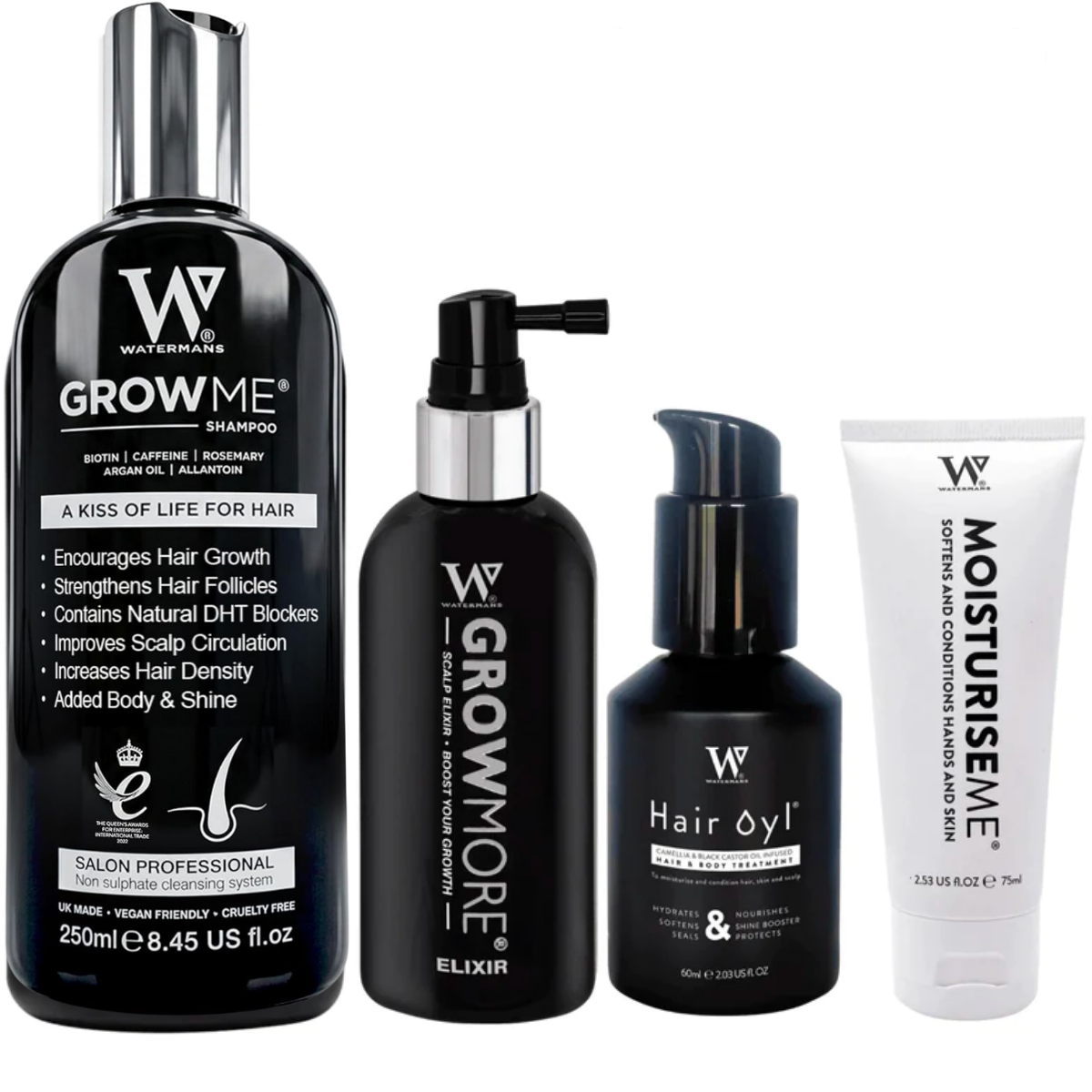
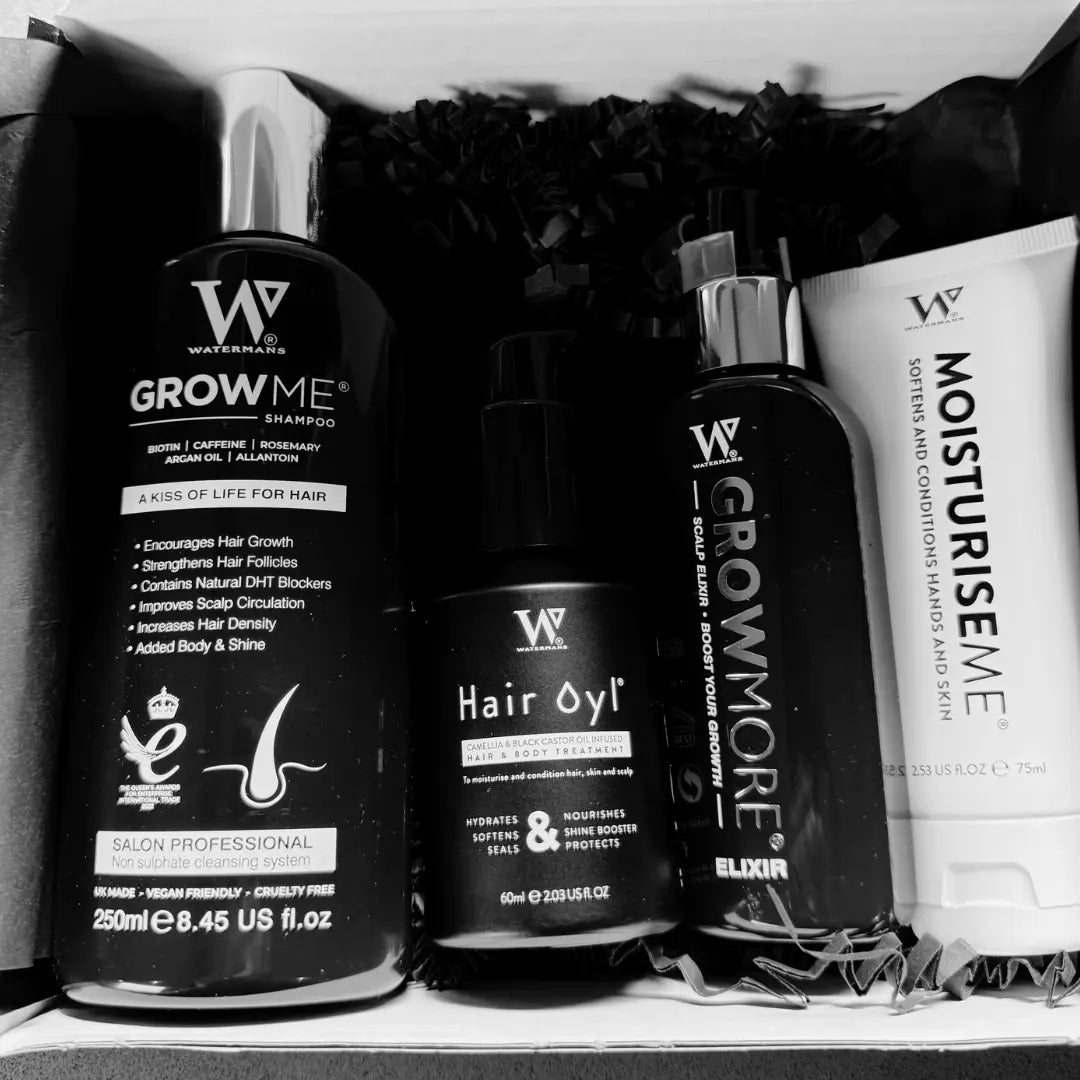
Watermans is a family run British business making vegan, cruelty free hair care in the UK, with over 5 million bottles sold since 2012. We make hair and scalp products, not sunscreen, and the best sun advice we have for your scalp is free: wear a hat.
Watermans products are 100% cosmetic and do not treat medical hair loss. Individual results may vary.
This article is general information and is not medical advice. For blistering sunburn, sunburn in a child, or any mole or patch of skin that is changing, speak to a pharmacist or your GP.