

Sulfate Free Shampoo: What It Actually Changes
Short answer: sulfate free shampoo swaps the two harshest common detergents, sodium lauryl sulfate and sodium laureth sulfate, for milder cleansing agents. It foams less, it cleans slightly more slowly, and it removes far less of your hair's own oil while it does it. That matters most if your hair is coloured, dry, curly, damaged or washed often. It matters least if you have a very oily scalp and use heavy styling products, where an occasional stronger wash still earns its place.
Key takeaways
- Foam is not cleaning. Sulfates are excellent foaming agents, and we have been trained to read big lather as effectiveness. The two are not related.
- The squeaky feeling after washing is not cleanliness. It is the sound of a stripped cuticle with nothing left on it.
- Sulfate free is most worth it for coloured hair, where harsh detergents pull pigment out faster, and for curly and coily hair, which is dry by default.
- Expect an adjustment period of three or four washes, especially if you are coming off silicone heavy products.
- Sulfates are not dangerous. The honest case against them is that they are too effective at removing oil for daily use, not that they are harmful.
What is a sulfate, and what does it actually do?
Sulfates in shampoo are surfactants. A surfactant molecule has one end that is attracted to water and one end that is attracted to oil, which lets it grab the oil and grease sitting on your scalp and hair and carry it away when you rinse. Without a surfactant of some kind, water alone slides off oil and takes very little with it.
Sodium lauryl sulfate, usually written SLS, and sodium laureth sulfate, written SLES, are the two you see most. They are cheap, they are stable, they work in hard water, and they produce a rich lather almost instantly. From a manufacturing point of view they are close to ideal, which is why they have dominated shampoo for decades.
The problem is that they are extremely good at their job and completely indiscriminate about it. They do not distinguish between the grease you want gone and the natural sebum that is keeping your ends flexible and your scalp comfortable. On a scalp that produces plenty of oil and gets washed twice a week, that is fine. On dry, coloured, curly or damaged hair, it removes something you cannot easily replace.

What replaces them in a sulfate free formula?
Milder surfactants, generally from two families.
- Amphoteric surfactants such as cocamidopropyl betaine, often derived from coconut. Gentle, low irritation, and a modest amount of foam.
- Non ionic and mild anionic surfactants such as the glucosides (decyl glucoside, coco glucoside) and the isethionates and sulfosuccinates. These clean effectively without the aggressive degreasing.
A well formulated sulfate free shampoo usually blends several of these, because no single mild surfactant does everything that SLS does on its own. That is also why sulfate free formulas tend to cost a little more: you need a more considered blend to reach the same result.
Worth knowing: sulfate free is a claim about the detergent system and nothing else. A sulfate free shampoo can still contain silicones, heavy fragrance or drying alcohols. It is one useful piece of information about a bottle, not a certificate of quality.
How the two compare in practice
| In use | Sulfate shampoo | Sulfate free shampoo |
|---|---|---|
| Lather | Immediate and abundant | Softer, slower, less of it |
| Cleaning power | Very high, clears heavy buildup in one wash | Sufficient, may want two short washes |
| Effect on natural oils | Strips thoroughly | Leaves much more behind |
| Colour fade | Faster | Noticeably slower |
| Suits daily washing | Poorly | Well |
| Best for | Very oily scalps, heavy product users, occasional clarifying | Coloured, dry, fine, curly, coily or damaged hair |
Who genuinely benefits from switching?
Anyone with coloured hair
This is the clearest case. Colour molecules sit inside the hair shaft, and strong surfactants lift the cuticle enough for them to escape faster. Salons have recommended sulfate free formulas to colour clients for years for exactly this reason, and the difference in how long a colour holds is one of the few effects you can see within a few weeks rather than months.
Curly, coily and afro textured hair
Sebum travels down a straight hair shaft reasonably well and down a tightly curled one very badly. These hair types are dry at the ends by default, before anything is done to them. Removing what little oil does reach the lengths is the opposite of helpful, which is why gentler cleansing is close to standard advice for textured hair.
Anyone washing more than three times a week
Frequency multiplies everything. A harsh wash once a week is survivable. The same wash five times a week is a scalp and a set of ends that never get to recover.
Fine hair that keeps breaking
Fine hair has less cuticle to lose and a smaller margin before damage shows. Gentler cleansing, combined with something that reduces breakage, protects the length you already have.
Dry, itchy or reactive scalps
If your scalp feels tight after washing, that tightness is a real signal. Milder surfactants are far less likely to leave it that way. If the flaking is persistent, heavy or yellowish rather than fine and dry, that is worth a pharmacist or GP conversation instead, as we cover in our flaky scalp guide.

Who probably does not need to bother?
Honesty is more useful here than a blanket recommendation.
- Very oily scalps with short hair. If your scalp produces a lot of oil and your hair is too short to be damaged, a conventional shampoo is doing you no harm.
- Heavy wax, pomade or dry shampoo users. These products are formulated to resist water, and mild surfactants can struggle. You may need a stronger wash weekly regardless.
- Anyone who finds low lather genuinely unpleasant. Compliance beats theory. A gentler shampoo you dislike and use badly is worse than a standard one you use properly.
What to expect when you switch
The switch is not always immediately delightful, and knowing that in advance stops people abandoning it in week one.
- Washes one and two: the hair may feel coated or heavier than usual. If you have been using silicone rich products, the milder shampoo is not removing that buildup as fast, so it lingers.
- Washes three and four: things normalise. This is the earliest point at which a fair judgement is possible.
- Weeks three to six: the actual benefits show. Less dryness at the ends, colour holding better, less of the tight feeling at the scalp.
Use a little more product than you are used to, or wash twice on the first pass if you have gone several days. And remember that low lather does not mean it is not working, which is the single most common reason people conclude a sulfate free shampoo has failed.
What we make
Everything we sell is sulfate free, which was a formulation decision from the start rather than a marketing one.

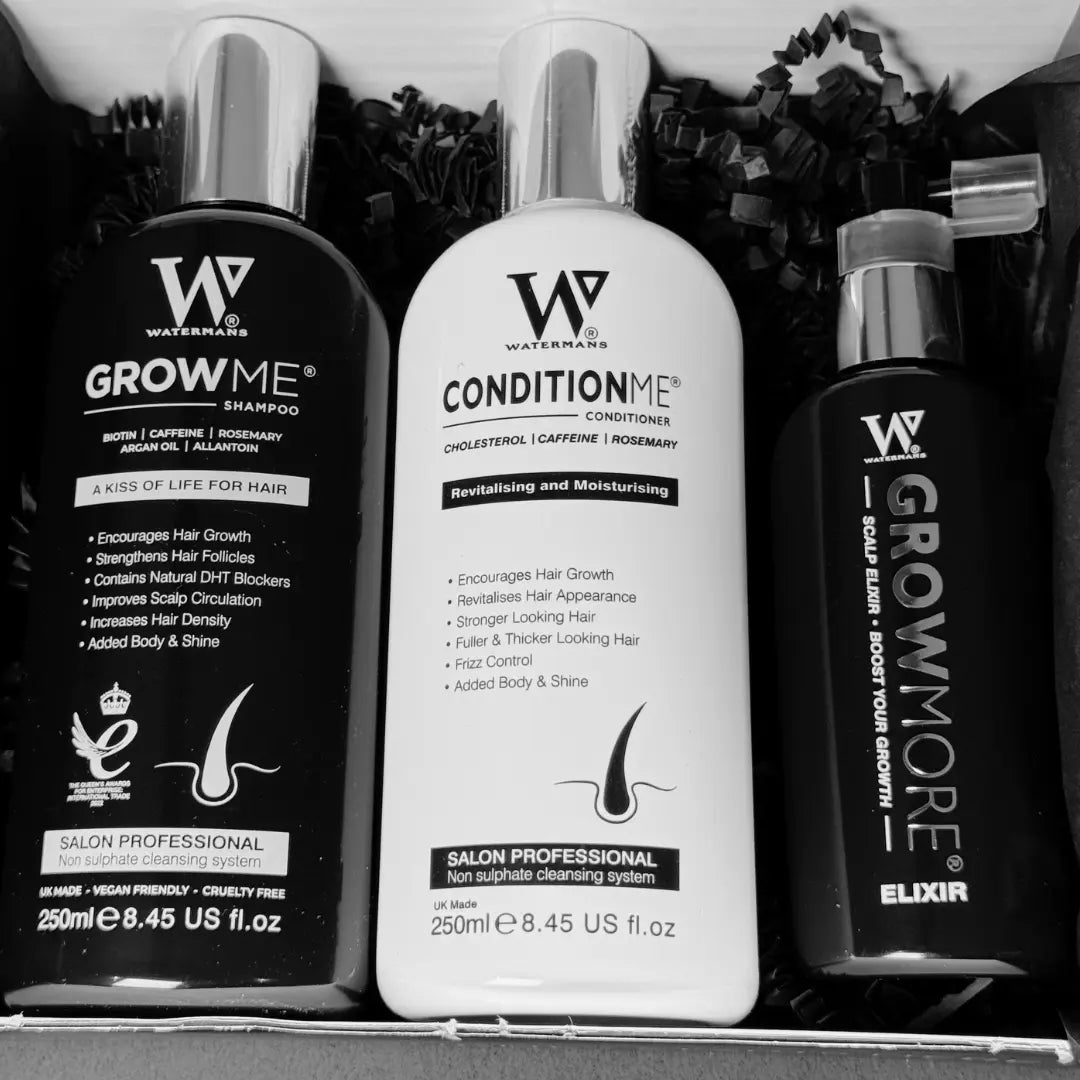
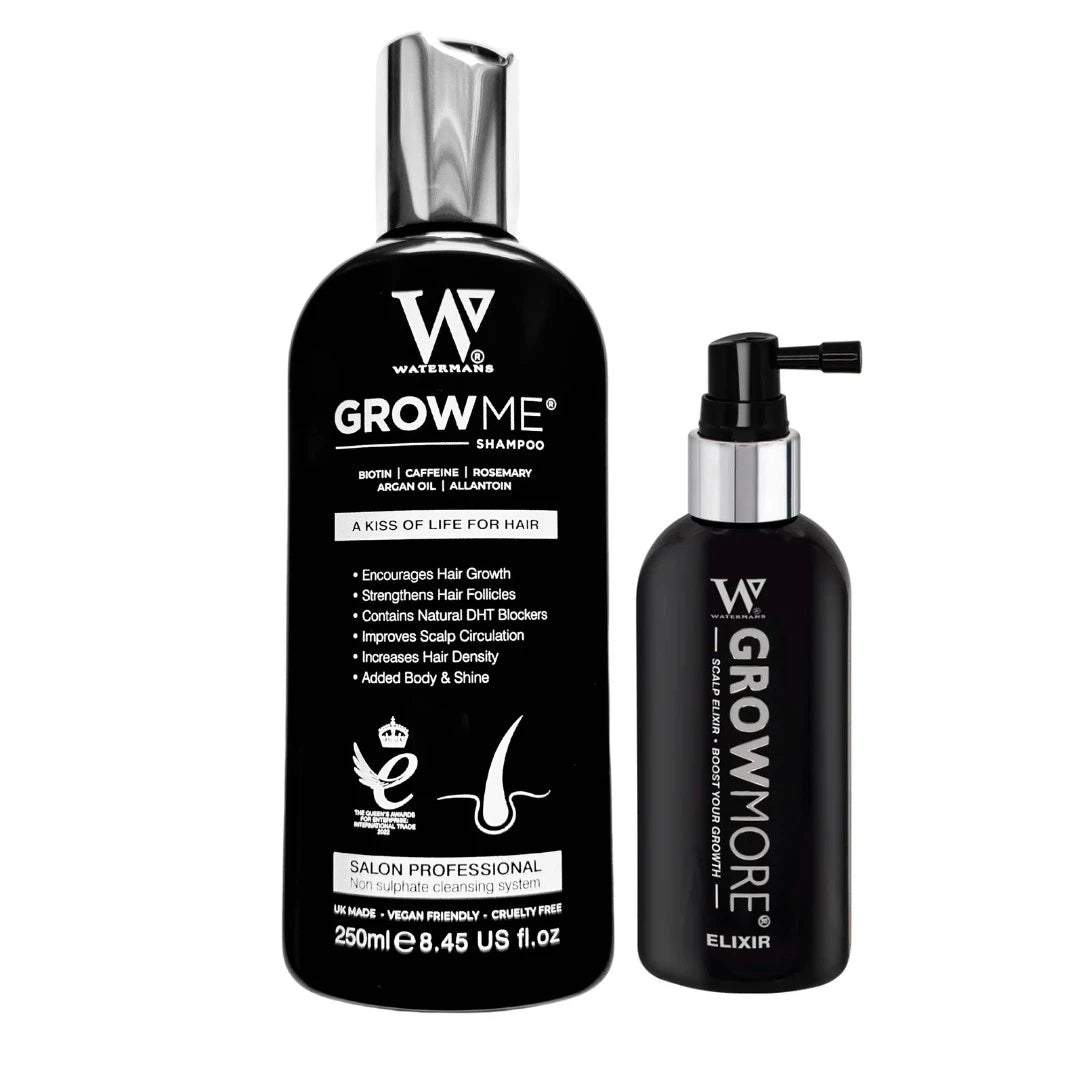
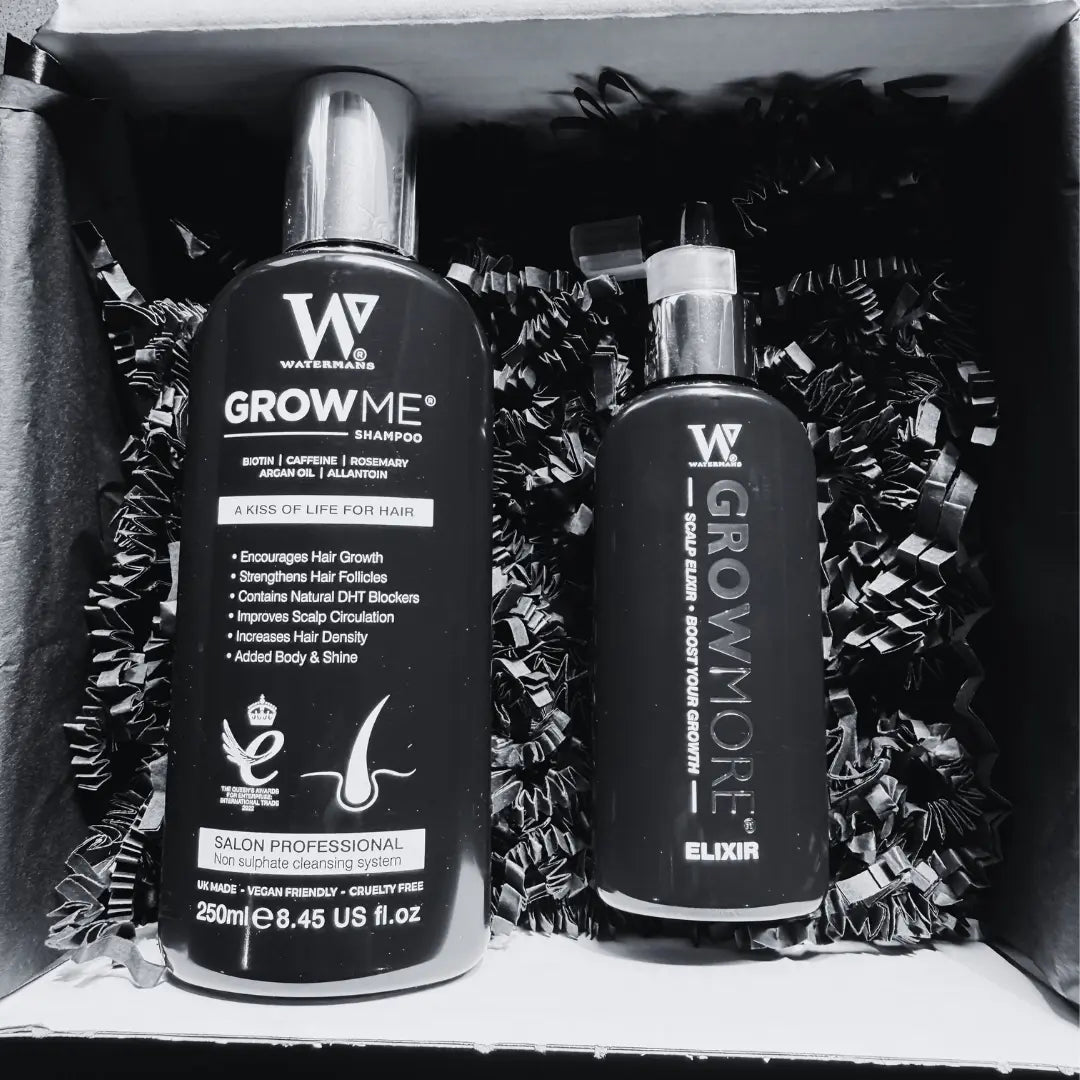
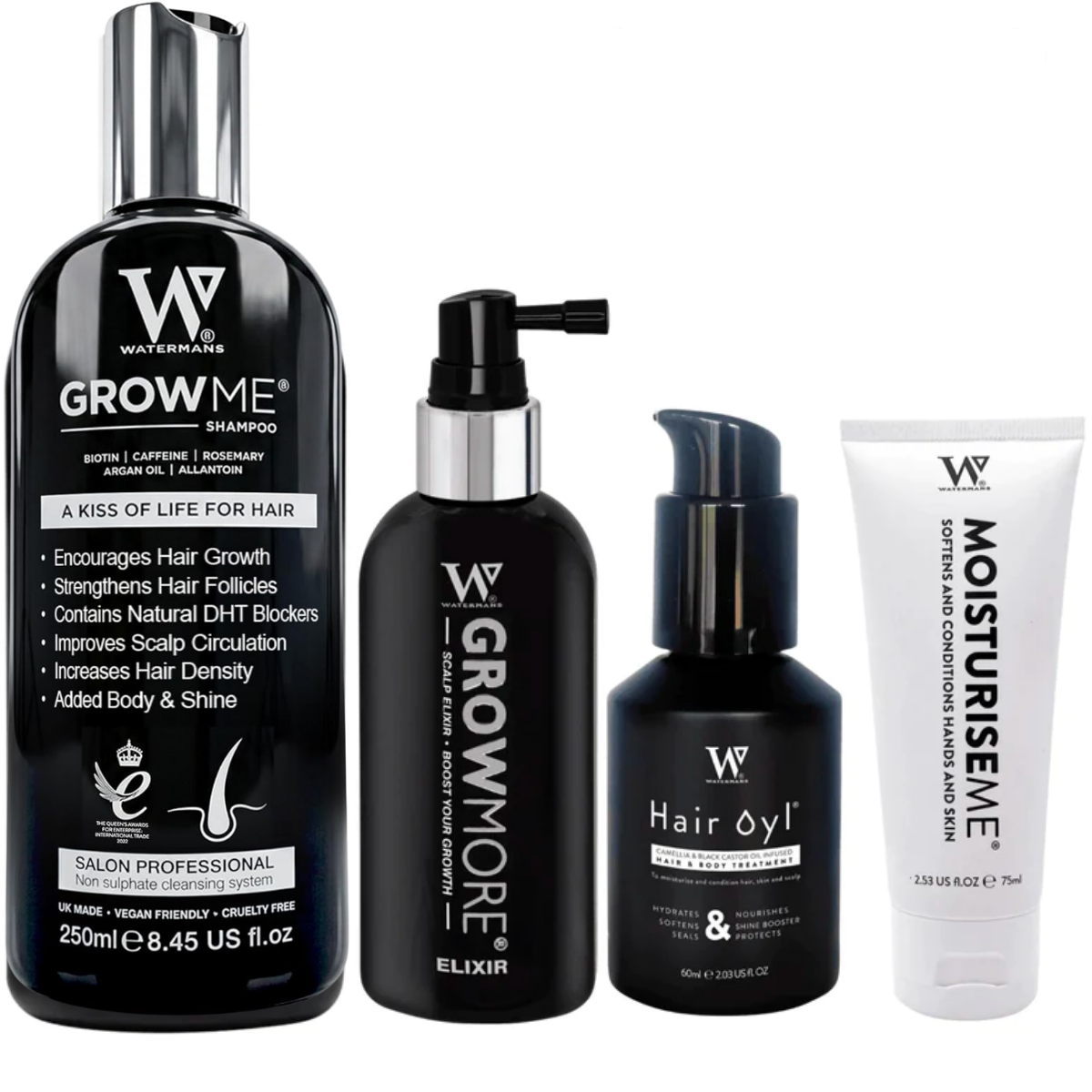
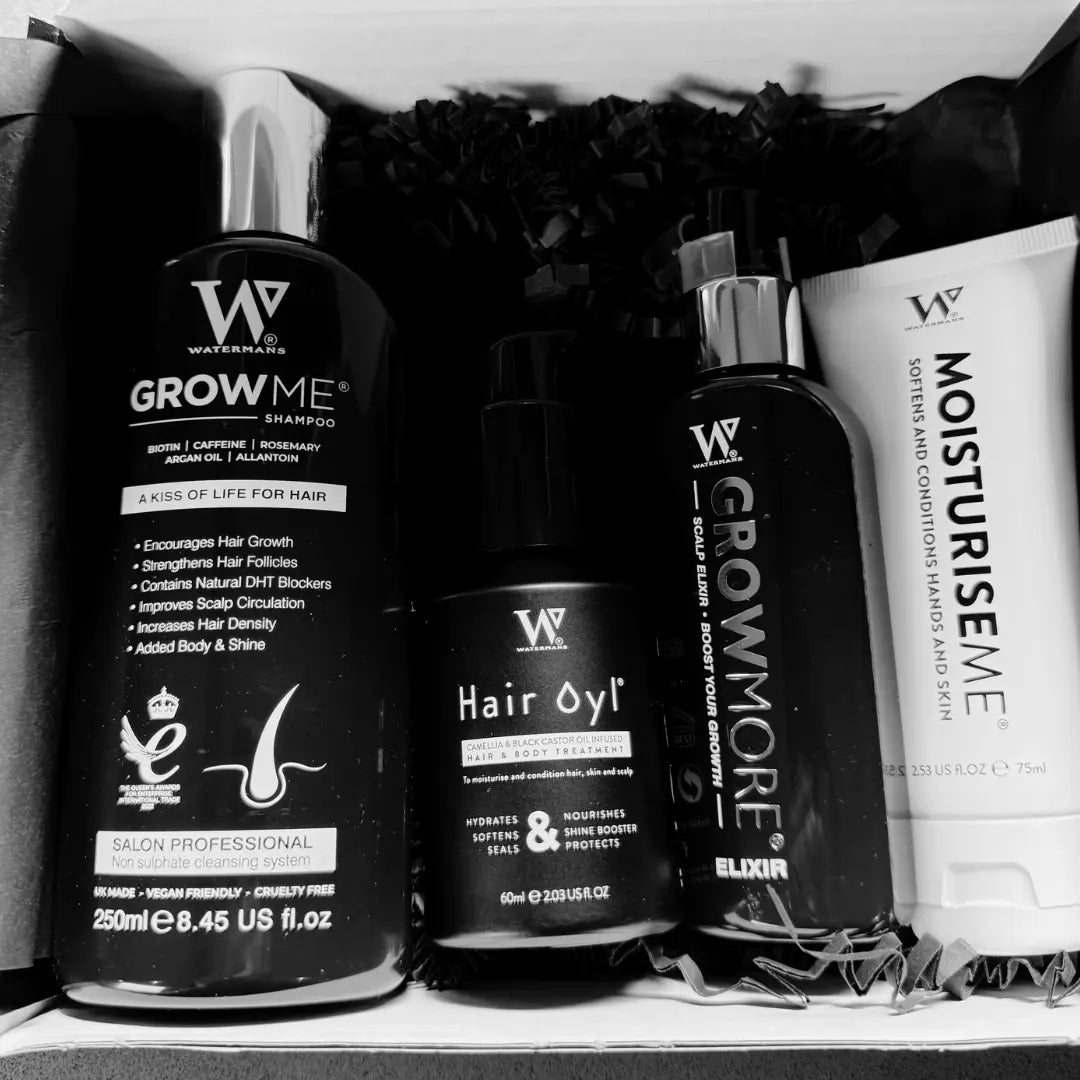
Grow Me® Sulfate Free Shampoo
A mild surfactant blend so it can be used as often as your scalp needs without stripping, carrying biotin, caffeine, rosemary and niacinamide alongside hydrolysed lupine protein. The protein is the ingredient doing the visible work, filling gaps in a worn cuticle so the fibre snaps less. Reduces breakage for fuller looking hair, and supports a comfortable scalp environment.
£14.95 · sulfate free, vegan, made in the UK

Curly Hair Shampoo and Curl Definition Conditioner Set
The case for gentle cleansing is strongest on curly, coily and afro textured hair, so this is the pairing built for it. Cleans without stripping the little oil that reaches the lengths, and conditions heavily enough that detangling stops being a battle. If gentler washing is the reason you are here, and your hair is textured, start with this one rather than the shampoo alone.
£24.95 · vegan, made in the UK
Get the ingredient label decoder
One free email. A one page guide to reading a shampoo label: how to spot the detergent system in the first five ingredients, which silicones rinse out and which build up, what hydrolysed protein does and when to skip it, and the four marketing phrases on the front of the bottle that mean nothing at all.
One email at a time, no spam, unsubscribe whenever you like.
Clearing up the myths
"Sulfates are toxic"
They are not. This claim circulates widely online and does not hold up. SLS is a well studied cosmetic ingredient and the regulatory position in the UK and EU is that it is safe at the concentrations used in rinse off products. It can be irritating to some people, particularly at higher concentrations or with a compromised skin barrier, and irritation is a real and different thing from toxicity. The sensible case for switching is about dryness and colour retention, not safety.
"Sulfate free means natural"
No. The replacement surfactants are also manufactured, some from plant derived starting materials and some not. Natural is not a regulated term on a shampoo bottle and tells you nothing reliable.
"Sulfate free will stop my hair falling out"
It will not, and anyone telling you otherwise is overselling. Shampoo works on the hair shaft and the surface of the scalp. Hair loss originates at the follicle, driven by hormones, genetics, health and nutrition. What a gentler shampoo genuinely does is reduce breakage, so more of the hair you grow stays on your head at full length. That is worth having, and it is a different claim. If you are seeing real thinning, work through the likely causes and speak to your GP.
"You have to wash more often with sulfate free"
Usually the opposite. Because less oil is stripped away, many people find their scalp settles and they need to wash slightly less, not more.
Frequently asked questions
Does sulfate free shampoo clean properly?
Yes. It cleans more gently and more slowly, which is a different thing from cleaning badly. If your hair still feels coated after one wash, do a second short one rather than concluding it does not work.
Why does my sulfate free shampoo barely foam?
Because the foaming agent has been removed. Lather comes from sulfates, and its absence tells you nothing about how clean your hair is. Make sure your hair is thoroughly wet first, which helps the product spread and foam a little more.
Is sulfate free better for coloured hair?
Yes, this is the strongest case for it. Harsh surfactants accelerate colour fade by lifting the cuticle and letting pigment wash out. Switching is one of the more reliable ways to make an expensive colour last longer.
Can I use sulfate free shampoo every day?
Yes, and it is one of the main reasons to use it. If you wash daily because of exercise, an oily scalp or simply preference, a milder formula makes that far less damaging.
Do I still need a clarifying wash?
Occasionally, if you use heavy styling products, dry shampoo or silicone rich conditioners. About once a month is enough for most people. More frequently and you undo the point of switching.
Is sulfate free better for a sensitive scalp?
Generally yes. Milder surfactants are less likely to leave the scalp tight, dry or irritated. If irritation persists after switching, the cause is likely something other than the detergent, and fragrance is a common culprit worth ruling out next.
Does sulfate free shampoo help with dandruff?
Not directly. Flaking from a dry scalp often improves with gentler washing because the scalp is less stripped. Flaking that is oily, yellowish and persistent is a different problem with a different answer, and a pharmacist is a good first stop.
Are sulfate free shampoos worth the extra cost?
If your hair is coloured, dry, curly or damaged, or you wash frequently, yes. If you have short, healthy, uncoloured hair and an oily scalp, the benefit is small and you are entitled to spend the money elsewhere.
The short version
Sulfate free is a genuine, modest, well understood improvement for most hair types, and an oversold miracle in a lot of marketing. Judge it on colour retention, on how your scalp feels after washing, and on whether your ends stop snapping. Give it four washes before deciding, and ignore the lather entirely.
If you want somewhere sensible to start, Grow Me sulfate free shampoo is our most popular single bottle. Watermans has sold over 5 million bottles since 2012, everything is vegan, and it is made here in the UK.
Watermans products are 100% cosmetic and do not treat medical hair loss. Individual results may vary.
Further reading: how to use conditioner properly and six habits for healthier hair.