

Is Eating Clay Harmful? Clay, Ice and Raw Rice Risks Explained
Is eating clay harmful? Yes, in several concrete ways: clay and soil can carry lead and parasite eggs, they bind minerals in the gut so you absorb less iron from your food, and in quantity they cause constipation and blockages. Ice and raw rice are less dangerous to your body but rough on your teeth. The bigger point is that the craving itself usually signals low iron, and that is the part worth acting on.
Key takeaways
- Clay and soil are the riskiest of the group. Lead contamination and parasite eggs are both real, documented hazards.
- The WHO notes that young children can absorb four to five times as much lead as adults from the same swallowed amount.
- Clay binds minerals in the gut, so it can deepen the iron shortfall that caused the craving in the first place.
- Ice and raw rice mainly threaten your teeth. Chipped enamel does not grow back.
- Every one of these cravings is worth a ferritin blood test, not a willpower plan.
- Stop clay and soil today. Ice and rice can wait for your blood results if stopping abruptly feels impossible.
- Short answer to is eating clay harmful: yes, and it is the one substance on this list to stop first.
Is eating clay harmful, or is it the craving that matters more?
Both matter, and they need separate answers. The craving is a signal. The substance is a hazard. Treating only one of them leaves the other running.
Compulsively eating things that are not food is called pica, and in adults it is most often driven by low iron. That is covered in detail in our companion guide to what the craving for ice, clay and raw rice actually means. This page is the other half: what these substances do to you while the craving is running, and which ones you need to stop first.
The short ranking, worst first: clay and soil, then paper, then raw rice and flour, then ice. That order is worth knowing because it tells you where to spend your effort.

What actually happens when you eat clay or soil?
Three separate problems stack up, and none of them depend on the clay being visibly dirty.
Lead. Soil in older urban areas, near busy roads, and around properties with historic lead paint or lead plumbing can carry meaningful lead levels. The World Health Organization is blunt about the mechanism: lead is stored in the teeth and bones, it affects multiple body systems, and young children are particularly vulnerable, absorbing up to four to five times as much lead as adults from an ingested dose. Cosmetic and craft clays are not food grade and are not tested for this.
Parasites. The NHS describes toxocariasis as an infection from roundworms found in dog, cat and fox faeces, caught when soil or sand containing worm eggs gets into the mouth. It is uncommon, but it is exactly the route that eating garden soil creates, and the NHS lists high temperature, cough and wheezing after swallowing soil among the reasons to seek urgent advice.
Blocked absorption. This is the cruel one. Clay binds minerals in the digestive tract, so less of the iron in your meals actually reaches you. If the craving started because iron was low, satisfying it makes the underlying shortfall worse, which can make the craving stronger. It is a genuine loop, and it is the reason clay is the first thing to stop.
Volume matters too. Small amounts of any of this are unlikely to cause an obstruction. Regular daily quantities are a different matter, and constipation that will not shift is a common early complaint.
Is eating clay harmful in pregnancy?
Pregnancy is when this question comes up most often, because iron demand rises sharply and pica is more common. It is also when the risk profile is worst, for two reasons.
First, lead crosses the placenta, so contamination is not only a problem for the person eating the clay. Second, iron is already stretched, and anything that reduces absorption compounds a shortfall that is being actively monitored. NHS guidance on what to avoid in pregnancy exists precisely because the margins are thinner.
So the answer to is eating clay harmful is a firmer yes in pregnancy than at any other time. The practical advice is straightforward. Tell your midwife. Do not soften it or turn it into a joke, because they can act on it quickly, they will have heard it before, and your bloods are already being checked at intervals. Stopping clay and soil should not wait for the next appointment.

What are the real risks of chewing ice?
Ice is the mildest of the group in terms of what it does inside you. There is no contamination risk from ice made with clean water and no absorption problem. The damage is mechanical and it is done to your teeth.
Enamel is the hardest tissue in the body and it is also brittle. Repeatedly biting something frozen solid produces micro cracks, and micro cracks turn into chips and fractures, often at the edges of front teeth or in teeth that already carry fillings or crowns. Restorations are more vulnerable than natural enamel, so people with a lot of dental work are the ones most likely to end up with a broken tooth from a habit that felt harmless.
Enamel does not regenerate. That is why dentists take ice chewing more seriously than most people expect, and why the answer to whether it is worth stopping is yes, even though nothing dramatic happens on any given day.
What are the risks of eating raw rice, flour and paper?
Raw rice sits between ice and clay. Uncooked grains are hard enough to damage teeth in the same way ice does, and they can be uncomfortable in the gut because the starch is indigestible until cooked. Large regular quantities can contribute to bloating, cramping and constipation.
Raw flour and raw dough deserve their own note, because most people assume the risk is the egg. It is not only the egg. Flour is a raw agricultural product, it is not treated to kill bacteria before it reaches the bag, and cooking is the step that makes it safe. Eating it by the spoonful skips that step.
Paper and tissue are largely inert, which is what makes them feel harmless, but volume is again the issue. Compacted paper does not break down, and significant daily amounts carry a genuine risk of obstruction. The other risk is different in kind: paper is easy to eat privately for a long time, so it is the craving people are least likely to mention.

How do the substances compare?
This table is the quick version of everything above, ordered by how urgently each one needs to stop. If you want the answer to is eating clay harmful set against the alternatives, read the top row.
| Substance | Main hazards | Blocks iron? | How urgent |
|---|---|---|---|
| Clay, soil, chalk | Lead, parasite eggs, constipation, obstruction | Yes | Stop today |
| Paper, card, tissue | Obstruction if quantities are large | No | Stop soon |
| Raw rice, flour, dough | Tooth damage, bacteria in raw flour, gut discomfort | No | Stop soon |
| Ice, frost | Cracked enamel, chipped teeth, damaged fillings | No | Manage, then stop |

See a GP or call 111 promptly if any of these apply
- Stomach pain with vomiting, or you have not passed a stool for several days.
- A high temperature, cough or wheezing after swallowing soil or sand.
- You are pregnant and have been eating clay, soil or chalk.
- A child is eating soil, paint flakes or plaster. Lead risk is highest in children.
- Blood in your stool, or stools that are black and tarry.
Does any of this affect your hair?
Indirectly, and it is worth separating three things that get lumped together as one problem.
- Hair shedding is a cycle problem. Low iron pushes more follicles than usual into their resting phase at once, and they let go together two to three months later. This is the one connected to pica, and it recovers when iron is restored.
- Hair loss is a follicle problem. Androgenetic alopecia and alopecia areata change the follicle itself. Clay, ice and rice have nothing to do with it.
- Hair breakage is a fibre problem. Strands snap along their length from heat, tension or chemistry, leaving short broken pieces rather than full length hairs.
Because clay reduces how much iron you absorb, it can nudge the first of those in the wrong direction. Our guide to telogen effluvium and its recovery timeline sets out what to expect once the cause is dealt with, and the three mechanisms behind thinning hair explains how to tell them apart without a microscope.
Get a discount on the hair shedding range
Join the Watermans mailing list and we will email a discount code straight to your inbox, so you can try the hair shedding range for less. Vegan, made in the UK, over 5 million bottles sold since 2012.
How do you stop the craving without white knuckling it?
Knowing that the answer to is eating clay harmful is yes rarely stops anyone on its own. Willpower is the wrong tool here, because the craving is downstream of a physical shortfall. Fix the shortfall and the craving usually fades on its own within a few weeks. Until then, these are the tactics that people actually manage to stick to.
- Get the blood test first. Ask your GP for a full blood count and a ferritin level, and say the word pica in the appointment. Ferritin drops before haemoglobin does, so it catches this earlier.
- Draw a hard line at clay and soil. This is the one substance where stopping cannot wait, because it carries contamination risk and it actively works against your iron.
- Substitute the texture, not the substance. For ice chewers, slushed or shaved ice gives the cold and the crunch without the impact load that fractures enamel. Frozen fruit works for some people.
- Eat iron with vitamin C, not with tea. Orange juice or peppers alongside a meal improve absorption from plant sources. Tea and coffee reduce it, so leave an hour either side.
- Tell one person. Pica is quietly embarrassing, which is why it runs unmentioned for months. Saying it out loud once, to a GP or midwife, is the step that usually ends it.
How should you look after your hair while this settles?
If low iron has driven a shedding phase, the months that follow leave you with a lot of short, fine new growth at different lengths. That new growth snaps easily, and losing it to breakage cancels out the recovery you have been waiting for. Handling matters more than any product: detangle on conditioned hair from the ends up, drop the heat setting, and give the tight ponytails a rest while the short pieces grow through.
Watermans products are cosmetic. They will not change your iron levels or stop a craving, and the blood test is the part that matters here. What a gentle, sulfate free wash can do is look after your scalp kindly through a shedding phase and reduce the breakage that costs you new growth.

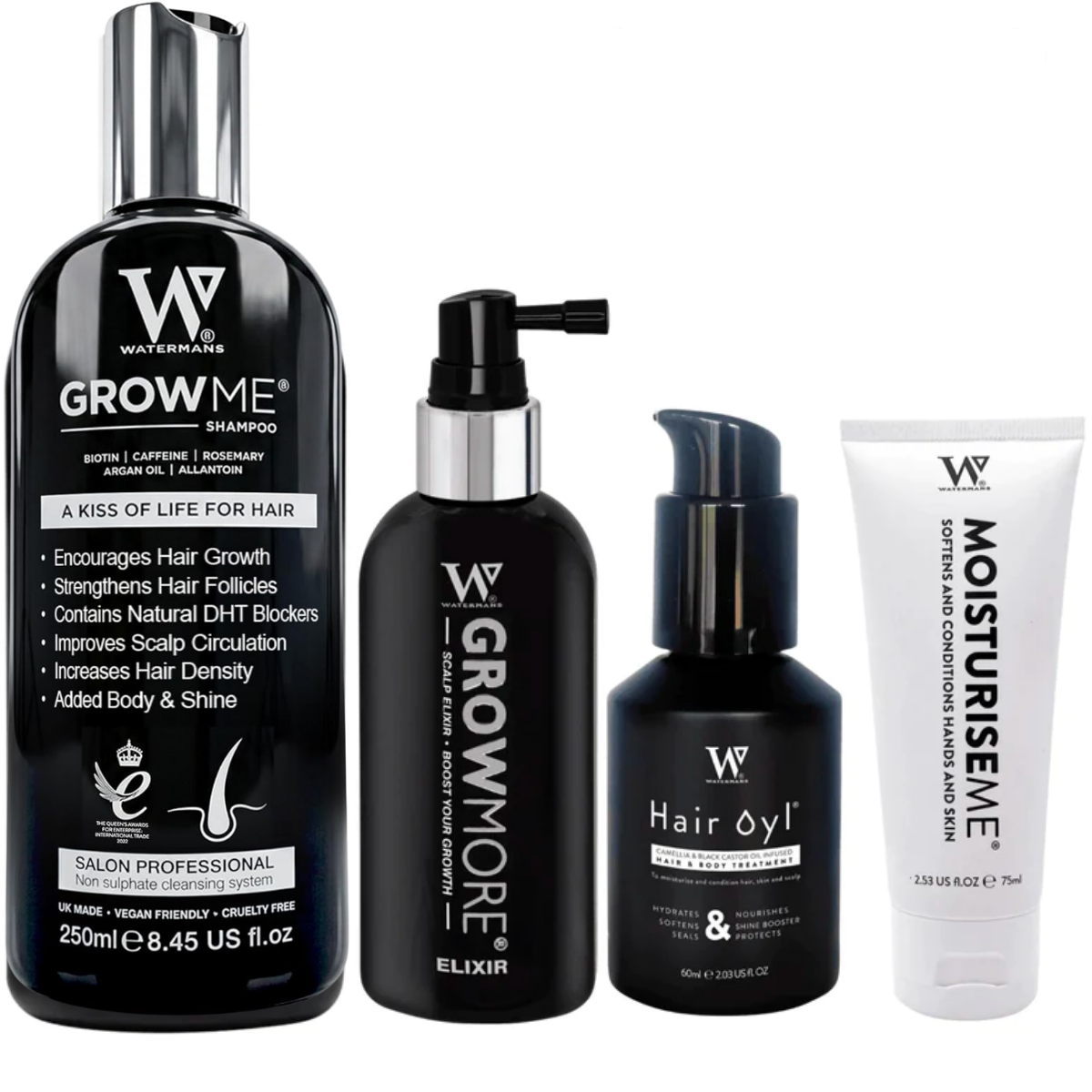
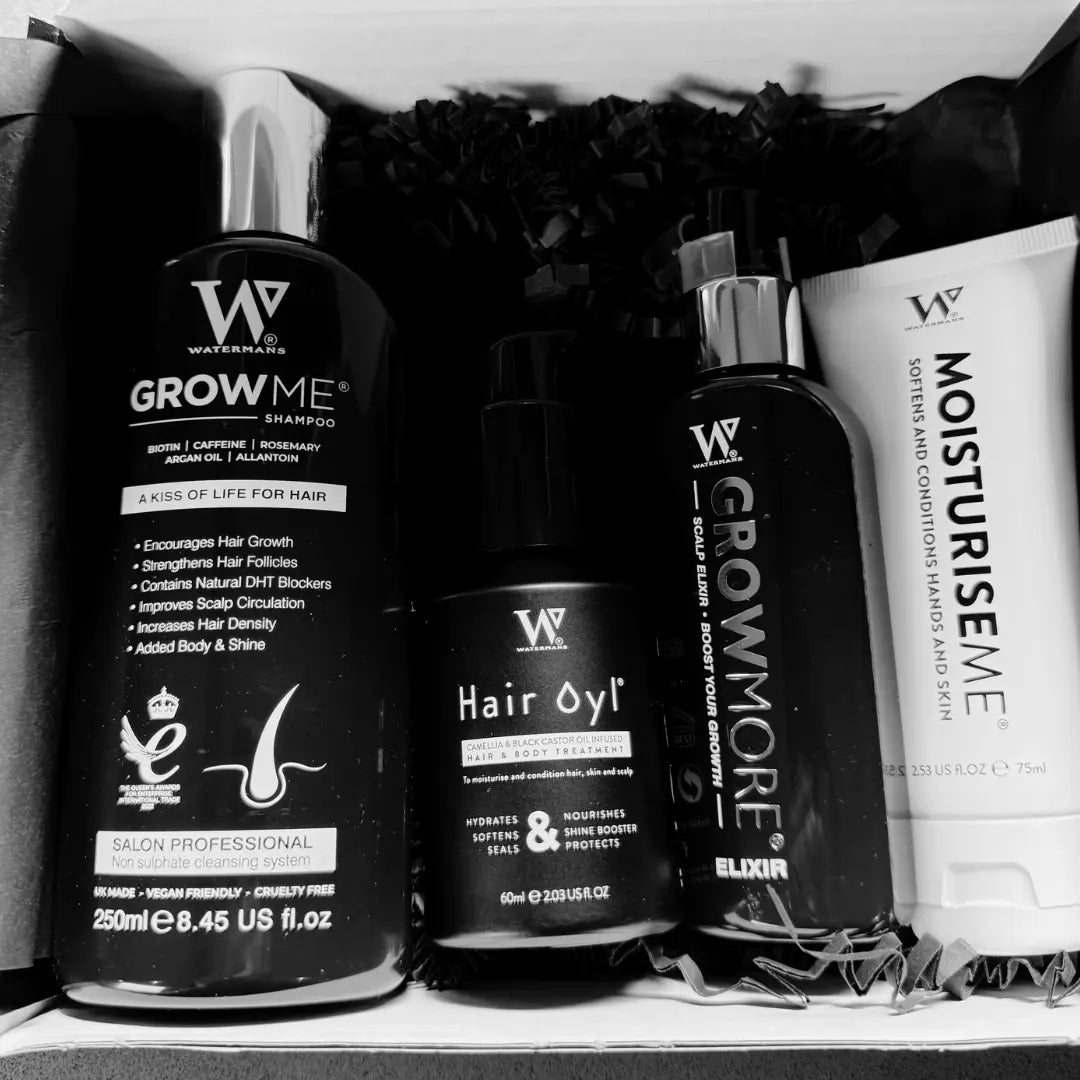
Grow Me® Hair Growth Shampoo, £14.95
Sulfate free, vegan and made in the UK, with biotin, caffeine, rosemary and niacinamide. A gentle everyday cleanse for fuller looking hair while a shedding phase runs its course. Over 5 million bottles sold since 2012.
Frequently asked questions
Is eating clay harmful if it is sold as edible or food grade?
Less contaminated, but still not harmless. Products marketed as edible clay may be cleaner than garden soil, though the labelling is not regulated the way food is, and the mineral binding effect on iron absorption is a property of the clay itself, not of how dirty it is. If the reason you are eating it is a craving, the food grade version does not address the cause and still works against your iron.
How much clay is dangerous?
There is no clean threshold, which is part of why the answer to whether eating clay is harmful is not reassuring. Contamination varies enormously between sources, and the WHO position on lead is that children are affected at levels once considered acceptable. Occasional accidental ingestion is not an emergency. Deliberate daily consumption is what needs to stop.
Is chewing ice bad for you or just for your teeth?
Overwhelmingly just for your teeth, assuming the ice is made from clean water. Nothing about frozen water harms the gut. Enamel is the casualty, along with any fillings, crowns or veneers, and that damage is permanent.
Can eating raw rice give you food poisoning?
Raw grains and raw flour are agricultural products that have not been through a step designed to kill bacteria, and cooking is that step. Raw dough carries the same issue. The tooth damage from crunching hard uncooked grains is the more predictable problem, but the bacterial risk is real enough to take seriously.
My child eats soil. Should I worry?
Speak to your GP or health visitor. Occasional mouthing of soil is common in toddlers and usually harmless, but persistent, deliberate soil eating in a child needs checking, both for iron levels and for lead exposure, because children absorb lead far more readily than adults. Flaking paint or plaster in an older home raises the priority.
Will stopping the craving fix my hair shedding?
Stopping the substance helps by removing the absorption blocker, but restoring iron is what actually settles the shedding, and that usually needs iron replacement arranged by your GP rather than diet alone. Expect three to six months before shedding calms down, because the follicles have to finish a resting phase first.
Is eating clay harmful enough to go to A and E?
Not on its own. Go to A and E, or call 111, if you have severe stomach pain with vomiting, have not passed a stool for several days, or develop a high temperature with cough or wheezing after swallowing soil. Otherwise a routine GP appointment with a request for a ferritin test is the right level of response.
The short version
Is eating clay harmful? Yes, and it is the worst of this group: contamination risk, parasite risk, and it blocks the very iron you are short of. Paper and raw rice are next, mainly for obstruction and tooth damage. Ice is the mildest but still costs you enamel. Stop clay and soil today, get a full blood count and ferritin from your GP, and expect the craving to fade within weeks of iron being restored. Hair shedding takes longer, three to six months, and gentle handling protects the new growth while you wait.
Sources & references
- World Health Organization, Lead poisoning and health. Source of the point that lead is stored in teeth and bones, that ingestion of contaminated dust and soil is a route of exposure, and that young children absorb up to four to five times as much lead as adults from an ingested dose.
- UK Health Security Agency, Lead: properties, incident management and toxicology. UK guidance on lead exposure and its management.
- NHS, Toxocariasis. Confirms the soil and sand route of infection from roundworm eggs, and lists the symptoms after swallowing soil that warrant urgent advice.
- NHS, Iron deficiency anaemia. Lists pica among the symptoms, alongside hair coming out when brushing or washing.
- NHS, Foods to avoid in pregnancy. Background for the pregnancy section.
- NHS, Constipation. Symptoms and red flags referenced in the urgent advice box.
- Oral Health Foundation, Dental erosion. Background on enamel damage and why it does not regenerate.
Watermans products are 100% cosmetic and do not treat medical hair loss. Individual results may vary. This article is general information, not personal medical advice. If you are eating non food substances, please speak to your GP, midwife or health visitor.