

How to Clean Your Hairbrush (And the Rest of Your Kit)
Last updated: August 2026
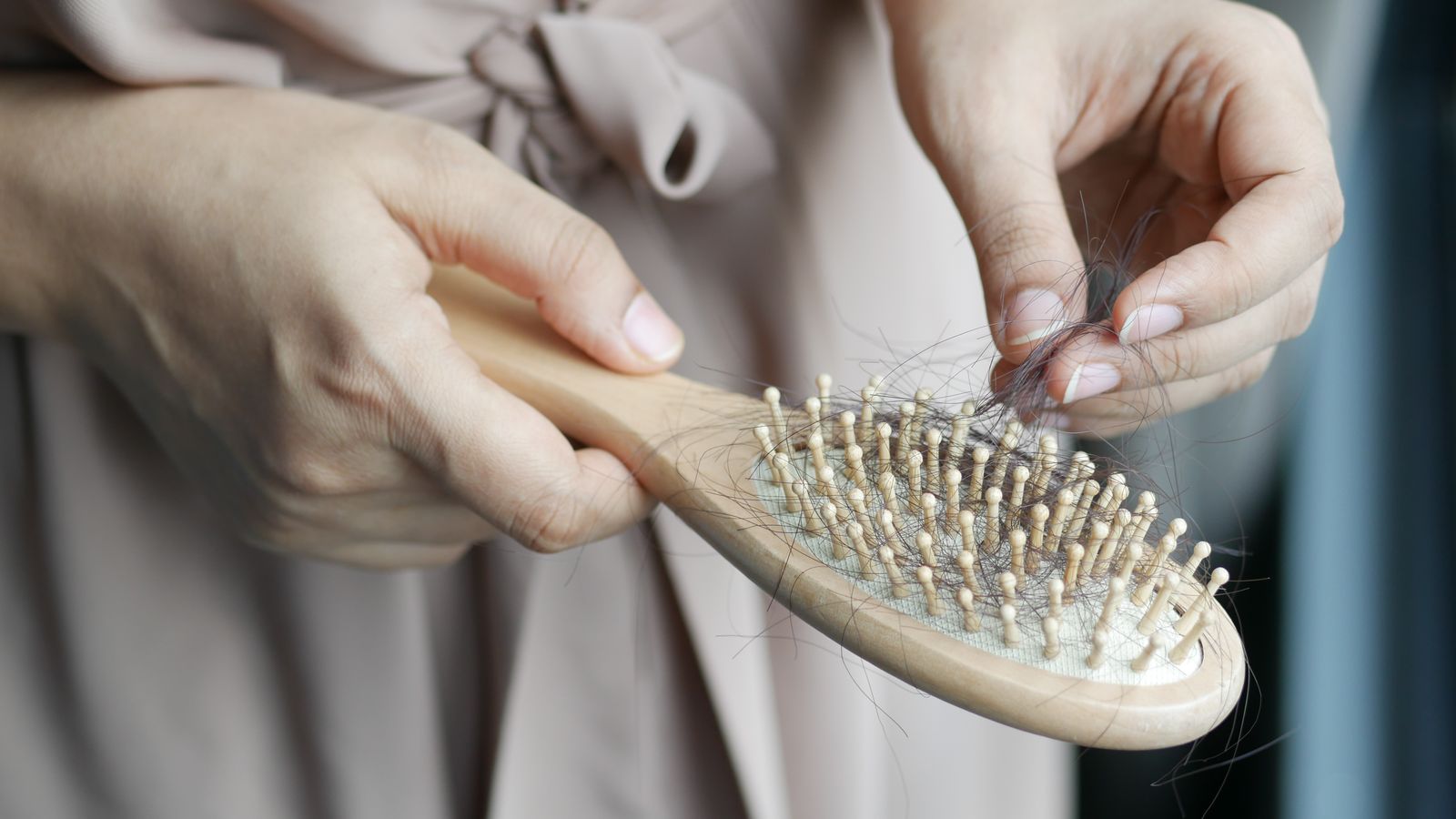
Pull the shed hair out weekly, then wash the brush properly once a month: a few drops of shampoo in warm water, five minutes to soak with the pad or wooden handle kept out of the water, an old toothbrush along the base, rinse and dry bristles down. That is the whole job and it takes about six minutes. Most people have never done it once, which means they are running a brush loaded with old sebum, dead skin and product residue through freshly washed hair several times a day.
This is the least glamorous part of hair care and one of the easiest wins available, because it is the only one where the entire cost is a bit of your attention. Dirty tools and dirty fabric undo a clean wash within a day, and nobody sells you anything to fix it.
Key takeaways
- Hair out weekly, wash monthly. More often if you use dry shampoo, wax or gel, because those build up fastest.
- Never soak a boar bristle pad or a wooden brush. Water swells the wood, degrades the glue and cracks the finish.
- Dry bristles down. Water trapped in the cushion pad is what makes a brush smell and grow mould underneath.
- Your pillowcase touches your hair for a third of your life. Change it weekly, more often for oily skin or if you use overnight products.
- Hats, headbands and gym kit are the forgotten items. Sweat, sebum and product transfer onto them and straight back again.
- Heat tools need cleaning too. Burnt on product on straightener plates drags at the hair and smells.
- Replace a brush when bristles are bent, missing or the tips have lost their coating, because a bare bristle tip snags and tears the cuticle.
- Clean tools will not fix a scalp condition. Persistent itch, flaking or soreness needs a pharmacist or your GP.
What is actually on your hairbrush?
Four things, layered on top of each other, and the mix is why it goes greasy and grey rather than staying a tidy nest of hair.
- Shed hair. The visible part, and the least important. These are hairs that had already detached and were being carried along by their neighbours.
- Sebum. Your scalp's own oil, transferred from root to bristle every time you brush. It oxidises over weeks, which is what makes an old brush smell faintly stale.
- Dead skin cells. Your scalp sheds constantly. On a brush this reads as the pale grey dust that sits down at the base between the bristles.
- Product residue. Dry shampoo is the worst offender by a distance because it is designed to be an absorbent powder, and it cakes into the base of the bristles. Wax, gel and hairspray all add to it.
None of that is dangerous. It is not going to give you a scalp infection under normal circumstances, and articles that imply otherwise are stretching it. What it does do is more mundane and more relevant: it redistributes oil and powder back onto clean hair, which is a real reason hair looks dull or greasy sooner than it should after a wash. It also makes a brush drag rather than glide, and drag on hair means breakage.

How to clean a hairbrush, step by step
- Lift the hair out. Slide the pointed end of a rat tail comb, or a pencil, under the mat of hair at the base and lift it away in one piece. Scissors help if it is wound tightly. Do this weekly and the monthly wash becomes trivial.
- Fill a bowl with warm water and a few drops of shampoo. Warm, not hot. Hot water softens the glue holding bristles into the pad.
- Dunk only the bristles. Swirl the bristle heads in the water for a few seconds. Keep the cushion pad and any wooden handle above the waterline.
- Leave it five minutes, bristles down, resting against the side of the bowl.
- Scrub the base with an old toothbrush. This is the step that does the actual work, because the residue lives down between the bristles rather than on them.
- Rinse under the tap, bristles down, so the water runs out rather than into the pad.
- Shake hard and dry bristles down on a towel for several hours or overnight. Never dry it face up, which pools water in the cushion.
Plastic brushes and combs are more forgiving and can be fully submerged and left to soak. Combs are the easiest thing in your bathroom to clean and the most neglected, and they take about ninety seconds.
The dry shampoo caveat. If you use dry shampoo regularly, monthly is not enough. The powder is absorbent by design, so it cakes into the base of the bristles and then transfers straight back onto your roots the next time you brush, which is a common and entirely invisible reason people feel dry shampoo has stopped working. Every two weeks is more realistic.
How often to clean everything else
| Item | How often | How | Why it matters |
|---|---|---|---|
| Hairbrush | Hair out weekly, wash monthly | Shampoo and warm water, bristles only | Stops oil and powder going back onto clean hair |
| Comb | Fortnightly | Soak and scrub, no restrictions | Takes ninety seconds and nobody does it |
| Pillowcase | Weekly, or twice weekly | Normal wash, non biological if your skin is sensitive | Eight hours a night of contact with your hair and face |
| Hair towel | Every three to four uses | Hot wash, dried fully | A damp towel left bundled up is the classic musty smell |
| Hats and caps | Every few wears | Hand wash, reshape, air dry | The sweatband holds sebum and sweat against your hairline |
| Headbands and scrunchies | Weekly | In a mesh bag in the machine | Worn daily, washed never, in most households |
| Straighteners and wands | Monthly | Cold, unplugged, damp cloth on the plates | Burnt on product drags and smells |
| Hairdryer filter | Every couple of months | Unclip the rear grille, brush the lint away | A clogged filter overheats and shortens the motor's life |

The pillowcase, which matters more than the brush
You spend roughly a third of your life with your hair pressed against one piece of fabric, moving against it every time you turn over. That is more contact hours than any brush will ever get, and it does two separate things.
Friction. Cotton has a relatively rough weave, and rubbing hair against it for eight hours creates the frizz and the small breakages people wake up with. Silk or satin has a smoother surface and genuinely reduces that, which is one of the few pieces of viral hair advice that holds up. It is not doing anything for growth. It is reducing mechanical damage, which is a real and worthwhile thing.
Transfer. Sebum, sweat, styling product and anything you apply overnight all end up in the fabric, and a pillowcase that has not been changed for a fortnight puts a portion of that straight back. If you use overnight oils or masks, change it more often rather than less.
Weekly is the sensible baseline. Twice weekly if you have oily skin, use overnight products, or go to bed with damp hair.
When to bin a brush
Cleaning does not rescue a brush that is worn out, and a worn brush actively costs you hair.
- Missing or bent bristles. Gaps mean uneven tension, and uneven tension means snagging.
- Bare bristle tips. Those little balls on the ends of plastic bristles wear off, and the exposed tip has a rough edge that tears at the cuticle. This is the most damaging one and the easiest to miss.
- A cracked or lifting cushion pad. Once water gets under the pad it will not dry out properly again.
- Splitting wood or a rough handle. Splinters catch hair.
- It still smells after a proper wash. That is oxidised sebum deep in the pad, and it is not coming out.
A reasonable working life is one to three years depending on use. Detangling brushes with flexible bristles wear faster than that, closer to a year, because the flex is the thing that eventually goes.

Brushing itself, since we are here
A clean brush used badly still causes damage, so the technique is worth thirty seconds of your attention.
- Start at the ends and work upward in sections. Starting at the roots pushes every tangle down into a single knot at the bottom, which then has to be forced through.
- Never brush hard when soaking wet. Wet hair stretches and is at its weakest. Detangle with conditioner in, using fingers or a wide tooth comb.
- Hold the section above where you are brushing. That way the tension is taken by your hand rather than by the roots.
- Do not brush a hundred strokes. It is a Victorian idea and all it produces is friction and breakage. Brush enough to detangle and distribute, and stop.
- Be gentler on coily hair. Detangle only when the hair is wet and slippery with conditioner, in small sections, with fingers first.
Buildup on the scalp itself
Clean tools are half of it. The other half is that residue accumulates on the scalp too, and it comes from the same sources: sebum, dead skin, dry shampoo, styling product and, in much of the UK, hard water minerals. That layer is a real cause of dullness, itch and hair that feels lifeless the day after washing.
A gentle daily shampoo used correctly handles the ordinary version. If you are a heavy product user, or you live somewhere with hard water, adding a clarifying wash roughly once a month clears what has accumulated. What you should not do is escalate to a harsh detergent every wash, because that swings the scalp the other way into dryness and irritation.

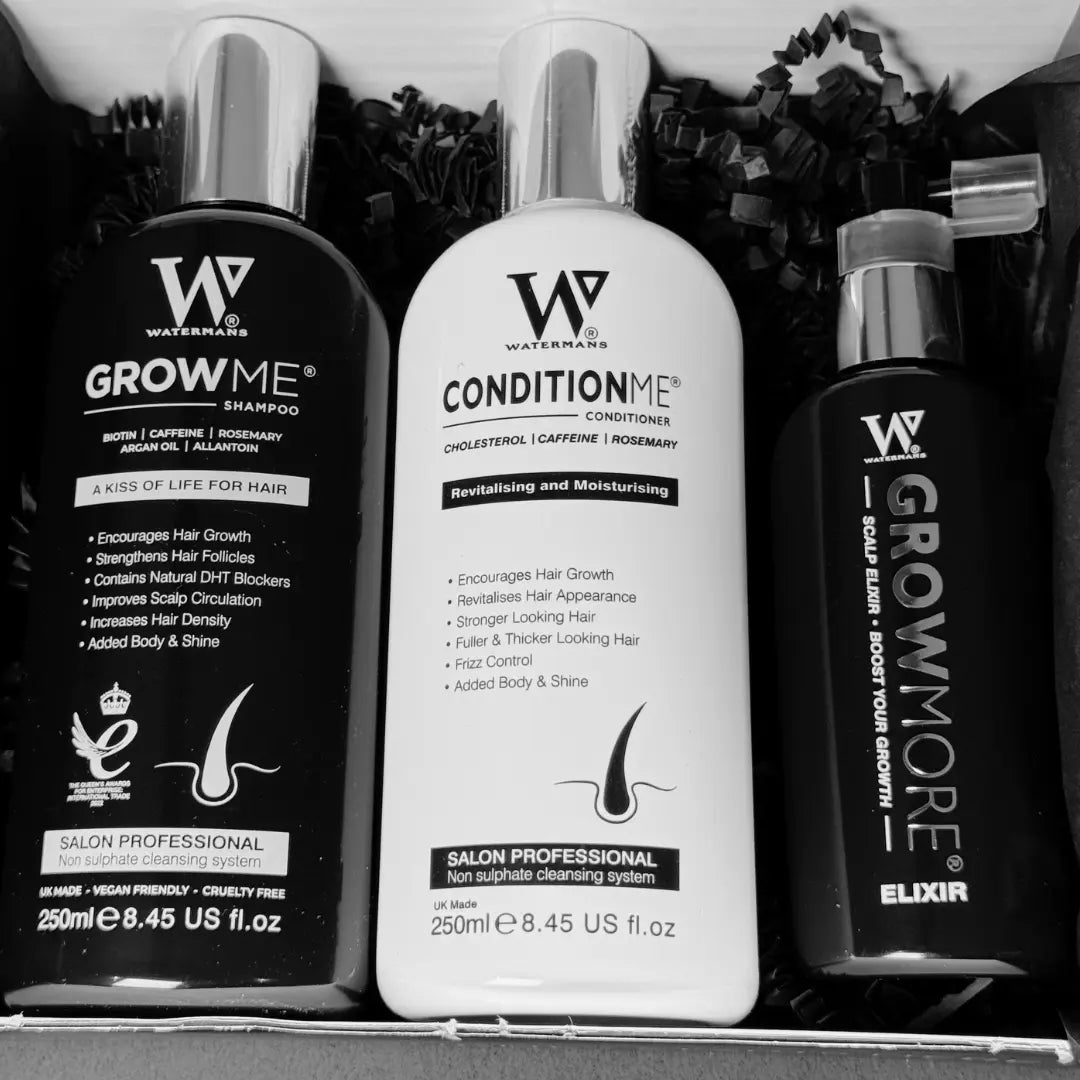
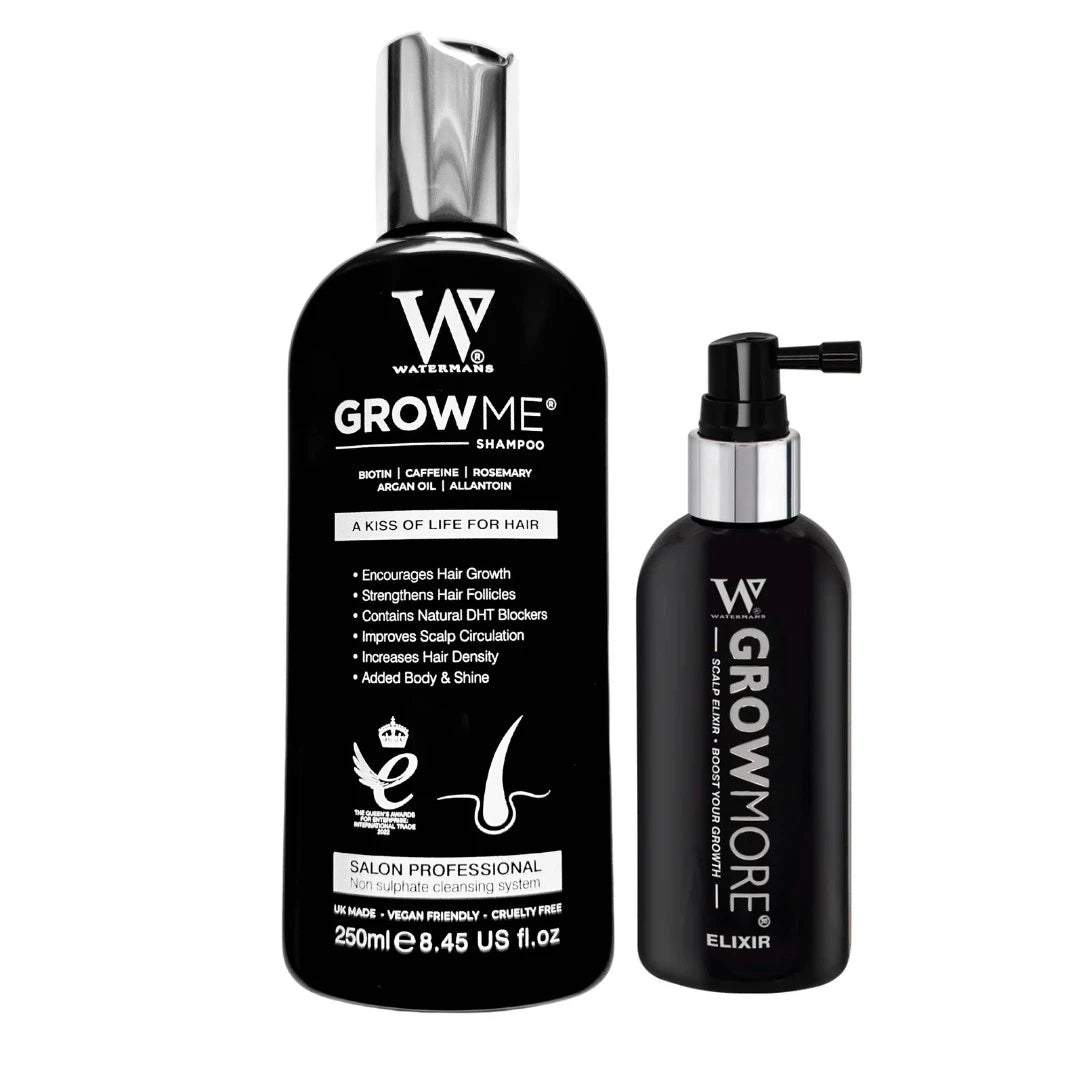
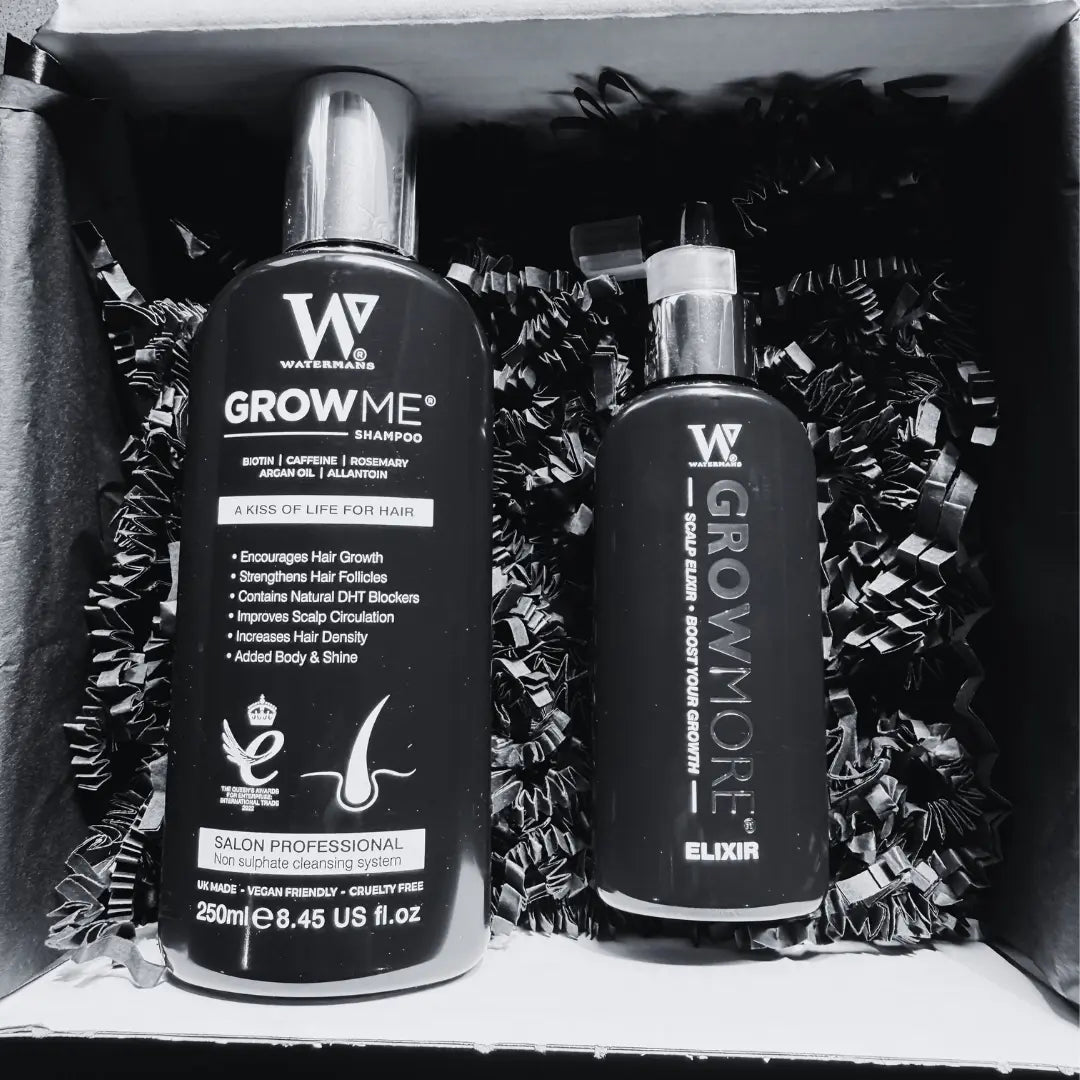
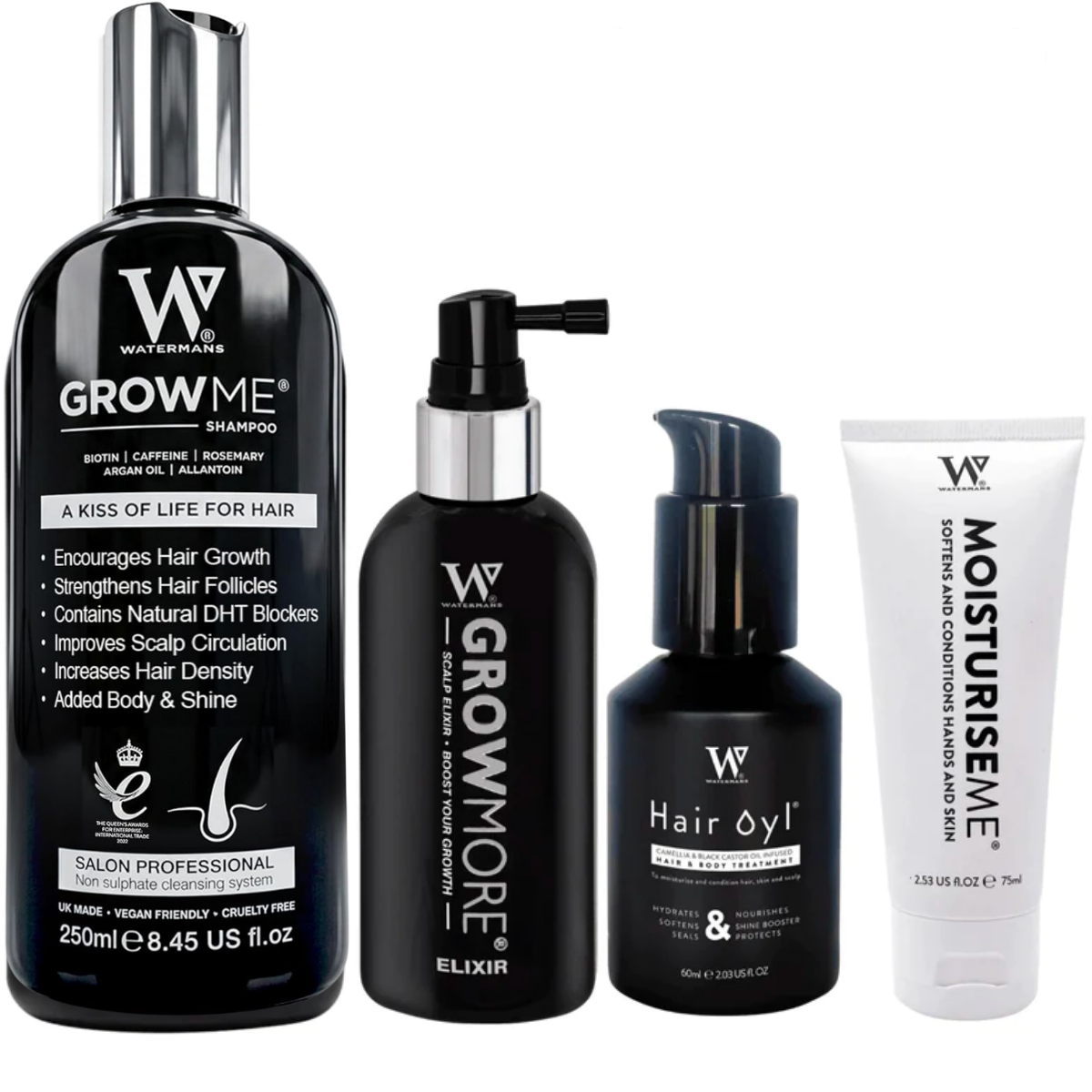
Grow Me Hair Growth Shampoo
Sulfate free daily shampoo with biotin, caffeine, rosemary, niacinamide and hydrolysed lupine protein. Reduces breakage for fuller looking hair and supports a comfortable scalp environment. On this page for the buildup section: a full minute of massage with the pads of your fingers does more than any amount of extra product. It is also what we would use on the brush.
Sulfate free, vegan, made in the UK
Get the hair kit cleaning schedule
A one page schedule for the bathroom cabinet: what to clean and how often, the six minute brush method including the wooden and boar bristle exceptions, the five signs a brush needs binning, and the monthly clarifying wash for hard water areas. Sent once, free.
One email at a time, no spam, unsubscribe whenever you like.
Sharing brushes, gyms and other people's tools
The practical risk from sharing is head lice rather than anything more dramatic, and lice spread mainly by direct head to head contact rather than by objects, so a shared brush is a modest route rather than the main one. Even so, it is a sensible thing not to share, particularly with children during a school outbreak.
Ringworm of the scalp, which is a fungal infection rather than a worm, can pass on shared combs, hats and pillows. It is much more common in children, it shows as a scaly patch with broken hairs, and it needs a GP because it will not clear with anything you can buy. If a child has a scaly bald patch, that is the one to get looked at rather than managed at home.
At the gym or the pool, take your own comb and your own towel. Communal hairdryers are fine. Communal brushes are not worth it.

Condition Me Hair Growth Conditioner
Strengthens and detangles for fuller looking hair. Relevant to the brushing section: most brush damage happens because hair was tangled and force was applied. Conditioner on the mid lengths and ends, combed through in the shower while it is slippery, means the brush has almost nothing left to fight when you get to it.
Vegan and made in the UK
What clean tools will not fix
Worth saying plainly, because hygiene advice can quietly imply that a scalp problem is a cleanliness problem, and that is both wrong and unkind. Speak to a pharmacist or your GP rather than scrubbing harder if you have:
- Persistent itch that does not settle whatever you wash with
- Large greasy yellowish scales, or thick silvery plaques
- A red, sore or burning scalp
- Crusting, weeping, pustules or painful spots
- A scaly patch with broken hairs, particularly in a child
- Hair coming out in a smooth bare patch, or a widening parting
Seborrhoeic dermatitis, psoriasis and fungal infections are medical conditions and none of them are caused by a dirty hairbrush. Our guide to flaky scalp causes and care goes through how to tell the common ones apart, and if you also want the frequency side of this, how often you should wash your hair is the companion to this page. For the broader picture, how to keep your scalp healthy pulls it together.
Watermans products are 100% cosmetic and do not treat medical hair loss. Individual results may vary.
Frequently asked questions
How often should you clean your hairbrush?
Pull the shed hair out weekly and wash the brush properly once a month. Move the wash to every two weeks if you use dry shampoo, wax, gel or hairspray regularly, because those cake into the base of the bristles far faster than sebum alone does. The weekly hair removal is the part that makes the monthly wash quick.
Can you wash a wooden hairbrush?
Yes, but never submerge it. Water swells the wood, degrades the glue holding the bristles into the pad and lifts the finish. Dip only the bristle heads into shampoo water, keep the handle and the pad above the waterline, scrub the base with an old toothbrush, rinse bristles down and dry face down overnight.
What is the grey fluff at the base of my hairbrush?
Mostly dead skin cells from your scalp mixed with sebum, lint and product residue, particularly dry shampoo. It is entirely normal and not a sign that anything is wrong with your scalp. It is also exactly what gets redeposited onto clean hair, which is the argument for getting it out.
Does a dirty hairbrush cause hair loss?
No. A dirty brush does not affect the follicle or the hair growth cycle. What a worn out brush can do is cause breakage, because bent bristles and bare bristle tips snag and tear at the hair shaft, and that is a different thing from hair loss. If you are shedding more than usual, look at the causes rather than at your brush.
How often should I change my pillowcase for my hair?
Weekly as a baseline, twice weekly if you have oily skin, use overnight hair products, or go to bed with damp hair. A silk or satin pillowcase reduces friction against the hair and genuinely helps with frizz and small breakages, but it still needs washing on the same schedule.
Is it bad to share a hairbrush?
The realistic risk is head lice, which spread mainly by direct head to head contact but can pass on shared brushes, and scalp ringworm, which is more common in children and does pass on shared combs, hats and pillows. Neither is a disaster and both are manageable, but it is a sensible thing to avoid, especially during a school outbreak.
How do I clean hair straighteners?
Unplug them and let them go completely cold, then wipe the plates with a damp cloth, and use a little rubbing alcohol on a cloth for burnt on residue. Never put water near a hot plate and never use anything abrasive, which will scratch the ceramic coating and give you a surface that drags at the hair.
Should I clean my hairbrush with vinegar or bicarbonate of soda?
You do not need to. Shampoo is a cleanser designed for exactly this residue, since it is the same sebum and product it removes from your head. Bicarbonate is abrasive on coated bristles and vinegar is unnecessary. Neither offers anything a few drops of shampoo in warm water does not already do.
Where to start
Tonight, do the three that take under ten minutes between them: lift the mat of hair out of your brush, put a clean pillowcase on, and put the scrunchie you have worn every day for a month into the wash. Then set a monthly reminder for the proper brush wash, and check the bristle tips while you are at it, because a brush with bare tips should be replaced rather than cleaned.
It is unglamorous and it is free, which is a rare combination in hair care. Watermans is a British hair care brand, vegan and made in the UK, with over 5 million bottles sold since 2012.