


Are Seed Oils Bad for You? What the Evidence Actually Shows
Are seed oils bad for you? On the current evidence, not in the way social media claims. Human trials that increase omega 6 linoleic acid do not show a rise in inflammatory markers, and people with higher linoleic acid in their blood tend to have lower rates of heart disease and type 2 diabetes, not higher. The part of the worry that does hold up is narrower: repeatedly reheated frying oil produces harmful breakdown products, and seed oils travel in the company of ultra processed food. That is a reason to change how you cook, not to fear a bottle.
Key takeaways
- Seed oils are pressed or extracted from seeds and beans such as rapeseed, sunflower, soybean, corn and cottonseed, not from vegetables.
- Randomised trials that raise dietary linoleic acid have not shown an increase in inflammatory markers such as C reactive protein.
- Less than about 1 per cent of dietary linoleic acid is converted to arachidonic acid, which undercuts the mechanism the scare relies on.
- Replacing saturated fat with polyunsaturated fat lowers LDL cholesterol, which is one of the better established findings in nutrition.
- The legitimate concern is repeatedly reheated frying oil, which accumulates aldehydes, and the ultra processed foods these oils usually arrive in.
- Extreme fat cutting is not a hair strategy. Fat carries vitamins A, D and E, and very low fat intakes can affect hair and skin quality.
What are seed oils, and are they really made from vegetables?
Seed oils are fats extracted from the seeds or beans of plants. The common ones are rapeseed, which is sold as canola in North America, sunflower, soybean, corn, cottonseed, safflower, grapeseed and rice bran. In the UK a bottle labelled simply vegetable oil is usually rapeseed or a rapeseed blend.
The original article was right about one thing, so it is worth keeping. Vegetables like broccoli and carrots contain almost no fat, so nothing in that bottle came from a vegetable in the everyday sense. Grain and bean oil would be a more honest label. That is a marketing complaint, though, and a misleading name is not evidence of harm.

Does omega 6 cause inflammation in the body?
This is the load bearing claim of the whole seed oil argument, and it is the one that fails most clearly when tested in people. The theory is neat: linoleic acid, the main omega 6 in seed oils, converts to arachidonic acid, which is the raw material for pro inflammatory signalling molecules. More linoleic acid should therefore mean more inflammation.
Two things break the chain. First, the conversion is inefficient. In humans, well under 1 per cent of dietary linoleic acid ends up as arachidonic acid, and tissue arachidonic acid levels barely move when you feed people more linoleic acid. Second, when researchers pooled the controlled trials that measured inflammatory markers, increasing linoleic acid did not raise C reactive protein, interleukin 6 or the other usual markers.
Arachidonic acid is also not simply an inflammatory villain. It is a precursor to resolvins and lipoxins, the molecules that switch inflammation off. Biology rarely has a single dial marked bad.
What do the outcome studies show about seed oils and disease?
They point the opposite way to the scare. Large pooled analyses of cohort studies that measured linoleic acid in blood or tissue, which avoids the unreliability of food questionnaires, have found that people in the highest linoleic acid groups had lower rates of cardiovascular disease and type 2 diabetes than those in the lowest.
On the trial side, the clearest finding is about swaps rather than oils in isolation. Replacing saturated fat with polyunsaturated fat lowers LDL cholesterol and, in pooled trial evidence, reduces cardiovascular events. That does not make a litre of sunflower oil a health food, and it does not settle every question about long term high intakes. It does mean the confident claim that seed oils are driving chronic disease is not what the best available evidence says.
It is fair to note the counter argument honestly. Linoleic acid intake has risen sharply over the same decades as obesity and metabolic disease, and some researchers think high intakes deserve more scrutiny. That is a hypothesis worth testing, not a settled finding, and correlation over a period when almost everything about food changed is weak ground for a dietary rule.
Which part of the seed oil worry does hold up?
Oxidation, and specifically repeated high heat. Polyunsaturated fats have multiple double bonds, which genuinely makes them more vulnerable to oxidation than olive oil or butter. Heat a polyunsaturated oil repeatedly, as commercial fryers and some home cooks do, and it accumulates breakdown products including aldehydes, some of which are toxic in laboratory work.
This is a real, physical, well described process. But notice what it indicts. It indicts reused frying oil, not the oil in your salad dressing or the tablespoon you soften onions in. The sensible response is practical: do not reuse frying oil repeatedly, do not heat oil until it smokes, store oil away from light and heat, and bin it if it smells stale or paint like.
The second fair point is company. Seed oils are everywhere in ultra processed food, so a high seed oil intake is usually a marker of a diet high in refined carbohydrate, salt and calories. Blaming the oil for what the whole food category does is a classic confounding trap. Our guide to foods that are genuinely bad for your liver works through the same distinction.
How strong is the evidence behind each seed oil claim?
| Claim | What the evidence shows | Strength |
|---|---|---|
| Omega 6 raises inflammation in humans | Controlled trials feeding more linoleic acid do not show higher inflammatory markers. | None |
| Reheated frying oil produces harmful compounds | Well established chemistry. Aldehydes accumulate with repeated heating and reuse. | Strong |
| Swapping saturated for polyunsaturated fat helps the heart | Lowers LDL cholesterol and reduces cardiovascular events in pooled trials. | Strong |
| High linoleic acid intake may deserve more study | A reasonable open question, supported by trends rather than by trials. | Limited |
| Seed oils cause obesity and chronic disease | Not shown. Intake tracks with ultra processed food, which confounds the comparison. | None |
| Seed oils are toxic because they are processed | Processing is not a measure of harm. Refining removes some compounds and adds shelf stability. | None |

Which cooking oil should you actually use?
Match the oil to the job rather than ranking oils into good and evil. Extra virgin olive oil has the strongest evidence base of any culinary fat and is fine for most home cooking, including moderate heat. Keep a high smoke point oil for searing, and treat deep frying as an occasional method rather than a daily one.
| Oil | Dominant fat | Approx. smoke point | Best for |
|---|---|---|---|
| Extra virgin olive oil | Monounsaturated | around 190 to 210 C | Dressings, roasting, everyday cooking |
| Rapeseed oil | Monounsaturated, with some omega 3 | around 200 to 230 C | General cooking, baking |
| Sunflower oil | Polyunsaturated, high omega 6 | around 225 C | Neutral flavour cooking, not repeated frying |
| Avocado oil | Monounsaturated | around 250 C | High heat searing |
| Butter or ghee | Saturated | around 150 C for butter, 250 C for ghee | Flavour, gentle cooking |
| Coconut oil | Saturated | around 175 C for virgin | Specific dishes, in moderation |
Five habits that matter more than the brand of oil
- Do not reuse frying oil more than once or twice, and never once it darkens or smells stale.
- Do not heat oil to smoking. If it smokes, the pan is too hot, so start again.
- Buy dark bottles or store oil in a cupboard, because light and heat drive oxidation.
- Cook more of your own food, which cuts seed oil intake far more effectively than switching brands.
- Eat oily fish once or twice a week for omega 3, which is the more useful balance lever.
How much seed oil do people actually eat?
More than they realise, because most of it is invisible. Food availability data in the United States put added fats and oils at roughly 60 to 70 lb per person per year, and availability overstates real intake because it does not subtract waste or the oil left in a fryer. The number that matters for you is simpler: most seed oil intake arrives inside packaged food, takeaways and restaurant meals, not from your own bottle.
That reframes the whole question. If you want to cut seed oils meaningfully, cooking at home does it. Swapping to an artisanal bottle while eating the same amount of packaged food changes almost nothing.
Does dietary fat affect your hair?
Yes, but not through the omega 6 panic. Fat matters for hair in three practical ways, and all of them argue against extreme cutting.
First, dietary fat carries the fat soluble vitamins A, D and E. Very low fat diets impair their absorption, and vitamin deficiencies are linked to poor hair and skin quality. Second, essential fatty acid deficiency, though rare in the UK, produces dry skin and hair changes, which tells you the body genuinely requires some of these fats, including linoleic acid, the same one being demonised. Third, aggressive dieting of any kind is a well recognised trigger of telogen effluvium, the diffuse shedding that arrives two to three months after a stressor. Our guide to what causes thinning hair covers the common triggers, and our piece on whey protein and the liver makes the same point about protein.
If your hair is shedding, see a GP about ferritin, thyroid function and a full blood count before you rebuild your diet around a social media theory. Sudden, patchy or severe hair loss always deserves a medical opinion.

Is putting oil on your hair the same as eating it?
No, and the two get muddled constantly. Eating an oil is a nutrition question about fatty acids, calories and what the oil replaced. Putting an oil on your hair is a cosmetic question about lubrication, shine and reducing the friction that causes breakage. A topical oil does not feed the follicle, and no oil applied to the scalp has been shown to reverse hair loss.
What a well chosen hair oil does do is coat the fibre, smooth the cuticle and reduce the mechanical damage from brushing, heat and towel drying. That is a genuine, modest, cosmetic benefit, and it is worth having on dry or coarse hair.
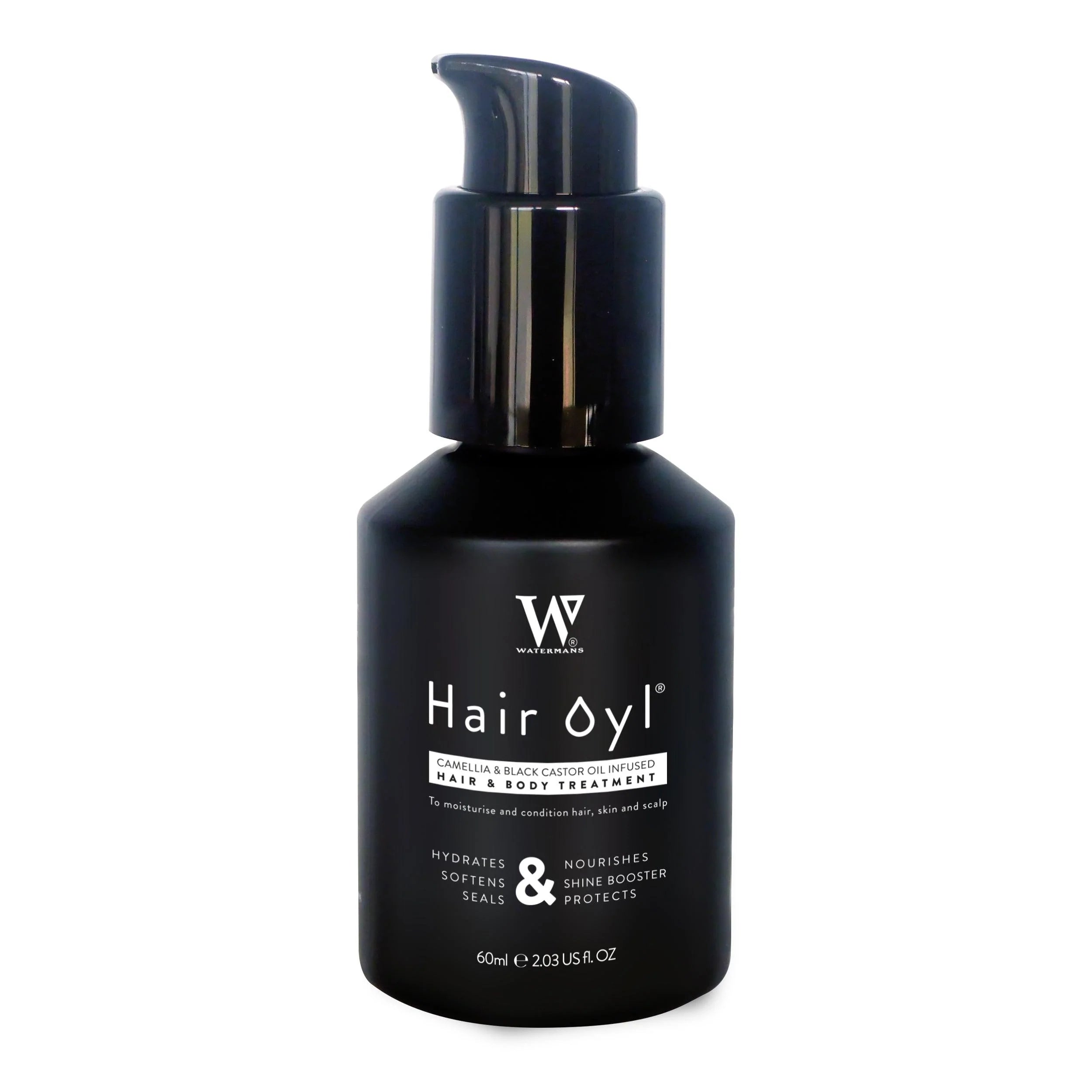
Camellia & Black Castor Hair & Body Oil, £24.95
A lightweight multi use oil with camellia and black castor oil for shine, slip and softer feeling ends. Use a few drops on damp mid lengths, or as a pre wash treatment on dry hair.
Cosmetic use only. It conditions the hair fibre, it is not a hair loss treatment and it has nothing to do with dietary fat.
Frequently asked questions
Are seed oils bad for you?
Current human evidence does not support the claim that seed oils cause inflammation or chronic disease. Trials increasing linoleic acid show no rise in inflammatory markers, and higher blood linoleic acid tracks with lower heart disease and diabetes risk. Repeatedly reheated frying oil is the genuine concern.
Which oils count as seed oils?
Rapeseed or canola, sunflower, soybean, corn, cottonseed, safflower, grapeseed and rice bran oil are the main ones. In the UK, a bottle labelled vegetable oil is usually rapeseed or a rapeseed blend. Olive, avocado and coconut oils come from fruits rather than seeds.
Does omega 6 cause inflammation?
Not in the way the theory predicts. Humans convert well under 1 per cent of dietary linoleic acid into arachidonic acid, and pooled controlled trials show no increase in C reactive protein or interleukin 6 when linoleic acid intake rises. Arachidonic acid also produces inflammation resolving molecules.
Is olive oil better than sunflower oil?
Extra virgin olive oil has the strongest overall evidence base and more heat stability, so it is a sensible default. Sunflower oil is not dangerous in normal cooking, but it is high in omega 6 and less suited to repeated frying. Cooking method matters more than the label.
Is it safe to reuse frying oil?
Reusing oil once is common practice, but repeated reuse degrades it and builds up aldehydes and other breakdown products. Strain it, keep it cool and dark, and discard it once it darkens, thickens, foams or smells stale. Never heat any oil to the point of smoking.
What is the ideal omega 6 to omega 3 ratio?
No official ratio has been established, and most authorities set targets for absolute intakes rather than a ratio. The practical version is to raise omega 3 by eating oily fish once or twice a week, rather than trying to strip omega 6 out of your diet.
Do seed oils cause hair loss?
There is no evidence that seed oils cause hair loss. Hair shedding is far more often linked to iron deficiency, thyroid problems, illness, childbirth, medication or rapid weight loss. Very low fat diets can affect hair and skin quality by reducing absorption of fat soluble vitamins.
Should I cook with coconut oil instead?
Coconut oil is heat stable and fine for specific dishes, but it is high in saturated fat and raises LDL cholesterol more than unsaturated oils do. It is not a health upgrade over olive or rapeseed oil, and swapping to it based on seed oil fear is not supported by outcome evidence.
The bottom line
The seed oil scare takes one true observation, that polyunsaturated fats oxidise, and inflates it into a rule that the human data does not support. Cook at home more often, do not reuse frying oil, lean on olive oil, eat oily fish, and spend your attention on the ultra processed food the oil usually arrives in.
For hair, the same logic applies. Feed yourself properly, see a GP if shedding is sudden or severe, and use cosmetics for what cosmetics do. Grow Me® Hair Growth Shampoo is a sulfate free, vegan, UK made shampoo formulated with caffeine, biotin and rosemary for fuller looking hair. Watermans has sold over 5 million bottles since 2012.