

Is Whey Protein Bad for Your Liver? What the Evidence Says
Is whey protein bad for your liver? For healthy adults, there is no good evidence that whey protein damages the liver. Whey is simply the protein fraction of milk, filtered and dried into a powder. The supplement related liver injuries that do reach hospital are usually traced to anabolic steroids or to added botanical extracts sold alongside protein, not to whey itself. And if you already have liver disease, current specialist advice is usually to eat more protein, not less, planned with your doctor or dietitian.
Key takeaways
- Whey protein is the water soluble protein of milk, around 20 per cent of milk protein, with casein making up the other 80 per cent.
- No major liver body lists whey protein as a cause of liver damage in healthy adults.
- Liver injury from gym supplements is real, but it is mostly linked to anabolic androgenic steroids and to added herbal extracts, not to the protein.
- In cirrhosis, specialist guidance is a higher protein intake of roughly 1.2 to 1.5 g per kg of body weight per day, not protein restriction.
- Genuine reasons to skip whey are lactose intolerance, cows milk allergy, poor quality or untested products, and the sugar and calories in flavoured tubs.
- Cutting protein hard while losing weight fast is one of the more common triggers of hair shedding, which shows up two to three months later.
Is whey protein bad for your liver?
For a healthy adult, no. As of August 2026 there is no reliable human evidence that whey protein powder causes liver damage, raises liver enzymes in a meaningful way, or drives fatty liver disease. Whey is a food protein, and the liver processes food protein every day of your life. The dose in a scoop, about 20 to 25 g, is roughly the protein in a chicken breast.
The claim spreads because it sounds mechanically plausible. Concentrated equals unnatural, unnatural equals toxic, and the liver is the organ that handles toxins, so the story writes itself. Plausible is not the same as demonstrated. When researchers actually measure liver markers in people taking whey, they do not find the harm the story predicts.

What is whey protein, and what is actually in the tub?
Whey is the liquid left when milk is curdled to make cheese. Filter it, remove most of the lactose and fat, dry it, and you have whey protein powder. It is a normal dairy protein with an unusually complete amino acid profile, and it is high in leucine, which is why it is popular for muscle repair.
The label matters more than the marketing:
- Whey protein concentrate: roughly 70 to 80 per cent protein, with more lactose and fat left in. The most common and the cheapest.
- Whey protein isolate: around 90 per cent protein, with most lactose filtered out. Often better tolerated if dairy sugar upsets you.
- Whey protein hydrolysate: partly broken down for faster absorption, usually more expensive and more bitter.
What sits alongside the protein is where a tub can genuinely be poor quality: sweeteners, thickeners, flavourings, cheap carbohydrate fillers, and in some products botanical extracts or "test boosters" that have nothing to do with protein at all. If you want the detail on one of those fillers, we covered it in our guide to whether maltodextrin is bad for you.
Where did the claim that whey protein damages the liver come from?
It comes from a real phenomenon that has been attached to the wrong ingredient. Supplement related liver injury genuinely happens, and gym supplements are over represented in it. The pattern in the published case series is consistent: the products involved usually contain anabolic androgenic steroids or steroid like compounds, or concentrated botanical extracts.
The United States National Institutes of Health maintains LiverTox, a reference database of drug and supplement related liver injury. Its account of bodybuilding supplements points at anabolic steroids as the recognised culprit, while ingredients such as green tea extract have their own separate entries for hepatotoxicity. Plain whey protein does not have that status.
So the honest version of the warning is not "protein powder hurts your liver". It is "multi ingredient gym products can hurt your liver, and you should know what else is in the tub". That is a more useful warning, because it tells you what to check.
Does whey protein cause inflammation?
The evidence points the other way, or at worst to no effect. Trials that have measured inflammatory markers such as C reactive protein in people taking whey have generally found no increase, and several have reported small reductions. Whey is also a source of cysteine, a building block of glutathione, which is one of the body's own antioxidant systems.
Where the confusion creeps in is that some people feel bloated, gassy or generally unwell after a shake and reasonably describe that as inflammation. That feeling is usually lactose, a large volume of liquid drunk quickly, or a sweetener such as sorbitol, and it is a digestive reaction rather than a liver one. Switching to an isolate or a smaller serving often settles it.
What does the research say about whey protein and fatty liver disease?
This is the sharpest reversal in the whole topic. Fatty liver disease, now usually called metabolic dysfunction associated steatotic liver disease, is driven by excess calories, excess fructose, insulin resistance and low muscle mass. Protein is not the villain in that story.
Small, short human trials of whey supplementation in people with fatty liver or metabolic risk have generally reported neutral to favourable results, including modest falls in liver enzymes and in measured liver fat. These are small studies with short follow up, so the fair summary is "whey does not appear to make fatty liver worse, and may modestly help", not "whey is a treatment". If you want the drivers that do matter, our piece on foods that are genuinely bad for your liver sets them out.
Should people with liver disease avoid protein?
No, and this is the point where the old scare can do actual damage. Protein restriction in cirrhosis was standard advice decades ago, on the theory that it would prevent hepatic encephalopathy. It was abandoned because it did not help and because it accelerated muscle loss, which is one of the strongest predictors of a poor outcome in liver disease.
Modern specialist nutrition guidance for cirrhosis runs in the opposite direction: an energy intake around 30 to 35 kcal per kg per day and protein around 1.2 to 1.5 g per kg per day, spread across the day, with a late evening snack to shorten the overnight fast. Sarcopenia, the loss of muscle, is treated as a complication to be prevented.
None of that is a reason to self prescribe protein powder if you have liver disease. It is a reason to ask a hepatologist or a specialist dietitian what your target should be, because the answer is individual and it is almost never "eat less protein".

How strong is the evidence behind each claim?
Not every statement in this debate deserves the same confidence. Here is how the common claims rank.
| Claim | What the evidence actually shows | Strength |
|---|---|---|
| Whey protein is toxic to the liver | Not supported. Whey is not listed as a cause of clinically apparent liver injury in healthy adults. | None |
| Some gym supplements cause liver injury | Well documented, but attributed to anabolic steroids and concentrated botanical extracts rather than to protein. | Strong |
| Whey raises inflammatory markers | Not supported. Trials mostly show no change or small reductions in markers such as C reactive protein. | None |
| Whey helps in fatty liver disease | Promising but unproven. Small short trials show modest improvements in liver enzymes and liver fat. | Limited |
| People with cirrhosis need more protein, not less | Supported by specialist nutrition guidance, which recommends roughly 1.2 to 1.5 g per kg per day. | Strong |
| Whey damages healthy kidneys | Not supported in people with normal kidney function. Existing kidney disease is a separate medical conversation. | None |
Who genuinely should be careful with whey protein?
There are real reasons to skip it, and they are worth knowing because they are more actionable than a vague liver warning.
- Cows milk allergy. Whey is a milk protein. If you are allergic to milk, whey is not for you, and this is an allergy question rather than a liver question.
- Lactose intolerance. Concentrate keeps more lactose than isolate. Bloating and cramping after a shake often resolve simply by switching form.
- Existing kidney or liver disease. Not because protein is dangerous, but because your target intake should be set by a clinician who knows your numbers.
- Unverified products. Supplements are regulated as food, not as medicines. Independent testing programmes such as Informed Sport and NSF Certified for Sport check batches for contaminants and banned substances, and they are the practical answer to purity worries.
- Multi ingredient tubs. If the label lists steroid sounding compounds or a long stack of concentrated herbal extracts, that is the part worth questioning.
- Calories and sugar. A flavoured mass gainer can carry several hundred calories and a lot of added sugar. In a fatty liver context, that matters far more than the whey.
See a doctor, not an article. Persistent fatigue, upper right abdominal pain, yellowing of the eyes or skin, dark urine, or an abnormal liver blood test all need a GP appointment. Do not use a blog post, including this one, to diagnose or self manage a liver problem, and do not stop a prescribed medicine on the strength of something you read online.
Is whole food protein better than a powder?
For most people, yes as a default, with powder as a convenience rather than a staple. Whole foods bring iron, zinc, B12, selenium and fibre alongside the protein, and they are harder to overeat. Powder wins on cost per gram, portability and appetite when you genuinely struggle to hit a target.
| Source | Protein per typical serving | Comes with | Best for |
|---|---|---|---|
| Whey powder, one scoop | 20 to 25 g | Calcium, leucine, little else | Convenience, post training, poor appetite |
| Chicken breast, 100 g | around 30 g | B vitamins, selenium, zinc | Everyday meals |
| Two eggs | around 12 g | Biotin, choline, vitamin D | Breakfast, hair friendly nutrients |
| Greek yoghurt, 170 g | around 17 g | Calcium, live cultures | Snacks, dairy that is not a shake |
| Lentils, 200 g cooked | around 18 g | Fibre, iron, folate | Plant based days, gut health |
How much protein do you actually need?
The UK reference nutrient intake is 0.75 g of protein per kg of body weight per day, which works out at roughly 45 g for an average woman and 55 g for an average man. That is a floor for avoiding deficiency, not an optimum. People training hard, losing weight, or over about 60 commonly do better nearer 1.2 to 1.6 g per kg, spread across three or four meals.
A 70 kg person aiming at 1.4 g per kg needs about 98 g a day. That is achievable with eggs at breakfast, a decent protein portion at lunch and dinner, and a yoghurt. A shake is one convenient way to close a gap, not a requirement.
What does protein have to do with your hair?
More than most people expect, and this is where a protein scare can quietly backfire. The hair fibre is made almost entirely of keratin, a structural protein, and hair follicles are among the most metabolically demanding tissues in the body. When the body is short of energy or protein, hair is one of the first non essential projects it pauses.
The clinical name is telogen effluvium. A stressor pushes an unusually large share of follicles out of their growing phase into the resting phase, and the shedding shows up roughly two to three months after the trigger, which is why people rarely connect the two. Crash dieting, very low calorie plans and rapid weight loss are well recognised triggers, alongside illness, childbirth and major stress. Our full guide to what causes telogen effluvium covers the timeline and recovery.
The practical version: if you are cutting calories, keep protein up rather than down, aim for gradual loss of about 0.5 to 1 kg per week, and ask your GP about ferritin, thyroid function and a full blood count before you start buying supplements. Low iron stores are a common and treatable contributor in women, and no shampoo or gummy substitutes for finding that out.


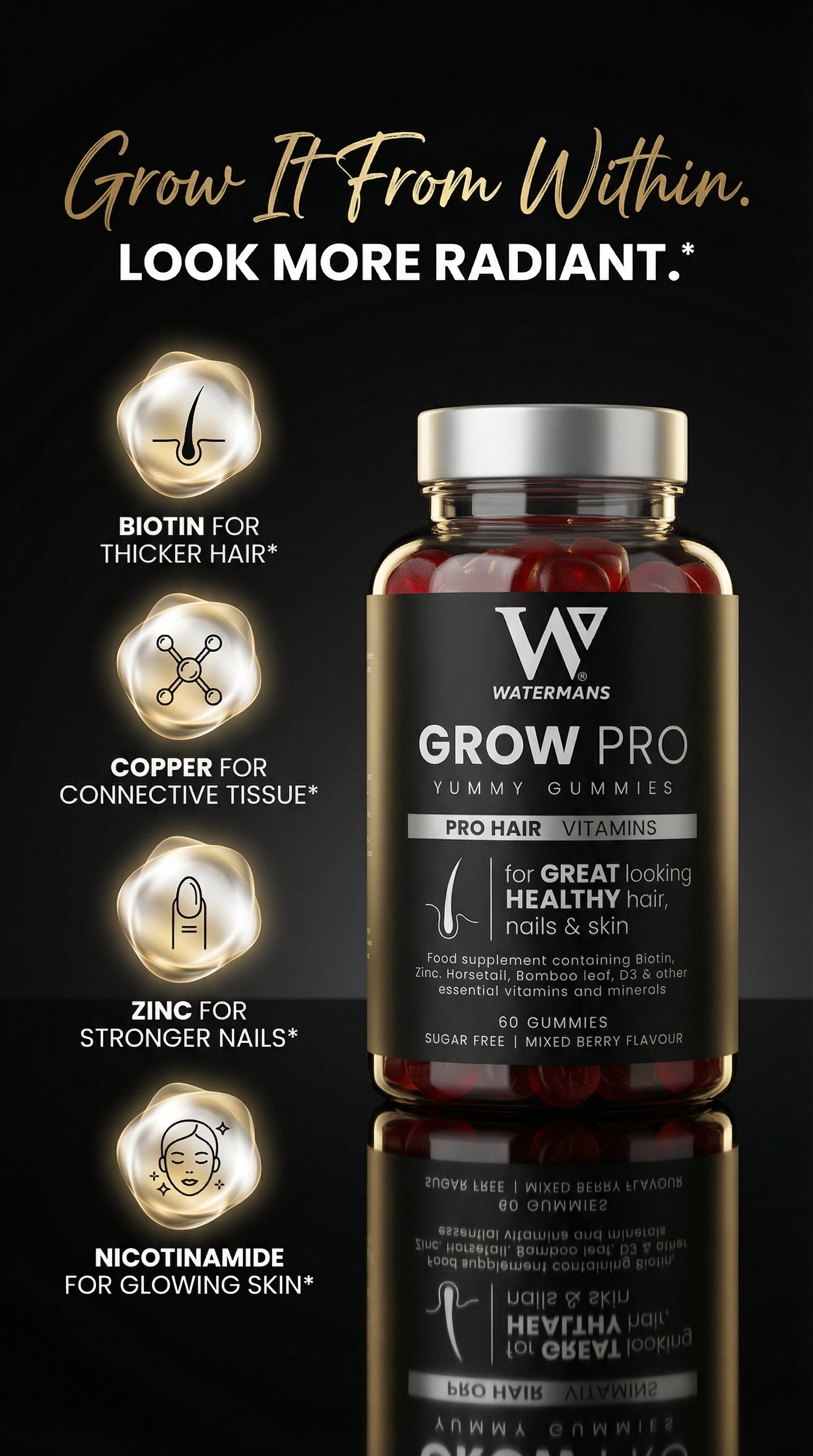
GrowPro® Hair Growth Gummies, £22.95
Sugar free, vegan gummies with biotin and zinc, which contribute to the maintenance of normal hair, plus vitamin C, B12 and bamboo silica. Two a day, alongside a diet that actually contains enough protein.
To be clear: gummies are not a protein source, they are not a treatment for any liver condition, and they do not replace medical advice or a balanced diet.
What should you do instead of cutting protein?
A sensible checklist
- Read the full ingredient list, not the front of the tub. Question steroid sounding compounds and long herbal stacks, not the whey.
- Choose a batch tested product if purity worries you.
- Use powder to close a gap, and build the rest of your protein from food.
- Get most of your calories from foods that are not ultra processed, which is where the fatty liver risk actually sits.
- If you have any liver or kidney condition, set your protein target with a clinician rather than an influencer.
- If you are losing weight, lose it slowly and keep protein high, for your muscles and for your hair.
For the wider picture on how your liver handles nutrients, see our explainer on vitamin A, bile and the liver.
Frequently asked questions
Is whey protein bad for your liver?
There is no reliable evidence that whey protein damages the liver in healthy adults. Whey is a normal milk protein and the liver processes dietary protein routinely. Liver injury linked to gym supplements is usually traced to anabolic steroids or concentrated botanical extracts in multi ingredient products.
Can whey protein raise your liver enzymes?
Whey itself is not an established cause of raised liver enzymes. Hard resistance training can transiently raise enzymes such as ALT and AST because they also come from muscle, which sometimes gets misread as liver damage. Persistently abnormal results always need a GP review rather than a diet guess.
Is whey protein safe if I have fatty liver disease?
Small trials suggest whey is neutral to mildly helpful in fatty liver disease rather than harmful, but the evidence is limited and short term. The bigger levers are total calories, added sugar, alcohol and muscle mass. Anyone with diagnosed fatty liver should agree their plan with a clinician.
Does whey protein cause inflammation?
Studies measuring inflammatory markers such as C reactive protein generally show no increase with whey, and sometimes a small reduction. Bloating or feeling unwell after a shake is usually lactose, sweeteners or drinking a large volume quickly, which is a digestive reaction rather than an inflammatory one.
Is whey protein bad for your kidneys?
In people with normal kidney function, higher protein intakes have not been shown to cause kidney disease. Existing kidney disease is different, because protein targets then form part of medical management. If you have reduced kidney function, ask your kidney team before adding a protein supplement.
How much whey protein per day is too much?
There is no established toxic dose of whey for healthy adults, but there is little benefit in exceeding roughly 1.6 to 2.0 g of total protein per kg of body weight per day. Most people do best with one or two scoops at most, with the remainder of their protein coming from food.
Is plant protein powder better for the liver?
No evidence shows plant protein is better for the liver than whey. Pea, soy and rice blends are useful if you avoid dairy or react to lactose. Quality control, added sugar and the rest of the ingredient list matter far more than whether the protein came from a plant or a cow.
Can protein powder affect hair growth?
Protein powder itself neither causes nor cures hair loss. What matters is total protein and total calories. Very low intakes during rapid weight loss can trigger telogen effluvium, a diffuse shedding that appears two to three months later and usually recovers once nutrition and any iron or thyroid issue are corrected.
The bottom line
Whey protein is not the liver villain the internet made it. It is a food protein with a good safety record, sold in tubs that occasionally contain other things worth questioning. If you want to protect your liver, the evidence points at alcohol, excess calories, added sugar and body weight, not at the scoop in your shaker.
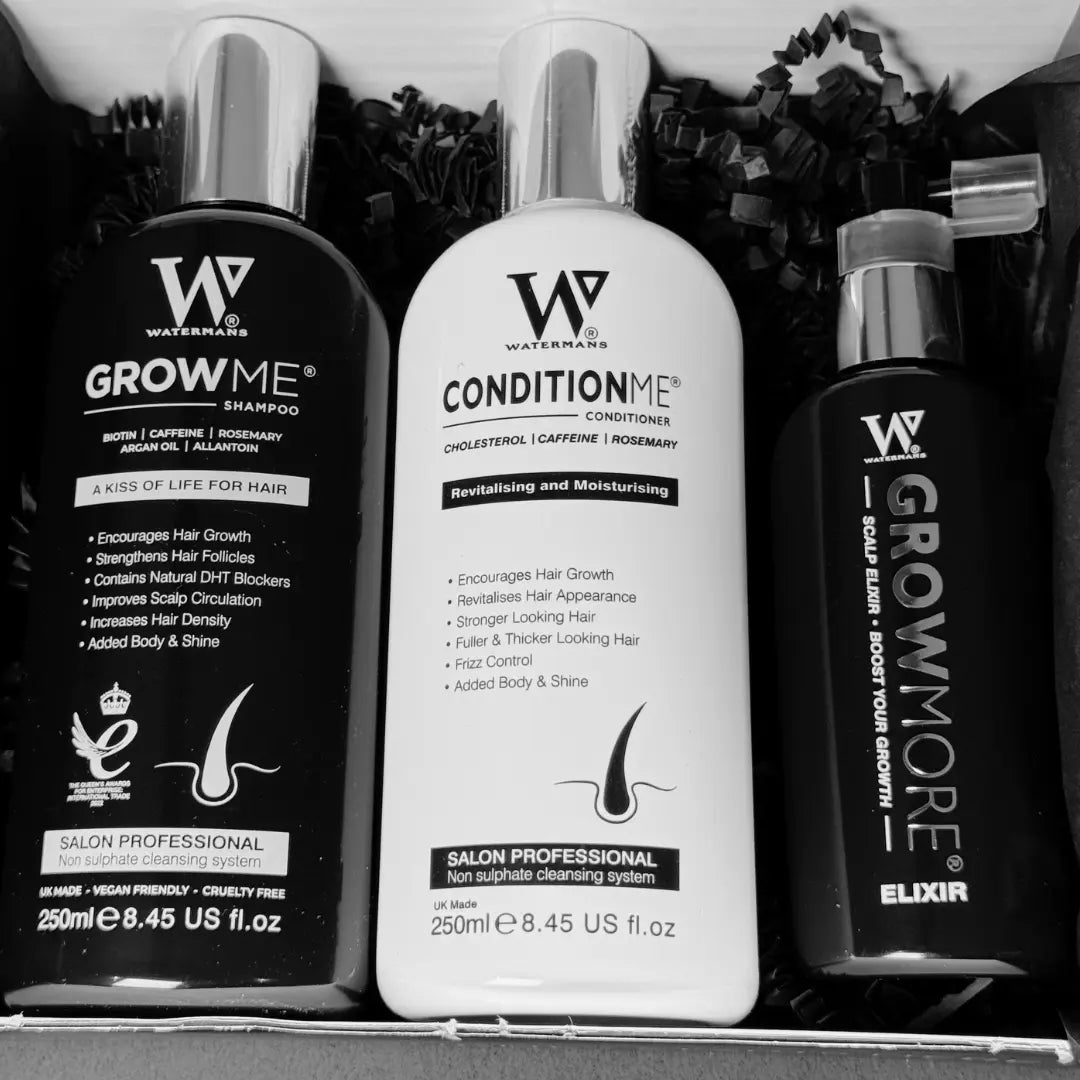
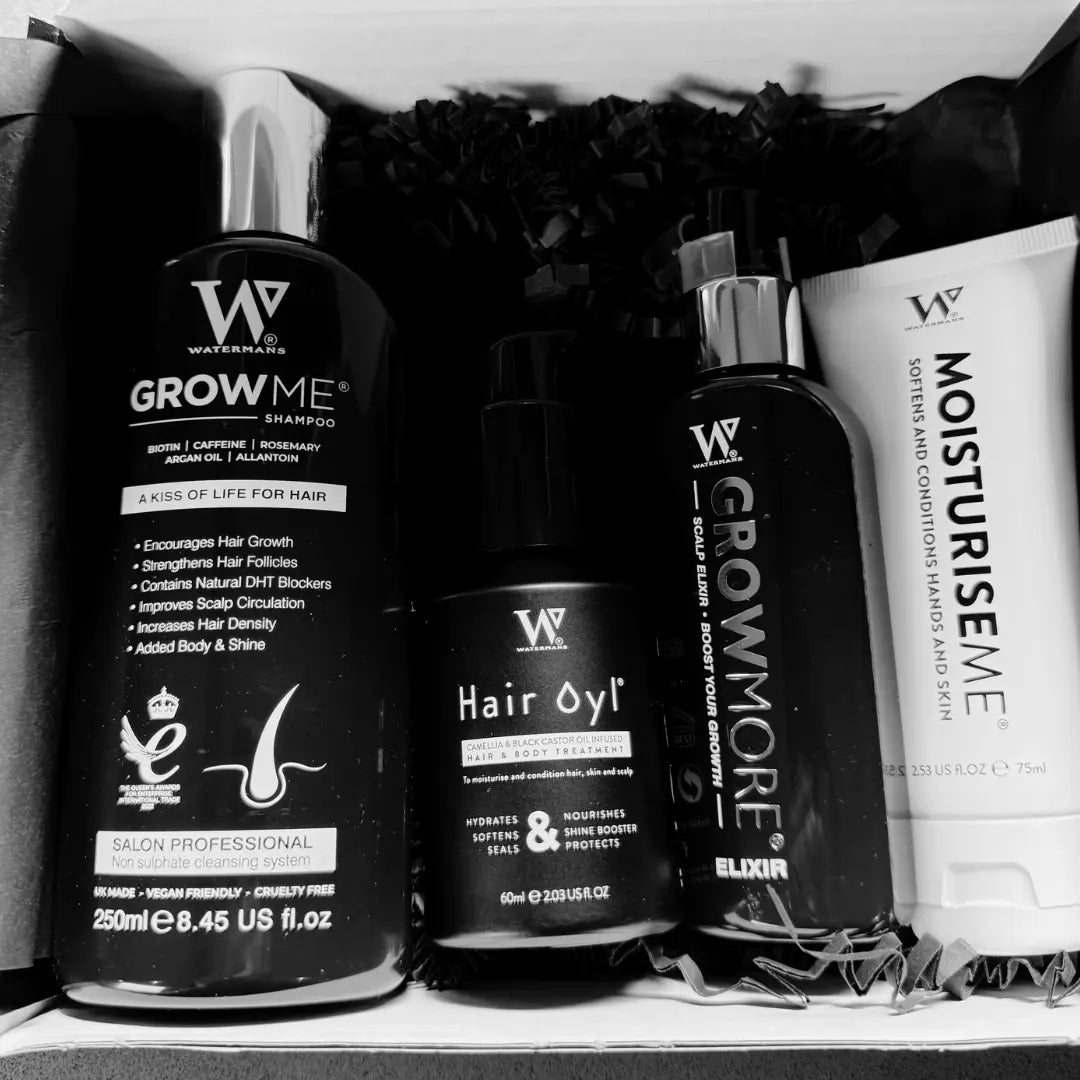
And if your hair has thinned after a period of hard dieting, treat that as a nutrition and medical question first. Ask your GP about ferritin, thyroid function and a full blood count, then support the hair you have with gentle daily care while it recovers. Grow Me® Hair Growth Shampoo is a sulfate free, vegan, UK made shampoo formulated with caffeine, biotin and rosemary for fuller looking hair. It is a cosmetic product, not a treatment for hair loss or any medical condition. Watermans has sold over 5 million bottles since 2012.