

Scalp Build-Up: What It Is and How to Clear It

Scalp build-up is a layer of product residue, sebum, sweat and shed skin cells that has bonded to the scalp instead of rinsing away. It feels like a film you can scrape with a fingernail, it makes hair go limp within hours of washing, and it is the single most common reason people conclude their shampoo has stopped working. It is not dandruff, it is not a medical condition, and in most cases it clears in one or two washes once you change what you are actually doing in the shower.
Key takeaways
- Build-up is residue on the scalp surface. Dandruff is skin flaking from an inflammatory process. They need opposite responses.
- The fingernail test tells you which you have in about five seconds.
- The usual causes are dry shampoo, silicone-heavy conditioner applied to the roots, hard water and washing too gently rather than too often.
- A clarifying wash once or twice a month clears most of it. Doing it weekly strips the scalp and makes everything worse.
- Build-up does not cause hair loss, but it can make hair look thinner by flattening it at the root and it can make an itchy scalp much itchier.
- If flaking is heavy, greasy, yellow or the scalp is red and sore, that is a skin condition and belongs with your GP or a pharmacist.
What exactly is building up on your scalp?
Four things, usually all at once.
- Sebum. The oil your scalp produces. On its own it rinses off easily. Once it has oxidised over a few days it becomes tackier and holds onto everything else.
- Product residue. Dry shampoo is the biggest single offender, because it is designed to sit on the scalp and absorb. Silicones from conditioners and serums are the second, especially the non water soluble ones such as dimethicone. Styling products, hairspray and mousse come next.
- Dead skin cells. Your scalp sheds like the rest of your skin. Normally the cells come away invisibly in the wash. Trapped in oil and product, they clump.
- Mineral deposits. If you live in a hard water area, calcium and magnesium bind to hair and scalp and leave a dulling film that ordinary shampoo does not fully remove. Most of southern and eastern England is hard water country.
Is it build-up or is it dandruff?
This is the question that matters, because the answer changes what you should do, and getting it wrong is why so many people spend months on the wrong product.
The five second fingernail test. On dry, unwashed hair, run a fingernail firmly along a parting. If what comes up is a continuous waxy smear that sits under the nail, that is build-up. If what comes up is loose, separate flakes that scatter, that is shedding skin. Build-up smears. Dandruff scatters.
| Build-up | Dandruff or a flaky scalp condition | |
|---|---|---|
| Texture | Waxy, smears under a fingernail | Dry or greasy flakes that separate and fall |
| Colour | Grey or beige, matches your product | White, or yellow and greasy |
| Where it lands | Stays on the scalp | Ends up on your shoulders |
| Redness | None, unless you have scratched | Often red or pink underneath |
| After one clarifying wash | Largely gone | Back within days |
| What it needs | Better cleansing technique, occasionally a clarifying wash | A pharmacy product or a GP, not more washing |
If the fingernail test says flakes rather than film, our guide to a flaky scalp and seborrhoeic dermatitis is the more useful page for you, and this one will not help much.

Why is it happening to you?
Six causes account for almost every case.
- Dry shampoo used more than about twice between washes. It works by leaving something absorbent on your scalp. That is the entire mechanism. Three or four applications stacked on each other, then slept in, is the fastest route to a film.
- Conditioner going on the roots. Conditioner is for the mid-lengths and ends. Rooted conditioner has nowhere to go and nothing to do, and it is the second most common cause we hear about.
- Not actually washing the scalp. Most people wash their hair and assume the scalp came along for the ride. It did not. Lather sitting on the lengths cleans nothing at the root.
- Hard water. Mineral film builds slowly and is very easy to blame on your shampoo. If your kettle furs up, so does your hair.
- Silicone-heavy products with no way to remove them. Silicones are not villains, they make hair feel wonderful, but the water insoluble ones need a proper cleansing wash to leave, and a very gentle sulphate free routine alone may not shift them.
- Stretching washes too far. Going from washing every day to washing weekly does not train your scalp to produce less oil, whatever you have read. It just gives four days of oil somewhere to accumulate.
How to clear it, in one evening
- Brush the dry hair first. A boar bristle or mixed bristle brush from root to tip lifts loose flakes and distributes the oil so it lathers rather than repelling water. Two minutes.
- Wet properly, for longer than feels necessary. A full minute of warm water before any product. Most build-up is water soluble and a genuinely thorough rinse removes a surprising amount of it before shampoo touches it.
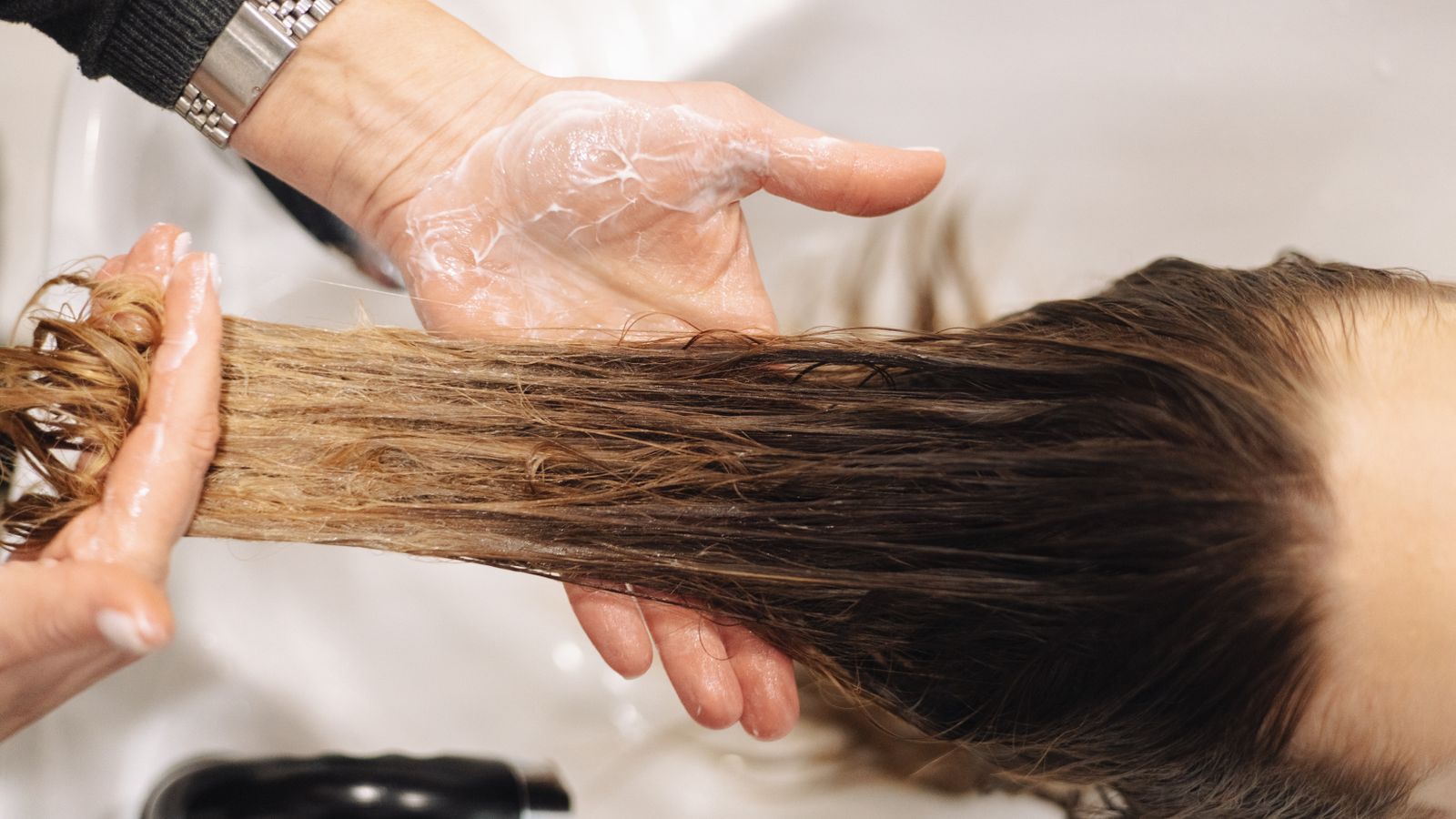
- Shampoo the scalp, not the hair. Pea sized amount, emulsify it in your palms with a splash of water first, then apply to the scalp in sections with the pads of your fingers. Not fingernails, which scratch and inflame.
- Massage for sixty seconds, then rinse and repeat. The second wash is where the work happens. The first lift removes the surface layer and lets the second one reach skin. If you take one thing from this page, take double washing.
- Conditioner from the ears down. Nothing above that line, ever, unless your scalp is genuinely dry rather than merely irritated.
- Rinse cooler and for longer than you think. Residual conditioner at the root is tomorrow's film. Rinse until the hair squeaks slightly between finger and thumb at the root, while still feeling slippery at the ends.
The scalp reset week
A short email with the seven day plan we use for a scalp that has gone waxy and flat: what to do on each of the seven days, the two products to stop using immediately, how to work out whether hard water is your problem, and the one wash technique change that fixes most cases on its own.
Do you need a clarifying shampoo, or a scalp scrub?
Sometimes, and much less often than the shelf suggests. Here is the honest hierarchy.
| Option | When it earns its place | How often |
|---|---|---|
| Double washing with your normal shampoo | Almost always the answer. Free, and it fixes most cases. | Every wash |
| Clarifying shampoo | Heavy styling product use, hard water, swimming, or a film that survives double washing. | Once or twice a month at most |
| Pre-wash oil | A scalp that is both flaky and tight. Oil loosens compacted flakes so they lift in the wash. | Weekly, 30 minutes before washing |
| Physical scalp scrub | Rarely necessary and easy to overdo. Abrasive particles on an already irritated scalp make it worse. | Monthly, gently, or not at all |
| Apple cider vinegar rinse | Genuinely useful against hard water film, at roughly one part vinegar to four parts water. | Fortnightly |
We do not make a clarifying shampoo, and we are not going to pretend our everyday one is one. If you need to strip a month of styling product, buy a dedicated clarifying wash from whoever makes a good one, use it once, and go back to something gentle. What we do make is the gentle everyday half of that pair, which is the part you use fifty times a month rather than once.

Does build-up affect hair growth?
Not in the way the internet claims. There is no good evidence that a layer of residue suffocates follicles or stops hair emerging, and pages that tell you build-up is the hidden cause of your thinning are usually about to sell you a scrub.
What build-up genuinely does is three smaller things that add up. It weighs hair down at the root, so the same amount of hair reads as visibly flatter and thinner. It makes an itchy scalp itchier, and scratching does mechanically damage hair at the root. And it can make a scalp uncomfortable enough that people wash less, which compounds the original problem.
If your hair is genuinely thinning rather than looking flat, build-up is not your explanation and a scrub is not your answer. That is worth a GP conversation, and worth having early.
Watermans products are 100% cosmetic and do not treat medical hair loss. Individual results may vary.
What we would actually use

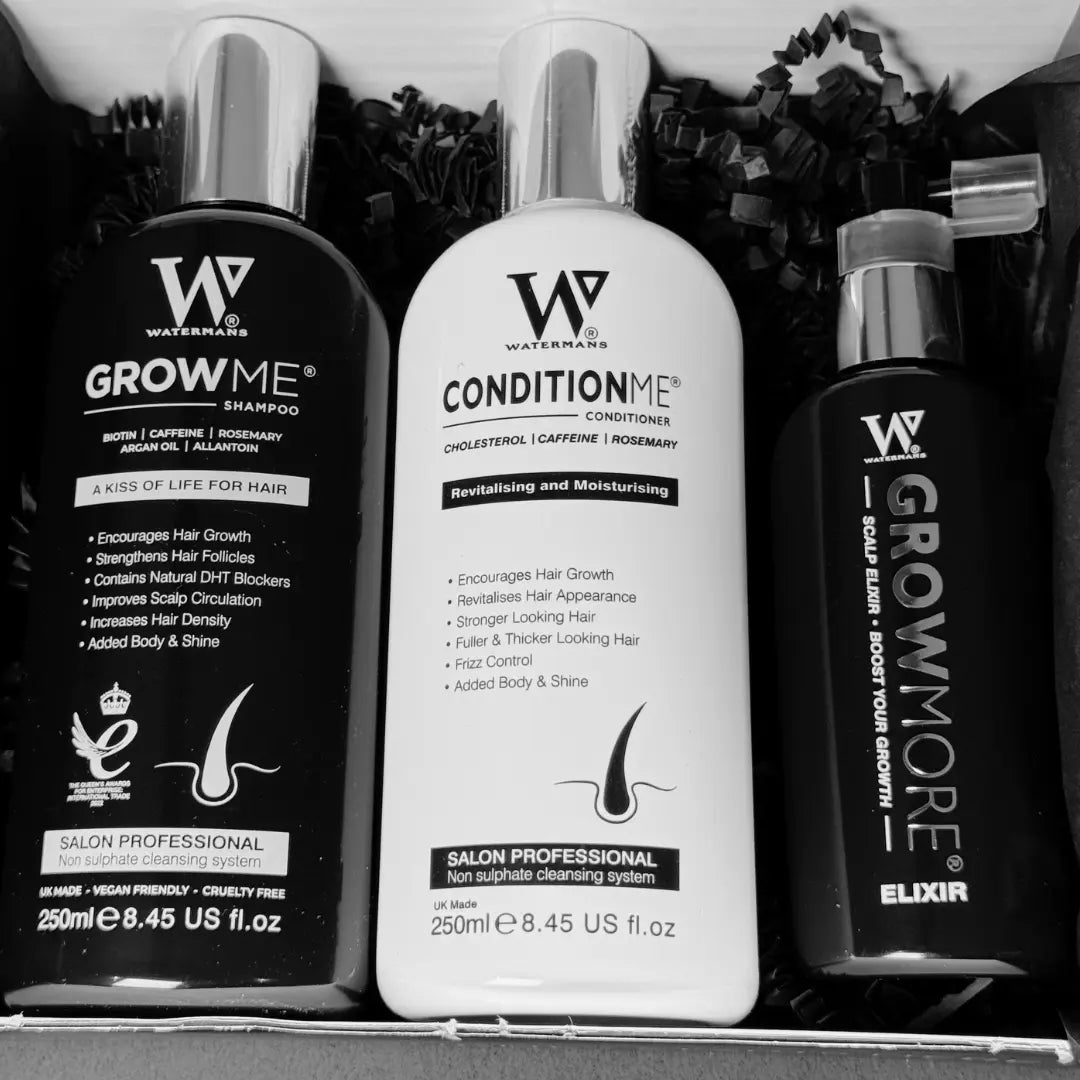
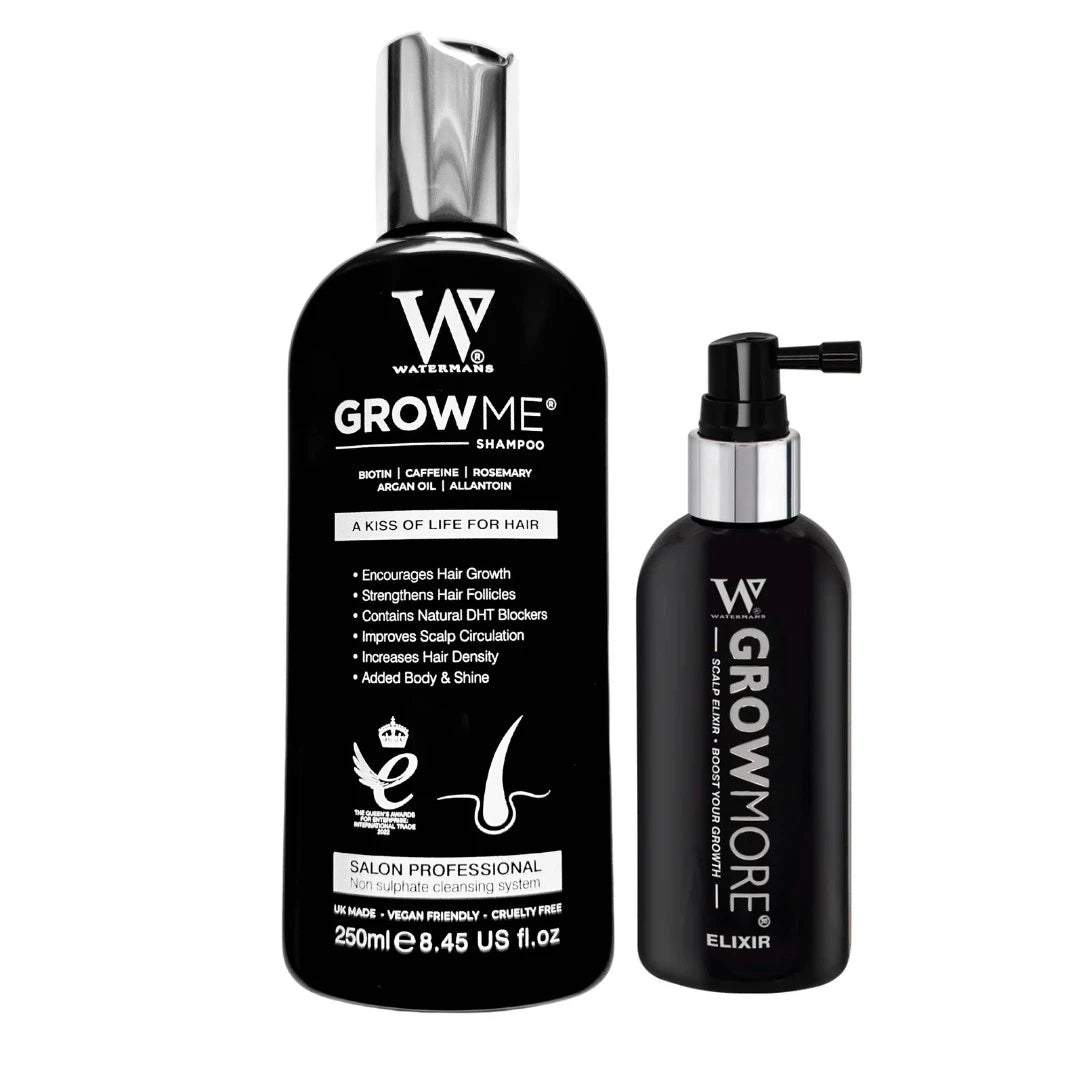
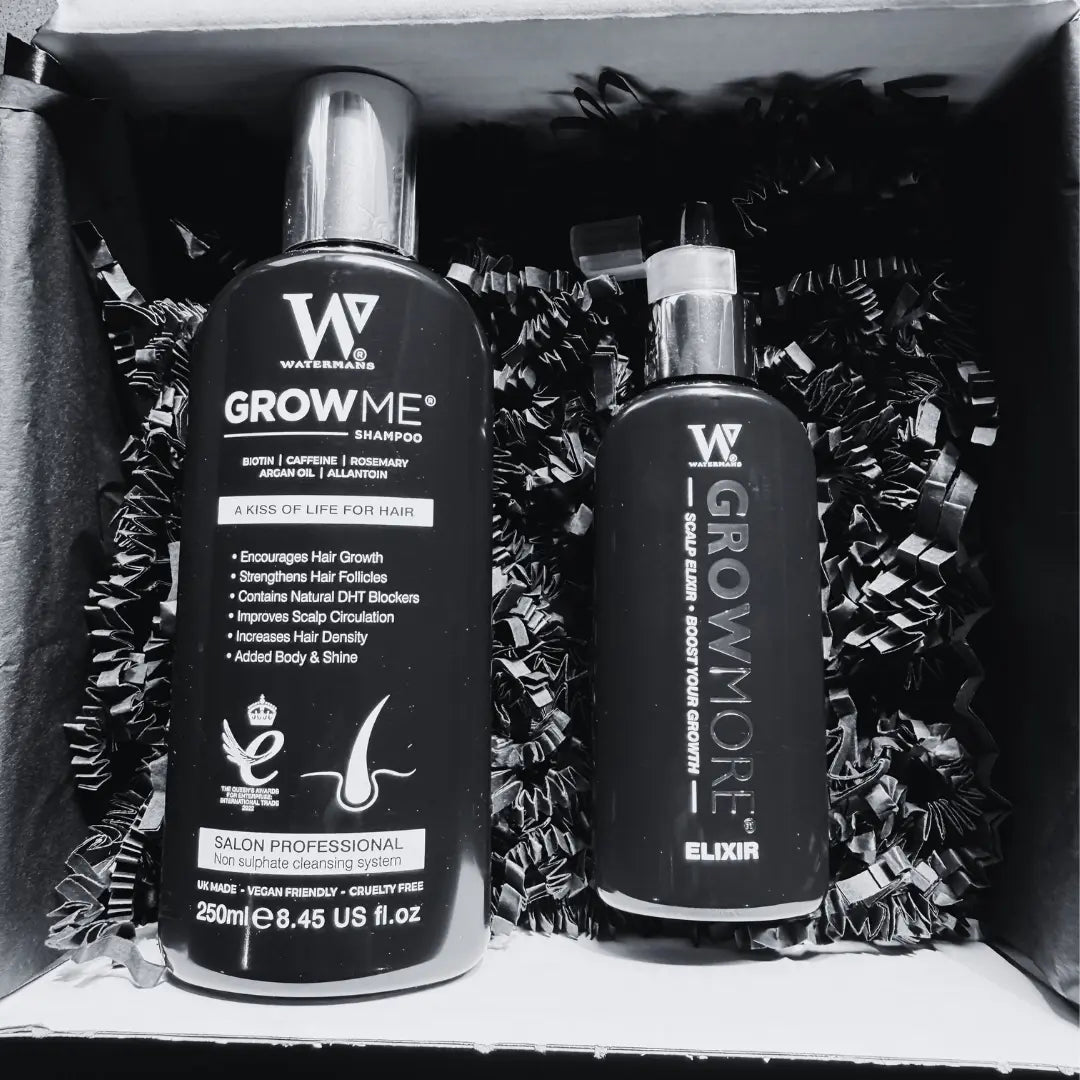
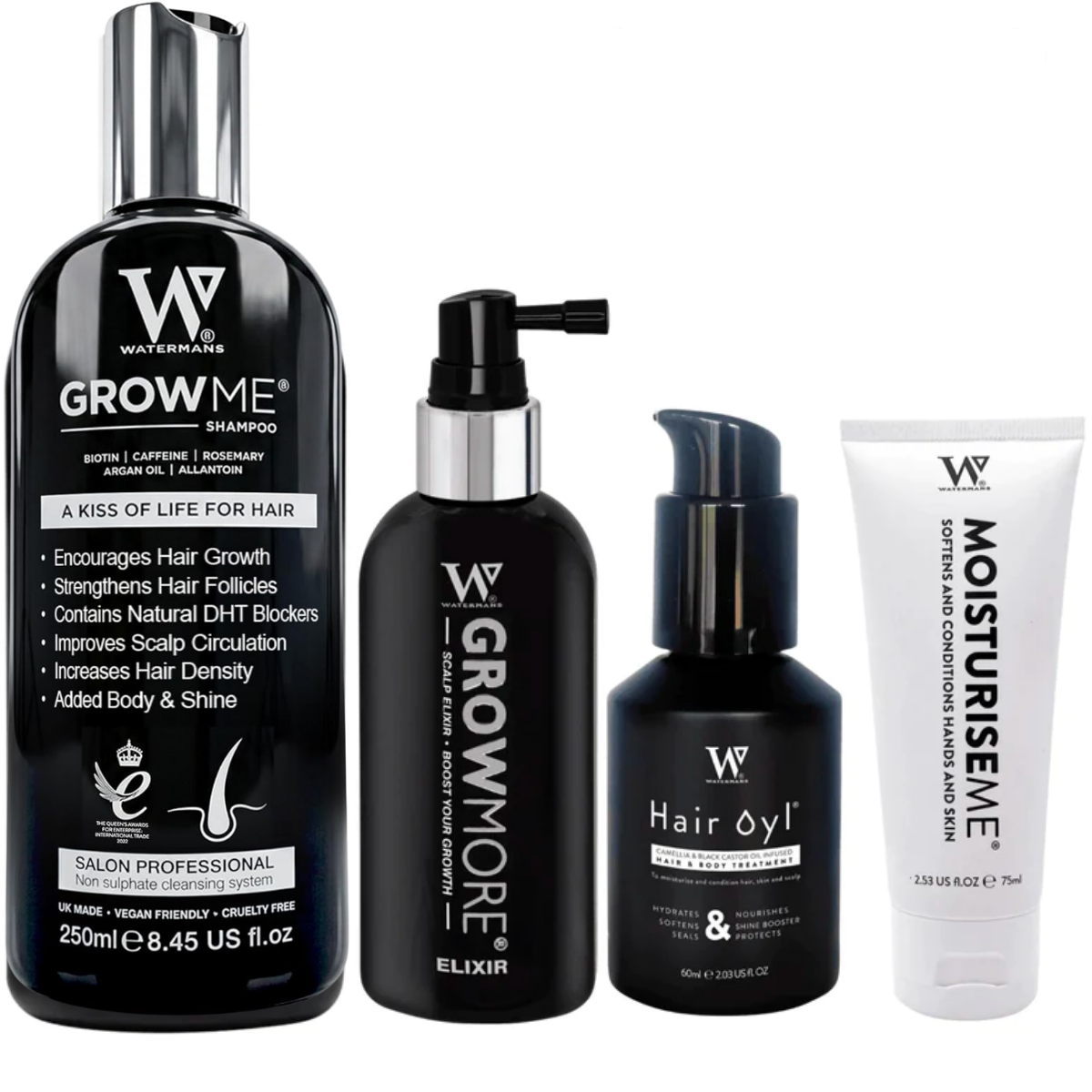
The everyday half of the pair. Sulphate free, so double washing with it does not strip the scalp the way double washing with a harsh shampoo does. That matters here, because the fix for build-up is washing better rather than washing harder.

For the mid-lengths and ends, which is where conditioner belongs and where most build-up problems start when it does not stay there. It rinses clean, which is the specification that matters on this page.
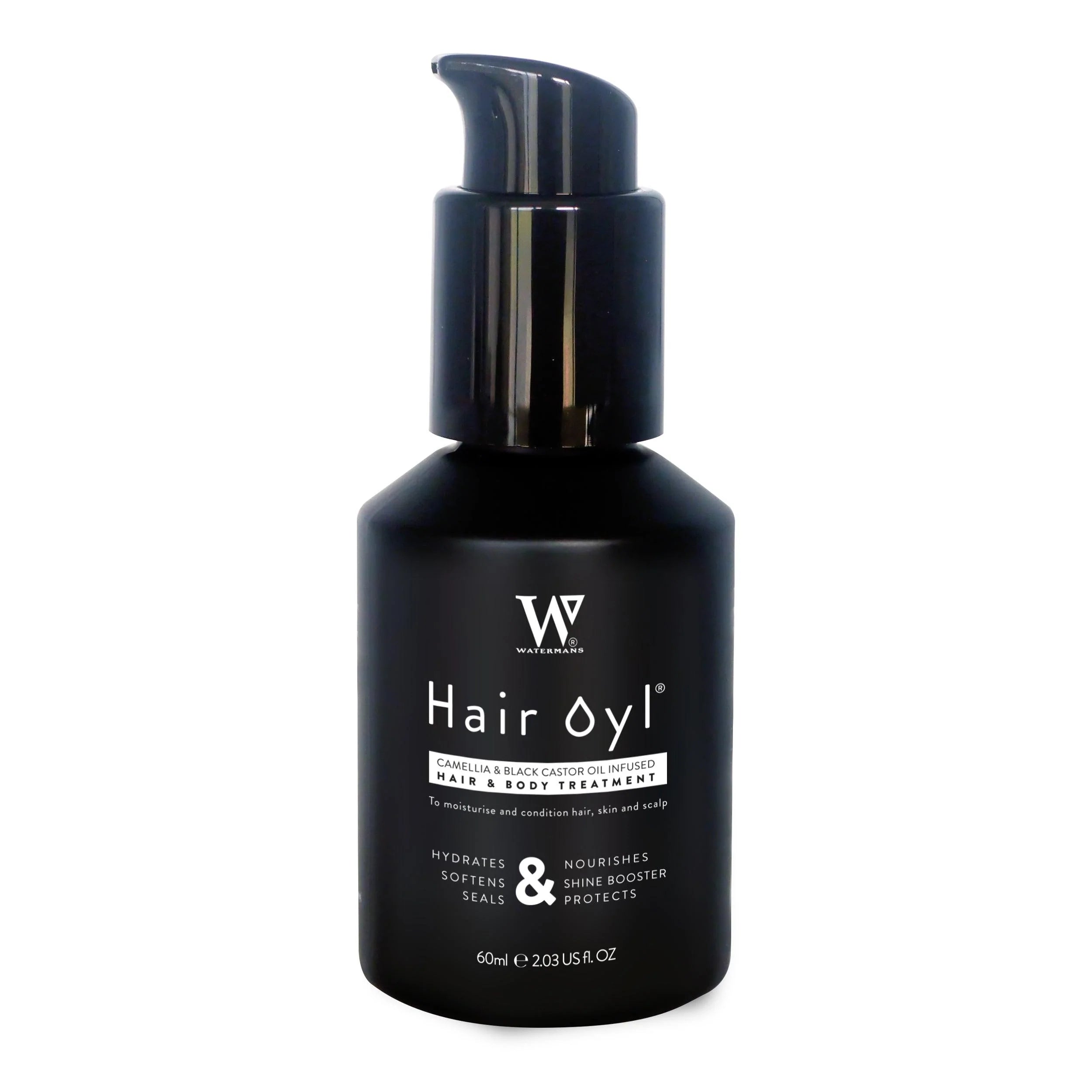
As a pre-wash, half an hour before you shampoo, on a scalp that is both flaky and tight. It softens compacted flakes so they lift out in the wash instead of being scraped off. Not a leave-in for this purpose.
How to stop it coming back
- Cap dry shampoo at two applications between washes, and never sleep in a third.
- Double wash every time. It costs thirty seconds and it prevents almost all of this.
- Keep conditioner below the ears.
- If you live in a hard water area, a shower filter or a fortnightly diluted vinegar rinse is worth more than any product on this page.
- Wash to a schedule that suits your scalp rather than one you read about. Oily scalps do not benefit from being left.
- Clean your brush weekly. A brush full of old oil and product redeposits it every morning.
The wider picture on keeping the skin under your hair in good order is covered in our guide to keeping your scalp healthy for longer, stronger hair, and if the harshness of your current shampoo is part of the problem, the case for switching to sulphate free explains the trade-off honestly.
When it is not build-up at all
- Flakes that come back within two days of a thorough wash.
- A scalp that is red, sore, weeping or crusted rather than simply coated.
- Well defined patches with clear edges rather than a general film.
- Intense itching that keeps you awake.
- Flaking that started with a new medicine or alongside a general change in your health.
Any of those is a skin matter rather than a washing matter. A pharmacist is a genuinely good first stop and costs nothing, and your GP is the next step. We sell shampoo, and we would rather tell you that than sell you a scrub for something a scrub cannot help.
Frequently asked questions
How do I know if I have scalp build-up?
Run a fingernail along a dry parting. A waxy smear under the nail is build-up. Loose flakes that scatter are shedding skin and mean something different.
Can scalp build-up cause hair loss?
There is no good evidence that it does. It can make hair look flatter and thinner at the root, and scratching an itchy coated scalp can damage hair mechanically, but it is not a cause of hair loss in itself.
How often should I use a clarifying shampoo?
Once or twice a month is plenty for most people. Weekly use strips the scalp, which usually triggers more oil production and leaves you worse off than when you started.
Does dry shampoo cause build-up?
It is the most common single cause we see. It is fine used sparingly. The problem is stacking several applications between washes and sleeping in them.
Will a scalp scrub fix it?
Occasionally, but double washing with a gentle shampoo fixes far more cases and carries no risk of abrading an already irritated scalp. Try technique before you buy exfoliants.
Is hard water really a factor?
Yes, and it is badly underrated. If your kettle furs and your shower screen spots, mineral film is landing on your hair too. A diluted vinegar rinse every couple of weeks or a shower filter both help.
Should I stop using conditioner?
No. Move it. Conditioner on the mid-lengths and ends protects against breakage and is worth keeping. Conditioner on the roots is the thing to stop.
Can I use bicarbonate of soda on my scalp?
Please do not. It is strongly alkaline, it disrupts the scalp's natural pH and it roughens the hair's outer layer. It is a popular home remedy and a genuinely bad one.
Why does my hair go flat a few hours after washing?
Usually either residue that survived the rinse, or conditioner applied too high. Try double washing and keeping conditioner below the ears for two weeks before you change products.
The short version
Build-up smears, dandruff scatters. Once you know which you have, the fix for build-up is almost always technique rather than a new bottle: brush dry, wet properly, double wash the scalp with the pads of your fingers, condition from the ears down, rinse for longer than feels sensible. Keep a clarifying wash for once or twice a month, count hard water as a real variable, and if flakes keep coming back within days, stop shopping and speak to a pharmacist.
Watermans has been making vegan, UK made hair care since 2012, with over 5 million bottles sold. We make the gentle everyday shampoo, not the stripping one, and this page is written accordingly.