

Do Hair Growth Serums Work? An Honest Look
Honest answer: a cosmetic hair serum can make a real difference to how your hair looks and behaves, and it cannot change what is happening inside a follicle. Those two things are both true, and the gap between them is where almost all of the disappointment in this category lives. A serum can support a comfortable scalp, reduce the breakage that thins your ends, and leave hair looking fuller. It is not a medicine, and any bottle sold as though it were one is overreaching. This page explains what the ingredient names on the label actually mean, what to be sceptical of, and how to judge whether yours is earning its place.

Key takeaways
- A cosmetic serum works on the scalp surface and the hair you can see. That is a genuine job, and a limited one.
- Trademarked ingredient names are marketing packaging around ordinary ingredients. The trademark tells you nothing about how well it works.
- Most of the studies quoted in this category are small, short, and funded by the company selling the ingredient.
- Serums are not oils. If a product feels heavy and greasy on the scalp, it is doing a different job from the one you bought it for.
- Three months is the minimum honest trial. Anything judged at four weeks tells you nothing either way.
- If your hair loss has a medical cause, no cosmetic bottle addresses it, and a GP visit is worth more than any serum.
What is a hair serum actually doing?
Strip away the marketing and a scalp serum is a lightweight leave-on liquid designed to sit on the skin rather than coat the hair. That distinguishes it from an oil, which coats, and from a conditioner, which deposits on the lengths and gets rinsed away. The serum format exists because the scalp is skin, and skin responds better to a light watery vehicle than to something heavy sitting on top of it.
What it can honestly do falls into three buckets:
- Scalp condition. Keeping the skin comfortable, not tight, not itchy. This matters more than it sounds, because an uncomfortable scalp leads to scratching, and scratching leads to breakage.
- The appearance of the hair. Body at the root, less flyaway, strands that reflect more light and therefore read as thicker.
- Breakage. Anything that reduces snapping keeps length on your head, and length is a large part of what people perceive as density.
What it cannot do is change your hair cycle, override genetics, or address a hormonal or nutritional cause. If someone is losing hair because their ferritin is on the floor, a serum is not the answer to that, and the honest thing to say is go and get a blood test. Our guide to working out why your hair is thinning is the better first step if you do not yet know what you are dealing with.
What do the ingredient names on the label mean?
This is where the category gets deliberately confusing. A great many serums lead with a capitalised trademarked name, which reads like a proprietary breakthrough and is usually a supplier's brand for a blend of fairly ordinary ingredients. The trademark is a commercial fact, not a scientific one. It tells you a company registered a name, which is not the same as the ingredient having earned it.

| What you see on the label | What it generally is | How to read the claim |
|---|---|---|
| A trademarked peptide complex | A supplier's branded blend, often peptides plus a plant extract | Ask who ran the study. It is usually the ingredient supplier. |
| Caffeine | A common, well-tolerated cosmetic ingredient | Genuinely popular and pleasant in a formula. Regard the bigger claims with caution. |
| Rosemary extract or oil | A traditional botanical, widely used | Has a long history of use. The internet's enthusiasm outruns the evidence. |
| Niacinamide, vitamin B3 | A well-established skin ingredient | Sensible in a scalp product, because the scalp is skin. |
| Biotin | A B vitamin, added topically in small amounts | Genuine deficiency is rare. If you are not short of it, extra does little. |
| Hydrolysed proteins | Broken-down protein fragments | Have a real, well-understood effect on the strand's feel and strength. |
None of that means the ingredients are worthless. It means the label is written to sell, and the honest way to read it is as a description of a cosmetic formula rather than a promise about your follicles.
How do you read the studies these products quote?
Three questions cut through most of it.
Who paid for it? The overwhelming majority of studies behind branded cosmetic actives were commissioned by the company that sells the active. That does not make them fabricated, but it does mean they were designed by someone with an interest in the outcome, and studies that came out badly rarely get published.
How many people, and for how long? A great many of these are twenty or thirty participants over eight to twelve weeks. Hair moves slowly enough that twelve weeks is barely a look, and thirty people is small enough that a handful of good responders can carry the average.
What did they actually measure? This is the one that matters most and gets quoted least. "Improved hair density" can mean a count of hairs in a marked square centimetre, or it can mean participants ticking a box saying their hair felt fuller. Those are extremely different findings presented in identical language.
Want the serum label decoder?
A free one page guide to reading a hair product label properly: what the trademarked ingredient names generally are, the three questions to ask about any study a brand quotes, the claim wording that is legally meaningless, and a simple three month trial log so you can judge a product on evidence rather than on hope. Straight to your inbox.
Serum, oil or leave-in: which do you actually need?
These get used interchangeably in conversation and they are not interchangeable in practice. Buying the wrong format for your problem is one of the most common reasons a routine underdelivers.
| Format | Goes where | Best for | Wrong for |
|---|---|---|---|
| Scalp serum | Scalp skin, on partings | Scalp comfort, root area, fuller-looking partings | Dry, damaged ends |
| Pre-wash oil | Lengths and ends, rinsed out | Dryness, frizz, protecting before washing | Leaving on the scalp for days |
| Leave-in spray | Damp lengths | Detangling, heat protection, breakage | Anything scalp related |
| Mask | Mid-lengths and ends, rinsed | Damage, colour, heat, chemical processing | Fine hair used too often |
The common mistake is buying a scalp serum for a problem that lives at the ends. If your hair is snapping mid-length, looks wispy at the bottom and your parting is unchanged, that is a breakage and damage question, not a scalp one, and a conditioner or mask will do more for you than any serum. Once you know which you need, our guide to applying a scalp serum properly covers the technique, which matters more than most people realise.
How should you judge whether yours is working?
With a method, because impressions are unreliable and this category runs on impressions.
- Photograph before you start. Same spot, same light, same parting, dry hair. Then monthly. Without this you are comparing today against a flattering memory.
- Change one thing. If you start a serum, a supplement and a new shampoo in the same fortnight you will learn nothing from any of them.
- Give it three months minimum. Hair grows roughly one centimetre a month. There is no version of this that produces a verdict in four weeks.
- Judge the right things. Scalp comfort and breakage should improve within weeks if a product suits you. Anything about density is a much slower and much less certain question.
- Notice the negatives too. Itching, flaking, greasy roots or spots along the hairline mean it does not suit you, and no amount of persistence fixes that.
- Be willing to stop. If three honest months produced nothing, that is a result. Stop and put the money towards finding the cause instead.

So is it worth buying one?
It is worth it if you want a comfortable scalp, less breakage and hair that looks fuller, and you are going in with those expectations. It is not worth it if you are expecting it to do the job of a medicine, because it will not, and you will conclude that all of it is a con when actually the mismatch was in the promise rather than the bottle.
The best use of a serum is as one honest component of a routine: a gentle wash, a conditioner that stops your ends snapping, careful handling, and something light on the scalp. That combination genuinely improves how hair looks and holds up. It is a smaller claim than the category usually makes, and it has the advantage of being true.

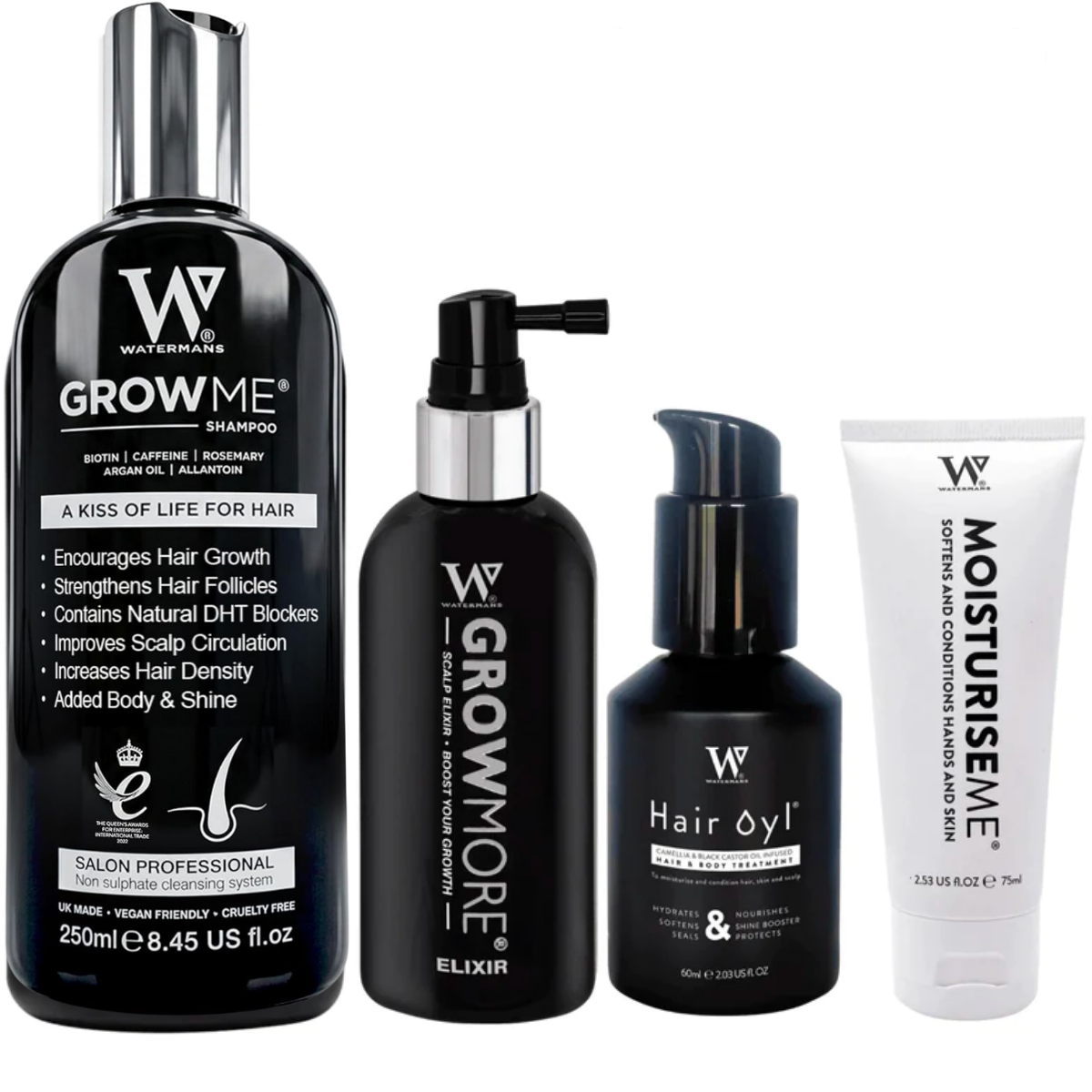
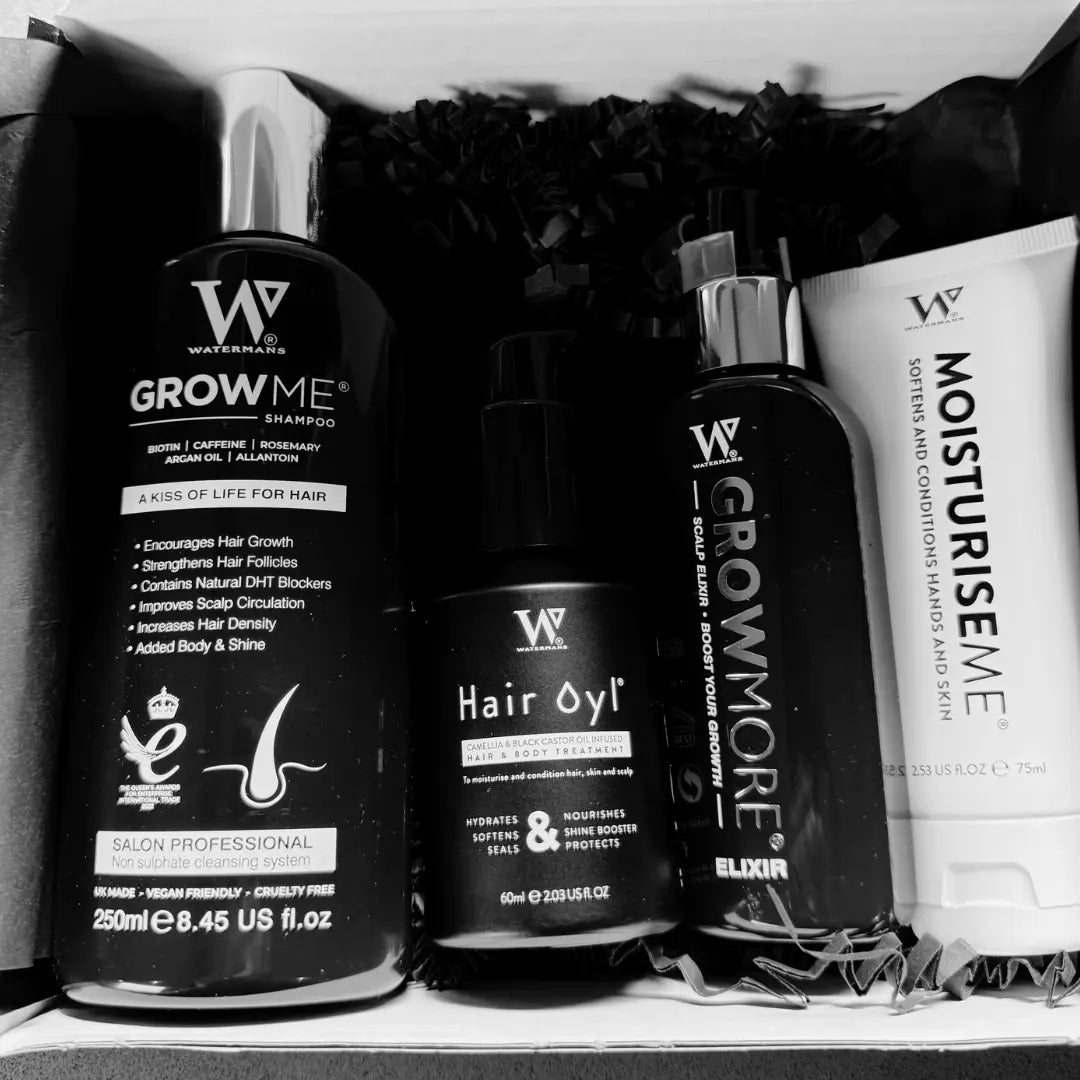
Grow More® Elixir
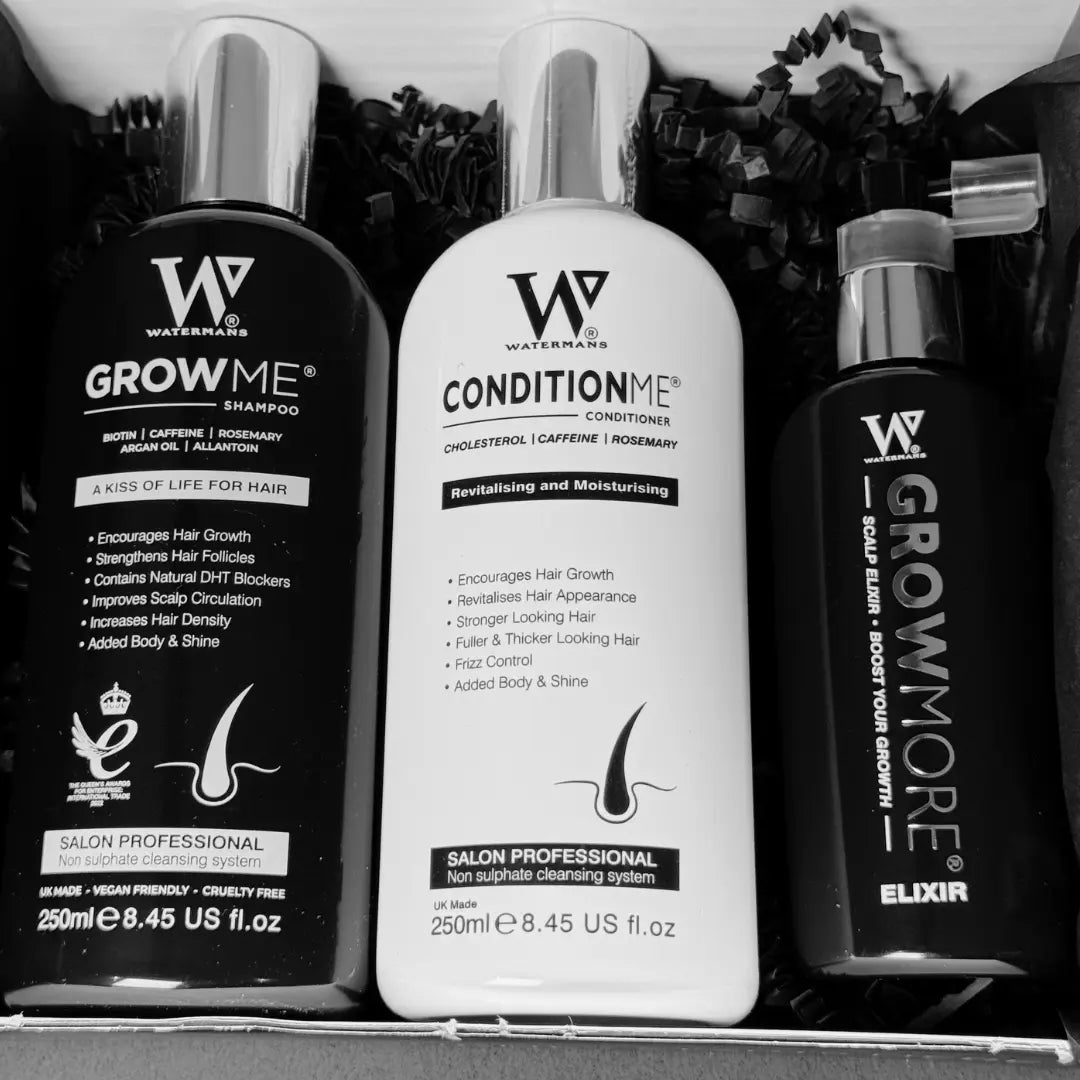
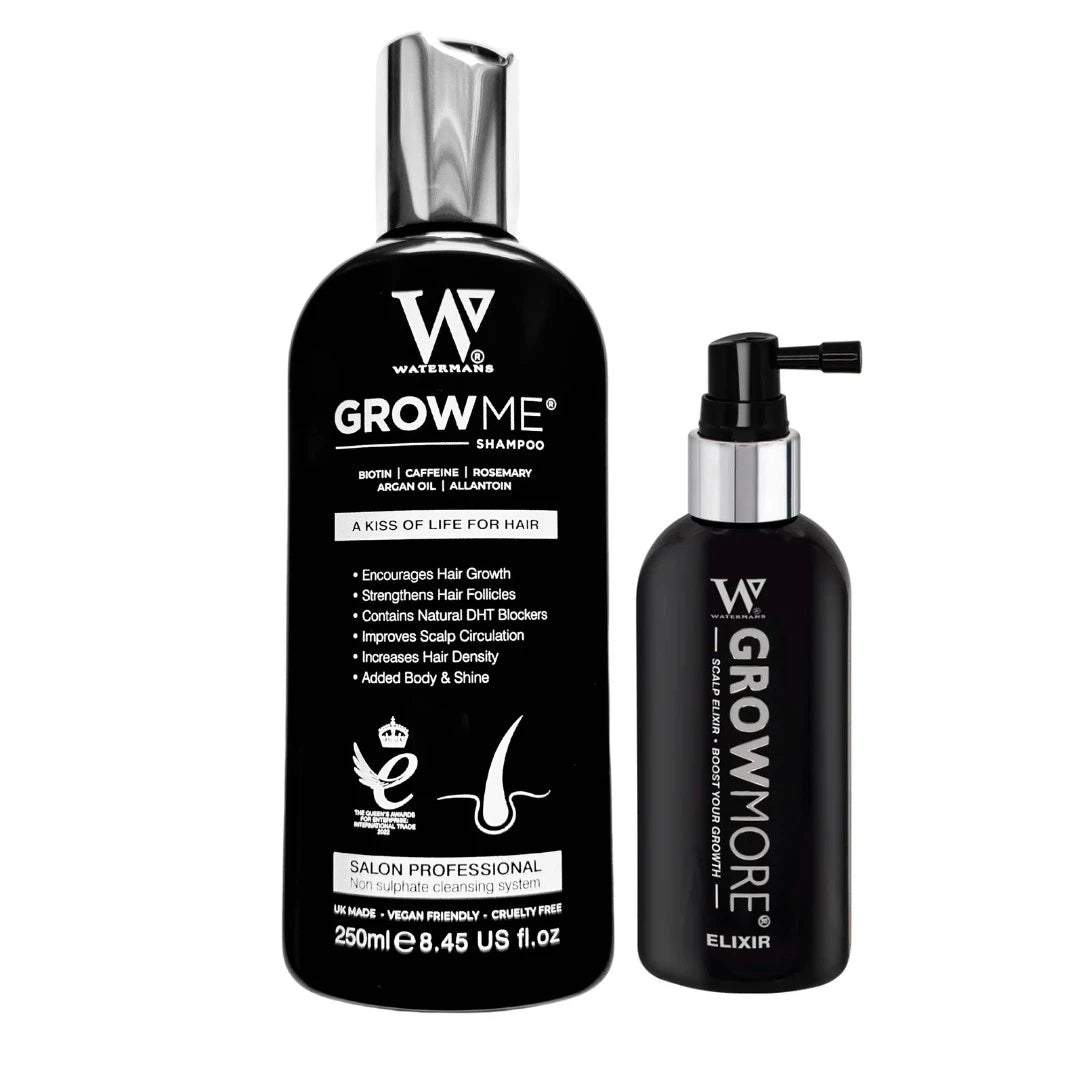
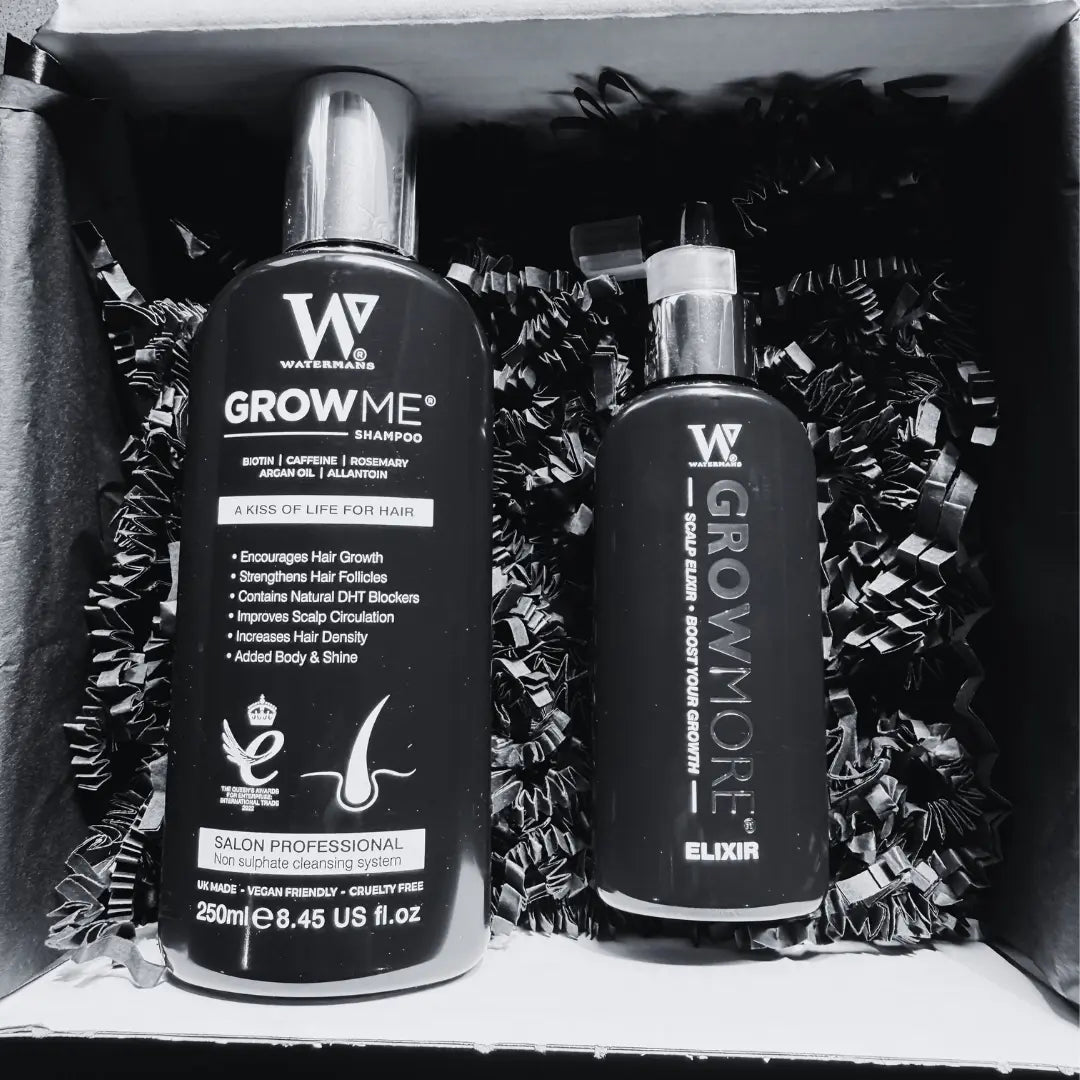
Our leave-on scalp serum, and we will describe it the way this page asks everyone else to. It contains caffeine, rosemary, niacinamide, biotin and hydrolysed lupine protein in a light dropper formula. It supports a comfortable scalp and the appearance of fuller hair at the parting. It is a cosmetic product, not a medicine, and we are not going to tell you it does more than that.
Shop Grow More Elixir
Condition Me® Conditioner
If your problem is at the ends rather than the scalp, this is the honest recommendation instead of a serum. Hydrolysed lupine protein, cholesterol and shea butter reduce the snapping that quietly costs you length, and length is a large part of what reads as thickness.
Shop Condition Me
Grow Me® Shampoo
The base of the routine. Sulphate-free, so it cleans the scalp without stripping the skin you are then leaving a serum on. If you are only going to change one thing, changing your wash is a more sensible starting point than adding a fourth product.
Shop Grow Me ShampooWatermans is a UK family business and has sold over 5 million bottles since 2012. Every product is vegan, cruelty free and made in the UK.
Frequently asked questions
Do hair growth serums actually work?
A cosmetic serum can genuinely improve scalp comfort, reduce breakage and make hair look fuller. It does not change what is happening inside the follicle, so if you are expecting it to do the job of a medicine it will disappoint you. Match your expectations to the category and it is a reasonable purchase.
How long before I see anything?
Scalp comfort within a few weeks. Anything relating to how full your hair looks needs three months at minimum, because hair grows around a centimetre a month and there is no way to speed that observation up.
Are the branded ingredients on the label worth paying for?
The trademark itself is worth nothing to you. It is a supplier's brand name for a blend. Some of those blends are perfectly good ingredients, but the capital letters and the registered symbol are marketing, not evidence.
Is a serum better than a hair oil?
They do different jobs. A serum is light and made for scalp skin. An oil coats and is made for the lengths. If your concern is at the roots, a serum. If it is dryness and frizz at the ends, an oil or a conditioner.
Can I use a serum with other hair products?
Yes, and the order matters. Scalp serum goes on last, on partings, after anything you have put through the lengths. Keep heavy products away from the scalp so they are not sitting on the skin you are trying to look after.
Will a serum help if my hair loss is hormonal?
Not at the cause. A cosmetic product cannot address a hormonal or nutritional driver, and it would be dishonest to suggest otherwise. It can still help the hair you have look and feel better while you deal with the underlying question with your GP.
Why does my serum make my hair greasy?
Almost always too much product, or product applied to the hair rather than the scalp so it has nowhere to absorb. Halve the amount and part the hair properly before you conclude the formula is wrong for you.
Do I have to keep using it forever?
Any cosmetic benefit lasts as long as you keep the routine, in the same way that conditioner stops helping when you stop conditioning. That is worth knowing before you start, because a routine you resent is a routine you will not keep.
Is an expensive serum better than a cheap one?
Price correlates far better with packaging and marketing spend than with formulation. Read the ingredient list, check the format suits where your problem actually is, and judge it over three months. That will tell you more than the price will.
The short version
Hair serums are a real category doing a real but limited job. Read the label as marketing, ask who funded any study you are shown, ignore before and after photographs, and match the format to where your problem actually is. Then give it three months with monthly photographs and one variable at a time, and be willing to conclude it did nothing. If you do not yet know why your hair is changing, find that out first, because it is the one step that makes every other decision easier.
If the ends are your problem rather than the scalp, start with Condition Me. If you want the wider routine, our guide to building a routine for fuller looking hair puts it together.