


Do Hair Products Actually Reach the Follicle?
Almost every hair product on the market is sold on a claim about getting in: penetrating the strand, reaching the follicle, working at the root. Some of that is real and some of it is physically impossible, and the difference is worth knowing before you spend money. The short version is that hair products can genuinely get into the hair strand, they have limited access to the scalp's outer skin, and they essentially cannot reach the living part of a follicle in any meaningful quantity. That sounds discouraging. It is actually useful, because it tells you exactly which problems a bottle can solve and which ones it cannot.

Key takeaways
- The hair you can see is dead. Nothing you put on it is absorbed by a living cell, but it can still be genuinely changed.
- Small molecules can get inside a strand. Large ones sit on the surface, which is not a failure, it is often the point.
- The follicle bulb sits several millimetres down in living tissue. Topical products barely touch it.
- "Penetrates" on a label usually means the cuticle of the hair, not the skin, and almost never the follicle.
- Judge a product by which layer it is designed to work on, and buy for the layer where your problem actually is.
- If the problem is happening inside the follicle, that is a GP question, not a shopping question.
Where does hair actually come from?
A hair follicle is a pocket of living tissue set into the skin, and at the bottom of it sits the bulb, where cells divide and push keratin upward. That bulb is typically around three to four millimetres below the surface, wrapped in living tissue with its own blood supply. It is nourished from the inside, through blood, not from the outside through the scalp surface.
By the time a hair emerges into daylight, the cells that made it have died and hardened into keratin. This is the single most important fact in hair care and the one most often glossed over: visible hair is not alive. It has no blood supply, no metabolism and no ability to repair itself. That is why split ends cannot be mended, only sealed in appearance or cut off.
None of this means products are pointless. It means they act physically rather than biologically. A conditioner does not nourish your hair in any nutritional sense. It deposits substances that change how the strand behaves: how it slides, how much water it holds, how much force it takes to snap. Those are real, measurable changes to a real material. They are just not the changes the marketing usually implies.

What can actually get inside a hair strand?
A hair strand has three layers. The cuticle is the outside, a set of overlapping scales like roof tiles. Underneath is the cortex, the bulk of the strand and the part that determines strength and colour. In thicker hairs there is a medulla in the middle.
Whether something gets past the cuticle comes down mostly to how big the molecule is. Small molecules can slip between the scales, particularly when the hair is wet and slightly swollen. Large ones cannot, and stay on the surface.
| Ingredient type | Where it ends up | What that gets you |
|---|---|---|
| Water and very small molecules | Into the cortex | Swelling, flexibility, and the reason wet hair is weak |
| Hydrolysed proteins, small | Partly into the cuticle and cortex | Temporary reinforcement of damaged areas |
| Hydrolysed proteins, larger | Surface film | Smoothing, less friction, less snapping |
| Coconut oil | Unusually good at entering the cortex | Reduces the damage caused by repeated swelling |
| Most other oils | Mainly on the surface | Shine, slip, reduced frizz |
| Silicones | Surface film, by design | Slip and heat buffering, can build up |
Can anything reach the follicle itself?
Barely, and this is where most marketing quietly overreaches. Your skin's outer layer exists specifically to keep things out, and it is extremely good at its job. A little gets through into the upper skin layers, and some travels a short way down the follicle opening, which is the one genuine route past the barrier. But the amount reaching the living bulb several millimetres down is very small.
That is not an argument against scalp products. A comfortable, well-conditioned scalp is worth having on its own terms, and it is the surface your hair grows out of. It is an argument against the specific claim that a cosmetic product reaches into the follicle and changes what it does. If a formula genuinely did that in any significant way, it would be regulated as a medicine rather than sold as a cosmetic, which is the clearest available test of the claim.
So when a label says "penetrates deep", ask deep into what. Into the cuticle of a dead hair, quite possibly. Into the top of the skin, a little. Into the follicle bulb, essentially no.
Want the "what works on which layer" cheat sheet?
A free one page chart: the three layers of a strand plus the scalp, what genuinely reaches each one, which product format is designed for which layer, the marketing phrases that are physically impossible, and a short diagnostic for working out which layer your own problem lives on. Straight to your inbox.
What actually affects how much gets in?
Four things, and three of them are free.
- Whether the hair is damaged. A raised, chipped cuticle lets far more in, which is why damaged hair takes conditioner so eagerly and also loses it again quickly. Healthy hair is more resistant, and that is a good thing rather than a problem to solve.
- Whether it is wet. Water swells the strand and lifts the cuticle slightly, so damp hair takes up small molecules more readily than dry hair. It is also at its weakest in that state, which is why handling matters so much.
- Contact time. A conditioner rinsed off after twenty seconds has barely begun. Two or three minutes makes a genuine difference, and it is the cheapest upgrade available to anyone.
- Temperature. Warmth helps a little, which is the honest basis behind wrapping a mask in a towel. It is a modest effect, not a transformation.
Notice that three of those four cost nothing. Leaving conditioner on for three minutes instead of twenty seconds will do more for most people than switching to a more expensive bottle. Our guide to using conditioner properly covers that in detail.
So which layer is your problem on?
This is the practical payoff of everything above, because matching the product to the layer is most of what separates a routine that works from one that does not.
| What you are seeing | Which layer | What actually helps |
|---|---|---|
| Frizz, dullness, roughness | Cuticle surface | Conditioner, leave-in, a light oil on the ends |
| Snapping mid-length, wispy ends | Cuticle and cortex | Protein-containing conditioner or mask, gentler handling |
| Stretchy, mushy when wet | Cortex, over-moisturised | Less heavy conditioning, more protein |
| Rough, brittle, snaps dry | Cortex, over-proteined | Pause protein products, richer conditioning |
| Itching, tightness, flaking | Scalp surface | Gentler wash, a light scalp product, no heavy oils |
| Widening parting, real density loss | Inside the follicle | Not a product question. See your GP. |
That last row is the one worth sitting with. If what is changing is genuine density, a cosmetic product is not addressing the cause and no amount of switching bottles will change that. Working out what is actually going on comes first, and our guide to why your hair is thinning is the place to start. Products still have a role alongside that, protecting the hair you have, but they are not the answer to it.

What does this mean for what you buy?
It means you can ignore most claims about depth and ask two better questions instead. Which layer is this designed to act on, and is that the layer my problem is on? A product that smooths the cuticle is excellent for frizz and useless for scalp itch. A light scalp serum is sensible for scalp comfort and will do nothing for split ends. Neither is a bad product. They are answers to different questions.
It also means you can stop paying a premium for the word "penetrating". It usually describes something modest and entirely ordinary, and the cheaper bottle next to it is often doing the same thing without the adjective.

Condition Me® Conditioner
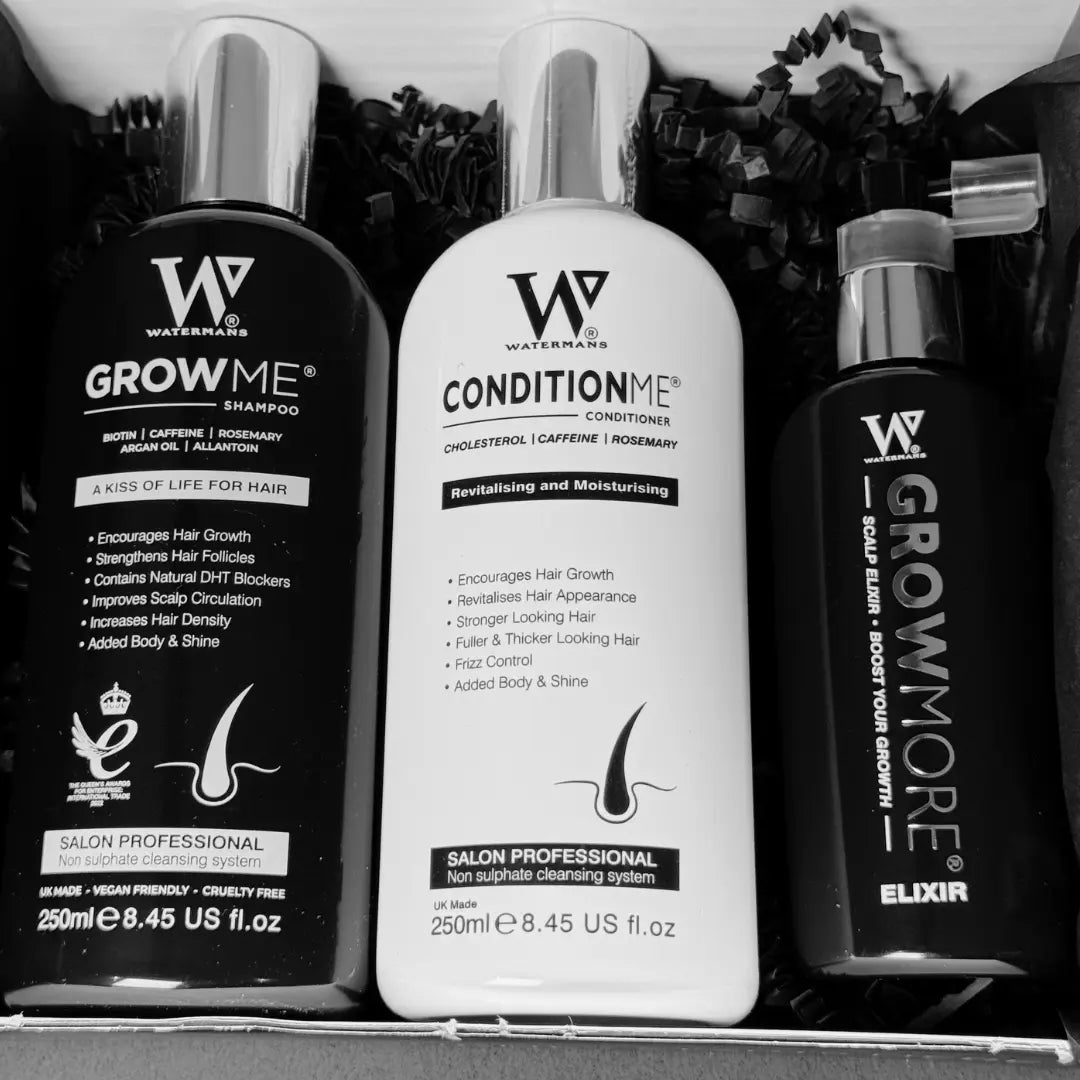
Works on the cuticle, which is exactly where a conditioner should work. Hydrolysed lupine protein, cholesterol and shea butter reduce friction between strands so they slide instead of catching. Leave it on for three minutes rather than twenty seconds and you will get considerably more out of it.
Shop Condition Me
Masque Me® Hair Mask
For the cortex-level problems in the table above: hair that snaps mid-length, or that has been through colour, bleach or a lot of heat. Longer contact time is the whole point of a mask, so give it the five to ten minutes rather than rinsing it like a conditioner.
Shop Masque Me
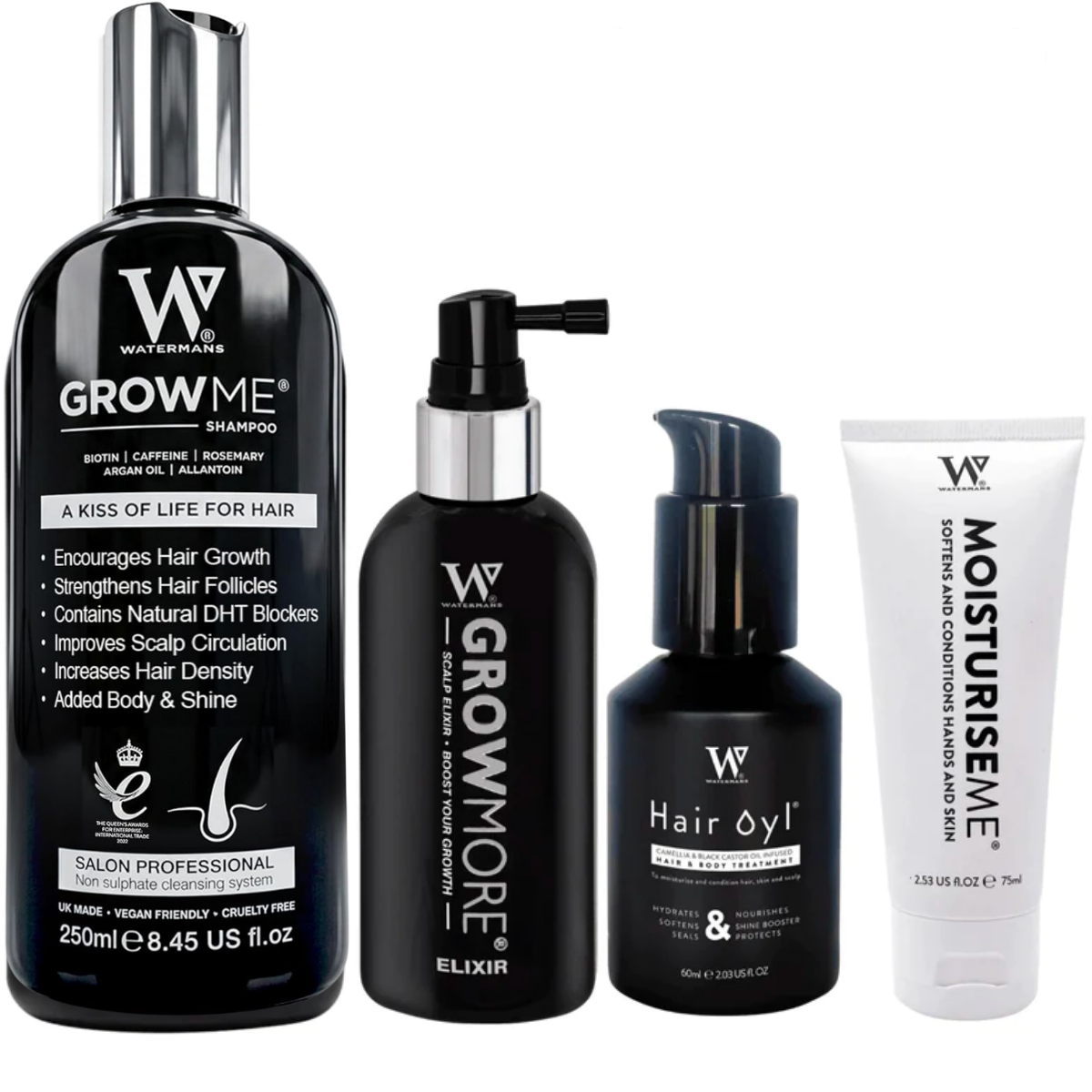
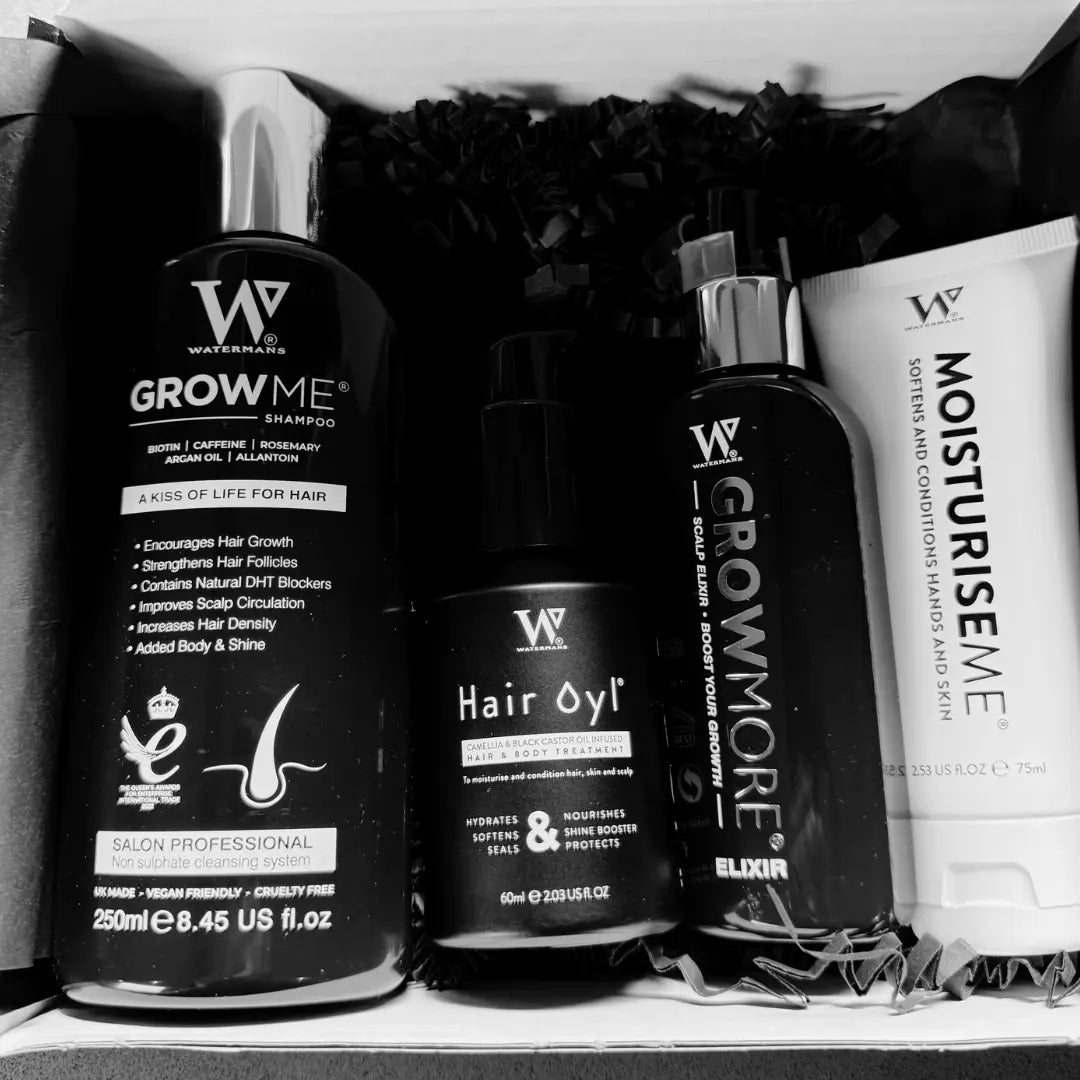
Grow Me® Shampoo
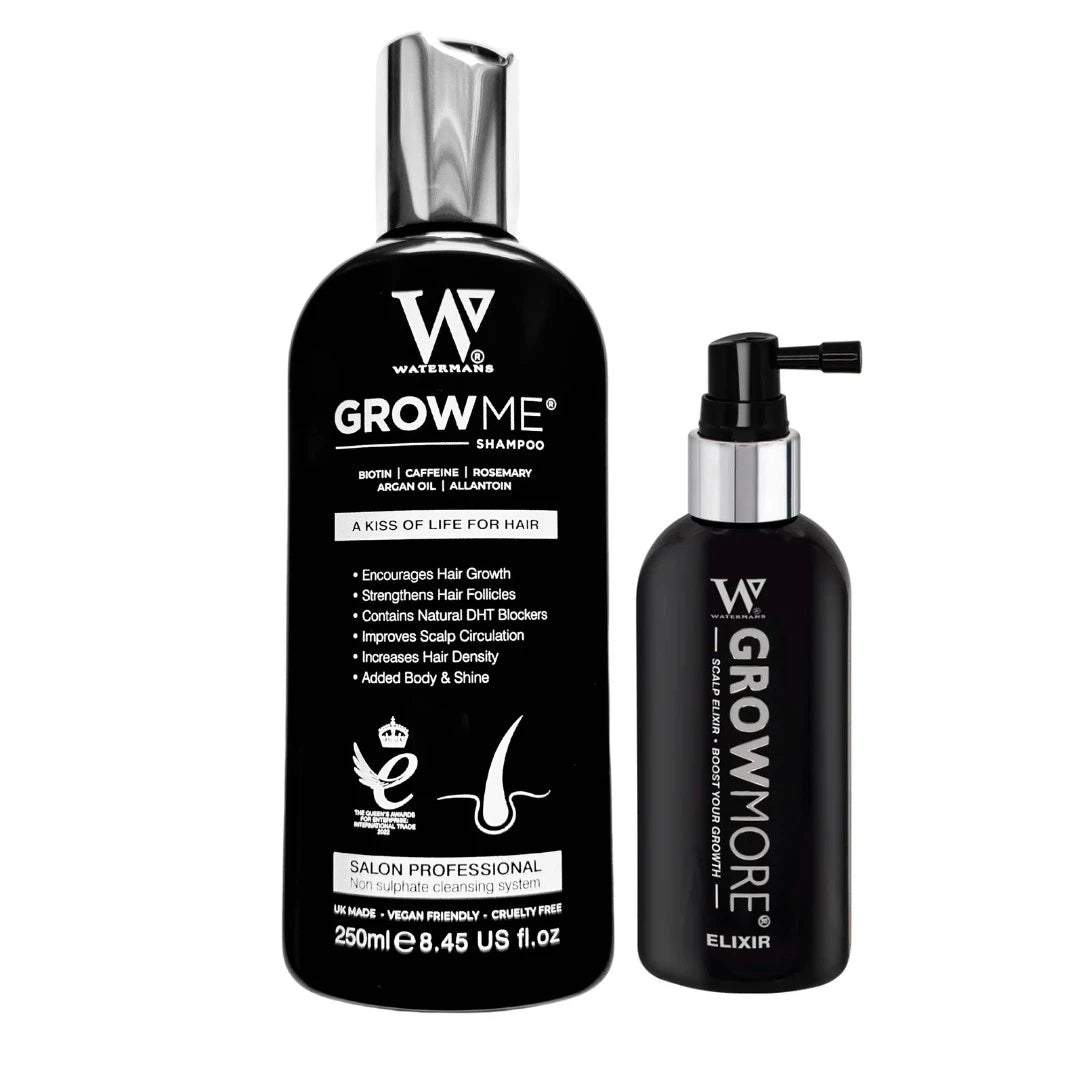
Sulphate-free, so it lifts oil and buildup from the scalp surface without stripping the cuticle on the way past. Cleaning is a surface job done well rather than a deep one, and a wash that respects that leaves less for a conditioner to put right afterwards.
Shop Grow Me ShampooWatermans is a UK family business and has sold over 5 million bottles since 2012. Every product is vegan, cruelty free and made in the UK.
Frequently asked questions
Do hair products absorb into the scalp?
A little, into the outer layers of skin and a short way down the follicle opening. Your skin barrier is built to keep things out and does that well. Very little reaches the living follicle bulb several millimetres down, which is why cosmetic products act on the surface rather than on what the follicle is doing.
Is hair alive?
The hair you can see is not. It is hardened keratin with no blood supply and no living cells. Only the part inside the follicle, below the skin, is alive. This is why hair cannot heal itself and why split ends cannot genuinely be mended.
Can a product repair damaged hair?
Not in the sense of restoring it. It can fill, coat and smooth so that damaged hair behaves and looks much better, and that effect is real and worth having. But it is cosmetic and it washes out, so it needs repeating rather than accumulating.
What does "penetrates the hair shaft" actually mean?
Usually that a small molecule can pass between the cuticle scales into the cortex, which some ingredients genuinely do. It does not mean the product reaches your follicle, and the two get deliberately blurred on packaging.
Does leaving conditioner on longer help?
Yes, and it is one of the few free upgrades in hair care. Three minutes rather than twenty seconds gives ingredients time to spread and deposit. Beyond about five minutes for a conditioner the extra gain is small.
Does damaged hair absorb more?
It does, because a raised and chipped cuticle offers more ways in. That sounds like an advantage and is not, since the same openings let moisture out again quickly. It is why damaged hair feels wonderful just after conditioning and rough again by the evening.
Is coconut oil different from other oils?
It is one of the few that genuinely enters the cortex to a useful degree, because of its molecular shape. Used before washing it reduces the damage caused by hair repeatedly swelling and shrinking with water. It does not suit everyone, particularly finer hair, where it can feel heavy.
Does scalp massage help products get in?
It helps distribution, which is genuinely worth doing, and it is pleasant. It does not meaningfully push anything through the skin barrier. Thirty to sixty seconds with fingertips is plenty, and scrubbing hard just adds tangling.
If products cannot reach the follicle, are they a waste of money?
No, provided you buy them for the right job. Reducing breakage, keeping the scalp comfortable and making hair look fuller are real outcomes that matter to how your hair looks day to day. The waste comes from buying a cosmetic product to solve a problem that is happening inside the follicle.
The short version
Products get into the hair strand, sit mostly on the scalp surface, and do not meaningfully reach the follicle. Visible hair is dead, so everything a product does to it is physical rather than biological, and that is fine, because friction, breakage and appearance are exactly the things worth improving. Work out which layer your problem is on, buy for that layer, leave conditioner on longer than you currently do, and ignore the word "penetrating" on any label. If your parting is genuinely widening, that is happening in a place no bottle reaches, and it is worth a conversation with your GP.
If your problem is breakage at the ends, start with Condition Me and give it three minutes.