

Skin Care Myths That Are Sabotaging Your Scalp
Most skin care myths are harmless. The ones that reach your scalp are not, because the advice people repeat about scalps is more often backwards than merely useless. The biggest example is the one almost everyone believes: that flakes mean a dry scalp which needs oiling. For the commonest cause of flaking, oiling makes it worse, and it does so for a reason that is well understood and rarely explained.
Your scalp is skin. It has the same epidermis and the same barrier as your face, plus the highest density of sebaceous glands anywhere on your body. Yet it is the one patch of skin most people treat with nothing but detergent, then troubleshoot using folklore. Here are the myths worth unlearning.
Key takeaways
- Flakes usually are not dryness. The common cause involves too much oil, not too little, so reaching for an oil feeds the problem.
- Washing more often calms most flaky scalps, rather than stripping them. Wash less is the wrong instruction here.
- Dandruff is not a hygiene failure. It reflects yeast, sebum and individual susceptibility, and clean people get it constantly.
- Follicles are not pores, and a blocked follicle is not the cause of pattern hair loss.
- Your parting is bare skin and burns like any other bare skin, however much hair sits either side of it.
- Natural does not mean gentle. Undiluted essential oils are among the more reliable causes of contact dermatitis on a scalp.
Myth 1: flakes mean a dry scalp, so you should oil it
This is the most confidently repeated piece of scalp advice on the internet, and for the most common cause of flaking it is precisely wrong.
Most persistent scalp flaking is not dryness. It is a reaction involving Malassezia, a yeast that lives on nearly everyone's skin. Here is the part that changes the advice: Malassezia cannot synthesise its own fatty acids. It has to obtain lipids from its environment, which is why it thrives in the oiliest regions of the body, and why the scalp, the sides of the nose and the centre of the chest are its favourite territory. It breaks down sebum, releases irritating by-products such as oleic acid, and in susceptible people the skin responds with inflammation and accelerated shedding of cells. Those cells clump with oil into the visible flakes.
So when you apply coconut oil, olive oil or a heavy scalp oil to a flaking scalp, you are supplying the exact substrate the organism was already scavenging. Symptoms often improve for a day, because oil temporarily glues flakes down and softens them, then return worse. That short lived improvement is why the myth survives.

Genuine scalp dryness does exist. It tends to produce small, fine, white flakes with tightness and no greasiness, often in cold weather or after harsh chemical treatments. If your flakes are large, yellowish, slightly oily, and sit on skin that looks pink underneath, that is the other picture entirely, and it is covered in detail in our guide to seborrheic dermatitis and a flaky scalp.
Myth 2: wash your hair less to protect your scalp
Wash less is sound advice for very dry, coily or chemically treated hair, where the concern is the hair fibre. It is poor advice when the concern is the scalp, and the two get conflated constantly.
If sebum is the fuel for the process described above, then leaving sebum sitting on the scalp for a week is not restraint, it is feeding time. For most flaking, itching and irritation, washing more frequently with a mild shampoo improves symptoms rather than worsening them. Clinical routines for scalp conditions are built around regular washing, not avoidance of it.

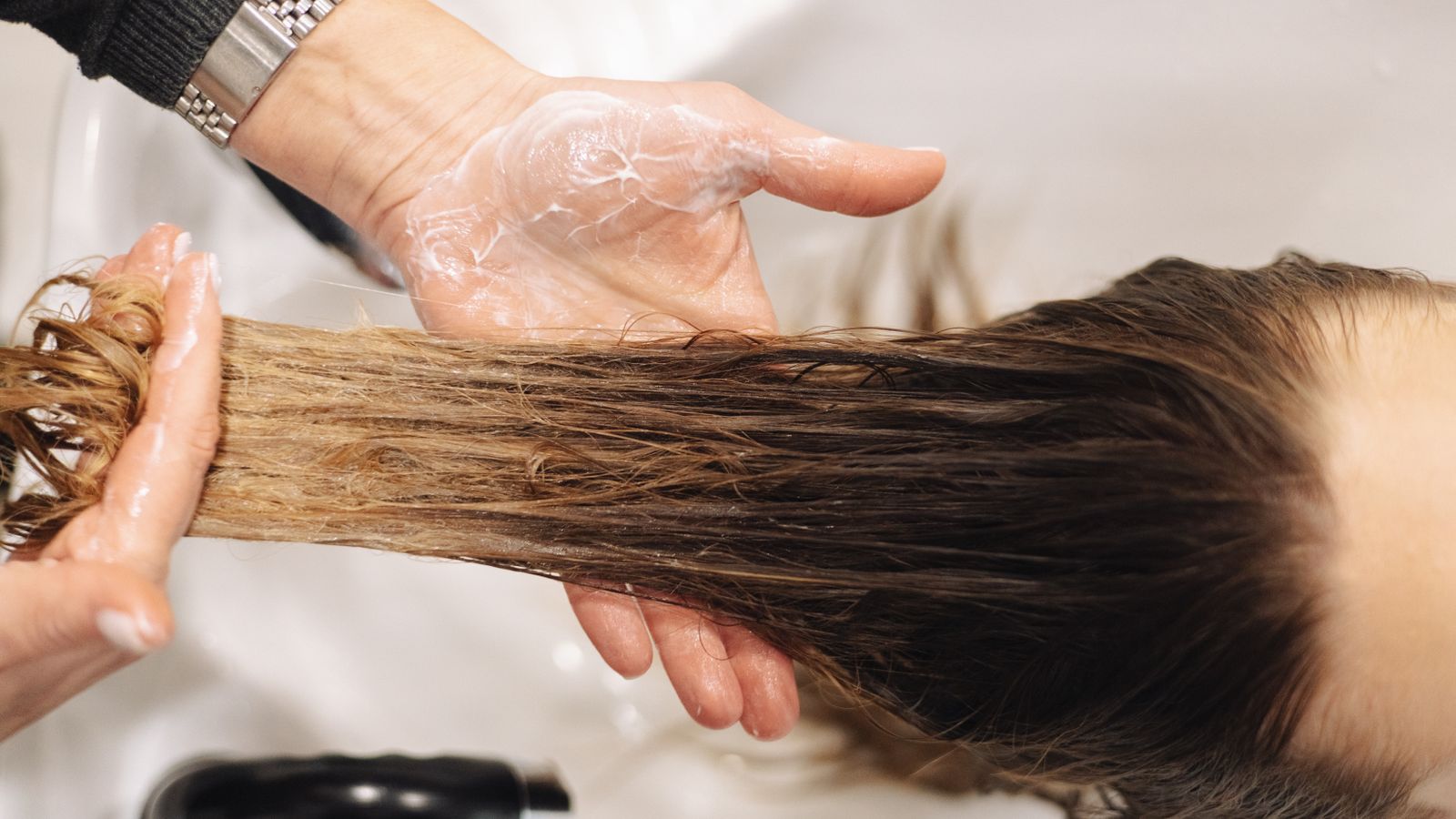
The reconciliation is simple, and it is the single most useful technique in this article. Shampoo is for the scalp. Conditioner is for the lengths. Work shampoo into the scalp with your fingertips and let the rinse water do the work on the mid-lengths, then apply conditioner from the ears down and keep it off the roots. That way you can wash the scalp as often as it needs without stripping the hair, which is the trade off people think they are stuck with. Our guide on how to use conditioner properly covers the second half of that.

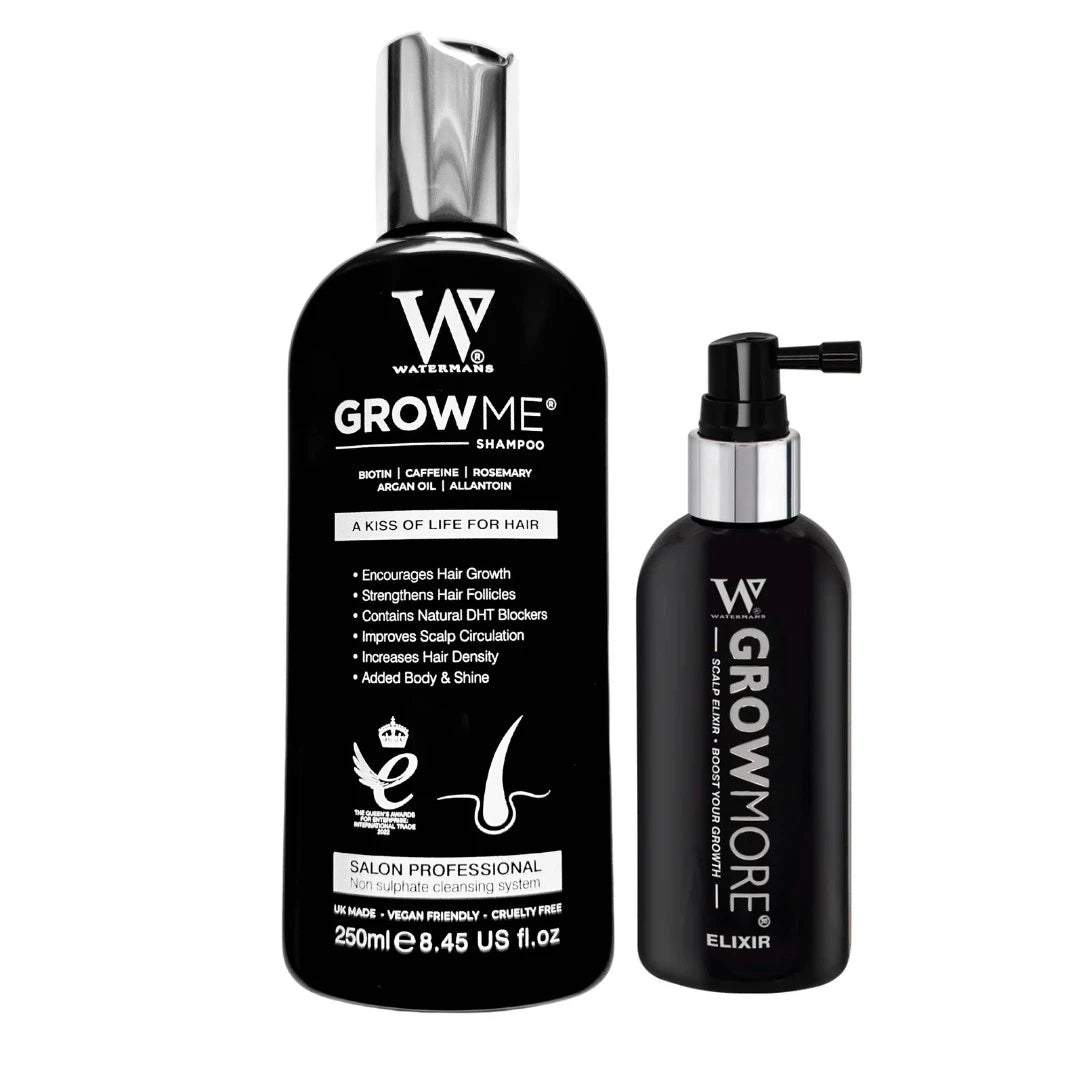
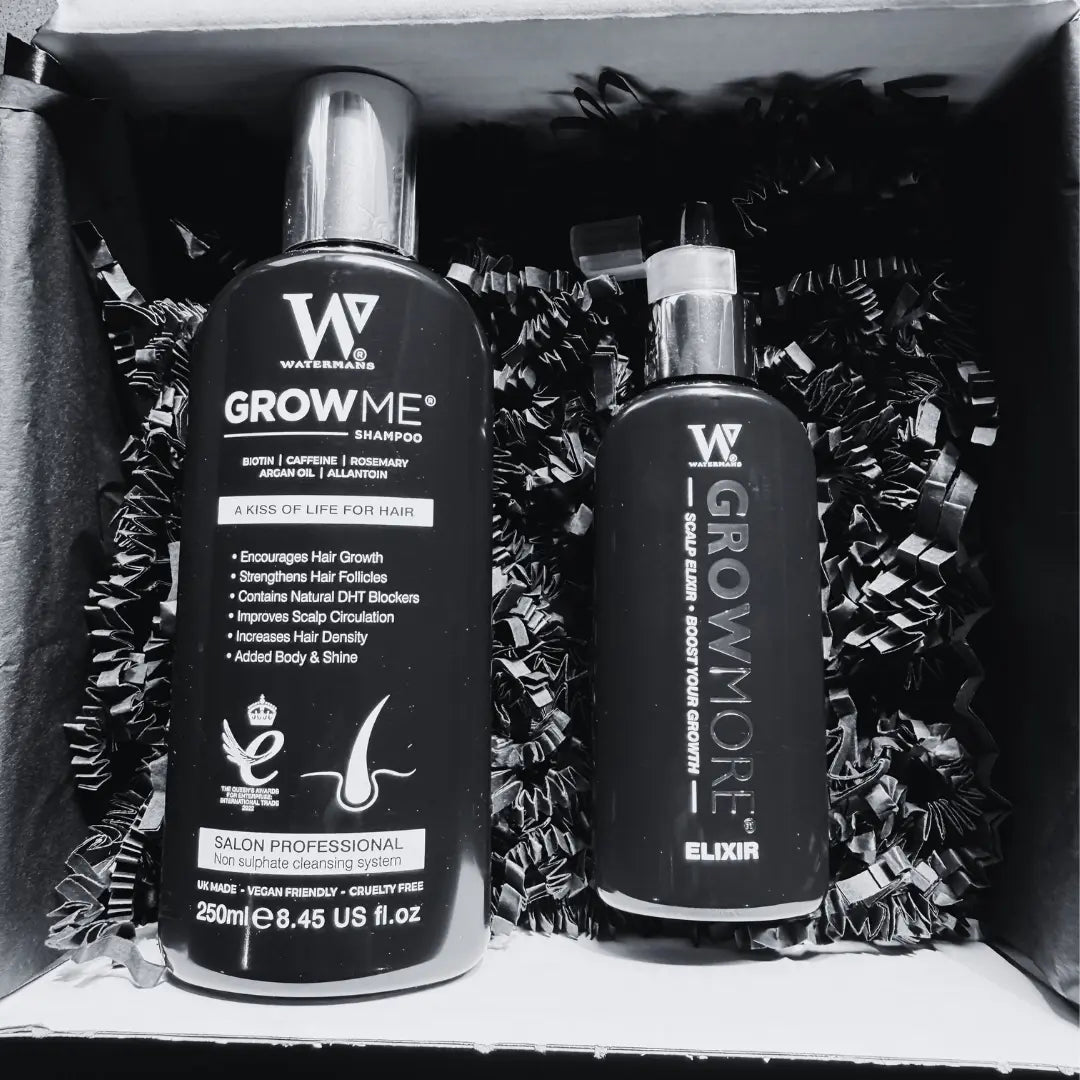
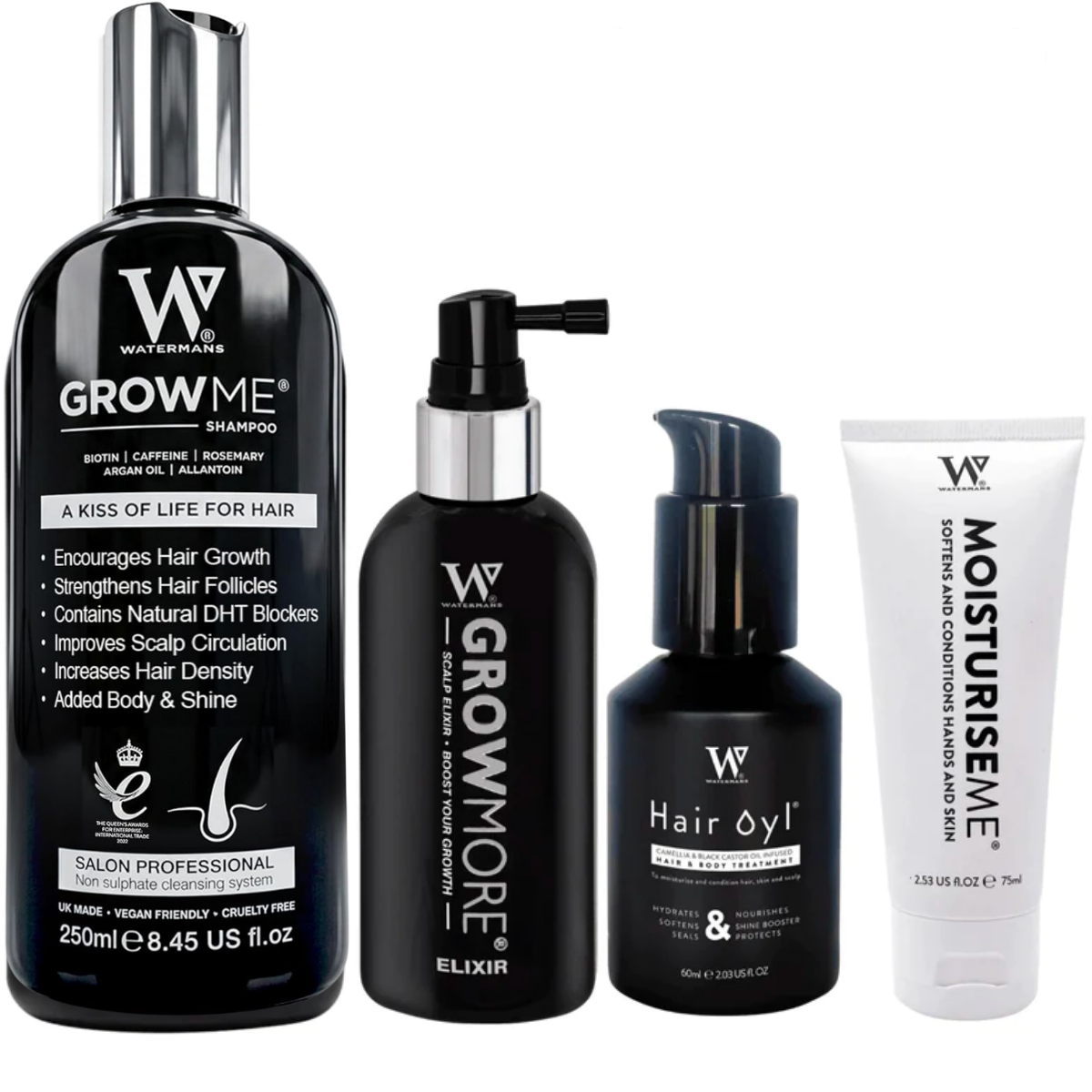
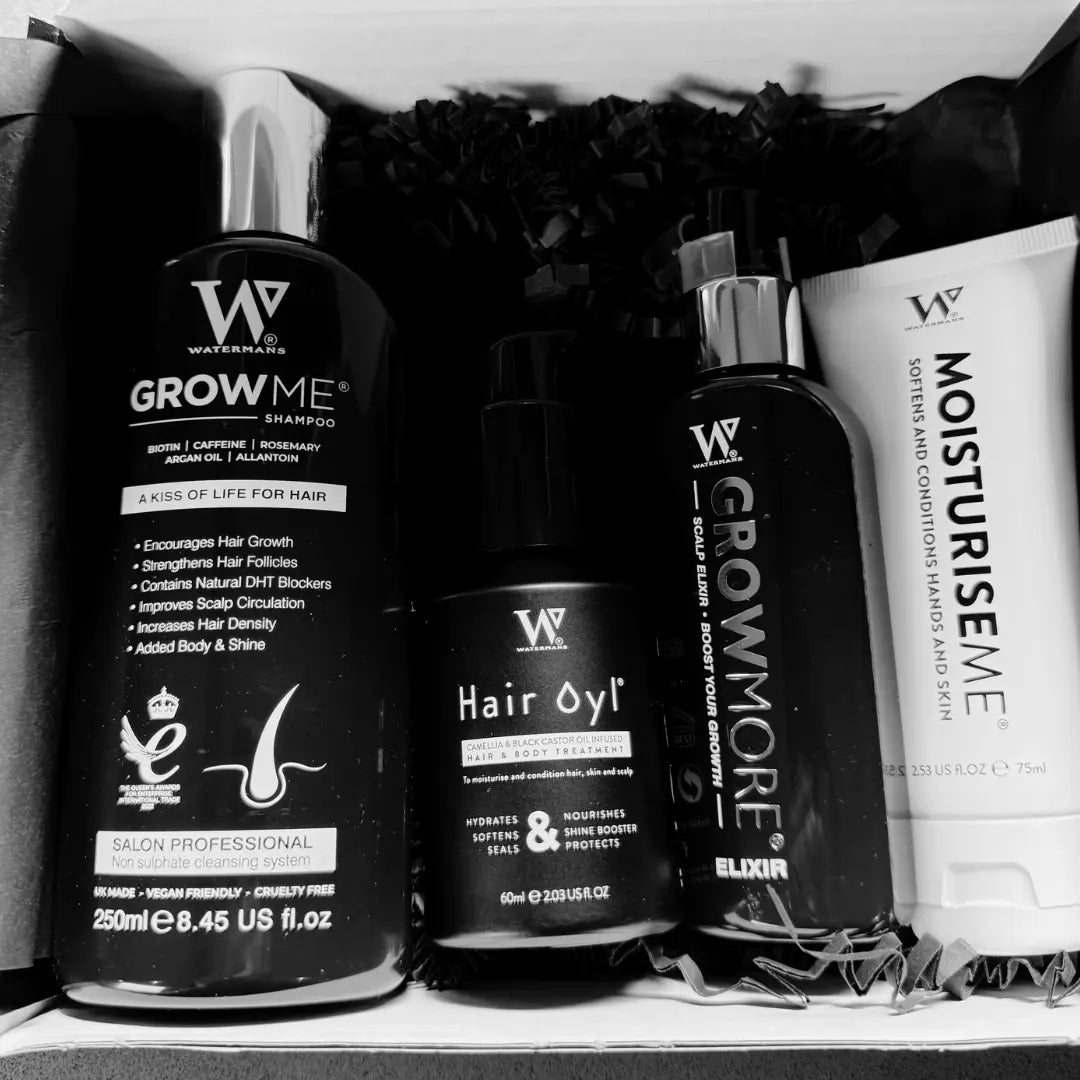
Grow Me® Hair Growth Shampoo, £14.95
A sulphate free daily shampoo with niacinamide, caffeine and rosemary, formulated to be mild enough for frequent washing rather than once a week. Scope: a cosmetic cleansing shampoo. It is not an antifungal or medicated product. If you have persistent seborrheic dermatitis or psoriasis, an antifungal shampoo from a pharmacy is the appropriate product, and this is not a substitute for it.
Myth 3: dandruff means you are not clean enough
Dandruff is one of the most common scalp conditions in the world and it has almost nothing to do with hygiene. It depends on three things happening together: the presence of Malassezia, enough sebum to feed it, and an individual immune response to its by-products. That third factor is why two people with identical washing habits can have completely different scalps, and why the person who washes daily is not protected by diligence.
Treating it as a cleanliness problem leads people to scrub harder and use harsher products, which damages the barrier and increases irritation. The condition is also chronic and relapsing by nature. Symptoms come back when treatment stops, which is not a failure of the product, it is how the condition behaves.
Myth 4: clogged pores on the scalp cause hair loss
This one is used to sell a great many scalp detox treatments, and it rests on a confusion between two structures. A pore in the skincare sense is a follicular opening, and on the scalp that opening is where a hair shaft emerges. Sebum and dead cells genuinely can accumulate around it, particularly if you use heavy styling products and wash rarely.
What that buildup does not do is cause androgenetic alopecia. Pattern hair loss is driven by follicle sensitivity to dihydrotestosterone, which progressively shortens the anagen growth phase and miniaturises the follicle over successive cycles. That process happens inside the follicle, under hormonal and genetic control, and no amount of surface cleansing changes it. Buildup can contribute to irritation, itching and folliculitis, all of which are worth clearing, so cleansing is still worthwhile. It just is not a growth intervention, and anything sold on that premise is overstating its case. For what actually drives shedding, see how to keep your scalp healthy.
Myth 5: you cannot get sunburnt on your head
Your parting is bare skin. However thick the hair either side of it, the strip of scalp you expose every time you part your hair receives ultraviolet light directly, and it burns like a shoulder does. The same is true of a crown that is thinning, of a hairline that has receded, and of any closely cropped head.

The scalp is also an area where sun damage is easy to miss, because you cannot see it in a mirror and hair hides early changes. Practical options are a hat, a dedicated scalp sunscreen mist or powder that will not leave hair greasy, or simply moving your parting a centimetre every few weeks so the same strip is not always exposed. That last one costs nothing and is genuinely effective.
Worth saying plainly: Watermans does not make a sunscreen. If your parting or crown is exposed, buy an SPF designed for scalps from a pharmacy, or wear a hat. We would rather tell you that than sell you something adjacent.
Myth 6: natural ingredients are gentler on your scalp
Natural is a marketing category, not a safety category. Some of the most reliable causes of allergic contact dermatitis on the scalp are entirely natural: tea tree oil, peppermint oil, citrus oils, and the fragrance components that oxidise in them once a bottle has been open a while.
Essential oils are particularly badly handled by home remedies, because the advice circulating rarely mentions dilution. Applying an undiluted essential oil to a scalp that is already inflamed is a fast route to a reaction, and the tingling that people interpret as the product working is often the early stage of irritation. If a scalp product makes your skin sting, burn or feel hot, that is not efficacy. Our article on whether hair growth products can cause itching goes into how to tell a reaction from a normal sensation.
Myth 7: apple cider vinegar restores your scalp pH
Healthy scalp skin sits at roughly pH 5, mildly acidic, and that acidity does matter for barrier function and for keeping microbial populations in check. The leap that does not follow is that pouring diluted vinegar over it restores anything.
There is no meaningful clinical evidence that apple cider vinegar improves scalp health, and what work exists is not encouraging. A 2019 study looking at dilute vinegar soaks in atopic dermatitis found that most participants experienced skin irritation, and the treatment offered no useful improvement in barrier function. Undiluted vinegar on inflamed skin is simply an acid burn risk. If your shampoo is leaving your scalp feeling wrong, the answer is a better formulated shampoo, not a kitchen ingredient.
Myth 8: baking soda clarifies the scalp
Baking soda sits around pH 8 to 9. Applying it to skin that functions at pH 5 pushes the surface strongly alkaline, which swells the hair cuticle, disrupts the acid mantle and impairs the barrier. It does remove buildup, in the same sense that sandpaper removes paint. This is one of the few home remedies where the mechanism of harm is easy to state and hard to argue with.
Myth 9: exfoliating harder clears flakes faster
Scalp exfoliation has a legitimate role, used gently and occasionally. What it cannot do is out-scrub inflammation. When flaking is driven by an inflammatory process, mechanical scrubbing adds trauma to skin that is already compromised, and the barrier damage produces more flaking a few days later. People then scrub harder, and the cycle entrenches.
Fingertips, never nails. If a scalp brush leaves your skin pink or tender, it is too firm or you are pressing too hard.
Myth 10: cold water closes your pores and seals the cuticle
Pores have no muscles and cannot open or close. Cold water causes brief vasoconstriction, which makes skin look temporarily tighter and less flushed, and that is the whole of the effect. The hair cuticle claim is on slightly firmer ground in that very hot water and mechanical roughness lift cuticle scales, so a cooler final rinse is not a bad habit. Just do not expect it to do more than feel pleasant.
| What you have been told | What to do instead |
|---|---|
| Oil a flaky scalp | Wash it more often with a mild shampoo, and keep oils on the lengths |
| Wash less to avoid stripping | Shampoo the scalp, condition the lengths, and wash to the scalp's schedule |
| Detox the follicles to grow hair | Clean for comfort, and treat growth as a separate question entirely |
| Natural products are safer | Patch test anything new behind the ear, natural or not |
| Vinegar or baking soda rinses | A pH appropriate shampoo, which is what those rinses are badly imitating |
| Hair protects the scalp from sun | Cover or protect the parting, and move it periodically |

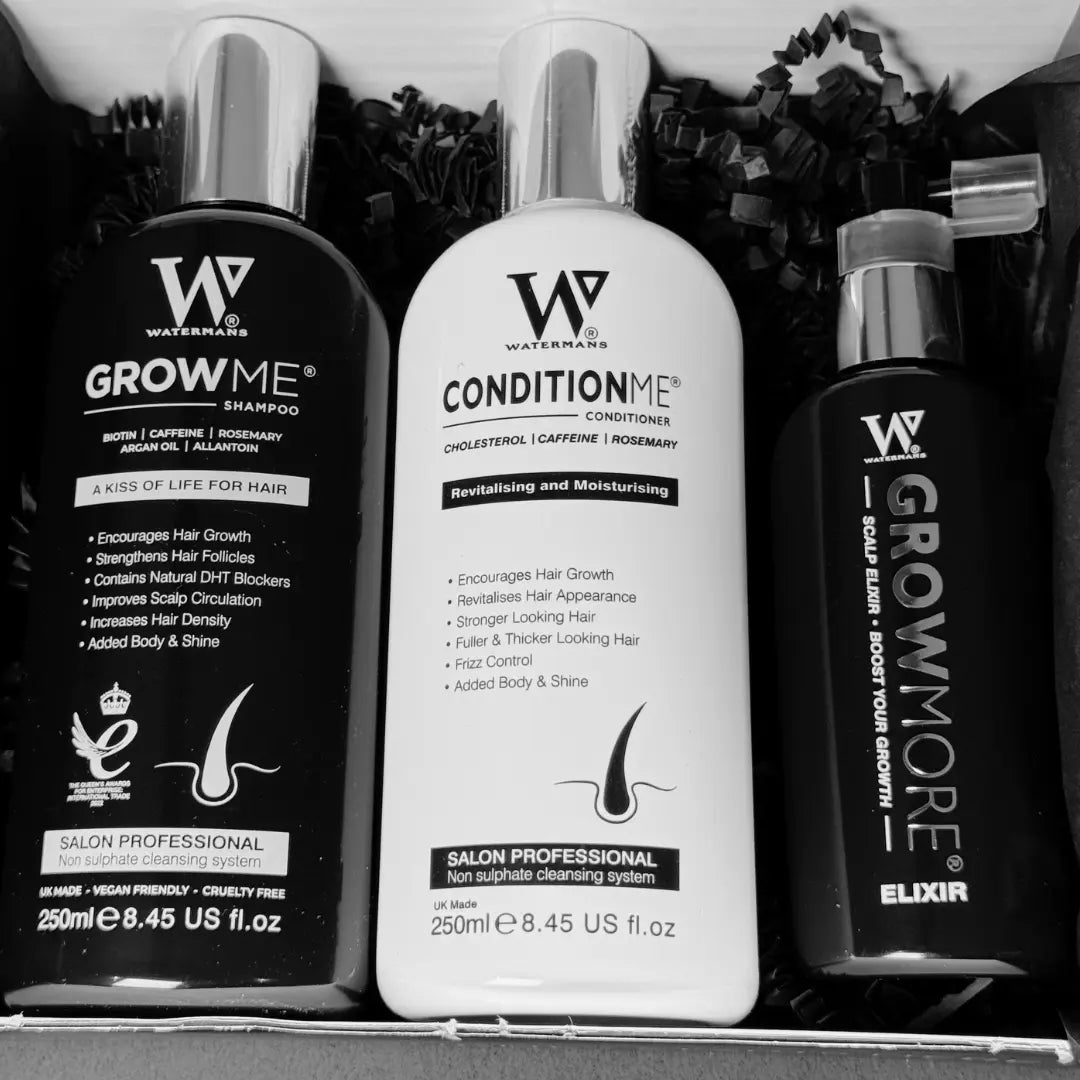
Condition Me® Hair Growth Conditioner, £13.95
The other half of the technique above. Applied from the ears down, it adds slip and reduces breakage on the lengths, so washing the scalp more often does not leave the ends dry. Scope: a cosmetic conditioner for hair fibre. Keep it off the scalp if you are prone to flaking.
When a scalp problem is not a skincare problem
Some scalp symptoms need a clinician rather than a change of shampoo. See your GP or a pharmacist if you have flaking that does not improve after four to six weeks of appropriate over the counter care, thick silvery plaques, well defined patches of hair loss with smooth skin, pain, pustules, weeping or crusting, sudden intense itching, or hair loss accompanied by a rash. Scalp conditions in children should always be assessed rather than self treated, since fungal infections of the scalp are common in childhood and need prescribed treatment.
Frequently asked questions
Is a flaky scalp caused by dryness?
Usually not. Most persistent flaking involves Malassezia yeast feeding on sebum, which is an oil related process rather than a dryness one. True dry scalp gives fine white flakes with tightness and no greasiness, and is less common than people assume.
Should I put oil on my scalp?
If your scalp is flaking or itchy, generally no. Malassezia cannot make its own fatty acids and takes them from its surroundings, so applied oils supply what it needs. Oils are better used on the mid-lengths and ends, where the concern is the hair fibre.
Does washing hair every day damage your scalp?
Not with a mild shampoo. For most flaky or itchy scalps, more frequent washing improves symptoms. Protect the lengths by keeping shampoo at the roots and conditioner from the ears down.
Is dandruff caused by poor hygiene?
No. It results from the interaction of Malassezia yeast, sebum and individual susceptibility. People who wash daily get dandruff, and washing harder does not resolve it.
Can clogged scalp pores cause hair loss?
Buildup can cause irritation and folliculitis, but it does not cause pattern hair loss. Androgenetic alopecia is driven by follicle sensitivity to DHT shortening the anagen phase, a process that happens inside the follicle and is not affected by surface cleansing.
Can your scalp get sunburnt?
Yes. A parting is bare skin and burns like any other exposed skin, as do thinning crowns, receded hairlines and closely cropped heads. Use a hat or a scalp specific SPF, and move your parting occasionally.
Does apple cider vinegar help a dry or itchy scalp?
There is no good evidence that it does. A 2019 study of dilute vinegar soaks in atopic dermatitis found irritation in most participants and no useful barrier improvement. Undiluted vinegar on inflamed skin risks a chemical burn.
Are natural scalp products gentler?
Not inherently. Tea tree, peppermint and citrus oils are common causes of contact dermatitis, especially undiluted or once oxidised. Patch test anything new behind the ear regardless of whether it is natural.
Why does my scalp itch even though it looks normal?
Itch can precede visible change, and can also come from product sensitivity, low grade inflammation or infrequent washing. If it persists beyond a few weeks or disturbs sleep, have it looked at.
The short version
Treat your scalp as skin, because it is. Wash it on its own schedule rather than your hair's, keep oils on the lengths, be as sceptical of natural remedies as of any other kind, and protect the strip of it that daylight actually reaches. Most of the advice that fails people here fails because it treats the scalp as an extension of hair rather than as the busiest sebaceous skin on the body. The wider principles behind all of this are in the hard truths about skincare.
Watermans has been making vegan, cruelty free hair care in the United Kingdom since 2012, and has sold over 5 million bottles. The full range, including the sulphate free Grow Me® Shampoo, is at watermanshair.com.