



Parotitis: Symptoms, Causes and When to Get Urgent Help
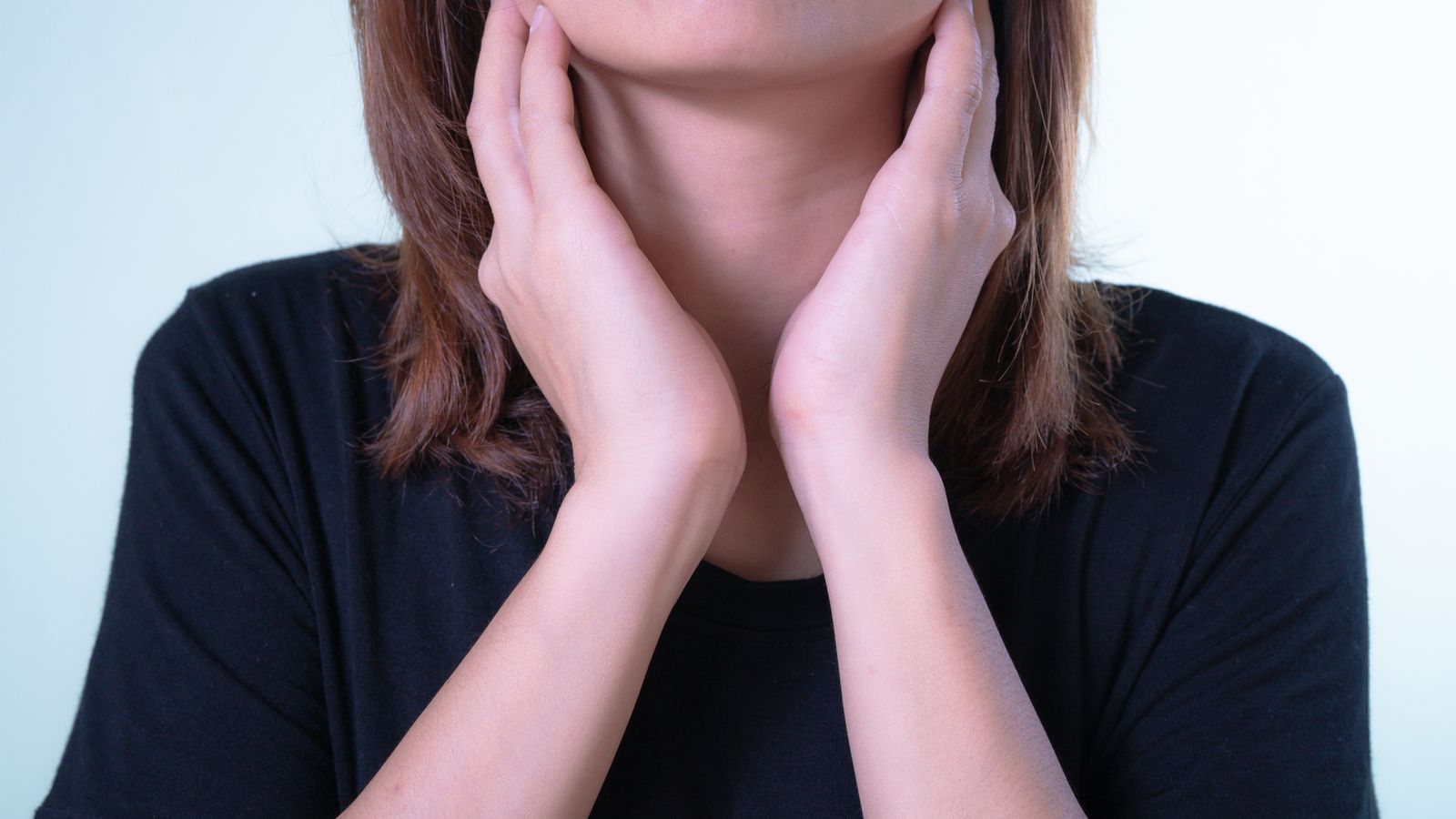
Parotitis is inflammation of the parotid gland, the largest salivary gland, which sits just in front of and below each ear. It usually shows up as a painful, tender swelling along the jawline that can make chewing, swallowing and even opening your mouth uncomfortable. Most cases are caused by infection or by a blocked salivary duct, and most settle with prompt treatment. A small number are urgent. This guide explains what parotitis feels like, what causes it, which symptoms mean you should be seen the same day, and how it is treated in the UK.
This article is general information, not medical advice. Facial swelling has several possible causes and some of them are serious. If you have sudden or worsening swelling of the face or neck, see a GP, call NHS 111, or go to A and E if you are struggling to breathe or swallow.
Key takeaways
- Where it is: the parotid gland sits in front of and below the ear, so parotitis swells the side of the face and jaw rather than the front of the throat.
- Most common causes: bacterial infection, viral infection (mumps is the classic one), and salivary stones or duct blockage.
- Biggest risk factor: reduced saliva flow. Dehydration, certain medicines, recent surgery and dry mouth all make it more likely.
- Get urgent help for difficulty breathing or swallowing, spreading redness, a high fever, swelling that closes the eye, or an inability to open your mouth.
- Never self-prescribe. Do not take leftover antibiotics or anyone else's. Bacterial and viral parotitis need different management and only a clinician can tell them apart.
- Recovery: viral parotitis usually settles in about a week to ten days. Bacterial parotitis normally improves within 48 to 72 hours of the right antibiotic.
- Afterwards: a feverish illness can trigger a temporary shed of hair roughly two to three months later, called telogen effluvium. It is common, and it typically recovers on its own.
What is the parotid gland and what does it do?
You have three pairs of major salivary glands. The parotids are the largest, and each one sits in the hollow just in front of the ear, wrapping down over the angle of the jaw. Saliva made in the gland travels down a narrow tube called Stensen's duct and empties into your mouth through a small opening on the inside of your cheek, roughly level with your upper back molars.
Saliva does more than moisten food. It buffers acid, carries antibacterial proteins, starts the digestion of starch and constantly flushes the duct clean. That flushing action matters here, because when saliva flow slows down, bacteria from the mouth can travel up the duct into the gland instead of being washed out. That is the single most important idea in understanding parotitis: flow protects the gland.
What are the symptoms of parotitis?
The pattern is usually distinctive once you know what to look for. Symptoms commonly include:
- Swelling in front of and below the ear, which can push the earlobe slightly outwards and upwards
- Pain or tenderness along the jawline that often radiates towards the ear or temple
- Pain that gets noticeably worse when eating, or even at the thought or smell of food, because that is when the gland is asked to produce saliva
- Difficulty opening the mouth fully
- A dry mouth, or an unpleasant taste if pus is draining into the mouth
- Fever, chills and feeling generally unwell, which point more towards a bacterial cause
- Redness or warmth of the overlying skin in more advanced bacterial cases
One of the more useful distinguishing features is that mealtime pain. Swelling that flares when you eat and eases between meals strongly suggests a salivary gland problem rather than a lymph node. Swollen lymph nodes, which are far more common, tend to feel like discrete mobile lumps under the jaw or down the side of the neck and they do not behave that way around food.

Red flags: get medical help the same day
Go to A and E or call 999 if you have:
- Difficulty breathing, noisy breathing, or trouble swallowing your own saliva
- Swelling spreading down into the neck or across the floor of the mouth
- Inability to open your mouth more than a couple of centimetres
- A high fever with confusion, or feeling very unwell and getting rapidly worse
Contact a GP or NHS 111 urgently, the same day, if you have facial swelling with fever, spreading redness of the skin, swelling severe enough to affect the eye, or pain that is escalating hour by hour rather than settling. Rapid progression is the part that matters most. A swelling that has clearly worsened over a few hours deserves assessment even if you feel otherwise well and have no temperature.
What causes parotitis?
Parotitis is a description of an inflamed gland, not a single disease. Several different things produce it, and they are managed quite differently, which is exactly why a diagnosis matters before any treatment is started.
| Cause | Typical picture | One side or both | Usual management |
|---|---|---|---|
| Bacterial | Rapid onset, marked tenderness, fever, red warm skin, sometimes pus at the duct opening | Usually one | Prescribed antibiotics, fluids, gland massage, pain relief |
| Viral (including mumps) | More gradual, fever and aching, less skin redness, often preceded by a few days of feeling unwell | Often both | Supportive care only. Antibiotics do nothing for a virus |
| Salivary stone or duct blockage | Swelling that balloons at mealtimes and then subsides, often recurring | One | Hydration, sialogogues, sometimes a minor procedure to remove the stone |
| Autoimmune (such as Sjogren's syndrome) | Chronic or recurrent painless swelling with persistent dry mouth and dry eyes | Both | Specialist referral and long term management |
| Drug related dry mouth | Background dryness that makes any of the above more likely | Either | Medication review with the prescriber, never stop a medicine yourself |
Who is most at risk?
Anything that reduces saliva flow raises the risk. That includes dehydration, being unwell in bed and drinking less, the period after a general anaesthetic or major surgery, older age, diabetes, and medicines with a drying effect such as some antihistamines, antidepressants, diuretics and drugs for an overactive bladder. Poor oral hygiene increases the bacterial load available to travel up the duct, and smoking is an additional risk factor.
Mumps deserves a separate mention. It is the classic viral cause and it is far less common in the UK since routine MMR vaccination, but it still circulates, particularly among unvaccinated or partially vaccinated young adults. Mumps typically swells both parotid glands and is notably contagious, so a suspected case should be discussed with a GP by phone rather than by walking into a waiting room.
How is parotitis diagnosed?
Most of the diagnosis is clinical. A clinician will look at where exactly the swelling sits, feel the gland, look inside your mouth at the duct opening to see whether saliva or pus comes out when the gland is pressed, and check your temperature. That examination alone often separates a salivary gland problem from a lymph node or a dental abscess.
Further tests are used when the picture is unclear or when it keeps coming back. An ultrasound scan is the usual first line, because it shows stones, abscesses and the texture of the gland without radiation. Blood tests may be used if there is systemic illness, a viral swab or blood test can confirm mumps, and a CT or MRI is reserved for complex, persistent or suspicious cases. Any lump in a salivary gland that is firm, painless and persistent needs proper assessment in its own right rather than being assumed to be infection.
How is parotitis treated?
Treatment follows the cause, which is the whole reason a diagnosis comes first.
- Bacterial parotitis is treated with antibiotics chosen by a prescriber, alongside rehydration, pain relief and measures to get the gland draining. Improvement is usually noticeable within 48 to 72 hours. An abscess that has already formed may need to be drained.
- Viral parotitis has no antibiotic treatment because antibiotics do not work on viruses. Management is rest, fluids, simple pain relief and time.
- Obstruction from a stone is often managed conservatively at first, with hydration, warmth, massage along the duct and sialogogues, which are simply things that stimulate saliva such as sucking a lemon drop or chewing sugar free gum. Stones that will not shift can be removed by a specialist, sometimes with a fine endoscope through the duct.
Supportive measures that help across most causes: drink plenty of fluids, apply a warm compress, massage gently from behind the gland forwards along the duct line towards the mouth, keep your mouth scrupulously clean, and use simple over the counter pain relief if it is suitable for you.
Please do not self-prescribe antibiotics
It is genuinely tempting when a pharmacy is closed and the pain is bad, but taking leftover antibiotics, someone else's prescription, or tablets bought online is a poor idea for three concrete reasons. You may have a viral cause, in which case antibiotics do nothing at all while you take on the side effects. The wrong antibiotic at the wrong dose can partially suppress an infection, blunting the symptoms without clearing it and making the real picture harder to read when you are finally assessed. And unnecessary courses drive antibiotic resistance, which is a national problem as well as a personal one. If you cannot get to a GP, NHS 111 operates around the clock and can direct you to an out of hours service or an urgent treatment centre.

How can you reduce the chance of it happening again?
If flow protects the gland, then prevention is mostly about protecting flow.
- Hydrate consistently, and pay particular attention when you are ill, feverish, recovering from surgery or in hot weather. This is the single most effective measure.
- Stimulate saliva if your mouth runs dry, using sugar free gum or sugar free sweets. Sugar free matters, because chronic dry mouth already raises the risk of tooth decay.
- Keep oral hygiene tight. Brush twice daily, clean between the teeth, and keep up with dental checks. Fewer mouth bacteria means fewer available to ascend the duct.
- Review drying medicines with your GP or pharmacist if you get recurrent episodes. There may be an alternative. Do not stop a prescribed medicine on your own.
- Stop smoking, which affects both saliva and the health of the mouth generally.
- Check your MMR status if you are unsure whether you had both doses, since mumps is preventable.
Recurrent one-sided swelling that flares at mealtimes is worth investigating properly rather than riding out each time, because a stone or a narrowed duct can usually be dealt with definitively.
Can an illness like parotitis cause hair shedding afterwards?
This surprises a lot of people, so it is worth explaining. A significant physical stress, and a feverish infection certainly counts, can push an unusually large proportion of hair follicles out of their growing phase and into their resting phase at the same time. Those resting hairs stay put for a while and then release together. The result is a noticeably heavier shed that begins roughly two to three months after the illness, by which point most people have completely stopped connecting the two events.
This is called telogen effluvium. Its defining features are reassuring ones: it is diffuse rather than patchy, it thins the overall density rather than creating bald areas, and because the follicles are not damaged it typically recovers on its own over about six to nine months once the trigger has passed. Other common triggers include surgery, high fever, significant weight loss, childbirth and severe emotional stress. You can read more in our guides to what causes telogen effluvium and how long recovery takes and to shedding after a viral illness, and if you want the underlying biology, our explainer on the three stages of the hair growth cycle covers why the timing lags so far behind the trigger.
Worry itself compounds the problem, and the relationship between stress and hair loss is well recognised. The practical advice during a post-illness shed is unglamorous: eat properly, sleep, be gentle with wet hair, and give it time. See a GP if the shedding lasts beyond six months, if you are losing hair in distinct patches, if your scalp is sore, scaly or itchy, or if you have other symptoms such as fatigue or changes in your periods, since thyroid problems and iron deficiency are both treatable causes that are worth ruling out with a simple blood test.


Grow Me® Shampoo, for gentle everyday washing
If you are washing hair that is shedding, the sensible aim is simply to be kind to it. This is a sulfate free everyday shampoo with biotin, caffeine and rosemary that cleanses without stripping and leaves hair looking fuller and feeling thicker. It is a cosmetic product for the look and feel of your hair. It is not a medicine and it does not treat parotitis, infection, or any medical cause of hair loss. If your shedding is persistent or patchy, see a GP first.
View Grow Me® ShampooHow long does parotitis last?
It depends entirely on the cause. Viral parotitis, including mumps, usually peaks within a few days and settles over roughly a week to ten days. Bacterial parotitis should start improving within 48 to 72 hours once the correct antibiotic is started, though the swelling can take a week or two to fully resolve. Obstruction from a stone can settle within hours of the stone passing, or persist and recur until it is removed.
Go back to your clinician if you are not improving as expected, if the swelling starts increasing again after initial improvement, or if a firm lump remains once the inflammation has gone. Persistent swelling after the acute episode has resolved always needs a second look.
Frequently asked questions
Is parotitis contagious?
It depends on the cause. Bacterial parotitis is not passed from person to person. Viral causes can be, and mumps in particular is highly contagious through saliva and respiratory droplets. If mumps is suspected, phone your GP practice rather than attending in person, and expect advice to stay away from work, school or university for a period after the swelling starts.
What is the difference between parotitis and a swollen lymph node?
Position and behaviour. The parotid gland sits in front of and below the ear and its swelling tends to be a diffuse fullness that lifts the earlobe, whereas lymph nodes feel like discrete mobile lumps under the jaw or along the side of the neck. The strongest clue is mealtimes: gland swelling and pain that flare when you eat point to a salivary problem, and lymph nodes do not do that.
Can dehydration alone cause parotitis?
Dehydration does not cause it directly, but it is one of the most important contributing factors. Less fluid means thicker, slower saliva, and slower flow allows mouth bacteria to travel up the duct into the gland instead of being flushed out. This is why episodes so often follow a period of illness, a hospital stay or surgery.
Should I go to A and E for facial swelling?
Go to A and E if you are struggling to breathe or swallow, if the swelling is spreading into the neck or the floor of your mouth, if you cannot open your mouth properly, or if you feel very unwell and are deteriorating quickly. For swelling with fever, spreading skin redness or rapidly escalating pain, contact a GP or NHS 111 the same day. If in doubt, NHS 111 can assess you around the clock and tell you where to go.
Can I just take antibiotics I already have at home?
No. Many cases are viral, in which case antibiotics give you side effects and no benefit at all. Taking the wrong drug or an incomplete course can also mask the picture and make assessment harder later, as well as contributing to antibiotic resistance. Contact NHS 111 if your GP surgery is closed, since out of hours services and urgent treatment centres can prescribe when it is genuinely needed.
Does chewing gum really help?
For obstruction, yes, it can. Sugar free gum, or anything sour, stimulates saliva production, and that flow can help move a small stone or debris along the duct and keep the gland draining. It is used alongside hydration, warmth and gentle massage. It is not a substitute for assessment if you have fever or spreading swelling, which suggest infection rather than simple blockage.
Will parotitis come back?
A single infective episode with an obvious trigger, such as a bout of dehydration, often does not recur once the trigger is addressed. Recurrence is more likely when there is an underlying reason, such as a salivary stone, a narrowed duct, chronic dry mouth from medication, or an autoimmune condition. Repeated episodes should prompt an ultrasound and a referral rather than another round of the same treatment.
Can hair products help hair shedding after an illness?
Shampoos, conditioners and serums are cosmetic products. They can improve the condition, feel and appearance of the hair you have, and gentle handling genuinely reduces avoidable breakage while a shed is in progress, but no cosmetic product treats a medical cause of hair loss or makes telogen effluvium resolve faster. The good news is that telogen effluvium usually recovers by itself. If shedding continues beyond six months, comes out in patches, or is accompanied by scalp symptoms or fatigue, see a GP.
The bottom line
Parotitis is a painful but generally treatable inflammation of the largest salivary gland, and the thing that most often goes wrong is delay. Facial swelling gets dismissed as a swollen gland or a dental niggle, and by the time it is clearly not settling, it has had a day or more to progress. The rule of thumb worth keeping is simple: swelling that is escalating over hours, swelling with fever, or swelling that interferes with opening your mouth, breathing or swallowing should be assessed the same day. Everything else about parotitis, including the recovery and any hair shedding that follows a few months later, tends to look after itself once the right treatment has started.
Watermans has been making vegan, UK-made hair care since 2012, with over 5 million bottles sold. Our products are cosmetics for the look and feel of your hair, and we would always rather you saw a GP first about anything medical. Read our full guide to telogen effluvium if you are dealing with shedding after an illness.