

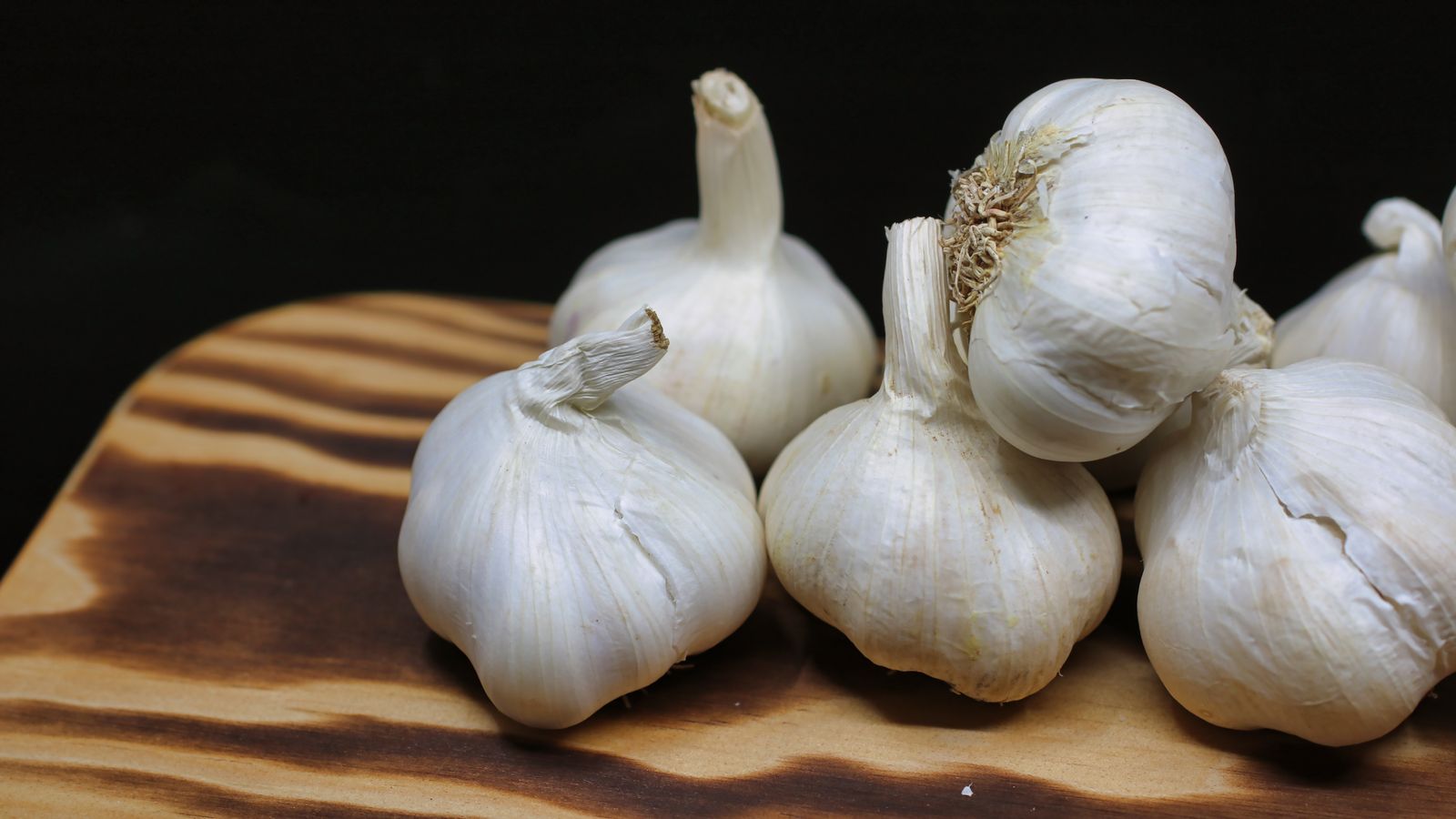
Garlic Water: What It Actually Does and How to Make It
Last updated: August 2026
Garlic water is crushed raw garlic left to steep in water, and the one step that genuinely matters is resting the crushed garlic for about 10 minutes before you do anything else with it. That pause is what allows allicin, the compound most of garlic's reputation rests on, to actually form. What garlic water will not do is any of the dramatic things it gets credited with. The realistic case for garlic is modest support for blood pressure and cholesterol, most of it demonstrated with standardised supplements rather than a homemade drink.
Key takeaways
- Whole garlic contains no allicin. It forms only when the clove is crushed or chopped, and it takes roughly 10 minutes.
- Heat destroys the enzyme that makes allicin, which is why garlic thrown straight into a hot pan delivers far less.
- Allicin is unstable and breaks down over hours, so garlic water is a make-and-drink preparation, not something to batch.
- Meta-analyses find garlic preparations lower blood pressure by roughly 8 mmHg systolic in people who already have hypertension. Effects on cholesterol are smaller and inconsistent.
- Garlic thins the blood. If you take warfarin or another anticoagulant, or you have surgery booked, speak to your GP or pharmacist first.
- Never leave garlic sitting in oil at room temperature. That combination carries a genuine botulism risk.
- Do not put raw garlic on your skin or scalp. It causes chemical burns, and there are published case reports of exactly that.
What is garlic water, and does it do anything?
Garlic water is simply crushed raw garlic infused in water, sometimes with a little oil or lemon added. It is a way of taking raw garlic without eating a raw clove, which most people find unpleasant. It is not a traditional preparation with centuries of evidence behind it, despite how it is often presented.
The honest position is that garlic has real, measurable but modest effects, and that homemade garlic water is a weaker and far less predictable delivery method than the standardised preparations used in research. If you enjoy it, it is harmless for most people. If you are hoping it replaces medication, it does not.
Why does crushing garlic matter so much?
Because an intact clove contains almost no allicin at all. Garlic stores a stable, odourless compound called alliin in one part of the cell and an enzyme called alliinase in another. Crushing, chopping or crumbling the clove ruptures those compartments and lets the two meet, and only then does alliin convert into allicin. That conversion is also the reason chopped garlic smells strongly while a whole bulb barely smells of anything.
The conversion is not instant. Allowing roughly 10 minutes after crushing lets it run reasonably to completion. Skip that and you are working with a fraction of the compound you were aiming for.

There is a second reason the 10 minutes matters, and it applies to cooking generally. Alliinase is destroyed by heat. Garlic minced and dropped straight into a hot pan has the enzyme deactivated before it has done its job. Crush it, leave it on the board while you prepare everything else, then cook it, and you keep considerably more of the chemistry intact.
Allicin is also fragile. It degrades over hours into other sulfur compounds, so a jug made this morning is not the same drink by tonight.
How do you make garlic water?
The method is straightforward, and the only step people get wrong is the resting time.
- Crush one fresh clove. Press it with the flat of a knife or use a garlic press. Chopping works, crushing works better, because you want as many ruptured cells as possible.
- Leave it on the board for 10 minutes. Do not skip this. This is the entire technique.
- Add it to roughly 250 to 350ml of cool or lukewarm water. Use cool water rather than hot, since heat degrades what you have just made.
- Stir and drink within the hour. Some people add lemon juice or a little honey, which makes it considerably easier to get down.
- Do not batch it for the week. Allicin degrades, and stored raw garlic preparations bring food safety issues that outweigh any benefit.

Should you add olive oil to garlic water?
It is optional and mostly about palatability, not absorption. Adding oil does soften the harshness of raw garlic, which is a legitimate reason to do it. The claim that oil substantially improves absorption of garlic's active compounds is repeated widely but is not well supported, so treat it as a taste decision rather than a technique.
Important food safety warning about garlic in oil
If you add oil, drink it straight away and do not keep it. Garlic stored in oil at room temperature creates a low-oxygen, low-acid environment in which Clostridium botulinum can grow and produce toxin, and botulism is potentially fatal. Homemade garlic-in-oil must be refrigerated and used within a few days, never left in a cupboard or on a worktop.

What does the evidence on garlic actually show?
Blood pressure is where the evidence is strongest, and even there the effect is a useful nudge rather than a replacement for treatment. The picture across other claims is much weaker than the internet suggests, and it is worth separating what has been tested from what has merely been asserted.
| Claim | Strength of evidence | The honest detail |
|---|---|---|
| Lowers blood pressure | Reasonable | Meta-analyses report around 8 mmHg systolic and 5 mmHg diastolic reduction, but only in people who already have raised blood pressure, and using standardised extracts or aged garlic rather than a homemade drink. |
| Lowers cholesterol | Mixed | Some meta-analyses find a small reduction in total cholesterol. A well-controlled six-month trial published in the Archives of Internal Medicine in 2007 found neither raw garlic nor supplements changed LDL. |
| Helps with colds | Weak | Very few trials, generally small and of low quality. Not enough to make a recommendation on. |
| Antibacterial in the body | Misleading | Allicin kills bacteria in a laboratory dish. That does not translate into treating an infection in a person, and garlic is not an antibiotic. |
| Detoxes the body | None | There is no meaningful definition of this claim and no evidence behind it. Your liver and kidneys handle it. |
If it is winter wellness you are actually after, we have looked properly at the two nutrients with real trial data behind them: whether zinc shortens a cold you have already caught, and whether vitamin C prevents colds in the first place.
Who should avoid garlic water?
Garlic is food, and for most people a clove a day is unremarkable. But it is pharmacologically active enough to matter in a few specific situations, and these are the ones worth knowing.
- Anyone on warfarin or another anticoagulant or antiplatelet medicine. Garlic reduces platelet aggregation, so it can add to the effect and raise bleeding risk. Check with your GP or pharmacist before making it a daily habit.
- Anyone with surgery or a dental extraction booked. Stopping garlic supplements 7 to 10 days beforehand is the usual advice. Tell your surgical team what you are taking.
- People with reflux, gastritis or IBS. Raw garlic on an empty stomach commonly causes burning, nausea and heartburn, and garlic is high in fructans, which trigger symptoms in many people with IBS.
- Anyone taking HIV medication. Garlic supplements have been shown to interact with some antiretrovirals. This one genuinely needs medical advice.
- Pregnancy and breastfeeding. Garlic in food is fine. Concentrated supplements are a conversation to have with a midwife or GP.
Garlic water is not a treatment for anything
If you have been told you have high blood pressure or raised cholesterol, keep taking what you have been prescribed and keep your review appointments. Adding garlic to your diet is a reasonable thing to do alongside treatment. Substituting it for treatment is not, and blood pressure in particular causes no symptoms until it has already caused damage.
Should you ever put garlic on your hair or scalp?
No, and this is the part of the garlic folklore that does real harm. Raw garlic applied to skin causes chemical burns. The same sulfur compounds that make it pungent are irritant in direct, prolonged contact, and there are published case reports of second-degree burns from garlic used as a home remedy, particularly when held in place or covered.
The scalp is not tougher than the rest of your skin, and a burn there can damage follicles in the affected area. Rubbing crushed garlic into a thinning patch is a genuinely bad idea, however many times you have seen it recommended.
There is one narrow piece of real research behind the folklore, and it is worth stating accurately rather than dismissing. A small study looked at a prepared garlic gel used alongside a prescribed topical corticosteroid in people with alopecia areata, and reported better results than the steroid alone. That is a specific formulated product, in a specific autoimmune condition, under medical supervision. It is not an argument for a DIY scalp treatment. Alopecia areata is an autoimmune condition and needs a GP or dermatologist, not a kitchen remedy.
What to use on your scalp instead
Use something formulated to sit on skin. The reason cosmetic products go through stability, pH and irritation testing is precisely so you are not guessing about whether an ingredient burns. If the appeal of garlic was the idea of feeding the scalp, the sensible version is a proper cleanse and a leave-on treatment designed for the job. Our guide to keeping your scalp healthy for longer, stronger hair covers the basics, and if flaking is the actual problem, seborrheic dermatitis is a condition with a proper treatment path.

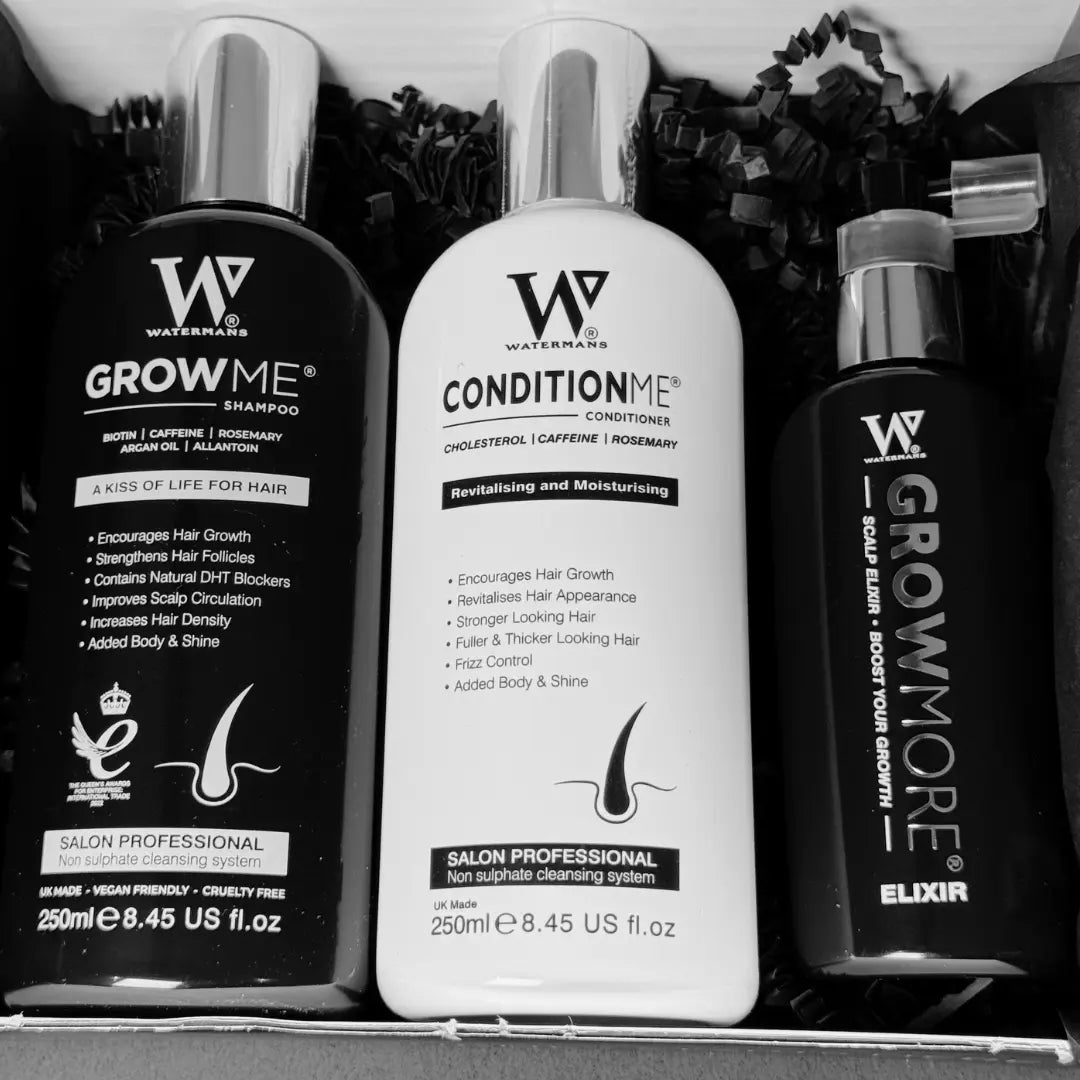
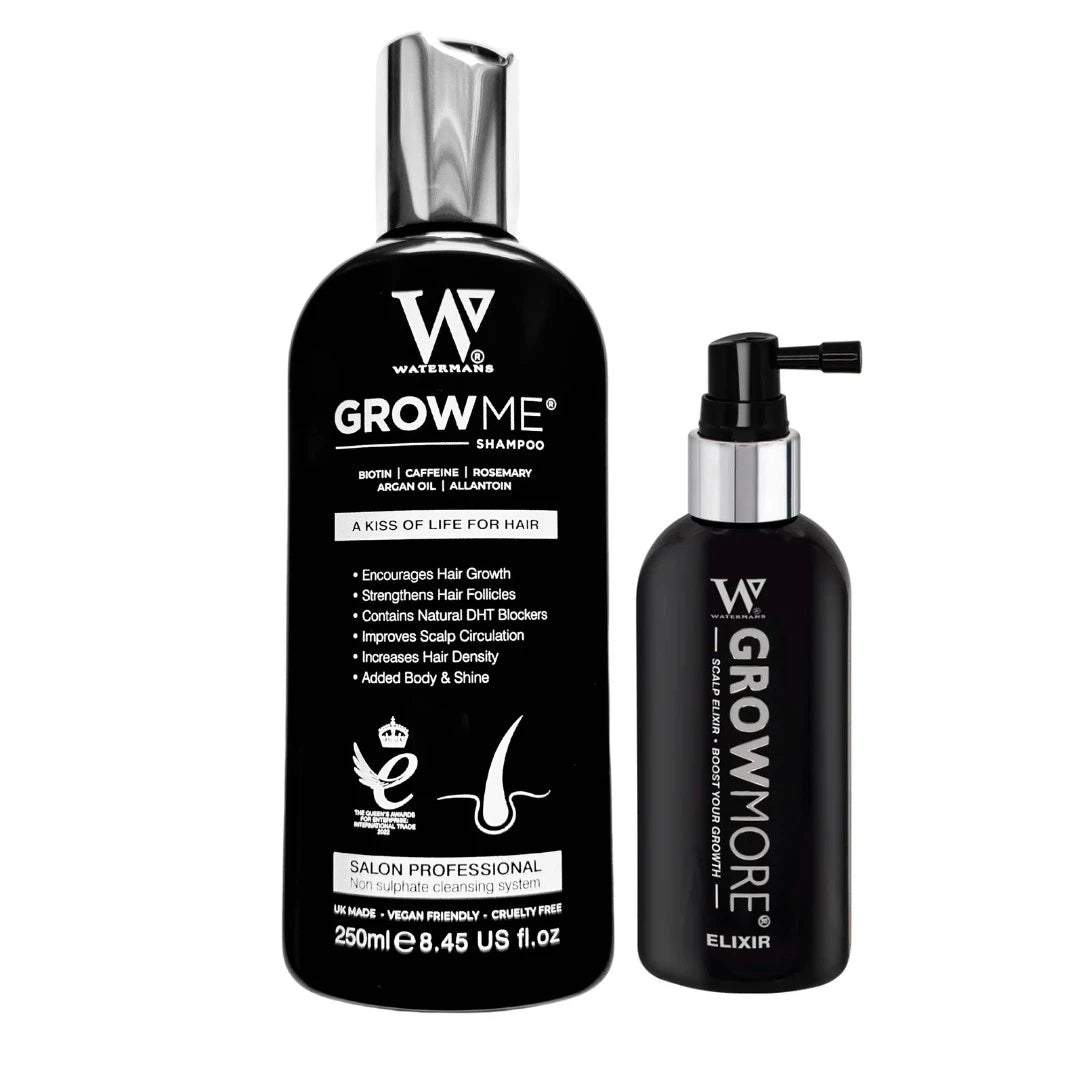
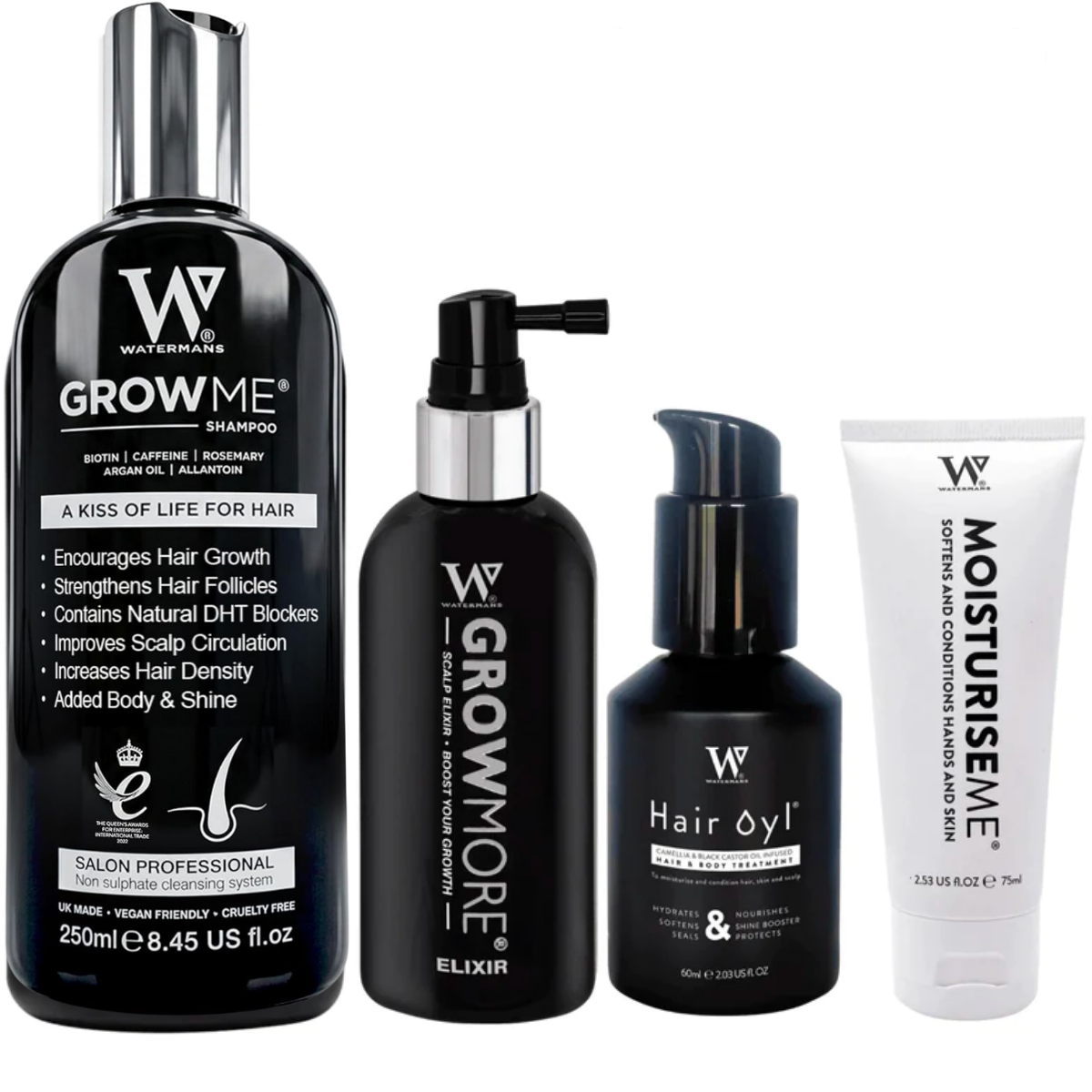
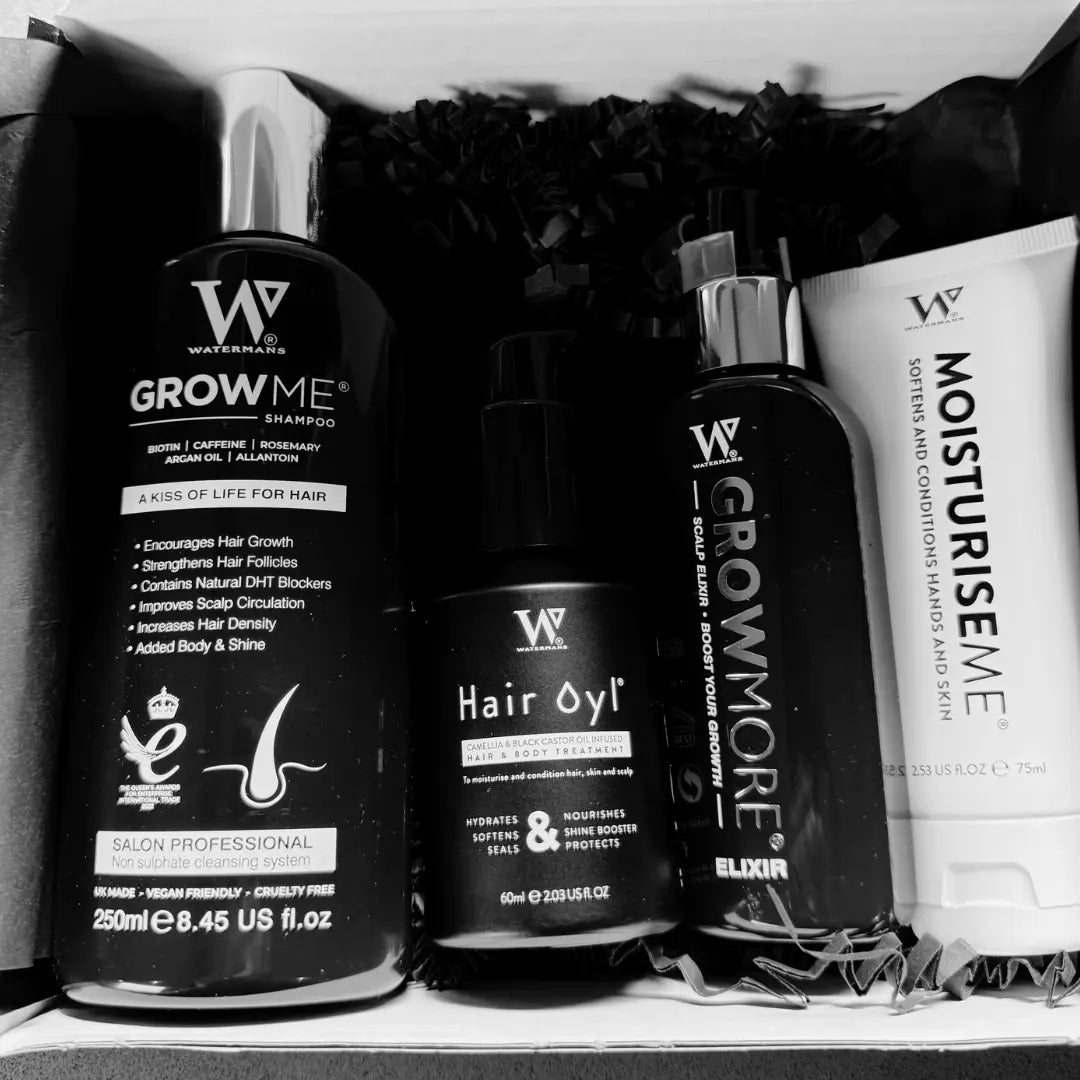
Grow Me Hair Growth Shampoo, 14.95 pounds
Sulfate-free, formulated with biotin, caffeine, rosemary and niacinamide, and made to reduce breakage for fuller-looking hair. Designed and tested to be used on the scalp, which is the whole point of choosing it over a kitchen remedy. It is cosmetic care and not a treatment for hair loss: for patchy, sudden or rapid shedding, see a GP or trichologist.
View the shampoo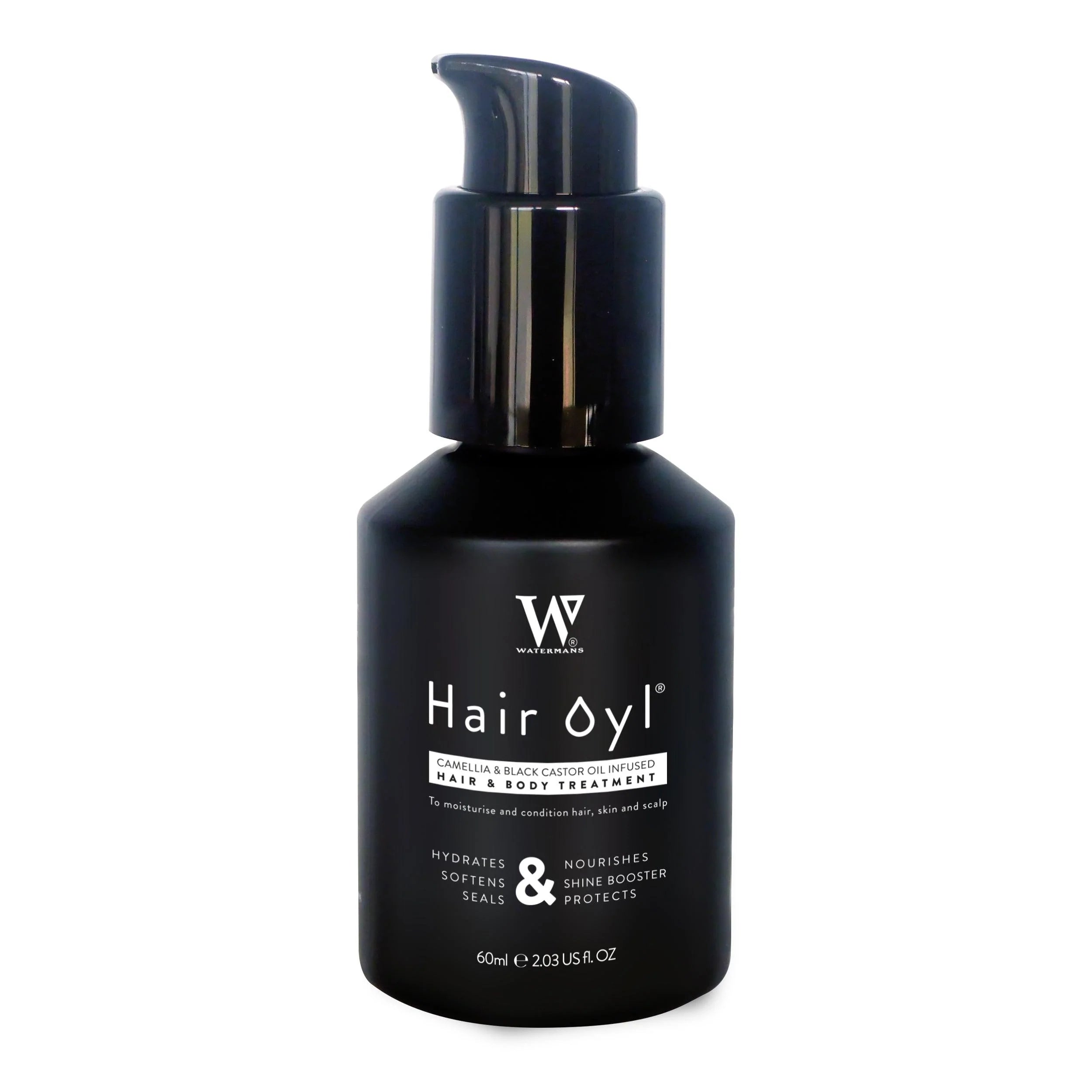
Camellia and Black Castor Hair and Body Oil, 24.95 pounds
If the appeal was an oil treatment before washing, this is the version formulated for skin and hair: camellia and black castor oil with omega 3, 6 and 9. Use it as a pre-wash treatment or on dry ends. Cosmetic conditioning and shine, not a growth treatment.
View the oilFrequently asked questions
How much garlic is a sensible daily amount?
One to two fresh cloves a day is the range used in most dietary research and is fine for the majority of people. Beyond that you are into supplement territory, where interactions matter more, so check with a pharmacist before taking concentrated garlic capsules daily.
Is garlic water better on an empty stomach?
There is no evidence it works better, and raw garlic on an empty stomach is a common cause of burning, nausea and reflux. If you want to drink it, having it with or just after food is kinder and no less effective.
Does cooked garlic still count?
Yes, provided you crush it and let it stand for 10 minutes before it meets the heat. That protects the conversion to allicin before the enzyme is destroyed. Garlic minced directly into a hot pan delivers considerably less.
Does garlic supplement powder work as well as fresh?
It depends entirely on the product. Enteric-coated preparations standardised for allicin potential, and aged garlic extract, are what most of the blood pressure research used. Garlic oil and plain garlic powder are much more variable, so read what the label actually standardises.
How do I stop garlic breath?
Raw parsley, mint, apple and milk have all been shown to reduce the odour compounds. It is not just the mouth though: some sulfur compounds are absorbed and released through the lungs and skin for hours afterwards, which no mouthwash can reach.
Can garlic water help hair growth?
There is no evidence that drinking garlic water affects hair growth, and applying raw garlic to the scalp risks chemical burns. If your hair is thinning, the useful steps are getting the cause identified by a GP and looking at iron, thyroid and vitamin D status.
Is it safe to drink garlic water every day?
For most healthy adults, yes, in the amounts described here. It is not safe to assume that if you take anticoagulants, have surgery coming up, take antiretroviral medication, or have reflux or IBS, where it should be discussed with a GP or pharmacist first.
Why does my garlic turn blue or green?
A harmless reaction between sulfur compounds and trace amino acids, more common with young garlic or acidic ingredients. It looks alarming and affects nothing about safety or taste.
The realistic summary
Crush the clove, wait 10 minutes, use cool water, drink it fresh, and keep your expectations proportionate. Garlic is a genuinely worthwhile part of a good diet with a modest evidence base behind it for blood pressure. It is not a medicine, not an antibiotic, and definitely not something to put on your scalp.
Watermans has sold over 5 million bottles since 2012, and everything we make is vegan and produced in the UK.