Hormone Therapy Hair Restoration: What It Means and the Order to Do It In
Hormone therapy hair restoration is best understood as a sequence rather than a product, because the order you do things in determines whether any of it works. Establish what is actually happening, rule out the correctable causes with blood tests, address the trigger, and only then optimise a routine. Most people run that list backwards and lose a year.
Our hair, skin and nails gummies
GrowPro® Hair, Skin & Nails Gummies, £22.95. Sugar free daily gummies for people who would rather chew than swallow a tablet, supporting hair care from the inside out.
Key takeaways
- This is a sequence, not a purchase. Assessment first, blood tests second, trigger third, routine fourth.
- Iron deficiency and an underactive thyroid both change hair, both are common, and both are found with a blood test.
- Dated photographs of the parting in the same light beat any description when you speak to your GP.
- Cosmetic hair care belongs at step four. It protects fibre and scalp comfort. It does not change what a follicle does.
- Give any plan twelve months before judging it, because scalp hair grows at roughly one centimetre a month.
What does hormone therapy hair restoration actually mean?
Hormone therapy hair restoration means working through the causes of a hair change in a sensible order, so that anything correctable gets corrected before you start spending on things that are not. It is a process word rather than a promise, and treating it as a process is what separates the people who get somewhere from the people who do not.
The reason order matters so much is that the steps are not independent. A shampoo cannot compensate for iron deficiency. A supplement cannot compensate for a trigger that is still running. Sorting the underlying issue makes the cosmetic layer worth having, whereas the cosmetic layer alone leaves the underlying issue untouched and running.

What is the right order to work through hormone therapy hair restoration?
Work through five steps in this order: assess what you are seeing, get blood tests, address any trigger, adapt the routine, then wait twelve months before judging. Each step makes the next one meaningful, and skipping the early ones is what makes the later ones disappointing.
| Step | What it involves | Why it comes here |
|---|---|---|
| 1. Assess | Photographs, ponytail circumference, look at the ends of shed hairs | You cannot address a problem you have not identified |
| 2. Blood tests | Iron, ferritin and thyroid function, through your GP | Both are common, both change hair, both are correctable |
| 3. The trigger | Illness, surgery, weight change, nutrition, stress | Shedding continues while the trigger is still running |
| 4. The routine | Washing, conditioning, heat protection, handling | Protects the fibre so results become visible length |
| 5. Twelve months | Photographs every three months, same light | Growth is about 1cm a month. Nothing shows sooner |
Step one is the one people skip, and it is free. the three clue self check for thinning hair walks through what to look at, and how to work out what is actually happening to your hair is the fuller version for anyone on hormone therapy.
What should you look at before you speak to anyone?
Look at three things: the width of your parting compared with a photograph from a year ago, the circumference of your ponytail, and the ends of the hairs you are finding in the brush. Between them they distinguish density loss, early shedding and simple breakage, which need three different responses.
Hairs with a small pale bulb at one end were shed whole from the follicle. Short hairs with frayed or blunt ends broke along their length. A parting that has widened while your ponytail circumference has held is a redistribution rather than a loss. None of this needs equipment, and all of it makes the GP conversation shorter and more useful.
Photograph properly, once a quarter
Same room, same time of day, same light, hair dry and parted in the usual place. Take one of the parting from above and one of the hairline. Date them. Six months of these is worth more than any amount of describing how you think it looked in spring.
Which blood tests are worth asking your GP about?
Ask about iron and ferritin, and thyroid function, as the first two. The NHS lists hair loss among the symptoms of iron deficiency anaemia, and an underactive thyroid can leave hair dry, coarse and thinner. Both are common, both are found with a simple blood test, and both are correctable, which is a rare combination worth pursuing first. For the calibre side of this, our guide to how hair miniaturisation is measured explains what to look for on your own scalp.
Mention anything else that has changed at the same time, because it helps steer the conversation: tiredness, feeling cold, weight change, periods, or a recent illness or operation. If you are on hormone therapy, say so and say when it started, since the timing is genuinely informative. our guide to what HRT can and cannot change about hair loss covers what to expect from that conversation.

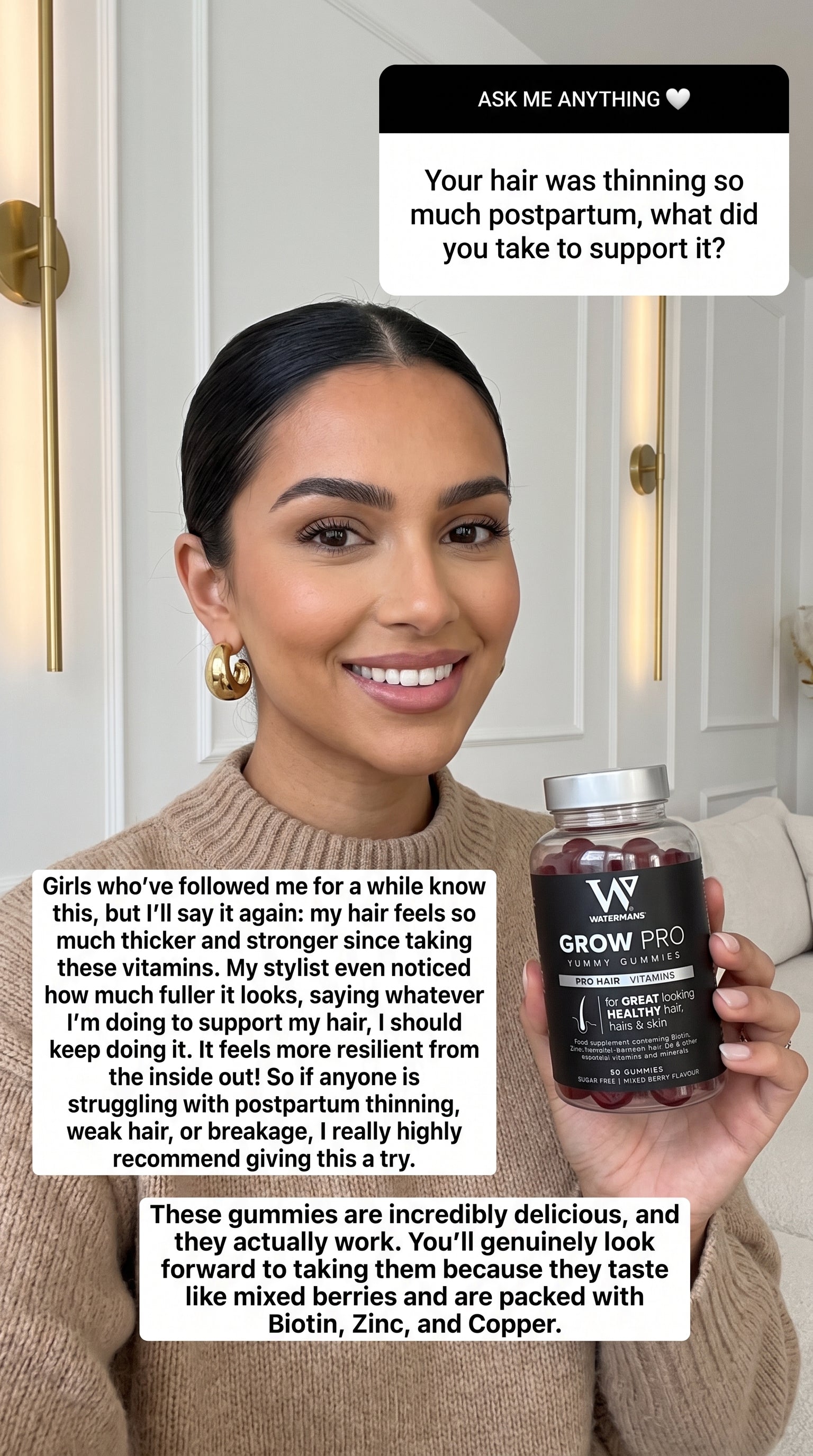
GrowPro® Hair Growth Gummies £22.95
Sugar free vegan gummies with biotin, zinc, selenium free bamboo silica and B vitamins. Two a day, useful only where the diet is genuinely short.
A note on supplements, since this is where people usually start rather than finish. GrowPro gummies carry biotin, zinc and B vitamins at £22.95, and nutrients contribute to the maintenance of normal hair. That is a real claim and a narrow one. It only applies where you are genuinely short, which is exactly what the blood test tells you.
Get a discount on the thinning hair range
Join the Watermans mailing list and we will email a discount code straight to your inbox, so you can try the thinning hair range for less. Vegan, made in the UK, over 6.5 million bottles sold since 2012.
What can a routine contribute at step four?
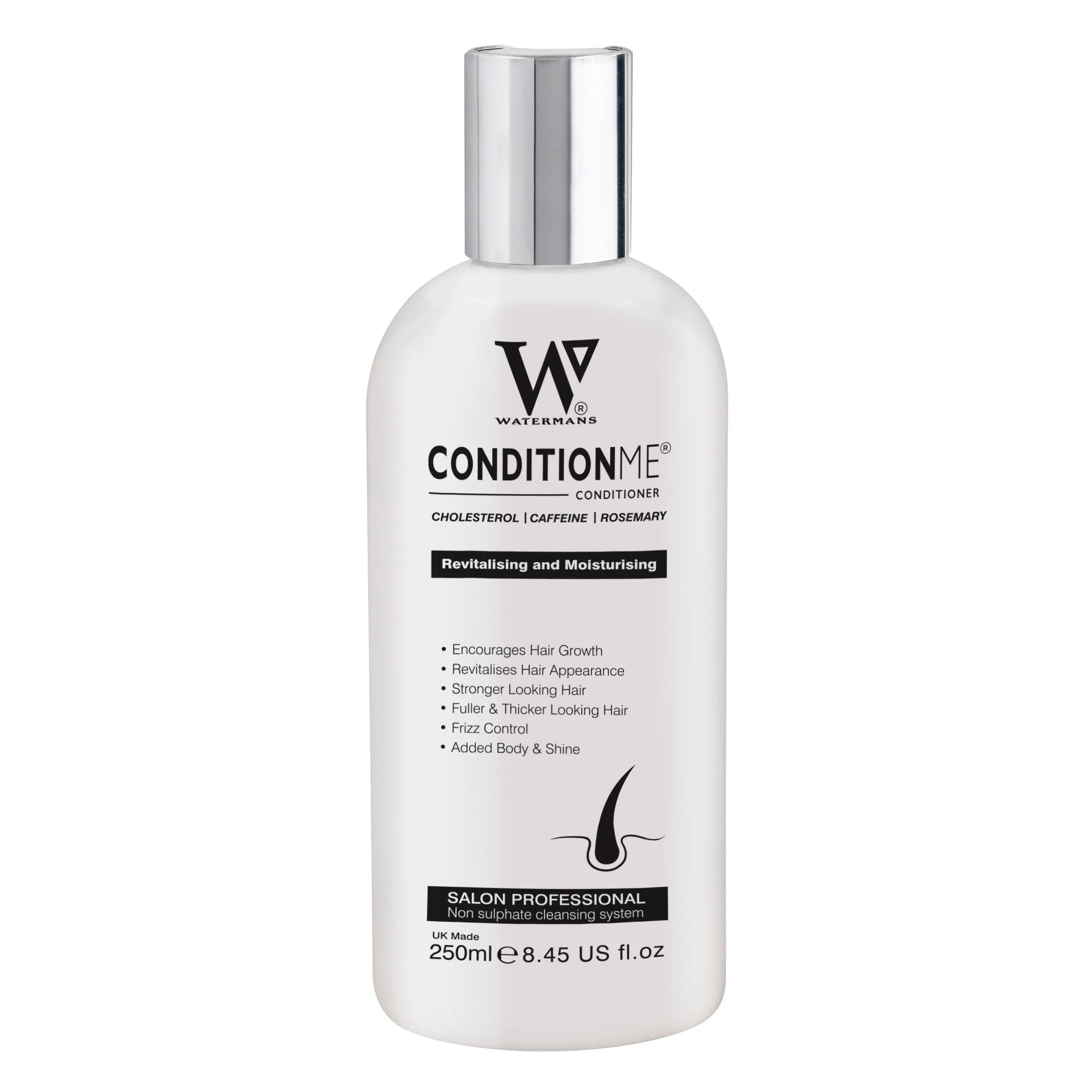
A routine contributes scalp comfort and fibre survival, which together decide how much of any improvement you actually get to see. New hair emerges fine and fragile, and a rough routine breaks it before it becomes length. That is the whole cosmetic contribution to hormone therapy hair restoration, and it is worth doing well.

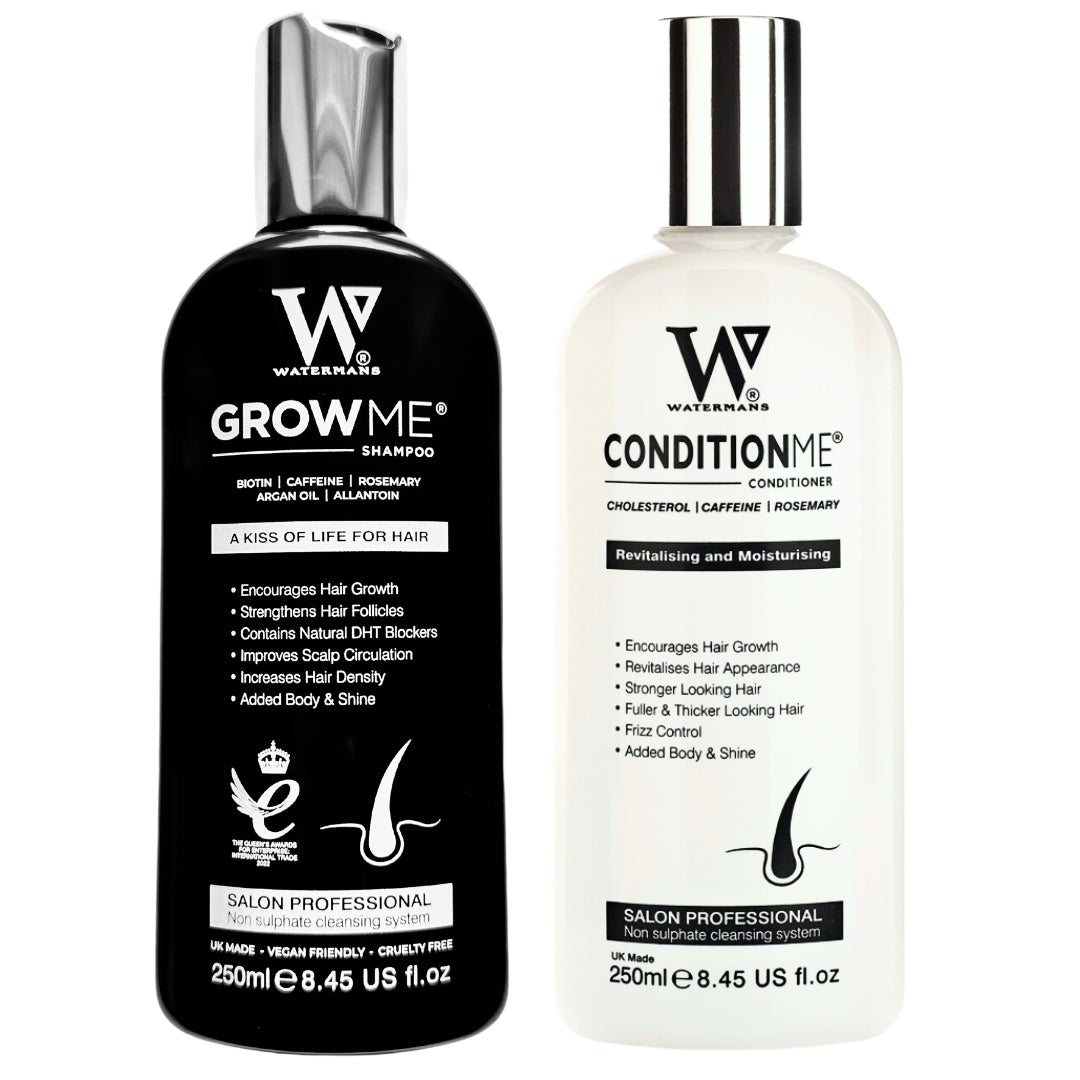
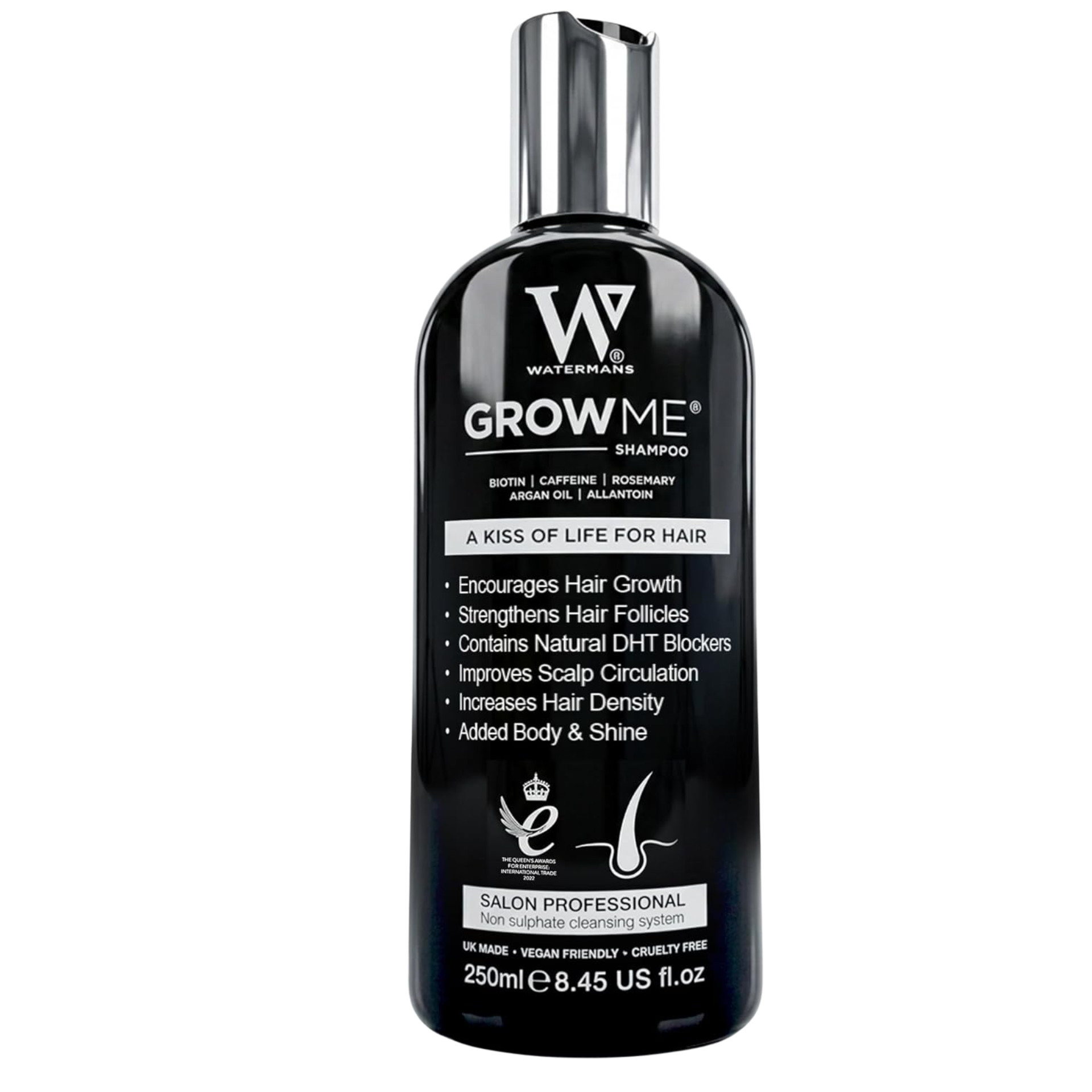
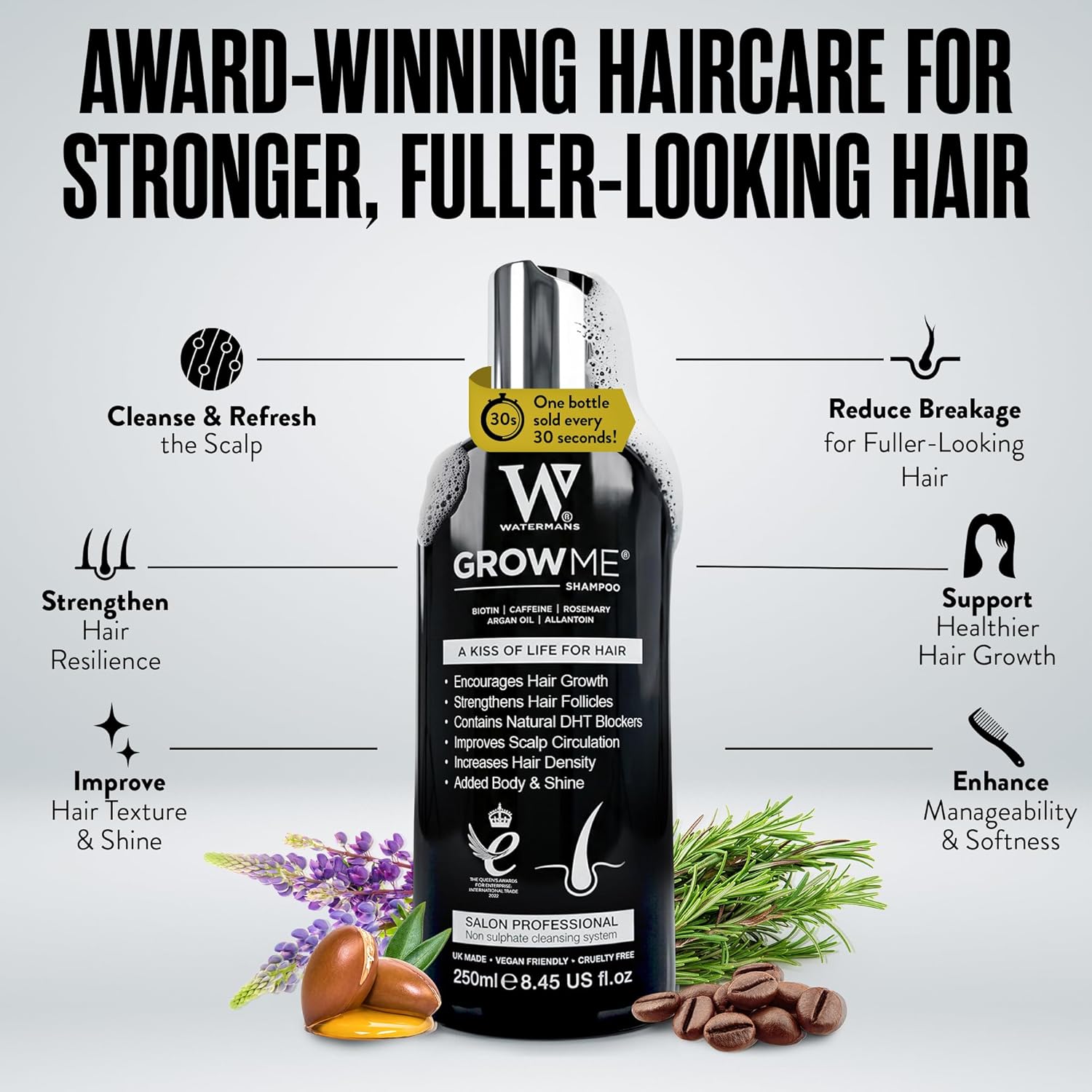
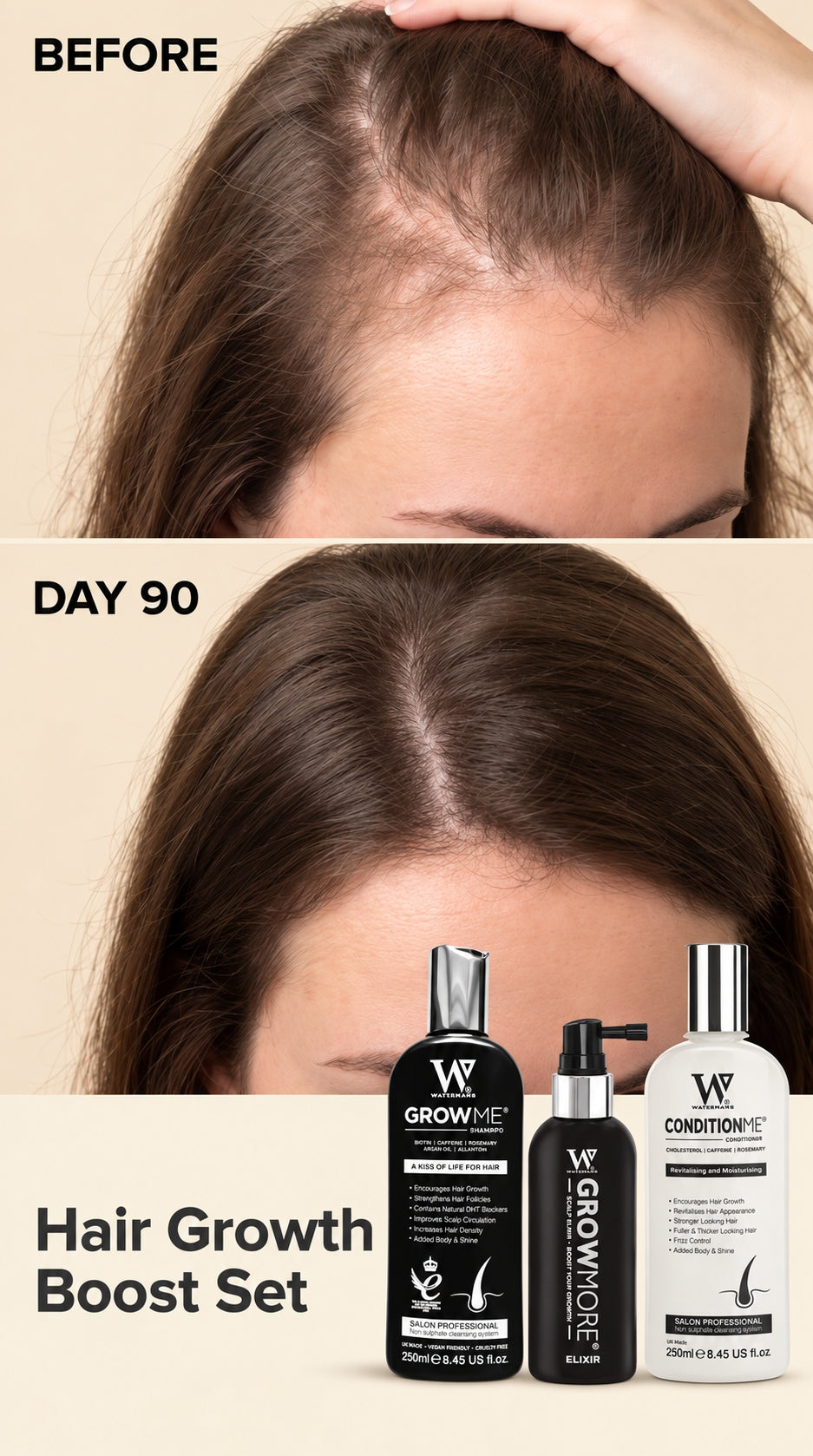
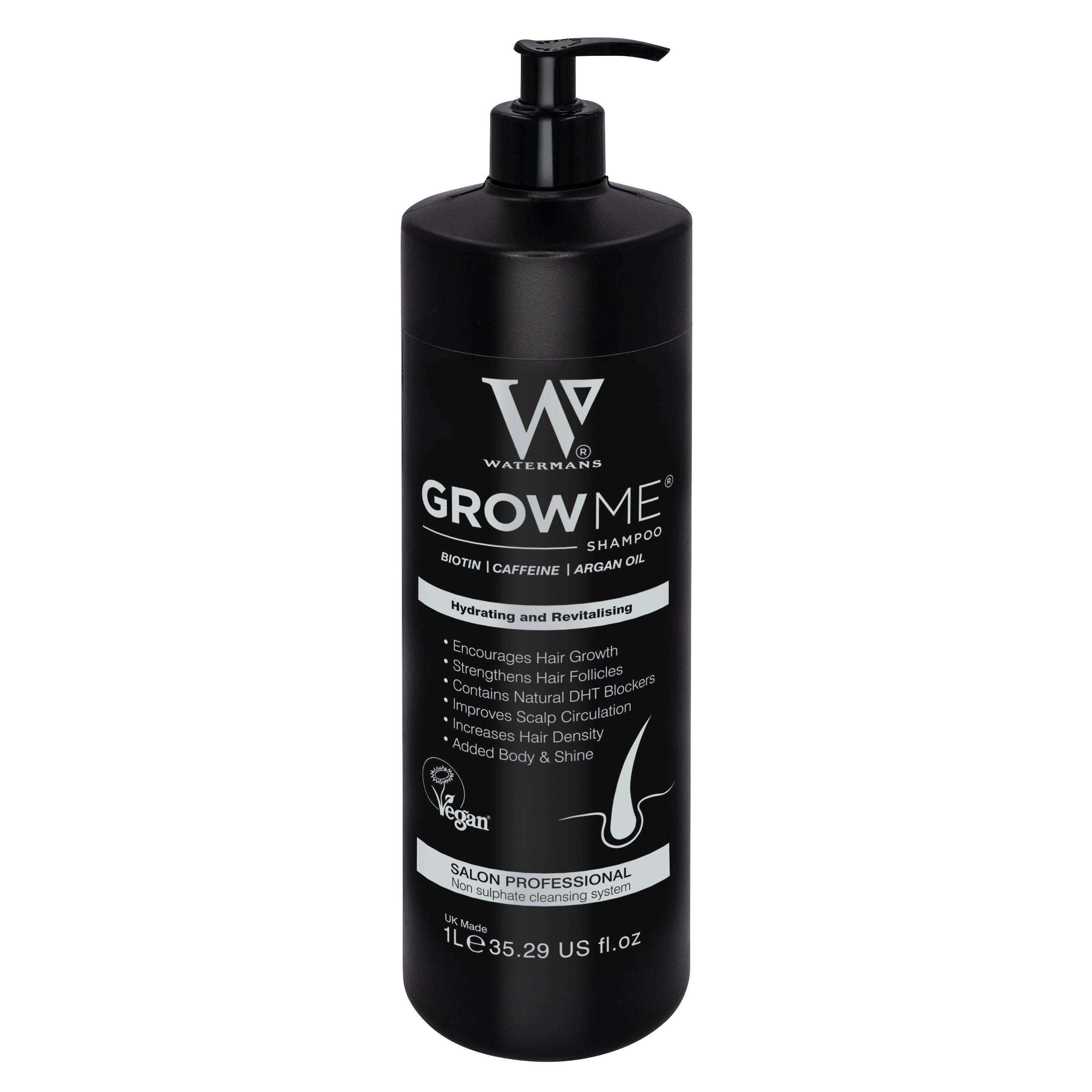
Grow Me® Hair Growth Shampoo £14.95
Sulphate free daily shampoo with biotin, caffeine, rosemary and hydrolysed lupine protein. Cleans without stripping, so hair looks fuller and snaps less.
Grow Me is a sulphate free daily shampoo at £14.95, with biotin, caffeine, rosemary and hydrolysed lupine protein. It cleans without stripping, which matters because the scalp is the surface every new hair has to emerge through and washing is the thing you do most often.

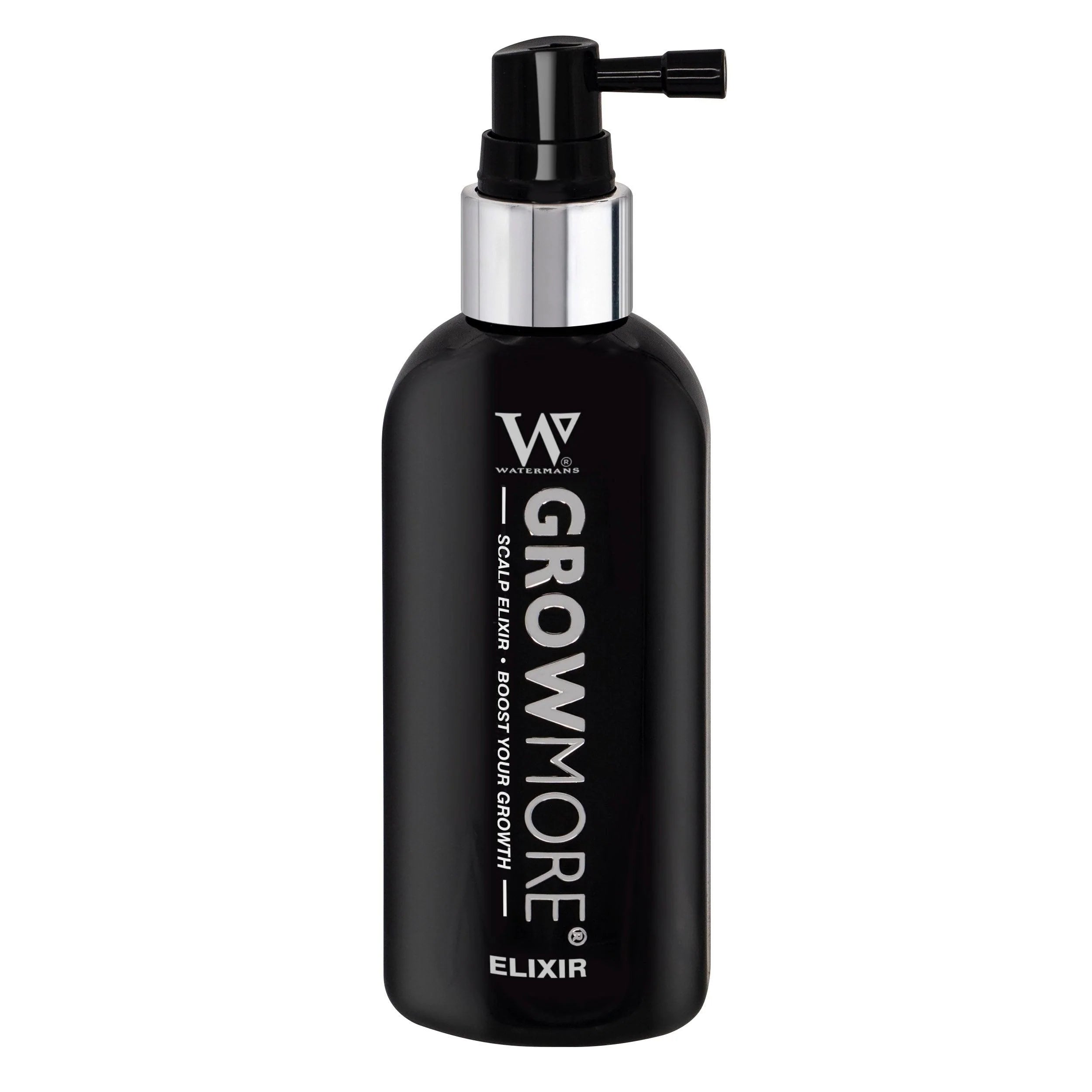
Grow More® Elixir Scalp Serum £25.50
Leave on overnight scalp serum for lower density areas, with caffeine, rosemary, niacinamide and allantoin. Massaged into the parting, not the lengths.
Grow More Elixir is a leave on overnight scalp serum at £25.50, applied to the parting and scalp rather than the lengths. It is cosmetic care supporting how the scalp and hair look and feel. Neither product changes what a follicle decides to build, and any page telling you otherwise is one to leave.

How do you judge whether a plan is working?
Judge it at twelve months, using dated photographs and ponytail circumference rather than the mirror. Scalp hair grows at roughly one centimetre a month, so a follicle that restarted in March produces a hair three centimetres long by June, which is invisible among existing lengths and easy to dismiss as nothing.
The early sign worth watching for is a band of short upright hairs along the parting and hairline that taper to a fine point. Those are new. Short hairs with frayed ends are broken, not new, and mean the routine needs attention rather than the plan needing more time. Checking the tips under bright light settles it in seconds.
| What you observe at 6 months | Most likely reading | What to do next |
|---|---|---|
| Band of short tapered hairs at the parting | New growth coming through | Continue. Protect it and reassess at 12 months |
| Short hairs with frayed ends | Breakage, not new growth | Fix handling, heat and detangling first |
| Ponytail circumference up | Genuine gain in bulk | Continue and keep measuring |
| Parting still widening | Not a routine problem | Back to your GP with the photographs |

When should a GP or a trichologist be involved?
Involve your GP at step two, always, and sooner than that if you have bald patches, a sore or scaling scalp, or shedding that has run past six months. Those signs sit well outside what any routine reaches, and waiting to see whether a shampoo helps costs time that matters with some conditions.
A trichologist can be useful alongside a GP for the hair specific side, and the Institute of Trichologists maintains a public register of qualified practitioners in the UK. our guide to what to expect from a hair loss consultation covers how to prepare. We make cosmetic hair care and do not run clinics, so we are not the people to assess your scalp. If your question is about products or a routine rather than a medical one, you can talk to Gail Waterman, our co-founder, as an AI avatar on the Watermans homepage.
Frequently asked questions
Is hormone therapy hair restoration a treatment I can buy?
No. It is a sequence of steps, most of which cost nothing: assessing what you are seeing, blood tests through your GP, dealing with any trigger, then adapting your routine. Products belong at step four and support appearance only.
How long should I give the whole process?
Twelve months before a fair judgement, eighteen for the settled result. Scalp hair grows at roughly one centimetre a month, so anything shorter than that is genuinely too early to read.
Which blood tests should I ask for first?
Iron and ferritin, and thyroid function. The NHS lists hair loss among the symptoms of iron deficiency anaemia, and an underactive thyroid can leave hair dry and thinner. Both are correctable once identified.
Can I skip the assessment step if I already know what is wrong?
It is worth doing anyway, because breakage and shedding are mistaken for each other constantly. Looking at the ends of ten hairs from your brush takes two minutes and changes what you should do next.
Do I need a trichologist as well as a GP?
Not necessarily. Start with your GP, who can arrange blood tests and rule out medical causes. A trichologist can add hair specific expertise afterwards if you want it. Check the Institute of Trichologists register.
What if my blood tests come back normal?
That is useful information rather than a dead end. It rules out two common and correctable causes, which makes the remaining possibilities clearer and the conversation with your GP more focused.
Should I change everything in my routine at once?
Change one thing at a time, roughly every six weeks, or you will not know what helped. Start with heat protection, because it is the change with the clearest and fastest effect on how much length you keep.
Does hormone therapy itself need adjusting if my hair changes?
That is entirely a conversation for the clinician managing your hormone therapy. Never change a hormone regime because of something you read on a hair care website, including this one.
What is the bottom line on hormone therapy hair restoration?
Hormone therapy hair restoration works as a sequence and fails as a shopping list. Assess honestly, get iron and thyroid blood tests, address whatever triggered the change, then adapt the routine, and give it twelve months measured with photographs rather than impressions.
Cosmetic hair care has a real but limited job in that sequence: keep the scalp comfortable and keep fine new fibre from breaking before it becomes visible length. Anything claiming more than that is overselling.
When you reach step four, a sulphate free hair growth shampoo is the sensible place to begin, because it is the product you use most often and it sets how your scalp behaves for the rest of the week.
Watermans products are 100% cosmetic and do not treat medical hair loss. Individual results may vary.
Sources and References
- NHS, Iron deficiency anaemia, hair loss among the symptoms, confirmed by blood test
- NHS, Underactive thyroid (hypothyroidism), dry and coarse hair among the symptoms
- NHS, Blood tests, what blood tests involve and how they are arranged
- NHS, Hair loss, when hair loss warrants seeing a GP
- NHS, Hormone replacement therapy (HRT), what hormone therapy is and how it is taken
- The Institute of Trichologists, public register of qualified trichologists in the UK