Trichologists Newtownabbey: Who Handles What and When
People searching for trichologists Newtownabbey usually want one thing: somebody to look at their scalp soon. Trichology is private, self referred and typically £50 to £150, so it is fast. What it cannot do is order blood tests, refer you into hospital dermatology, or supply anything needing a doctor. In Northern Ireland your GP can do all three, and prescriptions are free here, so the sensible plan usually runs both routes at once rather than choosing between them.
Our hair growth shampoo
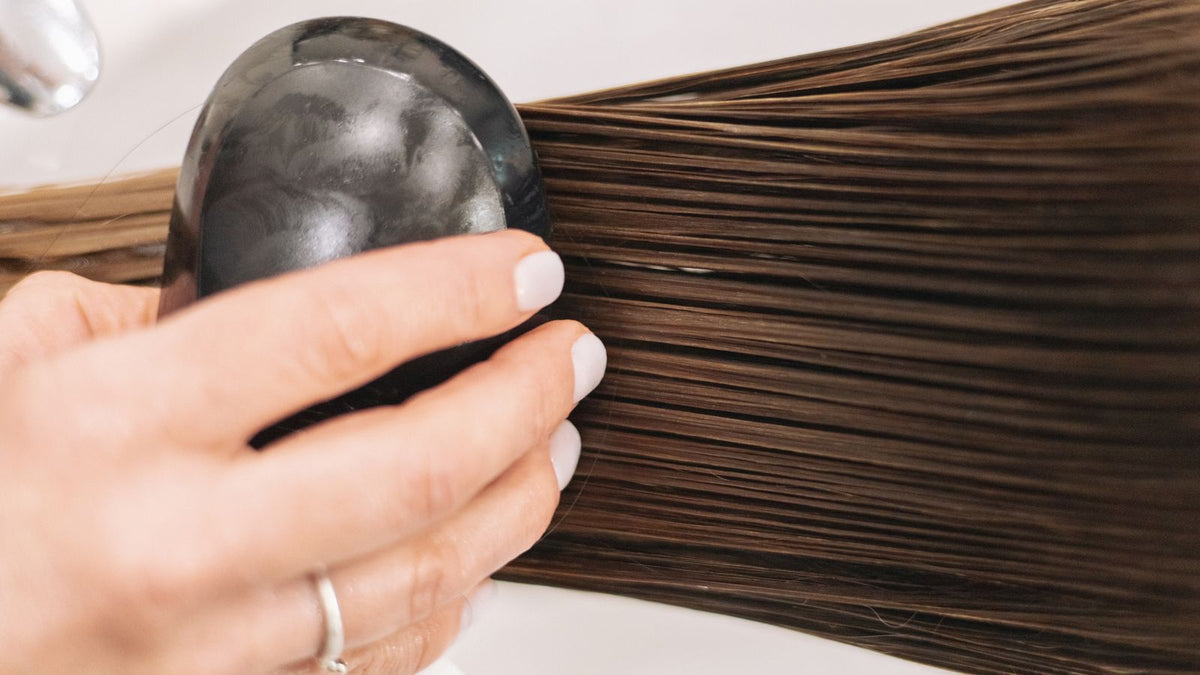
Grow Me® Hair Growth Shampoo, £14.95. A sulphate free daily shampoo that supports a healthy scalp environment and helps reduce breakage, so lengths hold on and look fuller.
Key takeaways
- Five different professionals deal with hair and scalp problems, and picking the wrong one is the main reason people waste months.
- Trichologist is not a title protected by UK law. Check membership of the Institute of Trichologists or the Trichological Society before you pay anybody.
- Newtownabbey sits in the Northern Health and Social Care Trust area, so the hospital route runs GP first, then trust dermatology.
- Prescriptions are free in Northern Ireland, which makes the GP route better value here than anywhere else in the UK.
- Hospital waiting lists in Northern Ireland are among the longest in the UK, which is the honest reason many people pay privately, and the reason to start the free route now anyway.
- Patchy loss, weeping skin, or hair loss in a child goes to a GP, not to trichologists Newtownabbey or anywhere else.
- Watermans is a hair care company. We run no clinic, examine nobody, and have no consulting rooms in County Antrim.
Who handles what: which five professionals should you know about?
This is the map, and trichologists Newtownabbey are only one square on it. Read the whole thing before you pay for anything, because most of the frustration people describe comes from taking a follicle problem to a hairdresser or a fibre problem to a doctor.
| Who | Best for | Cost and access |
|---|---|---|
| Pharmacist | Flaking, itching, mild scalp irritation | Free advice, walk in, no appointment |
| GP | Sudden shedding, patchy loss, anything with broken skin, suspected internal cause | Free, can order bloods, holds the referral key |
| Hospital dermatology | Skin disease of the scalp, scarring conditions, alopecia areata | Free, GP referral only, long wait |
| Trichologist | Unexplained thinning, routine and styling advice, an hour of attention | £50 to £150, self referred, quick |
| Hairdresser | Breakage, chemical damage, cut and colour decisions | Already in your diary, and often the first to notice a change |
Your hairdresser deserves more credit than they get here. They see the back of your head more often than you do and they see it in good light. Plenty of thinning is first spotted at a wash basin.
What do trichologists Newtownabbey actually offer?
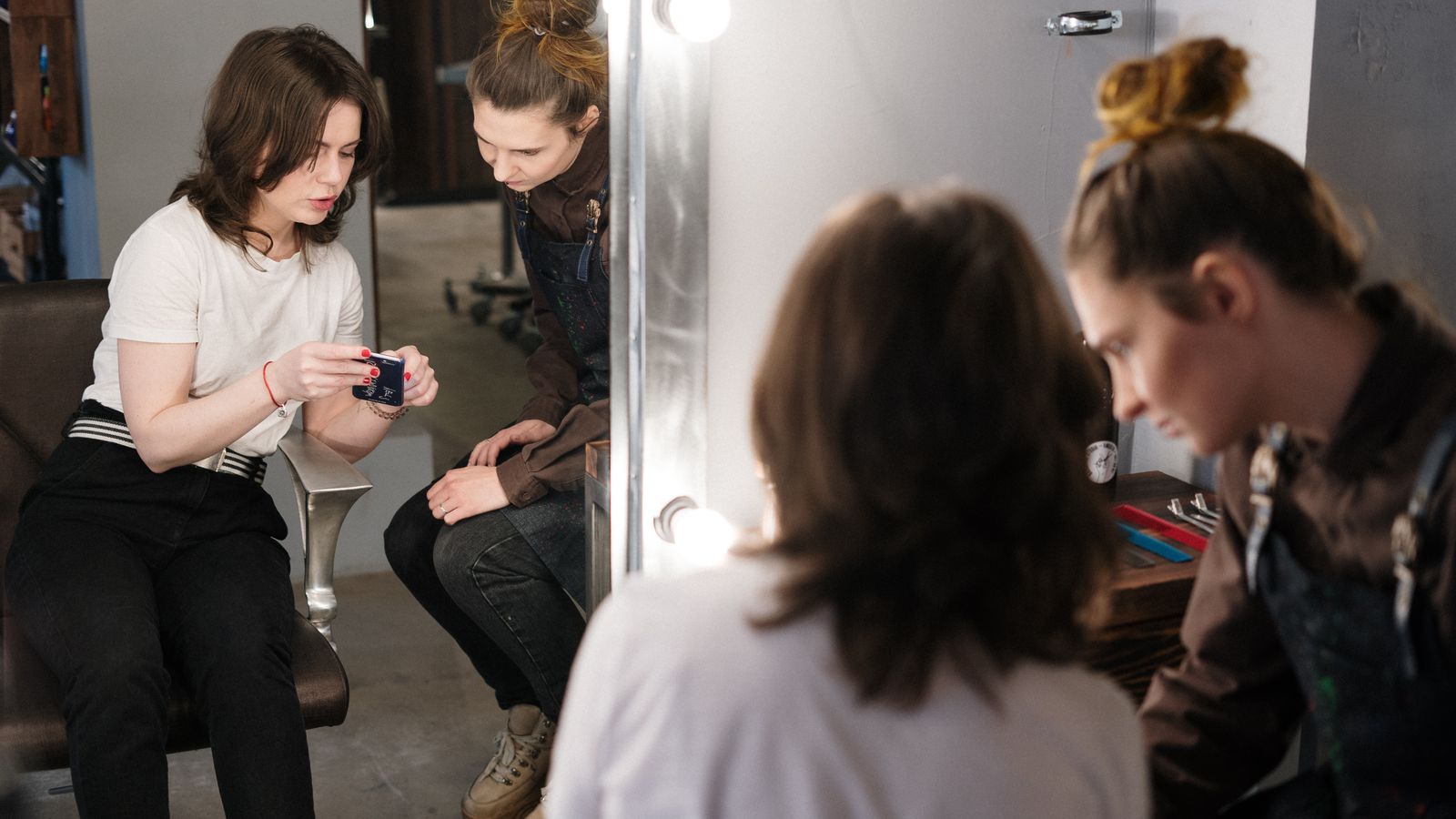
Trichology is the study of the hair and scalp. An appointment means a long history, a close look at the scalp under magnification or a small camera, photographs of the parting and crown, sometimes a gentle hair pull test, and a written plan you take home. Budget 45 to 60 minutes, most of it questions.
The genuine value is time and pattern recognition. A ten minute GP appointment cannot cover your family history, your last two years of health, your diet and every product in your bathroom. An hour can, and somebody who looks at scalps all week can usually tell scale from dryness, and both of those from something that needs a doctor.
The limits are real and any honest practitioner states them upfront. No blood tests. No hospital referral. Nothing requiring a doctor's signature. No access to your medical record.
Is trichologist a protected title in Northern Ireland?
No. Physiotherapist, dietitian and pharmacist are protected across the UK, meaning it is a criminal offence to use them without the qualification. Trichologist is not on that list anywhere in the UK, Northern Ireland included. There is no statutory register and no compulsory training.
The check that fixes this takes two minutes. The Institute of Trichologists, founded in 1902, uses the post nominals MIT and AIT. The Trichological Society is the other recognised body. Both run public member directories you can search by area, and both will tell you whether the person advertising locally is actually a member.
Ask three questions before you pay: which body are you a member of, what is your membership number, and how long was your training. Anyone qualified answers immediately. Anyone annoyed by the question has already answered it.
How does the Northern Ireland route differ?
Two features of the system here change the arithmetic, and neither gets mentioned on the national advice pages.
Prescriptions are free. Northern Ireland abolished prescription charges in 2010. Anything a GP issues costs you nothing, which makes the free route materially better value here than in England, where each item carries a charge.
Waiting lists are long. Hospital waiting times in Northern Ireland are among the longest anywhere in the UK, and dermatology is not exempt. That is the honest reason many people pay privately, and it is a fair reason. It is also the reason to get onto the list now rather than after six months of experimenting, because the clock starts at referral.
Newtownabbey sits in the Northern Health and Social Care Trust area, with Antrim Area Hospital as the main acute site, and Belfast a few miles down the road for private practice. Practically, that means the free diagnostic work and the fast private opinion are both within easy reach, and running them in parallel loses you nothing.
Get a discount on your next order
Join the Watermans mailing list and we will email a discount code straight to your inbox. Made in the UK, over 6.5 million bottles sold since 2012.

Which scalp conditions belong where?
Six presentations cover most of what walks through any door.
Even thinning at the parting and crown, over years. Pattern hair loss, and the single most common reason people look up trichologists Newtownabbey in the first place. Either route is reasonable, there is no urgency, and the honest news is that no shampoo changes it. Worth understanding properly before spending.
Sudden heavy shedding, two to three months after something big. Illness, surgery, childbirth, a crash diet or serious stress. GP first, because iron, ferritin, thyroid and vitamin D are the useful checks and they are free. It usually recovers on its own.
Round, smooth bald patches with no scaling. This is alopecia areata, an autoimmune pattern. GP, promptly, and often on to dermatology.
Flaking, itching and redness. Pharmacist first, and most of it settles with the right shampoo used with proper contact time. Our guide to choosing an anti dandruff shampoo covers the shelf.
Hair snapping mid length, often after bleach or heat. Breakage, not loss. Hairdresser and a gentler routine. A specialist appointment here is money spent on the wrong problem.
Shiny, smooth skin where follicle openings have disappeared. This suggests scarring, where the window for keeping hair has usually closed. It needs a medical opinion quickly, because what matters now is the surrounding hair.
If you have not yet worked out which of these you are looking at, start with how to work out why your hair is thinning, which walks the patterns in order.
What is the difference between hair loss, hair shedding and hair breakage?
Separating these three is most of the value any good practitioner adds, and you can do a lot of it yourself before you pay anyone.
Hair loss means the follicle producing finer hair or stopping altogether. Gradual, shows as a widening parting or receding hairline, and the category where medical input matters most.
Hair shedding means more hairs than usual leaving because the growth cycle was disturbed. Dramatic, frightening, and usually self limiting. Understanding the three stages of the hair growth cycle makes the two to three month delay make sense.
Hair breakage means the fibre snapping partway along its length. Bleach, heat, tight styles and rough detangling. It looks identical to thinning in a mirror and needs a completely different response.
The home check: a shed hair has a small pale bulb at the root end, a broken one has a blunt or frayed end and no bulb. Two minutes with a white surface and good light settles it.
Watermans products are 100% cosmetic and do not treat medical hair loss. Individual results may vary.

How do you get value out of any appointment?
Whether you end up with a GP, a dermatologist or one of the trichologists Newtownabbey has within reach, the preparation is the same and it roughly doubles what you get out of the hour.
Photograph first, ask questions second. Parting, crown and hairline, same window, same time of day, dry hair, once a month. Nothing you say about your hair is as useful as a series of comparable images, and memory is genuinely unreliable about this.
Write the timeline. When you first noticed, and what was happening in your life three months before that. The delay is the single most misunderstood thing about shedding.
Bring the full list. Every medicine, every supplement, any blood results you already hold, and any family history of thinning on either side.
Arrive with plain hair. No styling products, no dry shampoo, nothing that hides the scalp on the morning of the appointment.
Ask what would change their mind. A practitioner who can say what evidence would make them send you elsewhere is thinking properly. One who is certain about everything is selling.
Where do our products fit, honestly?
We make cosmetic hair care. It works on the hair fibre and the comfort of the scalp, which means it can genuinely reduce breakage and make hair look thicker and healthier. It does not change what a follicle is doing under the skin, and on a page about seeing a specialist that distinction matters more than a sale does.

Grow Me Shampoo, the everyday wash while you wait for an appointment
Sulfate free, with biotin, caffeine and rosemary. It cleans without stripping, which matters if worry has you washing less and letting build up sit on the skin. Fingertips, warm water, two or three times a week.

The three step routine set, if you would rather change one thing properly than six things badly
Shampoo, conditioner and leave on scalp elixir. The reason to buy a routine rather than a single bottle is consistency: give any cosmetic change a full three months and photograph it, because that is the only way you will ever know whether it did anything. Readers nearer Craigavon may find our guide to finding hair and scalp help in Craigavon more useful. The same order applies across Northern Ireland, and using the wait before a dermatology referral productively sets out what to arrange first.
Frequently asked questions
Do trichologists Newtownabbey need a GP referral?
No. Trichology is private and self referred anywhere in the UK, so you can arrange an appointment directly. That also means nobody has vetted the practitioner for you, which is why the professional directories matter.
Is trichology available on the health service in Northern Ireland?
Not as a service in its own right. Hair and scalp disease is covered by dermatology, reached through your GP, and it is free. Trichology sits entirely in the private sector.
How much should I expect to pay?
Roughly £50 to £150 for a first appointment, less for follow ups. Ask whether products are included, and be wary of a low consultation fee attached to a costly monthly formula.
Are prescriptions really free in Northern Ireland?
Yes. Charges were abolished in 2010, so anything your GP issues costs nothing. It is a genuine advantage of the free route here and it is worth factoring in before paying privately.
Should I see a dermatologist instead?
For patches of missing hair, broken or weeping skin, thick plaques, or anything that looks like a scarring condition, yes, and via your GP. For unexplained gradual thinning with a healthy scalp, a trichologist may get you an opinion much sooner. If your question is about products or a routine rather than a medical one, you can talk to Gail Waterman, our co-founder, as an AI avatar on the Watermans homepage.
Can a hairdresser help with hair loss?
With breakage, cutting and styling, enormously. With follicle problems, no, and a good one will say so and suggest you get it looked at. They are often the first person to notice a change at the crown.
What can I do while I wait?
Start the monthly photographs, take tension off your styles, sort any flaking with a pharmacist, and write your timeline. All of it is free and all of it makes the eventual appointment more useful.
Sources and references
- Northern Ireland Department of Health, on the abolition of prescription charges in 2010 and on published hospital waiting time statistics.
- Northern Health and Social Care Trust service information, for the local hospital route and Antrim Area Hospital as the trust's main acute site.
- UK Health and Care Professions Council register of protected titles, for the confirmation that trichologist is not among them.
- The Institute of Trichologists and The Trichological Society, public member directories, post nominals and qualification structures.
- NICE Clinical Knowledge Summaries on hair loss and on alopecia areata, for the presentations that warrant a medical opinion.
- British Association of Dermatologists public information on scarring alopecias and on traction alopecia, for the loss of visible follicle openings and its significance.
What is the bottom line on trichologists Newtownabbey?
Match the problem to the professional and you save both time and money. Flaking goes to a pharmacist. Sudden shedding, patchy loss, broken skin or anything in a child goes to a GP, which in Northern Ireland is free and comes with free prescriptions on top. Breakage goes to a hairdresser. Trichologists Newtownabbey are worth their £50 to £150 for unexplained gradual thinning where you want an unhurried hour and a written plan, and the one thing to check first is membership of the Institute of Trichologists or the Trichological Society, because the title itself carries no legal protection. Given how long the waiting lists here run, get onto the free route now and use the private one alongside it rather than instead of it. Start photographing your parting today.
If you want a straightforward starting point rather than a shelf of products, that is the Grow Me hair growth shampoo.
Grow Me shampoo is vegan, Watermans is UK made, and we have sold over 6.5 million bottles since 2012.