






Microneedling for Hair Loss at Home: Does It Work and Is It Safe?
Microneedling (also called scalp rolling or derma rolling) uses a device with fine needles to create tiny controlled punctures in the scalp. The idea is that this triggers the skin's repair response and improves how well topical treatments absorb. The best evidence is for microneedling combined with a treatment like minoxidil for pattern hair loss, where studies have shown better results than the treatment alone. Microneedling on its own is far less proven, and doing it at home carries real safety risks if done wrong. This honest guide explains what the research shows, how it is done safely, and where a professional beats a bathroom attempt.
Key Takeaways
- Microneedling creates micro-injuries that prompt the scalp's natural repair and wound-healing response.
- The strongest evidence is for microneedling plus minoxidil in androgenetic (pattern) hair loss, not microneedling alone.
- Short needle lengths (0.5mm to 1.0mm) are typical for home use; longer needles are a clinical procedure.
- Hygiene is critical. A dirty device or wrong technique can cause infection, scarring or worsened shedding.
- It is not a cure, and it is not right for everyone. Check with a GP or dermatologist first, especially if you have a scalp condition.
What is microneedling, and how could it help hair?
Microneedling has been used in skin medicine for years to soften scars and stimulate collagen. On the scalp, the theory is the same mechanism applied to a different goal. The fine needles create hundreds of tiny, controlled channels in the upper skin. Your body treats these as small wounds and responds by releasing growth factors and increasing local blood flow to the area as it repairs. Because the follicle sits within that skin, the hope is that this repair environment nudges resting follicles toward activity.
There is a second, more practical effect: those temporary channels can improve how well a topical treatment penetrates the scalp rather than sitting on the surface. This is exactly why the research pairs microneedling with an active treatment rather than using it alone.

Does microneedling actually work for hair loss?
This is where honesty matters. The evidence is genuinely promising in one specific situation and much weaker in others.
Established: microneedling plus minoxidil
Several controlled studies in men with androgenetic alopecia have found that microneedling combined with topical minoxidil produced greater improvement in hair counts than minoxidil alone. This is the strongest, most repeated finding, and it is why microneedling is usually discussed as a way to boost an existing treatment rather than a treatment in itself. If you use, or plan to use, a licensed treatment like minoxidil, microneedling may help it work harder.
Less certain: microneedling on its own
The evidence for microneedling by itself, with no active treatment, is limited and less convincing. It may offer some benefit through the wound-healing and circulation effects, but you should not expect the same results as the combination approach.
Cosmetic support: better absorption of scalp products
Even outside of minoxidil, careful microneedling can help scalp serums and leave-on treatments absorb better. That is a cosmetic benefit, helping your products reach the scalp rather than a claim to regrow hair on its own.
Safety first: at-home microneedling is not risk-free. Needles that are too long, pressing too hard, or a device that is not properly sterilised can cause bleeding, infection, scarring or increased shedding. Never share a device, never microneedle over active infection, psoriasis, eczema or unexplained scalp lesions, and stop if you experience anything beyond mild, brief redness. If in doubt, see a professional.
How is microneedling for hair done safely at home?
If you and your doctor decide home microneedling is appropriate, technique and hygiene are everything. The following is general information, not a substitute for professional guidance.
What you need
- A quality derma roller or pen with a short needle length (0.5mm is a common starting point for home use).
- A proper disinfectant to sterilise the device before and after every use.
- A clean scalp and a gentle, sulfate-free shampoo.
- Any leave-on scalp treatment you intend to apply, used according to its instructions.
A careful step-by-step
- Cleanse: wash your hair and scalp with a gentle shampoo and let it dry. A clean surface lowers infection risk.
- Sterilise the device: disinfect the needles thoroughly and let them dry. This is non-negotiable.
- Section the hair: part it to expose the thinning areas you are targeting.
- Roll gently: move the device lightly across each section a few times in different directions. Light contact only, never force it. A short session is enough.
- Aftercare: the scalp may look slightly pink briefly. Avoid strong sun, harsh products and swimming pools for a day or two.
- Apply treatments as directed: follow the instructions of any product you use. If using a leave-on serum, apply it as the label advises rather than flooding freshly needled skin.
- Clean the device again and store it dry.
How often?
The scalp needs time to recover, so most home routines space sessions roughly every one to two weeks for shorter needles, or every four to six weeks for longer ones. More is not better; over-doing it inflames the scalp and works against you.

What should you pair with microneedling?
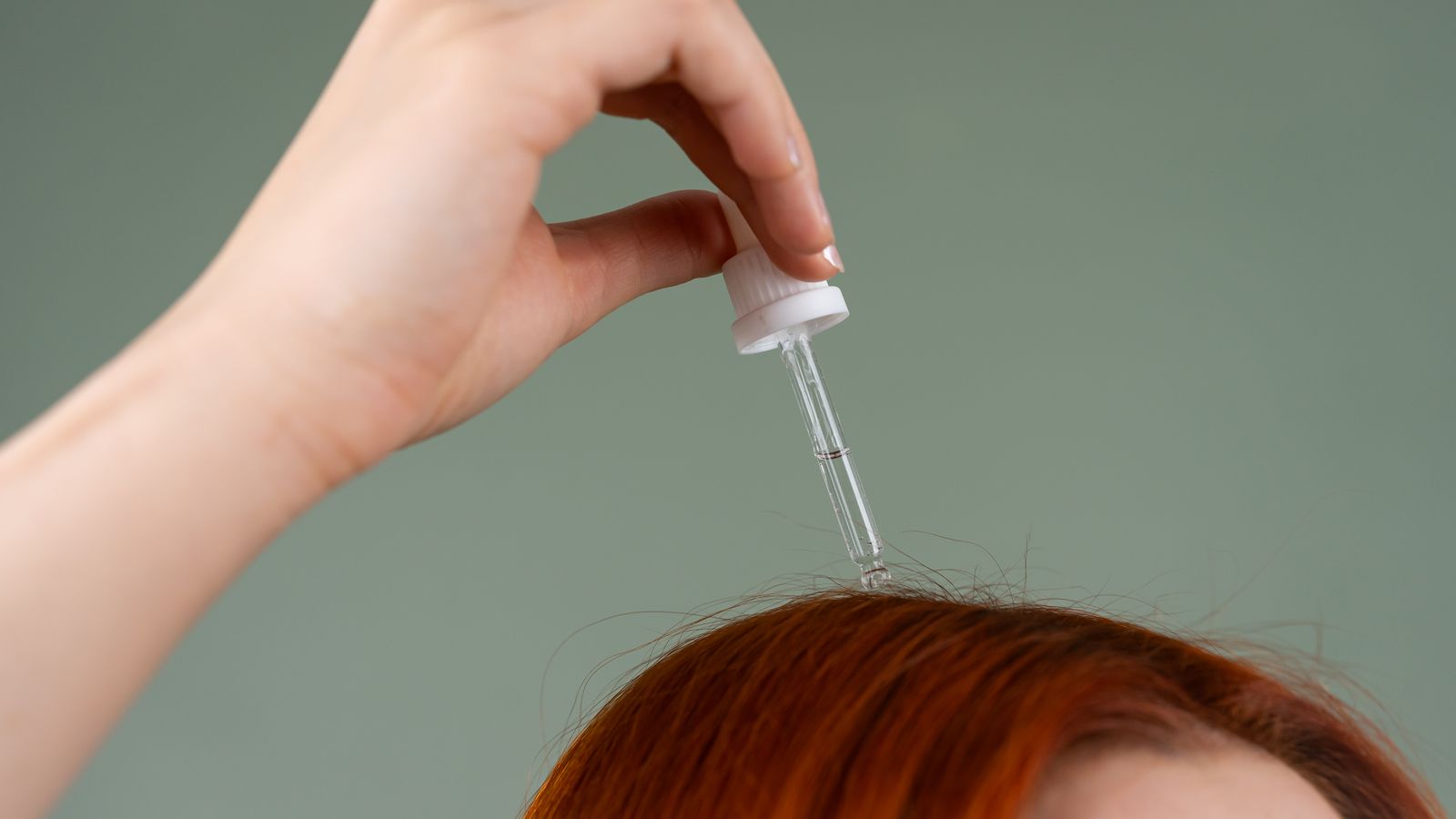
Since a big part of microneedling's value is helping treatments absorb, what you apply matters. If you use minoxidil, follow the medical guidance for it. For gentle, cosmetic scalp support, a well-formulated leave-on serum is a sensible partner because it is designed to sit on the scalp and be absorbed.

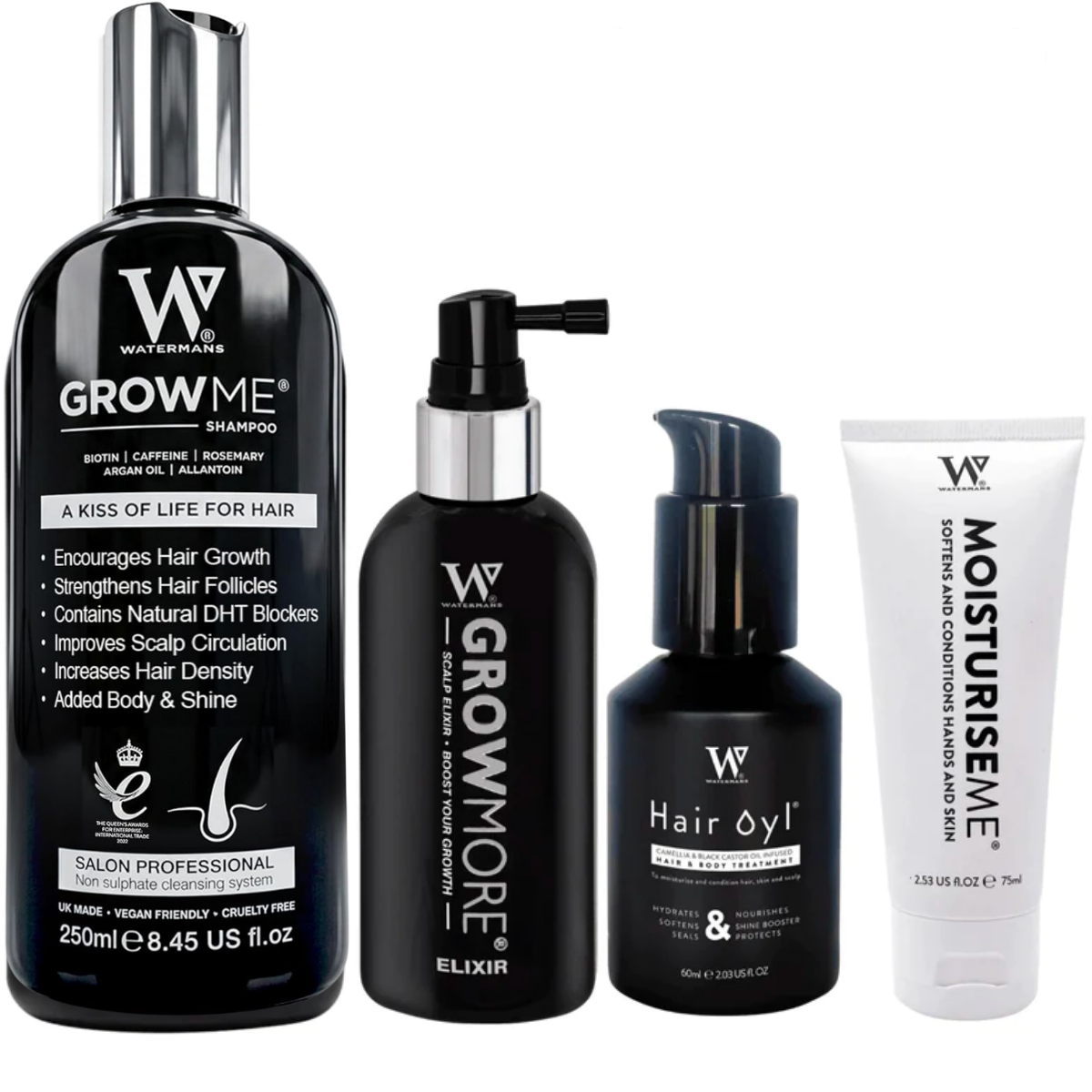
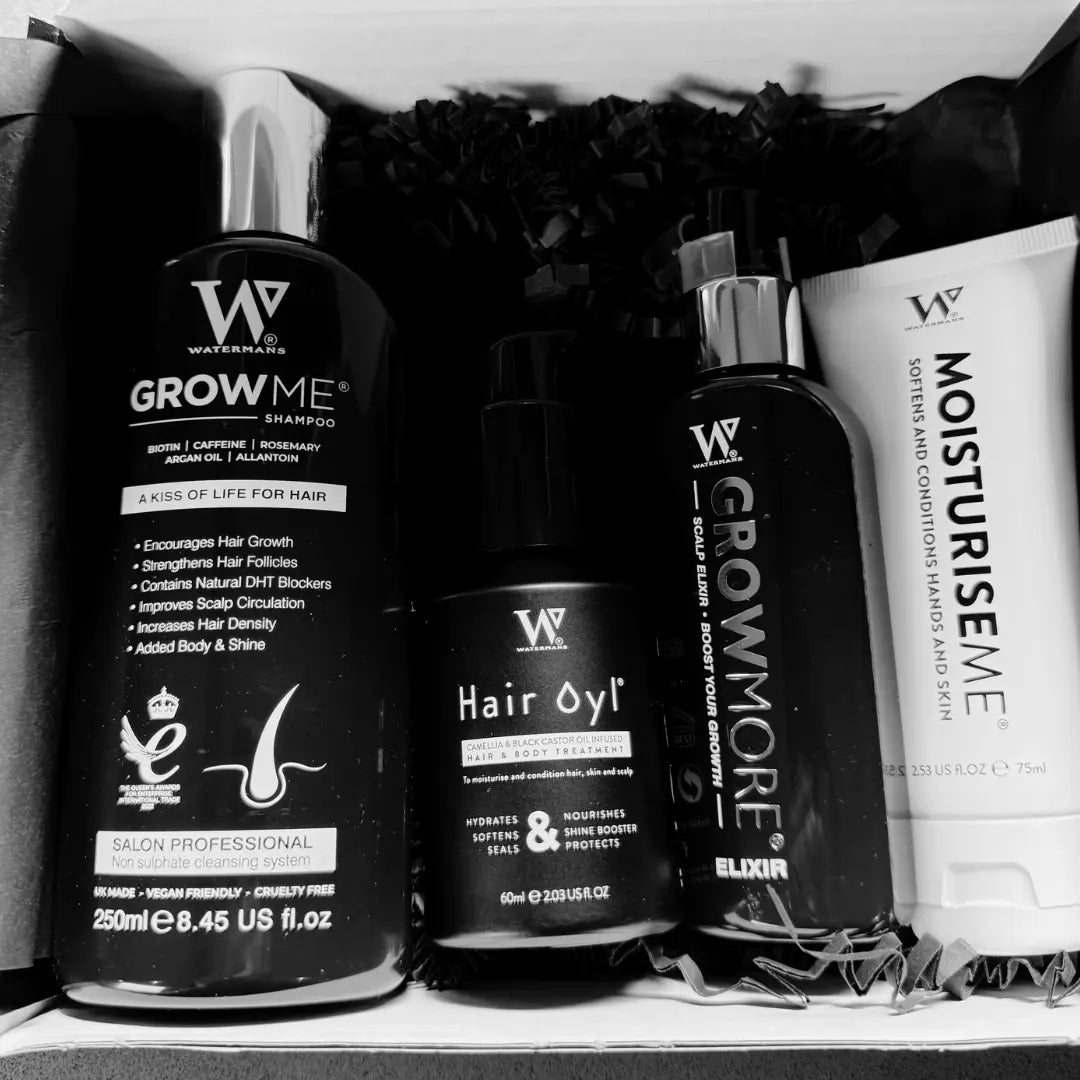
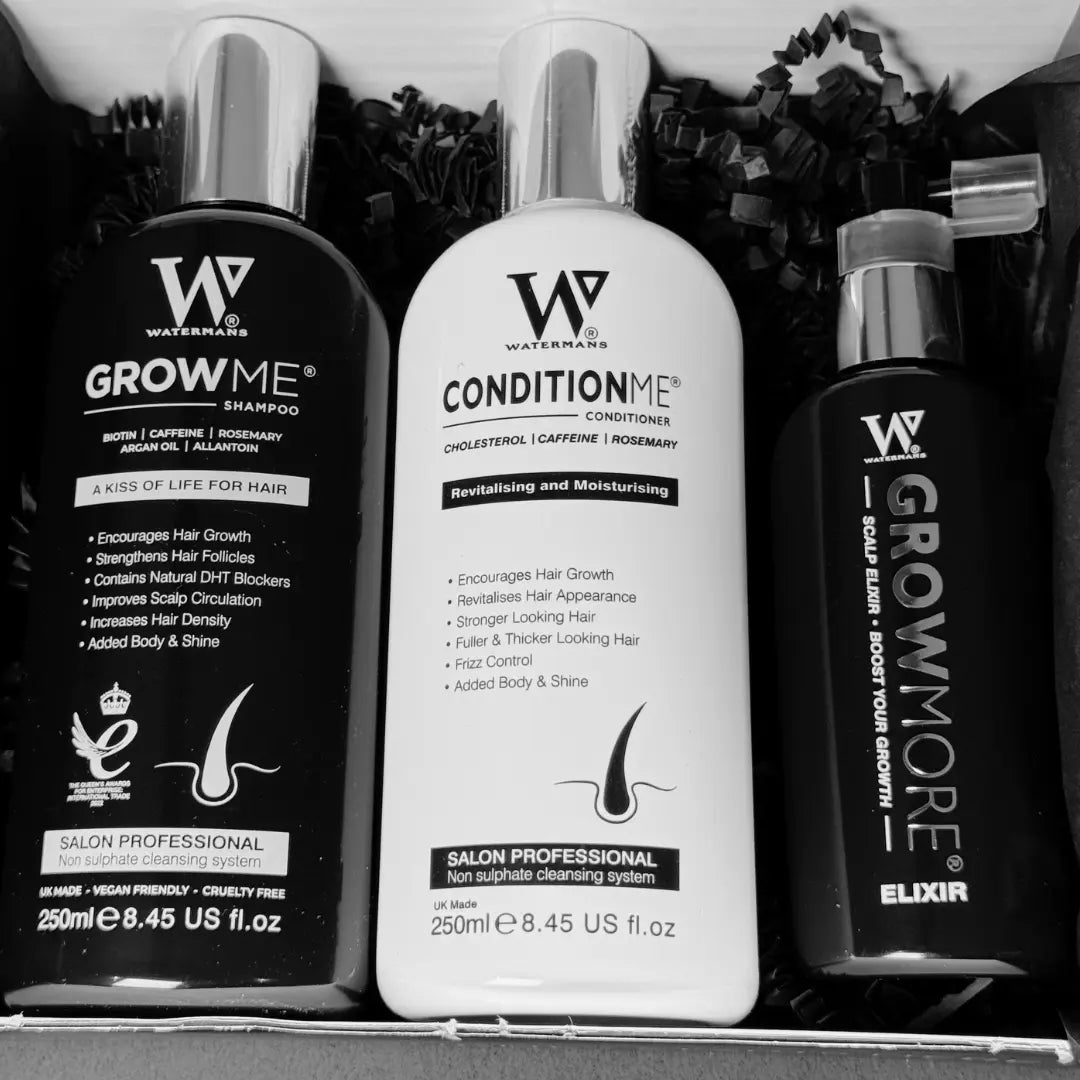
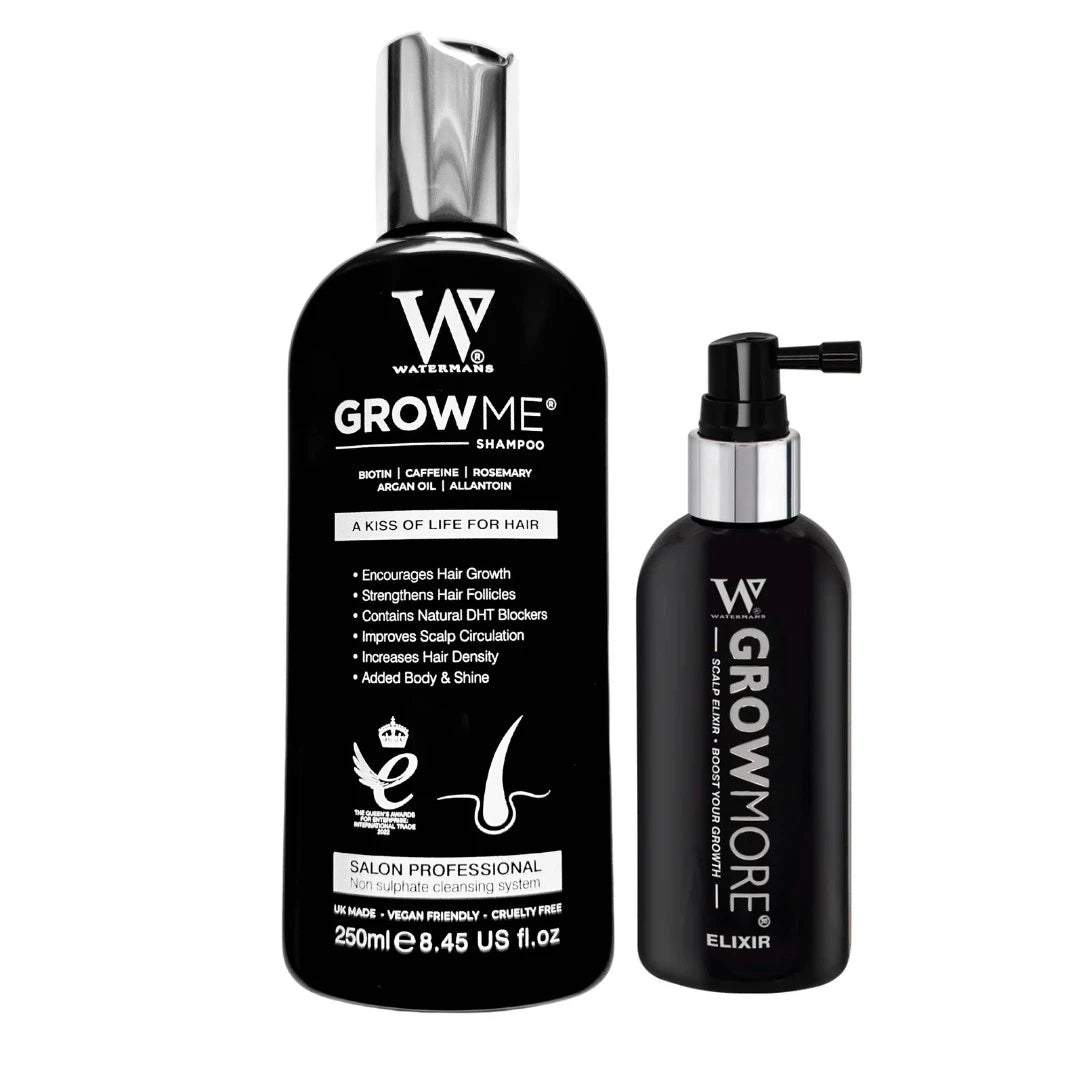
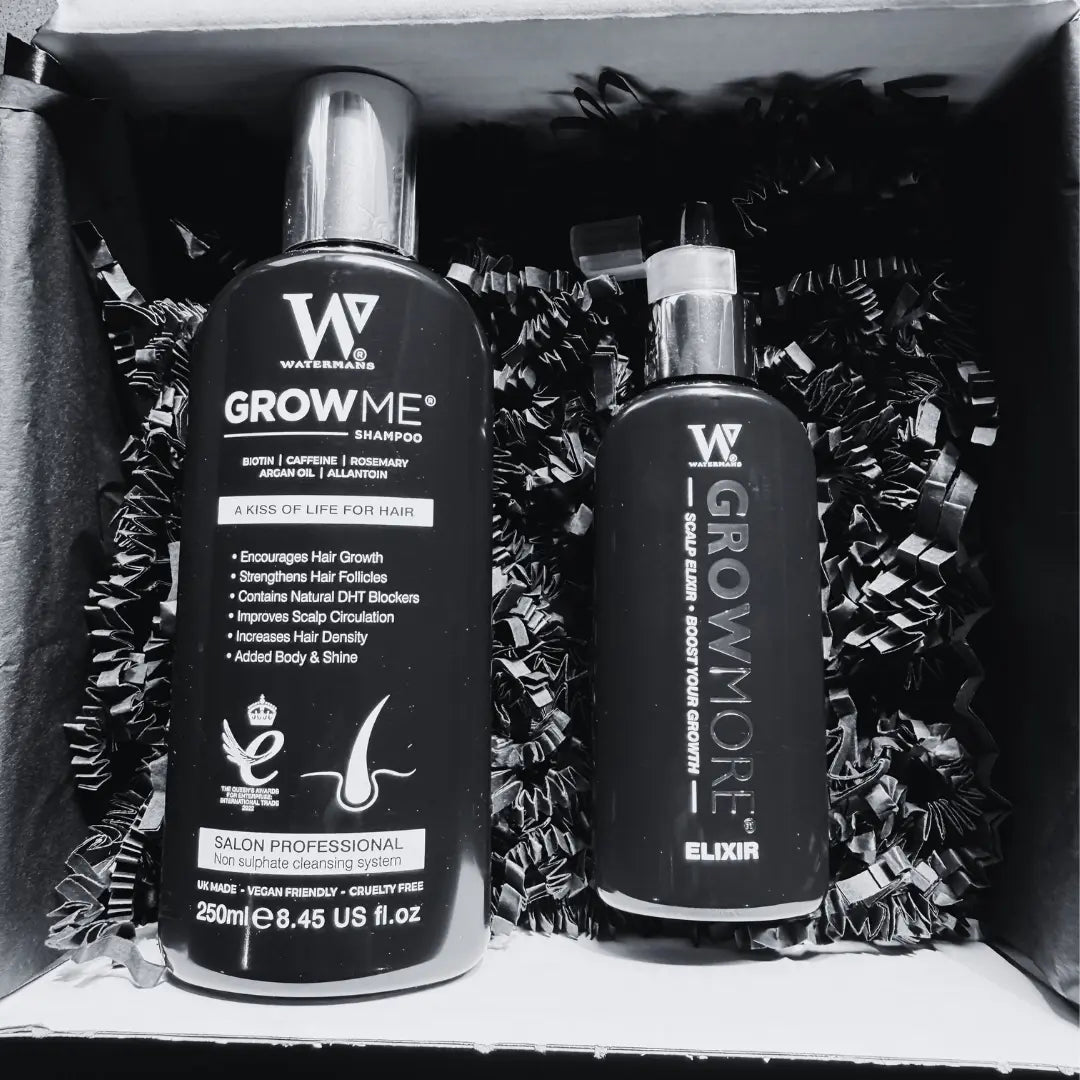
Grow More® Leave-In Scalp Elixir, £25.50
An overnight leave-on serum with rosemary, caffeine, biotin and niacinamide, made to be absorbed by the scalp in lower-density areas. A gentle, cosmetic partner for a scalp-care routine. Apply as directed, not into freshly broken skin. Vegan and UK-made.
View Grow More ElixirA gentle daily cleanse keeps the scalp healthy between sessions. For deeper background on this method, read our honest guide to whether a derma roller is good for hair growth and our companion piece on scalp microneedling done safely at home.

Grow Me® Hair Growth Shampoo, £14.95
A gentle, sulfate-free cleanse with biotin, caffeine and rosemary to keep the scalp clean and comfortable between sessions and support fuller-looking hair. Vegan and made in the UK.
View Grow Me ShampooWhen should you see a professional instead?
A dermatologist can microneedle at a depth and standard of sterility that home kits cannot safely match, and can combine it with proven treatments. See a professional if your hair loss is significant, rapid or patchy, if you have any scalp condition, if you are unsure of the cause, or if you simply want the safest, most effective version of this treatment. It is also worth understanding the type of loss you have first, since microneedling suits some causes more than others. Our guides to what triggers androgenic alopecia and DHT and the scalp are a useful starting point.

Frequently asked questions about microneedling for hair loss
Does microneedling regrow hair on its own?
The evidence is much stronger for microneedling combined with a treatment like minoxidil than for microneedling alone. On its own it may offer modest benefit through improved circulation and healing, but it is best thought of as a way to enhance an existing treatment, not a stand-alone cure.
What needle length should I use at home?
Shorter is safer. Many home users start around 0.5mm. Longer needles reach deeper and carry higher risks of pain, bleeding and scarring, and are better left to professionals. If unsure, ask a dermatologist.
How long until I see results?
Hair grows slowly, so give any approach at least three to six months of consistent, careful use before judging it. There is no overnight change.
Does it hurt?
Short needles usually cause only mild discomfort. Significant pain is a sign you are pressing too hard or using needles that are too long, both of which raise the risk of harm.
Can I apply minoxidil straight after microneedling?
Applying actives immediately into freshly needled skin can increase irritation and absorption in unpredictable ways. Many clinicians advise waiting before applying topical treatments. Follow your doctor's or the product's specific guidance rather than a generic rule.
Who should avoid microneedling?
Anyone with an active scalp infection, psoriasis or eczema on the scalp, a bleeding disorder, or unexplained scalp lesions should avoid home microneedling and speak to a doctor first. If in any doubt, get professional advice.
Support your scalp the gentle way
Whatever you decide about microneedling, a healthy scalp routine is the foundation. Explore the vegan, UK-made Watermans range, trusted with over 5 million bottles sold since 2012.
Shop Scalp CareThis article is for general information and cosmetic guidance only and is not medical advice. Microneedling carries risks if done incorrectly. Please consult a GP or dermatologist before starting, especially if you have a scalp condition or significant hair loss.





%20uses%20a%20device%20with%20fine%20needles%20to%20create%20tiny%20controlled%20punctures%20in%20the%20scalp.%20The%20idea%20is%20that%20this%20triggers%20the%20skin's%20repair%20respons...)