Seborrheic Dermatitis Flaky Scalp: Causes and Care
A seborrheic dermatitis flaky scalp is not ordinary dandruff and not dry skin. It is a long-running inflammatory skin condition, driven by the Malassezia yeast that lives on everyone, and it produces greasy yellowish scale on red, sometimes itchy skin. It usually comes and goes for years, it often affects the eyebrows and the sides of the nose too, and it responds to consistent care rather than to any one product bought once.
Our hair growth shampoo
Grow Me® Hair Growth Shampoo, £14.95. A sulphate free daily shampoo that supports a healthy scalp environment and helps reduce breakage, so lengths hold on and look fuller.
Key takeaways
- Dandruff and seborrheic dermatitis sit on one spectrum. The dividing line is inflammation: visible redness and greasy, sometimes crusted scale rather than loose dry flakes.
- It is not caused by poor hygiene, it is not contagious, and washing harder makes it worse.
- It runs in cycles. Expect quiet periods and flares rather than a single finish line.
- Cold weather, stress, illness, tiredness and alcohol are the triggers people report most consistently.
- If it involves your face, will not settle, or the skin is raw or weeping, a pharmacist or GP has options that no cosmetic shampoo does.
- It does not destroy follicles. Any extra hair coming out during a bad spell is usually breakage from scratching, and it recovers.
What is a seborrheic dermatitis flaky scalp?
It is an inflammatory reaction in skin that is rich in oil glands, which is why it favours the scalp, the eyebrows, the creases beside the nose, behind the ears and sometimes the centre of the chest. In the UK it is often spelled seborrhoeic dermatitis, and the two spellings describe the same condition. For more on this, see a practical guide to transgender scalp health.
Three ingredients combine. Sebum provides the fuel. Malassezia yeast feeds on it and releases free fatty acids as a by-product. In susceptible people, the skin barrier reacts to those by-products with inflammation, and inflamed skin turns over far too quickly, shedding clumps of cells that have not had time to mature properly. That is the greasy, yellowish scale, and the redness underneath it is the part that separates this from ordinary dandruff. There is more on telling oil apart from a scalp condition if you are unsure which one you are dealing with.
It is common, affecting a few per cent of adults at any one time, and it is more common in men, in cold months, and in people with certain neurological conditions or a suppressed immune system. Your GP will know if that last point applies to you, and it is one of the reasons a stubborn case is worth a conversation rather than another bottle.
How is it different from dandruff, dryness or psoriasis?
Getting this right changes what you buy and how long you persist with it.
| Condition | Scale | Skin underneath | Where else |
|---|---|---|---|
| Dandruff | Loose, white to grey, moderately oily | Normal colour, itchy | Scalp only |
| Seborrheic dermatitis | Greasy, yellowish, can crust | Red and inflamed | Eyebrows, nose creases, behind ears, chest |
| Dry scalp | Small, white, powdery | Tight, not usually red | Dry skin generally, shins and hands |
| Scalp psoriasis | Thick, silvery, sharply edged | Deep red, can bleed if picked | Elbows, knees, nails, past the hairline |
If the picture reads as ordinary flaking rather than inflammation, our separate guides on telling a dry scalp apart from dandruff and on choosing an anti dandruff shampoo will get you further than this page will.
What triggers a flare?
A seborrheic dermatitis flaky scalp sits quiet in the background and surfaces when something tips the balance. The triggers people report most often, and which the published research supports, are cold dry weather, psychological stress, illness or fatigue, alcohol, and periods of poor sleep. Hormonal shifts play a part, which is why it often first appears in the teens and again in middle age.
Two everyday factors are worth singling out because they are fixable. Heavy styling products and repeated dry shampoo leave residue that traps oil against the skin. And washing less often during a flare, which feels intuitive when the skin is sore, lets scale and sebum build into exactly the environment the yeast prefers.
The counterintuitive rule. During a flare most people should wash more often, not less. Gently, with an active shampoo left on the skin for a few minutes, then a conditioner kept to the lengths. Leaving a sore scalp unwashed for a week is the most common self-inflicted setback.
What actually helps a seborrheic dermatitis flaky scalp day to day?
Six things, in rough order of how much difference they make.
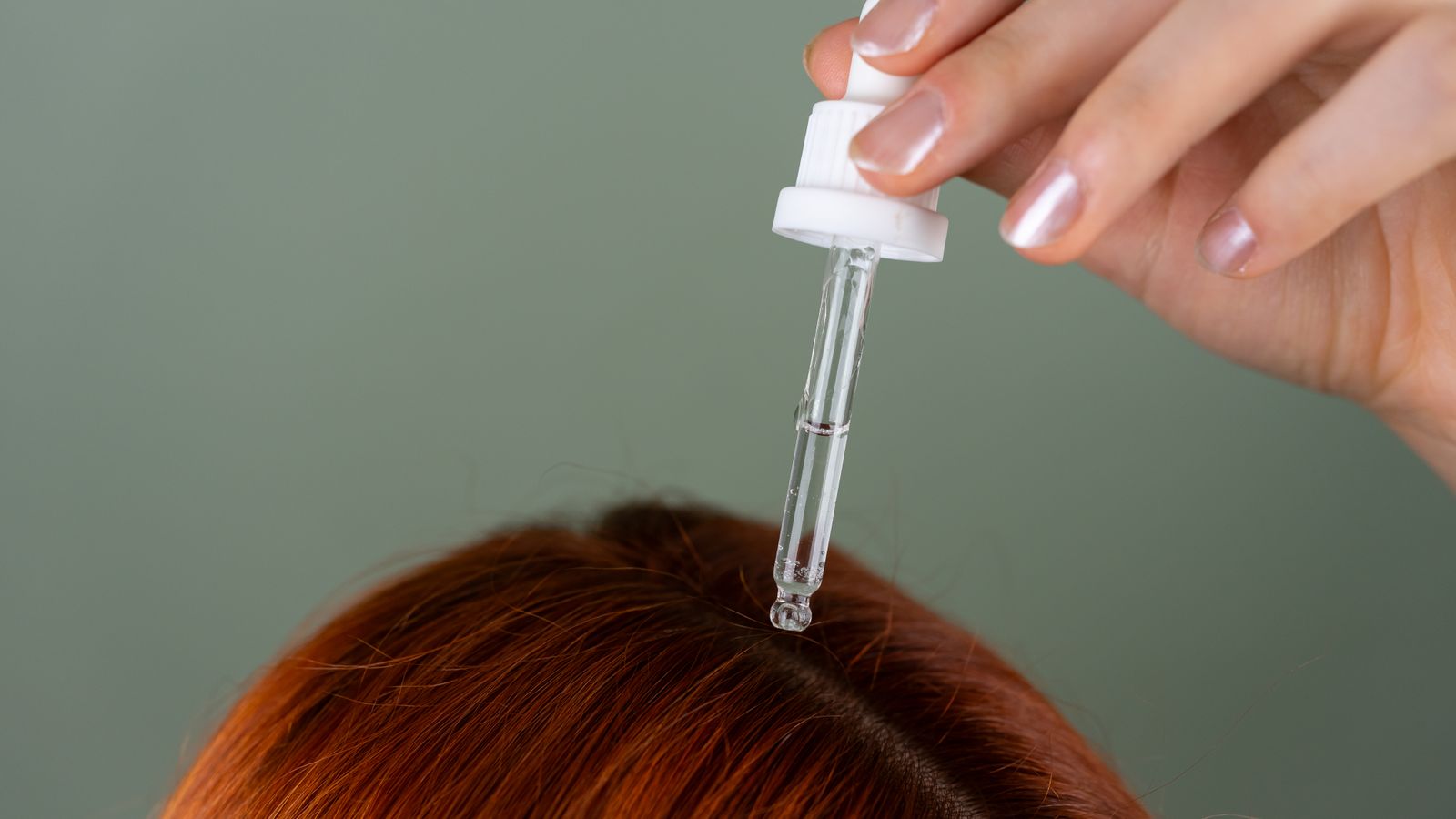
One, use an antifungal active and give it contact time. Zinc pyrithione and piroctone olamine are the cosmetic actives available on any supermarket shelf. Apply to the skin, not the hair, and leave for three to five minutes before rinsing.
Two, keep going after it clears. This is where most people lose ground. Once the skin settles, drop to a maintenance wash once a week rather than stopping entirely, because the yeast has not gone anywhere.
Three, soften crust before you try to remove it. Thick adherent scale does not brush off, and picking at it damages the skin and the hair. A salicylic acid product loosens it, or a light oil applied for twenty minutes and then washed out.
Four, simplify everything else. During a flare, drop dry shampoo, heavy waxes and leave-in products from the scalp entirely. Fewer variables, faster answers.
Five, do not scratch. Easier said than done. Scratching breaks the barrier, adds infection risk and snaps hair at the root end, which is where most flare-related hair worry comes from.
Six, ask a pharmacist when cosmetics run out of road. There are stronger products kept behind the counter and stronger options again from a GP. Those are medicines, they need proper advice, and we are a cosmetics company with no business recommending them to you. The organisms involved, and how wash frequency changes the balance between them, are covered in our guide to the scalp microbiome.
Get a discount on your next order
Join the Watermans mailing list and we will email a discount code straight to your inbox. Made in the UK, over 6.5 million bottles sold since 2012.

What should you expect over months and years?
Honesty helps more than optimism here. A seborrheic dermatitis flaky scalp is a relapsing condition. Most people get it substantially under control within a few weeks of consistent care and then live with occasional flares, usually in winter or during stressful periods. It is not something you finish, and any product promising otherwise is overselling.
The people who do best handle it like brushing teeth: a small, boring, permanent maintenance habit rather than an emergency response every few months. That single change in mindset does more than any upgrade in product.
Does a seborrheic dermatitis flaky scalp cause hair loss?
Not permanently, and it helps to separate three different things that get run together during a bad spell.
Hair loss means follicles miniaturising or shutting down, as in androgenetic alopecia. Seborrheic dermatitis does not do this and does not scar the follicle.
Hair shedding means more hairs than usual leaving the head because the growth cycle has been disturbed. Prolonged, severe scalp inflammation can contribute modestly, and it recovers as the skin settles.
Hair breakage means the fibre snapping. This is what most people are actually seeing. Weeks of scratching and picking at crust damages hair right at the root, and it grows back once you stop.
So the hair question mostly answers itself: settle the skin and stop scratching. If the parting is genuinely widening or you can see patches of bare scalp rather than even thinning, that is a separate issue and belongs with your GP.
Where do Watermans products fit, honestly?
They are not the answer to this condition. We make cosmetic hair care and nothing in our range contains an antifungal active, so the product that settles a flare will come from a supermarket shelf or a pharmacy counter. Where we can help is the ordinary washing in between, and keeping the lengths in decent shape while the scalp takes priority.

Grow Me Shampoo, for the washes in between the active ones
Sulfate-free, so it cleans without stripping skin that is already irritated. Use it on the days you are not using an antifungal shampoo, keep the water warm rather than hot, and use fingertips rather than nails. It is a supporting player here and we would rather say so than pretend otherwise.

Condition Me® Conditioner, £13.95
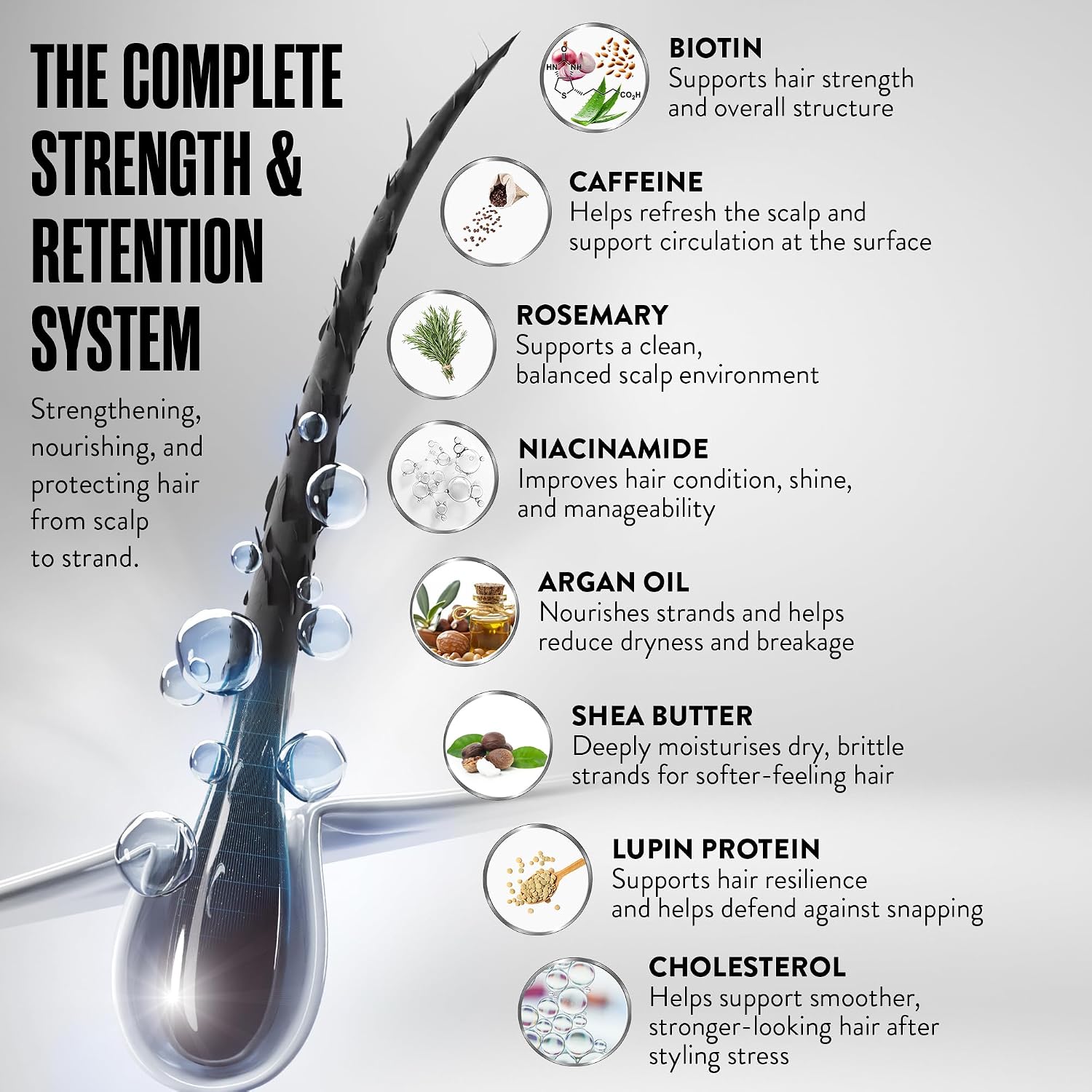
Breakage defence for fine or fragile hair. Cholesterol, shea butter and hydrolysed lupine protein help strands stay smooth, so you keep the length you grow.
Watermans products are 100% cosmetic and do not treat medical hair loss. Individual results may vary.

When should you see a pharmacist or GP?
Book time with your own GP, or start with a pharmacist, if the skin is weeping, bleeding or crusted and painful; if there are signs of infection such as spreading heat, swelling or yellow crusting; if the rash is on your face and not settling; if six weeks of consistent care with a cosmetic antifungal shampoo has changed nothing; if you have patches of hair missing rather than even thinning; or if this appeared alongside a new medicine or a new health problem.
Cradle cap in babies looks similar and is handled differently, so speak to a health visitor or GP rather than using an adult product on an infant.
We do not run clinics, we cannot look at your scalp, and we are not the right people to tell you what medicine you need. What we can say is that this condition is well understood and there are effective options beyond the cosmetic shelf, so persistent misery is not something you have to accept. If four weeks of correct use has not settled things, our guide to when a flaky scalp is worth a private consultation covers what to check before paying for one. The same confusion happens on the face, where our guide to how to tell irritation from an adjustment period separates a settling in phase from a genuine reaction. If your question is about products or a routine rather than a medical one, you can talk to Gail Waterman, our co-founder, as an AI avatar on the Watermans homepage. Where the surface picture stays unclear, a dermatologist may suggest a scalp biopsy, which we explain step by step. If your flakes are small, white and started around menopause, our menopause dry scalp guide explains how to tell the difference.
Frequently asked questions
Is a seborrheic dermatitis flaky scalp contagious?
No. The yeast involved lives on everybody's skin already, so there is nothing to catch or pass on. Sharing a hairbrush, a towel or a pillow makes no difference.
Will it ever go away completely?
It can quieten down for long stretches, and some people find it disappears for years. For most, it is a relapsing condition managed with a maintenance wash rather than something cured once. Winter and stressful periods are when it usually reappears.
Does diet affect it?
The evidence is weak and mostly indirect. Some people notice flares after alcohol or a run of poor sleep, and there is limited research suggesting a diet richer in fruit is associated with less severe disease. Nobody has shown that cutting a specific food group settles it, so be sceptical of anyone selling that idea.
Can I dye my hair when the scalp is flaring?
Wait until the skin has calmed. Colouring inflamed or broken skin stings badly, raises the risk of a reaction to the dye, and can prolong the flare. Two weeks of settled skin before a colour appointment is a reasonable rule.
Should I stop washing my hair to let the scalp recover?
No, this is the most common mistake. Leaving oil and scale in place feeds the yeast. Gentle, regular washing with contact time is what settles a flare.
Why is it worse on my face than my scalp sometimes?
Because the same oil-rich skin sits beside the nose, in the eyebrows and behind the ears, and those areas are thinner and more reactive. Facial involvement is common, and it is one of the clearest signals that this is seborrheic dermatitis rather than dandruff.
Does hard water make it worse?
It can irritate skin that is already inflamed, and much of the UK is a hard water area. It is not a cause, but a shower filter or a chelating wash every fortnight is a cheap thing to try if flares track with where you live. If your scalp itches but never flakes, the cause is probably elsewhere, and we cover what an itch with no flaking usually means.
Sources and references
- NHS guidance on seborrhoeic dermatitis and on dandruff, for the description of the condition, the self-care advice and the signs that warrant seeing a GP.
- NICE Clinical Knowledge Summaries on seborrhoeic dermatitis, for prevalence, the relapsing course, the recognised triggers and the associations with other health conditions.
- British Association of Dermatologists public information leaflets, for the distinction between seborrhoeic dermatitis, scalp psoriasis and eczema.
- The peer-reviewed literature on Malassezia in the Journal of Investigative Dermatology and the British Journal of Dermatology, for the yeast, sebum and individual susceptibility model and for the comparative evidence on cosmetic antifungal actives.
What is the bottom line on seborrheic dermatitis flaky scalp?
A seborrheic dermatitis flaky scalp is inflammation, not dirt and not dryness, so look for greasy yellowish scale on red skin, often with the eyebrows and nose creases involved. Use a cosmetic antifungal shampoo on the skin with three to five minutes of contact time, wash more often rather than less during a flare, keep a weekly maintenance wash once it settles, soften crust instead of picking it, and drop the heavy styling products while the skin is angry. Expect a relapsing pattern rather than a finish line. If the skin is raw, weeping, on your face, or unchanged after six weeks, stop shopping and speak to a pharmacist or your GP, because there are effective options we cannot sell you. Flakes that come off in the wash and do not itch are a different problem, and our guide to hard water build-up on hair explains how to tell the two apart.
When you are ready to put a routine behind the reading, our sulphate free hair growth shampoo is the first bottle to reach for.
Grow Me shampoo is vegan, Watermans is UK made, and we have sold over 6.5 million bottles since 2012.