

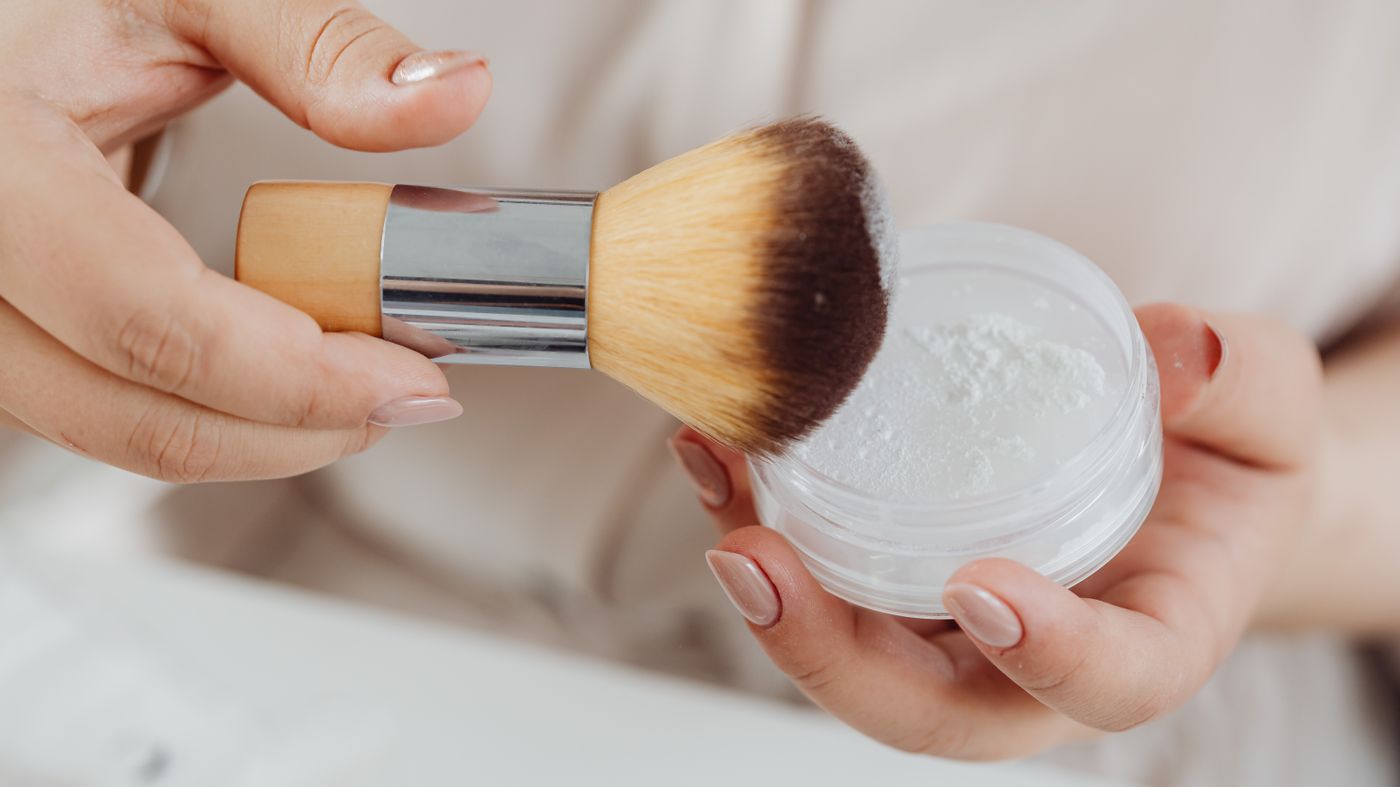
Powder Sunscreen: Does Brush On SPF Actually Work?
Last updated: August 2026
Powder sunscreen is a good top up and a poor primary sunscreen. The reason is quantity, not chemistry. SPF is measured at 2 milligrams of product per square centimetre of skin, and nobody has ever brushed that much powder onto their face. Use it to extend protection over makeup during the day, and use a cream or fluid sunscreen as the layer that actually does the work.
Key takeaways
- Brush on powders deliver a small fraction of the product density used to certify their SPF, so the number on the tube is not what your skin receives.
- Treat powder SPF as a mid day top up over makeup, never as the morning layer you rely on.
- The real strengths are convenience, oil control and the fact that people actually reapply something they enjoy using.
- Mineral filters mostly absorb ultraviolet light rather than reflecting it, despite what the packaging on most mineral sunscreens implies.
- Blue light protection claims are weakly supported, and where visible light does matter for pigmentation it is tinted iron oxide formulas that have the evidence, not powders in general.
- Avoid breathing in loose powder, and apply with the brush close to the skin rather than in a cloud.
- A hat and shade beat every reapplication strategy in this article.
How does powder sunscreen work?
Powder sunscreen is a loose mineral powder, usually built on zinc oxide or titanium dioxide, delivered through a brush topped tube so it can be dusted over skin or makeup. The filters are the same ones used in mineral creams. The only thing that changes is the vehicle carrying them and, critically, how much of it ends up on your face.
That last point is the whole story. A sunscreen protects by forming a continuous film across the skin surface, and its SPF rating is earned in a laboratory at a standardised thickness. Change the amount and you change the protection, disproportionately, because the relationship between quantity applied and protection achieved is not a straight line.

Why does powder sunscreen underdeliver on its SPF?
To reach the tested density on an adult face you need around a quarter of a teaspoon of product, which is roughly 1.2 grams for face and neck. Brushing on that quantity of loose powder would leave a thick, obviously visible layer that nobody would tolerate or wear out of the house.
So what people actually apply is a light dusting, which is a small fraction of the tested amount. The powder is not defective and the SPF on the label is not fraudulent, it was measured under the same rules as every other sunscreen. The gap opens entirely in real world use, and it opens wider for powders than for creams because the format itself resists being applied thickly.
| Format | Realistic protection | Best job |
|---|---|---|
| Cream or fluid | Closest to the label if you use enough | Your morning layer, the one that counts |
| Stick | Good on small areas if you pass it over several times | Nose, ears, parting line, around the eyes |
| Powder | Well below the label in normal use | Topping up over makeup, controlling shine |
| Spray | Highly variable, worse in wind | Body top ups, if you rub it in after |
| Setting mist with SPF | Minimal | Comfort, not protection |
So is powder sunscreen worth buying at all?
Yes, for one specific job: reapplying over makeup partway through the day, when the alternative is honestly doing nothing. A format you will actually use at 2pm beats a superior cream sitting unopened in a drawer, and that behavioural point is the real case for powders.
It stops being reasonable the moment it becomes your only sunscreen. If you have brushed powder over bare skin in the morning and gone out for the day, you are far less protected than the number on the tube suggests, and you will probably not realise until you are pink.
The mineral myth worth dropping. Mineral sunscreens are almost universally described as sitting on the surface and reflecting ultraviolet light like tiny mirrors. That is not how they mainly work. Zinc oxide and titanium dioxide absorb the large majority of the UV that hits them, roughly 95 percent, and convert it to heat, scattering only a small remainder. It is a nice image on a box, but the physical difference between mineral and organic filters is far smaller than the marketing suggests, and neither category is inherently safer or more effective.
What about the Colorescience Sunforgettable powders specifically?
Colorescience Sunforgettable is the best known brush on mineral SPF and is a competently made product in a category that has genuine physical limits. Everything above applies to it exactly as it applies to any other powder, because the constraint is the format rather than the formula.
The claims worth setting aside are the ones common to the whole category: protection against blue light and environmental aggressors. The evidence that screen emitted visible light damages skin is weak. Where visible light does matter, mainly for pigmentation in deeper skin tones and in melasma, the products with supporting evidence are tinted formulas containing iron oxides, and that is a property of the tint rather than of being a powder.
Judged on what it genuinely is, a convenient mineral top up with useful oil control, it does that job. Judged as the sunscreen protecting you for a day outdoors, no powder is the right tool.

How do you get the most out of a powder SPF?
Apply more than feels necessary, press rather than sweep, and treat the result as a partial top up rather than a fresh start. Technique makes a real difference with powders because so much of the product never reaches the skin at all.
- Go over each area several times. One pass deposits very little. Three or four passes across the same zone is closer to useful.
- Keep the brush against the skin. Powder released into the air is powder you are not wearing, and it is powder you may inhale.
- Press and roll, do not dust. A stippling motion transfers more product than a light sweep.
- Do the edges people forget. Hairline, ears, the sides of the neck and the parting are the classic misses, and a brush reaches them easily.
- Top up every two hours outdoors, and accept that after several hours in strong sun you need shade or a hat, not a sixth layer of powder.
One safety point about loose powders. Finely milled mineral powders should not be inhaled. Keep the brush in contact with your skin, avoid applying in a breeze, hold your breath for the few seconds it takes, and keep it away from small children's faces. This is a practical caution rather than an alarm, and it applies to loose cosmetic powders generally.
Where powder sunscreen fits in a real routine
The sequence that works is a proper cream sunscreen as the last skincare step in the morning, makeup over the top, and powder SPF in your bag for the middle of the day. That way the layer doing the heavy lifting is applied when you have a mirror, time and no makeup to protect.
Our full guide to applying sunscreen under makeup without pilling covers the morning half of that in detail, including how much to use and how long to wait before your base. Lips need their own product, which we cover in choosing an SPF lip balm.
For UK buyers the label check is quick: SPF 30 or higher, and either four or five UVA stars or the letters UVA printed inside a circle, which indicates UVA protection of at least a third of the labelled SPF.

What sun does to your hair, and what helps afterwards
Ultraviolet light degrades keratin proteins and breaks down the melanin that gives hair its colour, which is why a summer of sun leaves hair drier, rougher, more prone to snapping and visibly lighter. Salt water and chlorine make it worse by stripping the natural oils that normally buffer the hair shaft.
This damage is cosmetic rather than dangerous, and unlike skin, hair cannot repair itself, because the shaft is not living tissue. What you can do is put moisture and conditioning agents back in, rinse chlorine and salt out promptly, and protect the scalp itself, which burns like any other skin and is the most commonly missed spot on the body.
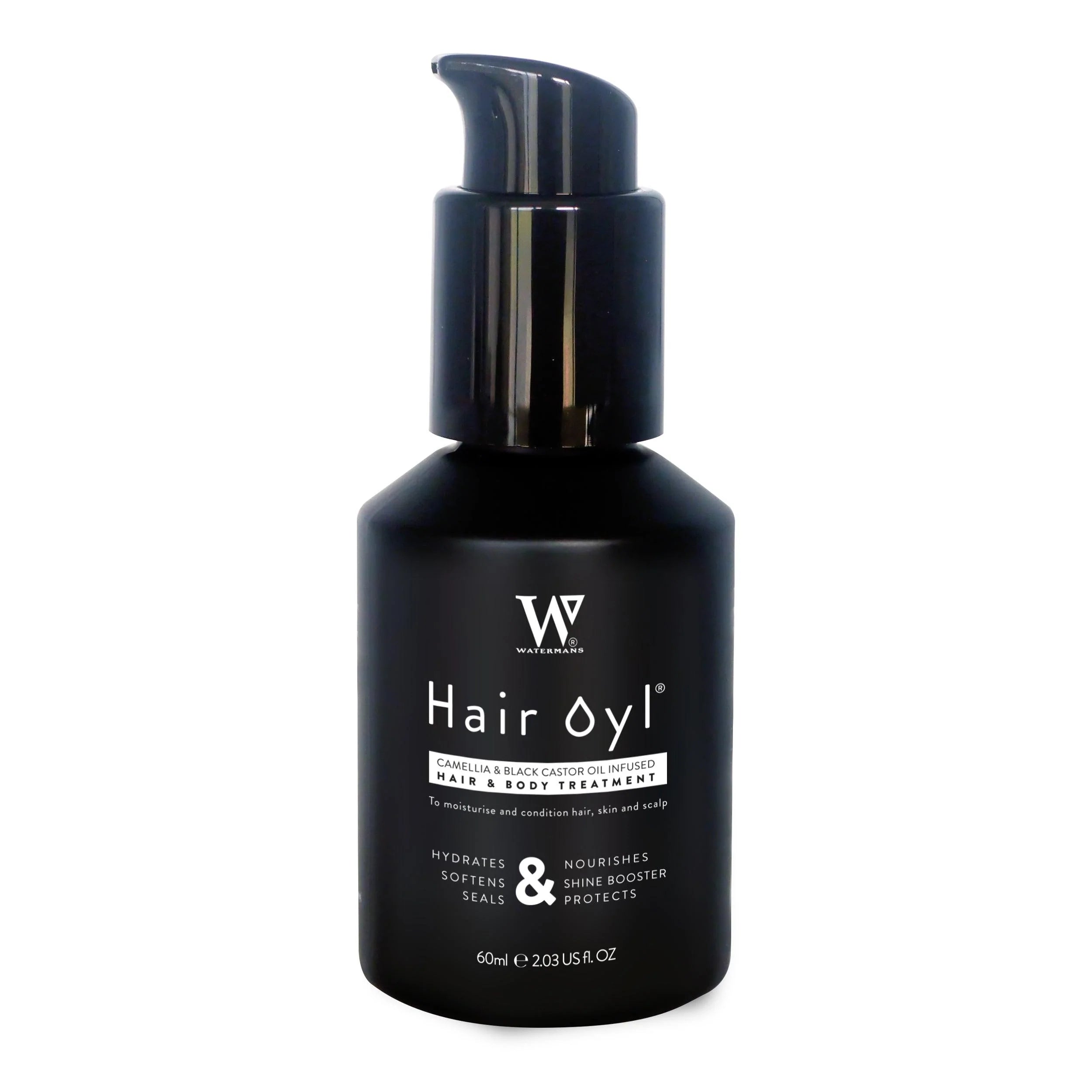
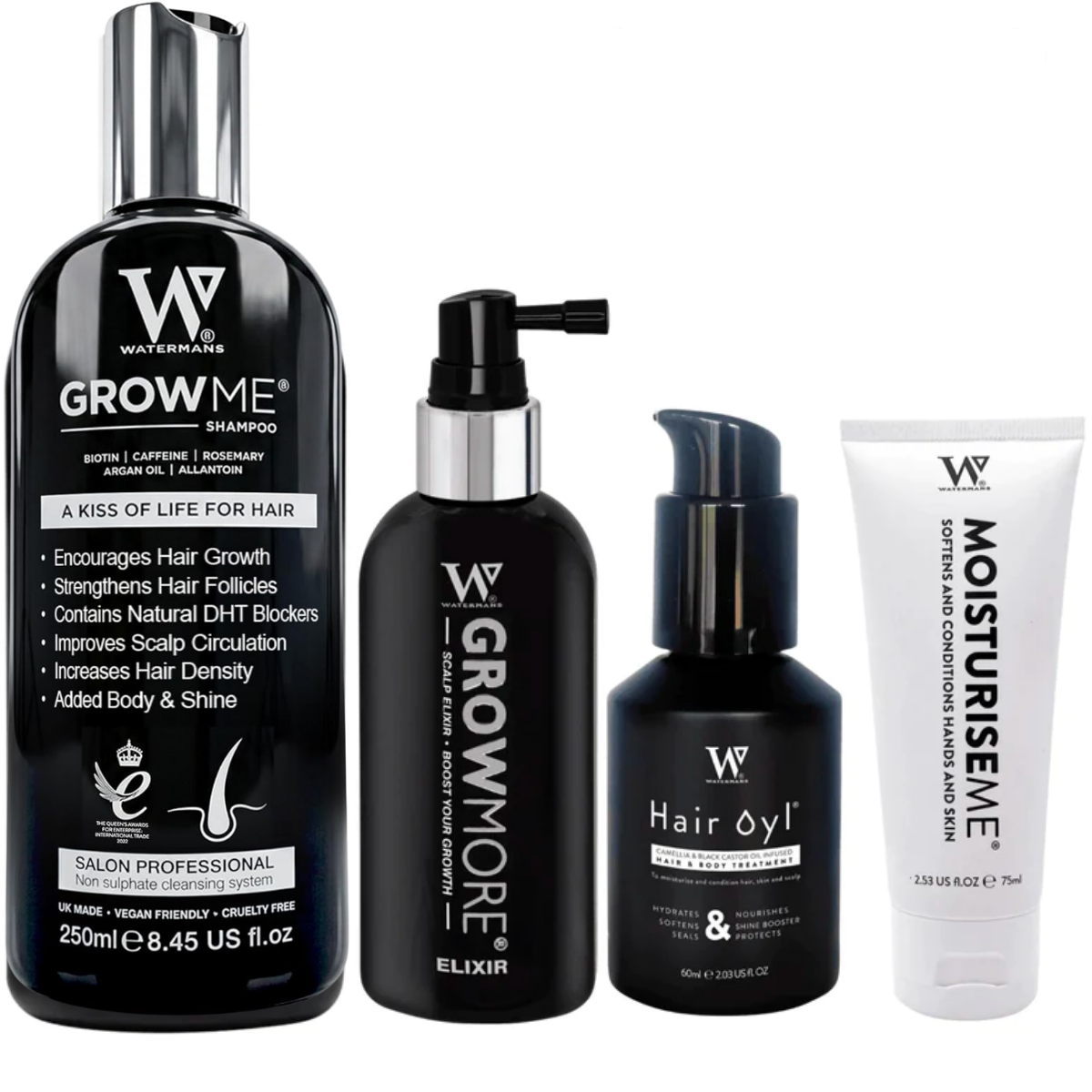
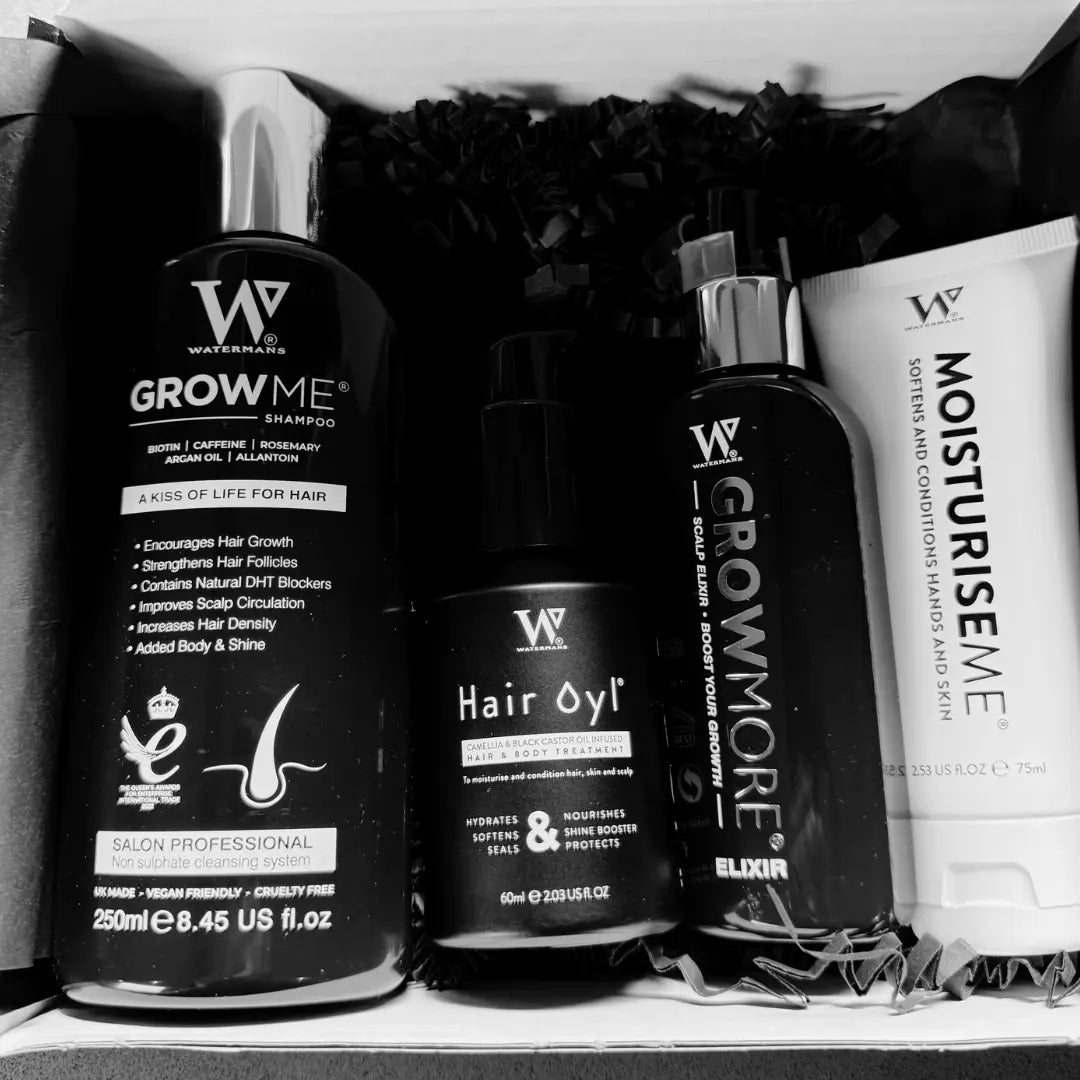
Camellia and Black Castor Hair and Body Oil
A multi use oil for hair, scalp and body, blending camellia and black castor oils with omega 3, 6 and 9 to soften and add shine to hair left dry and rough by sun, salt and chlorine. Works as a pre wash treatment or a light finish on dry ends. Vegan and made in the UK.
Shop the hair and body oilThis is a cosmetic conditioning oil. It offers no sun protection and is not a sunscreen for your hair, scalp or skin. For sun protection use a proper SPF, a hat and shade.
See a GP about any new mole, a mole that changes in shape, size or colour, a sore that has not healed in four weeks, or a rough scaly patch that keeps returning, especially on the scalp, ears or nose where changes are easy to miss. This article is general information and is not medical advice.
Frequently asked questions
Can powder sunscreen replace my regular sunscreen?
Powder sunscreen should not replace a cream or fluid sunscreen, because you cannot apply enough of it to reach the density its SPF rating was measured at. Use a cream as your morning layer and keep the powder for topping up over makeup during the day.
How much powder sunscreen do I need to apply?
Far more than most people use, which in practice means several passes over each area of the face rather than a single light dusting. Even then you will not match a cream, so treat generous application as improving a partial top up rather than achieving the labelled SPF.
Is powder sunscreen safe to breathe?
Finely milled mineral powders should not be inhaled, so keep the brush in contact with your skin and avoid applying in windy conditions or near a small child's face. Applied against the skin rather than released as a cloud, it is a manageable and minor concern.
Does powder sunscreen work over makeup?
Powder sits on top of makeup without disturbing it, which is its main practical advantage over creams and the reason people reach for it at midday. The protection added is modest, so pair it with shade or a hat if you are outdoors for a long stretch.
Do mineral sunscreens really reflect UV light?
Mineral filters absorb the large majority of ultraviolet light and convert it to heat, scattering only a small fraction, despite the reflective shield imagery on most packaging. The practical difference between mineral and organic filters is much smaller than the marketing implies, and neither is inherently superior.
Do I need blue light protection from my screen?
Evidence that visible light from screens damages skin is weak, and everyday device use is not a meaningful exposure. Where visible light does contribute to pigmentation, mainly in melasma and in deeper skin tones, tinted sunscreens containing iron oxides are the formulas with supporting evidence.
Is powder sunscreen good for oily or acne prone skin?
Powder formats suit oily skin well because they absorb surface shine and add no extra oil, which is a genuine benefit over some rich mineral creams. The catch is unchanged, so use a lightweight fluid sunscreen in the morning and let the powder handle shine and top ups.
Can I use powder sunscreen on my scalp and parting?
A brush reaches the parting easily and leaves no greasy residue, which makes powder a practical option for an area most people skip entirely. A stick applied along the parting delivers more product, and on a genuinely sunny day a hat outperforms both.
The bottom line
Powder sunscreen solves a real problem, which is that almost nobody reapplies sunscreen over makeup. It does not solve the problem of getting properly protected in the first place, and no amount of brushing will change the arithmetic. Cream in the morning, powder in your bag, hat when the sun means it.
Watermans is a British hair care brand, vegan and made in the UK, with more than 5 million bottles sold since 2012. We do not make or sell sunscreen, and we have no affiliation with any sunscreen brand mentioned on this page.