

Oily Scalp, Dry Ends: How to Wash Hair That Is Both

An oily scalp with dry ends is not a contradiction and it is not a sign you have the wrong shampoo. It is the normal consequence of hair being one length of dead protein attached to living, oil-producing skin. The oil at your roots is fresh. The hair at your ends is, on shoulder-length hair, roughly two years old and has been washed about two hundred times. The fix is not a single product that somehow does both jobs. It is applying two different products to two different places, which almost nobody does properly.
Key takeaways
- Roots and ends are different ages and different materials. They need different products, not a compromise product.
- Shampoo belongs on the scalp only. Conditioner belongs from the ears down only. That single change fixes most cases.
- Washing less does not make your scalp produce less oil. That idea is folklore and it makes the ends worse, not better.
- Your ends are dry because oil physically cannot travel that far, not because you are washing wrongly.
- The gap between a great routine and a poor one here is mostly technique, and technique is free.
- Hair that snaps mid-length rather than shedding from the root is breakage, and it is the most common reason people think they are losing hair when they are not.
Why does one head of hair do both things at once?
Your scalp has sebaceous glands attached to every follicle, producing sebum continuously. That oil coats the hair as it emerges and travels down the shaft, which is the system working exactly as designed. The problem is distance.
Sebum travels well down the first few centimetres. Beyond that it depends entirely on the hair's surface being smooth enough for oil to migrate along, and on you distributing it by brushing. On straight, fine hair it can reach halfway. On curly, coily or coarse hair it barely gets past the first bend, which is why textured hair is so often dry at the ends and oily at the root at the same time and to a greater degree.
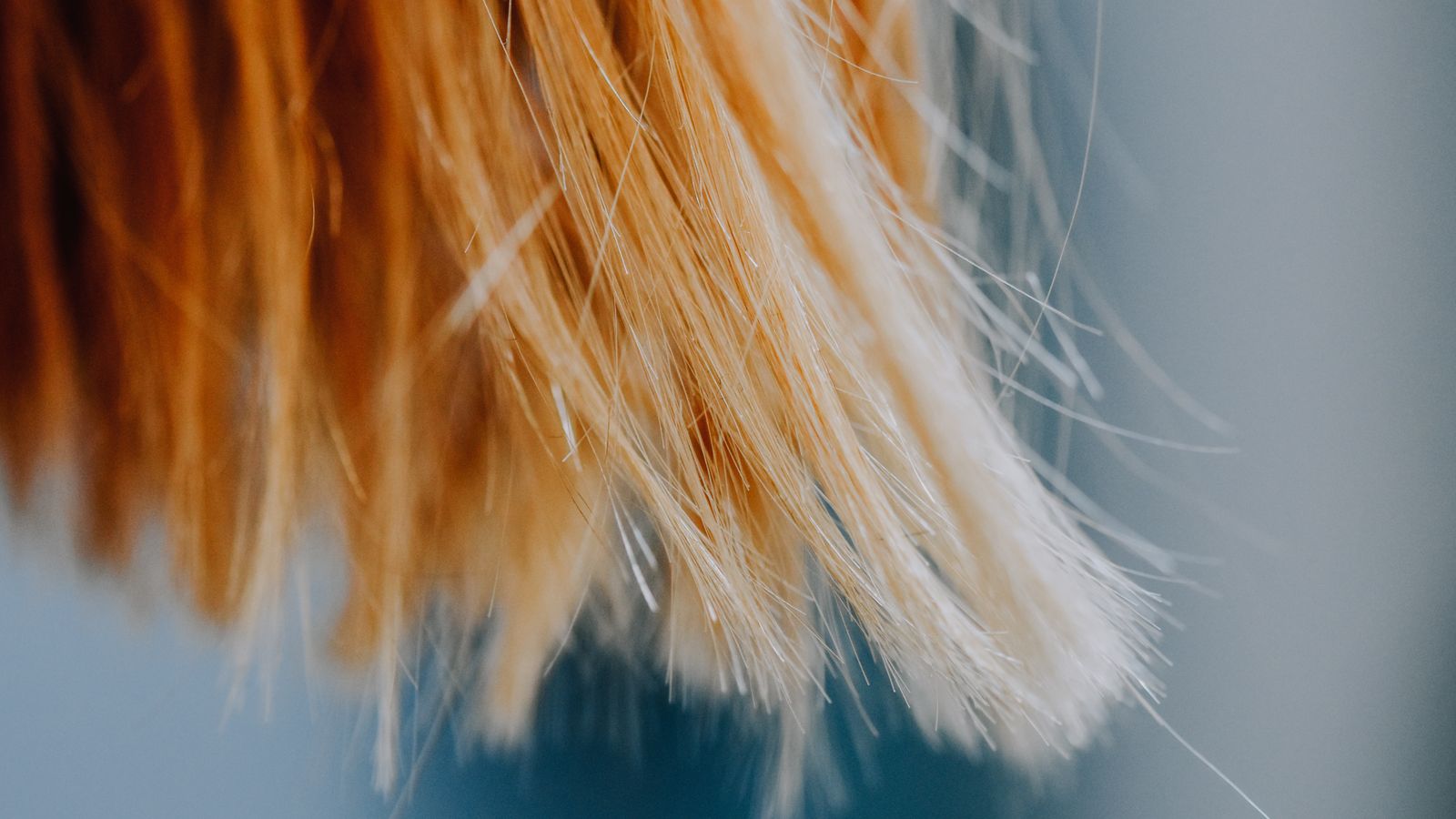
Meanwhile the ends have been through everything. Two years of brushing, heat, UV, hair ties, pillowcases, hard water and colouring. The outer layer that keeps moisture in has been worn open. So you have new oil at the top and worn, porous, thirsty hair at the bottom, on the same strand.
The one mistake that causes most of it
Almost everyone applies both products to the middle. Shampoo goes on somewhere around the crown and gets dragged down through the lengths on the way to being rinsed. Conditioner goes on at roughly the same place, or higher. The result is that the ends get scrubbed by the thing designed to remove oil, and the roots get coated by the thing designed to add slip. You are, quite precisely, doing each job in the wrong place. Swap them round and a lot of this problem disappears without buying anything.
The routine that actually works
- Brush before you get in. Dry hair, from the ends upwards, working out tangles from the bottom. This moves some of the root oil down the shaft, which is free conditioning, and it prevents the ends knotting under water when they are at their most fragile.
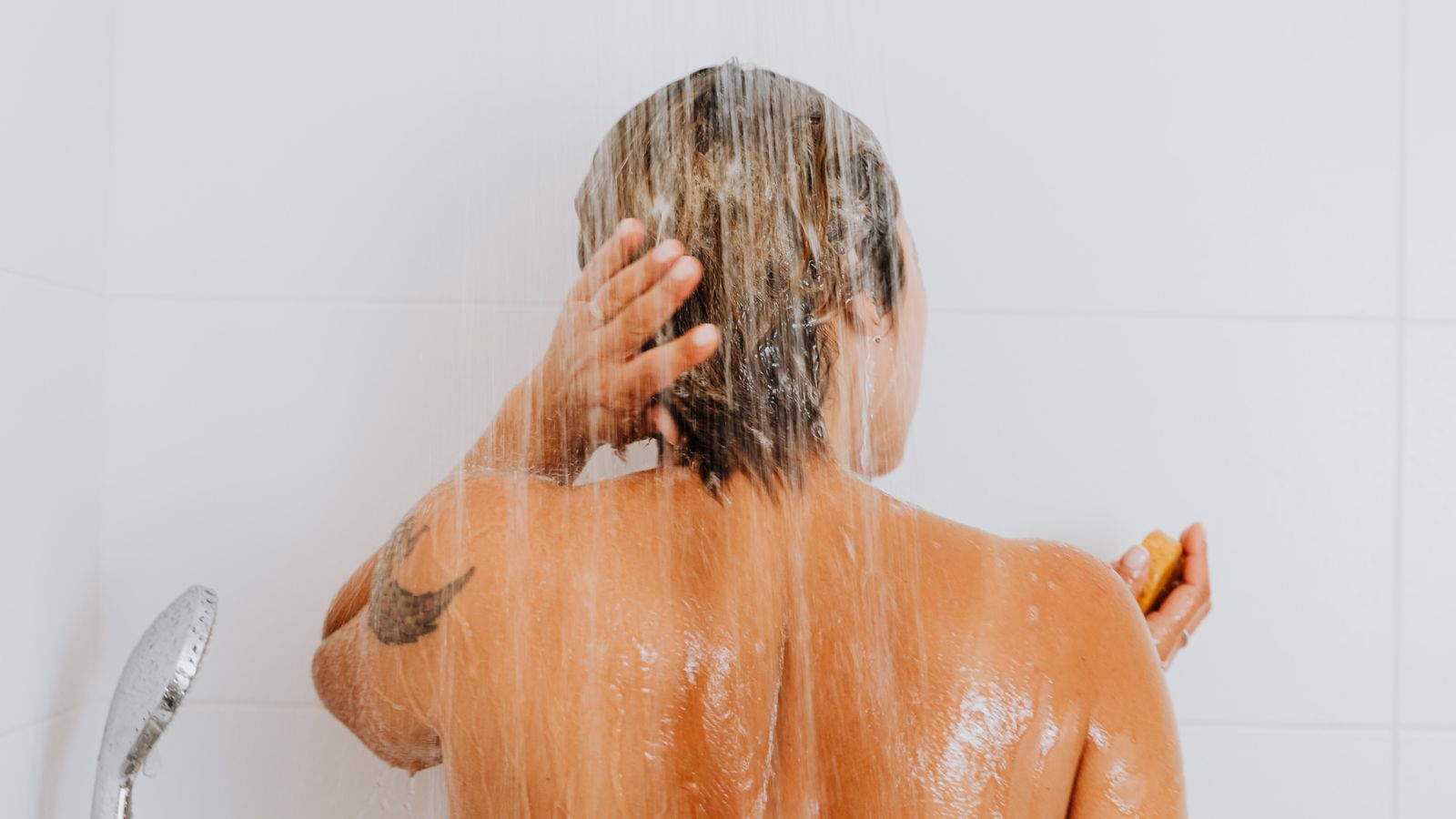
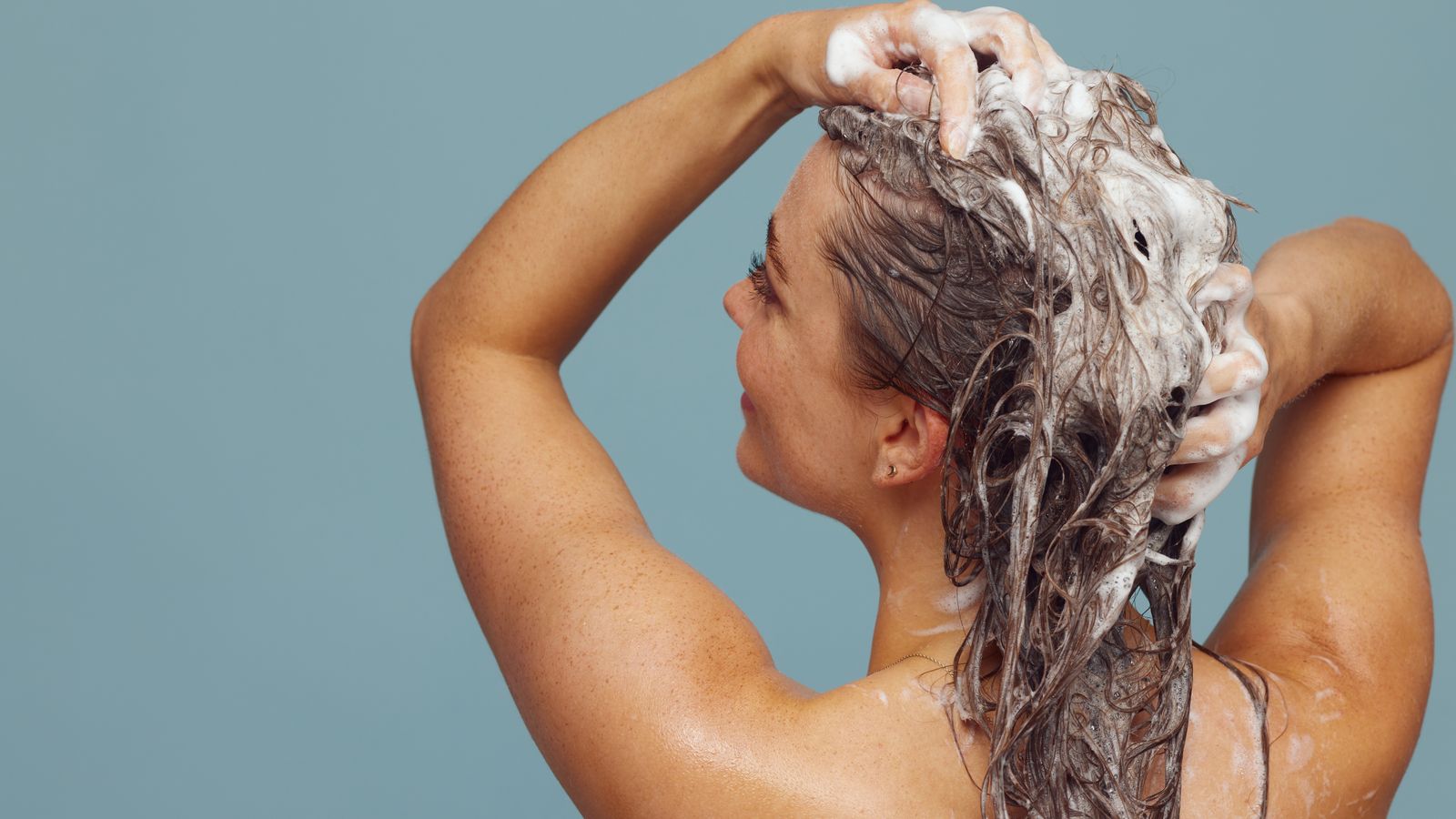
- Wet thoroughly, then shampoo the scalp only. Roughly a ten pence piece, emulsified in wet palms first. Apply to the scalp in sections with the pads of your fingers. Your lengths get cleaned by the lather rinsing past them, and that is sufficient. They do not need direct shampoo, ever.
- Double wash if the roots are genuinely greasy. The first wash lifts the surface, the second reaches the skin. This is better than one aggressive wash with a harsher product, because it does not strip your ends to solve a scalp problem.
- Squeeze the water out before conditioner. Sopping hair dilutes conditioner to the point of uselessness. A firm squeeze, then apply.
- Conditioner from the ears down, and mean it. Concentrate on the last few inches, which are the oldest and most porous part. Comb it through with fingers or a wide-tooth comb. Leave it two minutes while you do something else.
- Rinse roots first, ends last and briefly. Tip your head so the water hits the scalp and runs off the ends rather than pounding them. You want the roots properly clear and the ends left slightly slippery.
- Blot, do not rub. A rough towel on the ends is one of the most damaging thirty seconds in the whole routine. Squeeze in a towel or an old cotton t-shirt.

What each part of your hair actually needs
| Roots and scalp | Mid-lengths and ends | |
|---|---|---|
| What it is | Living skin plus days-old hair | Dead protein, often two years old |
| Main problem | Too much oil, residue, flatness | Too little moisture, breakage, splitting |
| Wants | Cleansing, and being left alone otherwise | Conditioning, protein, oil, protection |
| Never put here | Conditioner, masks, heavy oils | Direct undiluted shampoo, dry shampoo |
| Frequency | As often as it needs, daily is fine | Conditioner every wash, mask weekly |
| Sign you got it wrong | Flat, greasy within a day of washing | Straw texture, snapping, white dots on the shaft |
Should you wash less often?
No, and this is the single most persistent piece of bad advice in hair care. The idea that washing less "trains" your scalp to produce less oil has no good evidence behind it. Sebum production is driven by hormones, genetics and to some degree by season, not by how often you rinse.
What actually happens when an oily scalp is left for a week is that the oil oxidises, gets tackier, picks up skin cells and product, and becomes both harder to remove and more likely to irritate. Then people compensate with dry shampoo, which adds an absorbent powder to the pile, and end up needing a much harsher wash to clear it. That harsher wash is what wrecks the ends.
Wash the scalp as often as it needs. If that is daily, wash daily, with something gentle, and protect the ends separately. Our piece on whether it is OK to wet your hair every day goes into the water-only and co-washing variations if you would rather not lather that often.
The two-zone routine card
One email with the whole thing on a single page you can keep by the shower: exactly where each product goes, how much to use for your hair length, the four-week plan for getting ends back under control, and the three habits outside the shower that are quietly causing most of the breakage.
Is it dryness, or is it damage?
They look identical and they need different things, so it is worth telling them apart.
The stretch test. Take one shed hair, wet it, and pull gently from both ends. Hair that stretches a little and springs back is in reasonable condition. Hair that stretches a long way and stays stretched is over-moisturised and needs protein. Hair that snaps almost immediately with no stretch is dry and brittle and needs moisture and oil.
Most people with an oily scalp and dry ends are in the third group, because the routine that keeps their roots clean has been quietly stripping their lengths for years. A smaller group who have been piling on masks and leave-ins to fix it end up in the second group, with hair that feels soft, limp and mushy and breaks anyway. Adding more conditioner to that hair makes it worse.

What we would put where

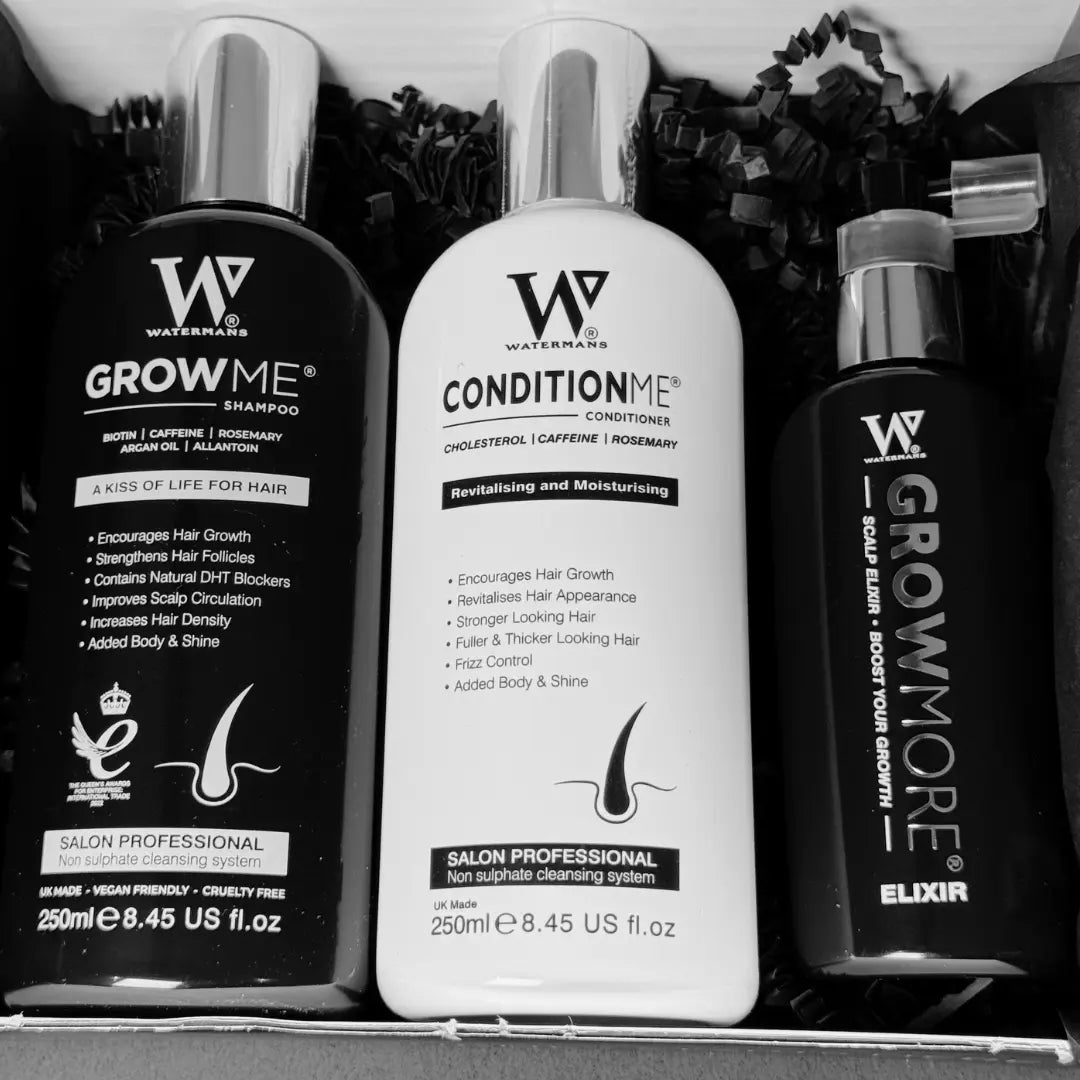
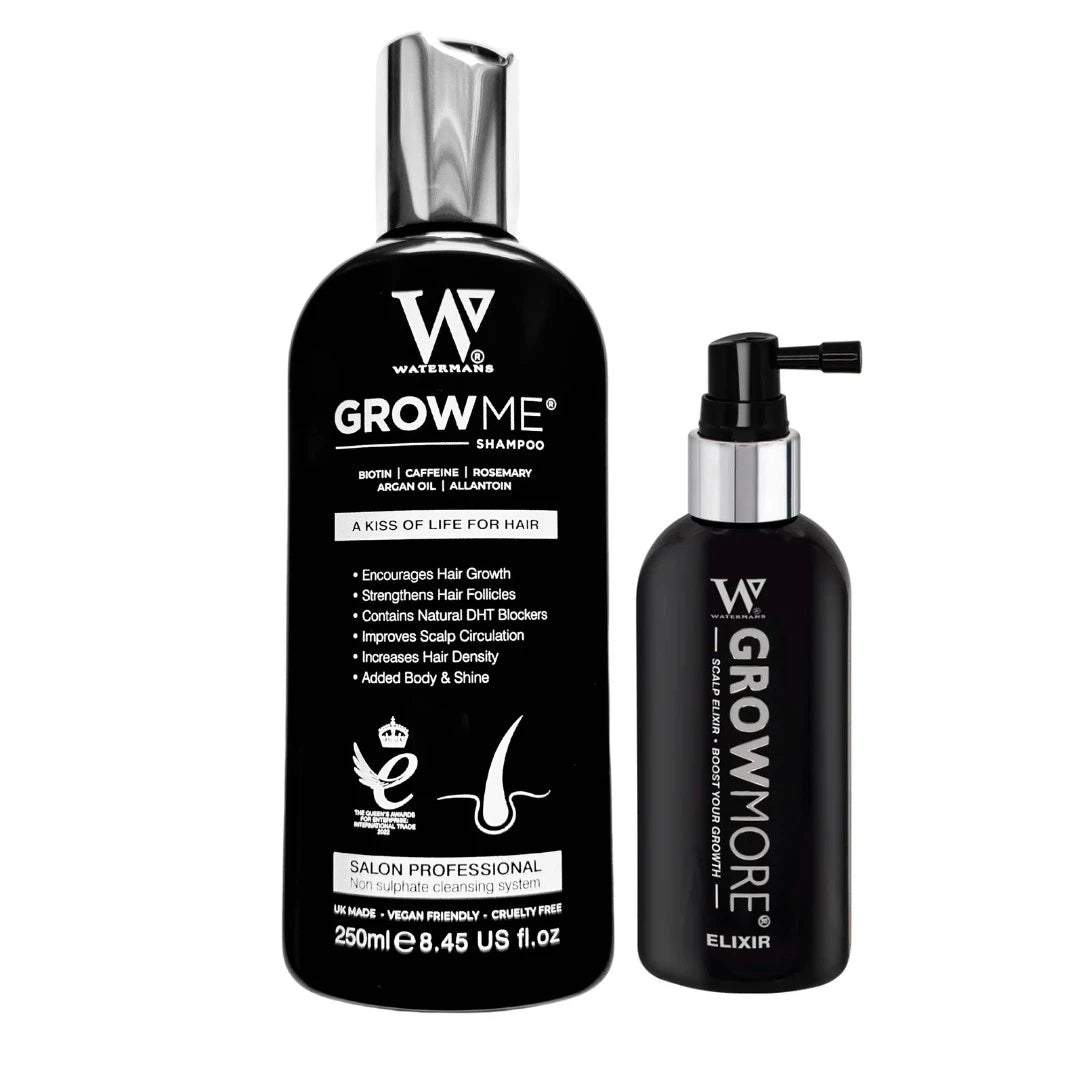
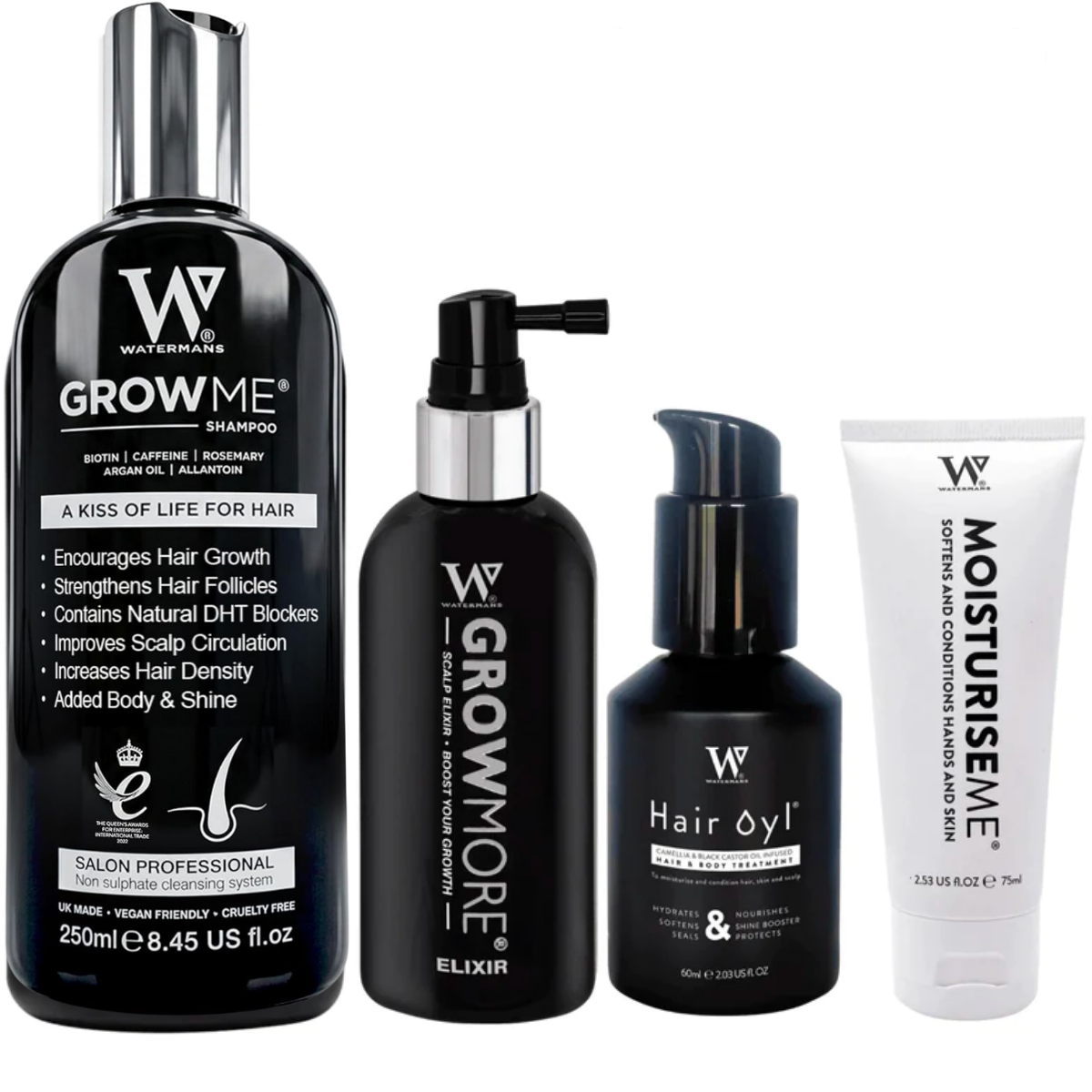
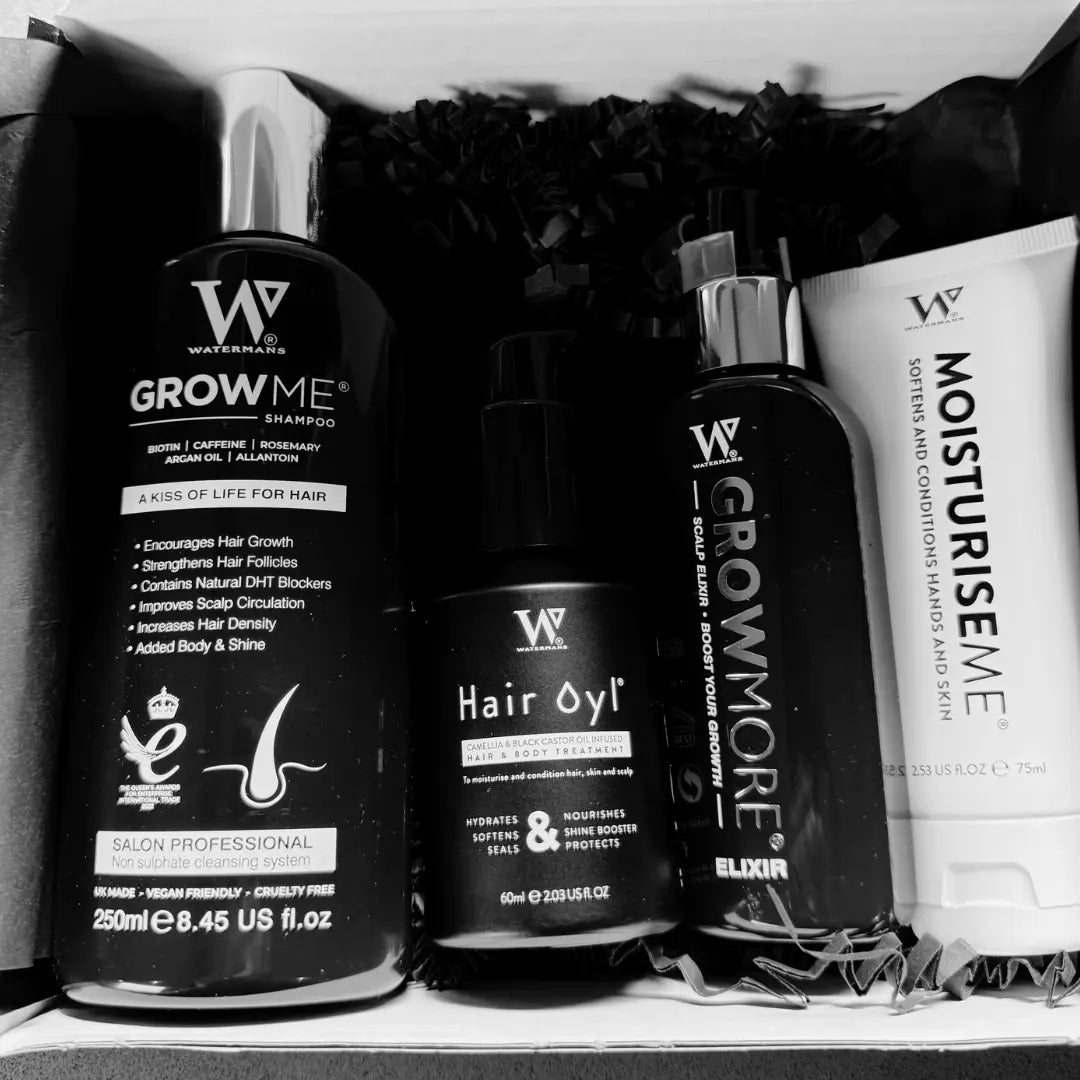
Grow Me® Shampoo, on the scalp only
Sulphate free matters specifically for this problem, because you need to wash the scalp often without the lather stripping the ends on its way past. Double wash the roots on greasy days and let the lengths look after themselves.

Condition Me® Conditioner, from the ears down
Cholesterol, shea butter and hydrolysed lupine protein, which is the combination that gives slip for detangling and reduces breakage. Detangling is where most avoidable damage happens, so this is the product doing the real work on your ends.

Masque Me® Mask, weekly, last three inches
Once a week on the oldest part of the hair only. Ten minutes is plenty. If your hair goes limp and mushy rather than smooth, you are over-conditioning and should drop to fortnightly.
Habits outside the shower that matter more than products
- Stop touching it. Running your hands through your hair transfers oil from your fingers to your roots and drags the ends. It is the most underrated cause of greasy roots.
- Wash your brush weekly. A brush loaded with old sebum redistributes it every single morning.
- Change the pillowcase twice a week, or switch to silk. Cotton absorbs the oil you want on your ends and adds friction to hair while you sleep.
- Heat protection or lower heat. The ends are the part that has already survived hundreds of heat cycles. Turning the straighteners down twenty degrees costs you nothing.
- Trim every ten to twelve weeks. A split travels upwards. Cutting a centimetre routinely saves inches later, and there is no product that mends a split end, only ones that glue it temporarily.
- Sleep with long hair loosely up, not tight. Tight elastics at the same point every night is a reliable way to snap a section.
If the roots feel coated rather than merely oily, that is a different problem, and our guide to clearing scalp build-up covers it. For the ends specifically, marula oil as a lightweight finishing oil is one of the few oils light enough not to weigh fine hair down.
Is my hair thinning, or is it breaking?
Worth knowing, because the answer changes everything and people routinely get it wrong.
Look at a hair that has come out. If it has a small pale bulb at one end, it completed its cycle and shed from the follicle, which is normal at fifty to a hundred a day. If both ends are blunt cuts with no bulb, it snapped. A brush full of short, bulbless fragments is breakage, and breakage on dry ends is exactly what this article is about. It responds to conditioning and gentler handling, and it responds quickly.
Genuine thinning at the parting or temples, with hair shedding from the root, is a different matter and worth raising with your GP rather than solving with a mask.
Watermans products are 100% cosmetic and do not treat medical hair loss. Individual results may vary.
Frequently asked questions
Why is my scalp oily but my ends dry?
Because sebum is produced at the scalp and physically cannot travel the full length of long hair, while the ends are years old and have lost the outer layer that holds moisture. It is normal, not a fault.
Can I use two different shampoos?
You do not need to. One gentle shampoo on the scalp only, plus conditioner on the lengths only, does the job. Two shampoos is solving with products a problem that placement solves for free.
Will washing less often fix greasy roots?
No. Oil production is driven by hormones and genetics, not by wash frequency. Leaving it usually makes both the grease and the ends worse.
Is dry shampoo a reasonable answer?
Occasionally, at a distance, no more than twice between washes and never slept in repeatedly. It is a delay tactic, not a solution, and overuse causes a waxy scalp film.
Should I put oil on my scalp if it is already oily?
Generally no. Keep oils to the last few inches. The exception is a pre-wash oil used deliberately to loosen flakes, applied thirty minutes before shampooing and washed out.
How much conditioner should I use?
Roughly a ten pence piece for short hair, a fifty pence piece for shoulder length, a little more for longer. If your hair looks limp the day after, you used too much or applied it too high.
Do I need a clarifying shampoo?
Only if the roots feel coated and waxy rather than simply oily, and then once or twice a month at most. Weekly use strips your ends to fix your roots, which is the trade you are trying to avoid.
My hair is oily by lunchtime. Is that normal?
It is common, particularly with fine hair and in your teens and twenties. Wash daily with something gentle, keep your hands out of it, and stop dragging conditioner upwards. If it changed suddenly alongside other symptoms, mention it to your GP.
Are silicones the problem?
Not inherently. They make hair feel smooth and they protect against friction. The water insoluble ones need a proper wash to come off, so they suit people who wash regularly, which if you have an oily scalp is you.
The short version
Your roots and your ends are different ages, different materials and different problems, and the answer is not one clever product but two ordinary ones in the right places. Shampoo the scalp, condition from the ears down, brush before you wash, blot instead of rubbing, and stop washing less in the hope your scalp takes the hint. Give the two-zone routine four weeks before you judge it.
Watermans is vegan, UK made, and has sold over 5 million bottles since 2012.