

Dry Skin From Head to Toe: What Each Area Actually Needs
Dry skin is not one problem with one fix. The skin on your shins, your hands, your face and your scalp dries out for genuinely different reasons, because each of those areas has a different number of oil glands, a different thickness, and a different daily battering. A rich body butter that rescues cracked shins will congest a face. A face cream will do almost nothing for a flaking scalp. This guide maps the body zone by zone and tells you what each area actually needs.
Key takeaways
- Oil gland density varies enormously: several hundred per square centimetre on the scalp and forehead, against fewer than 100 on the shins, which is why lower legs are the driest skin most people own.
- Palms and soles have no sebaceous glands at all, so hands rebuild their protective film purely from what you put on them.
- Dry skin is short of lipids. Dehydrated skin is short of water. Oily skin can be dehydrated, which is why a greasy face can still feel tight.
- Apply moisturiser within about three minutes of towel drying, while skin is still slightly damp, so you trap water rather than seal in nothing.
- A flaking scalp is usually not dry. It is most often seborrhoeic dermatitis, and adding oil can feed the yeast behind it.
- Cracking, bleeding, weeping or spreading dry skin, or dryness alongside fatigue and weight change, is a GP visit, not a shopping problem.
Why does dry skin need a different fix on different parts of the body?
Different body zones dry out at different rates because sebaceous gland density, skin thickness and daily exposure all vary hugely across the body. Your forehead carries several hundred oil glands per square centimetre. Your shins carry a small fraction of that. Treating both with the same product means one area is over-treated and the other is under-served.
The skin barrier itself is the same everywhere in structure: flattened dead cells (corneocytes) packed into a matrix of ceramides, cholesterol and free fatty acids, often described as bricks in mortar. When that mortar is depleted, water escapes through the surface faster than it is replaced, a process called transepidermal water loss. Tightness, flaking, itch and fine cracking are all downstream of the same leak.
What changes zone to zone is how quickly the mortar gets stripped and how well your own oil replaces it. That is the whole reason a single tube cannot serve your whole body well.
Why does the face get dry even when it looks oily?
An oily face can be dry because oil and water are separate problems. Sebum is a lipid film that slows water loss, but it does not add water. If the barrier is damaged by over-cleansing, strong actives or cold weather, water still escapes, and you get the confusing combination of shine by lunchtime and tightness after washing.

The face also takes more chemical punishment than anywhere else. Most people cleanse it twice daily, apply acids or retinoids to it, and expose it to wind and central heating without any covering. Facial skin is thinner than body skin, and the area around the eyes is thinner still, which is why that is usually the first place to look crepey when the barrier is struggling.
The practical fix is subtraction before addition. Cut back to one gentle cleanse a day (evening), pause exfoliating acids and retinoids for two weeks, and let the barrier rebuild before you judge any moisturiser. If your skin is oily in the T-zone and tight on the cheeks, our guide to a minimal combination skin routine covers how to treat both zones without buying two of everything.
Why do hands crack more than anywhere else?
Hands crack because your palms and soles contain no sebaceous glands whatsoever, and the backs of your hands carry very few. Add 15 to 20 hand washes a day, detergents, hot water and no protection from the weather, and hands lose their lipid film faster than any other skin on the body and cannot rebuild it themselves.

This is why hand cream is not a luxury item but a replacement for something your hands genuinely cannot make. The rule that works is simple: apply after every wash, not once a day. One application in the morning is undone by the third hand wash before lunch.
Cracked fingertips and splits around the nails need an occlusive layer overnight, applied thickly and covered with cotton gloves if the skin is actually splitting. For a full walkthrough of what causes hand splits and how to close them, read our guide to rescuing dry, cracked hands.

Face and hands
Plumping Moisturise Me Face & Hand Cream, £15.00
A fast-absorbing cream built around cupuacu, shea and cocoa butters with almond oil and allantoin. The butters do the emollient work, the allantoin soothes, and it absorbs without residue so you can reapply after every hand wash rather than waiting for it to sink in.
Scope: a cosmetic moisturiser for face and hands. It is not a treatment for eczema, psoriasis or dermatitis, and it will not fix a flaking scalp.
Why are shins and lower legs the driest skin you have?
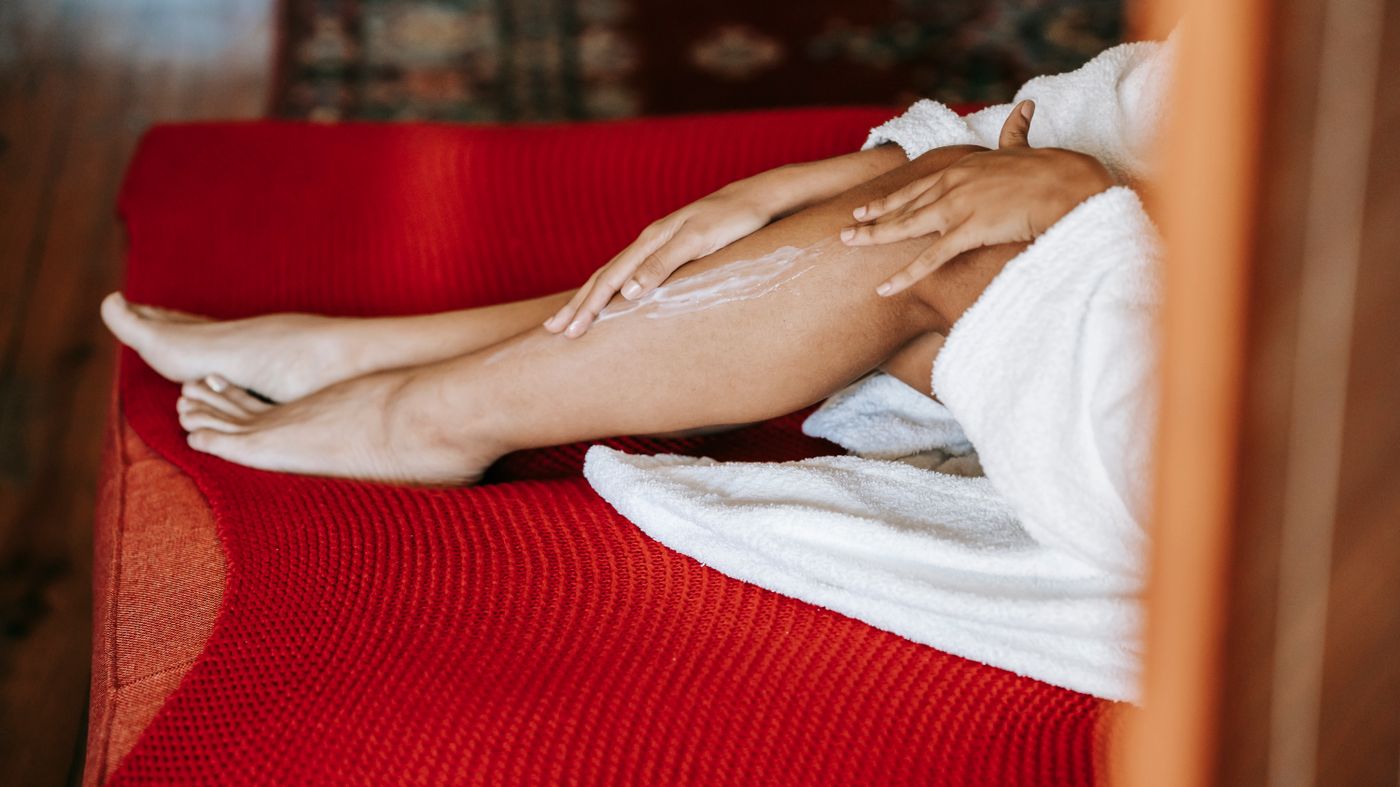
Shins are the driest skin on most bodies because they carry almost no sebaceous glands, sit furthest from the trunk, and are routinely shaved, rubbed by clothing and blasted in hot showers. The classic sign is a fine cracked pattern that looks a little like dried mud, sometimes called winter itch when it flares in cold months.
Lower legs also respond slowly. Because there is so little native oil to work with, a light lotion evaporates and does very little. Shins want something substantially richer than you would put on your face, applied straight out of the shower, and they want it daily rather than when you remember.
If your legs itch badly at night in winter, the usual culprit is the combination of a hot shower and dry indoor air rather than anything dramatic. Turn the shower temperature down, keep it under 10 minutes, and moisturise while damp.
The three minute rule
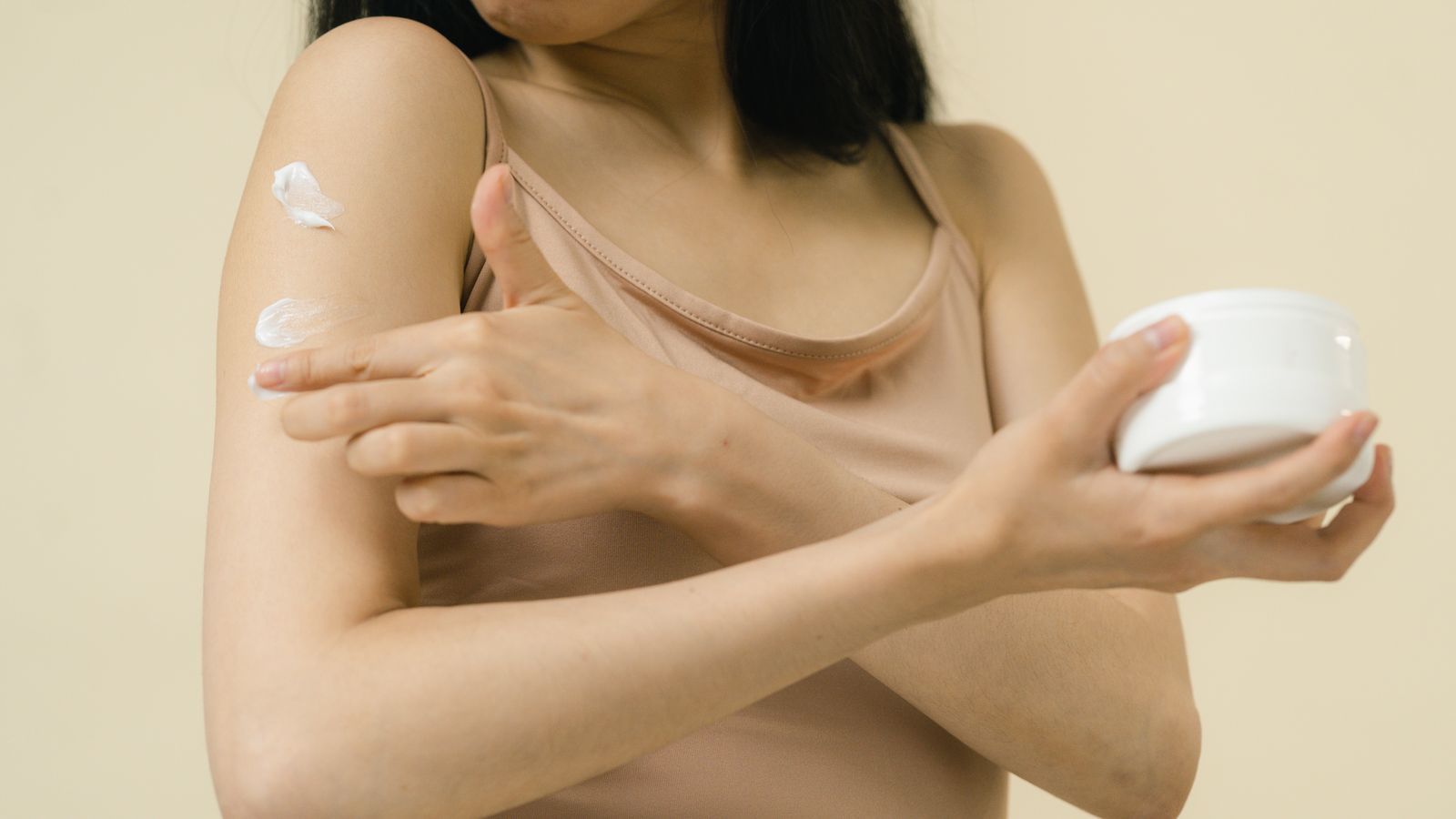
Pat dry rather than rubbing, leave skin slightly damp, and apply moisturiser within about three minutes. This is the principle behind the soak and seal method widely recommended in eczema care: the moisturiser is there to trap the water your skin just absorbed. Applied to bone dry skin an hour later, the same product has far less water to hold on to.
Why does a scalp full of oil glands still flake?
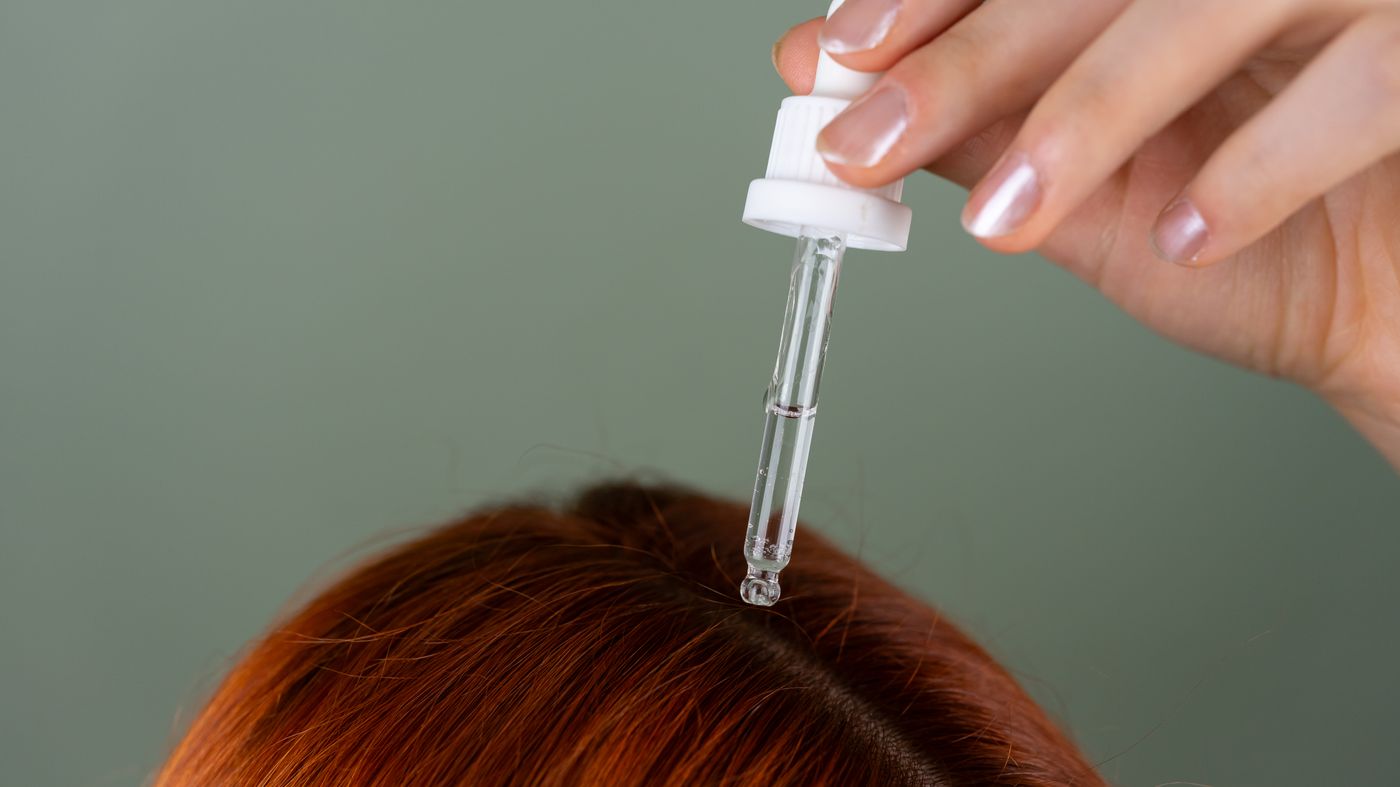
A flaking scalp is usually not dry at all. The scalp is one of the oiliest areas on the body, and most persistent flaking is seborrhoeic dermatitis, an inflammatory reaction to Malassezia yeast that lives on scalp sebum. That is why the standard dry skin playbook, adding oil, tends to make scalp flaking worse rather than better.

Malassezia cannot synthesise its own fatty acids, so it takes them from the sebum on your scalp. Coating a flaking scalp in coconut or castor oil and leaving it overnight hands the yeast more of exactly what it feeds on. The counterintuitive but correct move for a flaky, itchy scalp is usually to wash more often, not less, with a gentle shampoo that actually removes the oil.
Genuine scalp dryness does exist, and it looks different: small, fine, dry flakes without redness or greasiness, usually after harsh shampoo, hard water or a cold snap. That responds to a gentler, sulphate-free wash and less heat. Persistent yellowish, greasy scales with redness and itch point to seborrhoeic dermatitis and are worth a pharmacist or GP conversation about an antifungal shampoo, which is a medicated product we do not make.
For the fuller picture, see our guides to seborrhoeic dermatitis and flaky scalp care and keeping your scalp healthy for longer, stronger hair.

Scalp
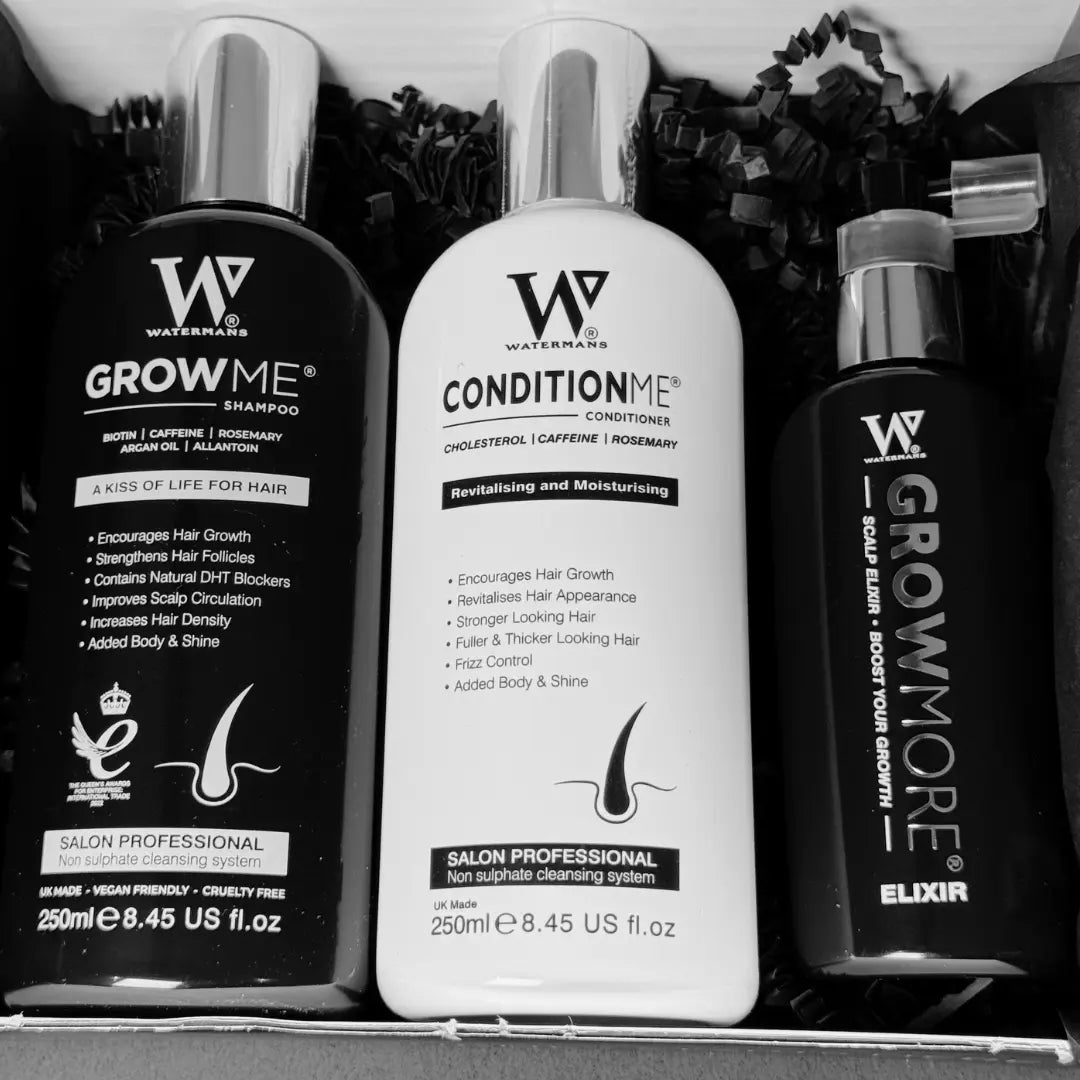
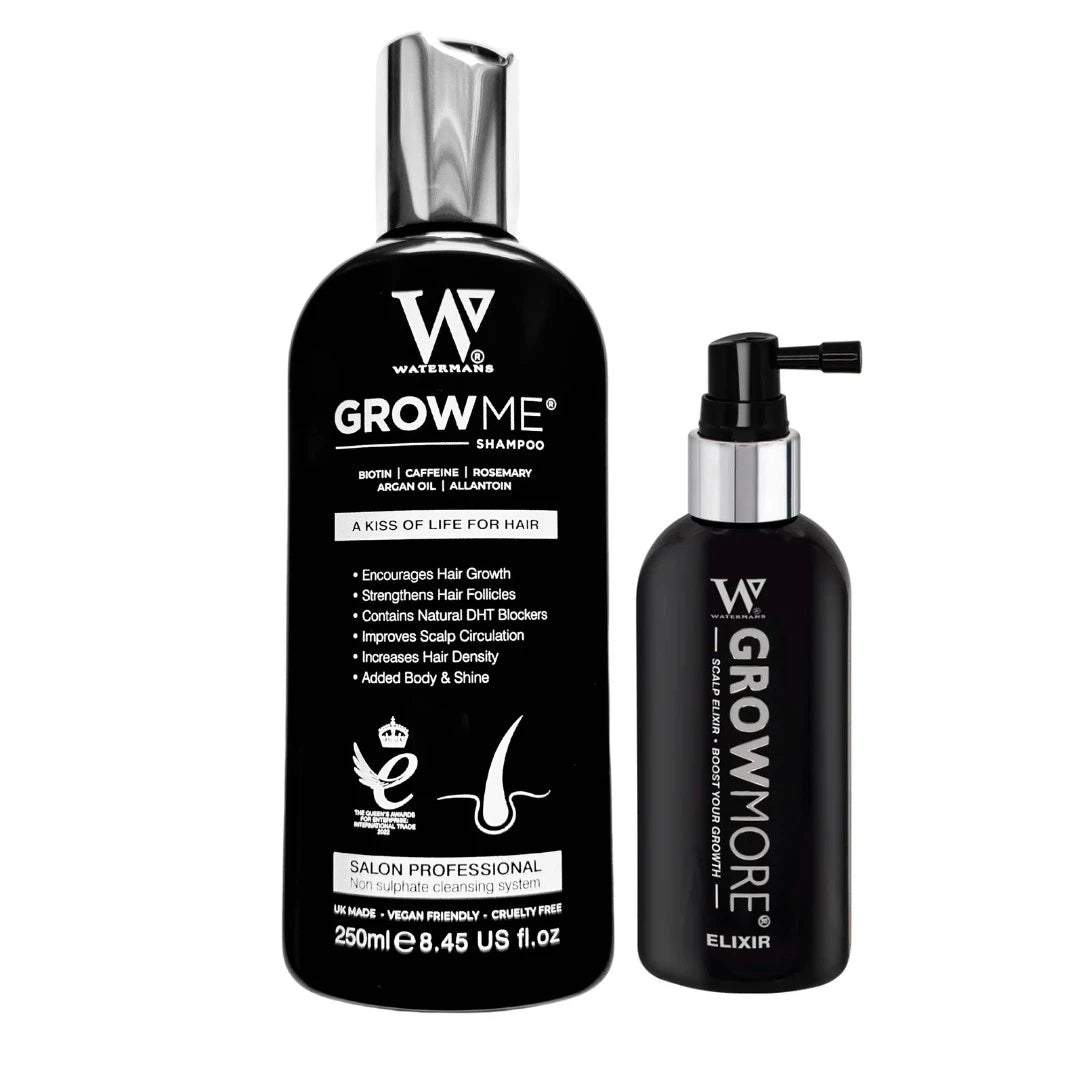
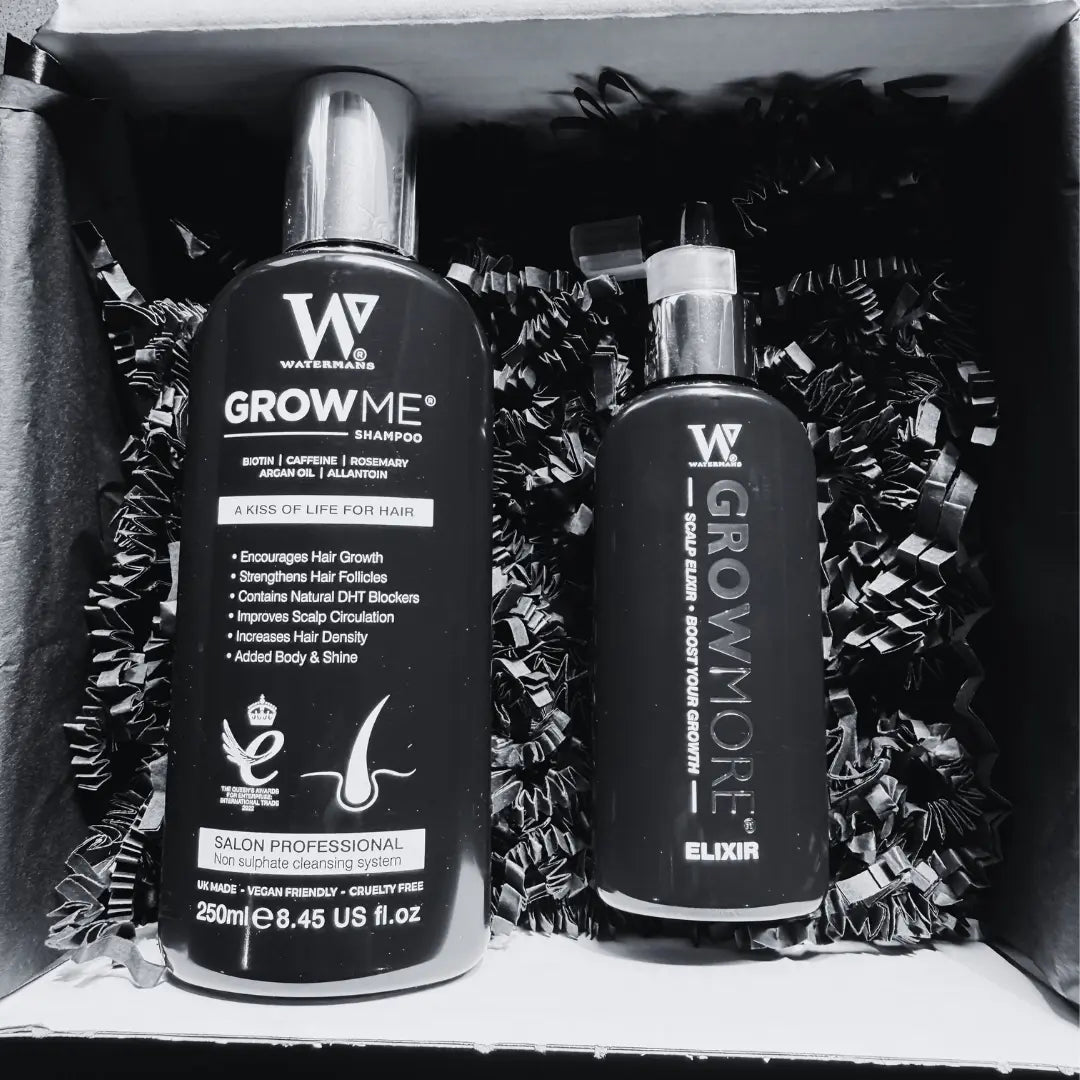
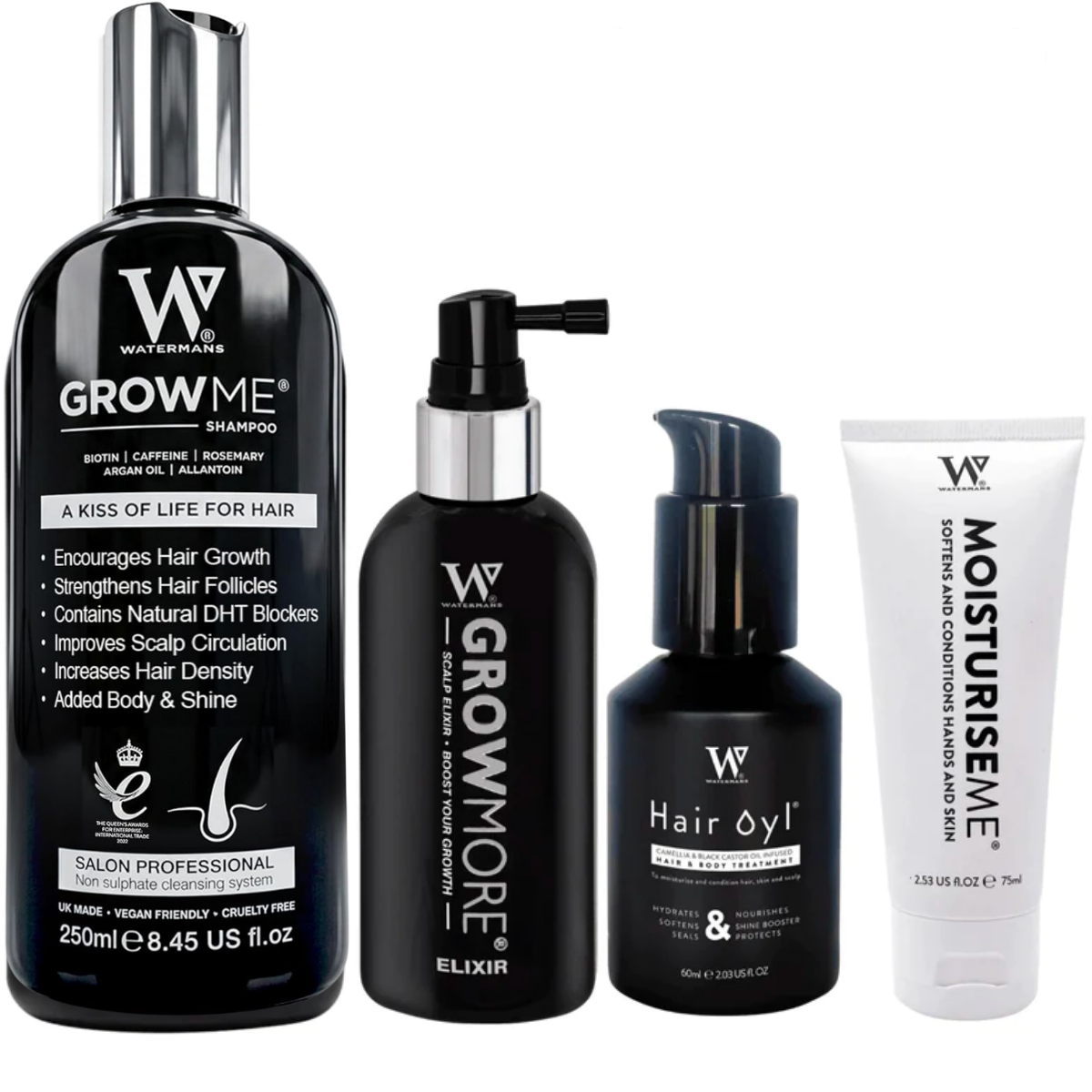
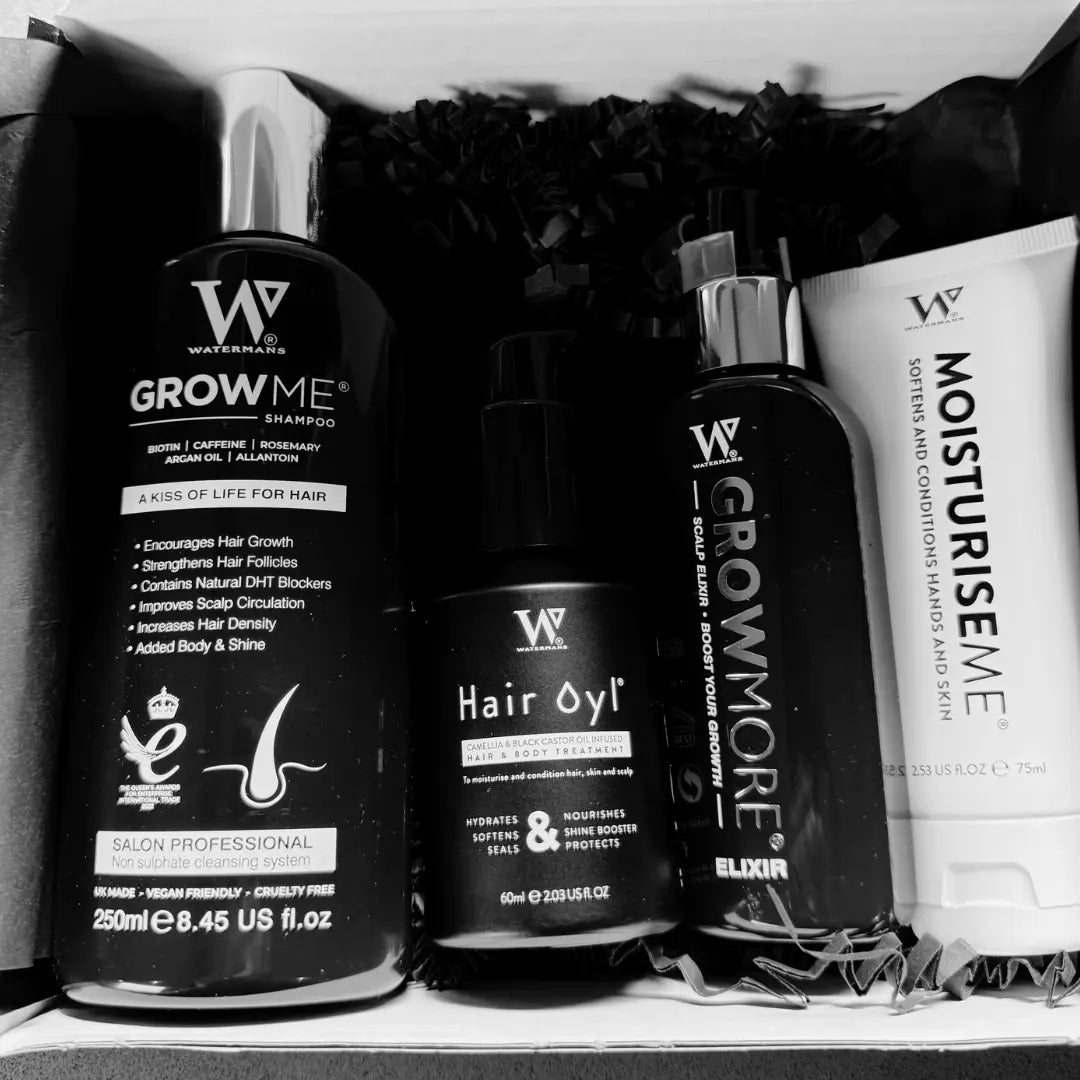
Grow Me Hair Growth Shampoo, £14.95
A sulphate-free daily shampoo with caffeine, biotin, rosemary and niacinamide. Sulphate-free matters here because it cleans the scalp properly without the stripping that leaves genuinely dry scalps tight and irritated, so you can wash more often without paying for it.
Scope: a cosmetic shampoo. It is not an antifungal or medicated dandruff shampoo. For persistent greasy scale and redness, ask a pharmacist about a medicated option.
Which moisturiser suits which body zone?
Match the richness of the product to the oil the area produces for itself. The table below is the short version of everything above, and it is the fastest way to work out why the product you own is not working where you are using it.
| Zone | Why it dries | What it needs | How often |
|---|---|---|---|
| Face | Over-cleansing, acids, retinoids, weather exposure | Light to medium cream, humectant plus emollient | Twice daily |
| Hands | No oil glands on palms, constant washing and detergent | Rich cream, occlusive layer overnight if splitting | After every wash |
| Shins and lower legs | Fewest oil glands, hot showers, shaving, friction | Rich butter, balm or body oil on damp skin | Daily after showering |
| Body and arms | Hot water, soap, low indoor humidity | Medium lotion or oil | Daily to every other day |
| Scalp | Usually not dry: yeast-driven flaking, or harsh shampoo | Gentle sulphate-free cleansing, not oil | Wash more often, not less |
| Lips | No oil glands, constant licking, no barrier of their own | Plain occlusive balm, no flavour or menthol | Through the day |
What is the difference between dry skin and dehydrated skin?
Dry skin is short of lipids and is essentially a skin type you keep for life. Dehydrated skin is short of water and is a temporary condition that anyone can develop, including people with oily skin. The two need different corrections, which is why so many people buy a richer cream and see no improvement at all.
The quick test: dry skin flakes, feels rough and looks dull all over, all year. Dehydrated skin feels tight, looks a bit crinkly on the cheeks, exaggerates fine lines and often comes with shine. Dehydration responds to humectants like glycerin and to fixing whatever stripped the barrier. True dryness responds to lipids: ceramides, butters, squalane and plant oils.
If you want the ingredient-level detail on humectants, emollients and occlusives and how to read a label, our companion piece on choosing the best moisturiser for dry skin goes through all three classes in order.
What makes dry skin worse without you noticing?
Most stubborn dry skin has an ongoing cause that no cream can outrun. Removing the cause usually does more than upgrading the product, and it costs nothing.
- Hot, long showers. Heat dissolves skin lipids. Warm and under 10 minutes is the target.
- Soap bars and foaming body wash. High-foam surfactants strip more than they need to. Save them for armpits, groin and feet.
- Indoor heating. Central heating drops indoor humidity sharply in winter. Low humidity pulls water out of skin continuously.
- Over-exfoliating. Acids and scrubs used several times a week on already-dry skin damage the barrier they are meant to smooth.
- Alcohol-heavy sanitiser on hands without a cream afterwards.
- Applying to bone-dry skin. Moisturiser traps water. If there is no water there, it has nothing to trap.
- Wool and rough seams directly against shins and forearms.
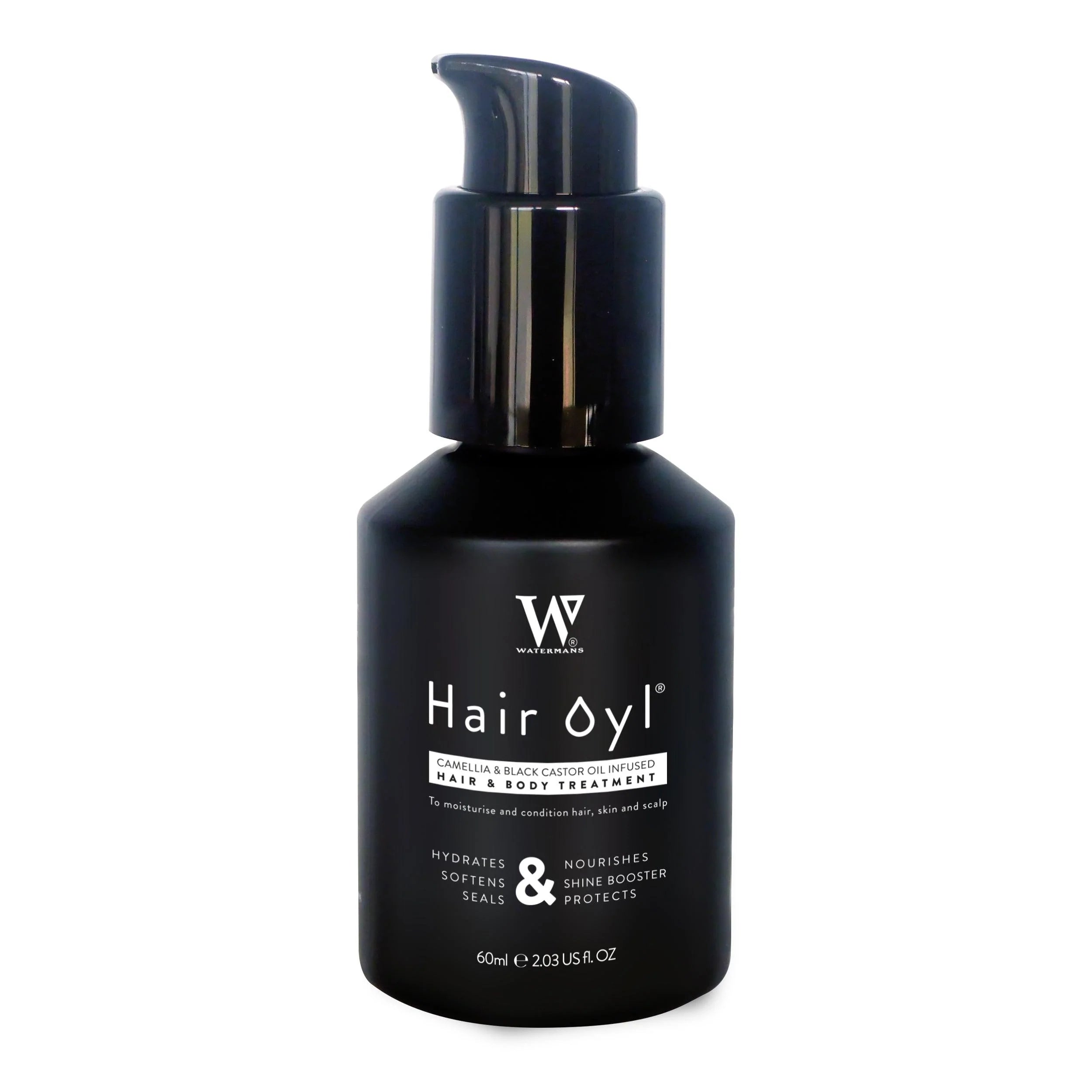
Body, legs and hair lengths
Camellia & Black Castor Hair & Body Oil, £24.95
A lightweight camellia and black castor oil blend, rich in oleic acid and omega 3, 6 and 9. Designed to be applied to damp skin straight out of the shower, which is exactly the window that matters for shins and forearms. It doubles as a finishing oil on dry hair lengths and a few drops in the bath.
Scope: a cosmetic oil for body, hair lengths and bath. Do not use it as an overnight treatment on a flaking scalp, for the Malassezia reason above.
How do you build a routine that covers the whole body?
A workable whole-body routine takes about four minutes and uses three products rather than seven. The order matters more than the number of steps, because the point is to catch the damp window after washing before it closes.
- Shower warm, not hot, and keep it under 10 minutes. Use a gentle wash on the areas that need it, not the whole body.
- Pat dry, do not rub. Leave skin slightly damp.
- Body and legs first, while dampest: oil or rich cream, most generously on shins.
- Face next: a light to medium cream on slightly damp skin.
- Hands last, and then again after every single hand wash through the day.
- Scalp is a wash decision, not a cream decision. Adjust shampoo frequency and gentleness rather than adding an oil.
Give any change eight weeks before judging it. Skin cell turnover runs on roughly a month-long cycle in adults and slows with age, so a fortnight is not long enough to see the outcome of a barrier repair.
When should you see a GP about dry skin?
See a GP if dry skin is cracking, bleeding, weeping or crusting, if it is spreading or intensely itchy at night, or if it does not improve after four to six weeks of consistent, sensible care. Those patterns point to eczema, psoriasis or a fungal issue rather than simple dryness, and they need a diagnosis rather than a different cream.
Also book an appointment if dry, coarse skin has arrived alongside fatigue, weight change, hair thinning or feeling cold constantly. Hypothyroidism commonly presents that way, and it is a blood test rather than a skincare problem. The same is true of new dryness after starting a medication, which is worth raising with whoever prescribed it.
Frequently asked questions about dry skin
Can drinking more water fix dry skin?
Drinking more water will not fix dry skin in someone who is already adequately hydrated. Dryness is a barrier problem at the skin surface, not a whole-body fluid shortage. Staying properly hydrated matters for health generally, but the fix for flaking skin is topical: gentler washing and lipids applied to damp skin.
Is dry skin the same thing as sensitive skin?
No, though they travel together. Dry skin lacks lipids. Sensitive skin reacts to products and environment with stinging, redness or burning. A damaged barrier makes skin more reactive, so dryness often causes sensitivity, and repairing the barrier usually calms the sensitivity with it.
Why is my skin drier in winter than in summer?
Cold air holds much less water than warm air, and indoor heating lowers humidity further. That combination raises the rate at which water leaves your skin, while hotter showers and more layers add friction. Our guide to caring for dry skin in winter covers the seasonal adjustments in detail.
Should I use body oil or body cream on dry legs?
Either works if applied to damp skin, and many people do best with both: a cream for water-holding humectants and an oil layered on top to slow evaporation. Oil alone on bone-dry skin seals in very little, which is the most common reason people conclude oils do not work for them.
Does oiling my scalp help dandruff?
Usually not, and it often makes it worse. Most visible flaking is seborrhoeic dermatitis driven by Malassezia yeast, which feeds on the fatty acids in scalp sebum. Adding oil supplies more of its food source. Washing more frequently with a gentle shampoo is the better first move.
How much moisturiser should I actually use?
Enough that skin looks slightly glossy for a minute or two after application, then absorbs. Most people under-apply on the body by a wide margin. A useful benchmark is roughly a 500ml bottle of body product a month if you are genuinely treating dry legs and arms daily.
Can dry skin cause hair loss?
Dry skin itself does not cause hair loss, but the scratching that comes with a severely inflamed, itchy scalp can damage hair mechanically and worsen breakage. Persistent inflammation is worth treating properly. Sudden or patchy shedding is a separate matter and should be seen by a GP or trichologist.
Do I need a different moisturiser for summer and winter?
Most people do better adjusting richness by season, particularly on the face and legs. A lighter lotion in summer and a richer cream or oil layer from October onwards tracks the change in humidity. Hands rarely need adjusting because they are stripped by washing all year round.
Where to start
Start with the zone that bothers you most, change one thing, and give it eight weeks. For most people, the biggest single improvement comes from moving moisturiser to within three minutes of the shower and turning the water temperature down, which costs nothing at all.
Watermans is a founder-led British brand that has sold over 5 million bottles since 2012, and everything we make is vegan, cruelty-free and produced in the UK. For hands and face, Moisturise Me is the everyday cream. For body, legs and dry hair lengths, the Camellia & Black Castor Hair & Body Oil is the one to apply on damp skin.