

Body Care Ingredients: Which Ones Are Actually Worth It

Almost every body care product on the shelf is built from four ingredient families, and once you can name them you can price a product honestly instead of guessing. Humectants such as glycerin and urea pull water into the skin. Emollients such as shea butter and squalane soften and smooth it. Occlusives such as petrolatum, dimethicone and plant oils seal that water in. Barrier lipids such as ceramides and cholesterol replace what harsh washing strips out. A good body cream contains at least one from each group, and a twelve pound cream that does is a better buy than a forty pound one that does not. This is the label guide: what each family does, which names to look for, what is worth paying extra for, and what is simply on the box for the marketing.
Key Takeaways
- Four families do the work: humectants, emollients, occlusives and barrier lipids. Look for one of each.
- Glycerin is the most reliable ingredient in body care and it is in almost every cheap product already.
- Ingredients are listed by quantity down to 1%, so position on the label tells you how much is in there.
- Urea and lactic acid are the two actives genuinely worth seeking out for rough, bumpy or thickened skin.
- Fragrance is the most common cause of a reaction, and it does nothing for your skin barrier.
- Collagen, stem cells and gold in a body cream are marketing. The molecules are too large to do what is implied.
- Your scalp reads the same label. Gentler cleansing plus barrier friendly ingredients suits it too.
How do I read a body care label at all?
Two rules cover most of it.
First, ingredients are listed in descending order of quantity down to one percent, after which they can appear in any order. So anything in the first five is present in a meaningful amount, and anything after the fragrance or the preservative is usually a token sprinkle. If the star ingredient on the front of the bottle appears second to last on the back, you are paying for a photograph.
Second, water is almost always first and that is normal. A moisturiser is mostly water by design, and the interesting question is what is holding that water in place.
Family one: humectants, the ingredients that attract water
Humectants pull water into the outer layer of skin, either from the deeper layers or from the air. They are what makes skin feel plump and comfortable rather than tight.
Look for: glycerin, glycerol, urea, hyaluronic acid, sodium hyaluronate, sodium PCA, panthenol, propanediol, honey, aloe.
Glycerin is the workhorse and deserves more respect than it gets. It is cheap, extremely well studied, and it appears near the top of the list on products costing four pounds and eighty pounds alike. If you are shopping on a budget, a product with glycerin high on the list and a decent occlusive is most of the way there.
One caveat worth knowing: in very dry air, humectants alone can pull water out of the skin rather than into it. That is why a hyaluronic acid product applied to bone dry skin in a heated room can leave skin feeling tighter, and why humectants belong under something that seals.

Family two: emollients, the ingredients that smooth
Emollients fill the gaps between skin cells, which is what turns a rough surface into a soft one. They are the reason a cream feels pleasant rather than merely functional.
Look for: shea butter, cocoa butter, cupuacu butter, squalane, caprylic capric triglyceride, cetearyl alcohol, isopropyl myristate, jojoba, almond oil.
A note on fatty alcohols, because the name causes confusion. Cetearyl alcohol, cetyl alcohol and stearyl alcohol are not the drying kind of alcohol. They are waxy emollients and they are entirely welcome on a label, unlike alcohol denat high in the list, which can be drying on already dry skin.
Butters are the most useful emollient family for the body, and they double as light occlusives, which is why a butter based cream tends to outperform a thin lotion on hands, elbows and heels.
Family three: occlusives, the ingredients that seal
Occlusives form a film that slows water escaping from the skin. They are the least glamorous family and the most reliably effective one.
Look for: petrolatum, mineral oil, dimethicone, lanolin, beeswax, plant oils such as camellia, castor and olive.
Petrolatum reduces water loss from the skin more effectively than almost anything else, which is why it is still the backbone of the ointments people reach for on cracked hands. It has a poor reputation it does not deserve, though the greasy feel is a fair complaint. Dimethicone is the silicone alternative that gives a silkier finish, and plant oils sit in between, adding conditioning fatty acids along with the seal.
If your skin is genuinely dry, the occlusive is the part of the formula that decides whether the product works. This is also why applying anything to damp skin matters so much: you are sealing in water that is already there.

Family four: barrier lipids, the ingredients that rebuild
The skin barrier is held together by a specific mixture of ceramides, cholesterol and free fatty acids. Hot water, strong detergents and cold dry air deplete them. Products containing these lipids put back what has been lost rather than simply covering the gap.
Look for: ceramide NP, ceramide AP, ceramide EOP, phytosphingosine, cholesterol, linoleic acid.
Worth paying a little more for? Reasonably often, yes, particularly if your skin is sensitive, eczema prone or stripped by frequent hand washing. The important caveat is that a barrier product still needs the other three families alongside. Ceramides suspended in a thin gel with nothing to hold them in place is a common and expensive disappointment.
The actives worth seeking out
Two are genuinely useful on the body, and both are cheap.
Urea. Unusual in that it is both a humectant and a mild keratolytic, meaning it softens the thickened outer layer as well as hydrating it. At around 5% it is a moisturiser, at 10% and above it is the best answer to cracked heels and thickened skin on elbows and knees.
Lactic acid. A gentle alpha hydroxy acid that smooths rough, bumpy skin, including the pinprick roughness on upper arms that so many people ask about. Start twice a week, not daily, and never on freshly shaved or irritated skin.
Salicylic acid earns a place on backs and chests where congestion is the issue rather than dryness, and niacinamide is a quietly useful all rounder that supports the barrier and evens tone. We have written about the same ingredient from the hair side in our guide to what niacinamide does and does not do.
How do the four families compare?
| Family | Job | Names on the label | Worth paying more for? |
|---|---|---|---|
| Humectants | Attract water into the skin | Glycerin, urea, hyaluronic acid, panthenol | No, glycerin is cheap and excellent |
| Emollients | Soften and smooth the surface | Shea, cocoa and cupuacu butter, squalane | Sometimes, for texture and feel |
| Occlusives | Seal water in | Petrolatum, dimethicone, plant oils, lanolin | No, the cheapest are the strongest |
| Barrier lipids | Replace what washing strips out | Ceramides, cholesterol, linoleic acid | Yes, if skin is sensitive or stripped |
| Actives | Smooth rough or thickened skin | Urea 10%, lactic acid, salicylic acid | No, effective versions are inexpensive |
Get the body care label cheat sheet
One page, phone sized: the four ingredient families with the exact names to look for, the five terms that mean nothing, what position on the list actually tells you, and the two actives worth buying. Take it shopping. Sent once, free.
One email at a time, no spam, unsubscribe whenever you like.

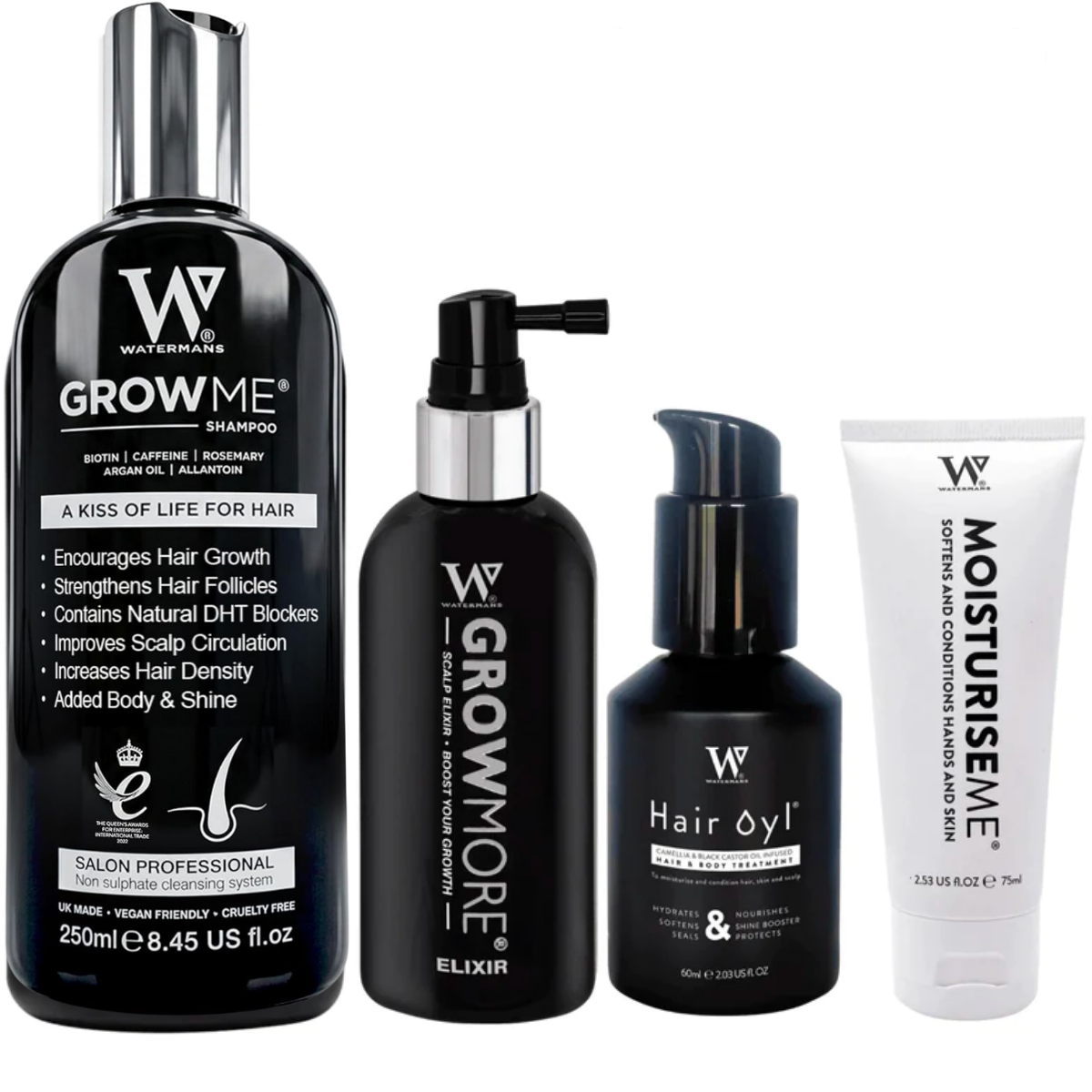
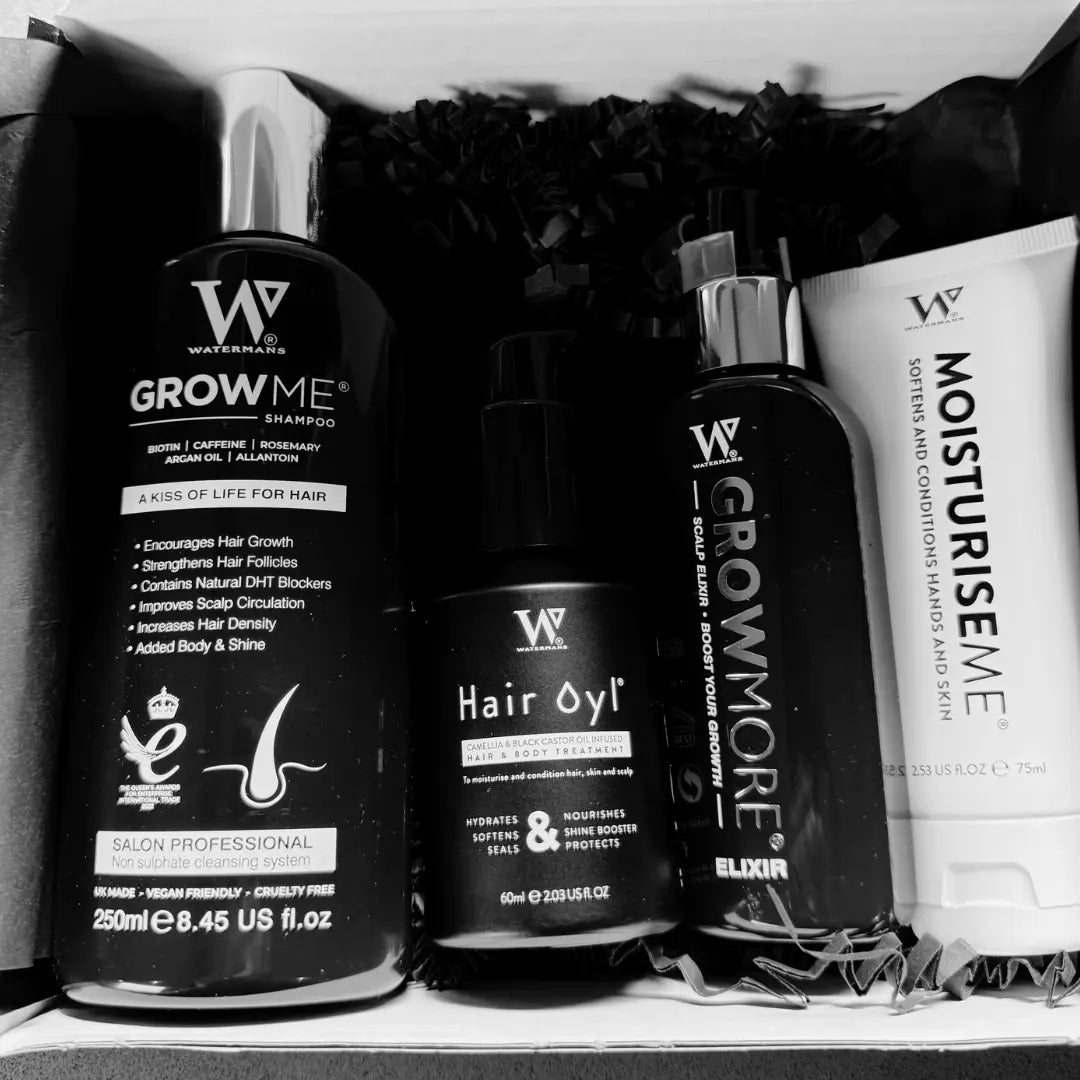
Plumping Moisturise Me® Face and Hand Cream
A worked example of the label logic above. Cupuacu, shea and cocoa butters cover the emollient and light occlusive job, almond oil adds conditioning fatty acids, and allantoin soothes. That is three of the four families in one pot, which is what you are actually looking for on hands.
£15.00 · vegan, made in the UK
What is on the box purely for the marketing?
Not scams exactly, but not reasons to pay more either.
- Collagen in a cream. The molecule is far too large to cross the outer layer of skin. It works as a decent humectant on the surface and nothing more.
- Stem cells, gold, caviar, diamond dust. Price signals rather than active ingredients.
- Detoxifying and purifying. Skin does not hold toxins that a cream can draw out. The word tells you nothing about the formula.
- Chemical free. Everything is a chemical, water included. It usually means fragranced with essential oils, which are among the more common irritants.
- Dermatologically tested. This says a test happened. It does not say what the result was.
- Fragrance and parfum. Not harmful for most people, but the single most common cause of a reaction, and it contributes nothing to the barrier. On sensitive or itchy skin it is the first thing to remove.
Does my scalp read the same label?
Largely, yes, with two adjustments. Your scalp is skin with the same barrier and the same lipids, so it responds to gentle cleansing and barrier friendly ingredients in the same way your shins do.
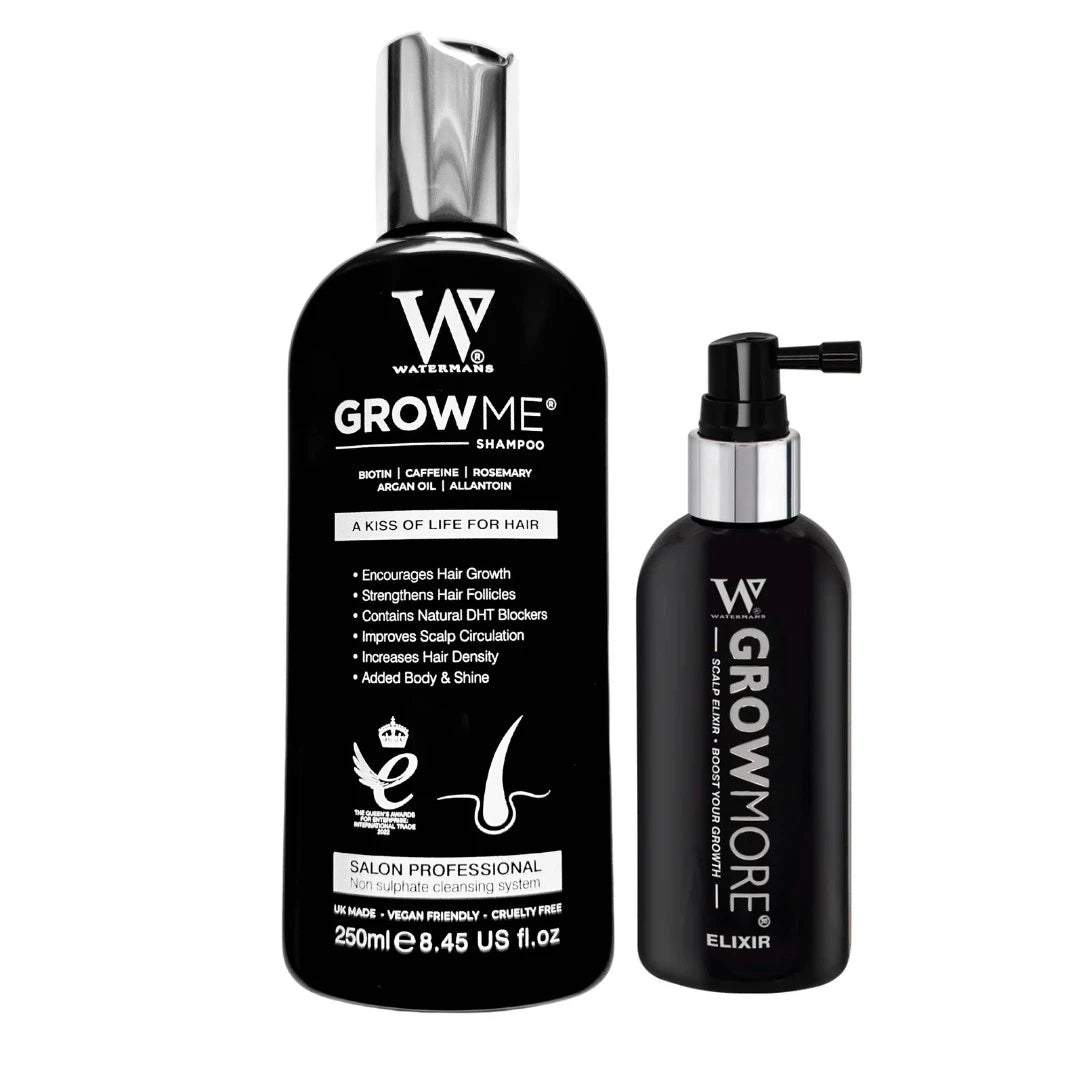
The first adjustment is oil. The scalp produces considerably more of its own than most of your body, so heavy occlusives that suit a heel are wrong at the roots. The second is that hair sits on top, so residue accumulates in a way it never does on an arm. That combination is why the useful move on a tight, flaky scalp is usually a gentler, sulfate free wash rather than a richer cream applied to the roots.
Humectants and light conditioning oils still earn their place on the lengths of the hair, where the same emollient and occlusive logic applies: smooth the surface, then seal it.
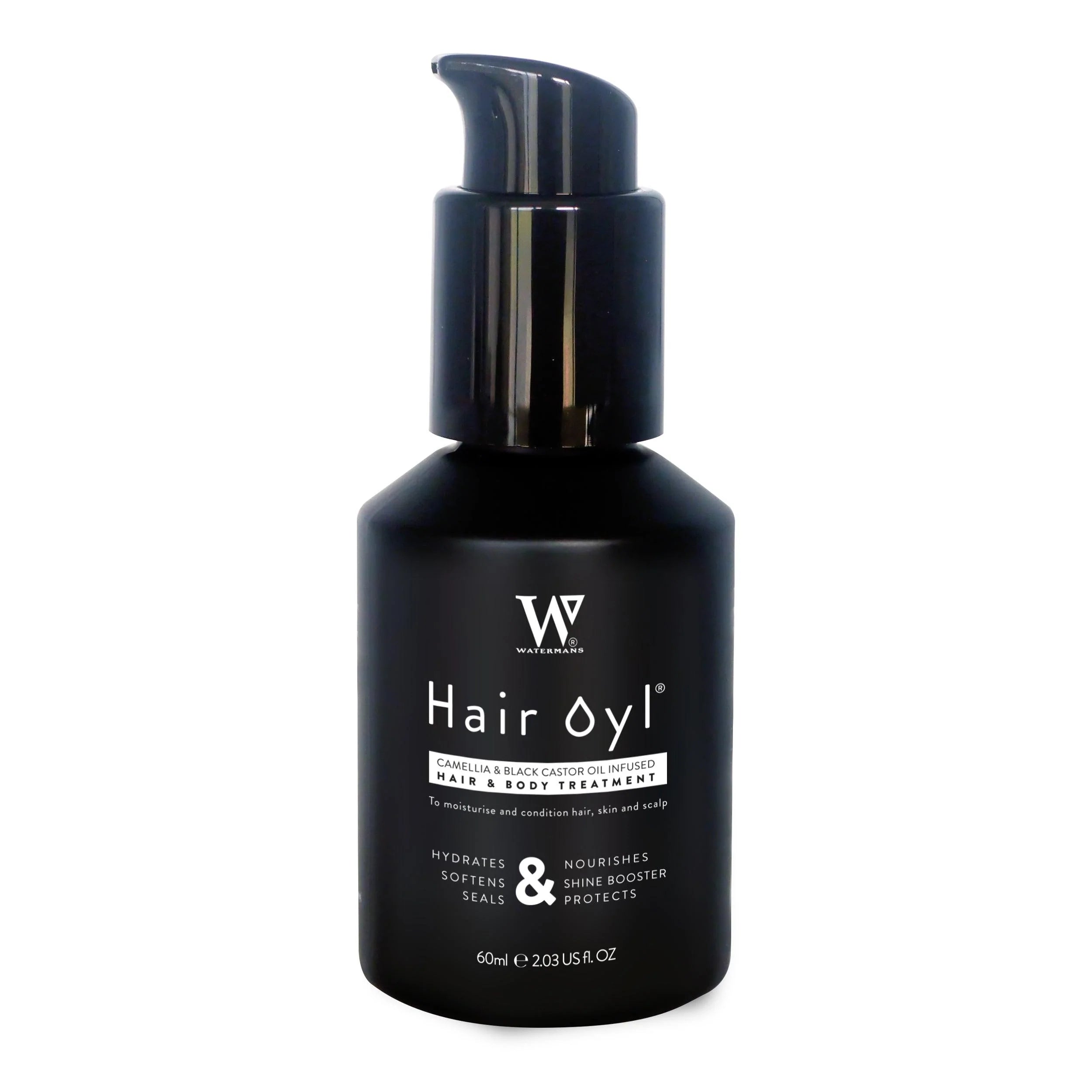
Camellia and Black Castor Hair and Body Oil
A plant oil occlusive with conditioning fatty acids, rich in omega 3, 6 and 9 and vitamins A, B, D and E. Smoothed over damp skin it seals the water in, and on hair it goes on the lengths rather than the roots, exactly as the section above describes.
£24.95 · vegan, made in the UK
How much should a good body cream cost?
Less than most people spend. The four families are all inexpensive raw materials, and the price of a body product is driven far more by packaging, fragrance and brand than by what is doing the work.
A sensible approach is to buy your everyday body moisturiser cheaply and in a large size, because using enough of it matters more than the formula, and then spend selectively: a barrier cream with ceramides if your skin is sensitive, a urea cream for heels, and one rich butter or balm for hands and elbows. That is three purchases covering almost everything, and none of them needs to be expensive.
If you want the routine those products slot into, we have set out the order and the timing in our guide to a four step body care routine, and the seasonal version for the colder months is in our winter dry skin guide.
When is it not an ingredient problem?
Some skin does not need a better cream, it needs a proper look from someone qualified. Speak to your GP or a pharmacist if you notice:
- Itching that disturbs your sleep, or itching with no visible rash at all.
- Skin that cracks, weeps or bleeds, or any sign of infection.
- Well defined scaly patches, which behave differently from ordinary dryness.
- A rash that appeared after starting a new medicine.
- Any new mole, or a mole that changes in shape, colour or size.
- Widespread dryness alongside fatigue, weight change or noticeable hair shedding.
Watermans products are 100% cosmetic and do not treat medical hair loss. Individual results may vary.
Frequently asked questions
What are the most important body care ingredients?
Glycerin as the humectant, a butter or squalane as the emollient, and petrolatum, dimethicone or a plant oil as the occlusive. Add ceramides if your skin is sensitive or stripped. A product with one from each family will outperform a pricier one missing a category.
How do I read an ingredient list?
Ingredients are listed by quantity down to one percent. Anything in the first five is present in a meaningful amount. If the hero ingredient on the front appears near the bottom of the list, you are paying for the claim rather than the contents.
Is glycerin good for skin?
Yes, and it is one of the best value ingredients in the whole category. It is a well studied humectant that appears near the top of the list on inexpensive and premium products alike.
Are ceramides worth the extra money?
Often, if your skin is sensitive, eczema prone or stripped by frequent washing, because they replace the lipids the barrier has lost. They still need an occlusive alongside them, so a thin ceramide gel on its own tends to underdeliver.
Is fragrance in body care bad for you?
Not harmful for most people, but it is the most common cause of a reaction and it does nothing for the barrier. If your skin is itchy, reactive or eczema prone, fragrance free is the first swap to make.
Does collagen in a body cream do anything?
Not what the marketing implies. The molecule is too large to cross the outer layer of skin. It behaves as a surface humectant, which is fine, but it is not a reason to pay more.
What should I use on cracked heels?
A urea cream at 10% or above, applied at night, ideally under cotton socks. Urea hydrates and softens thickened skin at the same time, which an ordinary lotion cannot do.
Do the same ingredients work on my scalp?
The principles carry across, but the scalp makes far more of its own oil and hair traps residue on top of it. Gentler, sulfate free cleansing usually helps more than adding a heavy cream to the roots.
What to do with this
Pick up whatever is currently in your bathroom and turn it over. If glycerin is high, a butter or an oil is present and there is something sealing at the end, you already own a decent product and the only change worth making is using more of it on damp skin. If not, you now know exactly what to look for, and it will cost less than the one you are replacing.
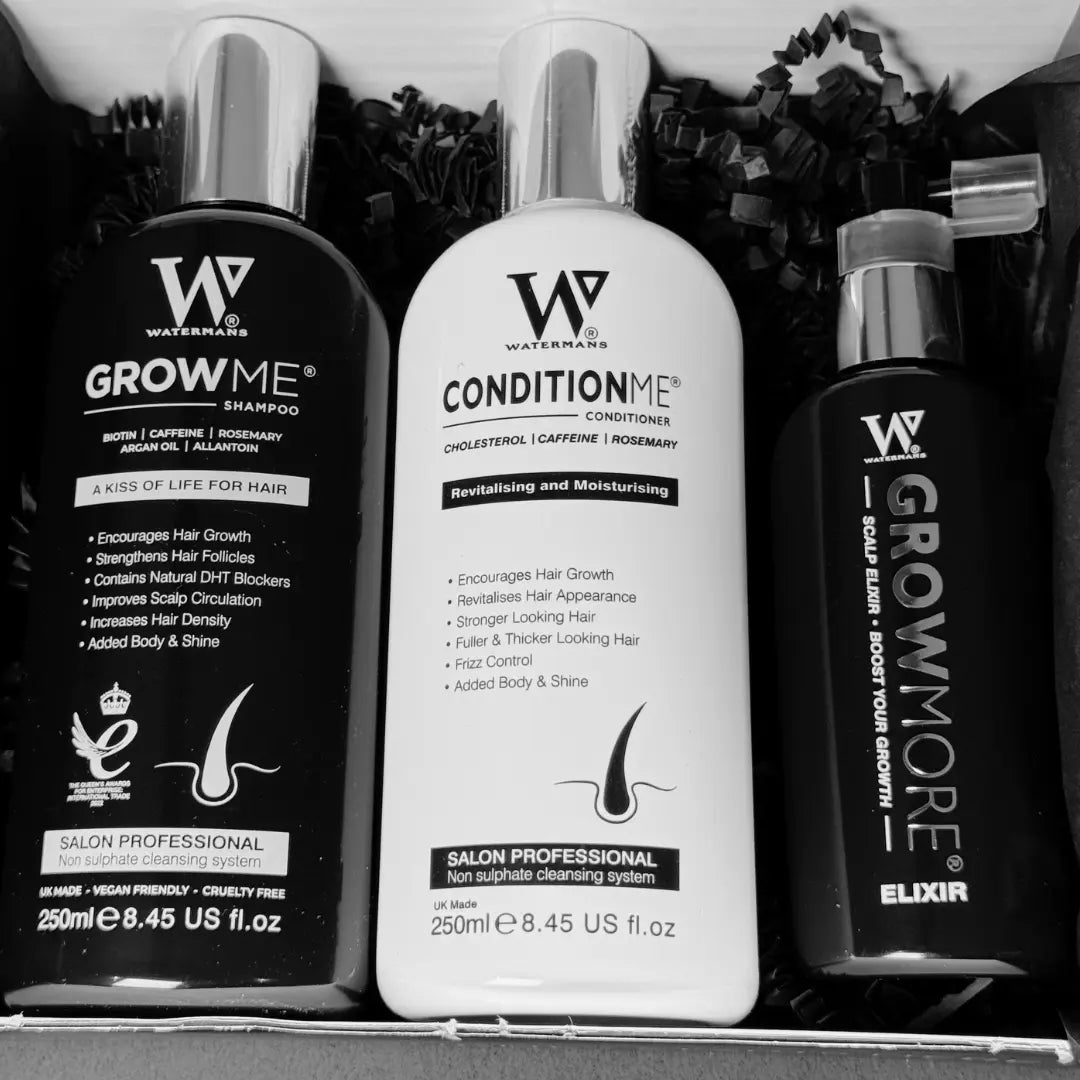
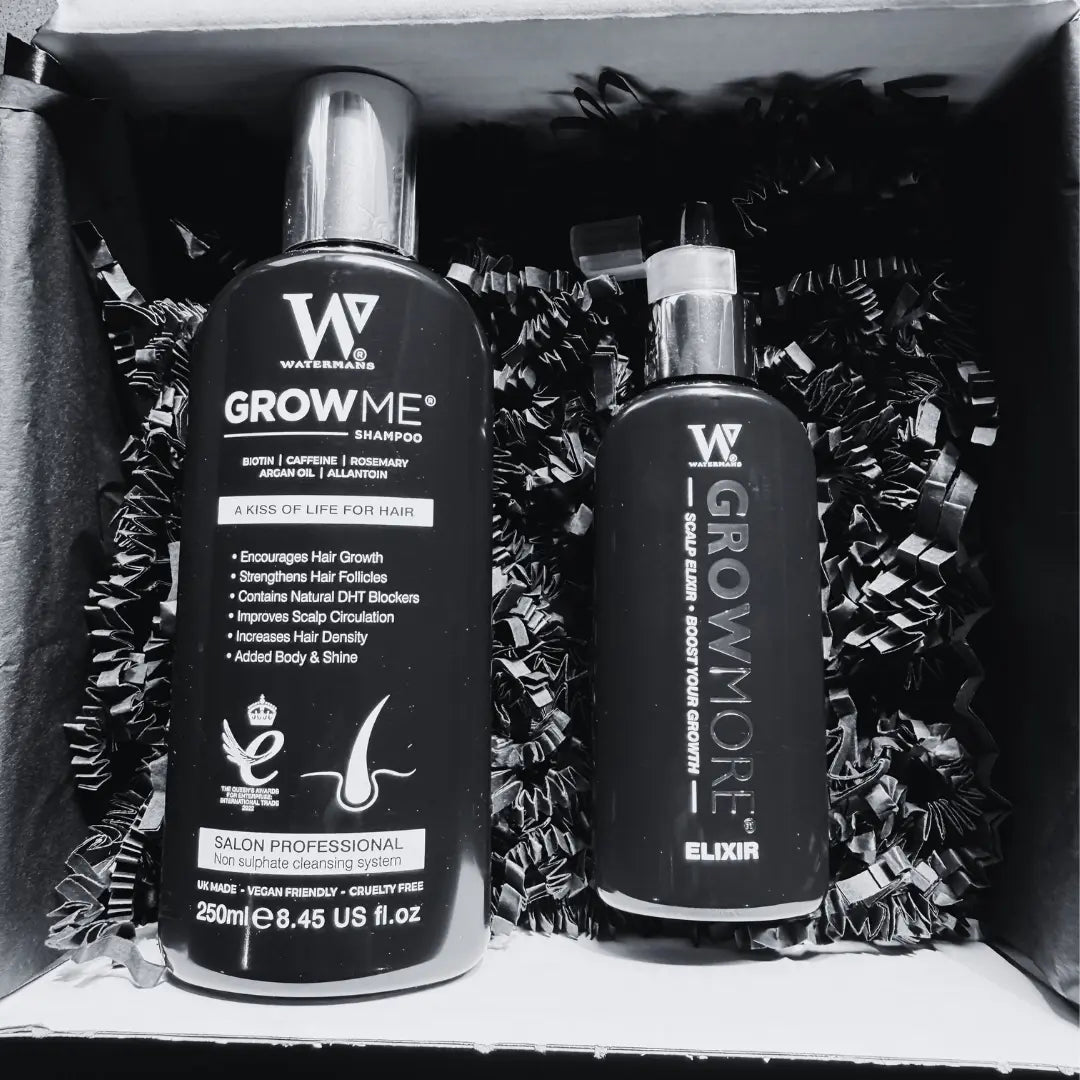
If you want the same ingredient first thinking applied to your hair, the Watermans conditioning range is built on named ingredients doing understandable jobs. Vegan, made in the UK, and over 5 million bottles sold since 2012.