Anagen Effluvium: Why It Happens and What to Expect
Anagen effluvium is sudden, widespread hair shedding that happens while hairs are still in their active growing phase, rather than after they have finished it. DermNet describes it as the result of an acute injury to the hair follicles, producing diffuse shedding of structurally damaged hairs over a matter of days. It is most commonly seen in people going through chemotherapy, and it does not scar the scalp.
Our hair growth conditioner
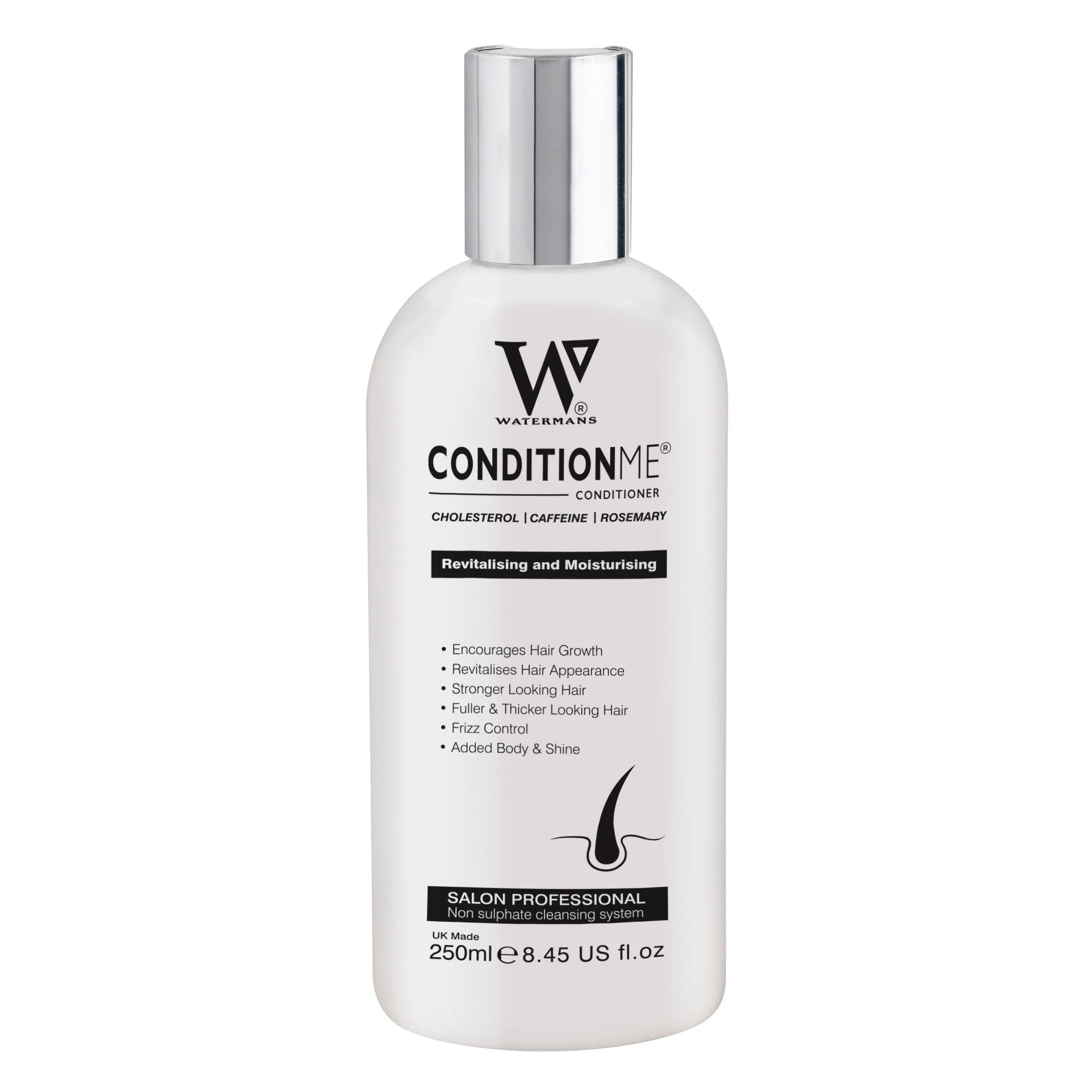
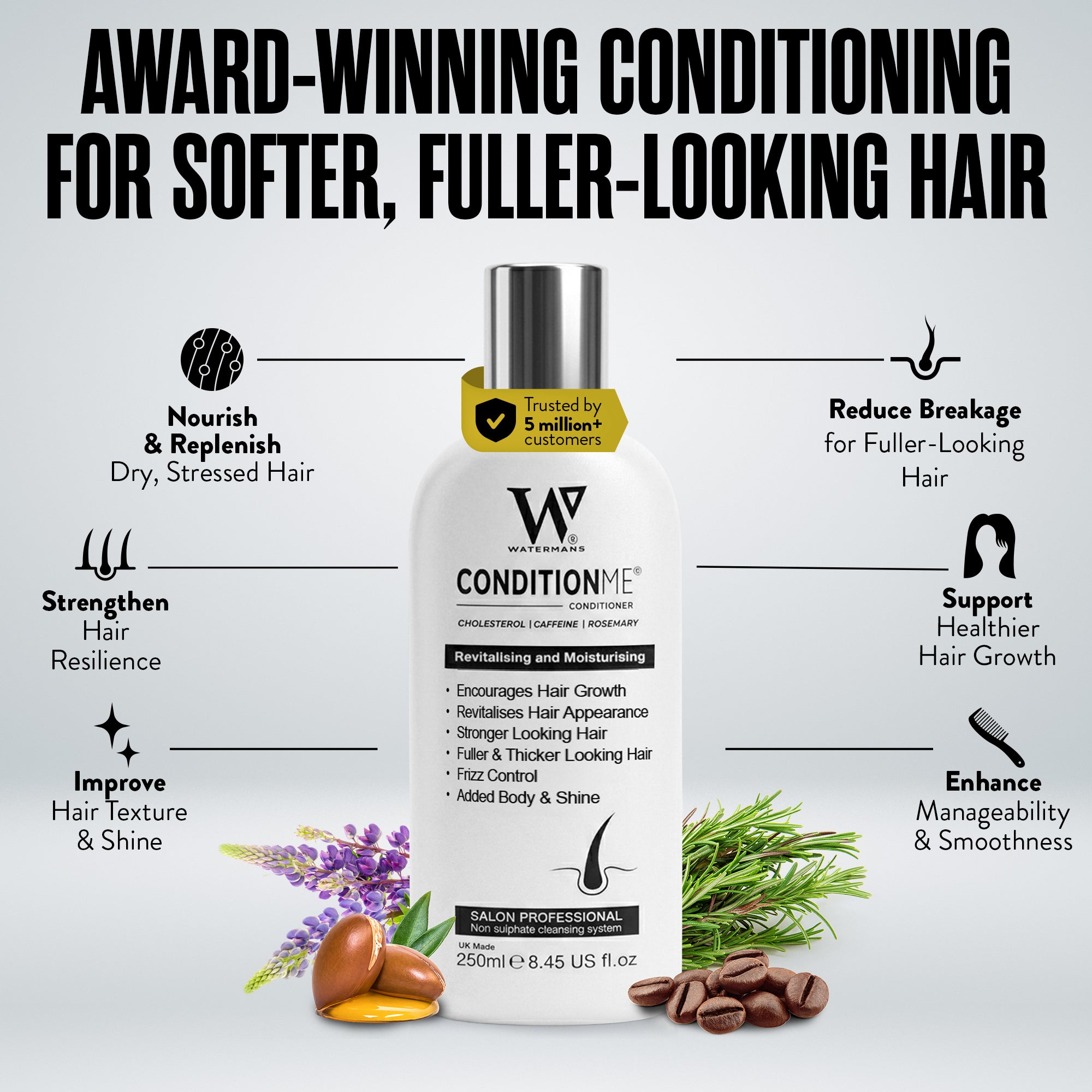
Condition Me® Hair Growth Conditioner, £13.95. Detangles and strengthens the hair fibre so lengths snap less on the brush and look thicker through the ends.
Key takeaways
- This form of shedding hits hairs that are actively growing, which is why it is so fast and so extensive.
- Around 90 per cent of scalp hairs are in the growing phase at any moment, according to DermNet.
- It is a non scarring form of hair loss, so the follicles themselves stay intact.
- DermNet reports the follicle resumes normal activity once the cause is withdrawn, with hair usually back within three to six months after chemotherapy.
- Chemotherapy is the usual cause. Infections, radiation, some toxins and autoimmune conditions can also trigger it.
- Your cancer team or GP is the right source of advice here. Nothing on a shop shelf changes the course of this.
If you are going through cancer treatment
Speak to your own clinical nurse specialist or oncology team about what to expect and about scalp cooling, and contact the Macmillan Cancer Support line on 0808 808 00 00 for free, confidential support. They know your situation and this page does not.
What is anagen effluvium?
Anagen effluvium is hair shedding that arises during the anagen, or growth, stage of the hair cycle. DermNet contrasts it directly with telogen effluvium, which is shedding that arises during the telogen, or resting, stage. That single distinction explains almost everything about how the two behave, including why one takes months to show and the other can empty a hairbrush within a fortnight.
The mechanism is mechanical as much as biological. DermNet explains that any insult impairing cell division in the hair matrix narrows the hair at its base, leaving it liable to break just above the point where the fibre hardens. The hair snaps rather than being released from the follicle, which is why the shed hairs often look different from the ones you are used to seeing on a brush.
| Anagen effluvium | Telogen effluvium | |
|---|---|---|
| Phase affected | Growing phase | Resting phase |
| Share of scalp hairs in that phase | Around 90 per cent | Roughly 10 per cent |
| Speed of onset | Days | Two to three months after the trigger |
| Extent | Diffuse and often extensive | Diffuse and usually partial |
| Usual causes | Chemotherapy, radiation, some infections, autoimmune disease | Illness, childbirth, surgery, stress, low iron, thyroid problems |
| Scarring | No | No |
What causes anagen effluvium?
The main causes are an infection, a drug, a toxin, radiation or an autoimmune disease, according to DermNet. Chemotherapy is by far the most common, particularly when several medicines are combined or given at higher doses, and DermNet notes the condition is most common in people of any age, sex or background who are receiving it.

Infection is a less familiar cause and it behaves differently. DermNet notes an infection may interrupt hair growth in one localised area, producing a single bald patch or several, with loose hairs that come away easily from skin that may look swollen, boggy or crusted. Boils, abscesses and fungal scalp infections such as tinea capitis are the examples it gives. A patch like that needs a GP, not a shampoo.
Autoimmune conditions make up the third group. DermNet lists alopecia areata and pemphigus vulgaris among the conditions that can produce this pattern, and flags that when the cause is alopecia areata the shedding may persist and recovery is unpredictable. That is a genuinely different outlook from the chemotherapy picture, and it is worth knowing which one applies to you. For the everyday version of the same biology, what sets the length of the growing phase covers how long yours is likely to run and what shortens it.
Does hair come back after anagen effluvium?
In most cases it does, and reasonably quickly. DermNet states that the hair follicle resumes normal activity once the toxic agent is withdrawn, and that complete return of hair happens after three to six months following chemotherapy in most cases. It also notes that sometimes hair starts coming back even while chemotherapy continues.
The reason the outlook is good is that this is non scarring hair loss. The follicles are injured rather than destroyed, so the machinery that makes hair is still there once the insult stops. That is a meaningful difference from scarring conditions, where the follicle is replaced by scar tissue and cannot start again. Our page on which kinds of hair loss are permanent and which are temporary sets out that distinction.
Two honest caveats. Hair that comes back can differ in texture or colour, at least at first, and many people find it arrives curlier or with a different shade before settling. And when the underlying cause is alopecia areata rather than chemotherapy, DermNet is explicit that recovery is unpredictable. Your own clinical team can tell you which situation you are in.
Get a discount on the gentle hair care range
Join the Watermans mailing list and we will email a discount code straight to your inbox, so you can try the gentle hair care range for less. Made in the UK, over 6.5 million bottles sold since 2012.
What is scalp cooling and who is it for?
Scalp cooling means wearing a chilled cap during chemotherapy sessions, with the aim of reducing how much of the medicine reaches the hair follicles. It is offered at many UK cancer centres, and Macmillan Cancer Support publishes a dedicated page explaining how it works, what it feels like and who it may suit.
Whether it is available and whether it is suitable depends on your specific regimen and your cancer type, and that is a question for your oncology team rather than for an article. Ask them early, because it has to be arranged around your sessions rather than added afterwards. If they say it is not appropriate for you, there will be a clinical reason worth understanding.
How should you look after your scalp and hair through it?
Gentleness is the whole strategy, and the scalp needs as much attention as the hair. Skin that is suddenly exposed after years under hair is more sensitive to sun, cold and friction than it has ever been, so a hat outdoors matters in both directions: sun protection in summer, warmth in winter. A soft pillowcase reduces friction at night, which is a small thing that people consistently say helps.

For the hair itself, whether it is thinning, coming back or somewhere in between: wash when it needs it rather than on a schedule, use lukewarm rather than hot water, pat dry instead of rubbing, and put the heat tools away. A wide tooth comb used from the ends upward does far less damage than a brush pulled from the roots. Skip bleach, permanent colour and chemical straightening until your clinical team says otherwise.


If you want a gentle everyday conditioner for fine, fragile hair as it comes back, Condition Me smooths the cuticle so a comb glides instead of snagging. It is a cosmetic conditioner and nothing more, and it plays no part in your medical care. Check with your clinical team before adding anything new to your routine.
On wigs and head coverings
Ask your clinical nurse specialist about wig and head covering services where you are treated, because what is available and what it costs differ across the UK. Many people find it easier to be fitted before their hair goes rather than after, so it is worth raising early rather than waiting until you need it.
How is anagen effluvium different from ordinary shedding and breakage?
Anagen effluvium, ordinary hair shedding and hair breakage are three different things, and they get confused constantly. The first is an acute injury to growing follicles. Shedding is a hair cycle disturbance where more follicles than usual enter the resting phase at once. Breakage is the fibre snapping along its length from heat, bleach or friction, with the follicle untouched.
The NHS notes it is normal to lose between 50 and 100 hairs a day without noticing, so everyday loss is not the comparison point. What distinguishes anagen effluvium is the speed and the scale: days rather than months, and diffuse rather than patchy. If you want the wider map, the three mechanisms behind thinning hair and how the hair growth cycle works both cover it.
When should you contact your care team or a GP?
Contact your cancer team straight away if your scalp becomes sore, inflamed, crusted or swollen, or if you develop a patch where the skin looks abnormal, because an infection needs attention rather than patience. If you are not under a cancer team and hair has come out suddenly and widely, book a GP appointment promptly so the cause can be identified.
The NHS advises speaking to a GP to understand what is causing hair loss before going to a commercial hair clinic, and that advice carries extra weight here, because sudden widespread shedding can point at something that needs proper attention. Watermans sells cosmetic hair care. We do not run clinics and we are not the right source for medical advice about this condition. If your question is about products or a routine rather than a medical one, you can talk to Gail Waterman, our co-founder, as an AI avatar on the Watermans homepage.
Frequently asked questions about anagen effluvium
How quickly does anagen effluvium start after chemotherapy begins?
It typically begins within days to a couple of weeks of starting, which is much faster than telogen effluvium. DermNet describes diffuse hair loss occurring over a period of days. Your oncology team can tell you what is usual for your specific regimen, because it varies a great deal between them.
Will my hair definitely come back?
In most cases following chemotherapy, yes. DermNet states the follicle resumes normal activity once the cause is withdrawn and that complete return usually occurs within three to six months. Where the underlying cause is alopecia areata rather than chemotherapy, DermNet notes recovery is unpredictable. Ask your own clinical team which applies to you.
Why does hair come back a different colour or texture?
Many people notice their hair returns curlier, softer or a different shade, sometimes described as chemo curls. It commonly settles closer to its original character over the following year or two, though not always completely. It is a well recognised experience rather than a sign that something has gone wrong.
Does this kind of shedding affect eyebrows and eyelashes too?
It can affect hair anywhere on the body, because the effect is on actively growing follicles wherever they are. Body hair, brows and lashes spend a smaller proportion of their cycle growing than scalp hair does, so they are often less dramatically affected, but many people do notice changes there.
Can I dye my hair while it is coming back?
Ask your clinical team first, and expect them to advise waiting. New hair is finer and more porous than the hair you had before, so it takes colour unpredictably and is more easily damaged. If you do colour it later, a gentle semi permanent is a kinder starting point than bleach or permanent colour.
Will a hair growth product speed things up?
No cosmetic product changes the course of this. The limiting factor is your follicles recovering from the injury, and that runs on its own timetable. Anything you use in the meantime is about comfort and protecting fragile hair, and it is worth checking with your clinical team before adding it.
Is anagen effluvium the same as alopecia?
Alopecia simply means hair loss, so this is one form of it. What matters clinically is that this form is non scarring, meaning the follicle structure survives, which is why the outlook is generally good once the cause stops.
Can children get this type of hair loss?
Yes, the same causes apply at any age, and DermNet notes it occurs in people of any age. Anything concerning a child's hair loss should go straight to their GP or their existing hospital team, who can look at it properly.
What is the bottom line on anagen effluvium?
Anagen effluvium is fast, widespread shedding of hairs that were still actively growing, and it happens because roughly nine in ten scalp hairs are in that phase at any moment. Chemotherapy is the usual cause, and the follicles are injured rather than destroyed, which is why DermNet reports hair usually back within three to six months once the cause stops. Where alopecia areata is behind it, the outlook is less predictable.
The useful things to do are gentle ones: protect the scalp from sun and cold, keep heat and chemicals away from fragile new hair, ask your oncology team about scalp cooling early, and use Macmillan, who do this every day and have nothing to sell you. Nothing in a bottle changes the course of this condition, and we would rather say so.
Watermans products are 100% cosmetic and do not treat medical hair loss. Individual results may vary.
Sources & references
- DermNet, Anagen effluvium, on shedding during the growth phase, acute follicle injury, causes, non scarring nature, and hair returning within three to six months after chemotherapy
- Macmillan Cancer Support, Hair loss, on hair loss during cancer treatment and the support available
- Macmillan Cancer Support, Scalp cooling, on what scalp cooling involves and who it may suit
- DermNet, Male pattern hair loss, on around 90 per cent of scalp hairs being in the growing phase and on hair cycle durations
- DermNet, Telogen effluvium, on shedding that arises during the resting phase, for comparison
- NHS, Hair loss, on normal daily hair loss and on seeing a GP before a commercial hair clinic