Hair Gel Hold Shine: How to Get Both Without Damage
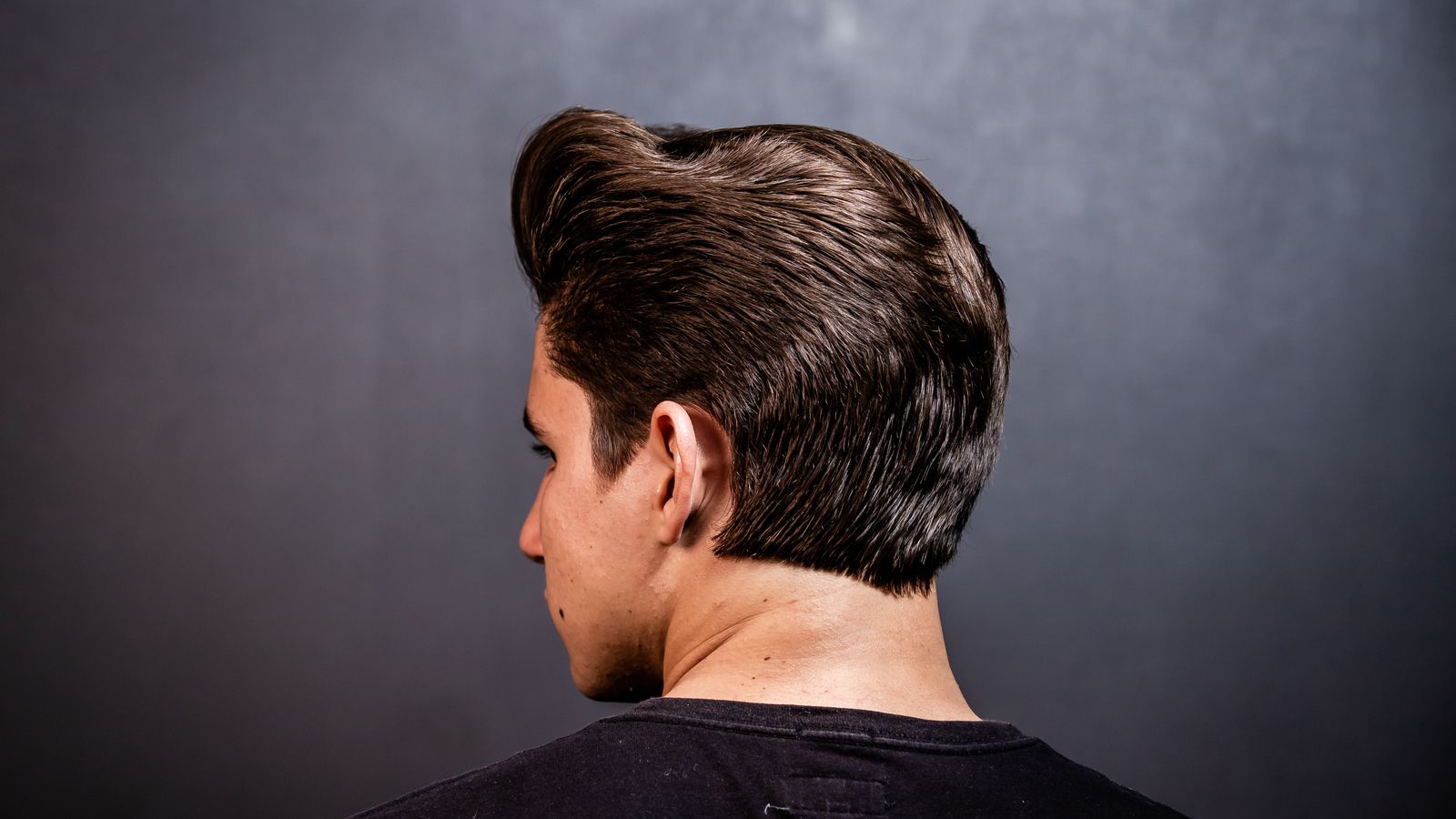
Getting good hair gel hold shine without wrecking your hair comes down to three things: applying gel to damp rather than soaking or bone dry hair, using far less than you think you need, and washing it out properly rather than layering fresh gel over yesterday's. Gel itself does not damage hair. What causes trouble is the crunchy overuse, the raking through dry strands, and the buildup nobody rinses away.
Our weekly hair mask
Masque Me® Hair Mask, £24.95. A deep conditioning weekly mask for dry, stressed lengths, adding gloss and hydration where heat and colour have taken their toll.
Key takeaways
- Apply to damp hair. Gel spreads evenly through damp hair and needs far less product to do the same job.
- Start with a pea to ten pence sized amount. Most people use two to three times what they need.
- Wash it out. Buildup, not gel itself, is what leaves the scalp itchy and the hair dull.
- Crunch is not hold. Once set, scrunch the cast out with your fingers to get hair gel hold shine with movement.
- Alcohol high formulas dry the fibre, which shows up as breakage rather than as loss from the follicle.
- Gel causes breakage, not hair loss. If your parting is widening or you have bare patches, see your GP.
What actually creates hair gel hold shine?
Hold and shine come from two different parts of the formula, which is why some gels give one without the other. Hold comes from film forming polymers, usually PVP, PVP copolymers or carbomer, which dry into a thin flexible cast around each strand and lock it into position. Shine comes from how smoothly that film sits on the hair surface and from added humectants and conditioning agents such as glycerin or panthenol, which keep the cuticle lying flat rather than lifted.
That distinction is useful when shopping. A gel that sets hard and looks dull is polymer heavy and light on conditioning agents. A gel that looks glossy but drops after an hour has the balance the other way. The formulas that deliver good hair gel hold shine together tend to sit in the middle and contain some humectant content.
The other ingredient worth knowing about is alcohol. Denatured alcohol makes gel set faster and feel lighter, which is why it appears in strong hold products. It is also drying with repeated use, and a dry fibre snaps more readily. If you use gel daily, an alcohol free or low alcohol formula is the more sensible long term choice.
How much gel should you actually use?
Start with roughly a pea sized amount for short hair and a ten pence piece for medium length, then add more only if the style genuinely needs it. Overuse is the single most common mistake and it causes almost every complaint people have about gel: the helmet feel, the white flakes, the greasy look by lunchtime and the dullness.
- Emulsify first. Rub the gel between your palms until it turns clear and slightly warm. Applying it as a cold blob deposits most of it in one spot.
- Work from the back forward. Your hands hold the most product at the start, and the back needs more hold than the hairline does. Doing the front first is why hairlines end up over saturated.
- Use fingers, not a comb, on gel loaded hair. Dragging a comb through setting gel is a reliable way to snap hair.
- Add in layers. A second small amount on the areas that need it beats one large amount everywhere.

Should you apply gel to wet, damp or dry hair?
Damp hair is the right answer for almost every gel and almost every style. Damp means towel dried to the point where hair is no longer dripping but still clearly cool and slightly heavy. At that level of moisture the gel spreads evenly along the strand with minimal effort, so you get consistent hold from a much smaller amount.
| Hair state | What happens | Verdict |
|---|---|---|
| Soaking wet | Gel dilutes and runs, hold drops away as it dries | Too wet, towel dry first |
| Damp | Even distribution, best hold from least product, best shine | Ideal for most gels |
| Dry | Product sits on the surface, patchy hold, more friction and snapping | Only for small touch ups |
There is one exception worth knowing. If you want volume and separation rather than a sleek finish, applying a small amount to hair that is about eighty percent dry gives more lift, because the hair has already begun to set in shape. For sleekness and maximum shine, damp wins.
Why does gel flake, and how do you stop it?
Flaking is caused by product buildup and by gel drying on top of an already flaky scalp, not by the gel being cheap. Two separate things get confused here, and they have different fixes.
- White flakes that appear during the day and brush off the hair. This is the polymer cast cracking, usually because too much product was applied or it was layered over yesterday's. Use less, and wash properly between applications.
- Flakes coming from the scalp itself, often with itching. This is a scalp condition rather than a styling problem, most commonly dandruff or seborrhoeic dermatitis. Gel can make it more visible and more uncomfortable, but it is not the cause. Our guide to a flaky, itchy scalp covers what actually helps.
Mixing gel with certain other products also causes flaking, particularly layering gel over a silicone heavy serum or a wax. The two films do not bind and end up shedding off each other. Pick one hold product per style.
How do you wash gel out properly?
Wash gel out with a proper shampoo and warm water, and let the water do the softening before you scrub. Rinsing with water alone leaves polymer behind, and that residue is what dulls hair over a fortnight of daily use.
- Soak first. Stand under warm water for thirty seconds or so before shampooing. Gel softens considerably once wet, so less mechanical scrubbing is needed.
- Shampoo the scalp, not the lengths. Massage with fingertips at the roots. The lengths get cleaned by the suds running down, which is gentler on the fibre.
- Rinse longer than feels necessary. Most residue complaints are simply under rinsing.
- Condition the mid lengths and ends. Gel plus shampoo is a drying combination, and conditioner restores slip so the comb glides rather than tugs.
A clarifying wash once a week or fortnight is worth adding if you use gel daily. On other days a gentler sulphate free shampoo is easier on the fibre. Our piece on using conditioner properly covers the second half of that routine.

Does hair gel cause hair loss, shedding or breakage?
Hair gel causes breakage, not hair loss, and the difference matters enormously for what you should do about it. These three are separate problems and conflating them sends people chasing the wrong fix.
- Hair breakage is fibre failure. The strand snaps along its length, leaving short pieces with no root bulb, alongside split ends and rough texture. This is the one gel genuinely contributes to, through drying alcohols, combing product loaded hair and repeated tight styling. It is also entirely fixable with technique.
- Hair shedding is a hair cycle event. Follicles move into the resting phase together and release their hairs a few months later, which is telogen effluvium, triggered by illness, stress, rapid weight loss or low iron. Gel has no role in this.
- Hair loss is follicular. The follicle miniaturises or switches off, as in androgenetic pattern hair loss. It shows as a widening parting, receding hairline or thinning crown over years. Gel does not cause it and stopping gel will not undo it.
The exception worth flagging is traction. Gel used to hold hair in a tight, pulled back style day after day contributes to traction alopecia, and that is genuine follicular damage caused by sustained tension rather than by the gel itself. Looser styles and varying where the tension sits prevent it. Our explainer on what causes hair damage covers the mechanical side in more detail.
Get a discount on the hair breakage range
Join the Watermans mailing list and we will email a discount code straight to your inbox, so you can try the hair breakage range for less. Made in the UK, over 6.5 million bottles sold since 2012.
Which gel suits your hair type?
The right gel depends mostly on how thick your hair is and how much moisture it needs, rather than on the hold number on the tub. Matching the formula to the hair usually solves problems that people try to solve by buying a stronger hold.
| Hair type | What to look for | What to avoid |
|---|---|---|
| Fine or thinning | Light hold, alcohol free, applied at the roots only | Heavy gels that clump strands and reveal scalp |
| Thick or coarse | Firm hold with humectants for shine | Light gels that simply will not hold the weight |
| Curly or coily | Alcohol free, glycerin rich, applied to soaking wet hair then scrunched | Drying alcohols, and combing once applied |
| Dry or damaged | Conditioning gels, used sparingly, with a weekly mask | Daily strong hold and alcohol heavy formulas |
Curly hair is the one case where the usual advice flips. Curls take gel best on soaking wet hair, because the water helps clump the curl pattern before the gel sets around it. Scrunching the cast out once fully dry then gives definition without crunch.

How do you keep hair healthy if you use gel daily?
Daily gel use is fine provided you offset the drying and avoid mechanical damage, which takes very little effort once it is habit. The aim is to protect the fibre so length is retained, since retained length is what makes hair look thicker, and good hair gel hold shine is wasted on hair that keeps snapping.
- Never comb hair that has gel setting in it. Style with fingers, and detangle before the gel goes on rather than after.
- Add a weekly deep conditioning mask to put moisture back into the mid lengths and ends.
- Use heat protection if you blow dry before or after styling, because heat plus a drying gel compounds quickly.
- Give the hairline a rest from tight, pulled back gelled styles, and vary the parting.
- Sleep on a silk or satin pillowcase to reduce overnight friction, which reduces the snapping that shows up as short broken pieces.

A deep conditioning mask with argan oil, provitamin B5 and rosemary, for the weekly moisture step that offsets daily gel use. Helps reduce breakage and leaves hair looking smoother and glossier.
View Masque Me
A leave in spray offering heat protection up to 230°C plus frizz control, for anyone who blow dries before styling. Adds slip so the comb glides through before the gel goes on.
View Protect MeWatermans is a UK family business that has sold over 6.5 million bottles since 2012. The whole range is made in the UK.
Watermans products are 100% cosmetic and do not treat medical hair loss. Individual results may vary.
Frequently asked questions
How do I get hair gel hold shine without the crunch?
Let the gel dry fully, then scrunch or rake the hardened cast out with your fingers. The polymer film breaks into invisible flexible pieces that keep the shape while the hair moves and reflects light again. Trying to avoid crunch by using less hold usually costs you the style instead.
Is hair gel bad for your hair?
Gel is not inherently bad for hair. The problems come from drying alcohols in strong hold formulas, combing hair while gel is setting, product buildup from not washing properly, and sustained tension from tight gelled styles. Address those four and daily use is reasonable.
Can I use gel every day?
Yes, provided you wash it out properly and add a weekly conditioning mask. Choose a lower alcohol formula for daily use and save the strongest hold products for occasions when you genuinely need them.
Why does my gel leave white flakes?
White flakes that brush off the hair are the polymer cast cracking, usually from too much product or layering over yesterday's gel. Flakes coming from the scalp with itching are a scalp condition instead, and that needs a different approach.
Should I use gel on wet or dry hair?
Damp hair suits almost every gel and style, because the product spreads evenly and you need far less of it. Curly hair is the exception and does better on soaking wet hair. Dry hair only really works for small touch ups.
Does gel make hair fall out?
Gel causes breakage rather than follicular hair loss. Broken hairs are short pieces without a root bulb. The one genuine exception is traction alopecia from tight, pulled back gelled styles worn day after day, which is caused by tension rather than by the product.
What is the difference between gel, wax and pomade?
Gel dries into a firm cast and gives the highest hold with a wet or glossy look. Wax stays pliable and gives texture with a matte or low shine finish. Pomade sits between them, offering shine with reworkable hold. Layering them tends to cause flaking.
How do I stop gel drying my hair out?
Choose an alcohol free or low alcohol formula, apply to damp rather than dry hair, always condition after washing it out, and add a weekly deep conditioning mask. Those four steps handle most of the dryness people blame on gel.
What is the bottom line on hair gel hold shine?
Good hair gel hold shine is mostly technique rather than product. Apply to damp hair, start with far less than you think, work from the back forward with your fingers, let it set, then scrunch the cast out. Wash it out properly with shampoo rather than water alone, and condition afterwards.
Gel contributes to breakage, not to follicular hair loss, so if you are seeing short snapped pieces the fix is technique and moisture. If instead you are seeing a widening parting, a receding hairline or bare patches, that is a different problem entirely and worth raising with your GP rather than blaming your styling routine. If your question is about products or a routine rather than a medical one, you can talk to Gail Waterman, our co-founder, as an AI avatar on the Watermans homepage.
A weekly mask does what a rinse out conditioner cannot, and the Masque Me deep conditioning hair mask is ours. Made in the UK.
Sources & References
- NHS, Hair loss. Causes of hair loss and when to see a GP.
- NHS, Dandruff. Scalp flaking, its causes and everyday management.
- NHS, Itchy skin. When scalp itching alongside flaking warrants seeing a GP.