Shampoo for Older Hair: The UK Buyer's Guide
A shampoo for older hair is worth buying carefully, because hair after 50 is finer, drier and more fragile than the hair the marketing photographs were shot on. What you are really paying for is cleansing that does not strip, conditioning agents that reduce breakage, and a formula light enough not to flatten fine hair. Almost everything above that is packaging, fragrance and margin. This guide is about spending the money in the right place.
The short answer on shampoo for older hair
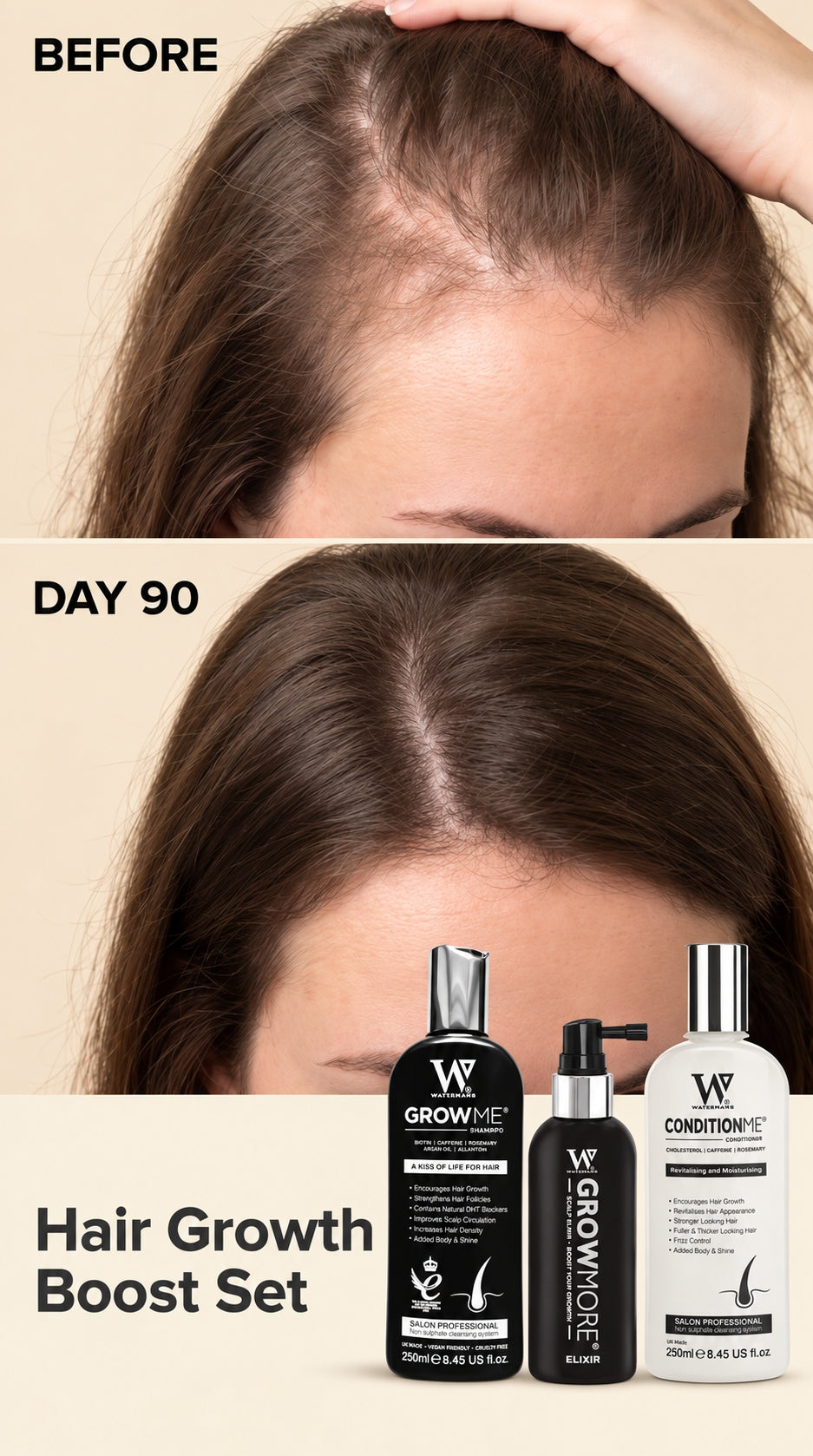
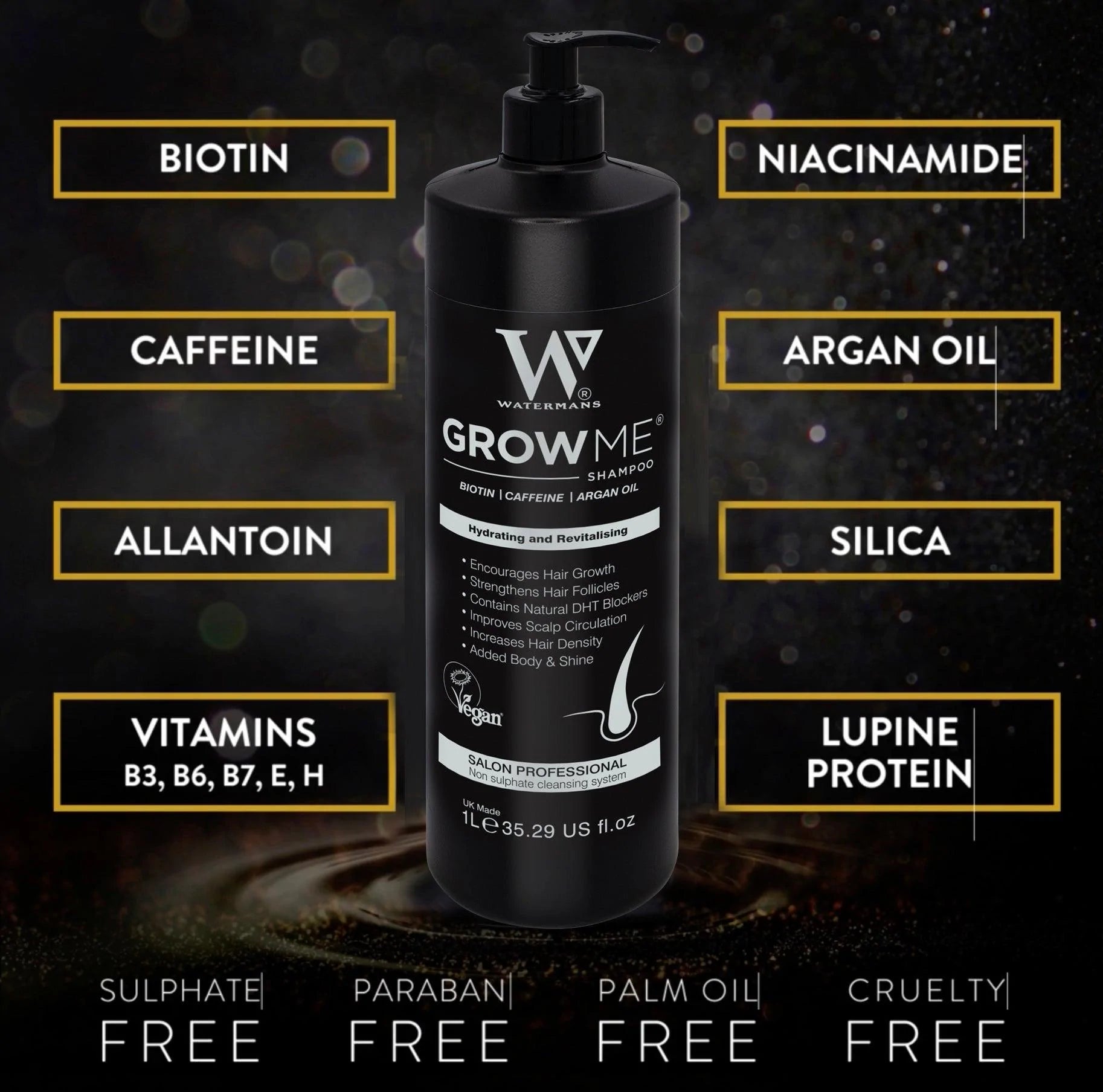
Grow Me® Shampoo, £14.95 with Condition Me® Conditioner, £13.95. Sulphate free, so it cleans without stripping hair that is already drier and finer, and it reduces breakage. All ten are compared below.
Key takeaways
- The price of a shampoo for older hair tracks fragrance, packaging and brand far more closely than it tracks formula quality.
- Work in cost per wash, not price per bottle. A concentrated 250ml can be cheaper to use than a watery 500ml.
- Two claims are worth paying for on ageing hair: sulphate-free cleansing and real conditioning agents. Most of the rest is decoration.
- Buy for the actual problem. Hair loss, hair shedding and hair breakage need different products, and only one of them is fixed on the shampoo aisle.
- A good cut and a conditioner you actually use both beat a shampoo upgrade, for less money.
What are you actually paying for in a shampoo for older hair?
You are paying for four things, and only two of them touch your hair. A shampoo is roughly water, surfactants that lift oil and dirt, conditioning agents that smooth the fibre afterwards, and then preservative, fragrance and thickener to make the whole thing pleasant and stable. The formula difference between a mid-price bottle and a luxury one is usually the surfactant blend and the conditioning agents. The price difference is usually the fragrance, the bottle and the advertising. If you are wondering whether thinning after 60 needs more than a new shampoo, our Bolton guide to thinning hair after 60 explains when a GP or trichologist can help.
Ageing hair narrows what matters. As the decades pass the fibre gets finer in diameter, the scalp produces less sebum, and cumulative damage from colour and heat makes the cuticle rougher. So the two formula decisions that genuinely earn money on this shelf are a gentler surfactant system and enough conditioning to stop the hair snapping. Volume claims, shine claims and thickness claims are mostly styling effects that wash out.
Watermans products are 100% cosmetic and do not treat medical hair loss. Individual results may vary.
What do the UK price tiers get you?
UK prices for a shampoo for older hair fall into roughly four bands, and the useful jump happens earlier than most people assume. The table is about what changes between bands, not about naming brands.
| Tier | What typically changes | Worth it for older hair? |
|---|---|---|
| Budget supermarket | Strong sulphate cleansing, minimal conditioning, large bottles, heavy fragrance. | Usually not. Strips a scalp that is already producing less oil and leaves the fibre rougher. |
| Mainstream high street | Better conditioning, some sulphate-free options, wide choice, frequent promotions. | Sometimes. Read the label rather than the front of the bottle, because the range varies enormously within one brand. |
| Specialist and direct-to-consumer | Sulphate-free as standard, higher active content, smaller bottles, formulated for one problem. | Usually yes. This is where the genuine formula step happens, and where most of this shelf's value sits. |
| Salon and luxury | Excellent sensory experience, prestige fragrance, premium packaging, professional advice at point of sale. | Sometimes, but you are paying a large premium for experience rather than for a further formula jump. |
The honest summary: the meaningful improvement is the step from budget to a properly formulated sulphate-free option. The step from there to luxury buys a nicer shower, not noticeably better hair.

Are you buying for hair loss, hair shedding or hair breakage?
Hair loss, hair shedding and hair breakage are three different problems, and buying the wrong product for yours is the most expensive mistake on this page. Work this out before you spend anything.
| Problem | How it looks | What to buy, if anything |
|---|---|---|
|
Hair loss follicles shrinking |
A widening parting or visible scalp in a pattern. Individual hairs are finer than they used to be. | Book a GP appointment first. No shampoo changes follicle size, whatever the front of the bottle implies. |
|
Hair shedding too many follicles resting |
Sudden, diffuse, all over, usually 2 to 3 months after illness, surgery, a bereavement or crash dieting. | Nothing on this aisle. Time plus a GP conversation about ferritin and thyroid. Spending here is money wasted. |
|
Hair breakage the fibre snapping |
Short broken pieces of uneven length, split ends, a frizzy halo. The parting itself has not changed. | This is the one the shampoo aisle genuinely helps with. A gentle wash and a proper conditioner are the whole answer. |
Most people over 50 who think they are losing hair are losing length to breakage while density is broadly holding. That is genuinely good news, because it is the cheapest and fastest of the three to change.
How do you work out cost per wash?
Cost per wash is the only number that lets you compare two bottles fairly, and it takes ten seconds. Divide the price by the number of washes the bottle will give you, which is roughly the volume in millilitres divided by how many millilitres you actually use.
Worked example, using round numbers rather than any particular brand. A 500ml bottle at £6 sounds cheaper than a 250ml bottle at £15. But a watery budget formula often needs two 10ml pumps to lather on longer hair, giving 25 washes at 24p each. A concentrated sulphate-free formula may lather properly on one 8ml pump, giving about 31 washes at roughly 48p each. So the specialist bottle really is about twice the cost per wash, not two and a half times the price, and it is doing a different job.
- Measure once. Pump into a teaspoon, which holds about 5ml, so you know what you actually use rather than guessing.
- Count real washes, not marketing washes. Long or thick hair uses more.
- Include the conditioner in the same sum, since you should be buying them as a pair on ageing hair.
- Ignore multibuys unless you would have bought the second bottle anyway. Two bottles of the wrong shampoo is not a saving.

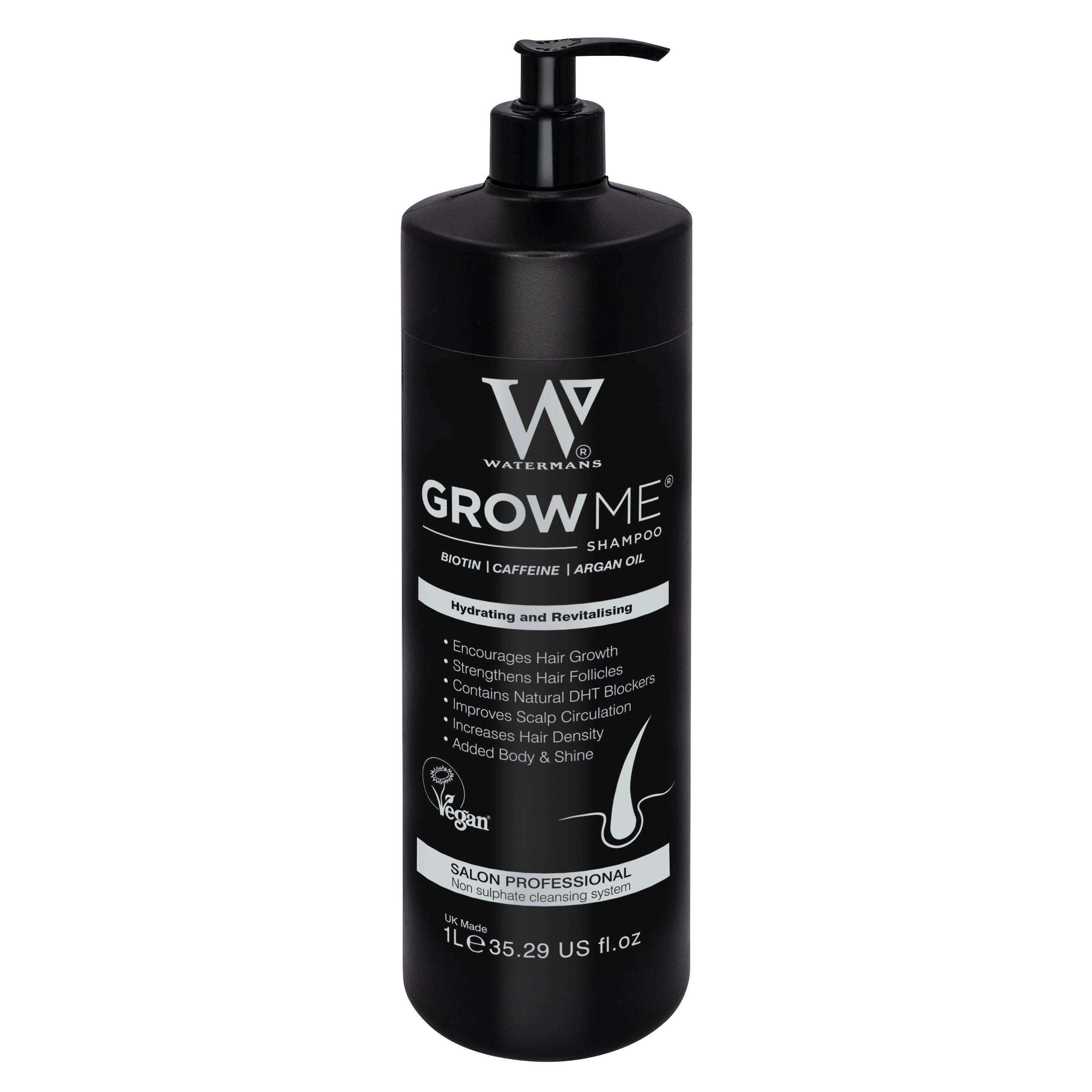
Our own entry in the specialist tier: sulfate-free, with biotin, caffeine, rosemary, niacinamide and hydrolysed lupine protein. It cleans a drier, less oily scalp without stripping it, and adds body at the root for fuller-looking hair. Vegan, made in the UK, over 6.5 million bottles sold since 2012.
Which bottle claims justify a higher price?
Four claims are worth paying a premium for on ageing hair, because each one reflects a real formulation cost.
- Sulphate-free or a mild surfactant system. The single most useful thing on this list. A scalp producing less sebum does not need an aggressive detergent, and gentler cleansing leaves the fibre in better condition. Look for coco-glucoside, cocamidopropyl betaine or sodium cocoyl isethionate high in the ingredient list.
- Real conditioning agents. Behentrimonium methosulfate, cetearyl alcohol, panthenol or hydrolysed proteins near the top of the list mean the formula is doing the anti-breakage job properly rather than gesturing at it.
- Fragrance-free or low fragrance, if your scalp is sensitive or itchy. Fragrance is the most common cause of contact reactions in cosmetics, and older skin is often more reactive.
- Formulated for one problem. A shampoo that has decided whether it is for fine hair or for dry hair is usually better at that job than one claiming to do everything.
Which claims never justify a higher price?
These claims move product and change nothing about your hair, so refuse to pay extra for them.
- Anything implying medical results. A cosmetic shampoo cannot change follicle biology. Wording that hints otherwise is a reason to distrust the brand, not to buy.
- Long ingredient lists of botanical extracts present at a fraction of a percent, listed after the fragrance. They are there for the label.
- Collagen and keratin as headline actives in a shampoo. Both are far too large to enter the hair fibre from a product you rinse off in 60 seconds. In a leave-in or a mask, different conversation.
- pH-balanced. Essentially every shampoo on sale in the UK is. It is not a differentiator.
- Salon exclusive. A distribution decision, not a formula one.
- Bigger bottles as automatic value. See the cost per wash section. Volume is not value.

Get a discount on the thinning hair range
Join the Watermans mailing list and we will email a discount code straight to your inbox, so you can try the thinning hair range for less. Made in the UK, over 6.5 million bottles sold since 2012.
Where is the best place to buy a shampoo for older hair in the UK?
The best place to buy depends on whether you are testing something new or restocking something that already works.
- Supermarkets and high street chemists. Best for price and convenience, worst for range. Fine for restocking a mainstream product you already like.
- Salons. Best for advice, because someone is looking at your actual hair. Expect to pay a premium for that, and there is no obligation to buy on the day.
- Brand websites. Usually the best price on specialist products, with bundles and a returns policy that makes trying something new lower risk. Check the delivery threshold before ordering a single bottle.
- Marketplaces. Convenient and often cheap, but haircare is a common target for counterfeits and grey-market stock. Buy from the brand's own storefront rather than an unfamiliar third-party seller, and be wary of unusually low prices.
One practical rule: buy the small size first. Trialling a shampoo for older hair on a 250ml bottle costs a fraction of discovering you dislike a litre of it.
Are bundles and subscriptions worth it?
Bundles are worth it when you would genuinely use every item in them, and a waste otherwise. The maths is simple, but the psychology is where people lose money.
- A shampoo and conditioner bundle usually is worth it, because on ageing hair the conditioner is doing at least half the work and you will use both at the same rate.
- A five-piece routine bundle is worth it only if you will use all five. Two unused items sitting in a cupboard turn a discount into an overspend.
- Subscriptions work if your usage is predictable. Set the interval from your real cost-per-wash figure rather than accepting the default, which is often faster than you actually get through a bottle.
- Check the cancellation terms before the first delivery, not after the third.
What should you spend on before upgrading the shampoo?
Three things beat upgrading your shampoo for older hair with the same money, and on ageing hair it is not close.
- A good cut, more often. Ageing hair holds shape less well, and split ends travel. A trim every 8 to 10 weeks does more for how hair looks than any bottle on the shelf.
- A conditioner you actually use every wash. The single highest-return purchase for anyone losing length to breakage.
- A weekly mask, if you colour or heat-style. Cheaper per use than most people expect, and it targets exactly the damage that makes older hair look dull.

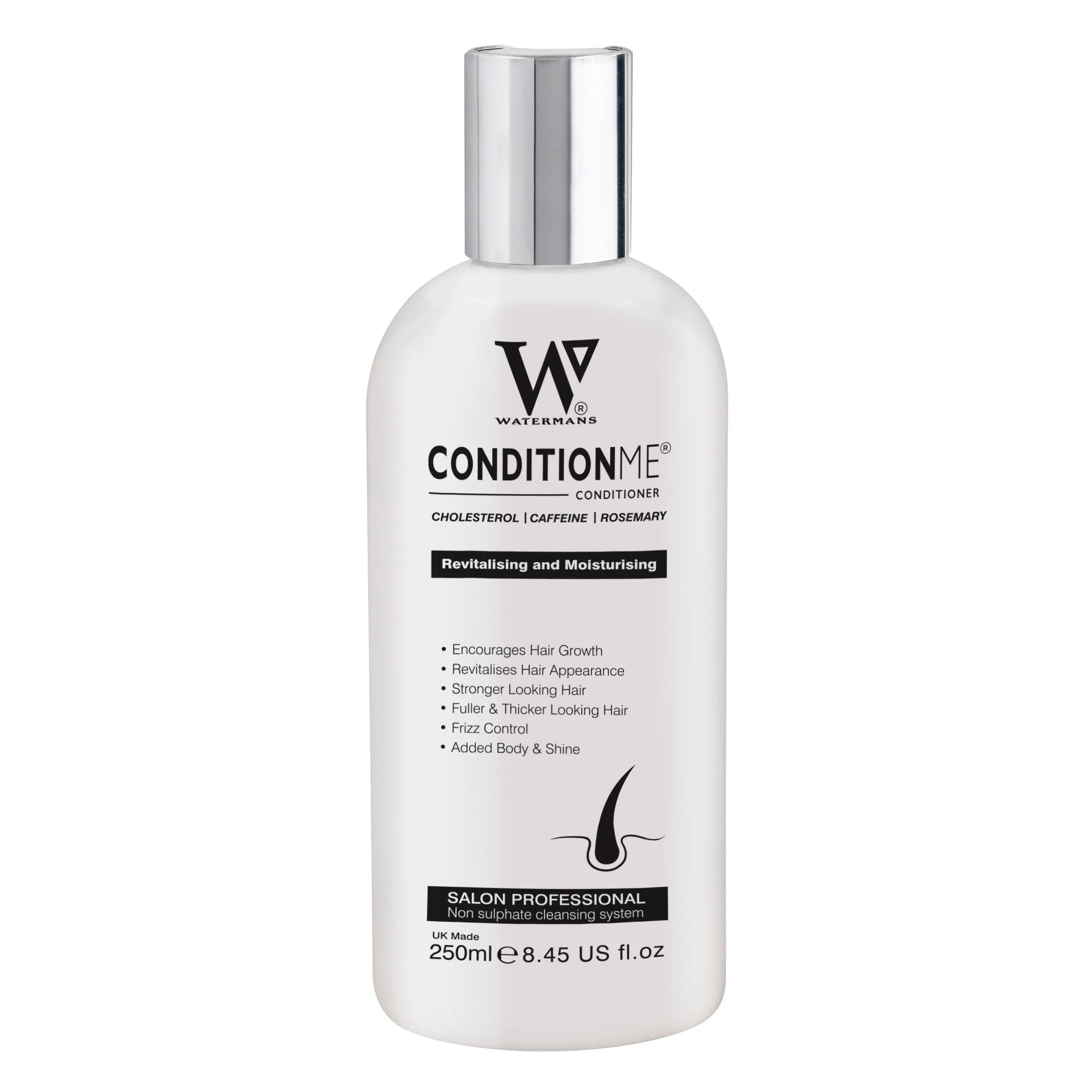
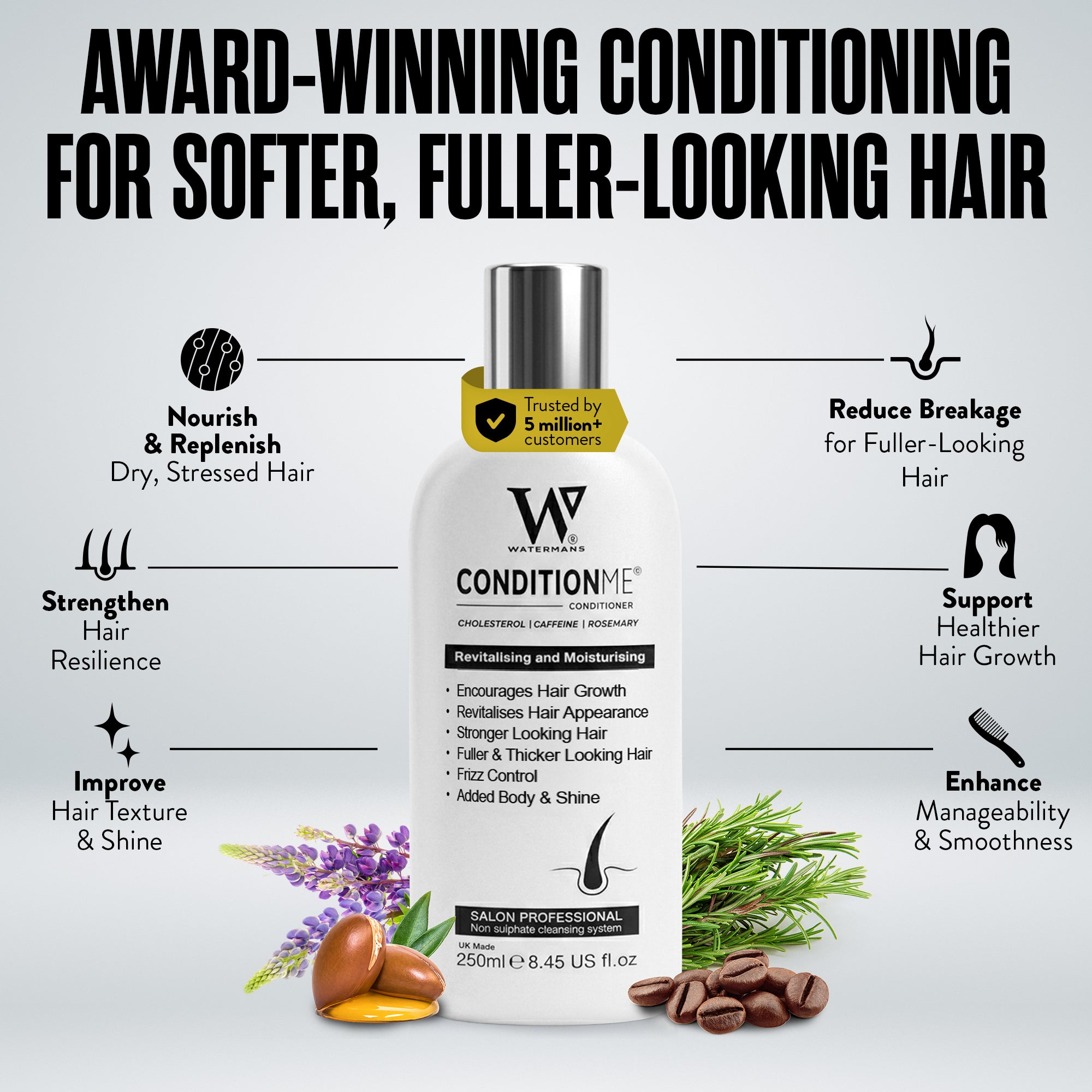
The half of the pair most people underbuy. Cholesterol, shea butter and hydrolysed lupine protein help hair detangle instead of snapping, which is what keeps length on your head. Light enough not to flatten finer hair.

The weekly step for coloured or heat-styled hair, with rosemary, caffeine, argan oil and provitamin B5. Once a week is enough, which is why the cost per use is lower than the shelf price suggests.
What if the change started with the menopause?
Menopause-related hair change is a specific pattern rather than general ageing, and it is worth naming because the buying decision differs. Falling oestrogen affects the growth cycle and sebum production, so hair often becomes finer, drier and flatter over a fairly short period rather than gradually across decades. There is more detail on how coastal air and hard water affect hair.
If that matches your timeline, the relevant purchase is a matched routine rather than a single bottle, and the Menopause Relief Hair Care Kit exists for exactly that. The other half of the answer is not on this website at all: if hair change arrived alongside other menopause symptoms, that is a conversation worth having with your GP. If your question is about products or a routine rather than a medical one, you can talk to Gail Waterman, our co-founder, as an AI avatar on the Watermans homepage.
How long before you can judge a new shampoo?
Give any new shampoo six to eight weeks, and judge it on three specific things rather than a general impression.
- How the scalp feels 24 hours after washing. Tight, itchy or flaky means the cleansing is too harsh for you, and that verdict is available within a week.
- How much breakage you see. Fewer short broken pieces on the bathroom floor after a month is a real result.
- Whether length is accumulating. This is the six-month question, and it is the one that matters most.
What you cannot judge in eight weeks is density, because a scalp follicle works on a multi-year cycle. Anyone promising a visible density change by week four is selling you the wrong thing.

Frequently Asked Questions
What is the best shampoo for older hair?
There is no single best one, because the right shampoo for older hair depends on whether your main problem is a dry scalp, flat fine hair or breakage from colour and heat. The reliable rule is to buy sulphate-free, buy it as a pair with a conditioner, and buy the smallest size first.
Is expensive shampoo actually better?
Up to a point. The meaningful formula improvement happens between budget supermarket products and properly formulated sulphate-free ones. Above that, extra money mostly buys fragrance, packaging and brand rather than a further improvement in how your hair behaves.
Can a shampoo make thin hair thick again?
No. A shampoo can make hair look and feel thicker by cleaning without stripping, adding body at the root and reducing breakage so more length stays on your head. It cannot change the diameter of the fibre your follicle produces.
Is sulphate-free worth the extra money on older hair?
Usually yes, and it is the one upgrade we would defend. Sebum production falls with age, so an aggressive detergent has less oil to remove and takes more from the hair fibre instead. Gentler cleansing shows up as less dryness and less breakage.
How often should older hair be washed?
Two to three times a week suits most people over 50, because the scalp produces less oil than it used to. Wash more often if your scalp gets oily or you exercise daily, and less if it feels tight. There is no virtue in stretching washes out when the scalp is uncomfortable.
Do I need a separate shampoo for grey hair?
Only if yellowing bothers you. Grey and white hair picks up brassiness from minerals, sun and styling products, and a violet-toned shampoo used once every week or two corrects it. Used every wash it can leave a lilac cast, so alternate it with your usual bottle.
Are supermarket own-brand shampoos any good?
Some are genuinely decent and some are very harsh, and the price tells you nothing either way. Turn the bottle over: if a mild surfactant leads the list and a real conditioning agent appears near the top, it is worth trying regardless of who made it.
Should I switch shampoo regularly?
No, that is a myth. Hair does not become tolerant of a shampoo. If a product is working, keep buying it. Switch when your hair, scalp or the weather actually changes, not on a schedule.
What is the bottom line on shampoo for older hair?
Buying a shampoo for older hair well comes down to four decisions: work out whether your problem is loss, shedding or breakage, buy sulphate-free with real conditioning agents, compare in cost per wash rather than price per bottle, and spend on the cut and the conditioner before you spend on a fancier shampoo. The jump from budget to a properly formulated specialist product is worth paying for. The jump from there to luxury mostly is not. If you want the routine rather than the shopping list, we set it out in full in our guide to caring for hair after 50.
If you want a straightforward starting point rather than a shelf of products, that is the Grow Me hair growth shampoo. Made in the UK, with over 6.5 million bottles sold since 2012.
Watermans products are 100% cosmetic and do not treat medical hair loss. Individual results may vary.
Related reading: what mature hair actually needs, ingredient by ingredient, why hair falls flat and how to fix each cause, menopause hair thinning and what helps, and the three-clue self-check for thinning hair.
Sources and References
- NHS, Hair loss, on common patterns, causes and when a GP should be involved.
- NHS, Menopause, on the symptom picture behind the menopause section above.
- NHS, Contact dermatitis, on fragrance and cosmetic ingredients as triggers for an irritated scalp.
- NHS, Dandruff, on scalp flaking, what makes it worse and when to seek help.
- NHS, Vitamins and minerals, on realistic dietary intakes, relevant before spending on hair supplements.