Menopause Hair Loss Supplements: What Helps and What to Check First
Menopause hair loss supplements only earn their place once two things are true: a blood test has shown you are short of a nutrient, and the thinning itself has been understood. Menopause hair loss thinning is the gradual, diffuse drop in density many women notice from their mid forties onwards, as falling oestrogen shortens the growing phase and follicles produce finer strands. Biotin, zinc and selenium carry an authorised claim for the maintenance of normal hair, and vitamin D and iron are worth checking first, but nothing in a capsule changes a hormone.
Our menopause hair care kit
Menopause Hair Care Kit, £69.99. A complete hair, skin and wellbeing routine put together for the hair changes that arrive around the menopause.
Key takeaways
- The giveaway signs are a widening parting, a thinner ponytail and finer individual strands, not patches.
- Oestrogen falling relative to androgens is the main driver, which is why the parting and crown go first.
- Ferritin, thyroid function and vitamin D are worth checking, because they often make it worse and are fixable.
- Menopause hair loss supplements help only where a nutrient is genuinely short. Biotin, zinc and selenium contribute to the maintenance of normal hair; none of them replaces oestrogen.
- A sudden heavy shed three months after a stressful event is a different thing and usually settles by itself.
- Gentle handling and less heat protect the hair you have, which matters more than most people realise.
What does menopause hair loss thinning actually look like?
The pattern is specific enough to recognise, and recognising it early is genuinely useful because the changes are gradual and easy to dismiss until a photograph makes them obvious.
- A widening parting. The single most reliable early sign. Hold a mirror behind your head or take a photo in daylight every few months and compare.
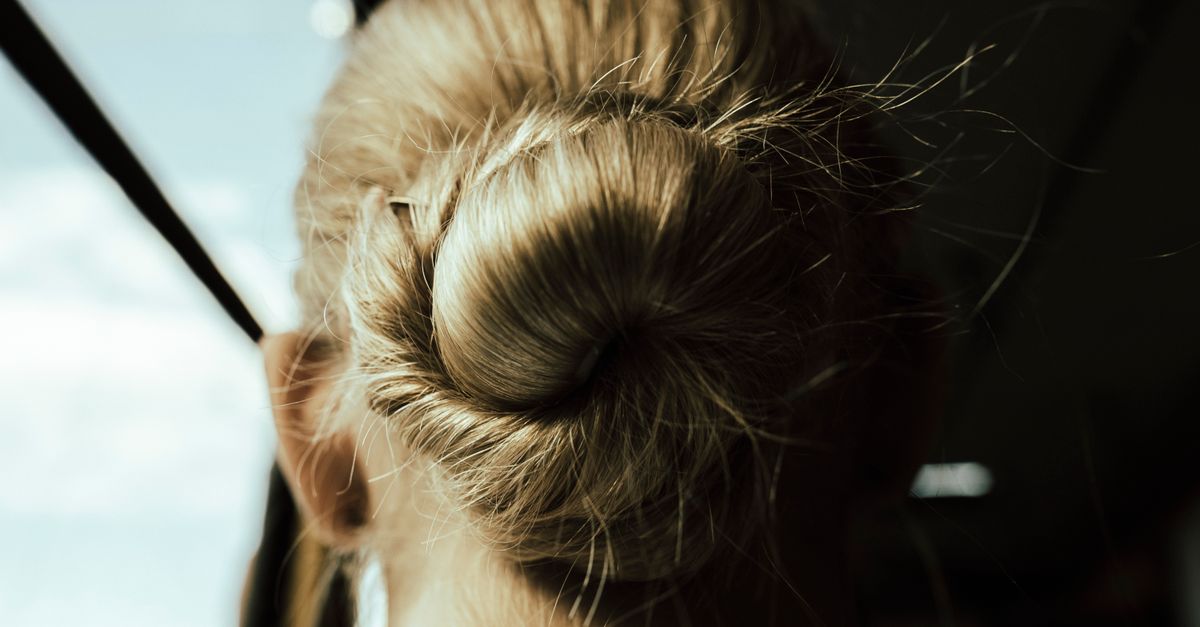
- A thinner ponytail. Many women notice they need an extra twist of the hairband before they notice anything on the scalp.
- Finer individual strands. The hair does not just get sparser, it gets thinner in diameter as follicles miniaturise.
- More visible scalp at the crown. Usually the parting and crown are affected first, with the sides and back holding up better.
- Hair that will not grow as long as it used to. A shorter growing phase means hair reaches a shorter maximum length before it falls.
What menopause hair loss thinning does not usually look like is a smooth bald patch, a receding hairline like a man's, or a sudden dramatic shed over a few weeks. Any of those points somewhere else, and is worth a GP appointment rather than a shampoo. If you live in East Yorkshire, our guide to trichologists in Hull for menopause and midlife thinning explains which questions belong with a trichologist and which with your GP. For more on this, see what realistically changes about HRT hair thickness.

What is the difference between hair loss, hair shedding and hair breakage?
This distinction saves more wasted money than any other single piece of information, because the three look similar in the plughole and need completely different responses.
| Mechanism | What you notice | Timeline |
|---|---|---|
| Hair loss, follicles miniaturising | Wider parting, finer strands, more scalp showing | Years, gradual, does not resolve on its own |
| Hair shedding, cycle disruption | Alarming amounts in the brush and shower, density often intact | Starts about 3 months after a trigger, usually settles in 6 to 9 months |
| Hair breakage, the fibre snapping | Short broken pieces, frizzy halo, ends that will not grow past a point | Improves within weeks once the cause is removed |
Midlife makes all three more likely at once, which is exactly why it gets confusing. Oestrogen decline drives the miniaturisation, a stressful year drives the shedding, and drier, more fragile midlife hair breaks more easily. Our guide to the three mechanisms behind thinning hair works through how to tell them apart, and what causes telogen effluvium covers the shedding pattern in detail. The strand by strand half of that picture, where each hair emerges thinner rather than fewer emerging, is covered in why hair gets finer and how to measure it.
Why does menopause change hair in the first place?
Hair follicles carry receptors for oestrogen and for androgens, and the balance between the two is what changes at menopause.
Oestrogen keeps hair in its growing phase for longer. This is why hair often looks its thickest during pregnancy, when oestrogen is high, and why a heavy shed follows a few months after birth when it drops. Through perimenopause and after, oestrogen falls steadily, the growing phase shortens, and a greater proportion of follicles sit in the resting phase at any moment.
Androgens do not rise, but their influence does. Testosterone levels fall gently with age too, just more slowly than oestrogen. The ratio shifts, and in follicles that are genetically sensitive to androgens the effect is miniaturisation: each growth cycle produces a slightly finer, shorter hair than the last. That sensitivity is inherited, which is why some women sail through and others do not. The underlying mechanism is covered in our guide to how oestrogen shapes the hair growth cycle, which explains why density rises and falls with the hormone rather than with age itself.
Everything else in midlife piles on. Low ferritin from years of heavy periods, an under active thyroid, low vitamin D, poor sleep, a stressful decade and reduced protein intake all affect hair independently, and all become more common in the same years.
What should you ask your GP to check?
Before you spend anything on hair products, it is worth ruling out the causes that are correctable, because several of them are common in this age group and produce exactly the same picture.
- Ferritin, your iron stores. A normal full blood count does not rule out low ferritin, so ask for the ferritin figure specifically and ask what the number is rather than accepting "normal".
- Thyroid function. An under active thyroid is common in midlife women and causes diffuse hair change alongside fatigue, weight change and feeling cold.
- Vitamin D. Widely low in the UK, particularly through winter.
- Vitamin B12 and folate, especially if you eat little or no meat.
Your GP is also the person to talk to about HRT. NICE guidance on menopause covers how symptoms are assessed and the benefits and risks of the available options, and hair is one of many things that can shift when the underlying hormonal picture is addressed. The effect of HRT on hair specifically is variable and not the main reason it is offered, so go into that conversation with realistic expectations.

Which everyday changes make the biggest difference?
Nothing on this list changes your hormones. What these changes do is protect the hair you have from a second, entirely avoidable problem stacking on top of the first, and that is worth more than it sounds when density is already reduced.
Eat enough protein. Hair is mostly keratin, and midlife appetite changes and smaller meals often mean protein quietly drops. Aim for a proper source at every meal.
Sort the iron, properly. If your ferritin is low, correct it under your GP's guidance rather than self dosing, because too much iron is its own problem. Red meat, pulses, dark leafy greens and a source of vitamin C alongside them all help.
Turn the heat right down. Menopausal hair is drier and more fragile, so the straightener setting that was fine at 35 is not fine at 55. Use a heat protectant every single time.
Loosen everything. Tight ponytails, clips in the same spot and aggressive brushing all cause traction and breakage at exactly the hairline you are trying to protect.
Sleep and stress, honestly. Neither is a hair remedy, but both drive shedding, and shedding on top of thinning is what makes the change feel sudden.
Quick tip: take a photograph of your parting in the same daylight, same spot, every three months. Hair changes far too slowly to judge in a mirror, and a photo trail is the only honest record you will have.
Get a discount on the menopause hair range
Join the Watermans mailing list and we will email a discount code straight to your inbox, so you can try the menopause hair range for less. Made in the UK, over 6.5 million bottles sold since 2012.
Which menopause hair loss supplements are worth considering?
Menopause hair loss supplements worth considering are the ones that correct a shortfall you have actually measured: iron if ferritin is low, vitamin D through the autumn and winter as the NHS advises for everyone, and biotin, zinc or selenium if a varied diet is not supplying them. Each of those three carries an authorised nutrition claim for contributing to the maintenance of normal hair. None of them restores density lost to follicle miniaturisation.
The order matters. Get the ferritin, thyroid and vitamin D results first, because a supplement taken blind can be useless at best and harmful at worst: the NHS warns that too much iron is harmful and that excess selenium causes selenosis, a condition whose signs include loss of hair, which is the opposite of what anyone buying menopause hair loss supplements is hoping for.
| Nutrient | What the NHS says | When a supplement makes sense |
|---|---|---|
| Iron (ferritin) | Women aged 19 to 50 need 14.8mg a day, women over 50 need 8.7mg. Too much iron is harmful. | Only after a ferritin test, and at the dose your GP suggests. Low iron stores are common after years of heavy periods. |
| Vitamin D | Everyone should consider 10 micrograms a day during the autumn and winter, because sunlight is too weak to make it. | A sensible default for most UK adults from October to March. Year round if you are rarely outdoors or cover your skin. |
| Biotin (vitamin B7) | Found in a wide range of foods, and a varied diet gives most people what they need. Deficiency is rare. | Only if your diet is very restricted. Biotin contributes to the maintenance of normal hair, which is a supporting role. |
| Zinc | Helps make new cells and enzymes and process food. Available from meat, shellfish, dairy, bread and cereals. | If you eat little meat or dairy. Zinc contributes to the maintenance of normal hair, skin and nails. |
| Selenium | Needed in small amounts; too much causes selenosis, which can lead to loss of hair and nails. | Rarely. Brazil nuts, fish, meat and eggs cover it. Do not stack several products that each contain selenium. |
| Collagen, horsetail, silica | No authorised hair claim in Great Britain for any of them. | Optional extras at most. Regard any growth promise on the label as marketing. |
Where do our own products sit in that table? GrowPro gummies are sugar free vegan gummies with biotin, zinc and silica from bamboo and horsetail, two a day, so they cover the biotin and zinc rows for someone whose diet falls short. The Allevi8 supplement inside the Menopause Hair Care Kit is a wellbeing blend of frankincense, turmeric, ginger, black pepper and vitamin D3 that our co-founder Gail created for herself during her own menopause; it is a mind and body product, not a hair claim. We will not tell you either of them thickens hair, because the honest claim is maintenance of normal hair, and only where a nutrient was missing.
Where do cosmetic products genuinely fit?
Honestly and narrowly. A shampoo cannot change your hormones, and any brand implying otherwise is one to walk away from. What good cosmetic care can do is reduce breakage, keep the scalp comfortable, and make the hair you have look fuller, which is a real and worthwhile thing when density has dropped. The follicle biology behind these changes is set out in our guide to scalp estrogen receptors and the hair cycle.
Our Menopause Hair Care Kit was put together for exactly this stage: gentle cleansing, proper conditioning to reduce breakage, and a scalp step, alongside a wellbeing supplement. The gummies are a separate, simpler idea, providing biotin, zinc and other nutrients that contribute to the maintenance of normal hair.

Menopause Hair Care Kit
A complete hair, skin and wellbeing routine built for this stage. Made in the UK.
View the kit
GrowPro Hair, Skin and Nails Gummies
Sugar free vegan gummies with biotin, zinc and silica. Nutrients that contribute to the maintenance of normal hair.
View the gummiesWatermans products are 100% cosmetic and do not treat medical hair loss. Individual results may vary.

How long does menopause hair loss thinning go on for?
The steepest change tends to happen through perimenopause and the first few years after the final period, which is when the hormonal shift is fastest. After that the pace usually slows considerably, though the process does not simply stop and undo itself.
This is where honest expectations matter. Density lost to follicle miniaturisation is not something a cosmetic routine restores. What is realistic is slowing the rate of visible change, keeping breakage down so hair reaches its full length, and improving how full the hair looks. Women who address a low ferritin or an under active thyroid alongside this often see the biggest improvement, precisely because those were adding a correctable layer on top. If that sounds familiar, our piece on what hormone therapy actually changes on the scalp.
If you want to compare the options side by side, including the medical ones, we set them out in our companion piece on menopause hair thinning options explained honestly. And if you are simply trying to work out whether what you are seeing is normal for your age, start with what counts as normal hair loss for a woman after 40. For the biology underneath all of this, we explain why menopause causes hair loss at the follicle and what else to rule out first. How much of that testosterone is actually free to reach a follicle depends on SHBG, the protein that binds it in the blood. For the wider picture, our guide to low oestrogen hair changes covers the signs, the life stages behind them and what genuinely helps. If you are just starting to look into this, our menopause hair hub brings together causes, GP checks and everyday care. Many women also notice a drier, itchier scalp at this stage, and our menopause dry scalp guide covers a gentle routine for it.
Frequently asked questions about menopause hair loss thinning
Do menopause hair loss supplements actually work?
Menopause hair loss supplements work only for the part of the problem they can reach: a nutrient you were genuinely short of. Correcting low ferritin or low vitamin D often produces a visible improvement in shedding, and biotin, zinc and selenium contribute to the maintenance of normal hair. No supplement changes the oestrogen shift that drives menopausal thinning, so get the blood tests first and talk to your GP about the wider picture.
Is menopause hair loss thinning permanent?
The follicles are not destroyed, so hair is still being produced, just finer and for shorter cycles. The change is ongoing rather than a single event, and it is not reversed by cosmetic products. Correcting a nutritional or thyroid problem alongside it often produces a visible improvement.
Does HRT help hair?
Some women notice their hair improves on HRT and others notice no difference. It is not offered for hair and should not be judged on that basis. Discuss it with your GP in the context of your overall menopausal symptoms.
How much hair a day is normal?
Between 50 and 100 hairs a day is the usual range, and most people underestimate what that actually looks like gathered in a plughole. Consistently far more than that over weeks is worth investigating.
Why has my hair changed texture as well as thinned?
Finer strands behave differently. Hair often becomes drier, more prone to frizz and less able to hold a style, because the fibre diameter has reduced and the scalp produces less oil than it used to.
Can biotin supplements help?
Biotin deficiency is rare in the UK, and supplementing when you are not deficient is unlikely to change anything. Nutrients contribute to the maintenance of normal hair, which is a supporting role rather than a fix.
Should I cut my hair shorter?
Many women find shorter styles look considerably fuller, because the weight of long hair drags flat against the scalp and makes the parting more obvious. It is a styling decision, not a biological one.
Does colouring make it worse?
Colour does not affect the follicle, but bleach and repeated lightening damage the fibre and cause breakage, which reads as further loss. Depositing colour is gentler than lifting it.
When should I see my GP rather than change my shampoo?
See your GP if the change is sudden, if there are defined bald patches, if the scalp is sore, red or scaly, or if you have other symptoms such as fatigue, weight change or feeling cold, which point towards thyroid or iron problems.
What is the bottom line on menopause hair loss supplements?
Menopause hair loss supplements come after the blood tests, never instead of them. Menopause hair loss thinning is common, it is driven by a real hormonal shift, and it is gradual rather than sudden. Get ferritin, thyroid and vitamin D checked before you spend anything, because those are correctable and produce the same picture. Protect what you have with less heat, looser styles and enough protein. Use cosmetic care for what it genuinely does, which is reducing breakage and making hair look fuller, and talk to your GP about the wider picture rather than treating this as a hair problem in isolation. The menopause is only one of several hormonal causes that look similar in the mirror, so it helps to read how to tell the hormonal causes apart. If you have recently started hormone therapy, our month by month HRT hair timeline sets out what to expect in the first year. If your question is about products or a routine rather than a medical one, you can talk to Gail Waterman, our co-founder, as an AI avatar on the Watermans homepage. If you want the detail on that, our guide to hormonal hair thinning walks through it step by step.
Watermans products are 100% cosmetic and do not treat medical hair loss. Individual results may vary.
For the inside out half of the routine, our hair vitamins are the menopause hair loss supplements we make: biotin, zinc and silica in a sugar free gummy. Vegan and made in the UK.
Sources and References
- Menopause: identification and management, NICE guideline NG23.
- Menopause, NHS.
- NICE Guideline, British Menopause Society.
- Iron, NHS vitamins and minerals.
- Vitamin D, NHS vitamins and minerals, on the 10 microgram autumn and winter advice.
- B vitamins and folic acid, NHS vitamins and minerals, on biotin.
- Others: vitamins and minerals, NHS, on zinc, selenium and selenosis.