Traction Alopecia: Causes, Signs and How to Prevent It
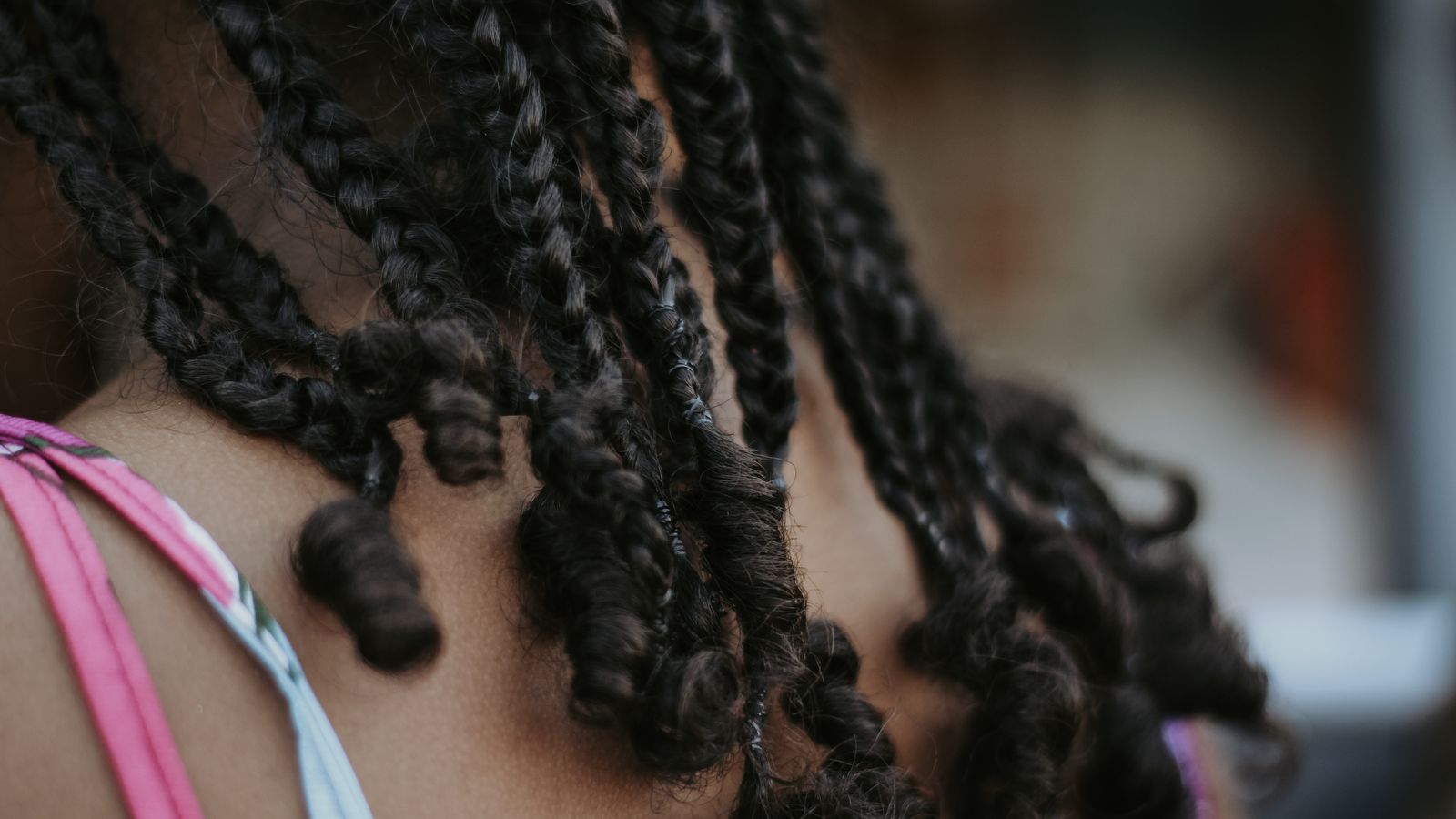
Traction alopecia is hair loss caused by sustained pulling on the follicle rather than by hormones, illness or ageing. Braids, weaves, extensions, tight ponytails, buns, locs, turbans and even clips worn in the same place every day all apply steady tension at the root. Held long enough, that tension inflames the follicle and eventually exhausts it. It is one of the few forms of hair loss that is largely preventable, which is exactly why it is worth understanding early.
Our curly hair set
Curly Hair Shampoo & Conditioner Set, £24.95. A moisture led cleanse and condition pairing made for curls and coils, defining the curl pattern without stripping it.
Key takeaways
- Tension is the cause, not the style itself. A loose braid is not the same as a braid installed tight enough to lift the skin.
- It shows at the margins first. The hairline, temples and the skin behind the ears take the most pull, so they thin first.
- Early it is usually recoverable. Late it may not be. Once a follicle scars, the hair from it does not come back, which is why timing matters more than any product.
- Pain is a red flag, not a sign it is working. Headaches, tenderness and small bumps after a style is fitted mean it is too tight.
- No cosmetic product prevents it. Reducing the tension is the entire intervention. Everything else is supporting care.
What is traction alopecia, in plain terms?
Traction alopecia is a mechanical injury to the hair follicle. The hair shaft acts as a lever, and constant pull transmits force down into the skin around the root. In the early phase the follicle becomes inflamed and irritated, and hairs come out more easily than they should. If the pull continues over months and years, the inflammation can be replaced by scar tissue, and a scarred follicle no longer produces hair.
That two stage picture is the whole reason this condition is discussed with a sense of urgency. Nearly everything about this condition is undone by the reader, in the sense that the reader controls the cause, but only while the follicle is still intact.

Who gets traction alopecia, and why is it so common?
Anyone who wears hair under tension can develop it, and prevalence follows styling culture rather than ethnicity as such. It is documented most often in women with Afro textured hair, because protective styles such as braids, weaves and locs are common and are frequently installed tightly. It is also seen in ballet dancers, gymnasts, nurses and anyone in a role with a strict tied back hair policy, in people who wear religious head coverings pinned in a fixed position, in men who wear tight man buns or hair systems, and in anyone who has worn extensions continuously for years. If extensions are your main source of tension, our Peterborough guide to wearing hair extensions without thinning compares methods and sets out a safe-wear routine.
Children are a specific concern, because tight styles are often fitted on young scalps that will carry the consequences for decades. If a child complains of a sore head after a style is fitted, that style is too tight and should be loosened rather than tolerated.
How do you recognise traction alopecia rather than another kind of hair loss?
The distribution is the giveaway. This kind of hair loss thins the areas under most pull and leaves the rest of the head normal, so the pattern maps onto the hairstyle rather than onto a genetic pattern.
| Feature | Traction alopecia | Androgenetic alopecia | Telogen effluvium |
|---|---|---|---|
| Where it shows | Hairline, temples, behind the ears, wherever the style pulls | Parting, crown, temples in a recognised pattern | All over, diffusely |
| How it starts | Gradually, in step with a styling habit | Gradually, over years | Suddenly, two to three months after a trigger |
| Warning signs | Soreness, small bumps, short broken hairs at the margin | Hairs coming back finer and shorter each cycle | Handfuls of shed hairs with pale bulbs |
| What changes it | Removing the tension, early | Medical options via a GP or dermatologist | Time, and addressing the trigger |
A classic and often missed sign is the fringe sign, where a line of short fine hairs is left along the very front of the hairline while the hair immediately behind it has thinned. Those retained hairs are the ones that were too short to be caught in the style.

Which styling habits carry the most tension?
Tension comes from four things: how tight the style is fitted, how much weight it adds, how long it stays in, and how often you repeat it in the same place. A style can be safe on one of those and risky on another.
- Fitted tight enough to lift or dimple the skin. This is the single biggest factor, and it is the one you can veto at the chair.
- Heavy additions. Long or dense extensions and weaves add weight that pulls constantly, even when the install felt comfortable.
- Left in too long. Braids and weaves worn for many weeks, then reinstalled immediately, give the follicles no recovery window.
- The same parting or the same clip position every day. Low grade repetition in a fixed spot adds up over years.
- Chemical processing plus tension. Relaxed or bleached hair is weaker, so the same pull does more damage.
Our companion article on tight hairstyles worn for long events and how to keep them comfortable covers the occasion styling side, and our guide to the early signs of traction alopecia and protecting your edges goes stage by stage through what recovery actually looks like once the tension is off.
The test to use at the chair: if you cannot comfortably raise your eyebrows once a style is finished, it is too tight. Ask for it to be loosened before you leave. A stylist who is good at their job will not be offended, and a stylist who is offended is telling you something useful. Choosing a gentler fastening is the practical first step, and our guide to which hair ties snap fine hair ranks the common options.
How do hair loss, hair shedding and hair breakage overlap here?
All three can appear together in this condition, which is part of why it is confusing.
- Hair loss is the follicular part: the follicle at the margin is inflamed and, if the pull continues, eventually scarred. This is the part that becomes permanent, and it is the reason to act early.
- Hair shedding is a cycle event and is usually not what is happening at the hairline, though a heavy shed from another cause can arrive at the same time and make the picture worse. Our guide to telogen effluvium and how long shedding lasts covers that separately.
- Hair breakage is the fibre snapping under load, and it is very common alongside tension styling. Those short broken hairs at the margin look like new growth and are often mistaken for it.
Telling breakage from loss matters. Broken hairs have a blunt snapped end and no bulb. Shed hairs have a small pale bulb at the root end. If the margin is bare skin with no short hairs at all, that area has been under tension for a long time and deserves a proper look from a clinician.
Get a discount on your next order
Join the Watermans mailing list and we will email a discount code straight to your inbox. Made in the UK, over 6.5 million bottles sold since 2012.
When should you see a GP or a dermatologist?
Sooner than most people do. Book time with your GP if the hairline has visibly moved back, if there is bare skin with no short hairs in it, if the scalp is sore, scaly, bumpy or producing spots, if the change is spreading, or if you simply are not sure what you are looking at. A clinician can examine the scalp properly, arrange blood tests where something else may be contributing, and refer you on where that is appropriate.
This matters because the window is real. Early inflammation around an intact follicle behaves very differently from a follicle that has already scarred, and no shampoo, serum, oil or supplement changes which side of that line you are on. Getting an informed opinion early is the single most valuable thing on this page, and it costs nothing.

What does sensible everyday care look like while the tension comes off?
Modest and unglamorous. Rest periods between protective styles, looser installs, lighter additions, changing your parting, avoiding the same clip position daily, and gentle detangling from the ends upward. Cleansing and conditioning that keep the fibre supple reduce the breakage that sits alongside the loss, which is a genuine and limited benefit rather than a fix.
Two products fit that supporting role for textured hair. Neither of them does anything about traction alopecia itself, and we would rather say that plainly than imply otherwise.

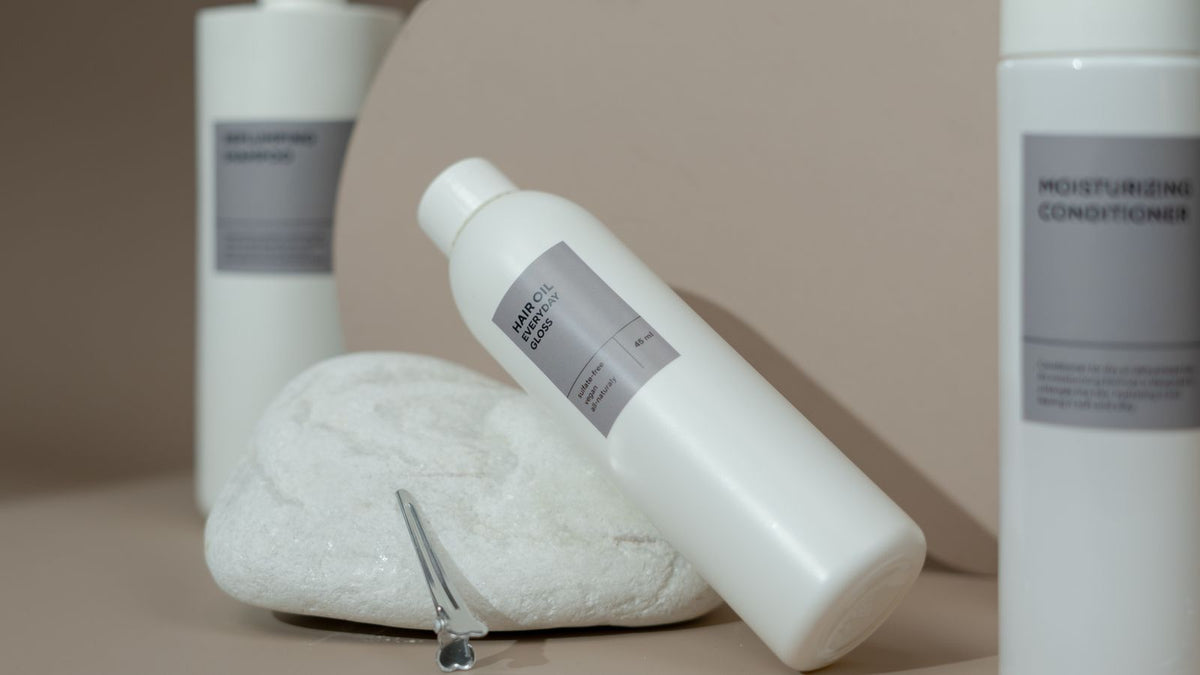
Curly Hair Shampoo and Curl Definition Conditioner Set
A cleanse and condition pair built for curly and coily textures, to keep the fibre supple and easier to detangle so it snaps less during styling and take down. Cosmetic care for hair condition. It does nothing about tension, which is the part that matters.

Camellia and Black Castor Hair and Body Oil
Useful as a pre wash oil before taking a style down, when the hair is dry, tangled and most likely to snap. Apply to the lengths, leave for half an hour, then wash out. Keep it off an inflamed or spotty scalp.
Over 6.5 million bottles sold since 2012. That is a fact about repurchasing and nothing more, and on this topic in particular it should not sway you. Loosening the style will do more than any bottle we sell.
Frequently asked questions
Does traction alopecia grow back?
Where the follicle is still intact and the tension is removed, hair usually returns over several months. Where the follicle has scarred after years of pull, it does not. Nobody can tell which of those applies to your hairline from a photograph, which is why an examination by a GP or dermatologist is worth arranging.
How long does it take to see improvement after I stop pulling?
Expect months rather than weeks. Hair grows roughly a centimetre a month, so give it six to twelve months and photograph the same section of hairline monthly in the same light rather than relying on memory.
Are braids and weaves always bad for my hair?
No. Protective styles fitted loosely, kept light, worn for a sensible period and followed by a rest are not the problem. Tension, weight, duration and repetition are the problem, and all four are adjustable.
Is it normal for a new style to hurt for a day or two?
It is common, but it is not normal in the sense of being acceptable. Pain means the follicles are under enough force to be inflamed. Have the style loosened rather than waiting for it to settle.
Can traction alopecia affect the back of the head as well?
Yes. It follows the pull rather than a fixed pattern, so a low tight ponytail can affect the nape and the area behind the ears. Turbans and pinned head coverings can affect wherever the pin sits.
Do children get traction alopecia?
They can, and it matters more in children because the affected years accumulate. Keep styles loose, rotate partings, and never let a child sit through a style that is hurting.
Will a supplement help traction alopecia?
Not for the tension itself. Supplements are only relevant if you also have a genuine nutritional shortfall, which is a question for your GP and a blood test rather than for a shelf.
What if my hairline has not moved but my scalp is sore?
That is the early phase and the best possible time to act. Take the tension off now, and have the scalp looked at if the soreness, bumps or spots persist for more than a couple of weeks.
Sources and references
- NHS, Hair loss, for the recognised causes of hair loss including hairstyle related loss, and when to see a GP.
- British Association of Dermatologists information leaflets, for scalp inflammation, scarring hair loss and referral pathways.
- NICE Clinical Knowledge Summaries, Female pattern hair loss, for the contrasting pattern and natural history used in the comparison table.
- NICE Clinical Knowledge Summaries, Alopecia areata, for the patchy, non tension related presentation that is sometimes confused with this.
What is the bottom line on traction alopecia?
Traction alopecia is caused by pulling, which makes it one of the few kinds of hair loss you can genuinely act on yourself. Watch the hairline, temples and the skin behind your ears, refuse styles that hurt or lift the skin, keep additions light, rest between installs, rotate your parting, and get an early opinion from your GP if the margin has moved or the scalp is sore. Good cleansing and conditioning reduce the breakage that travels alongside it, and that is the honest limit of what a cosmetic product contributes. The tension is the thing. If your question is about products or a routine rather than a medical one, you can talk to Gail Waterman, our co-founder, as an AI avatar on the Watermans homepage.
For textured hair specifically, our curly hair cleanse and condition set is the set we would point you at.
Watermans products are 100% cosmetic and do not treat medical hair loss. Individual results may vary. If your hairline is moving, or you have a sore, scaly, bumpy or painful scalp, speak to your GP or a dermatologist.