Trichologists in Islington: What They Can and Cannot Do
Searching for trichologists in Islington is easy. Working out what one can actually do for you is harder, and it is the part almost nobody checks before paying. A trichologist is a hair and scalp specialist working outside the medical system, which makes some problems a very good fit and makes others a waste of your money and several months of your time.
Our hair growth shampoo
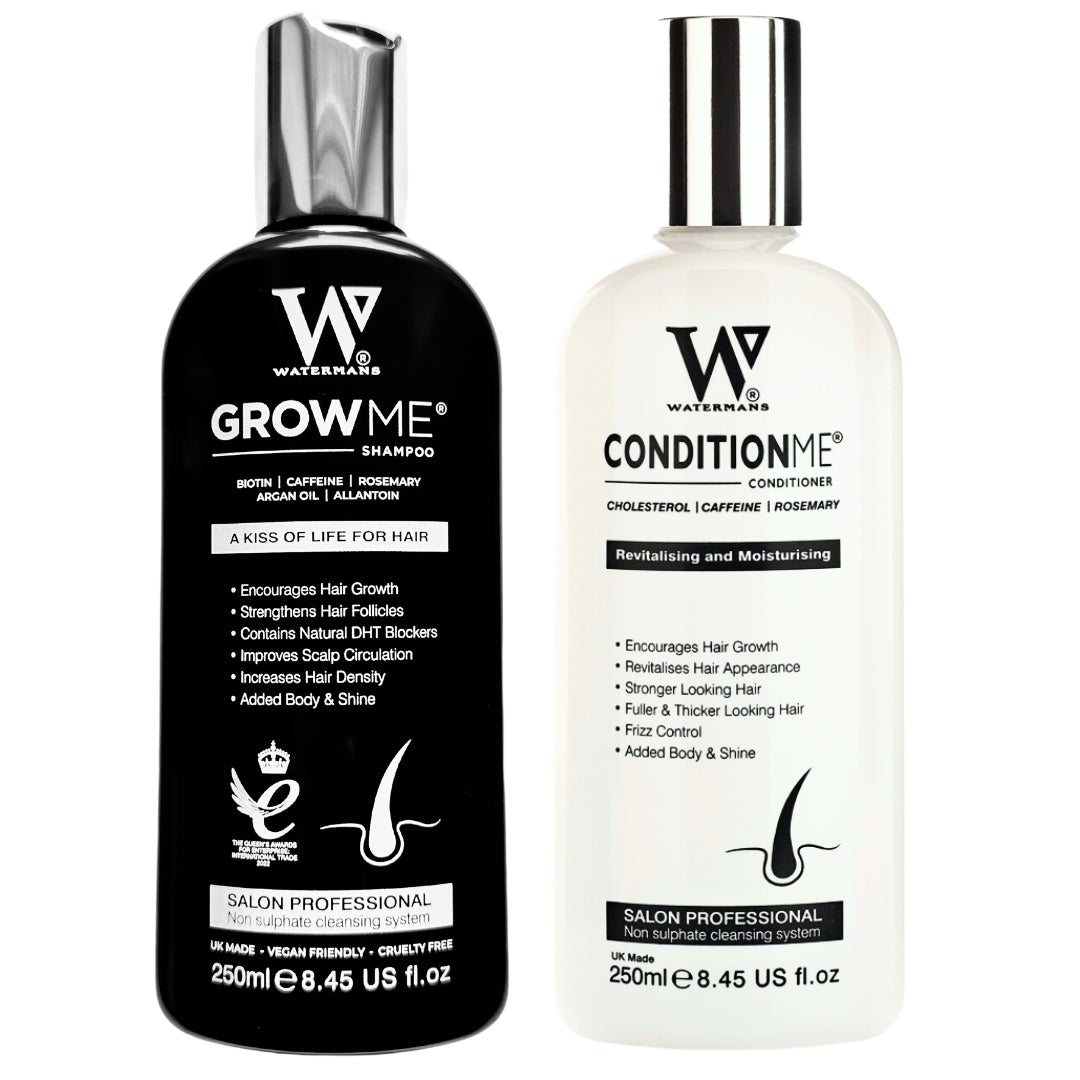
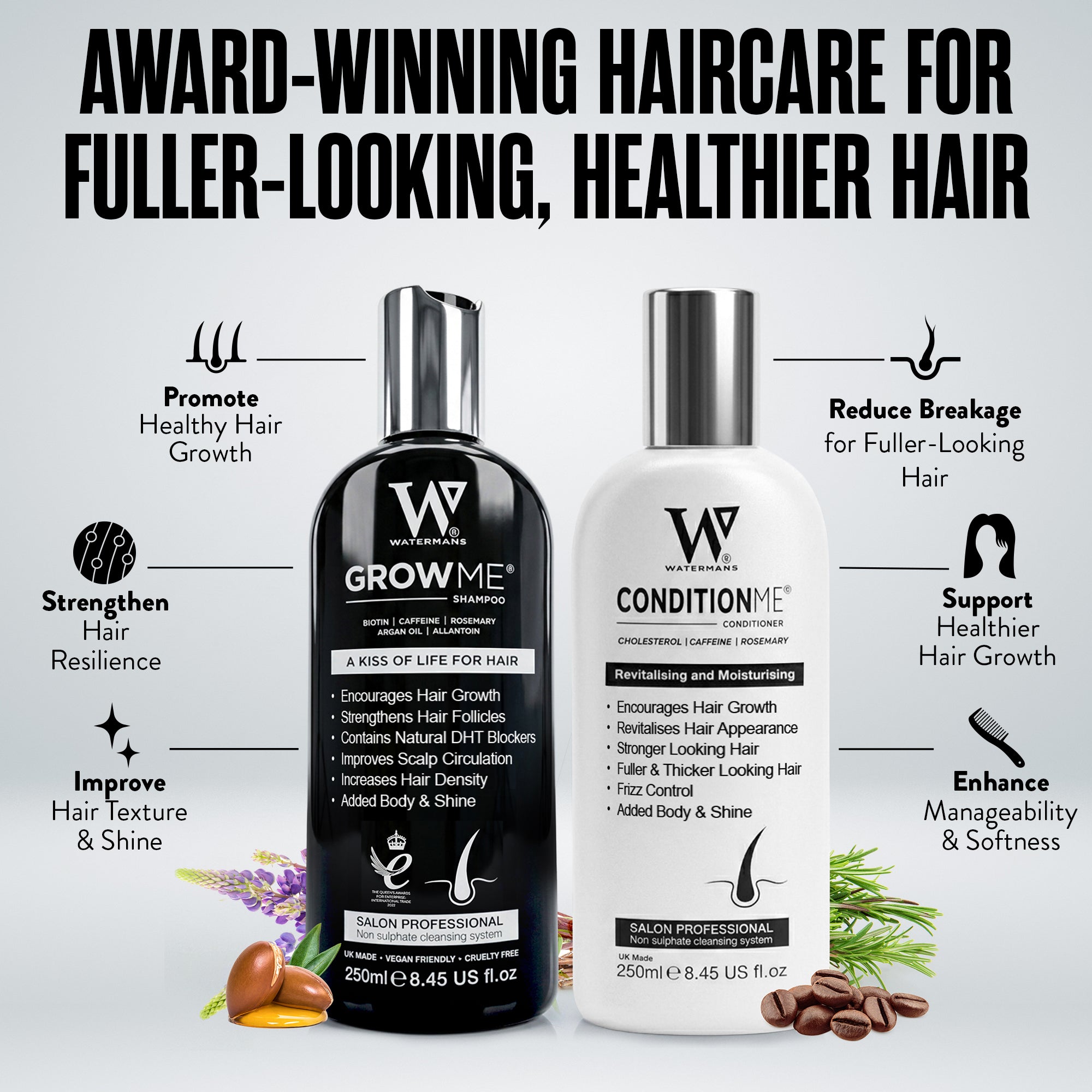
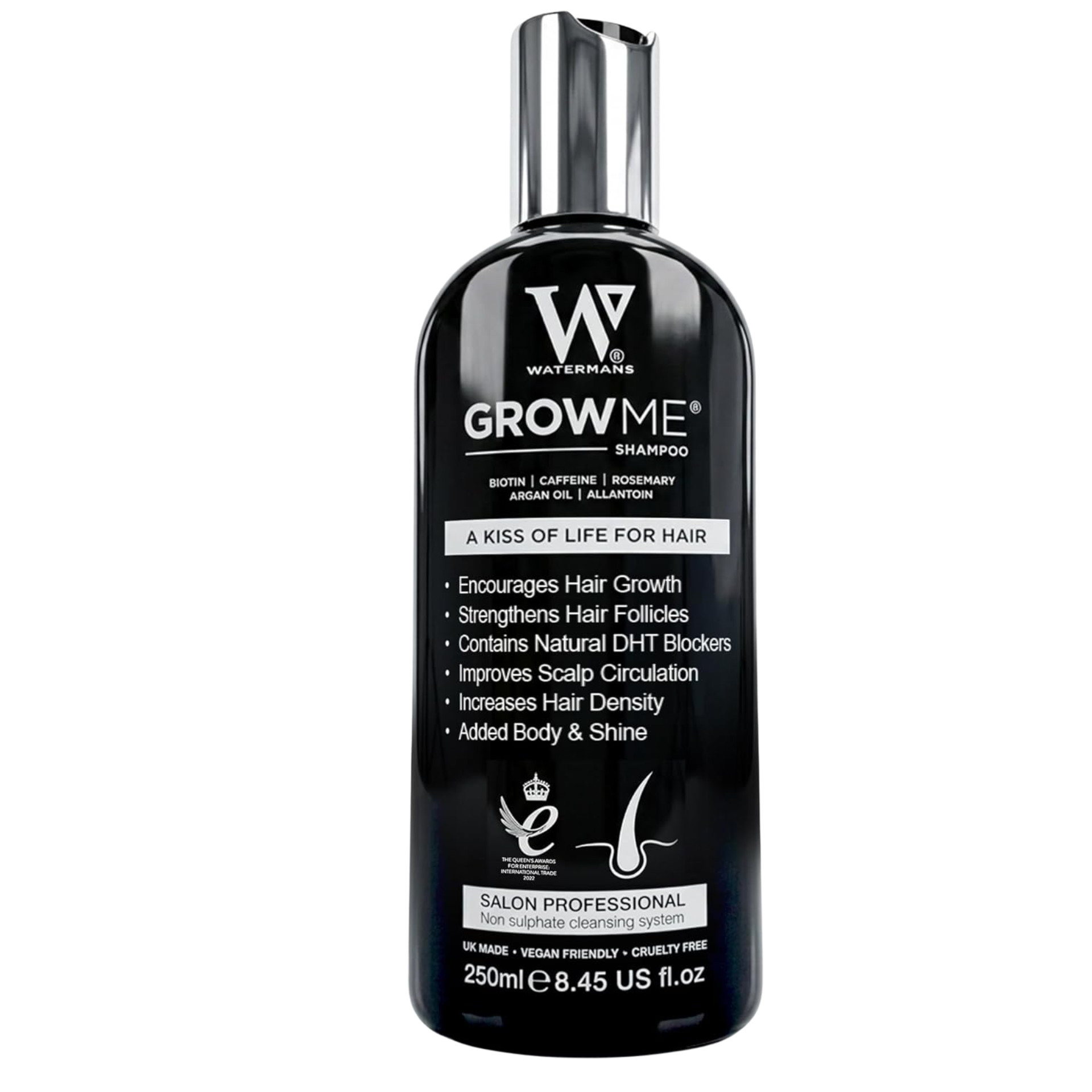
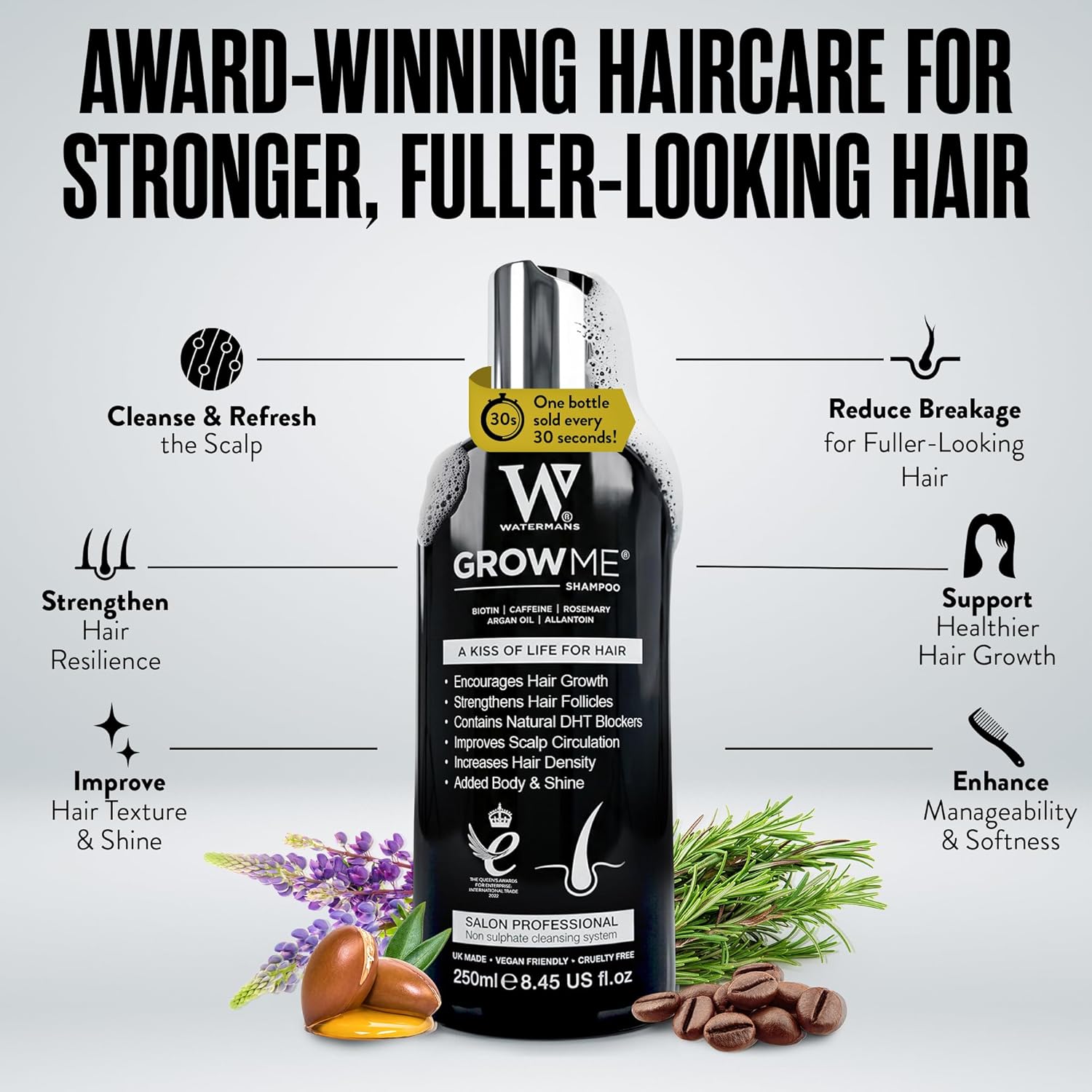
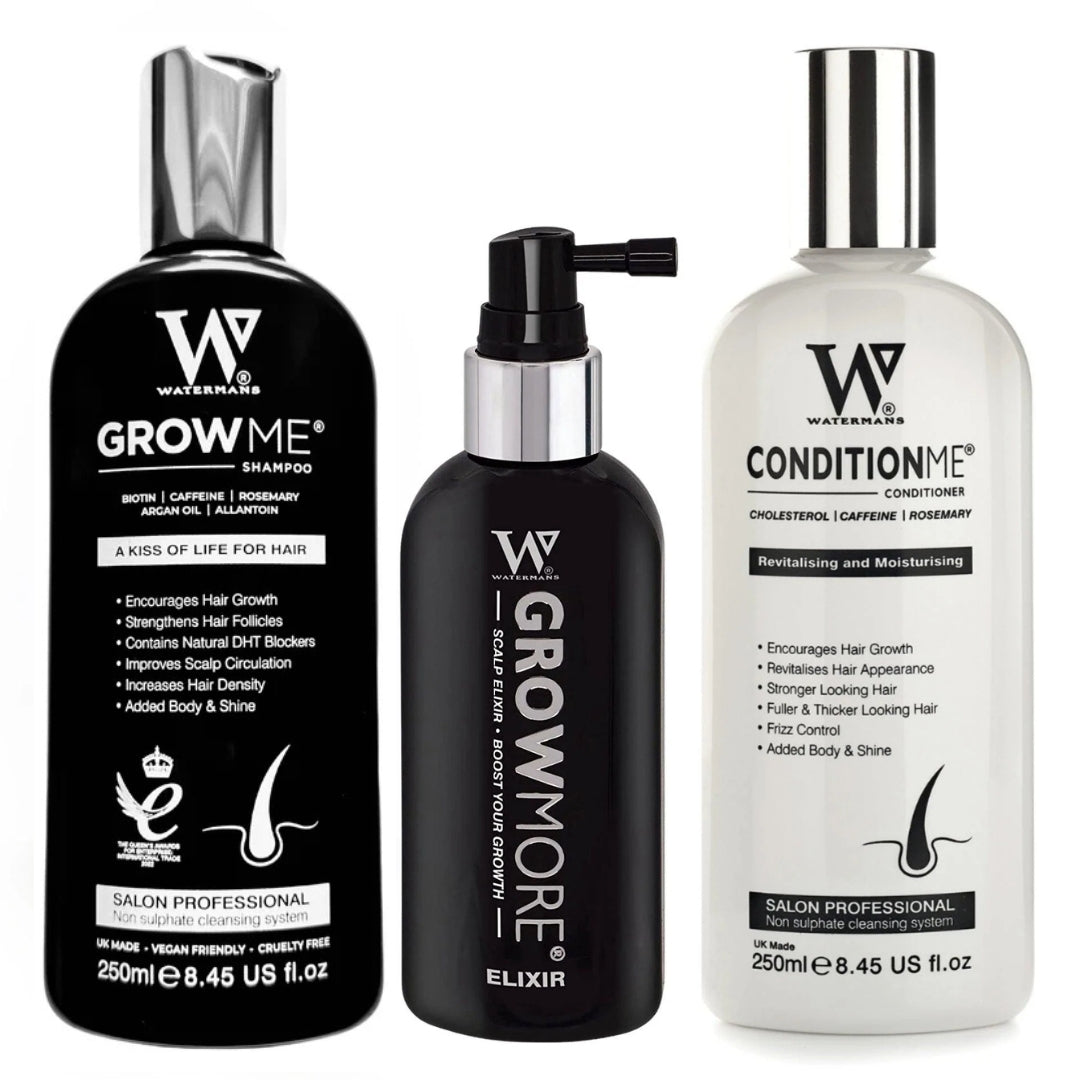
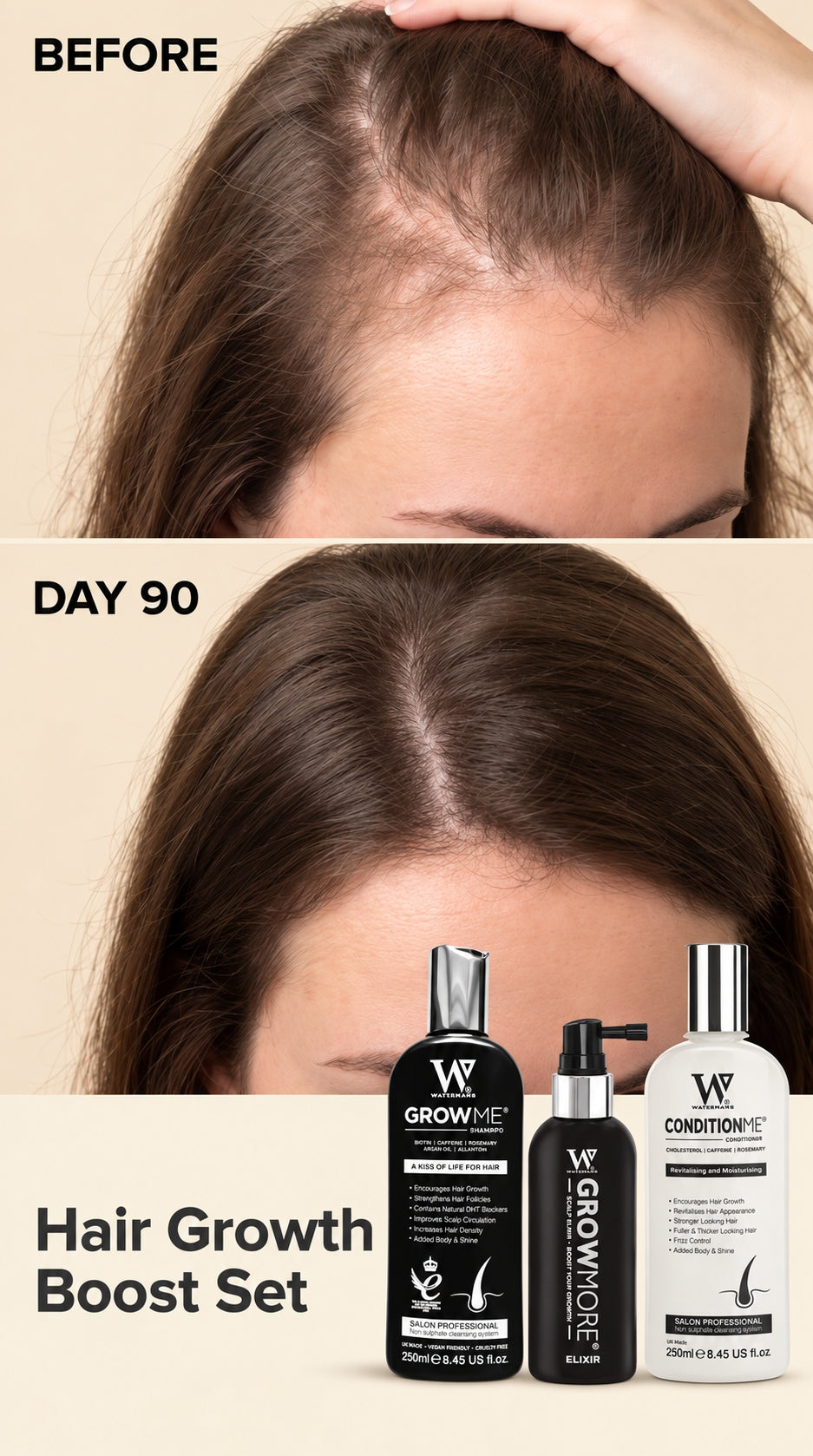
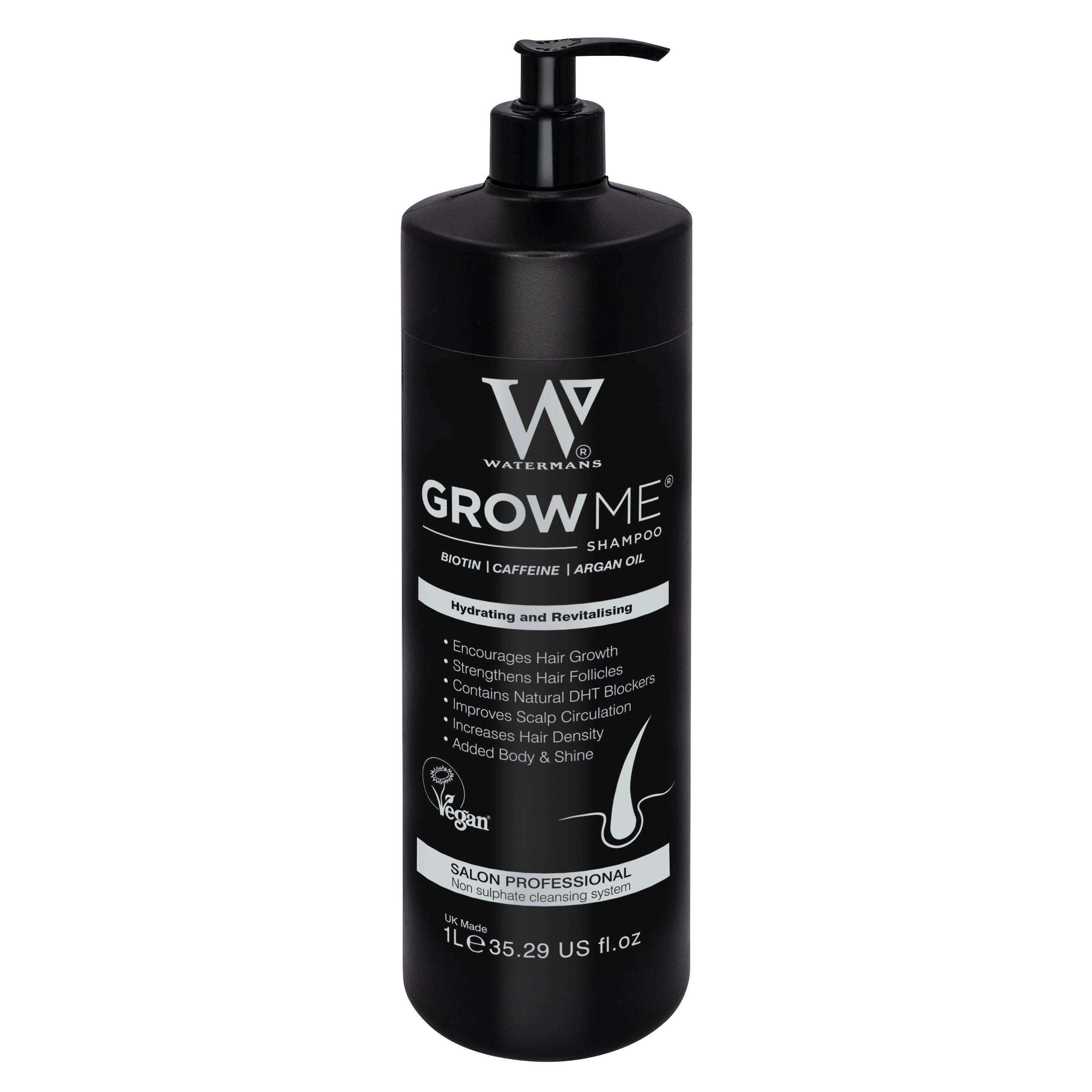
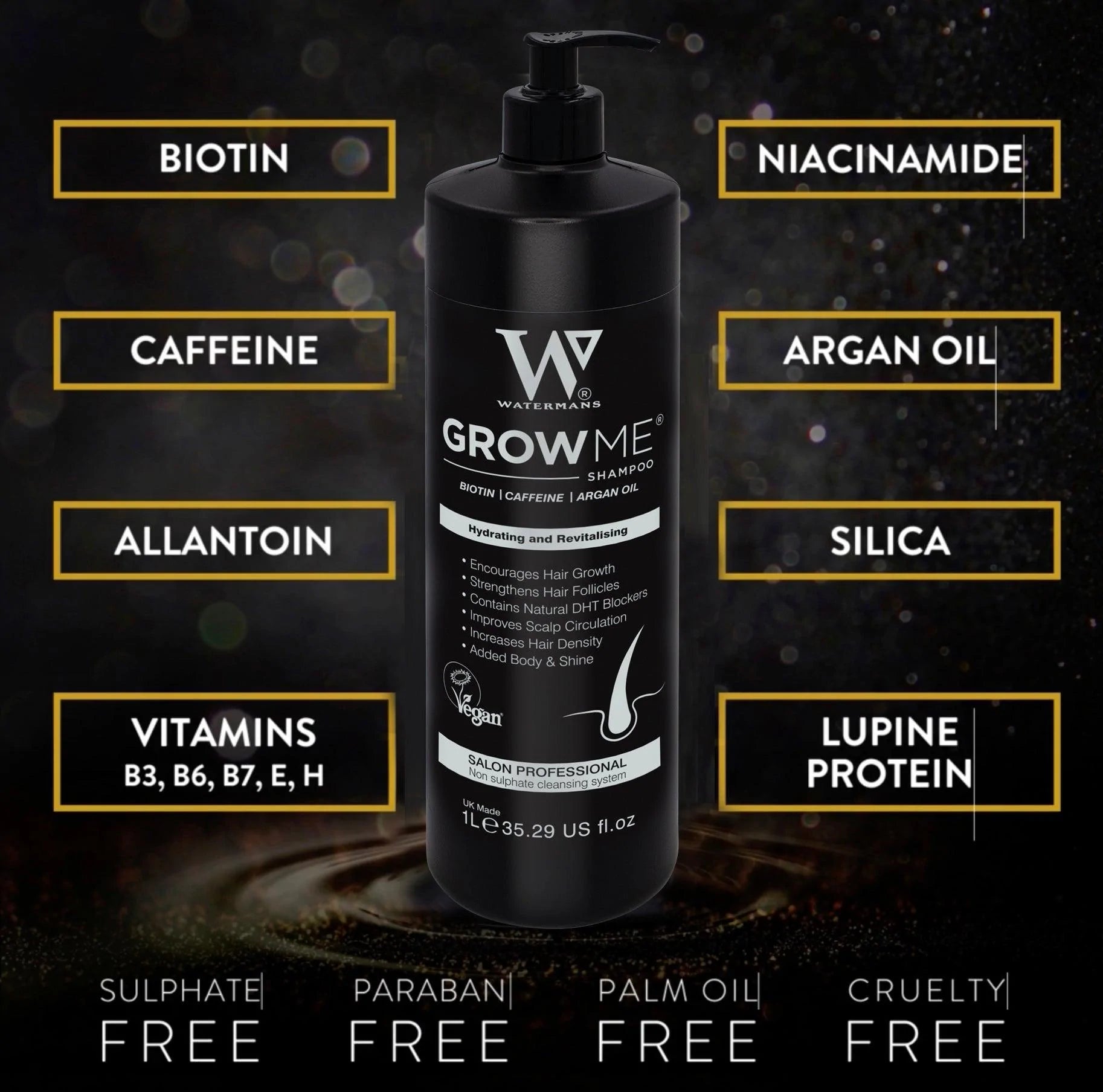
Grow Me® Hair Growth Shampoo, £14.95. A sulphate free daily shampoo that supports a healthy scalp environment and helps reduce breakage, so lengths hold on and look fuller.
In short: Trichologists in Islington can assess your scalp and hair under magnification, take a history, run a pull test and build a practical hair care plan. What they cannot do is order NHS blood tests, take a scalp biopsy, put a medical name to your condition or manage a medical condition, because the title is not regulated in UK law and carries no medical licence. Anything involving patches, scarring, pain or a child belongs with a GP first.
Key takeaways
- The title is not protected in UK law. Anyone may use it, so membership of a professional body is the only check that means anything.
- Good fit: hair care, styling damage, breakage, scalp comfort and working out which pattern you have.
- Poor fit: anything medical. Patches, scarring, pain, sudden loss with other symptoms, or a child, all need a GP.
- Blood tests are free through your GP. Paying privately for tests your GP would order anyway is the most common wasted spend.
- A dermatologist is a doctor on the GMC register. A trichologist is not, and that difference decides what each one can do.
- Expect roughly 75 to 250 pounds for a first session in north London, and ask what is included before you pay.
What can trichologists in Islington actually do for you?
Trichologists in Islington do four things, and they are genuinely useful: take a proper history, look at your scalp and hair under magnification, perform a pull test to see whether shedding is active right now, and build a hair care plan around what they find. For breakage, styling damage, scalp discomfort and working out which pattern you are dealing with, that is real value.
The history is the most underrated part. A careful practitioner will ask what was happening two to three months before the change started, what you have changed about colouring, heat or styling, what your periods are like, what you eat, and what runs in your family. Most of the useful answer comes out of that conversation rather than out of any device.
The pull test is quick and objective. DermNet describes it as gently grasping a group of around 40 to 60 hairs and drawing them through the fingers; more than about six coming away suggests an active shed rather than settled loss. It costs nothing, it takes seconds, and it tells you something a photograph cannot.

What can a trichologist not do?
Trichologists in Islington cannot put a medical name to your condition, cannot take a scalp biopsy, cannot order tests on the NHS and cannot manage a medical condition. None of that is a criticism. It is simply the boundary of a role that sits outside medicine, and knowing where the boundary is saves you both money and time.
Trichologist is not a protected title in the United Kingdom. There is no statutory register for it, unlike the Health and Care Professions Council register that covers titles such as physiotherapist, dietitian and radiographer. Anyone may call themselves one tomorrow. The Institute of Trichologists and The Trichological Society both run assessed training and publish member lists, which is why confirming membership with the organisation itself, rather than trusting a badge on a website, is the only check worth doing.
The practical consequence is a referral loop. If your scalp turns out to need medical care, the private route ends and you go to your GP anyway, several weeks and a few hundred pounds later. Our guide to the three mechanisms behind thinning hair helps you work out in advance which category you are probably in.
| Question | Trichologist | GP or NHS dermatologist |
|---|---|---|
| Assess scalp and hair under magnification | Yes | Yes |
| Give a hair care and styling plan | Yes, this is the core of it | Rarely, not their focus |
| Order blood tests | Privately, at your cost | Yes, free on the NHS |
| Take a scalp biopsy | No | Yes, where needed |
| Put a medical name to a scalp condition | No | Yes |
| Manage a medical scalp condition | No | Yes |
| Cost of a first visit | Roughly 75 to 250 pounds | Free at the point of use |
How is a trichologist different from a dermatologist?
A dermatologist is a medically qualified doctor on the General Medical Council register, usually on the specialist register for dermatology, who has trained in skin, hair and nail medicine. A trichologist has completed hair and scalp training with a professional body but holds no medical qualification or licence. One works inside the medical system and one works alongside it.
You can check a doctor yourself. The GMC publishes a searchable register, and the Care Quality Commission regulates independent healthcare providers in England, so a private clinic making medical claims should be registered with it. Neither register will list a trichologist, because neither applies to the role.
For most hair complaints, the practical route is GP first. An NHS referral to dermatology is free and comes through your GP, so a private visit does not shorten the queue. Where a trichologist genuinely adds something is afterwards: once the medical side is settled, a good practitioner will help you rebuild a routine that stops you losing extra hair to breakage while everything else takes its course.

Get a discount on the thinning hair range
Join the Watermans mailing list and we will email a discount code straight to your inbox, so you can try the thinning hair range for less. Vegan, made in the UK, over 6.5 million bottles sold since 2012.
What happens during a scalp assessment?
A typical session runs 45 to 60 minutes: history first, then a look at the scalp and hair under magnification, usually a pull test, sometimes photographs of the parting and crown for comparison later, and finally a written plan covering washing, styling, heat, tension and anything worth raising with your GP.
Trichoscopy is the magnified view. A handheld dermatoscope shows hair shaft diameters side by side, which is the single most useful observation for separating a diffuse shed from follicles producing progressively finer hair. Mixed thick and thin shafts in the same area point towards pattern hair loss; uniformly normal shafts with lots of short new growth point towards a shed that has already turned the corner.
Photographs matter more than they sound. Hair changes slowly, memory is unreliable, and the only honest way to know whether anything has improved in six months is a picture of the same parting in the same light. Ask whether you get copies. Our article on the three clue self check for thinning hair sets out how to take them yourself for free.
The most useful thing you can bring
A one page timeline. When the change started, what was happening two to three months before that, every medicine or supplement you take, whether your periods are heavy, what your colouring and heat routine looks like, and whether anyone in your family has the same pattern. Practitioners who are worth the fee will spend most of the session on exactly this, and you will get far more out of it if it is written down.
Which questions separate a good practitioner from an expensive one?
Five questions sort the trichologists in Islington worth paying from the rest, and all five are answerable on the phone: which professional body do you belong to and under what name, what does the fee include, what is charged separately, what would make you send me back to my GP, and do I leave with the plan in writing? Clear answers to all five are a better signal than any website.
The referral question is the one that reveals most. A practitioner who says they would send you back to your GP for patches, scarring, pain, sudden loss with other symptoms or a child has understood their own boundary. A practitioner who says they can handle everything has told you something important, and it is not good news. If your question is about products or a routine rather than a medical one, you can talk to Gail Waterman, our co-founder, as an AI avatar on the Watermans homepage.
Be cautious about a course of sessions or a product package sold before anyone has looked at your scalp. Nothing about hair moves quickly enough to justify committing to six months of anything on day one, and the hair cycle means you cannot assess a change meaningfully in under three months anyway.
What does it cost in north London, and what is included?
First sessions across north London commonly run from roughly 75 to 250 pounds, with follow-ups lower. The range is wide because nothing here is regulated, so the number tells you very little on its own. What matters is what sits inside it: session length, magnified examination, photographs, a written plan, and whether follow-up is included or billed separately.
Private blood tests are the most common avoidable cost. Ferritin, full blood count and thyroid function are the ones that matter for hair, and a GP can order all three free on the NHS. NICE guidance sets out when ferritin should be checked and how to read the result. Paying privately for the same panel buys you speed, not better information.
Products sold at the end of a session are worth treating as a separate decision. Cosmetic hair care can genuinely reduce breakage and make hair look fuller, which is worth having. It cannot change what a follicle is doing, so a plan that rests entirely on a product range has skipped the part you actually came for.


Grow Me® Hair Growth Shampoo · £14.95
A daily cleanse with caffeine, biotin and allantoin that reduces breakage for fuller-looking hair. Vegan, made in the UK, and cosmetic rather than medical.

Grow More® Leave-In Hair Density Serum · £25.50
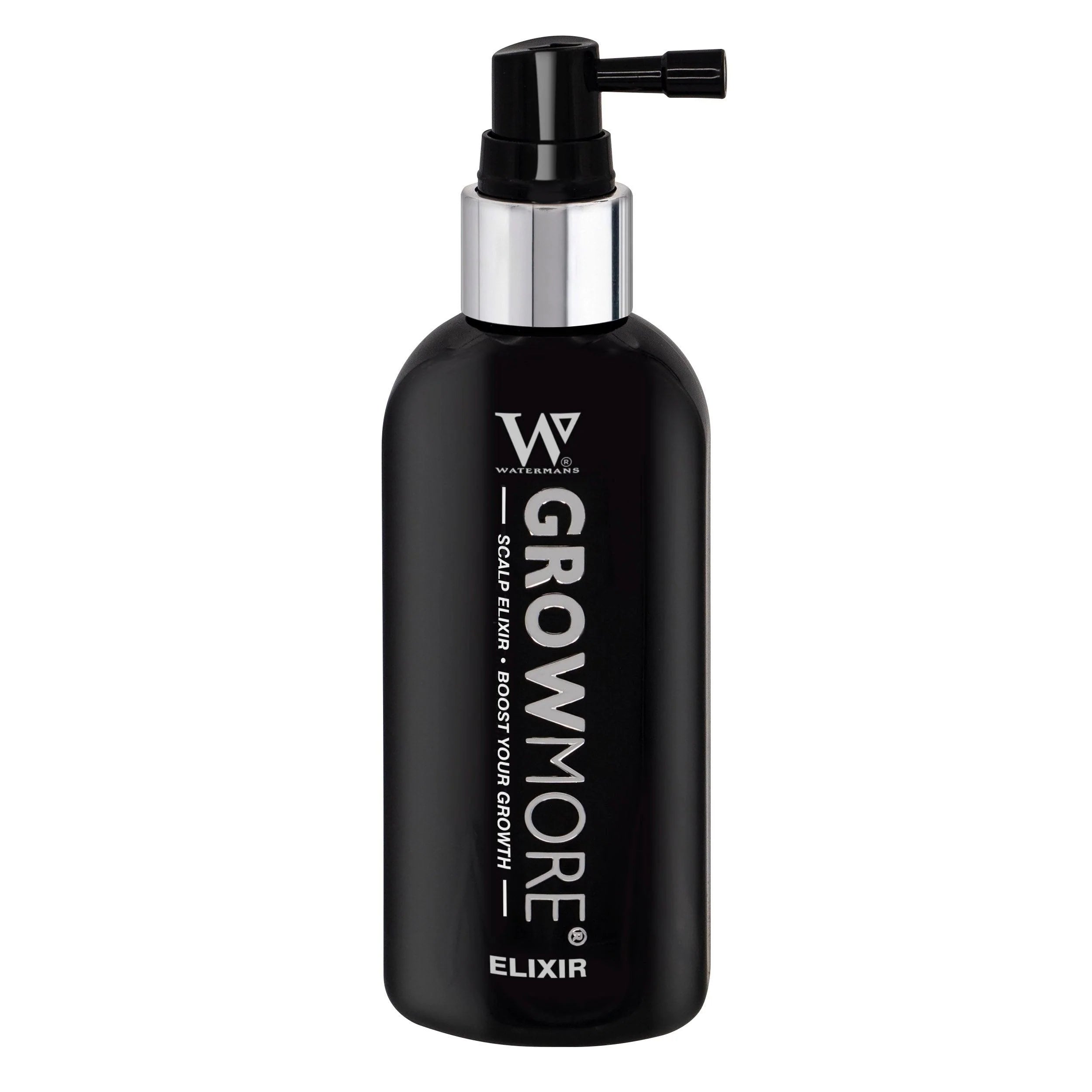
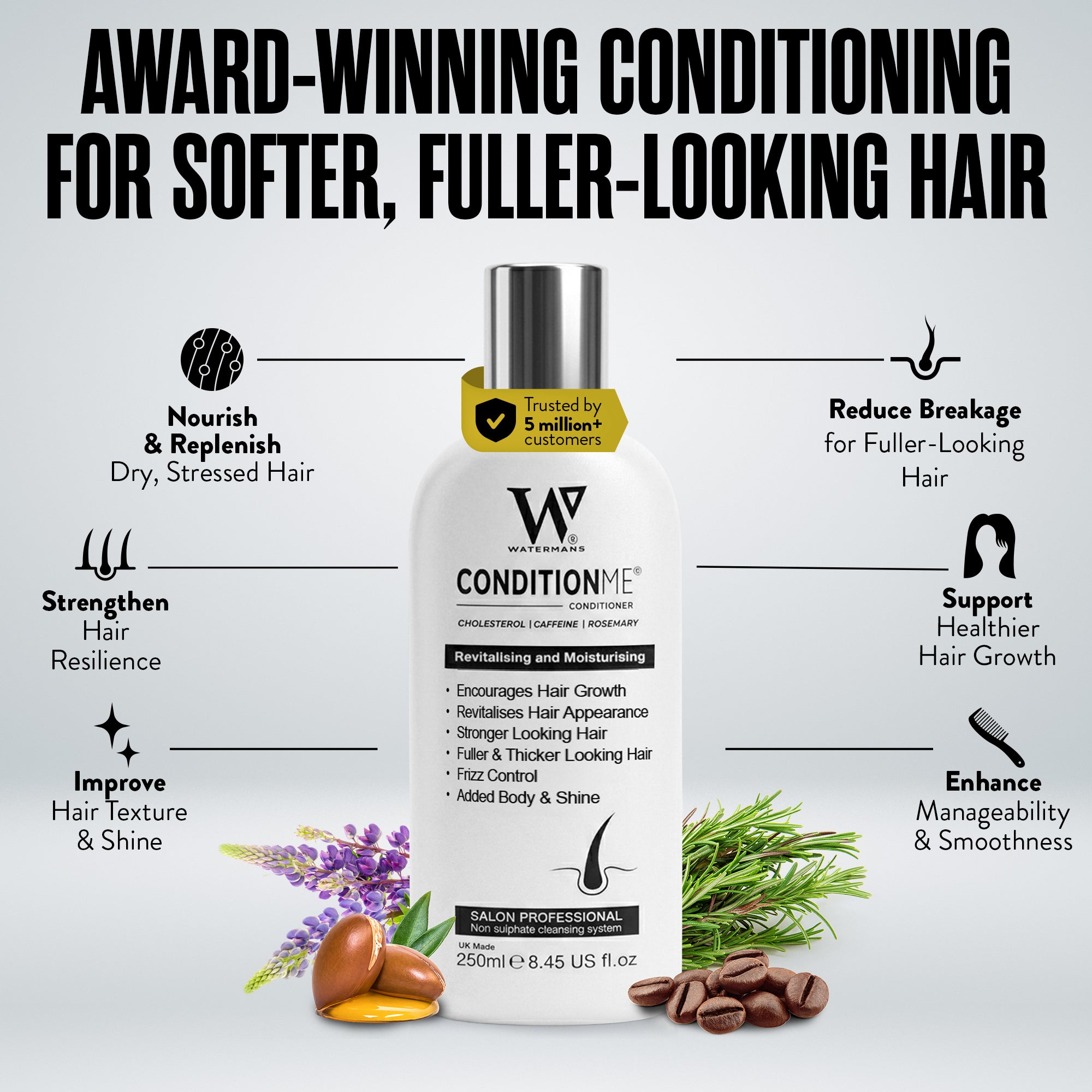
A leave-in scalp serum for overnight use, formulated to support a healthy scalp environment and improve the look of density. Vegan and made in the UK.
When should you see a GP first?
Go to a GP before anyone private if there are round bald patches, if the scalp is scarring, shiny, sore or scaly, if hair is coming out in clumps with no clear trigger, if a child is affected, or if the change comes alongside fatigue, weight change, heavy periods or a new medicine. Those patterns need medical assessment, and the NHS route is both free and faster to the right person.
Scarring patterns are the time-sensitive ones. Where the scalp becomes smooth and shiny and the follicle openings disappear, the window to act is limited, which is why the British Association of Dermatologists puts scarring alopecias in the urgent category. Our guide to telling patchy hair loss apart describes what the different patterns look like, and our alopecia areata explainer covers the smooth round patch specifically.
If your parting is slowly widening with no dramatic shed, that is a different route again and it does not resolve by itself. Our article on pattern hair loss, its stages and causes explains why the timing of getting assessed matters more than which product you start with. If you are unsure whether your symptoms can wait, our urgency guide on which scalp symptoms need seeing this week separates the findings that belong with a GP from the ones that can safely wait.
Frequently asked questions
Are trichologists in Islington regulated?
No. Trichologist is not a protected title in the United Kingdom and there is no statutory register for it, unlike the HCPC register that covers titles such as physiotherapist and dietitian. The Institute of Trichologists and The Trichological Society run assessed training and hold member lists, so confirm membership with the organisation itself rather than relying on a logo.
Should I see a trichologist or my GP first?
GP first if there is anything medical about it: patches, scarring, soreness, sudden loss with other symptoms, or a child. GP first also if you have not had ferritin, full blood count and thyroid function checked, because those are free on the NHS. A trichologist is a better fit once the medical side is clear and the question is really about hair care, breakage and styling.
Can a trichologist tell me which condition I have?
Not in a medical sense. They can describe the pattern they can see, run a pull test and look at hair shaft diameters under magnification, all of which narrows things down usefully. Putting a medical name to it, taking a biopsy and managing a medical condition all sit with a doctor, which is why a good practitioner refers you back rather than guessing.
What does a session cost in north London?
First sessions commonly run from roughly 75 to 250 pounds, with follow-ups lower. None of it is regulated, so ask what is included: session length, magnified examination, photographs, a written plan, and whether follow-up is extra. Regard any product bought afterwards as a separate decision rather than part of the fee.
Is trichoscopy worth paying for?
It is useful when the question is whether hair shafts are becoming finer. Mixed thick and thin shafts in one area point towards pattern hair loss, while uniformly normal shafts with new short growth suggest a shed that is already recovering. That distinction changes what you do next, which is what makes it worth having.
Will I be sold products at the end?
Often, and that is not automatically a problem as long as the plan works without them. Cosmetic products reduce breakage and improve how full hair looks, which is genuinely worth having during a difficult phase. They cannot change follicle behaviour, so a plan that rests entirely on a product range has missed the point of the session.
How long before I know whether anything has changed?
Three months at the earliest and six for anything meaningful, because that is how the hair cycle works. Judge it on photographs of the same parting in the same light, not on how it felt in the shower this morning. Anyone promising a visible change in weeks is selling something the biology does not support.
Do I need one at all?
Often not. If the shed started two to three months after a birth, an illness, surgery or rapid weight loss, it is usually temporary and settles on its own, and free GP blood tests will cover the rest. Paying is most worthwhile when the pattern is not diffuse, when normal tests have not explained it, or when the change has run well past the point where it should have eased.
What is the bottom line on trichologists in Islington?
Use trichologists in Islington for what they are good at: a careful history, a magnified look at the scalp, a pull test and a hair care plan that reduces breakage and styling damage. Do not use them as a substitute for a GP. The title is not protected in UK law, so verify membership with the professional body before paying 75 to 250 pounds, get ferritin, full blood count and thyroid function done free on the NHS first, and take patches, scarring, pain, sudden loss with other symptoms or a child straight to a doctor.
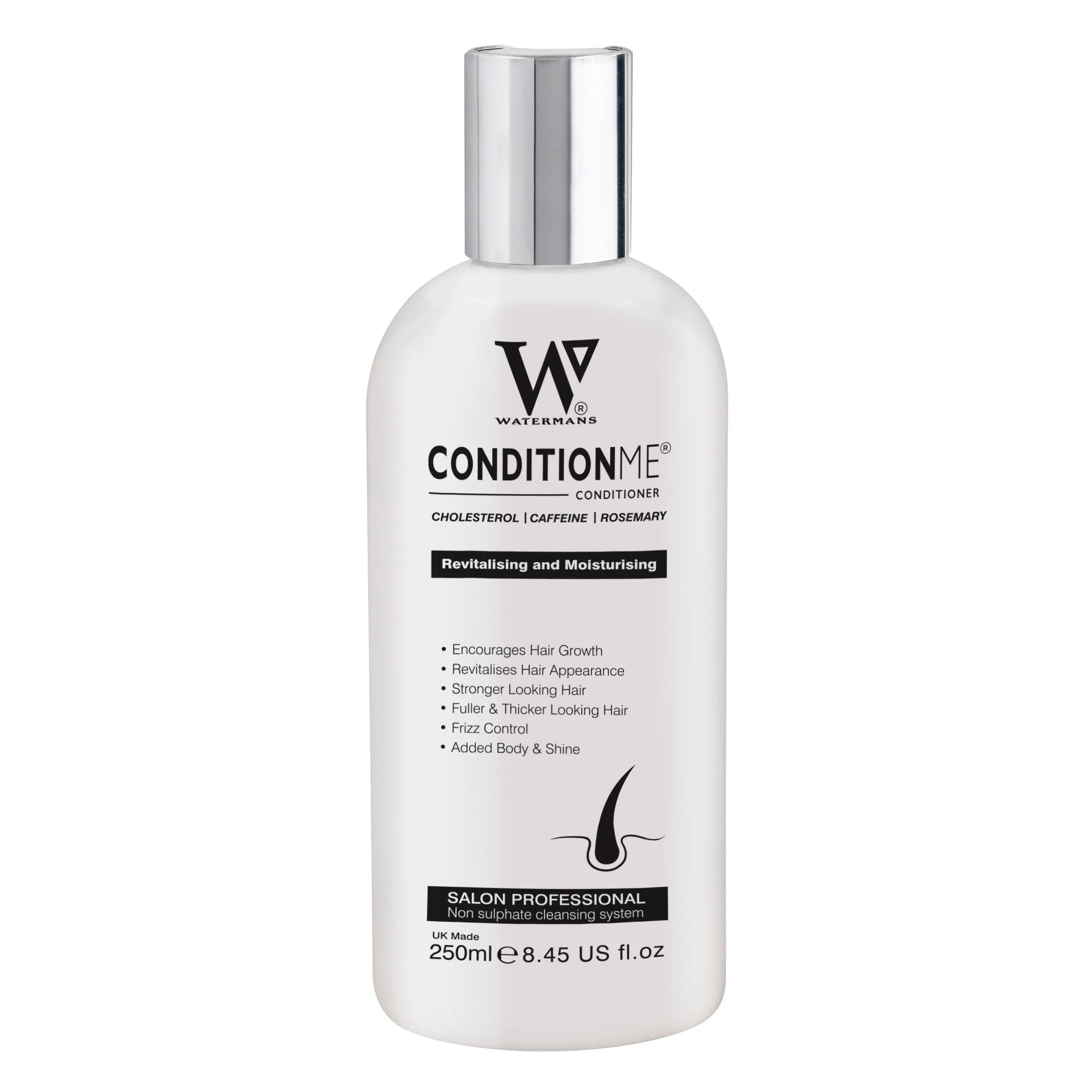
If the plan you come away with is about protecting the hair you have, start with the wash. Our hair growth shampoo is a gentle daily cleanse made in the UK that reduces breakage for fuller-looking hair.
Sources and references
- NHS, hair loss: common causes and when to see a GP.
- Health and Care Professions Council, Check the Register: the statutory register of protected titles, which does not include trichologist.
- General Medical Council, the medical register: how to check a doctor and their specialist registration.
- Care Quality Commission, regulator of independent healthcare providers in England.
- DermNet, Hair loss: the hair pull test, its method and how a positive result is interpreted.
- DermNet, trichoscopy: what magnified scalp examination shows.
- British Association of Dermatologists, public information leaflets, including scarring alopecias.
- NICE, Clinical Knowledge Summaries: iron deficiency anaemia: guidance on ferritin testing.
- The Trichological Society, professional body and membership information.
- Institute of Trichologists, member directory and training standards.
Important: Watermans products are 100% cosmetic and do not treat medical hair loss. Individual results may vary.