Trichologists Lewisham: Free NHS Step First
There is a free step most people skip, and it answers more questions than the paid one.
The short answer. Before paying trichologists Lewisham locals recommend, see your GP. A GP appointment costs nothing and can arrange the blood work no hair specialist can order: iron status, thyroid function, full blood count and vitamin D. Private first consultations are commonly advertised from about 50 to 150 pounds, so the sensible order is free tests first, paid assessment second, once you know what the bloods say.
Everyday care while you wait for trichologists Lewisham
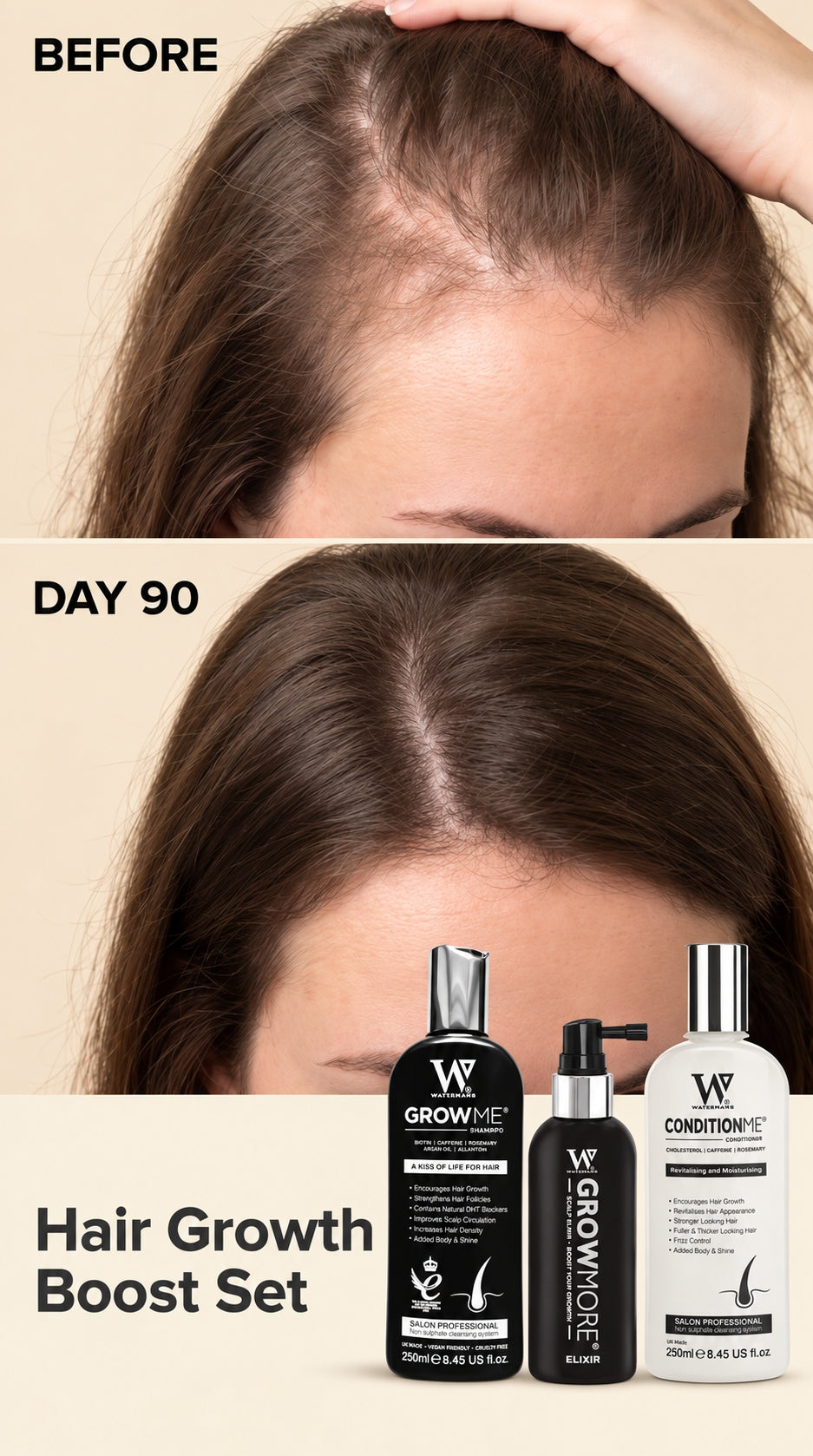
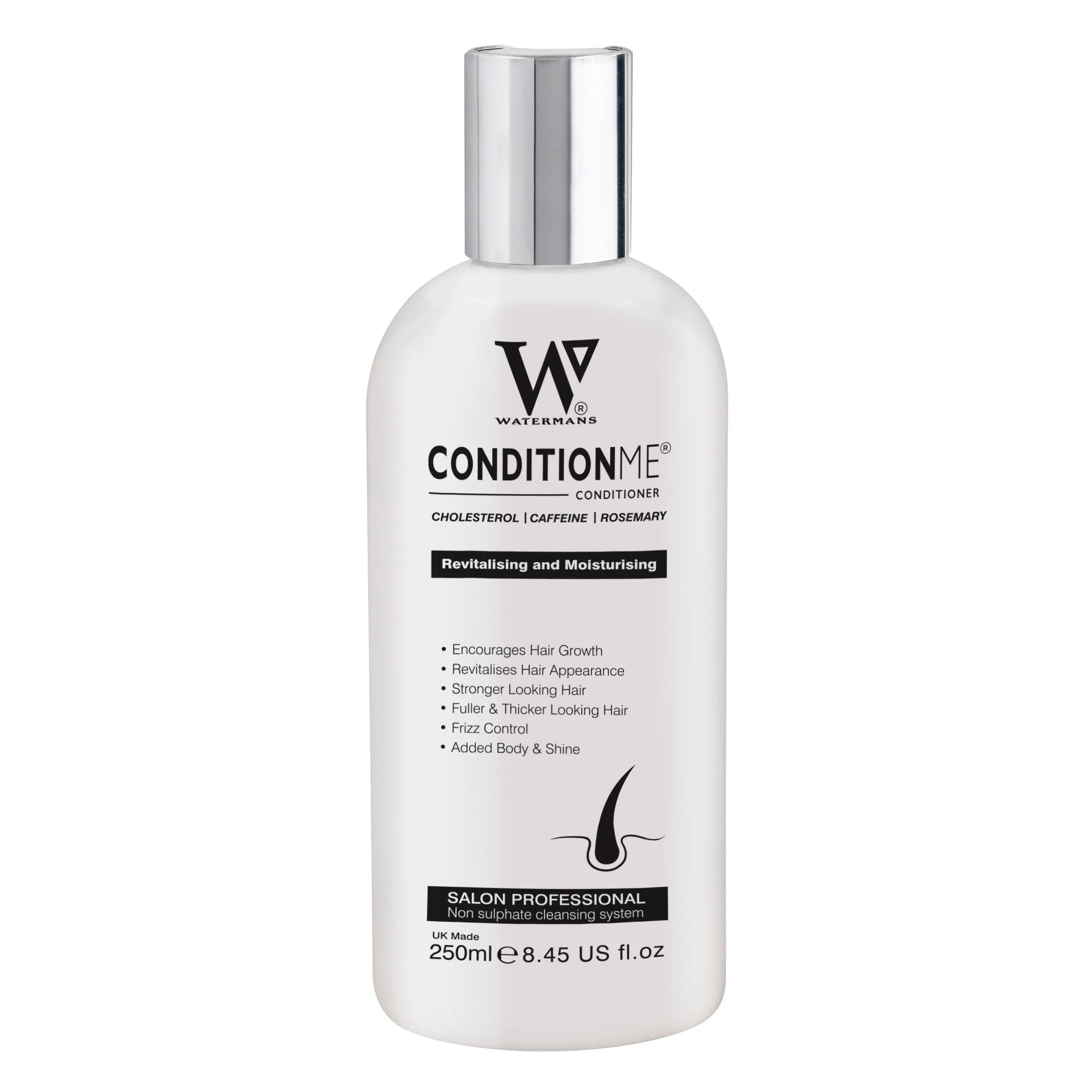
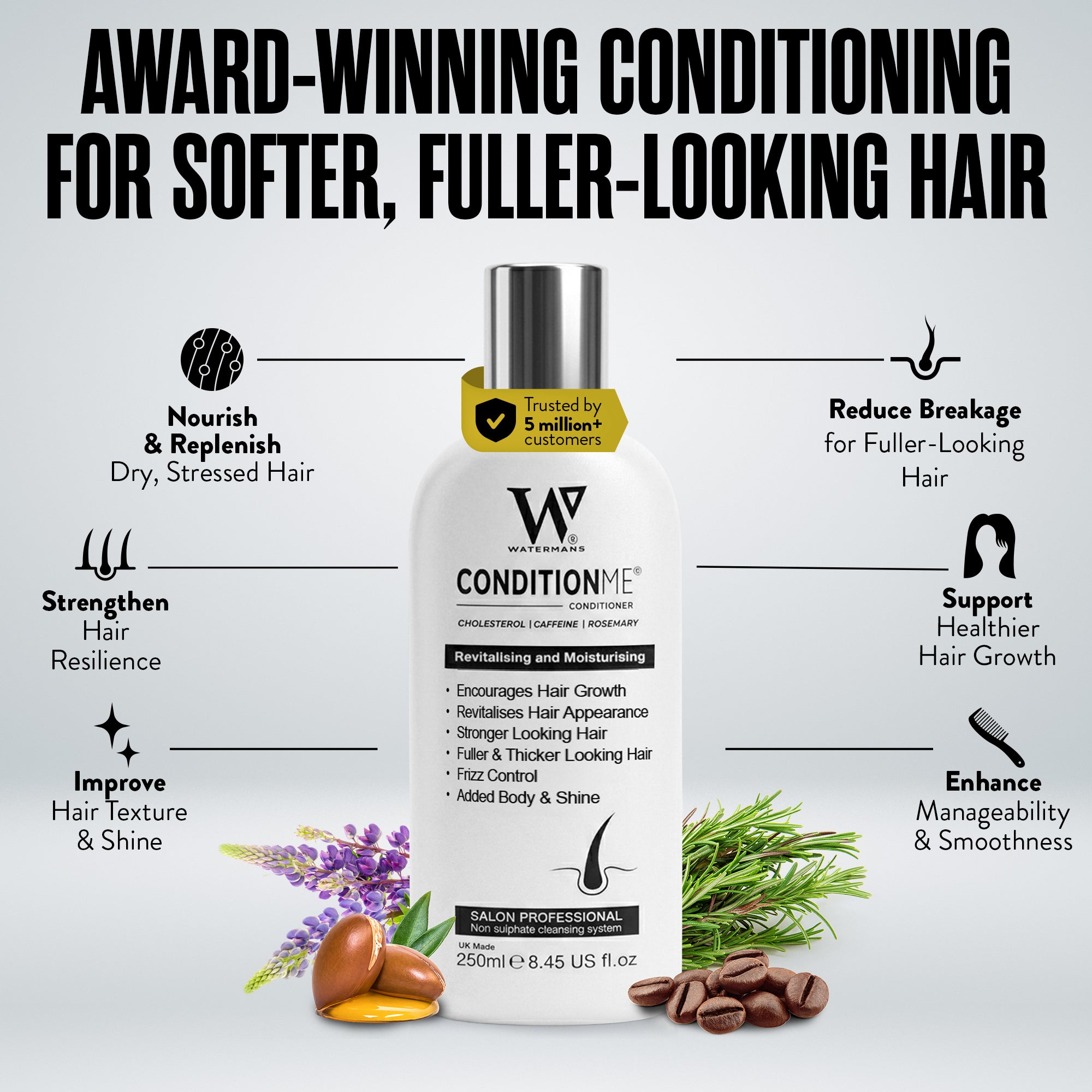
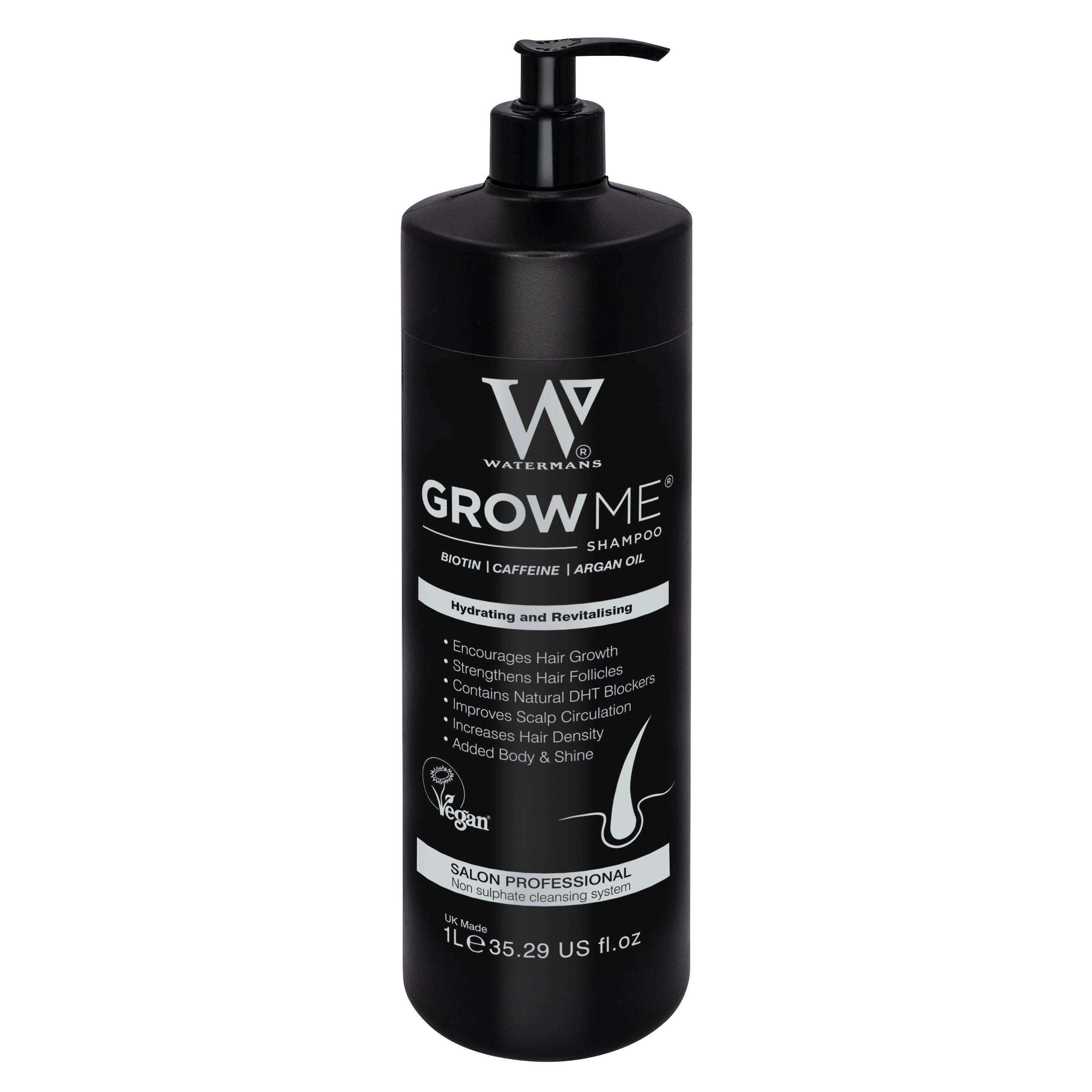
Nothing cosmetic replaces the blood tests below, and no trichologists Lewisham appointment can order them. The weeks in between are still when avoidable breakage happens. Grow Me® Shampoo, £14.95, is sulphate free, and Condition Me® Conditioner, £13.95, adds the slip that stops wet hair snapping in the comb.
Key takeaways
- A GP visit is free and can arrange iron, thyroid, full blood count and vitamin D tests that a trichologist cannot order.
- Private first consultations are commonly advertised from about 50 to 150 pounds; ask for the fee in writing before you attend.
- The NHS does cover sudden patchy loss, scalp infections and inflammatory scalp conditions, but not usually pattern hair loss, which it classes as cosmetic.
- Low iron is a common and correctable cause of hair change in the UK, especially with heavy periods.
- Hair loss, hair shedding and hair breakage are three different problems, and only one of them needs a specialist at all.
What can the NHS do before you pay trichologists Lewisham?
A GP can do three things a private hair consultation cannot. A GP can arrange blood tests on the NHS, can examine a scalp for infection or inflammatory disease, and can refer you to an NHS dermatology service when the picture looks medical rather than cosmetic. All three are free at the point of use. Our guide to the blood tests worth having before a Bromley trichology appointment sets out which four to ask your GP for.
Blood work is the part that changes outcomes most often. Iron status, thyroid function, a full blood count and vitamin D between them cover the correctable causes of diffuse hair change, and the NHS is clear that low iron is common in the UK, particularly in women with heavy periods. Finding a low ferritin result costs you a blood draw and changes what you do next.

What a GP will generally not do is spend half an hour on your styling routine, your parting width or a magnified look at follicle openings. That is genuinely where a trichologist earns the fee. The two roles are complementary, and taking them in the wrong order is what wastes money.
Say this at the desk
Ask for a review of iron status including ferritin, thyroid function, a full blood count and vitamin D, and mention how long the hair change has been going on and whether anything happened three to four months before it started.
What does a private trichology consultation in Lewisham cost?
First consultations across south east London are commonly advertised from about 50 to 150 pounds, with central London clinics sitting at the top of that band and some charging more for a longer initial assessment. Follow-up visits are usually cheaper than the first. None of that is regulated pricing, so the figure you are quoted is the figure that matters.
| Route | What it costs you | What it is good for |
|---|---|---|
| GP appointment | Free | Blood tests, scalp examination, referral to NHS dermatology, ruling out medical causes |
| NHS dermatology referral | Free, with a wait | Suspected autoimmune or inflammatory scalp disease, scarring loss, anything spreading |
| Private trichology, first visit | Commonly advertised 50 to 150 pounds | Scalp magnification, pattern staging, styling and routine review, a written plan |
| Private trichology, follow-up | Usually less than the first visit | Comparison against the first assessment, which is the only way to see change |
Two questions sort the good from the expensive. Ask whether the fee includes a written summary of findings, and ask what the follow-up comparison costs and when it should happen. A one-off assessment with nothing to compare it against six months later cannot answer whether your hair is changing, which is usually the actual question.
Which hair and scalp problems does the NHS actually cover?
The NHS covers hair problems it regards as medical: sudden patchy loss, scalp infections, inflammatory and scarring scalp conditions, and hair change that comes with other symptoms such as unexplained weight change or extreme fatigue. Pattern hair loss is the notable exception, because the NHS classes it as cosmetic.
That distinction is why so many people end up paying. Gradual parting widening over years, with finer hairs at the front or crown, is the commonest hair complaint in the UK and the one the NHS is least likely to help with beyond confirming what it is. Anything sudden, patchy, painful or scaling is the opposite: it belongs in a surgery, not a salon.
Scalp symptoms are the clearest case for going medical first. Redness, tenderness, crusting or persistent scaling point to an inflammatory scalp condition, and our page on scalp inflammation and what calms it explains where that line sits and why a different shampoo is not the answer.
How do you tell hair loss, hair shedding and hair breakage apart?
Hair loss means the follicle itself producing finer hair or none at all. Hair shedding means whole hairs leaving a scalp whose growth cycle has been disturbed, usually two to three months after a trigger. Hair breakage means the fibre snapping along its length while the follicle underneath is entirely healthy. Only the first really needs a specialist.
Shed hairs give it away. A full-length hair with a small pale bulb at the root end left the follicle naturally, which points to disturbed-cycle shedding; that pattern usually settles on its own within about six months once the trigger has passed. Short fragments with no bulb at either end snapped mid-shaft, which is breakage and responds to gentler handling rather than to any assessment.
Hairs that are visibly shorter and finer than the rest of your hair point to follicular change, which is the one worth paying to have staged. Our guide to female pattern hair loss signs and stages covers what that looks like in practice.

Grow Me® Hair Growth Shampoo £14.95
£14.95, sulfate-free, 250ml. Biotin, caffeine, rosemary, niacinamide and hydrolysed lupine protein (ANAGELINE®), in a shampoo built to reduce breakage so the length you grow is length you keep. A cosmetic step, not a medical one.
Which blood tests are worth asking your GP for?
Four sit at the front of the queue: ferritin and full iron studies, thyroid function, a full blood count, and vitamin D. Between them they cover the correctable systemic causes of diffuse hair change, and all four are ordinary NHS tests rather than specialist requests.
Ferritin deserves particular attention because a result can sit inside the laboratory reference range while still being low for hair. Ask for the actual number rather than "normal", write it down, and ask what the range was. That number is also the single most useful thing to bring to a private assessment later.
Get a discount on the thinning hair range
Join the Watermans mailing list and we will email a discount code straight to your inbox, so you can try the thinning hair range for less. Made in the UK, over 6.5 million bottles sold since 2012.
Do not stack supplements on top of an unknown. Iron in particular should not be taken without knowing your level, because too much is its own problem, and a GP can tell you which end of the range you are on for nothing.
What should you do in the four weeks before either appointment?
Gather evidence. Weekly dated photographs of the parting and crown in the same light, a count of hairs shed on one wash day each week, the parting width in millimetres, and a note of what changed three to four months before the hair did. That record is free and it makes either appointment far more productive.
The trichologists Lewisham readers eventually see will get more from eight dated photographs than from any description, because hair grows roughly 1 cm a month and change happens over months. Our companion guide on what to measure before you book sets out exactly how to take the photos so the series is comparable.

Do not change three things at once in that window either. Starting a supplement, a new shampoo and a new styling routine in the same fortnight makes the next four weeks uninterpretable. Change one thing, keep the record, and you will know what did what.
How do you check a Lewisham trichologist is properly registered?
Trichologist is not a protected title in the UK and there is no statutory register, so verification falls to you. The Institute of Trichologists and The Trichological Society are the two voluntary membership bodies, and both publish searchable member listings. Check the name on the register rather than the logo on the website.
Then ask three practical questions: what the fee is in writing, whether a written summary is included, and what happens if the honest answer is that you need a GP. A specialist who is comfortable sending you back to the NHS is showing you exactly the judgement you are paying for.
The upsell to watch for
A consultation that ends with a long own-brand product list, a package price and no written findings has sold you something rather than told you something. Keep your photographs, keep your money.
Which everyday care is worth paying for while you wait?
Only the part that reduces breakage, because that is the only part of the picture cosmetics can change. Gentler detangling from the ends upward, lower heat on dryers and straighteners, looser ponytails that do not pull at the hairline all day, and a conditioner with enough slip that the comb passes through instead of snapping fibres.


Condition Me® Hair Growth Conditioner £13.95
£13.95. Cholesterol, shea butter, glycerin, silica and hydrolysed lupine protein. A breakage-defence conditioner whose whole job is slip, so detangling stops costing you length at the ends.
Tension at the hairline is the one habit worth changing today. Tight styles worn daily cause a slow recession that looks like pattern loss and has a completely different cause, and it is the single most preventable form of hair change we see written about.
When should you skip straight to a doctor?
Five findings mean a GP now rather than a hair appointment later: smooth round bare patches, scalp pain or burning, sores or crusting, hair coming out in clumps over weeks rather than months, and hair change alongside unexplained weight change, extreme fatigue or heavy periods.
Patchy autoimmune loss is the clearest example. A smooth, round, non-scaling bare patch appearing over a few weeks is a medical matter with NHS pathways behind it, and the British Association of Dermatologists publishes a public information leaflet on exactly this. No cosmetic product has anything to offer there, and saying so is the honest answer.
Frequently asked questions
Can I get a trichologist on the NHS?
No. Trichology is a private service in the UK, so the trichologists Lewisham residents visit all charge a fee. The NHS route is your GP, who can arrange blood tests free and refer you to NHS dermatology if the picture looks medical rather than cosmetic. If your question is about products or a routine rather than a medical one, you can talk to Gail Waterman, our co-founder, as an AI avatar on the Watermans homepage.
What does a first trichology consultation cost in Lewisham?
First consultations are commonly advertised from about 50 to 150 pounds, with central London at the top of the range. Pricing is not regulated, so ask for the fee in writing and ask whether a written summary of findings is included before you attend.
Which blood tests should I ask my GP for?
Ferritin and iron studies, thyroid function, a full blood count and vitamin D cover the correctable systemic causes of diffuse hair change. Ask for the actual ferritin number and the reference range, not just the word normal, and write both down.
Why will the NHS not help with my thinning hair?
The NHS classes pattern hair loss as cosmetic rather than medical, so it is not usually covered. Sudden patchy loss, scalp infections, inflammatory or scarring scalp conditions and hair change with other symptoms are treated differently and do have NHS pathways.
Is it worth seeing a trichologist at all if bloods are normal?
Often yes. Normal bloods rule out the correctable systemic causes, which leaves pattern change, styling damage and scalp environment, and those are exactly what a scalp assessment, magnification and pattern staging are for.
How long does disturbed-cycle shedding take to settle?
Shedding triggered by illness, surgery, childbirth or a crash diet typically starts two to three months afterwards and usually settles within about six months of the trigger passing. Shedding that keeps climbing past that window deserves another look.
Should I start iron tablets while I wait?
Not without knowing your level. Too much iron is its own problem, and a GP can tell you where you sit in the range for free. Ask first, supplement second, and keep the number.
Does shampoo make any difference to hair loss?
Shampoo cannot change a follicle. What a good one can do is reduce breakage so you keep the length you grow, and reduce the amount of snapped fibre you are counting as loss. That is a cosmetic benefit, honestly stated.
What is the bottom line on trichologists Lewisham?
Take the free step first. A GP can arrange ferritin, thyroid, full blood count and vitamin D tests at no cost, examine the scalp and refer you on if the picture is medical, and knowing those results changes what a paid assessment is worth. The trichologists Lewisham has are genuinely useful for scalp magnification, pattern staging and a routine review, and they are commonly advertised from about 50 to 150 pounds for a first visit. Free tests first, paid assessment second, with four weeks of dated photographs in your pocket either way.
While you wait for either appointment, take breakage out of the picture, because that is the part you can change this week rather than next year. A sulfate-free hair growth shampoo is built to reduce breakage so the length you grow is length you keep.
Sources & references
- NHS, Hair loss, on normal shedding of 50 to 100 hairs a day and on pattern hair loss not usually being available on the NHS.
- NHS, Blood tests, and NHS, Iron, on the tests a GP can arrange and on low iron in the UK.
- British Association of Dermatologists, Alopecia areata information leaflet, on patchy autoimmune hair loss.
- DermNet, Telogen effluvium, on the two to three month delay after a trigger and the usual six month course.
- Institute of Trichologists, member listing, and The Trichological Society, hairscientists.org, the UK voluntary membership bodies.
Watermans products are 100% cosmetic and do not treat medical hair loss. Individual results may vary.