Luxury vs Drugstore Skincare: Where to Spend
The luxury versus drugstore argument is usually framed as which products are better, and that is the wrong question. The better question is where in a routine your money changes the outcome and where it changes nothing. Get the allocation right and a routine costing under forty pounds a year will outperform a two hundred pound shelf bought on impulse. This is a guide to the allocation, not to specific bottles.
Key takeaways
- Spend on the step you use most often, not the one that sounds most advanced.
- Sunscreen and moisturiser are high-frequency and should be cheap enough that you never ration them.
- Work in cost per use, not price. A 30 pound serum used nightly for four months costs about 25p a night.
- Test one new product at a time, for eight to twelve weeks, with a photograph at the start.
- The single biggest waste is not overpriced products. It is abandoning products before they had time to work.
- Check the period-after-opening symbol. Half-used bottles going off is a real and avoidable cost.
The three-tier spending framework
Sort every product you own into one of three groups. The answer to where to spend falls out of it almost automatically.
| Tier | What belongs here | Spending rule |
|---|---|---|
| 1. High frequency, low complexity | Cleanser, moisturiser, sunscreen, hand cream, body lotion | Buy cheap and buy big. You should never hesitate to use a generous amount. |
| 2. Targeted actives | Retinoid, vitamin C, pigmentation treatment, exfoliating acid | Mid-range is the sweet spot. Pay for stability and packaging, not for the brand. |
| 3. Optional and sensory | Masks, mists, eye creams, essences, tools | Buy only if you enjoy them, from whatever is left. Expect no measurable effect. |
The counter-intuitive part is tier one. Most people treat the cleanser and moisturiser as the boring bit and put their money into tier two, then use their expensive sunscreen sparingly because it is precious. That gets it exactly backwards. Under-applied sunscreen delivers a fraction of its stated protection, so a cheap sunscreen used properly beats an expensive one used thinly, every time.
If you want the ingredient-level detail behind tier two, we cover it separately in what expensive serums actually contain and whether they are worth it. This page is about the money, not the molecules.

How much should a skincare routine actually cost?
Less than most people assume. Here are two routines that both cover the evidence-backed basics, costed over a year.
| Step | Minimal routine, per year | Comfortable routine, per year |
|---|---|---|
| Gentle cleanser | About 15 pounds | About 40 pounds |
| Moisturiser | About 20 pounds | About 60 pounds |
| Daily sunscreen | About 40 pounds | About 80 pounds |
| One targeted active | About 25 pounds | About 90 pounds |
| Total | Around 100 pounds a year | Around 270 pounds a year |
Those are illustrative figures rather than a shopping list, and prices vary. The point is the shape: four products, and the largest line in the cheaper column is the sunscreen, because it is the item you get through fastest if you are using enough of it. Anyone spending well beyond the right-hand column is buying tier three.
Think in cost per use
A 30ml serum used once a night at roughly four drops lasts around three to four months. A 30 pound bottle is therefore about 25 pence a night. A 90 pound bottle is about 75 pence a night. Framed that way the decision becomes a normal budgeting question rather than a moral one, and it also exposes the real waste: the 90 pound bottle used twice and abandoned costs 45 pounds per use.

How do you test a new product properly?
Most people run an uncontrolled experiment on their own face and then draw a confident conclusion from it. A slightly more disciplined approach costs nothing and saves a great deal of money.
- Patch test first. Apply a small amount to the inner forearm or behind the ear, once daily for three to five days. It will not catch every reaction, but it catches the obvious ones before they happen on your face.
- Change one thing at a time. If you introduce three products at once and your skin reacts, you have to eliminate all three and start again. Two weeks between introductions is a sensible gap.
- Photograph the starting point. Same light, same time of day, same distance, no makeup. Memory is unreliable and gradual change is invisible day to day.
- Give it eight to twelve weeks. Skin turnover plus the time an active needs to show a cumulative effect. Judging a serum at day ten tells you about tolerability, not results.
- Expect a purge only where a purge is plausible. Retinoids and exfoliating acids can accelerate existing congestion for a few weeks. A moisturiser that breaks you out is not purging, it is not agreeing with you.
- Write down why you stopped. Otherwise you will buy something very similar in eight months.

Buy the smallest size first
The per-millilitre price of a travel or mini size is always worse, and it is still the cheaper decision overall. Paying a premium to find out whether something suits you beats a full-size bottle you use twice. Move to the large size only after a product has survived a full eight-week trial. This applies to hair care at least as much as it does to skincare.
How do you spot a genuine dupe?
Three checks, in order:
- Is the key active the same substance? Compare the INCI names, not the marketing names. Two products can both claim vitamin C and contain entirely different molecules with different stability and potency.
- Is it in a similar position in the list? An active listed third in one product and fourteenth in another is not the same product at a lower price.
- Is the format comparable? A light-sensitive active in a clear jar is not a dupe for the same active in opaque airless packaging, however similar the ingredients look.
When all three check out, the cheaper option is usually the better buy and you should take it without guilt. When they do not, the word dupe is doing marketing work.
Expiry, storage and the period-after-opening symbol
Look for the small open-jar symbol on the packaging with a number and the letter M. That is the period after opening: 6M means six months from first use, 12M means twelve. It is not decoration. An oxidised vitamin C serum that has turned deep yellow or brown has lost potency, and a product used past its window can also be a hygiene issue.
Practical consequences: buy sizes you can finish, keep light-sensitive products away from a sunny windowsill and out of a steamy shower, write the opening date on the bottle in marker, and be sceptical of enormous discounted bundles that you cannot realistically get through in time. A three-for-two offer on something with a 6M window is often a two-for-two.
The seven habits that waste the most money
- Abandoning too early. The most expensive habit by a wide margin. Nothing has time to work.
- The sunk cost trap. Continuing with a product that stings or breaks you out because it was expensive. The money is already gone; your skin is not.
- Buying for someone else’s skin. A routine that transformed a stranger with different skin, age and climate is not evidence about yours.
- Over-exfoliating. Acids, scrubs and a retinoid stacked together produce a damaged barrier, which then gets diagnosed as sensitive skin and treated with more products.
- Rationing the sunscreen. Covered above, and the most consequential of the lot.
- Replacing what already works. Novelty is not an upgrade. If a moisturiser has suited you for two years, that is a solved problem.
- Buying in a sale you had not planned for. Discounts are only savings on things you were already going to buy.
None of these are about being frugal. They are about not paying twice for the same result. For where the basics sit in the day, see the evidence-based order to apply skincare in, and for a step almost everyone forgets to budget for at all, why lips burn and how to choose an SPF balm.
The same framework applied to hair care
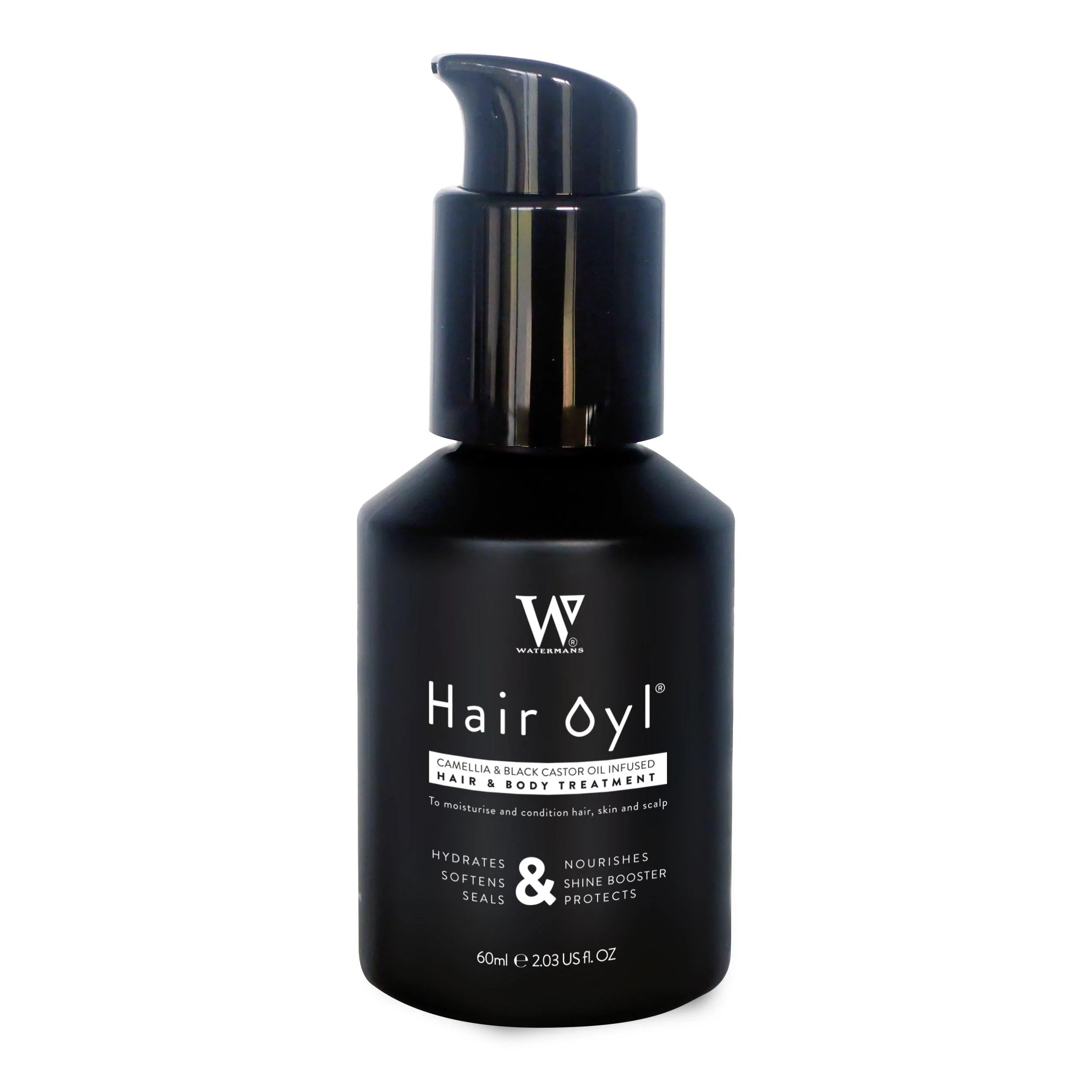
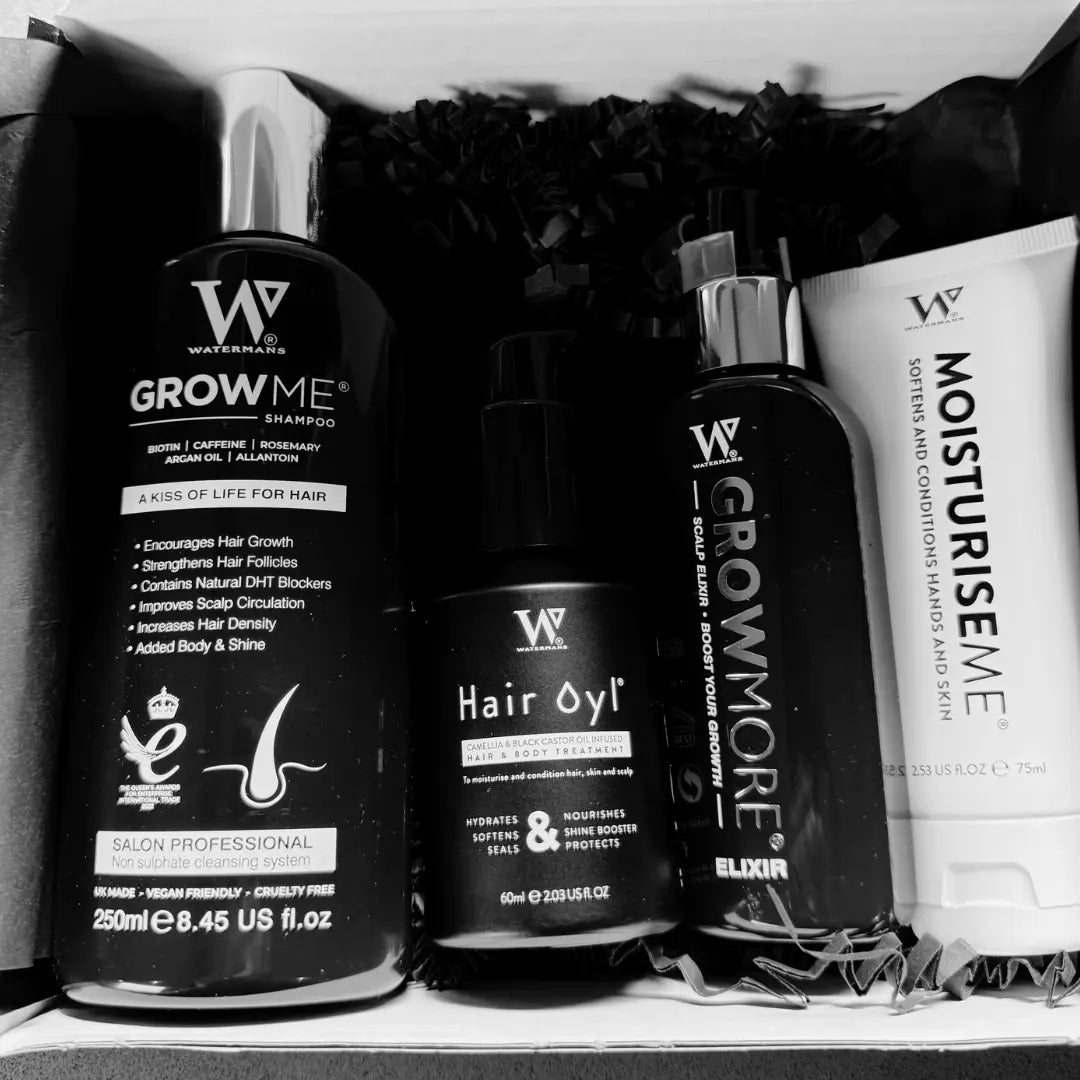
Hair care follows identical logic and people make identical mistakes with it. Shampoo and conditioner are tier one: high frequency, used two or three times a week for years, and worth buying in a size you will not ration. Masks and oils are tier two or three depending on how damaged the hair actually is. Tools and heat protection sit alongside them.
The tier one point matters more in hair than in skin, because under-using conditioner has a direct mechanical consequence. Conditioner reduces friction between hair fibres, and friction is what causes snapping during detangling. Skimping on it costs you length. If your skin is dry through winter you already know the pattern from how to care for dry skin in winter, and the hair equivalent is set out in six habits that genuinely improve hair condition.

Travel Shampoo & Conditioner Set, 75ml
This is the buy-the-small-size-first advice applied to our own range. It is worse value per millilitre than the full size, and we would still rather you started here than committed to something that turns out not to suit your hair.
£9.95. Vegan, sulfate-free, made in the UK.

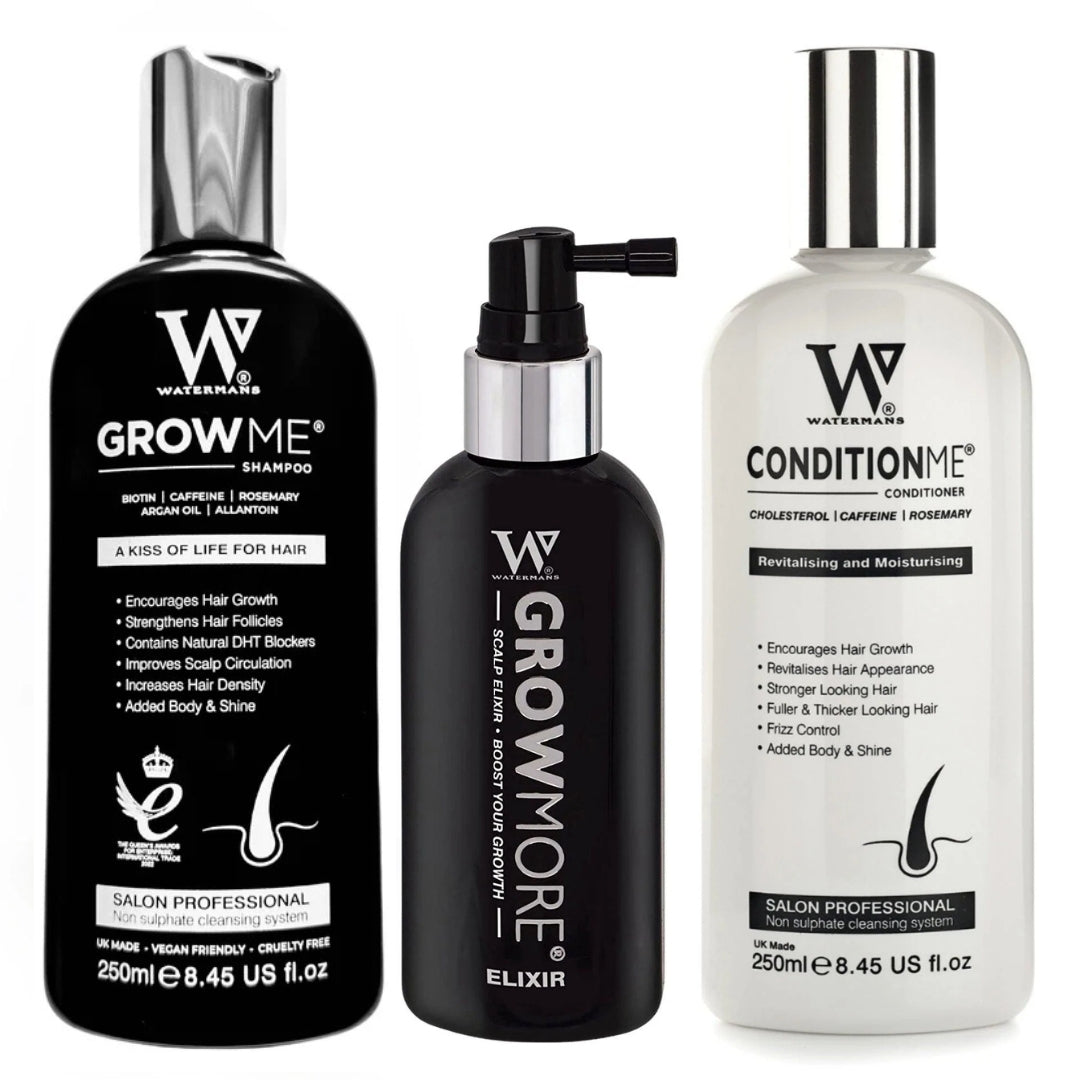
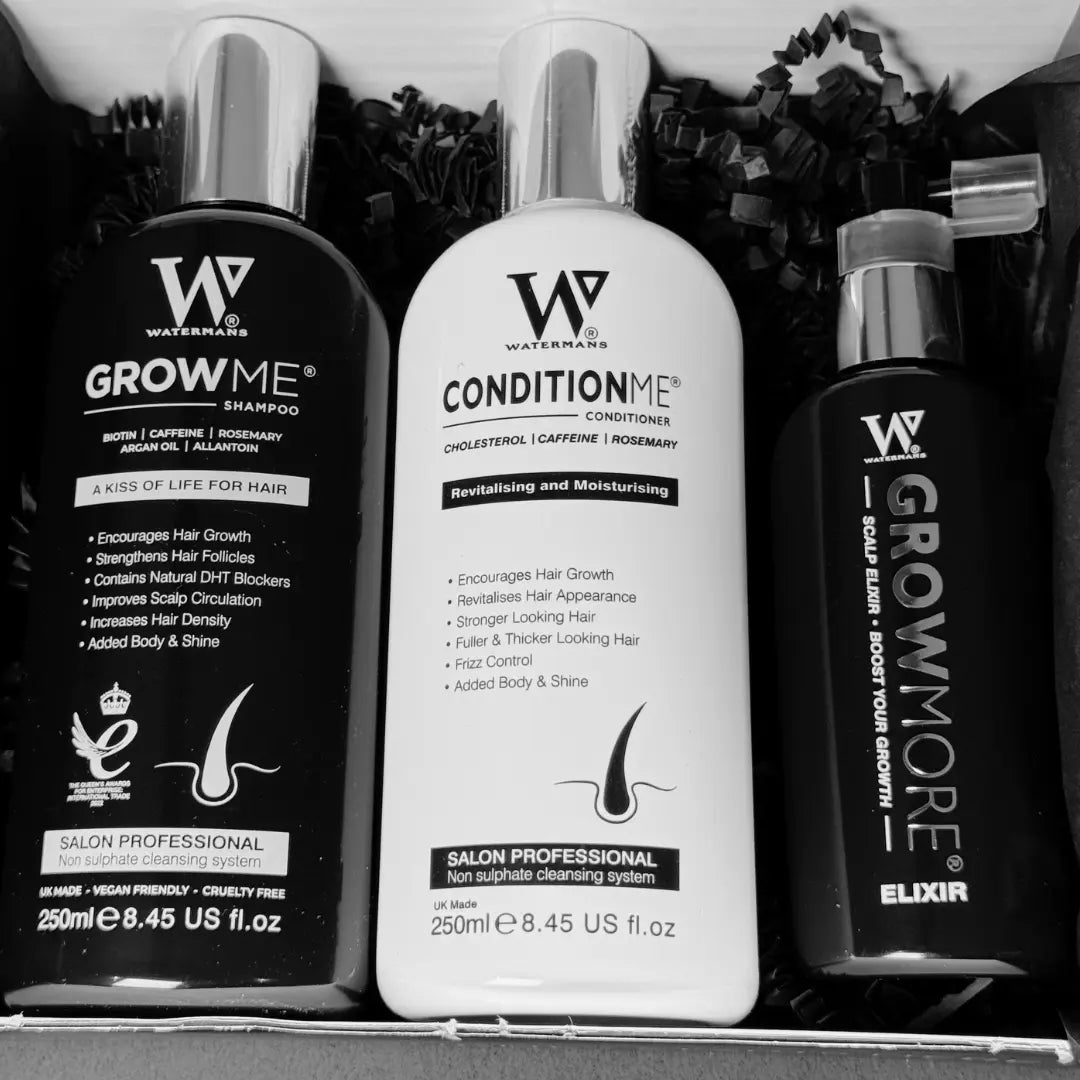
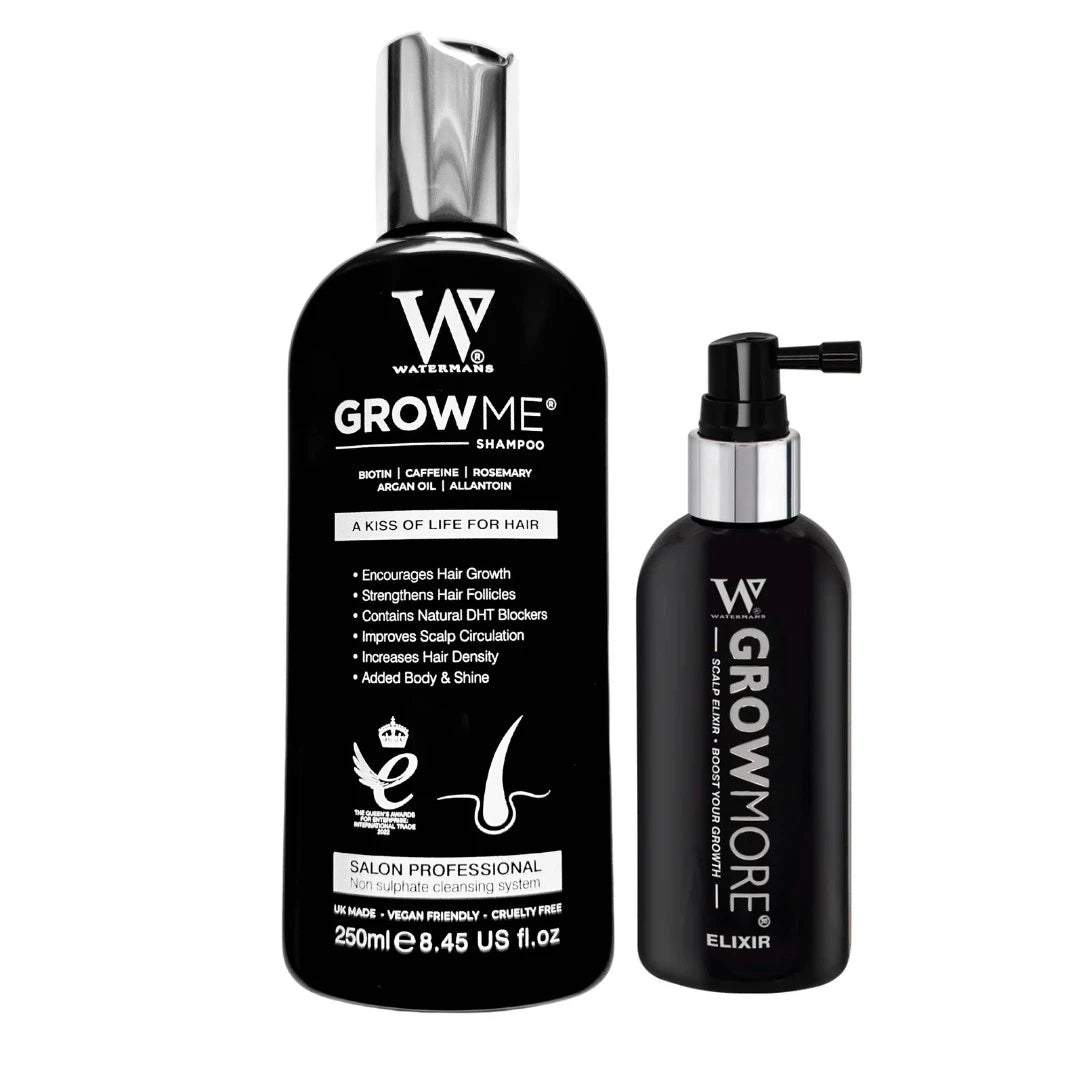
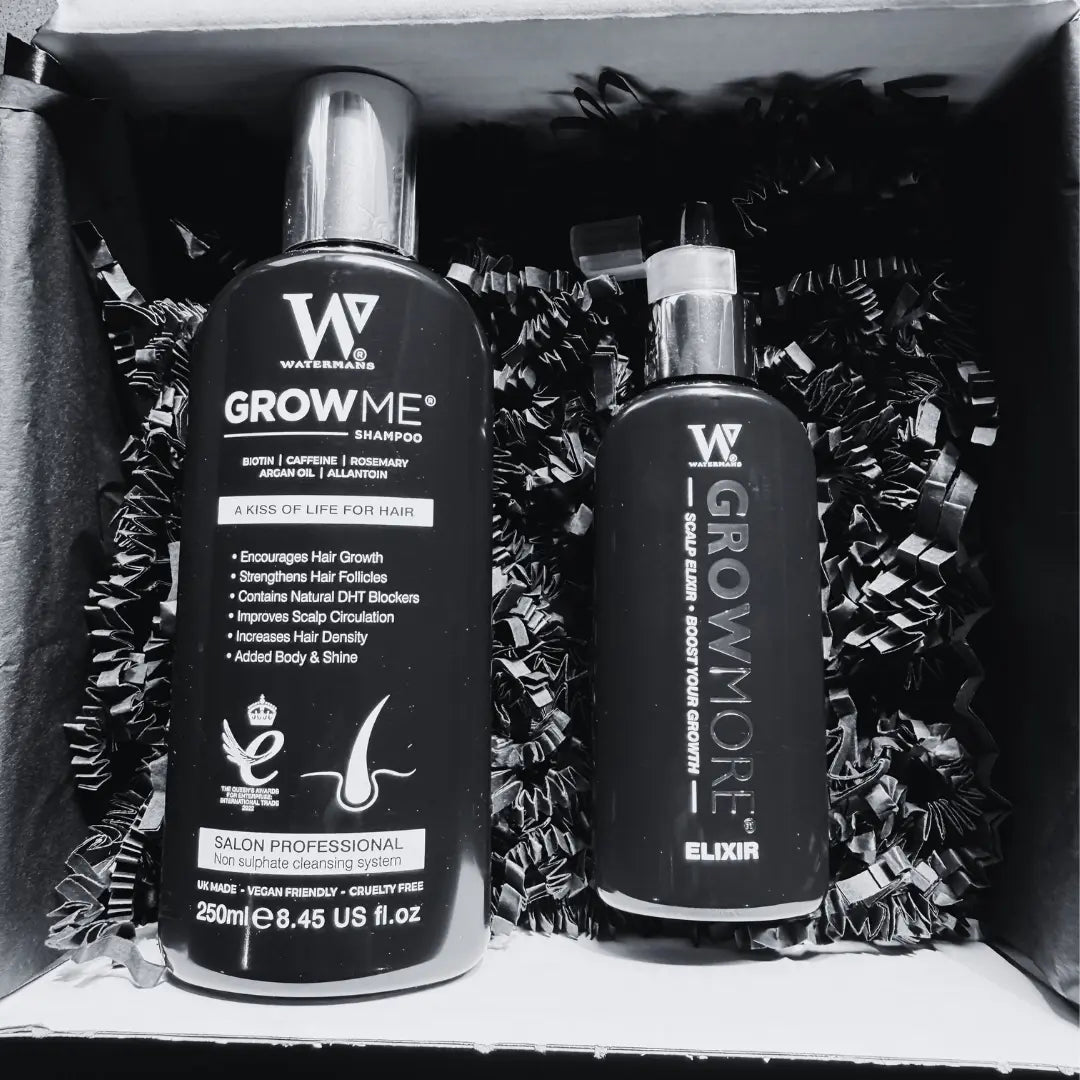
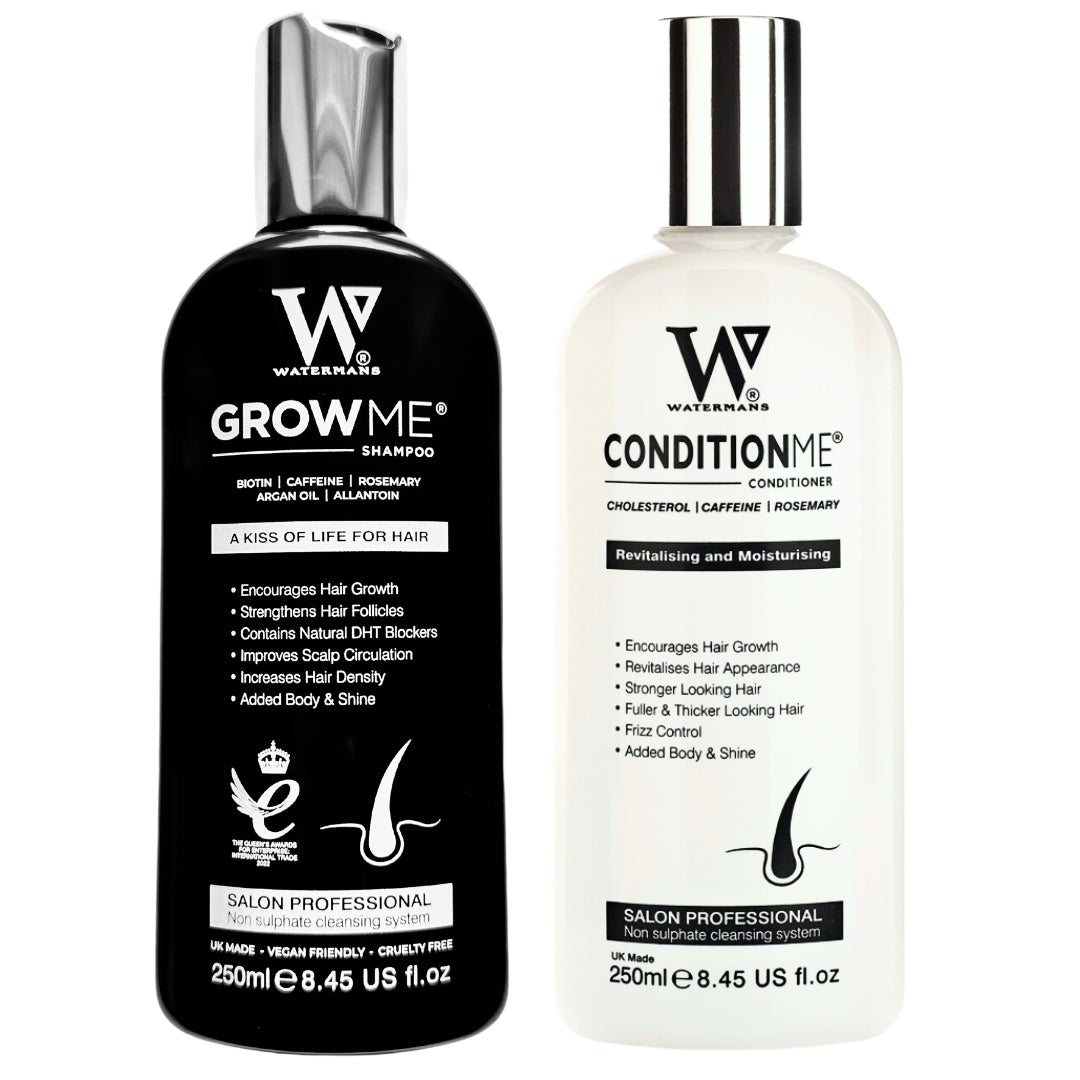
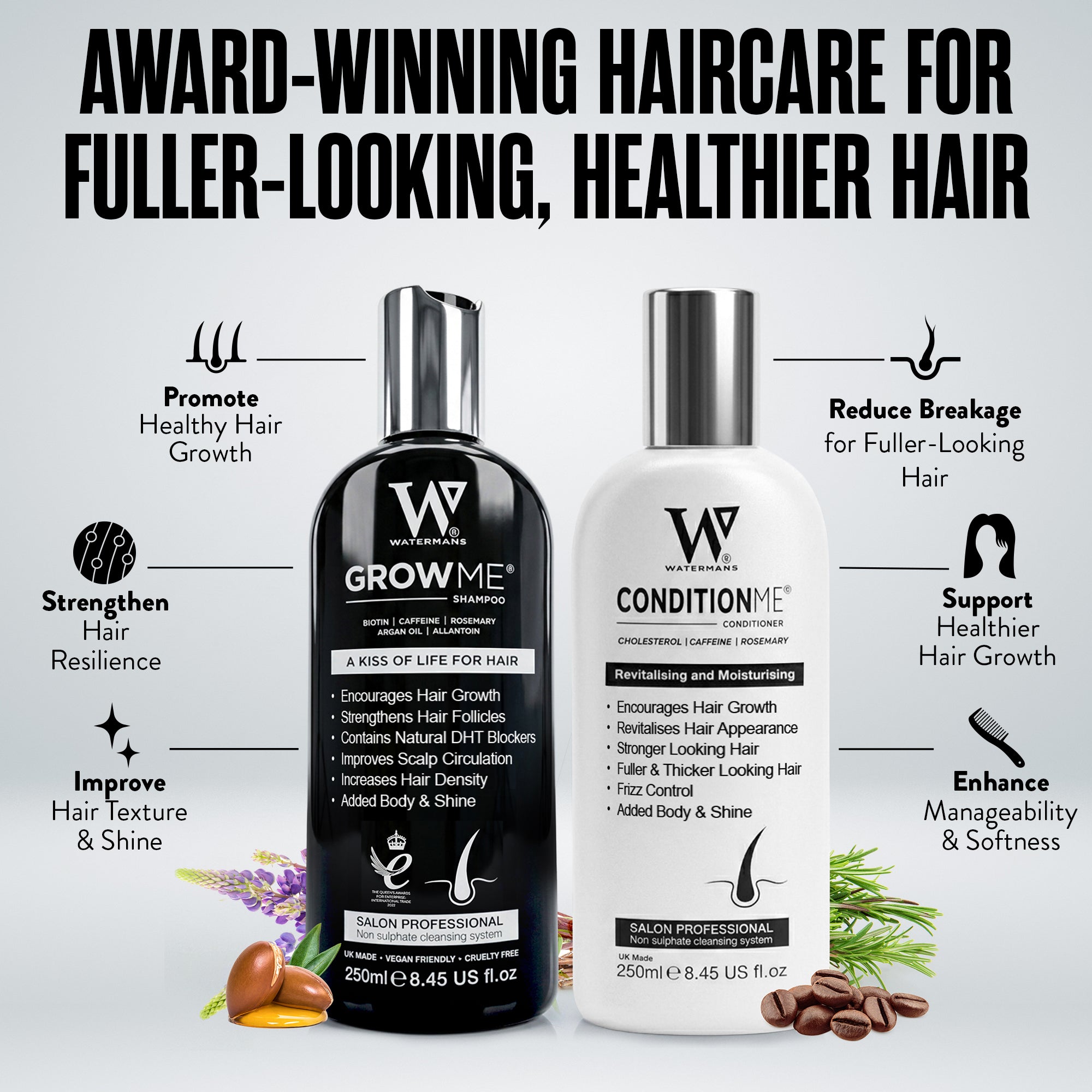
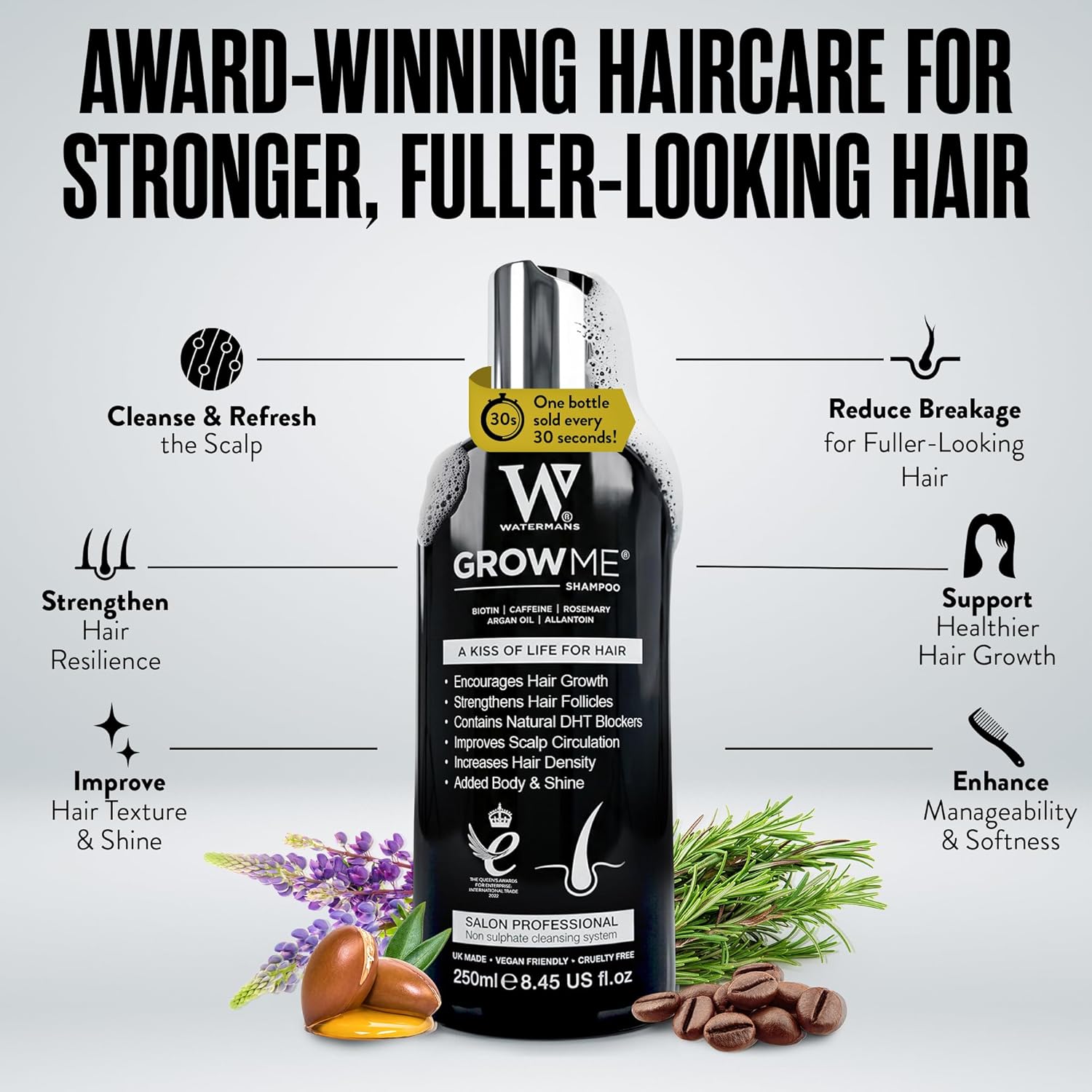
Grow Me® Shampoo & Conditioner Set
The full-size pair, for once a product has passed your own eight-week test. Sulfate-free cleanse plus a conditioner formulated to reduce breakage and improve detangling, for hair that looks fuller because you are keeping more of its length.
£26.95 for the pair, against £28.90 bought separately. That is under two pounds, so buy them together for convenience rather than because the discount is meaningful.
Frequently asked questions
Is drugstore skincare as good as luxury skincare?
For cleansers, moisturisers and sunscreens, frequently yes, and occasionally better because the formulas are designed for daily volume use. For targeted actives the picture is more mixed, and the difference is usually stability and packaging rather than a superior ingredient.
What is the one thing worth spending more on?
A sunscreen you genuinely like wearing every single day. Not because expensive filters work better, but because the texture and finish determine whether you actually apply enough of it, and quantity is where most sunscreen fails.
How long should a bottle of serum last?
A 30ml serum used nightly typically lasts three to four months. If yours is empty in six weeks you are using too much, and if it lasts a year you are not using it often enough for it to do anything.
Do I need an eye cream?
For most people, no. Eye creams are usually moisturisers in smaller jars at higher prices. The exceptions are if a product you use elsewhere irritates the eye area, or if you have a specific concern and want something formulated to be tolerated there.
Should I buy the big size to save money?
Only for products you have used before and for tier one items you will finish comfortably within the period-after-opening window. For anything new, the small size is the cheaper decision even at a worse unit price.
Are subscription boxes and sample sets good value?
They are good for discovering textures and formats, and poor for judging whether something works, because a sachet does not last eight weeks. Treat them as entertainment rather than as testing.
Does the same logic apply to hair products?
Yes, and more strongly. Shampoo and conditioner are the highest-frequency products you own, so they belong in tier one and should be bought in a size you will use generously. Masks and oils are optional extras for most people.
My skin got worse when I started spending more. Why?
Usually because more spending meant more products, and more products means more actives, more fragrance and more chances to irritate the barrier. Strip back to a cleanser, a moisturiser and a sunscreen for a month, then reintroduce one thing at a time.
Where to start
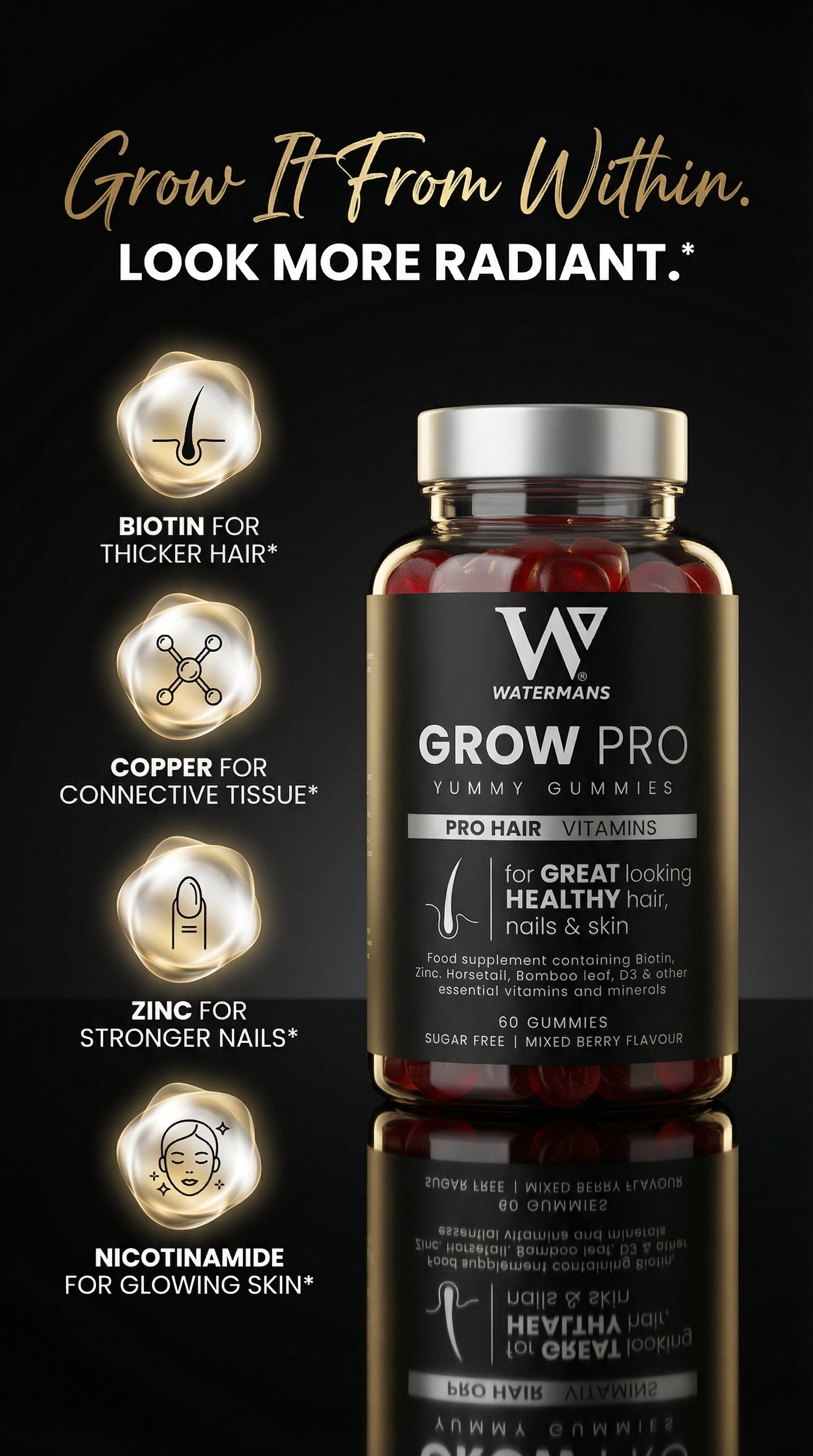
Cover tier one properly and generously. Add one tier two active for one specific concern, and give it three months. Ignore tier three until the first two are boringly consistent. Then check the open-jar symbol on everything you own and throw away what has expired, which is usually the moment people realise where the money went.
Watermans has been making vegan, UK-made hair and skin care since 2012, with over five million bottles sold. If you want to apply the buy-small-first rule to us, the 75ml travel set is the honest place to start.
This article is general cosmetic and consumer information and is not medical advice. Speak to a pharmacist, GP or dermatologist about persistent skin problems or reactions to a product.