


How Often Should You Wash Your Hair? By Hair Type

There is no universal number, and anyone who gives you one is guessing. The honest answer is that wash frequency is set by your scalp, not by your hair, and the two rarely want the same thing. Fine straight hair with an active scalp may genuinely need washing daily. Coily hair usually wants once a week or less. Most people in the UK land somewhere between every day and every third day, and the most common mistake is stretching washes for a scalp that is not enjoying it, because someone online said washing less would fix everything.
Key takeaways
- Wash when your scalp needs it, not to a schedule you read about.
- Hair texture is the single biggest factor. Straighter and finer means more often, curlier and coarser means less often.
- Your scalp does not "adjust" to produce less oil if you wash less. That claim has no good evidence behind it.
- Frequent washing is not damaging in itself. Harsh washing and rough handling are what cause damage, and those are separate choices.
- Exercise, hard water, hair products, the season and your age all move the number.
- If you do change frequency, change it by one day at a time and give it a month.
What actually determines how often you should wash?
Four things, in roughly this order of importance.
- How much oil your scalp produces. Driven by hormones, genetics, age and season. It is highest in your teens and twenties, drops through your forties, and usually rises a little in summer. You do not control it and you cannot train it.
- How far that oil can travel. Straight, smooth hair wicks oil down the shaft efficiently, so the roots clear but the length gets greasy. Every bend in a curl is an obstacle, so oil sits at the root and never reaches the ends.
- What you put on it. Styling products, dry shampoo and heavy leave-ins all accumulate and shorten the interval before a wash is needed, whatever your scalp is doing.
- What you do all day. Daily exercise, a helmet, a hat, a hijab, a dusty job or a hot kitchen all mean sweat and grime on the scalp, and sweat left on skin is irritating rather than neutral.
How often to wash, by hair type
Use this as a starting point and then let your scalp correct it. Nothing here is a rule.
| Hair type | Typical starting point | Why |
|---|---|---|
| Fine and straight | Daily to every other day | Oil reaches the ends quickly and there is little hair to hide it. Goes flat fastest. |
| Medium and straight | Every 2 days | The most common pattern in the UK, and usually the easiest to live with. |
| Thick and wavy | Every 2 to 3 days | Volume disguises oil, and the waves slow its travel down the shaft. |
| Curly | Every 3 to 5 days | Oil struggles past the bends, so the ends need every bit of it they can get. |
| Coily and afro | Weekly, sometimes fortnightly | The driest hair type by structure. Over-washing is a far bigger risk than under-washing. |
| Colour-treated | Your normal interval, gentler product | Colour fades with every wash, so the answer is a milder shampoo rather than fewer washes. |
| Locs, braids or protective styles | Every 1 to 2 weeks | The scalp still needs cleaning. Skipping it entirely causes build-up and itching. |
| Fine hair, over 50 | Every 2 to 3 days | Oil production drops after menopause, so the old daily habit often becomes too much. |
| Any type, training most days | Rinse daily, shampoo to your usual schedule | Water alone clears most sweat. You do not need to lather every time you sweat. |

Does washing every day damage your hair?
Not by itself, and this is worth saying clearly because it is one of the most widely repeated pieces of hair misinformation there is.
What damages hair is the combination that usually travels with frequent washing: a harsh sulphate-heavy shampoo, hot water, skipping conditioner because you are in a hurry, rubbing wet hair dry with a rough towel, and blow-drying on high heat every single morning. Every one of those is a separate choice, and every one of them can be changed without changing your frequency.
Wash daily with a mild shampoo, applied only to the scalp, followed by conditioner on the lengths and gentle drying, and daily washing is a perfectly reasonable routine that millions of people follow without consequence. It works the other way round too: washing weekly with a stripping shampoo and a rough towel will wreck your hair on a leisurely schedule.
The myth worth dropping. Scalps do not learn. The idea that washing less will "retrain" your sebaceous glands to produce less oil is folklore, and the evidence does not support it. What changes over a few weeks of washing less is your perception, because you get used to how the hair looks, plus the fact that oil distributes and mats down rather than continuing to accumulate visibly. The glands carry on exactly as before. If your scalp is happier washed daily, wash it daily.
Signs you are washing too often
- Scalp feels tight, itchy or squeaky immediately after washing.
- Ends are straw-like and rough even when you condition.
- Colour is fading noticeably faster than it used to.
- New flaking that appears within a day of washing rather than building up over several.
- Frizz that is worse the day after a wash than three days later.
Signs you are not washing often enough
- Roots look flat and separated into strands by the second day.
- The scalp itches and you find yourself scratching without thinking about it.
- A waxy film you can lift with a fingernail, which is build-up rather than dandruff.
- Spots along the hairline, at the nape or on the upper back.
- You are relying on dry shampoo more than twice between washes to get through the week.
- Hair smells of nothing in particular but not of clean either.
Find your number in four weeks
A short email with the four week wash-frequency experiment: how to log what your scalp is actually telling you, the one variable to change each week, the point at which you should stop stretching, and the two adjustments that let most people go one day longer comfortably without dry shampoo.
What if you want to wash less often?
There are good reasons to want to: time, colour longevity, curl definition, cost. It is achievable for most people, as long as you go about it properly rather than simply enduring a greasy fortnight.
- Move by one day, not three. If you wash daily, go to every other day for three weeks before trying every third day.
- Fix the technique first. Double washing the scalp properly on wash day leaves it genuinely clean, which buys you far more time than a half-hearted single wash.
- Get your hands out of your hair. Touching is one of the largest sources of root oil and nobody counts how often they do it.
- Rinse on non-wash days if you exercise. Water alone removes most sweat and salt, and does not touch your ends.
- Use dry shampoo sparingly and never sleep in a third application. It is a bridge, not a strategy, and overuse causes the waxy build-up that forces a harsh wash.
- Brush daily, from the ends up. This distributes oil down the shaft, which is exactly what you want when you are stretching, and it costs nothing.
- Stop if your scalp objects. Itching, flaking or spots mean you have gone past your number. That is data, not failure.

What matters more than frequency
If you only change one thing after reading this, change one of these rather than your schedule.
| Change | Why it beats changing frequency |
|---|---|
| Shampoo the scalp only | Lets you wash as often as you like without stripping the ends, which is the actual trade-off people are trying to manage. |
| Switch to a milder shampoo | Removes the reason frequent washing got its bad reputation in the first place. |
| Condition every single wash | Detangling without slip is where most breakage happens, and it happens on every wash you skip it. |
| Cooler water, gentler drying | Wet hair is at its most fragile. Blotting instead of rubbing is free and immediate. |
| Sort out hard water | A mineral film makes hair feel dirty sooner, which pushes people to wash more and blame themselves. |
What we would use at any frequency

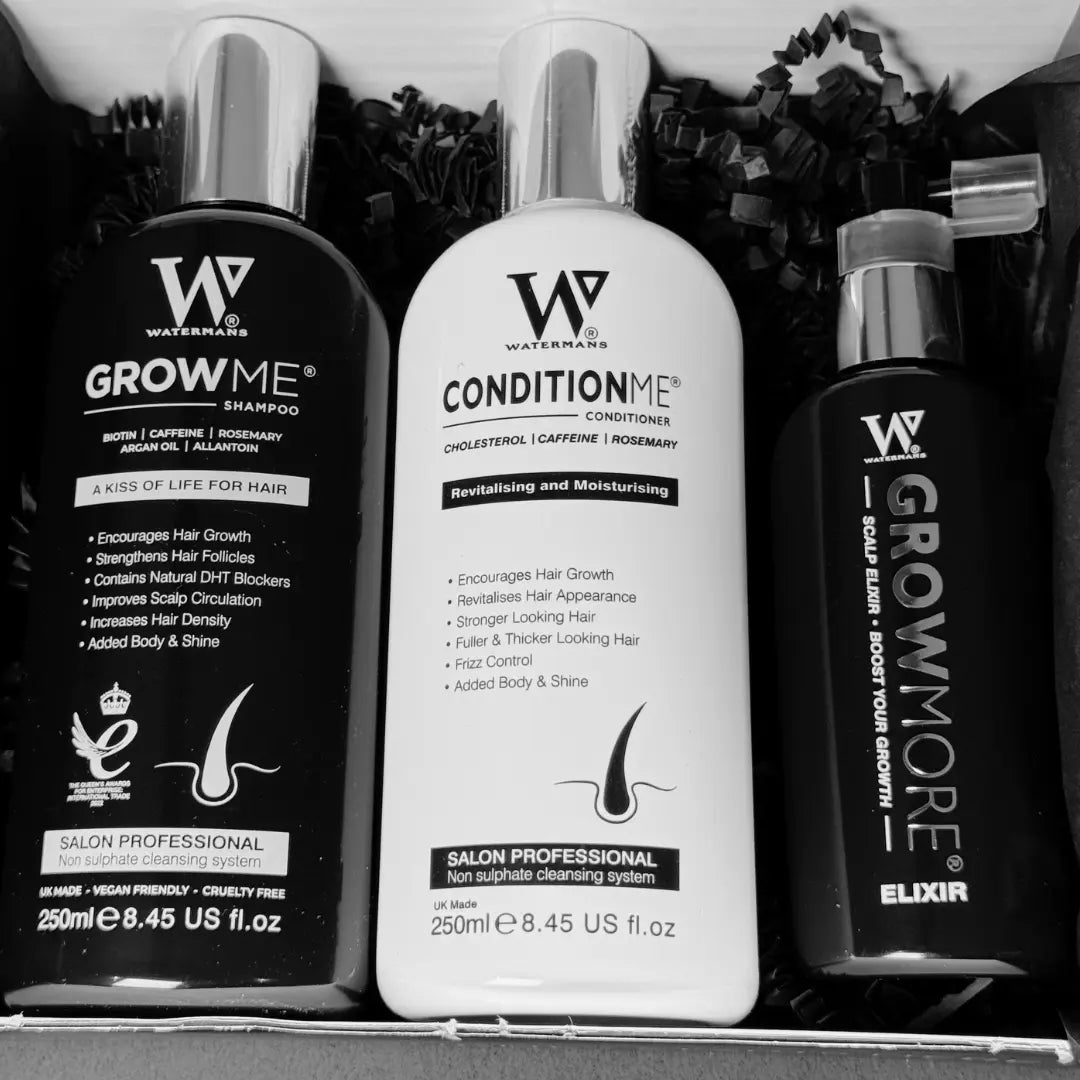
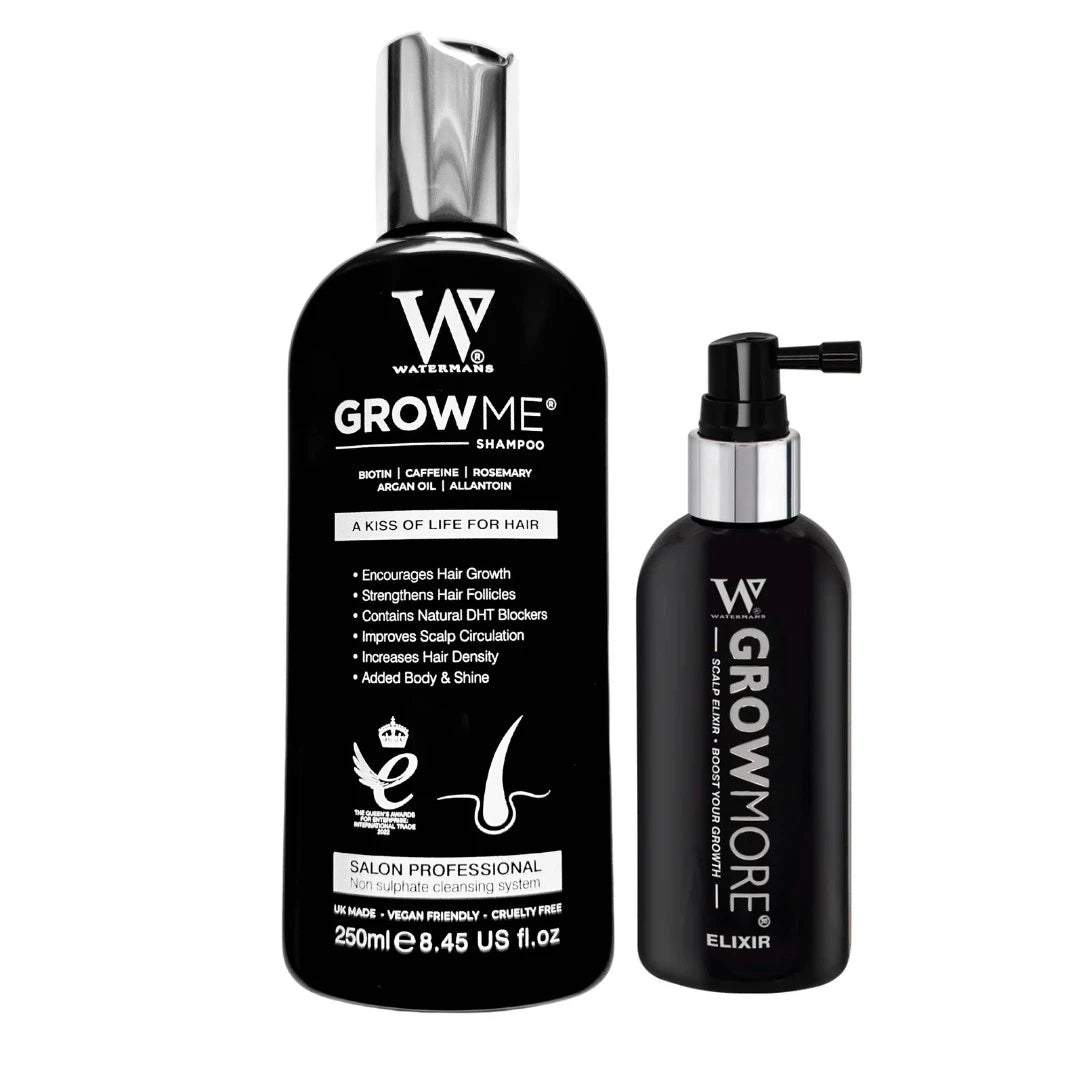
Sulphate free, which is the specification that matters if you wash often. It is designed to be mild enough for daily use on the scalp while leaving the lengths alone, so frequency stops being a compromise.

Every wash, no exceptions, mid-lengths and ends. The slip it gives while detangling is what reduces breakage, and skipping it because you are washing more often is the mistake that gives frequent washing its bad name.
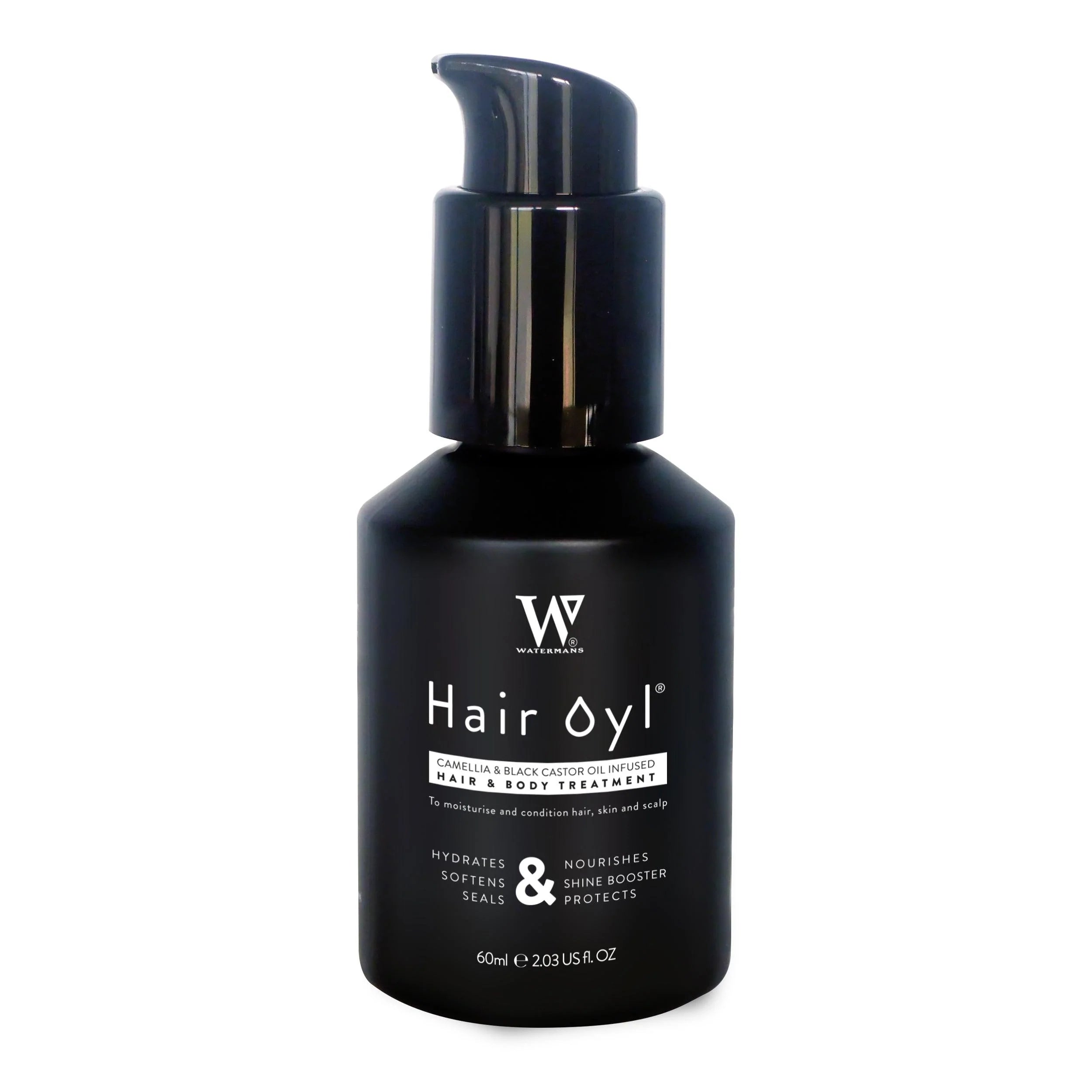
For the low-frequency end of the range. A pre-wash oil on the lengths half an hour before you shampoo means a weekly or fortnightly wash does not have to leave coily or curly ends parched.
A note on scalp health
Wash frequency is a comfort question far more than a hair question. A scalp that is left too long gets itchy, and scratching damages hair mechanically at the root, which is a genuinely avoidable cause of breakage. A scalp washed too harshly gets tight and flaky, which people then mistake for dandruff and respond to with the wrong product entirely.
Neither over-washing nor under-washing causes hair loss. If you are shedding noticeably more than usual, or seeing more scalp at the parting, that is not a frequency problem and no change of schedule will fix it. It is worth a GP conversation, and worth having sooner rather than later.
Watermans products are 100% cosmetic and do not treat medical hair loss. Individual results may vary.
If your problem is specifically greasy roots alongside parched ends, we have a full guide to washing hair that is oily at the scalp and dry at the ends. For rinsing between washes, whether it is OK to wet your hair every day answers the follow-up most people ask next, and for the low-frequency end of the range our afro hair care guide covers wash day properly.
Frequently asked questions
How often should I wash my hair?
Start from your texture. Fine and straight, daily to every other day. Medium, every two days. Curly, every three to five. Coily, weekly. Then adjust based on whether your scalp itches or your roots go flat.
Is it bad to wash your hair every day?
No, provided the shampoo is mild, it goes on the scalp rather than the lengths, and you condition afterwards. The damage attributed to daily washing comes from harsh products and rough handling, not from the water.
Will my scalp produce less oil if I wash less?
No. That is a persistent myth with no good evidence behind it. Sebum production is driven by hormones and genetics, not by how often you rinse.
How often should I wash curly or coily hair?
Curly, roughly every three to five days. Coily and afro hair, weekly and sometimes fortnightly, because it is the driest hair type by structure and oil struggles to travel along it.
Can I just rinse with water between washes?
Yes, and it is a genuinely good option after exercise. Water removes most sweat and salt without stripping the ends, which is exactly what you want on a non-wash day.
Does washing hair make it fall out?
No. The hairs you see in the shower were already released by the follicle and were being held in place by the ones around them. Washing less just means you see several days of shedding at once.
How often should I wash colour-treated hair?
Keep your usual interval and change the product rather than the frequency. A milder, sulphate free shampoo protects colour far more effectively than stretching to a schedule that makes your scalp uncomfortable.
Should I wash my hair after every workout?
Rinse, yes. Shampoo, only on your normal schedule. Sweat left sitting on the scalp is irritating, but water alone deals with the vast majority of it.
My hair gets greasy the day after washing. What am I doing wrong?
Usually one of three things: conditioner applied too high, a single half-hearted wash that never reached the skin, or touching your hair through the day. Try double washing the scalp and keeping conditioner below the ears for a fortnight.
The short version
Ask your scalp, not the internet. Start from your texture, adjust by one day at a time, and judge on comfort rather than on how virtuous the schedule sounds. Wash the scalp and not the lengths, condition every time, and use a mild enough shampoo that frequency stops mattering very much. Nobody has ever ruined their hair by washing it on the wrong day. Plenty of people have ruined it by scrubbing the ends with a harsh shampoo and drying it with a rough towel.
Watermans is vegan, UK made, and has sold over 5 million bottles since 2012.