

Snail Mucin Benefits: What the Evidence Actually Supports
Most of the honest snail mucin benefits come down to three things: it holds water in the upper layers of skin, it leaves a light film that reduces water loss through the day, and it calms skin that feels tight or reactive after a strong active. That is a good, useful ingredient. It is not a face lift in a bottle, and the marketing around it has run a long way ahead of the evidence.
Key takeaways
- On an ingredients list it is called snail secretion filtrate, and that is the name to look for.
- The best supported effects are hydration, a smoother surface feel and less water loss through the skin barrier.
- Firmness and wrinkle claims rest on small, often industry funded studies, so read them with your eyes open.
- The famous "96%" on the front of a bottle is a concentration, not a measure of how well it works.
- It is not vegan. Glycerin, hyaluronic acid, panthenol and beta glucan cover most of the same jobs if you would rather avoid it.
What are the real snail mucin benefits for skin?
Snail secretion filtrate is a watery mix of glycoproteins, glycosaminoglycans, naturally occurring glycolic acid, zinc and copper peptides, and a lot of water. In a finished formula, three snail mucin benefits show up reliably enough that most reviewers agree on them.
It is a humectant. The sugar and protein complexes attract water and hold it in the outermost layer of skin. That is the plumped, slightly bouncy feeling people describe an hour after applying it.
It leaves an occlusive film. Once the water flashes off, a very light, breathable residue stays behind. That film slows the rate at which water escapes from the skin, which is the mechanism behind the smoother look the next morning.
It is soothing on reactive skin. This is the effect users report most consistently and the one with the least formal evidence behind it. Skin that feels raw after an acid or a strong retinoid tends to settle faster with a hydrating layer over it, and snail mucin is a comfortable one.

What is snail secretion filtrate and where does it come from?
Snails produce several different secretions for different jobs. The one used in cosmetics is the protective, repairing mucus a snail lays down when its body is stressed or its shell is damaged, not the thin lubricating trail it glides on. Producers stimulate the snails, collect the secretion, then filter and preserve it. That filtration step is why the label says filtrate.
Collection methods vary enormously and are not standardised. Some Korean and Italian producers publish welfare protocols and describe a slow, low stress collection in the dark. Others do not publish anything at all. If animal welfare matters to you, the brand's own sourcing page is the only place you will find out, and a brand that says nothing has usually told you something.
Which snail mucin benefits does the evidence actually support?
Here is where honesty matters more than enthusiasm. The research base is real but thin, and a lot of it is funded by the companies selling the ingredient.
Hydration and barrier support: reasonably supported. A twelve week study of a regimen combining snail secretion filtrate and snail egg extract reported reductions in transepidermal water loss alongside improvements in measured roughness, firmness and elasticity. It was small, it was on a combination product rather than the filtrate alone, and it was industry funded, so read the size of the effect with caution while accepting the direction of it.
Wound repair: promising but preclinical. The excisional wound work showing faster closure was done in mice, not people. That is a legitimate early signal and it is not a reason to put a serum on a broken skin barrier.
The underlying chemistry: well described. Work on how the glycoprotein complex in snail mucus self assembles and expands with hydration explains why the ingredient behaves the way it does on skin. This is the part of the story that is genuinely solid.
Anti ageing and collagen claims: not established. No good human trial shows snail mucin remodelling collagen the way the adverts imply. Where good sources disagree, they disagree exactly here: formulators broadly accept the hydration story and are far more sceptical about the structural one. Hydrated skin looks smoother and lines look shallower, which is a real cosmetic result, but it is a different thing from changing the skin's structure.

What does the percentage on the bottle actually mean?
A bottle shouting 96% or 97% is telling you how much of the formula is snail secretion filtrate by volume. It is not a strength rating and it is not a quality rating. A 96% product is mostly one watery ingredient, which means it is very light, absorbs fast, and does almost nothing to seal that water in on its own.
In practice a well built 20% formula with glycerin, a humectant partner and a proper emollient will often leave skin feeling better than a 96% one used alone. If you buy a very high percentage product, plan to put a moisturiser over it. That is not a flaw in the product, it is just what the format is.
Quick tip: check where snail secretion filtrate sits on the ingredients list rather than trusting the number on the front. Anything past the fifth or sixth ingredient is present in small amounts, whatever the packaging suggests.
Is snail mucin vegan, and what are the plant based alternatives?
It is not vegan. Snail secretion filtrate is an animal derived ingredient, and no filtration process changes that. Some brands describe it as cruelty free on the basis that no snail is killed, which is accurate as far as it goes, but it is a separate claim from vegan and the two get blurred deliberately in marketing.
If you want the same results without the animal ingredient, the good news is that every individual job snail mucin does has a well understood plant based or synthetic equivalent.
| What you want | Snail mucin does it by | Vegan alternative |
|---|---|---|
| Pulling water into the skin | Glycoproteins and glycosaminoglycans | Glycerin, hyaluronic acid, sodium PCA |
| Reducing water loss | A light residual film | Squalane, shea butter, cupuacu butter |
| Calming a stressed barrier | Hydration plus allantoin | Panthenol, beta glucan, oat extract, allantoin |
| Smoother surface texture | Trace glycolic acid | A proper low percentage AHA, used deliberately |
Get a discount on the dry skin range
Join the Watermans mailing list and we will email a discount code straight to your inbox, so you can try the dry skin range for less. Vegan, made in the UK, over 5 million bottles sold since 2012.

Who should be cautious with snail mucin?
Anyone with a shellfish or dust mite allergy should patch test carefully, because cross reactivity to the proteins in snail secretion has been reported often enough to take seriously. The same applies if you have had a reaction to any animal derived skincare ingredient before.
Two other groups should think twice. If your skin is acne prone, a very light filtrate is unlikely to be the problem, but the rich creams it is often packaged in can be. And if you have broken or weeping skin, leave cosmetics off it entirely and speak to your GP or a pharmacist.
Patch test on the inner forearm for three days before putting anything new on your face. It is dull advice and it is the advice that saves people a bad fortnight.
How does snail mucin fit alongside a body and hand routine?
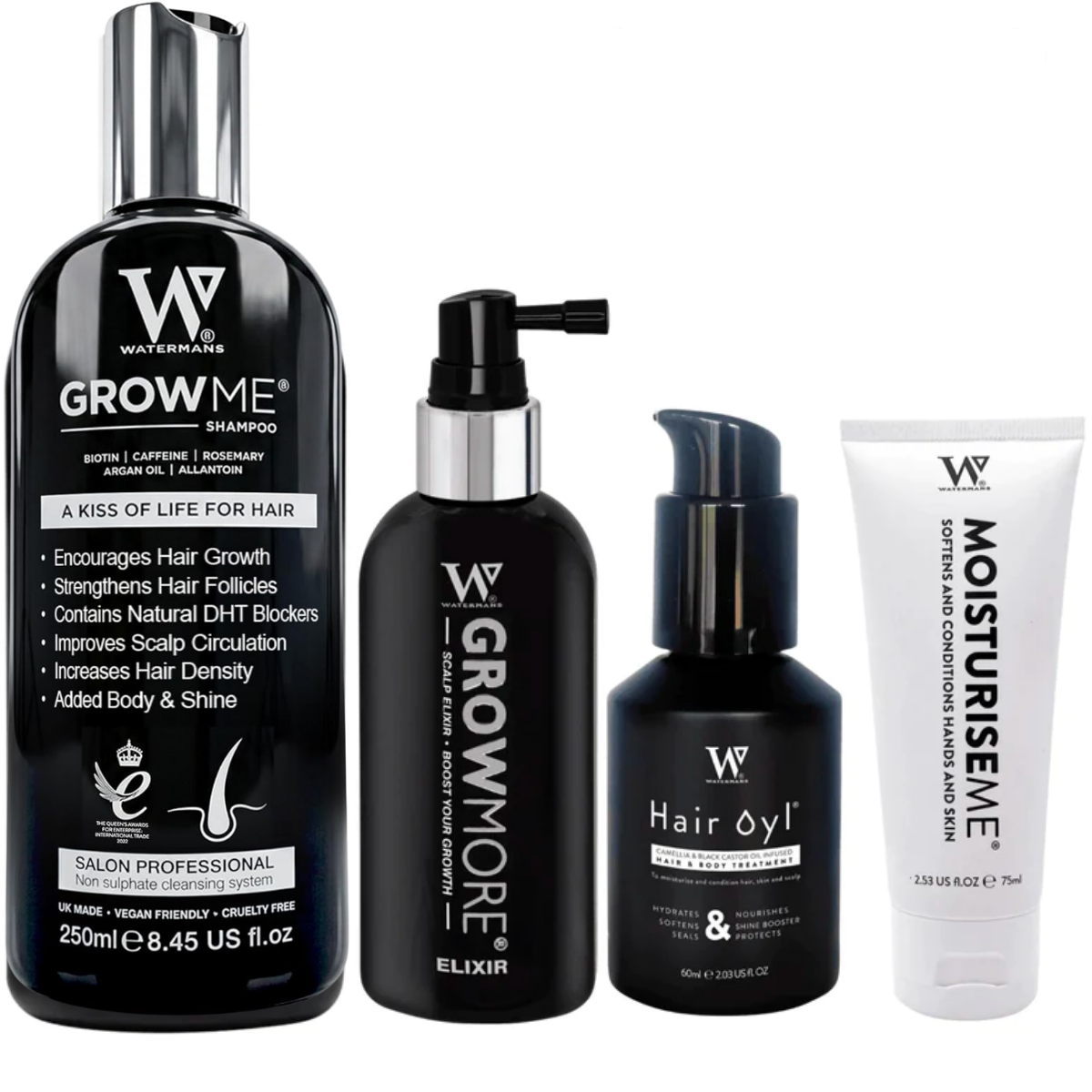
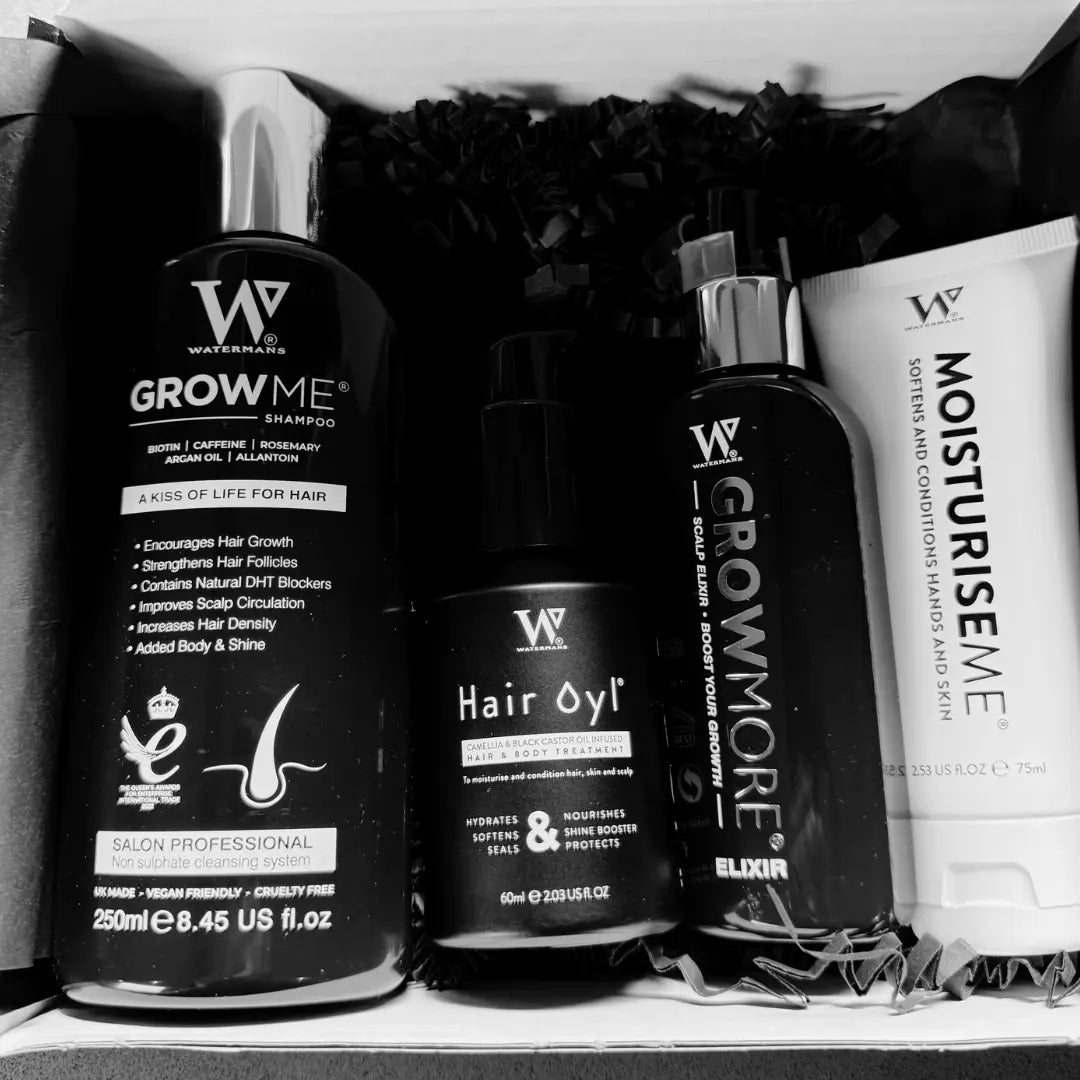
Face products get all the attention, but the skin that ages most visibly on a lot of people is the back of the hands, where the barrier is thin and washing strips it several times a day. The same principle applies there: draw water in, then seal it. Our own Plumping Moisturise Me Face and Hand Cream is built around that pairing, with cupuacu, shea and cocoa butters over allantoin and almond oil, and it is a sensible thing to put over a light hydrating layer.

Plumping Moisturise Me Face and Hand Cream
A rich, vegan cream with cupuacu, shea and cocoa butter plus allantoin and almond oil, for skin that feels tight after washing. Made in the UK.
View Moisturise MeHow do you get the most out of a snail mucin serum?
The format rewards a bit of technique. Apply it to damp skin rather than dry, because a humectant with water available to it works far better than one pulling from the air in a centrally heated room. Use it early in the routine, after cleansing and any watery essence, before your heavier creams.
Then seal it. That single step is the difference between people who love the ingredient and people who say it did nothing. A humectant with nothing over it in dry air can leave skin feeling worse, not better. If you want the step by step version, we have written it up separately in our guide on how to layer snail mucin with retinol, vitamin C and acids.
Give it eight weeks before you judge it, and change one product at a time. If your skin gets tight and flaky every winter regardless of what you use, the fix is usually the routine as a whole rather than one hero ingredient, and our notes on what actually helps dry skin in winter cover that ground. If you are also curious about micro needling alongside hydrating serums, our honest look at the 0.25mm derma roller is worth reading before you buy one.
Frequently asked questions about snail mucin
Do the snail mucin benefits work on all skin types?
The hydrating effect is broadly useful across skin types, and oily skin often gets on best with it because the texture is so light. Very dry skin usually needs something richer layered over the top rather than the filtrate alone.
How long until I see a difference?
Surface hydration is immediate, within about an hour. Anything about texture or tone needs at least eight weeks of consistent use, which is roughly two full skin turnover cycles.
Can I use snail mucin with retinol?
Yes, and it is one of the more comfortable pairings. Most people apply the hydrating layer first, let it settle, then apply the retinoid, which softens the sting without much loss of effect.
Are snails harmed to collect it?
Not in the sense of being killed, in reputable supply chains. The stress involved in stimulating secretion is the real ethical question, and welfare standards vary a great deal between producers.
Is snail mucin safe in pregnancy?
There is no specific evidence of a problem, and it is a topical cosmetic ingredient. As with anything during pregnancy, run it past your midwife or GP if you are unsure.
Why does my snail mucin serum pill under makeup?
Pilling usually means too much product, or applying the next layer before the previous one has settled. Use less, wait a minute, and press rather than rub.
Does snail mucin help with acne scars?
It can make the surface look smoother and more even while you are using it. It does not remodel scar tissue, and anyone promising that is overselling a moisturiser.
Is a 96% snail mucin essence better than a 20% serum?
Not automatically. A lower percentage in a well built formula with proper emollients frequently performs better in real use than a very high percentage watery product used on its own.
The bottom line
The genuine snail mucin benefits are hydration, a lighter feeling barrier and comfort on reactive skin, and those are worth having. The collagen and anti ageing story is not established, the percentage on the front of the bottle is a distraction, and it is not vegan. Use it as a hydrating step under something occlusive, judge it after eight weeks, and if you would rather avoid an animal ingredient, glycerin, hyaluronic acid, panthenol and beta glucan will do the same jobs without the compromise.
Sources and References
- Efficacy and Safety of a New Cosmeceutical Regimen Based on the Combination of Snail Secretion Filtrate and Snail Egg Extract to Improve Signs of Skin Aging, PMC7159309.
- The Protective Effect of Snail Secretion Filtrate in an Experimental Model of Excisional Wounds in Mice, PMC8402640.
- Controlled self-assembly of glycoprotein complex in snail mucus from lubricating liquid to elastic fiber, PMC9079862.