

How to Use Snail Mucin: Layering, Patch Testing and Buying
The short version of how to use snail mucin is this: apply it to damp skin early in your routine, after cleansing and any watery toner, before your heavier creams, then always seal it with a moisturiser. Two to three drops or one light pump is enough for a face. Press it in rather than rubbing, wait sixty seconds, and only then move on to the next layer.
Key takeaways
- Damp skin, not dry. A humectant with no water available to it can leave skin feeling tighter.
- Thin to thick. It goes on before creams and oils, never after them.
- Always seal it. This is the single step most people skip, and it is why they say it did nothing.
- Patch test on the inner forearm for three days, especially if you react to shellfish or dust mites.
- Give it eight weeks and change one product at a time, or you will never know what worked.
How to use snail mucin: the five step order that works
Snail secretion filtrate is a light, watery humectant. Everything about the method follows from that one fact, and once you have the order right the rest is detail.
- Cleanse and leave skin damp. Pat with a towel until skin is no longer dripping but still cool and slightly moist. Do not dry it fully.
- Apply any watery toner or essence first. If a product is thinner than the mucin, it goes on first.
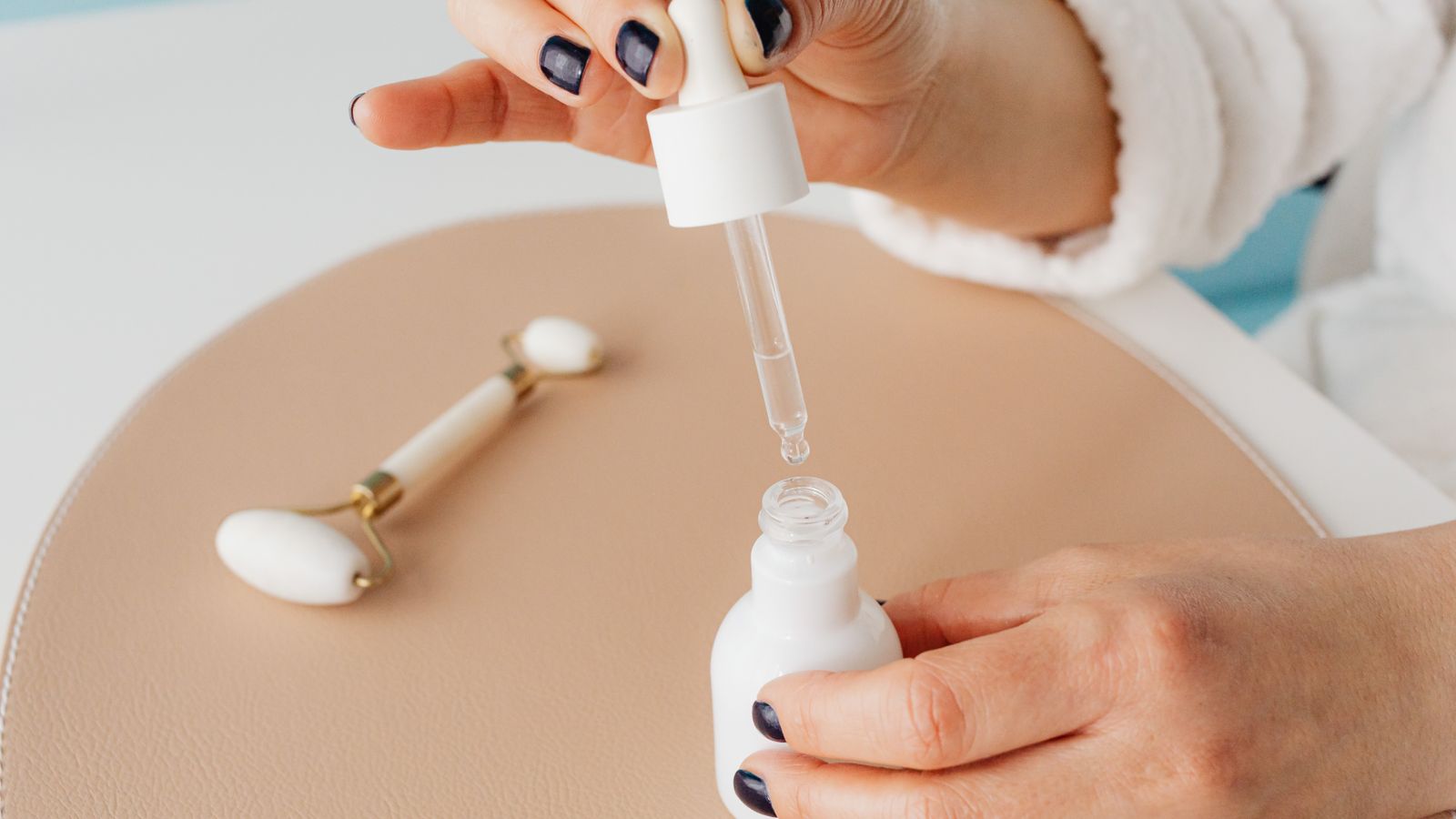
- Apply the snail mucin. Two to three drops, or one light pump. Press it into the skin with flat palms rather than rubbing it in circles.
- Wait sixty seconds. This is not fussiness. Layering onto a wet surface is the main cause of pilling.
- Seal with a moisturiser. Anything with squalane, shea, cupuacu or ceramides. Without this step the water you just drew in evaporates straight back out.

Where exactly does it sit in a morning routine?
The morning version of how to use snail mucin has one extra constraint, which is that sunscreen has to be the last thing on your face and has to go on in an even, unbroken film. That means the layers underneath need to be light and fully settled.
Cleanse, apply snail mucin to damp skin, wait, apply a light moisturiser, wait again, then sunscreen. If you are also using a vitamin C serum, that goes on before the mucin, because it works best in direct contact with skin and it is thinner than most creams.
Where does it sit in an evening routine?
The evening version of how to use snail mucin is where the layering questions get interesting, because that is when most people use their actives. Cleanse, apply your active, wait for it to absorb properly, then apply the snail mucin over the top, then your night cream.
Putting the hydrating layer after the active rather than before it is deliberate. It gives the active clean contact with skin, and the mucin then acts as the comfort layer that takes the edge off. Some people prefer it the other way round, applying the mucin first as a buffer when their skin is very reactive. Both are defensible. Buffering first will slightly reduce how strongly the active works, which is sometimes exactly what you want.
How do you layer snail mucin with retinol, vitamin C and acids?
This is the question that brings most people here, so here it is set out plainly.
| Active | Order | Why |
|---|---|---|
| Retinol, evening | Retinol first, mucin over the top | Keeps the retinol working at full strength while the mucin softens the dryness that follows |
| Vitamin C, morning | Vitamin C first, mucin over the top | Ascorbic acid needs direct skin contact and a low pH environment to stay stable |
| AHA or BHA exfoliant | Acid first, wait ten minutes, then mucin | Gives the acid time to do its job before you flood the surface with water |
| Niacinamide | Either order, they get on well | No meaningful interaction, so use whichever texture is thinner first |
| Facial oil | Mucin first, always | Oil blocks a water based layer from getting through at all |
Quick tip: never use a strong acid and a retinoid on the same night while you are still working out how your skin handles a new hydrating layer. Change one thing at a time or the results tell you nothing.

How do you patch test properly?
Proper patch testing takes three days and almost nobody does it, which is why so many people end up with a reaction they cannot attribute to anything. The method is simple.
Put a small amount on the inner forearm, near the crease of the elbow, twice a day for three days. Leave it uncovered and do not wash the area more than normal. Look for redness, itching, small bumps or a burning feeling. If nothing happens by day three, move to a small patch beside the jawline for another two days before you use it on your whole face.
Take this seriously if you react to shellfish or to dust mites. Cross reactivity to the proteins in snail secretion has been reported, and the sensible response is caution rather than avoidance. If you get a reaction that spreads, blisters or does not settle within a day of stopping, speak to a pharmacist or your GP.
Get a discount on the dry skin range
Join the Watermans mailing list and we will email a discount code straight to your inbox, so you can try the dry skin range for less. Vegan, made in the UK, over 5 million bottles sold since 2012.
What should you look for on the label before buying?
The ingredient is listed as snail secretion filtrate. Where it sits on the list matters far more than the number printed on the front of the box, because ingredients are listed in descending order of concentration.
A big percentage on the front, 96% or 97%, means the formula is mostly one watery ingredient. That is fine as a hydrating step but it will do very little on its own, so budget for a moisturiser to go over it. A lower percentage inside a well built formula with glycerin, panthenol and a proper emollient often feels better on skin in real use. We go into the evidence behind the ingredient in more detail in our companion piece on what snail mucin genuinely does for skin.
Two other label checks are worth thirty seconds. Look for a fragrance free version if your skin is reactive, because added fragrance causes more trouble than the mucin ever will. And check the packaging: a watery filtrate in a wide open jar will oxidise and get contaminated far faster than the same formula in a pump.

Eight mistakes that stop it working
Nearly every complaint about this ingredient traces back to method rather than to the product itself. These are the eight ways how to use snail mucin goes wrong most often, in rough order of how much damage they do.
- Applying it to bone dry skin. A humectant needs water to hold on to. In a dry room it will pull moisture out of your skin instead.
- Skipping the moisturiser over the top. The most common mistake by a distance, and the reason for most disappointed reviews.
- Using far too much. More product does not mean more hydration, it means pilling under makeup.
- Layering it after an oil or a rich cream. Nothing water based gets through an oil layer.
- Rubbing instead of pressing. Rubbing disturbs the layer underneath and is what rolls it into little balls.
- Judging it after four days. Surface hydration is instant, but anything about texture needs eight weeks.
- Starting it alongside three other new products. If something goes wrong you will have no idea which one caused it.
- Skipping the patch test. Three days of patience against a fortnight of angry skin is not a close call.
What should you put over the top?
Whatever seals well and suits your skin. On the face, a light lotion with squalane or ceramides is plenty for most people. On hands and body, where the barrier takes far more abuse from washing, something richer earns its place.
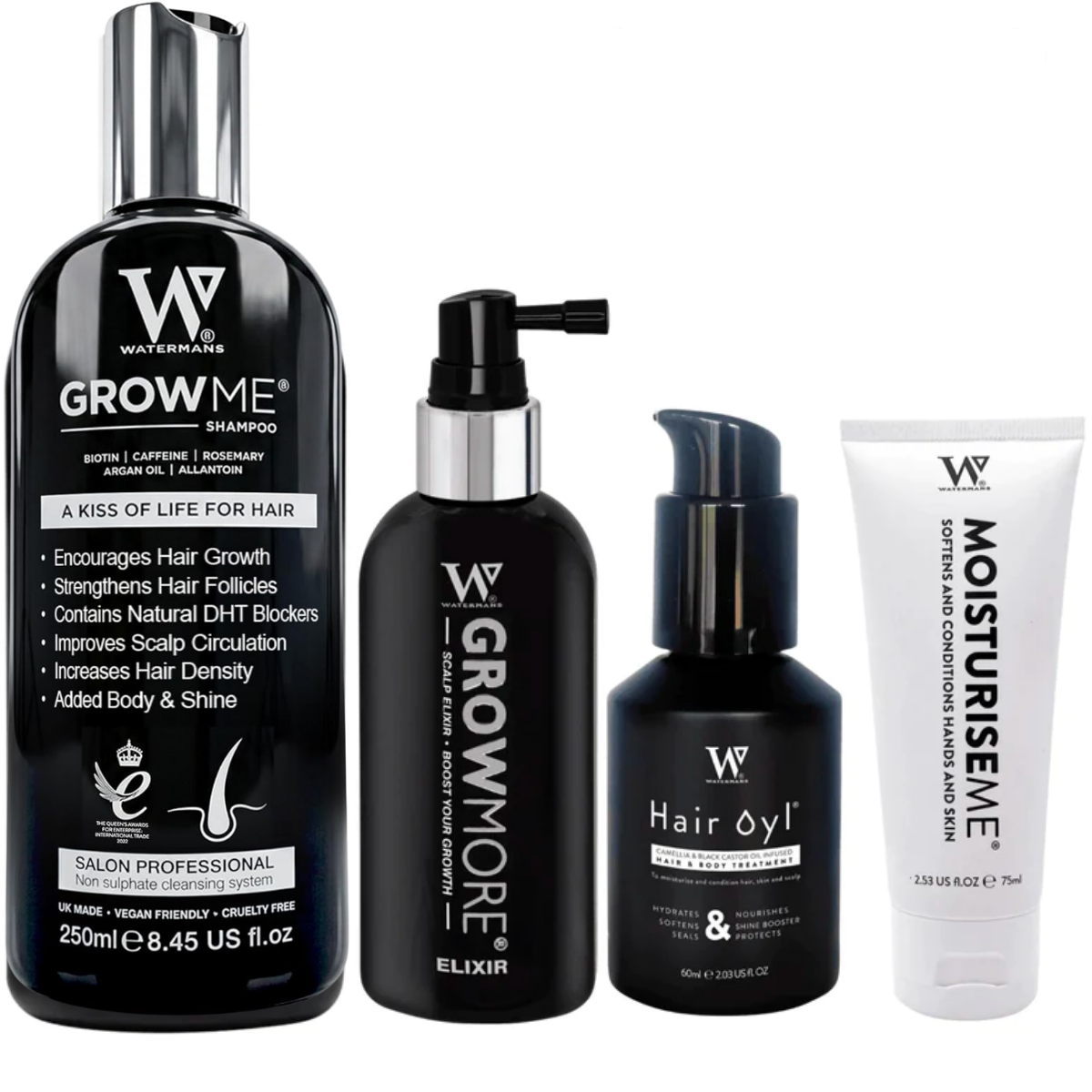
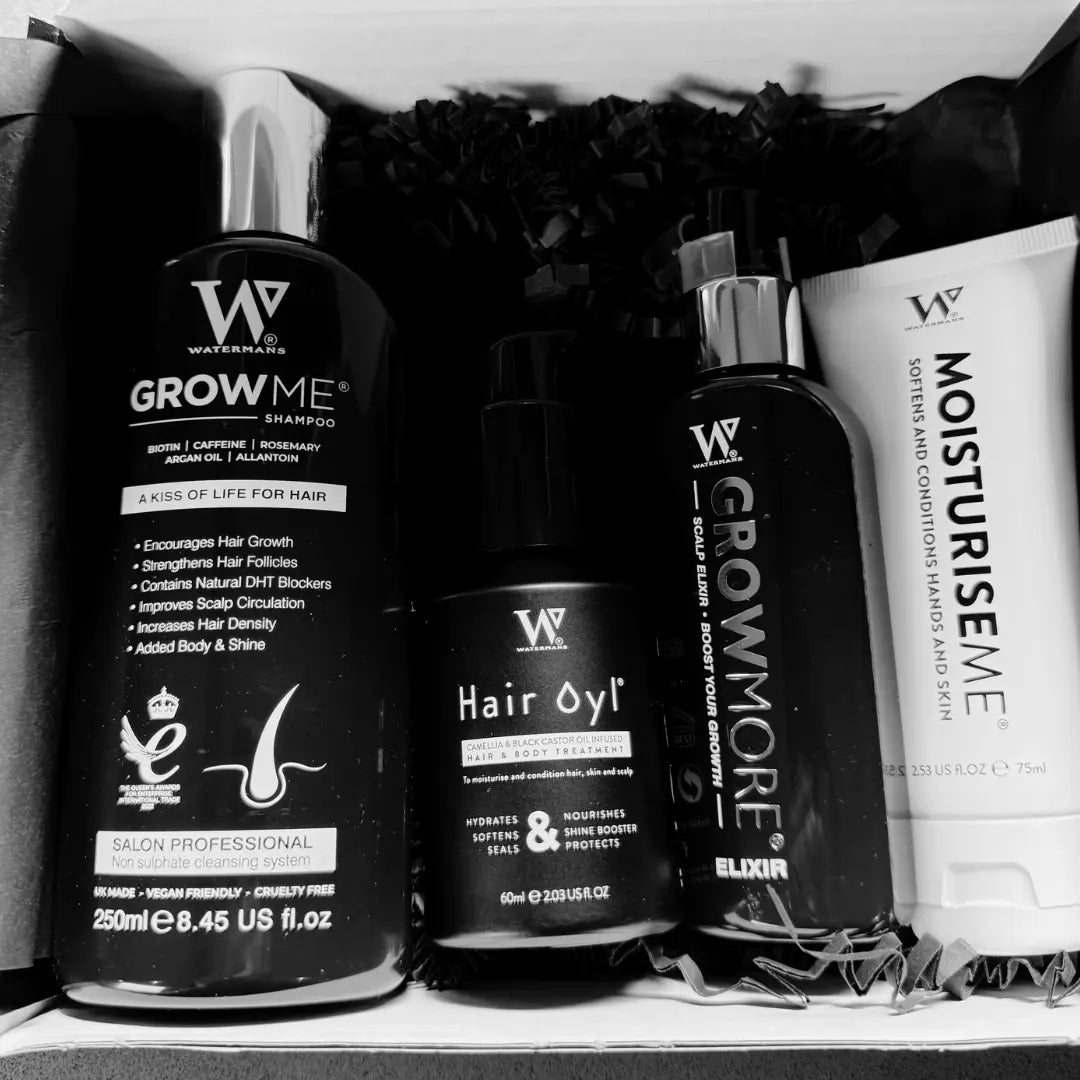
Our own Plumping Moisturise Me Face and Hand Cream works well as that sealing layer, with cupuacu, shea and cocoa butter over allantoin and almond oil. It is vegan, it is made in the UK, and Watermans has sold over 5 million bottles since 2012.

Plumping Moisturise Me Face and Hand Cream
The sealing layer for a hydrating routine. Cupuacu, shea and cocoa butter with allantoin and almond oil, for skin that feels tight after washing.
View Moisturise MeHow long before you should expect anything?
Immediately, your skin should feel softer and look slightly plumper for a few hours. That is the humectant doing its obvious job and it tells you the product is working as designed.
By week two or three, if the routine is right, skin that used to feel tight after cleansing should stop doing that. By week eight you can make a fair judgement about texture and evenness. Beyond that there is not much more to wait for. If your skin still feels tight and flaky every winter, the answer is usually the whole routine rather than one product, and our notes on what actually helps dry skin in winter go through that properly. If you are weighing up micro needling alongside hydrating serums, read our honest look at the 0.25mm derma roller first.
Frequently asked questions
How to use snail mucin if you have oily or acne prone skin?
Use it exactly the same way, and choose a light gel moisturiser to seal it rather than a rich cream. The filtrate itself is very light. The heavy creams it often comes packaged with are usually what causes congestion.
Can you use snail mucin twice a day?
Yes. Twice daily is the normal pattern and there is no reason to limit it, provided the rest of your routine is not already overloaded.
Should it go before or after moisturiser?
Before, without exception. It is a water based layer and a moisturiser is designed to sit on top and hold everything in.
Can you use it around the eyes?
Yes, gently, and only if it is fragrance free. Pat it on with your ring finger and keep it off the lash line.
Does snail mucin go on before or after sunscreen?
Always before. Sunscreen is the last step in a morning routine and needs an even, undisturbed film to protect properly.
Why does the serum ball up on my face?
Pilling comes from too much product, layering too fast, or an incompatible silicone based product underneath. Use less, wait a minute between layers, and press rather than rub.
Can it be used on the body?
It can, though it is an expensive way to hydrate a large area. A butter based body cream does the same job for less.
Does it need to be refrigerated?
No. A cool, dark cupboard away from the bathroom window is fine, and keeping it out of direct sunlight matters more than keeping it cold.
The bottom line
Knowing how to use snail mucin properly is mostly about two habits: put it on damp skin, and always seal it with something on top. Get the order right, thin to thick, actives before the mucin in the evening, sunscreen last in the morning. Patch test for three days, use far less than you think you need, and give it eight weeks before you decide whether it earned its place.
Sources and References
- Efficacy and Safety of a New Cosmeceutical Regimen Based on the Combination of Snail Secretion Filtrate and Snail Egg Extract to Improve Signs of Skin Aging, PMC7159309.
- Controlled self-assembly of glycoprotein complex in snail mucus from lubricating liquid to elastic fiber, PMC9079862.
- Contact dermatitis, British Association of Dermatologists public information leaflet.
- Allergies, NHS.