Hormonal Hair Loss: Which Hormone, and What Helps
Hormonal hair loss is not one condition. It is a group of very different situations in which a change in hormones alters the hair cycle: the months after childbirth, an underactive or overactive thyroid, polycystic ovary syndrome, perimenopause and menopause, and inherited sensitivity to androgens. Each behaves differently, each has a different outlook, and the useful first step is working out which one you are dealing with rather than reaching for a product.
Our hair growth shampoo
Grow Me® Hair Growth Shampoo, £14.95. A sulphate free daily shampoo that supports a healthy scalp environment and helps reduce breakage, so lengths hold on and look fuller.
Key takeaways
- Hormonal hair loss covers several distinct causes. Naming yours changes what you should do next.
- Postpartum shedding and thyroid-related shedding are usually temporary. Pattern loss from androgen sensitivity is progressive.
- Blood checks arranged by your GP are what separate a thyroid or iron problem from pattern loss. No shampoo can tell you that.
- Timing is a strong clue: shedding typically starts two to three months after the hormonal event, not during it.
- Cosmetics work on breakage and scalp comfort while the underlying situation is sorted out. They do not act on hormones.
What counts as hormonal hair loss?
Hair follicles carry receptors that respond to circulating hormones, which is why hair is such a sensitive marker of what is happening elsewhere in the body. When hormone levels shift, follicles can be pushed out of the growing phase early, or gradually produce finer hair over successive cycles.
That gives two broad behaviours. The first is a shedding event: lots of follicles leave the growing phase together, and two to three months later a wave of hair comes out. This is telogen effluvium, and it is usually temporary. The second is progressive miniaturisation: follicles sensitive to androgens produce shorter, finer hairs each cycle, gradually reducing density in a recognisable pattern. That is androgenetic alopecia, and it does not resolve on its own.
Knowing which behaviour you have matters more than knowing the hormone. One waits and recovers. The other needs a plan.
Which hormones affect hair, and how?
| Situation | What hair typically does | Usual outlook |
|---|---|---|
| After childbirth | Heavy general shedding starting around 2 to 4 months after birth | Usually settles within 6 to 12 months |
| Thyroid, under or over active | Diffuse thinning all over, often with fatigue, weight or temperature changes | Usually improves once the thyroid is managed by your GP |
| PCOS | Thinning at the crown and parting, sometimes with more facial or body hair | Ongoing, managed rather than resolved |
| Perimenopause and menopause | Gradually widening parting, finer texture, more scalp visible | Progressive without intervention |
| Stopping or starting hormonal contraception | A shedding wave a few months after the change | Usually temporary |

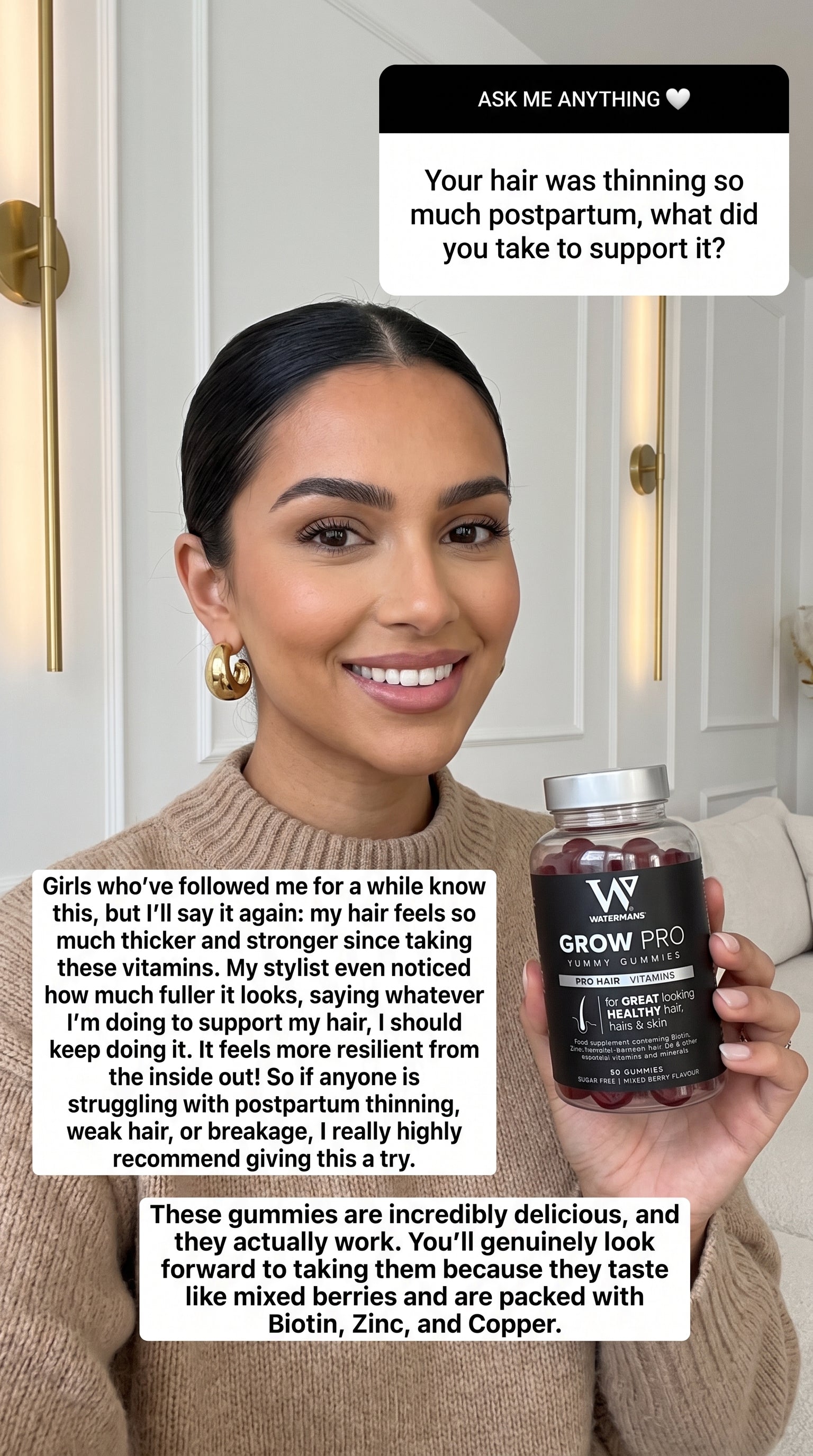
Is postpartum shedding hormonal hair loss?
Postpartum shedding is the clearest example of hormone-driven shedding that resolves by itself. During pregnancy, raised oestrogen keeps more follicles in the growing phase for longer, which is why hair often looks unusually thick. After birth those hormone levels fall, the delayed follicles all move into the resting phase together, and roughly two to four months later they release at once.
It can be alarming, and handfuls in the shower are common. It is also, in the great majority of cases, temporary, with most people seeing it settle between six and twelve months after birth. New growth often appears as short wispy hairs around the hairline, which is a good sign rather than a bad one.
Worth mentioning to your GP if it is still heavy beyond a year, or if it comes with significant fatigue, since iron levels and thyroid function are both worth checking after a pregnancy.
How does thyroid trouble show up in hair?
Both an underactive and an overactive thyroid can cause diffuse thinning across the whole scalp rather than in a pattern. The hair may also change texture, becoming drier and more brittle with an underactive thyroid, and finer with an overactive one. Loss of the outer third of the eyebrows is a classic associated sign, though it is far from universal.
What makes thyroid-related shedding worth chasing is that it usually improves once the thyroid itself is managed, which makes it one of the more satisfying causes to identify. Hair recovery lags behind blood results by several months, because the hair cycle takes that long to turn over, so patience is needed even after things are under control.

What happens to hair during perimenopause and menopause?
Falling oestrogen through perimenopause shifts the balance between oestrogens and androgens. For follicles that are genetically sensitive to androgens, that shift allows gradual miniaturisation to progress, which is why so many women notice their parting widening in their forties and fifties, along with finer texture and hair that will not hold length the way it used to.
This is progressive rather than self-limiting, which is the important difference from postpartum shedding. It also often arrives alongside other menopausal changes, and hormone replacement therapy is a conversation some people have with their GP for those broader reasons. Whether it helps hair specifically varies between individuals, and it is genuinely a decision for you and your GP rather than something we are able to advise on.
Does PCOS cause hormonal hair loss?
Polycystic ovary syndrome involves higher androgen activity, and in some people that shows up in the hair as thinning at the crown and parting, sometimes alongside increased facial or body hair, irregular periods and skin changes. It tends to start earlier in life than menopausal thinning.
Because PCOS affects a good deal more than hair, it is worth raising with your GP as a whole picture rather than as a hair complaint alone. Managing the underlying condition is the route that makes a difference.
Is it hair loss, shedding or breakage?
These three are constantly confused, and with hormonal causes the distinction is especially useful.
Hair loss is follicular miniaturisation: the follicle produces progressively finer, shorter hairs over successive cycles. Androgen-driven thinning at the parting and crown works this way. It is gradual and it does not reverse on its own.
Hair shedding is a cycle event: whole hairs released from the resting phase, typically two to three months after a trigger. Postpartum, post-illness and thyroid-related shedding are all this. It usually recovers once the trigger is dealt with.
Hair breakage is fibre damage: the strand snaps along its length while the follicle keeps working normally. Short broken pieces of uneven length, usually from heat, colour, tension or friction.
Hormonal situations frequently involve two at once. A postpartum shedding wave plus daily heat styling on tired hair produces a much worse picture than either alone, and the breakage half is the half you can act on immediately.
Get a discount on your next order
Join the Watermans mailing list and we will email a discount code straight to your inbox. Made in the UK, over 6.5 million bottles sold since 2012.
What can you do while you are waiting for answers?
Working out the cause takes time, and there are useful things to do meanwhile that do not involve guessing at hormones.
- Write the timeline down. Note when shedding began and what happened three months before that. This single piece of information is often the most useful thing you bring to a GP.
- Photograph the parting monthly. Same light, same position. Memory is unreliable and daily mirror checks make everyone feel worse.
- Take the mechanical pressure off. Less heat, looser styles, gentler detangling. This is the part fully within your control and it works regardless of cause.
- Eat properly. Hair is quick to suffer during periods of very low intake. Crash dieting during a shedding phase makes it worse.
- Do not stack changes. Changing five things at once means you will never know what helped.
What can cosmetic products genuinely do?
The honest boundary matters most on a page like this. Cosmetic hair care works on the fibre and the scalp surface. It reduces breakage, improves how hair handles when wet, and keeps the scalp comfortable. During a hormonal shedding phase, when hair is fragile and you are handling it anxiously, that is genuinely worth having.
It does not act on oestrogen, androgens, thyroid function or the process of miniaturisation. Nothing in a bottle changes those. If the underlying cause is hormonal, the answer to the cause sits with your GP, and a cosmetic routine sits alongside it.

Grow Me Shampoo
A gentle sulfate-free cleanse for a comfortable scalp during a shedding phase. Cosmetic support for the condition of the hair you have, nothing more than that.

Menopause Hair Care Kit
Put together for the menopausal stage specifically, as a cleanse, condition and leave-on routine. Relevant if menopause is your situation, and not the right purchase if your shedding is postpartum or thyroid related.
Over 6.5 million bottles sold since 2012, made in the UK. If your hair changes point to a thyroid or iron problem, please see your GP first. That conversation will do more for you than anything on this page.
When should you see a GP about hormonal hair loss?
Make an appointment if shedding is heavy for more than three months, if thinning follows a clear pattern at the parting or crown, if hair changes come with fatigue, weight change, temperature sensitivity, irregular periods or mood changes, if you notice increased facial or body hair, or if you are losing hair in discrete round patches. Ask about thyroid function, iron and ferritin, and mention the full timeline including anything three months before the shedding started.
For deeper reading on specific causes, see our guides on thyroid and hair loss, menopause hair thinning options, HRT and hair loss and how to reduce hair shedding. If you want to understand how long any routine needs to be kept up, read hair loss maintenance. If you have seen the term estrogenic alopecia used online, our page on what estrogenic alopecia really turns out to be explains why it is not a clinical term and which conditions it usually describes.
Frequently asked questions
How do I know if my hair loss is hormonal?
Timing and pattern are the clues. A shedding wave two to three months after childbirth, illness or a medication change suggests a cycle event. Gradual widening of the parting over years suggests androgen-driven miniaturisation. Blood checks arranged by your GP settle the question. If your question is about products or a routine rather than a medical one, you can talk to Gail Waterman, our co-founder, as an AI avatar on the Watermans homepage.
Will postpartum shedding grow back?
In most cases yes, settling somewhere between six and twelve months after birth. Short wispy new growth around the hairline is a normal and encouraging sign.
Can hormonal hair loss be stopped completely?
It depends entirely on which type. Shedding driven by a temporary trigger usually recovers once the trigger passes. Androgen-driven pattern thinning is progressive and is managed rather than ended.
Do hair vitamins help with hormonal hair loss?
Supplements help when there is a genuine shortfall, which is why testing beats guessing. Taking high dose supplements without knowing your iron or thyroid status can delay finding the real cause.
Does stress affect hair in the same way?
Significant physical or emotional stress can push follicles into the resting phase together, producing a shedding wave a couple of months later. It is usually temporary once the stressful period has passed.
Why did my hair get thicker in pregnancy and then fall out?
Raised oestrogen held more follicles in the growing phase than usual. After birth those follicles resynchronise and shed together, which feels dramatic but is the system returning to normal.
Can men be affected too?
Yes. Androgen sensitivity is the most common cause of hair loss in men, and thyroid problems affect men as well, though less commonly than women. For how long each stage actually takes, our month by month hair cycle timeline for hormone therapy is the companion read.
What is the bottom line on hormonal hair loss?
Hormonal hair loss is a category rather than something you can pin down in the mirror, and the most valuable thing you can do is work out which situation applies to you. Write down your timeline, photograph your parting monthly, take the mechanical pressure off your hair, and get thyroid and iron checked if there is any fatigue in the picture. Cosmetic care helps with breakage and comfort throughout, and is honest about doing nothing to your hormones. Protecting the hair you already have is the faster half of this, and our HRT hair retention guide sets out the routine.
If you would rather start small, swap the wash first and see how the scalp feels on Grow Me hair growth shampoo. Vegan and made in the UK.
Watermans products are 100% cosmetic and do not treat medical hair loss. Individual results may vary.
Sources and References
- NHS, Hair loss: causes, types and when to see a GP. nhs.uk/conditions/hair-loss
- NHS, Underactive thyroid and overactive thyroid: symptoms and checks. nhs.uk/conditions/underactive-thyroid-hypothyroidism
- NHS, Polycystic ovary syndrome: symptoms and management. nhs.uk/conditions/polycystic-ovary-syndrome-pcos
- NICE Clinical Knowledge Summaries, Female pattern hair loss. cks.nice.org.uk
- British Association of Dermatologists, public information leaflets on hair and scalp conditions. skinhealthinfo.org.uk