How to Stop Hair Shedding: Causes and What Genuinely Helps
The first step in how to stop hair shedding is working out whether yours is actually excessive. The NHS puts normal daily loss at 50 to 100 hairs. A sudden spike above that is usually telogen effluvium, a temporary response to a trigger such as illness, childbirth, a crash diet or a stressful few months, and it settles once the trigger has passed. The fix is finding that trigger, protecting your length, and giving the hair cycle time.
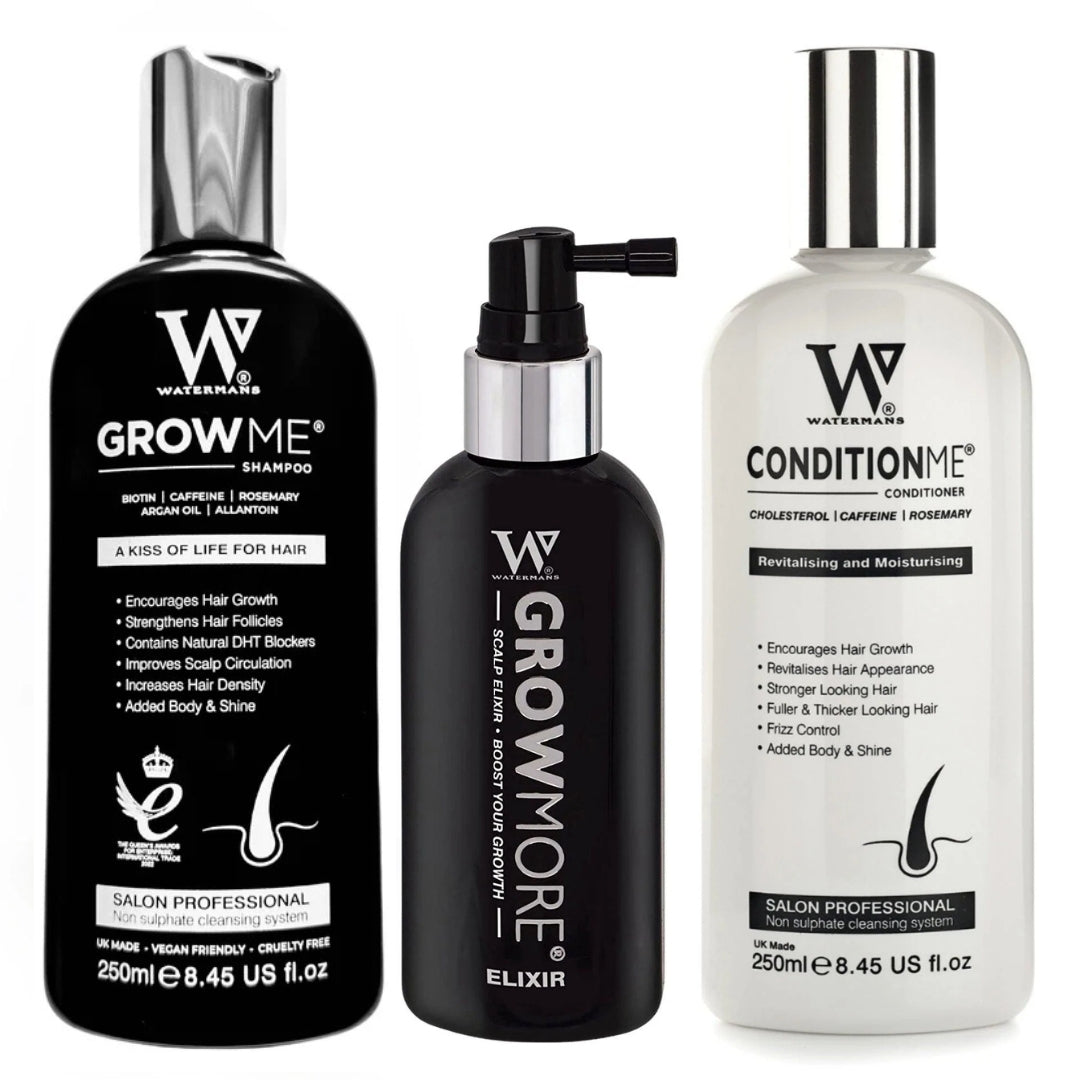
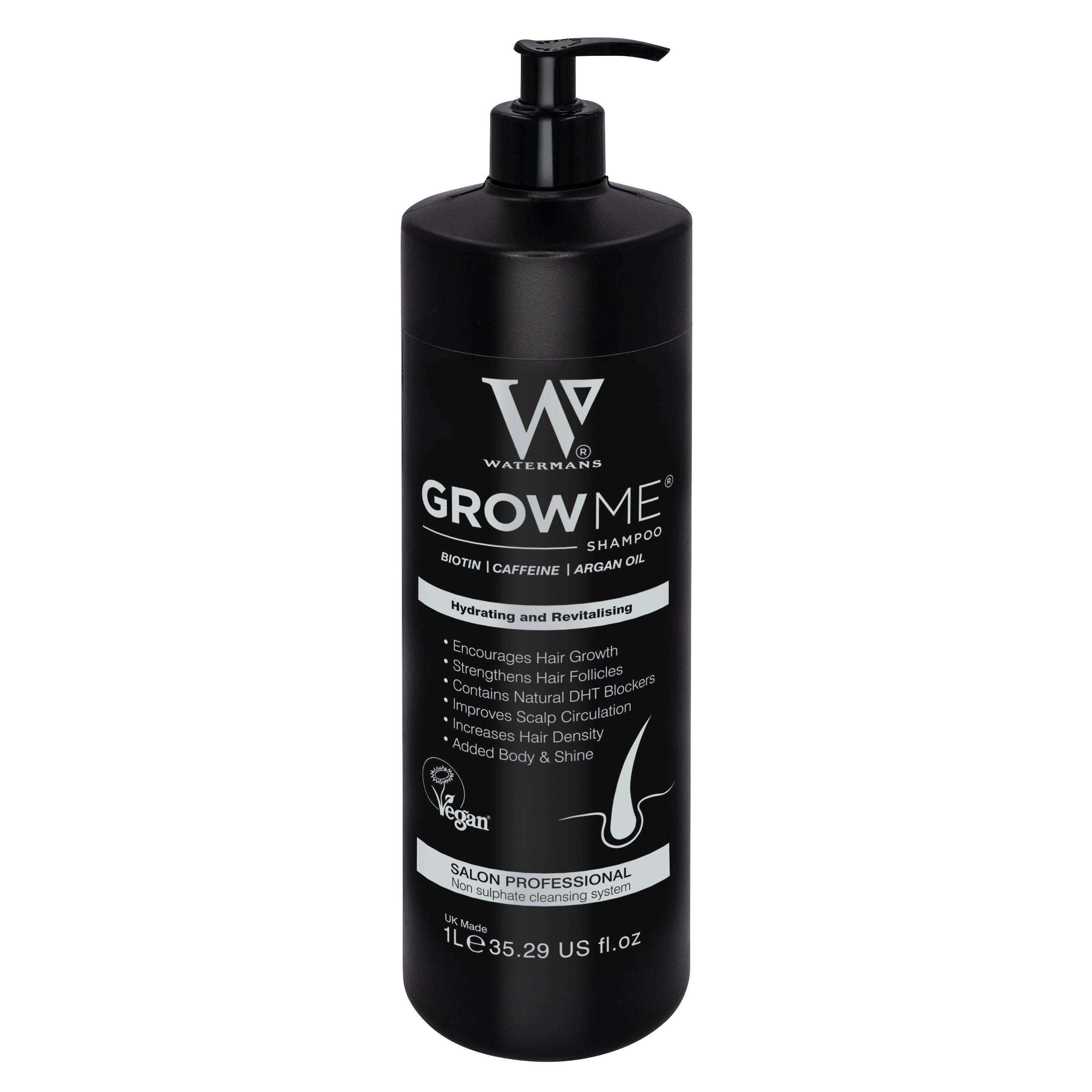
Our hair growth shampoo
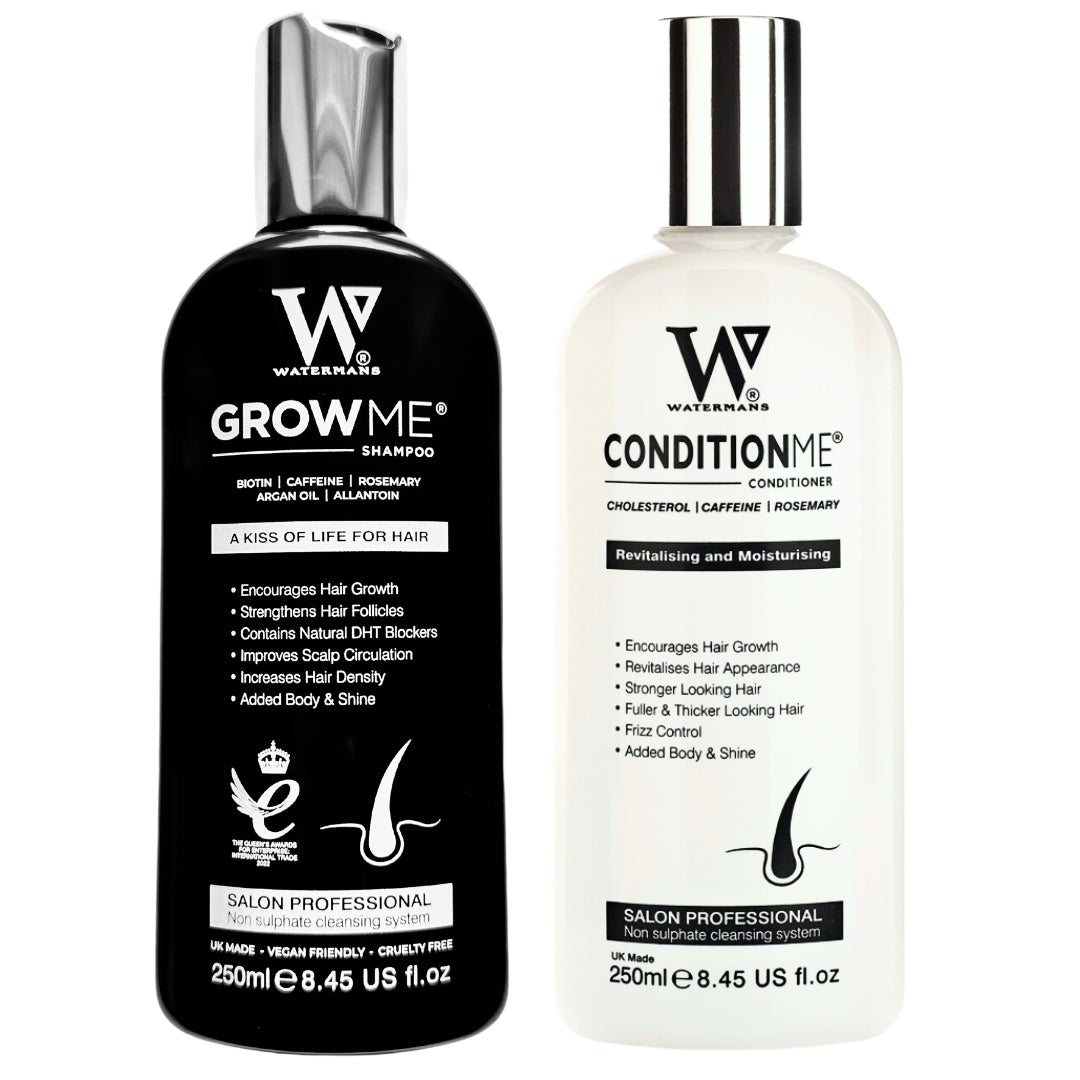
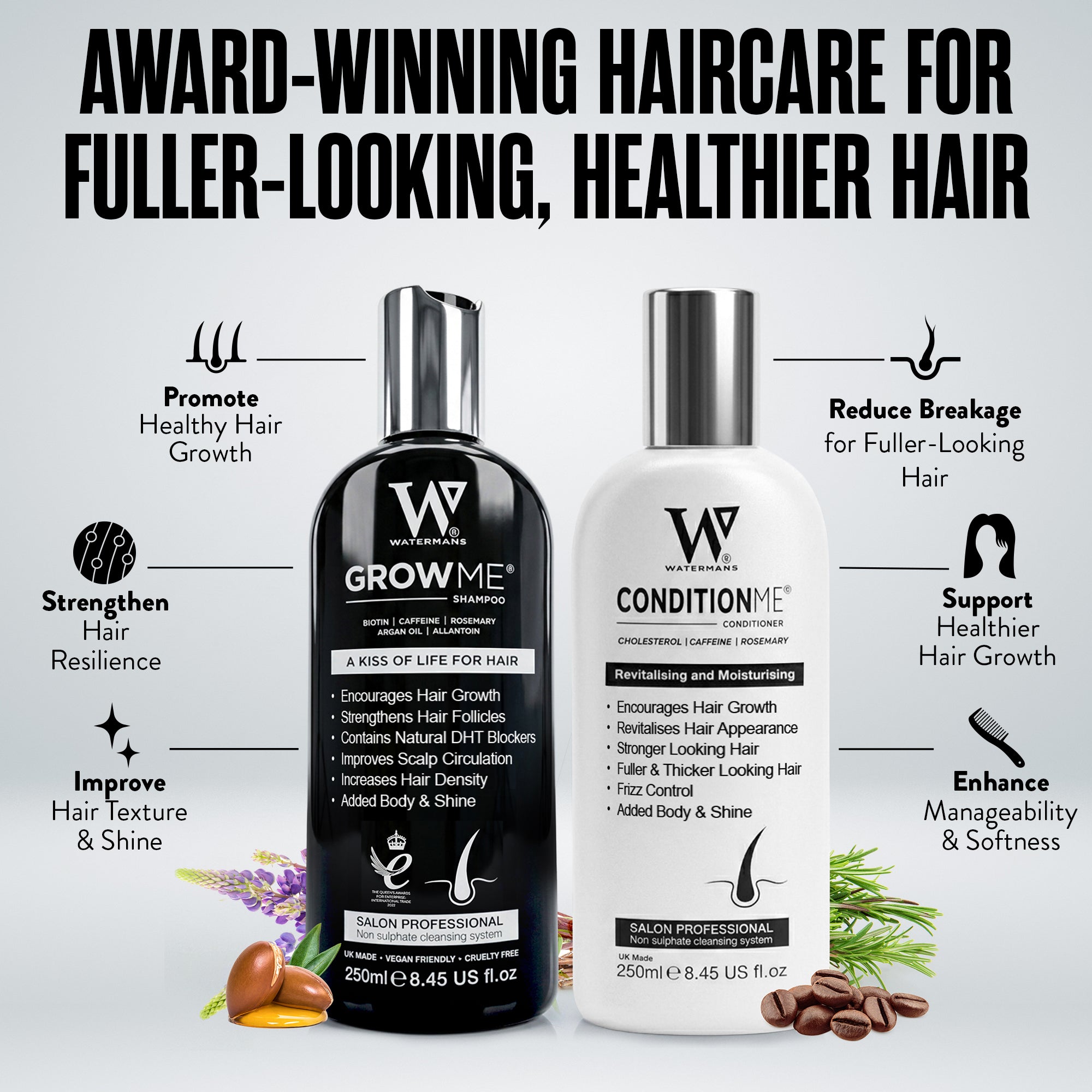
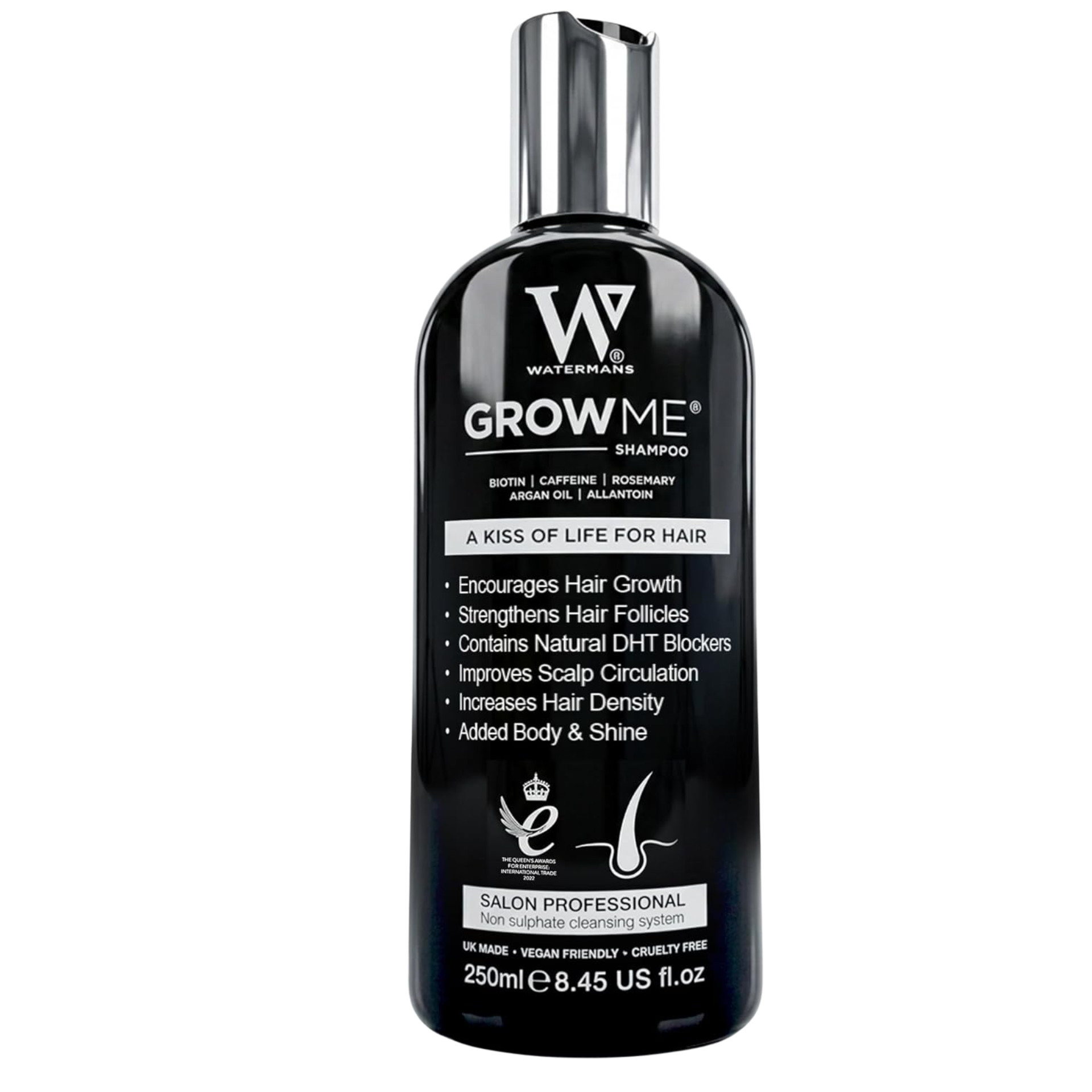
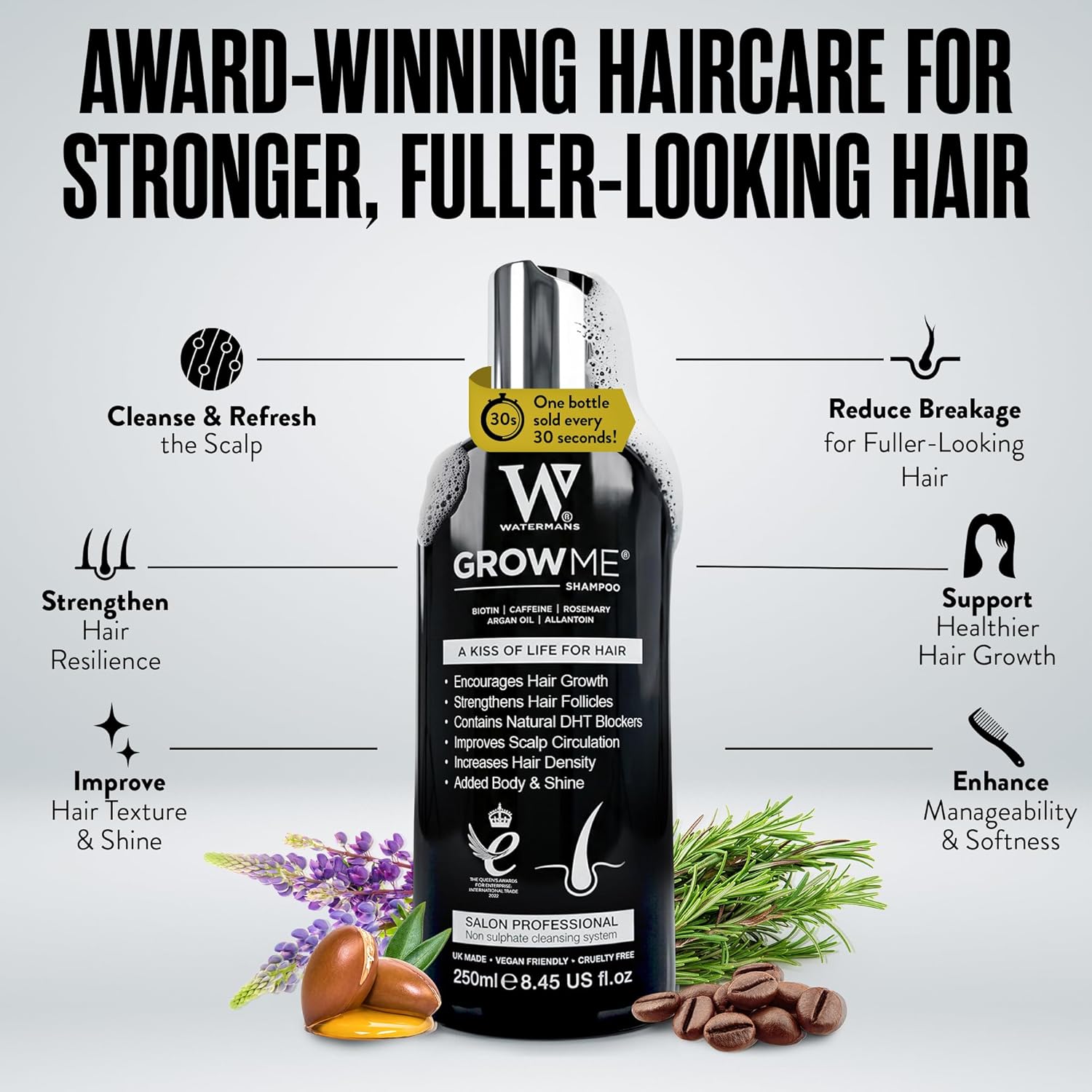
Grow Me® Hair Growth Shampoo, £14.95. A sulphate free daily shampoo that supports a healthy scalp environment and helps reduce breakage, so lengths hold on and look fuller.
Key takeaways
- Losing 50 to 100 hairs a day is normal. Most of them go unnoticed until you start looking.
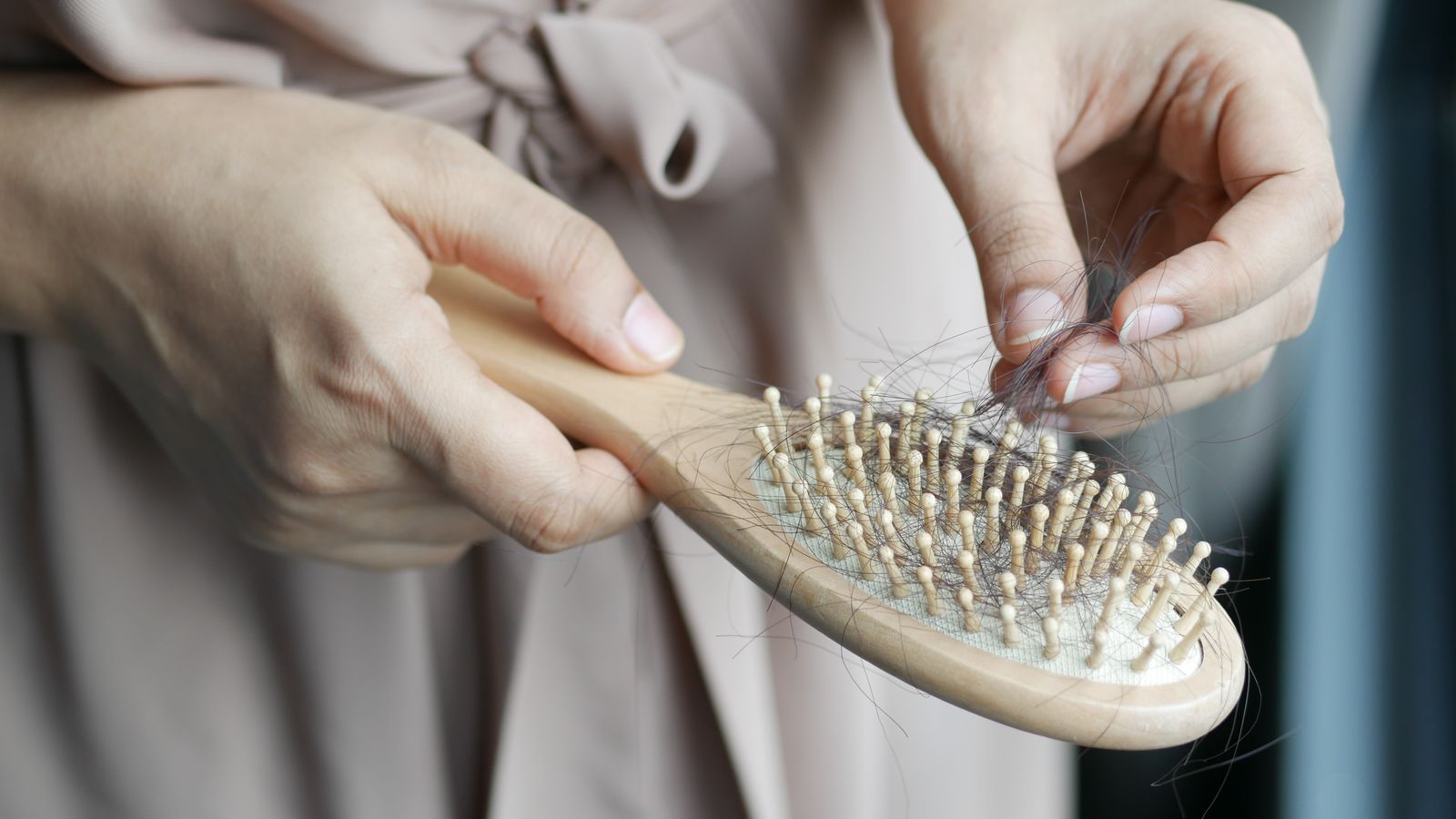
- Shedding is hair leaving the root, so shed hairs carry a small pale bulb. Breakage leaves short bulbless pieces and needs a completely different response.
- A shedding spike usually starts around three months after its trigger, which is why the cause is rarely whatever happened last week.
- The shedding phase itself typically runs for three to six months, then settles. Density catches up more slowly than the shedding stops.
- Iron, ferritin, thyroid function and how much you have actually been eating are the four things most worth checking with your GP.
- No shampoo ends a shedding wave. Gentle handling protects the hair still on your head while the cycle resets.
How much hair shedding is normal?
Before working out how to stop hair shedding, get the baseline right. Normal is 50 to 100 hairs a day according to the NHS, and that number surprises people because they never counted before something changed. Hair grows in cycles that run out of step with each other: a growing phase of two to six years, a short transition, then a resting phase that ends with the hair being released. Because every follicle is on its own schedule, a steady trickle of loss is the healthy state. Medication is one of the less obvious triggers, and we cover it in antidepressant hair shedding.
Two quick checks tell you more than counting ever will. First, the wash test: shed hairs collect over several days between washes, so a big handful on a wash day is not the same as a big handful daily. Second, the pull test done gently, once: run your thumb and forefinger through a small section of dry hair from root to tip. Two or three hairs coming away is ordinary. Consistently pulling out six or more from several different areas suggests an active shedding phase.
Also watch the timeline rather than the count. Shedding that has been elevated for two or three weeks after an illness is expected. Shedding that has been elevated for six months, or that comes with a widening parting, is a different conversation.
Is it shedding, breakage or hair loss?
These three words get used as if they mean the same thing, and they do not. How to stop hair shedding and how to stop breakage are separate jobs with separate answers. Getting this right is what stops people buying a bond builder for a shedding problem or a scalp serum for a fibre problem.
| Type | The tell | What actually helps |
|---|---|---|
| Hair shedding (the cycle) | Full length hairs with a small pale bulb, from all over the head | Finding and removing the trigger, then time |
| Hair breakage (the fibre) | Short pieces with no bulb, split ends, frizz halfway down the length | Conditioning, less heat, gentler detangling, looser styles |
| Hair loss (the follicle) | Bare patches, a parting that widens month on month, a receding line | A GP appointment. Cosmetics do not change follicle behaviour |
Keep a few of the fallen hairs on a piece of white paper for a day or two. The bulb is easier to see against white, and the answer usually becomes obvious.
What triggers a shedding spike?
Finding the trigger is most of how to stop hair shedding, and triggers share a pattern: something demanding happens, the body reprioritises, and a batch of follicles moves into its resting phase together. The delay is the part that catches everyone out.
| Trigger | Typical timing | What to do |
|---|---|---|
| Fever, infection or an operation | Shedding about 3 months later | Wait it out, eat properly, be gentle |
| Childbirth | 2 to 4 months after delivery | Expected and self limiting, see our postpartum guide |
| Crash dieting or low energy intake | 6 weeks to 3 months in | Eat enough, especially protein, and slow the deficit |
| Low iron stores | Gradual, often months | Ask your GP for a ferritin test before supplementing |
| Thyroid problems | Gradual, with other symptoms | Blood test with your GP, then stable levels |
| Sustained stress or poor sleep | 2 to 4 months into the period | Address the load, not just the hair |
| Stopping or starting hormonal contraception | 2 to 4 months after the change | Mention it to your GP if it persists past six months |
Work backwards six months from the day the shedding began and write down everything that happened. If more than one item on that list applies, the shedding is often longer and heavier than a single trigger would cause. For the mechanism in detail, read what causes telogen effluvium. If you have had a baby recently, the postpartum timeline is the more specific read, and if you suspect your thyroid, start with how to stop hair fall due to thyroid problems.
How to stop hair shedding: what genuinely helps?
Nothing switches a shedding wave off on demand, because the hairs now leaving your head committed to that path months ago. What follows is ordered by how much difference it makes.
- Name the trigger and deal with it. This is the whole job. Underfed, run down, iron depleted, thyroid off, chronically stressed. Fix the cause and the hair cycle resets itself.
- Eat enough, with protein at every meal. Hair is expendable to the body. Consistent energy and protein intake is the most reliable nutritional lever there is.
- Get the blood tests rather than guessing. Ferritin, full blood count, thyroid function and vitamin D. Supplementing blind wastes money and can do harm.
- Stop adding breakage on top. Every strand counts more than usual right now, so no brushing wet hair from the roots, no daily 200 degree straightening and no tight ponytails.
- Keep washing normally. People stop washing because they see hairs in the shower, but the hairs come out either way and a clean, comfortable scalp is the better environment.
- Protect your sleep. Poor sleep is a stressor in its own right and it keeps the trigger running.
- Give it three to six months. The British Association of Dermatologists describes a shedding phase of three to six months once it starts. Judging progress weekly will only make you miserable.

What should you eat while shedding settles?
Food does not end a shedding wave, but consistent under eating will absolutely extend one. Aim for a protein source at every meal, since hair is made largely of keratin protein and the body will not build it out of thin air. Include iron rich foods such as red meat, lentils, beans, tofu and dark leafy greens, and pair the plant sources with vitamin C to help absorption. Do not cut fat to nothing, because fat soluble vitamins need it.
On supplements, be sceptical. They earn their place when a blood test shows you are low, and not otherwise. Our honest look at what hair vitamins do and do not do is worth ten minutes before you spend anything.
Get a discount on the hair shedding range
Join the Watermans mailing list and we will email a discount code straight to your inbox, so you can try the hair shedding range for less. Made in the UK, over 6.5 million bottles sold since 2012.
How should you wash and handle hair that is shedding?
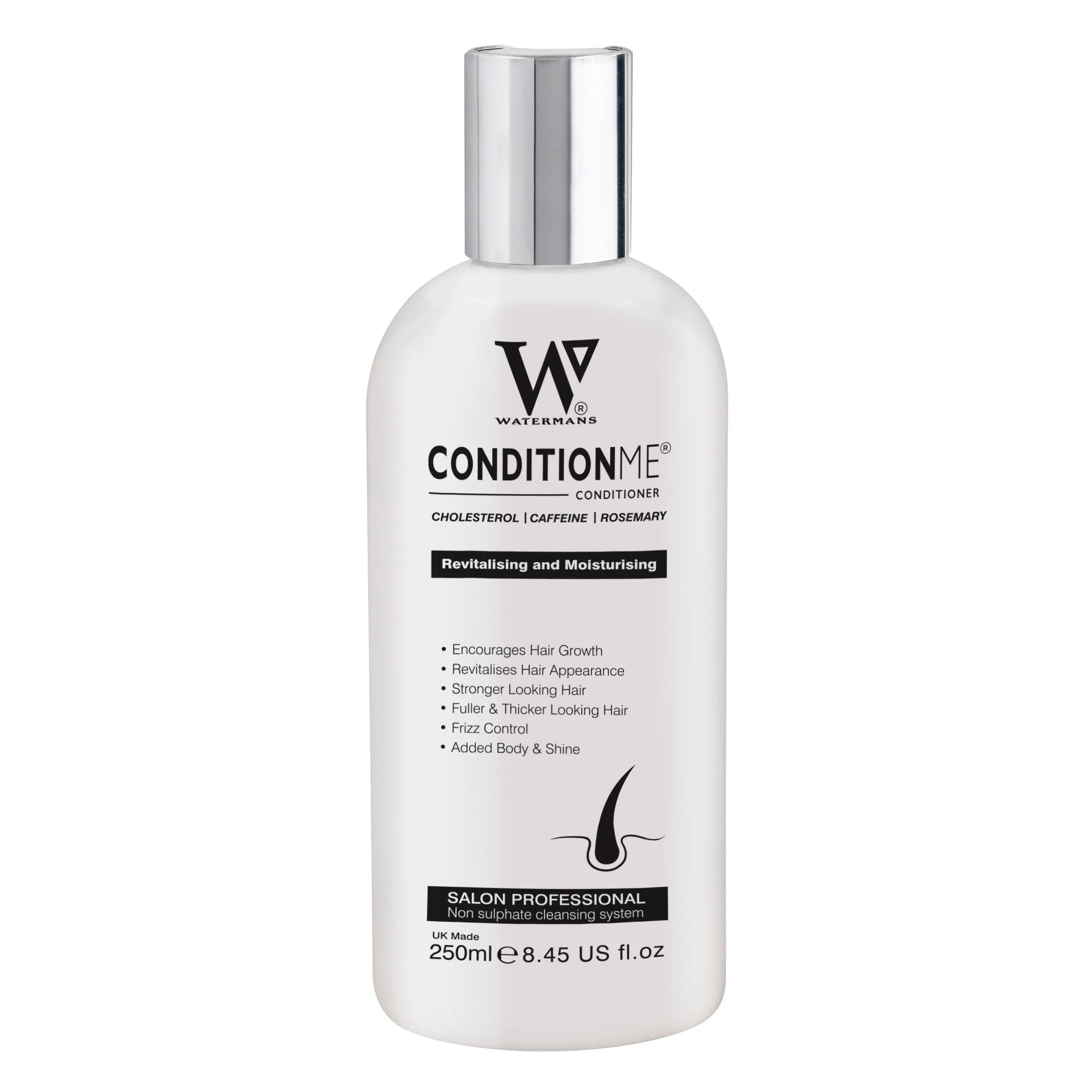
Gently, and normally. Handling is the part of how to stop hair shedding you control every single day. Wash two or three times a week with a mild sulphate free shampoo, massaging the scalp with your fingertips rather than your nails. Condition mid lengths to ends every wash, then detangle in the shower with a wide tooth comb while the conditioner is still in, working from the ends upward. Blot with a towel instead of rubbing, and let hair air dry where you can.
Style loosely. Tight ponytails, tight braids and heavy extensions add traction to a scalp that is already losing more than usual, and traction damage is one of the few kinds of hair loss you can genuinely avoid. If you want the full routine, our guide to stopping hair breakage naturally at home covers the handling side properly.

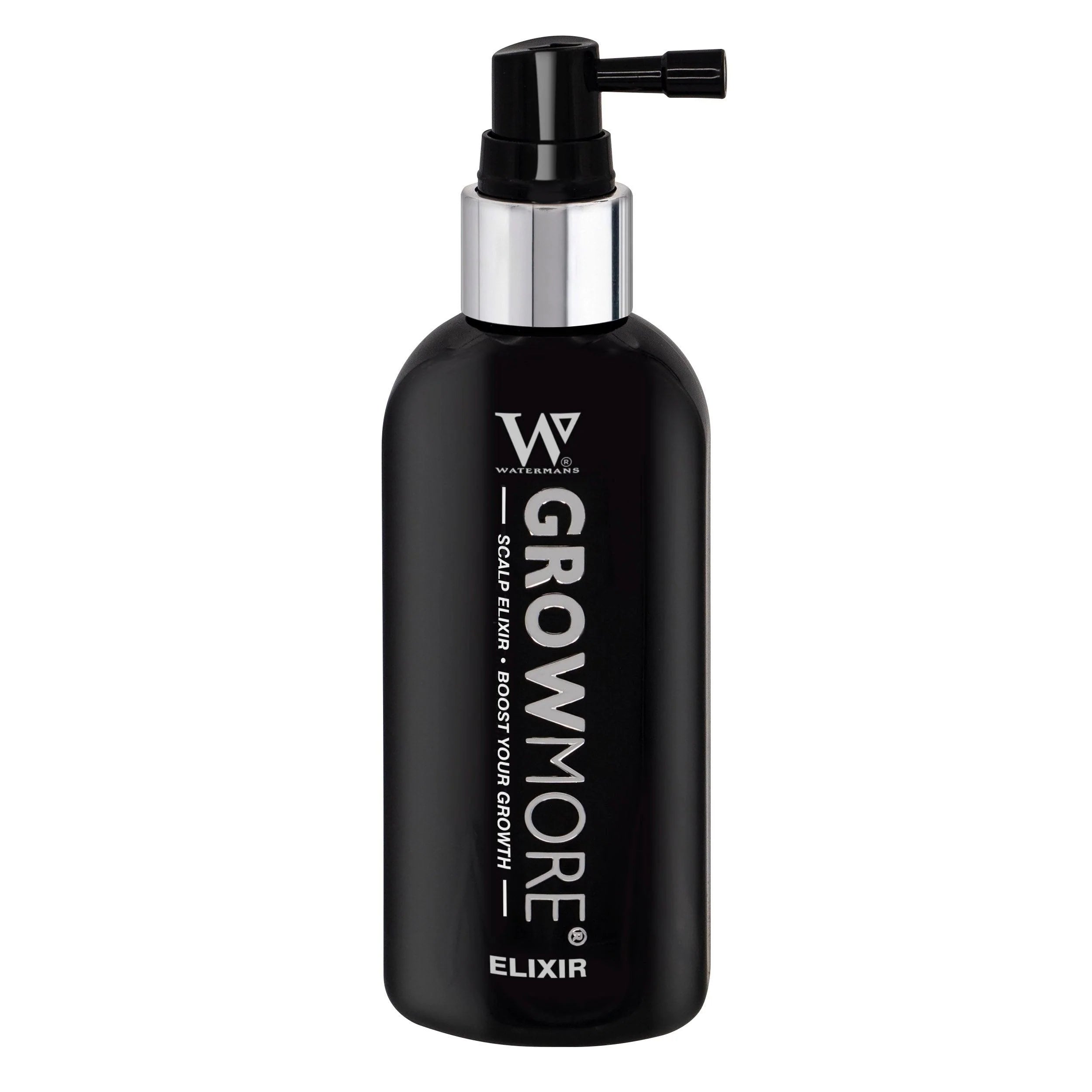
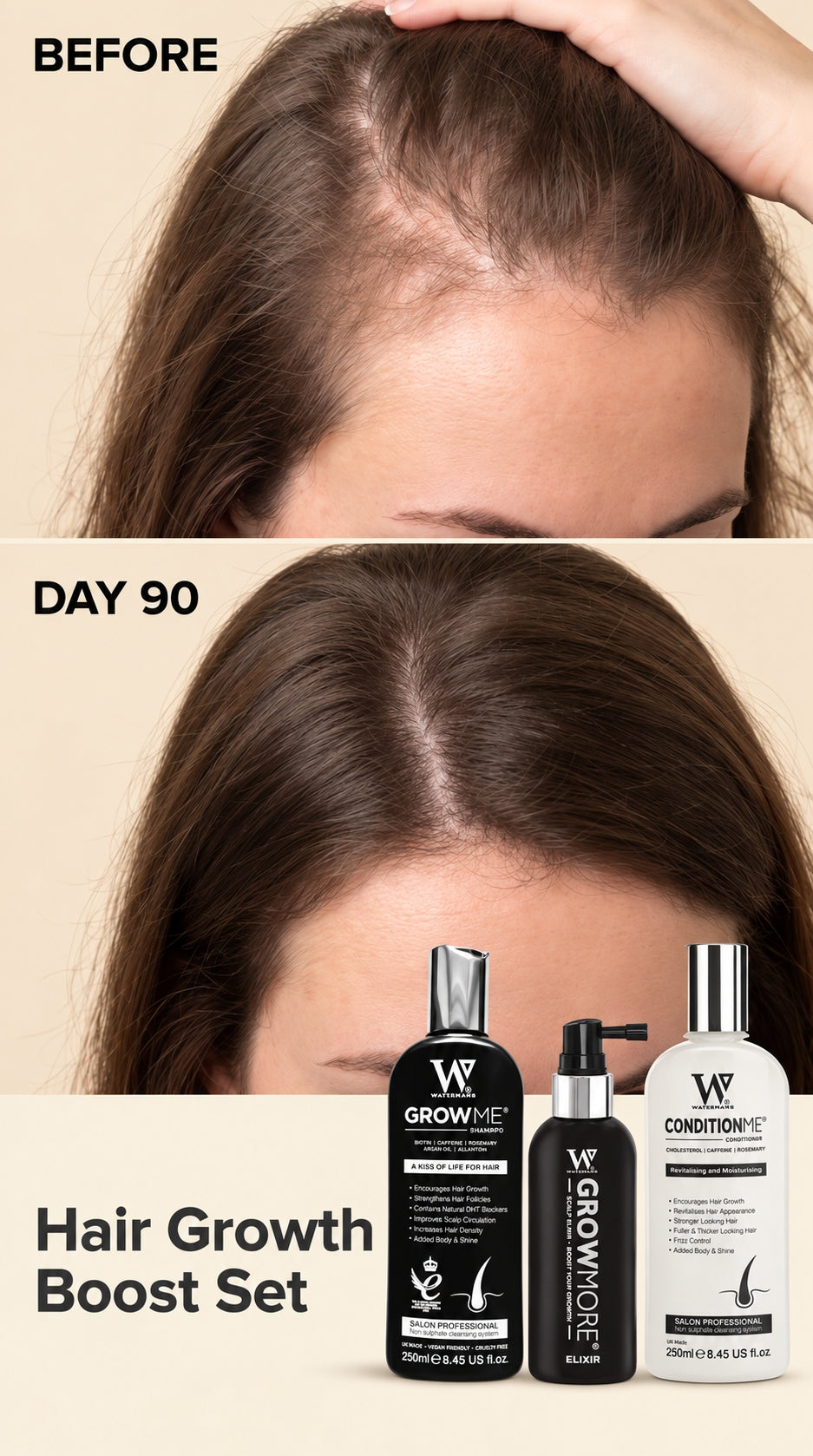
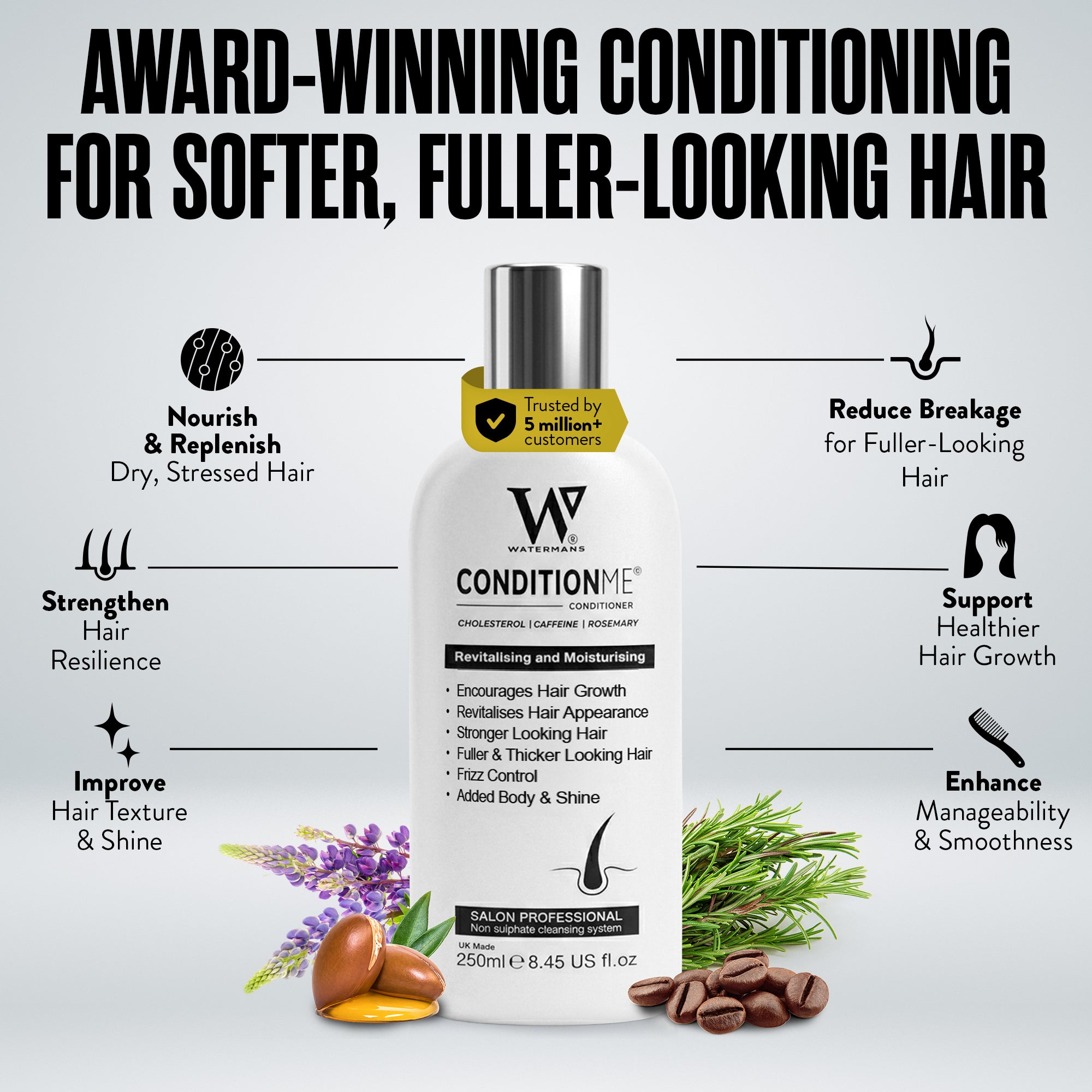
Sulphate free, vegan and made in the UK, with biotin, caffeine, rosemary and hydrolysed lupine protein. Cosmetic support for a comfortable scalp and fuller looking hair while the cycle resets.

Breakage defence where it matters most. Easier detangling means fewer strands lost to the comb at a time when you are already losing more than usual.

When does shedding need a GP?
Make an appointment if the shedding has been heavy for more than six months, if you can see scalp through a parting that keeps widening, if there are patches of bare skin, if your scalp is sore, scaly or itchy where the hair is coming from, or if the shedding comes with tiredness, weight change, heavy periods or feeling the cold. Also go if you are worried. That is a good enough reason on its own, and a blood test is quick.
The British Association of Dermatologists considers telogen effluvium chronic when it lasts more than six months, which is a sensible point to stop waiting and get it looked at properly. We make cosmetic hair care and cannot assess your scalp, so please do not use an article as a substitute for that appointment. It also helps to know the timeline a shedding episode normally follows, since much of the worry comes from not knowing how long it should last. If a blood test is part of the plan, what a ferritin result means explains how to read it. For shedding that lasts months or years, our chronic telogen effluvium guide explains what a GP usually checks.
Watermans products are 100% cosmetic and do not treat medical hair loss. Individual results may vary.

Frequently asked questions
How much hair shedding is normal in a day?
Between 50 and 100 hairs, according to the NHS. It looks like more on wash days because several days of shedding come away at once.
Can I stop hair shedding completely?
No, and you would not want to. Shedding is part of a healthy hair cycle. The realistic goal in how to stop hair shedding is bringing an excessive spike back down to your normal daily loss.
How long does a shedding spike last?
Typically three to six months of active shedding once it starts, with density recovering over the following six to twelve months as the new hairs gain length.
Is shedding the same as going bald?
No. Shedding is diffuse and temporary, and the follicles stay alive. Pattern hair loss is gradual, follows a shape, and involves follicles producing progressively finer hairs. They can happen at the same time, which is why a widening parting deserves a GP appointment.
Will a shampoo stop my shedding?
No shampoo ends a shedding wave, because the cause is in the cycle rather than on the strand. A gentle wash and conditioner protect the hair you still have, which is a genuine benefit but a different one.
Should I brush less while shedding?
Brush normally but gently, once or twice a day with a soft brush or wide tooth comb, from the ends upward. The hairs in your brush were already released. Skipping brushing just moves them into tangles that cause breakage later.
Does washing hair less reduce shedding?
No, it just changes where you see the hairs. Washing two or three times a week keeps the scalp comfortable, which is the better environment for the hair still growing.
Can iron deficiency cause shedding?
Low iron stores are a recognised contributor, which is why a ferritin test is worth asking for. Do not take iron on spec, since too much is harmful and the test is straightforward.
Does scalp massage help with shedding?
It feels good, it encourages you to be gentler with your scalp and it may help with stress, but do not expect it to change the cycle. Treat it as a comfort measure rather than a solution.
Is it worth taking a hair supplement?
Only if a blood test shows you are low in something. Nutrients help when they are missing and do nothing when they are not, whatever the packaging suggests.
What is the bottom line on how to stop hair shedding?
Here is how to stop hair shedding in one paragraph. Check whether it is genuinely excessive, since 50 to 100 hairs a day is normal. Confirm it is shedding rather than breakage by looking for the pale bulb. Work backwards six months to find the trigger, and deal with that rather than the hair. Ask your GP for ferritin, thyroid function, a full blood count and vitamin D instead of guessing at supplements. Eat enough, protect your sleep, handle your hair gently and keep washing it. Then give it three to six months, and go back to your GP if it is still heavy after that. Watermans is made in the UK, and has sold over 6.5 million bottles since 2012. If your question is about products or a routine rather than a medical one, you can talk to Gail Waterman, our co-founder, as an AI avatar on the Watermans homepage.
If you want something to act on today, our sulphate free hair growth shampoo is the simplest place to begin.
Sources and References
- NHS, Hair loss, for normal daily loss of 50 to 100 hairs and when to see a GP.
- British Association of Dermatologists, Telogen effluvium leaflet, for the three month lag after a trigger, the three to six month shedding phase, and the six month definition of chronic shedding.
- Malkud, Telogen effluvium: a review, Journal of Clinical and Diagnostic Research, 2015, for triggers, the hair cycle mechanism and expected recovery.
- Dias, Hair cosmetics: an overview, International Journal of Trichology, 2015, for what shampoos and conditioners do and do not do to the hair fibre.