Hair Loss and Mental Health: How to Cope Well
People will tell you it is only hair. They are wrong, and you already know that.
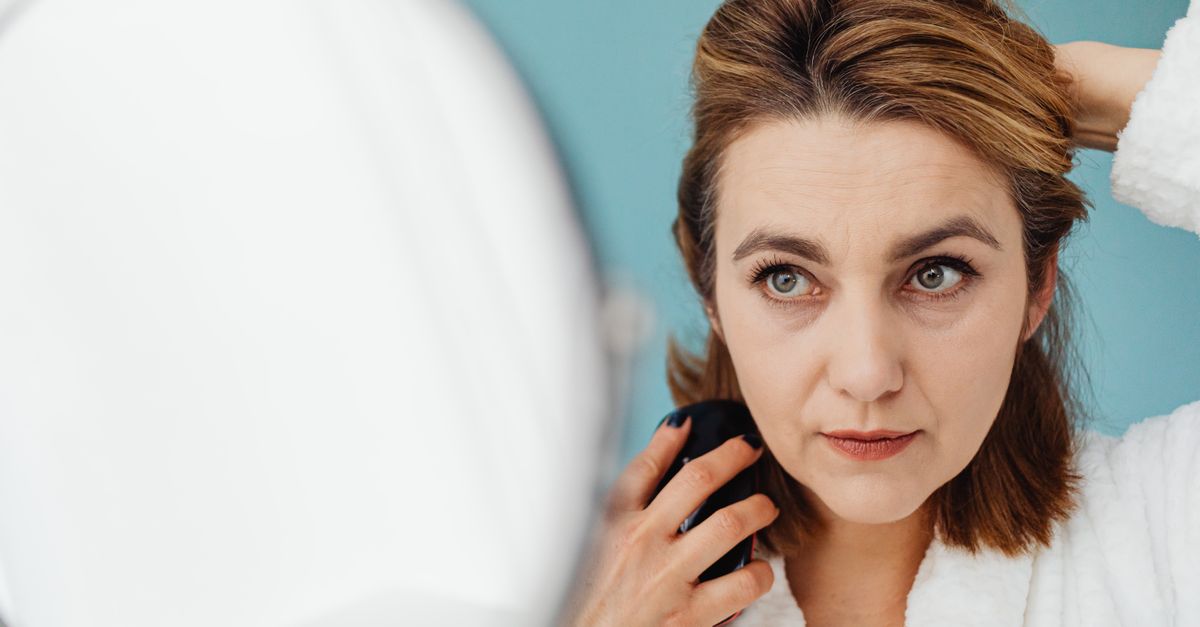
Hair loss and mental health are genuinely connected, in both directions. Losing hair affects how people see themselves, how often they go out and how they feel about photographs, and that distress is real rather than vanity. Stress and low mood can in turn contribute to shedding, which makes the whole thing feel circular. The distress is common, it is not a character flaw, and there is practical help for both halves of it.
Our hair building fibres
InstaHair Hair Building Fibres, £19.95. Cosmetic fibres that cling to the hair you already have, covering a visible parting or thin patch in seconds. They wash out.
Key Takeaways
- Distress about hair is normal and widely reported. Hair carries identity, so hair loss and mental health are bound together for most people, and losing it is a genuine loss.
- The link runs both ways. Hair change affects mood, and sustained stress can contribute to shedding a couple of months later.
- Worry is not a reason to stop taking something you were started on. If you suspect a medicine you take is involved, that is a conversation with the clinician who started it.
- Talking about it helps more than people expect, and there are UK services you can reach today without a referral.
- Small practical wins matter. A cut that suits the hair you have now, camouflage on the days you need it, and photographs instead of daily mirror checks.
If you are struggling right now: the Samaritans are free to call, day or night, on 116 123. If you feel unsafe or in crisis, contact your GP, NHS 111, or emergency services. Please do not sit with it on your own.
Why are hair loss and mental health so closely linked?
Hair loss and mental health are closely linked because hair is not decoration, it is part of how a person is recognised. It carries age, gender expression, culture, health and identity all at once, and it is on your face in every photograph and every meeting. Losing it changes something visible and public that you did not agree to change, and it usually happens gradually enough that you spend months checking whether it is really happening.
That combination, visible plus uncertain plus outside your control, is precisely the kind of thing people find hard. Studies of people with hair loss consistently report effects on self esteem, social confidence and mood, and higher rates of anxiety and low mood than in the general population. None of that is a sign of weakness or vanity. It is the ordinary human response to an unwelcome change in appearance. Related reading: our guide to low hairline.
Is it normal to feel this upset about hair?
It is entirely normal, and it is far more common than the silence around it suggests. Most people say nothing, partly because they expect to be told it does not matter, which is why so many people going through it believe they are the only one taking it badly. Men often report being told to shave it off and get on with it. Women often report being told they still look fine, which is kindly meant and lands as dismissal.
The other thing worth naming is checking. Constant mirror checking, photographing the parting several times a day, counting hairs in the sink and searching late at night are all extremely common, and all of them tend to increase distress rather than reduce it. That does not mean you should stop paying attention to your hair. It means a monthly photograph in the same light is a better instrument than a daily inspection under a bathroom light that flatters nobody.

Can stress and low mood actually cause hair to fall out?
Stress can contribute to shedding, which is a different thing from causing pattern hair loss. A significant physical or emotional shock can push an unusually large number of follicles into their resting phase at once, and those hairs are released together around two to three months later. That delay is the reason people so often fail to connect the two. Pattern hair loss, by contrast, is a gradual genetic and hormonal process that stress does not create, although a stress related shedding phase on top of it can make it look suddenly worse.
Breakage is the third thing, and it deserves separating too, because it is not hair leaving the follicle at all. It is the fibre snapping partway along, usually from heat, colour, tension or rough handling, and it is common in periods when self care slips. Telling these three apart matters here more than anywhere, because two of them settle on their own and worrying about them as though they were permanent adds distress for no reason. Our guide to working out why hair is thinning walks through the differences.
What if you think a medicine you take is involved?
Take that worry to the clinician who started you on it, and take it seriously rather than quietly. Do not stop taking anything on your own because of your hair, particularly where it was started for a reason unrelated to hair. Write down when the change began, bring your monthly photographs, and ask directly what is known about effects on hair and what the options are. The information leaflet in the box is a reasonable place to draw your questions from.
This is worth saying plainly because the internet is full of frightening accounts of lasting effects after stopping various medicines, often written at the worst moment by people in real distress. Reading those at two in the morning is understandable and it is not a substitute for a conversation with someone who knows your history. Watermans sells cosmetics, does not run clinics, and has no view on any medicine. What we can say is that a shedding phase, whatever set it off, does not close the follicle. If your question is about products or a routine rather than a medical one, you can talk to Gail Waterman, our co-founder, as an AI avatar on the Watermans homepage.
Get a discount on your next order
Join the Watermans mailing list and we will email a discount code straight to your inbox. Made in the UK, over 6.5 million bottles sold since 2012.
Which kinds of support actually help?
Support for hair loss and mental health tends to fall into four groups, and most people benefit from more than one. None of them require you to have decided anything about your hair first.
| Kind of support | What it is good for | How to get it in the UK |
|---|---|---|
| Your GP | Checking medical contributors, and low mood or anxiety alongside | A normal appointment, both issues in one visit |
| Talking therapies | Checking behaviour, avoidance, persistent low mood | NHS talking therapies accept self referral in England |
| Peer support | Feeling less alone, practical tips from people further along | Charities such as Alopecia UK run groups and forums |
| Practical appearance help | The specific days that feel unmanageable | A stylist who is used to fine hair, plus camouflage products |
Two of those cost nothing. The fourth is where a company like ours has anything at all to offer, and we would rather be honest about how small that contribution is than pretend a shampoo addresses the rest of this page.
What everyday habits make this easier to carry?
The habits below will not change your follicles, and every one of them makes hair loss and mental health easier to live with day to day. They are ordered by how much difference people usually report.
- Swap daily checking for a monthly photograph in the same light and the same spot. It gives you better information and takes the mirror out of your morning.
- Get a cut that suits the hair you have now, not the hair you had. A good stylist changes how a parting reads more than most products do.
- Move most days. Walking is not a cure for anything and it reliably helps mood, which is the half of this that is actually within reach.
- Sleep and eat properly. Both affect mood, and severe under eating is itself a shedding trigger, so the two problems share a solution.
- Tell one person. Saying it out loud once removes a surprising amount of its weight.
- Set a boundary on searching. Late night reading rarely produces new information and reliably produces a worse night.

Does covering it up help or make it worse?
Camouflage helps most people, and the guilt attached to it is misplaced. Keratin fibres, tinted powders, a hat, a scarf or a wig are tools, not denial, and using one on a day that matters is a reasonable thing to do. The distinction worth watching is whether it is expanding your life or shrinking it. Using fibres so you can go to the wedding is good. Refusing to go anywhere without them, or avoiding swimming, rain and relationships because of them, is a sign the distress deserves more attention than the appearance does. Where the pulling itself is the problem rather than the covering up, our guide to trichotillomania sets out the signs and what genuinely helps.

Hair Building Fibres
Keratin fibres that cling to existing hair and reduce the contrast at the parting. Cosmetic camouflage for the days you want it, and it washes out. It changes a photograph, not what is happening on your scalp, and we would not claim otherwise.
Watermans products are 100% cosmetic and do not treat medical hair loss. Individual results may vary. Nothing in our range affects mood, medicines or any medical condition, and this page is not the place for a sales pitch.
When should you ask for help with your mood?
Ask for help if low mood or anxiety has lasted more than a couple of weeks, if you are avoiding work, socialising, exercise or intimacy because of your hair, if checking or searching is taking over your day, or if you are having thoughts of harming yourself. That last one needs help today rather than at some point. Your GP can deal with both halves in a single appointment, and in England you can refer yourself to NHS talking therapies without going through a GP at all.
It is also worth knowing that hair distress is a recognised part of dermatology practice rather than an embarrassing aside. Clinicians see it constantly. You will not be the first person that week to sit down and say that it is just hair, and then find you have more to say about it than you expected.
Frequently Asked Questions About Hair Loss and Mental Health
Is it vain to be upset about losing my hair?
No. Hair is tied to identity, and a visible change you did not choose is a genuine loss. Distress about it is widely reported in research and universally recognised by clinicians who work in this area.
Can anxiety alone make my hair fall out?
Sustained stress can contribute to a shedding phase, which typically shows up two to three months later and settles once the pressure eases. It does not create pattern hair loss, though it can make existing thinning look suddenly worse.
Will my hair grow back once I feel better?
If the fall was a stress related shedding phase, hair usually returns over the following months, because the follicles were not lost. If pattern hair loss is also present, that continues regardless of mood, which is why telling the two apart is worth doing early.
Should I stop a medicine that I think is affecting my hair?
Not on your own. Speak to the clinician who started it, take your dates and photographs, and decide together. Stopping something abruptly can cause problems of its own, and the decision needs someone who knows why you were started on it.
Who can I talk to in the UK today?
Samaritans on 116 123, free, day or night. Your GP for both the hair and the mood. NHS talking therapies, which you can refer yourself to in England. Alopecia UK for peer support if your hair loss is the patchy autoimmune kind.
Does hair loss and mental health get taken seriously by doctors?
Generally yes, and increasingly so. If you feel dismissed, it is reasonable to ask to see someone else. Bringing photographs and a written note of how it is affecting daily life makes the conversation concrete rather than abstract.
Do hair supplements help with mood?
No. Correcting a genuine deficiency, iron in particular, can help both energy and hair, and a blood test is what tells you whether you have one. Beyond that, supplements do not act on mood and should not be bought as though they do.
Is it better to shave it all off?
For some people it is genuinely liberating, because it replaces a slow uncontrolled change with a decision they made. For others it is not right at all. It is a personal choice, and nobody else gets to make it for you or to hurry you into it.
What is the bottom line on hair loss and mental health?
Hair loss and mental health affect each other, and the distress is real, common and worth taking to someone. Stress can contribute to a shedding phase, and shedding, pattern hair loss and breakage are three different things that need separating before you decide anything. If you think a medicine you take is involved, raise it with the clinician who started it rather than stopping alone. Swap daily checking for a monthly photograph, get a cut that suits the hair you have now, use camouflage on the days you want it without guilt, and ask for help with your mood as readily as you would for your hair.
Sources & References
- NHS, Hair loss, for causes, what is normal and when to seek advice.
- NHS, Mental health, for UK guidance on low mood, anxiety and where to start.
- NHS talking therapies, including how self referral works in England.
- Samaritans, free support day or night on 116 123.
- Mind, for information and local support services.
- Alopecia UK, for peer support, local groups and information.
- DermNet, Telogen effluvium, for the delay between a stressor and visible shedding.
Sources checked on 21 August 2026. Research linking hair loss with lower mood and self esteem is consistent in direction, while the size of the effect varies between studies and between the different types of hair loss, so we have described it as a well reported association rather than a fixed figure.