Low Hairline: Best Haircuts, Styling and Confidence
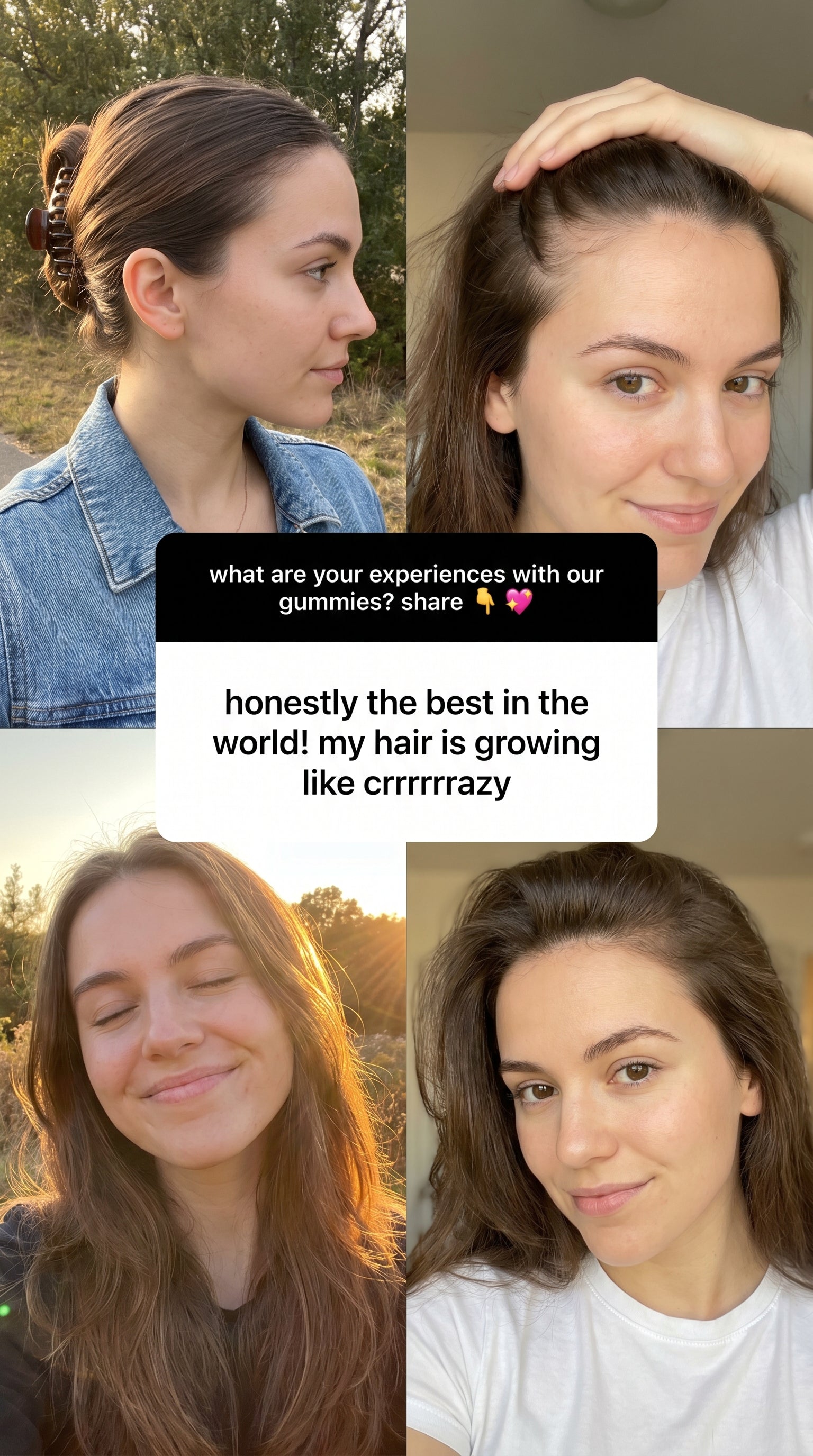
A low hairline is one that sits closer to the eyebrows than average, shortening the visible forehead and giving the face a compact, framed look. It is a normal inherited variation in where the hair starts, not a condition and not a sign of anything going wrong. The styling question is never how to move it. It is how to cut, part and dress the hair so the proportion works in your favour. Accessories do a lot of the same work, and we have a practical guide to wearing a headband to cover thinning at the hairline.
Our heat protection spray
Protect Me® Heat Protection Spray, £13.95. A leave in spray that shields hair from heat styling, helps control frizz and keeps colour looking fresher for longer.
Key Takeaways
- A low hairline is a fixed inherited feature, like nose shape or jaw width. Nothing you do to your hair changes where it starts.
- Position is not the same as direction. A hairline that has always been low is normal. A hairline that is moving is a separate question.
- Height and lift at the crown do more for facial balance than any fringe, because they restore the vertical thirds from above rather than below.
- Curtain fringes, soft side sweeps and face framing layers flatter it. Heavy blunt fringes usually make the forehead look shorter still.
- The real risk here is traction from tight styles, slicked ponytails and repeated tension, which can thin the very edge over time.
- Baby hairs and a slightly irregular edge are normal and worth keeping. Over plucking or waxing the edge is the fastest way to make it look patchy.
What is a low hairline, exactly?
Classical proportion divides the face into three roughly equal horizontal thirds: hairline to brow, brow to base of nose, and base of nose to chin. It is simply one where the top third measures shorter than the other two, typically because the hair begins less than about 5cm above the brow. Nothing is wrong with this. It is one of the most common facial variations there is, it runs strongly in families, and it is more frequent in some ethnic backgrounds than others.
Two features usually travel with it. The first is a fuller looking frame, because there is more hair immediately around the face. The second is a slightly more textured, wispier edge, since the transition from vellus baby hairs to terminal hair happens in a narrower band. Both are assets if you work with them.

Is a low hairline a problem, or just a feature?
It is a feature. The distinction that actually matters is between position and direction. A hairline that has sat in the same place since your teens is a stable one and always will be. A hairline that is drifting backwards at the temples, leaving a deeper V on each side while the middle holds on, is a maturing or receding hairline, and that is a different conversation with different answers. Our guide to the mature hairline covers that pattern in detail. For what actually helps once the line is genuinely moving, our guide to a receding hairline sets out the realistic options.
The practical test is old photographs. Compare a straight on picture from five or ten years ago with one taken today in the same lighting. If the edge is in the same place, you have a stable hairline and this is purely a styling article. If it has moved, the styling advice below still applies, but the underlying question is worth raising with your GP rather than solving with a fringe.
What are the best haircuts for a low hairline?
The governing principle is simple. Since you cannot add height at the bottom of the top third, add it at the top. Volume and lift at the crown lengthen the head shape visually and rebalance the thirds far more effectively than anything happening at the forehead. Weight sitting flat on top does the opposite.
| If you have | Ask for | Why it works |
|---|---|---|
| Short hair, straight or wavy | Textured crop or quiff with the weight kept high, tapered sides | Lift at the crown adds the vertical length the top third is missing |
| Mid length hair | Long face framing layers starting at the cheekbone, not the jaw | Draws the eye down and out, widening the middle third |
| Long hair | A soft curtain fringe with a centre or slightly off centre split | Opens the forehead vertically instead of covering it horizontally |
| Curly or coily hair | Shape with height, curls kept off the forehead at the front | Volume up top; curls falling forward shorten the third further |
| Fine hair | Blunt ends, minimal internal layering, root lift at the crown | Fine hair collapses flat, which flattens the head shape too |
| A very square or wide forehead edge | Softened corners, a few loose pieces left at the temples | Breaks a hard horizontal line that emphasises the low start |
What to avoid is shorter: heavy blunt fringes cut straight across, hair pulled flat and tight against the skull, and any style that adds width at the top of the head without adding height.
How does a fringe change the balance?
A fringe is the most requested fix and the most commonly misused one. A heavy fringe cut straight across covers the forehead completely, which sounds like it should help but actually removes the last of the visible top third and drops the eye line further down the face. A curtain fringe does the opposite. It splits at the centre, falls away to either side, and creates a vertical opening that reads as extra height even though nothing has moved.
If you want a fringe with this proportion, ask for length. Anything that reaches the cheekbones can be worn parted, swept or tucked. Anything cut to the brow commits you to one look and grows out awkwardly, because the fringe hair at a low start has less distance to travel before it is in your eyes.

How do parting, colour and texture change the look?
Three levers cost nothing and change the balance more than most haircuts do.
- Parting. A deep side parting creates a diagonal across the top of the head, and diagonals read as longer than horizontals. A centre parting also works when paired with height at the root. A low straight parting sitting flat is the least flattering of the three.
- Colour placement. Slightly lighter pieces around the face and at the crown catch the light and lift the top of the head visually. Uniform flat colour, especially very dark, hardens the outline of the hairline and makes it read lower.
- Texture. A soft, slightly undone edge looks natural. A razor sharp, gelled down edge draws a hard line exactly where you would rather the eye did not settle. Leave the baby hairs where they are.
Brow shape matters too, oddly. Brows groomed slightly higher and with a cleaner underline open the gap between brow and hairline, which is the whole battle.
Is it hair loss, hair shedding or hair breakage at the hairline?
The edge of a hairline like this is delicate, and three completely different things get called thinning there. They need different responses.
| What it is | What it looks like | What to do |
|---|---|---|
| Hair breakage (fibre) | Short broken stubs of uneven length along the edge, no bulb on the end | Lower the heat, loosen the styles, condition the front section properly |
| Hair shedding (cycle) | More full length hairs coming out everywhere, each with a small pale bulb | Usually temporary and follows a trigger months earlier. Wait it out, review diet and stress |
| Hair loss (follicular) | The edge itself retreating, a smooth shiny band where hair used to be, or deepening temples | Speak to your GP. Traction and pattern thinning both belong here and both benefit from early attention |
Traction is worth singling out, because a hairline like this gives you more hair to pull on and therefore more to lose. Tight ponytails, slicked buns, braids installed under tension, repeated tight wigs and daily edge gel all place sustained load on the smallest, finest hairs on your head. Reviews of traction alopecia describe the same progression each time: first tenderness and small bumps, then a thinning band at the very edge, then, if the tension continues for years, permanent loss. Caught early it is entirely recoverable. Left for a decade it is not.
Get a discount on the hairline styling range
Join the Watermans mailing list and we will email a discount code straight to your inbox, so you can try the hairline styling range for less. Made in the UK, over 6.5 million bottles sold since 2012.
Which styling products help a low hairline, and which work against it?
Products cannot move a hairline. What they can do is create root lift, hold texture without weight, and protect the fine front hairs from the heat and tension that make an edge look sparse.
- Worth using: lightweight root lifting spray at the crown, dry texture spray through the mid lengths, a heat protectant before any hot tool, and a leave in conditioner on the front section only.
- Use sparingly: strong hold gels and pomades at the edge. They set the line hard and they encourage the scrubbing and re wetting that breaks baby hairs.
- Avoid: heavy oils and butters applied at the roots, which flatten exactly the area you need lifted, and any daily routine built around a straightener passed over the hairline.
Heat is the biggest avoidable factor. The hairs at the front are the youngest, finest and most exposed, and they take the full brunt of a straightener or a blow dryer nozzle held close. Our guide to what causes hair damage sets out how quickly that adds up, and how to use conditioner properly covers getting slip into the front section without weighing it down.

Protect Me Heat Protection Spray, £13.95
A light leave in mist with niacinamide, panthenol and rosemary that shields hair up to 230C and helps control frizz. Worth a pass over the front section before any hot tool, since the fine hairs at the hairline are the first to snap.

Condition Me Hair Growth Conditioner, £13.95
A breakage defence conditioner with cholesterol, shea butter, hydrolysed lupine protein and rosemary. It adds slip for detangling so the front hairs are not pulled out by the brush, and leaves hair looking thicker and stronger.
How do you keep the hairline looking full and healthy?
Density at the front is worth protecting because it is what makes the front read as lush rather than heavy. A short list covers most of it.
- Rotate your styles. If your hair goes up, it should not go up in the same place every day, and it should come down at night.
- Take the tension down a notch. If a style is still pulling an hour later, it is too tight, and tenderness at the edge is a warning rather than a sign it will hold.
- Leave the baby hairs alone. Do not pluck, wax, thread or shave the edge to make it look tidier. It grows back irregularly and slowly.
- Use a silk or satin pillowcase, and a satin lined bonnet or scarf if you wear protective styles.
- Wash properly. A clean, comfortable scalp supports the hair growing out of it, and product build up at the hairline is very common.
- Handle the front section wet with your fingers first, then a wide tooth comb, never a fine brush.
If you also want more visible body overall, how to get thicker hair covers what genuinely adds fullness and what cannot.

How do you feel better about your hairline?
Two things are true at once. It is genuinely a normal, common, often envied feature, and being told that does not automatically make you like it. The route through is usually practical rather than emotional: get one cut that works, learn one parting that suits you, and stop measuring your forehead in the mirror. Almost everyone who dislikes their hairline is comparing it against a heavily styled, professionally lit, often digitally adjusted reference point that does not exist.
It is also worth knowing that this kind of hairline ages well. The features people most often want at fifty, plenty of hair around the face and a frame that has not receded, are exactly what it gives you by default.
Frequently Asked Questions
Can you raise a low hairline naturally?
No. Where the hairline starts is set by follicle distribution, which is inherited and fixed. Nothing applied to the scalp changes it. What you can change is how the proportion reads, through height at the crown, parting and fringe choice.
Is a low start to the hairline a sign of good hair health?
It is a sign of nothing in particular. It is a normal variation in where hair begins, unrelated to hair strength, density or how your hair will behave over time.
Does a low hairline mean I will never go bald?
Unfortunately not. Pattern thinning can start from a low one just as it can from a high one. What it gives you is more distance to travel before any change becomes obvious, which is why people with one often notice it later.
Should I get electrolysis or laser to raise my hairline?
Permanent removal along a healthy hairline is a decision to make slowly and with a qualified practitioner, because it cannot be undone. Try the styling options first. A large number of people who ask about it are responding to a photograph rather than to how they look in daily life.
Why does my hairline look uneven?
Most hairlines are slightly asymmetric and slightly irregular, and a low one simply shows it more clearly at close range. If one side has genuinely thinned, look at how you sleep, which side you part, and whether one side takes more tension from your usual style.
Do fringes damage the hairline?
The fringe itself does not, but the routine around it can. Daily straightening of a short blunt fringe concentrates heat on the finest hairs you own. Use a heat protectant, drop the temperature, and give it days off.
Is a widow's peak the same as a low hairline?
No. A widow's peak is a V shaped point in the centre of the hairline and describes shape, not height. You can have both, either, or neither.
What is the bottom line on low hairline?
A low hairline is a feature to style, not a flaw to correct. Add height at the crown rather than covering the forehead, choose a curtain fringe over a blunt one, use a diagonal parting, and protect the fine edge from heat and tension so it stays dense. Watch direction rather than position: a stable hairline needs a good haircut, while a hairline that is moving is worth raising with your GP. If your question is about products or a routine rather than a medical one, you can talk to Gail Waterman, our co-founder, as an AI avatar on the Watermans homepage.
If the styling tools are staying, the Protect Me heat protection spray is the one thing you should not skip.
Sources and References
- NHS. Hair loss, on the common causes of hairline change and when to seek help.
- British Association of Dermatologists. Traction alopecia, on tension related thinning at the hair margin.
- Billero V, Miteva M. Traction alopecia: a neglected entity. Indian Journal of Dermatology, Venereology and Leprology, 2017.
Watermans products are 100% cosmetic and do not treat medical hair loss. Individual results may vary.