Lilivera Hair Growth Serum Review: An Honest Look
A hair growth serum is a leave-on scalp product, and the honest position is that it belongs in the cosmetic category rather than the medical one. A good one can improve the condition of the scalp and reduce the breakage that makes hair look thinner than it is. It cannot change a follicular pattern. With Lilivera specifically, there is very little independently verifiable information published, which is the single most useful thing to know before you spend anything.
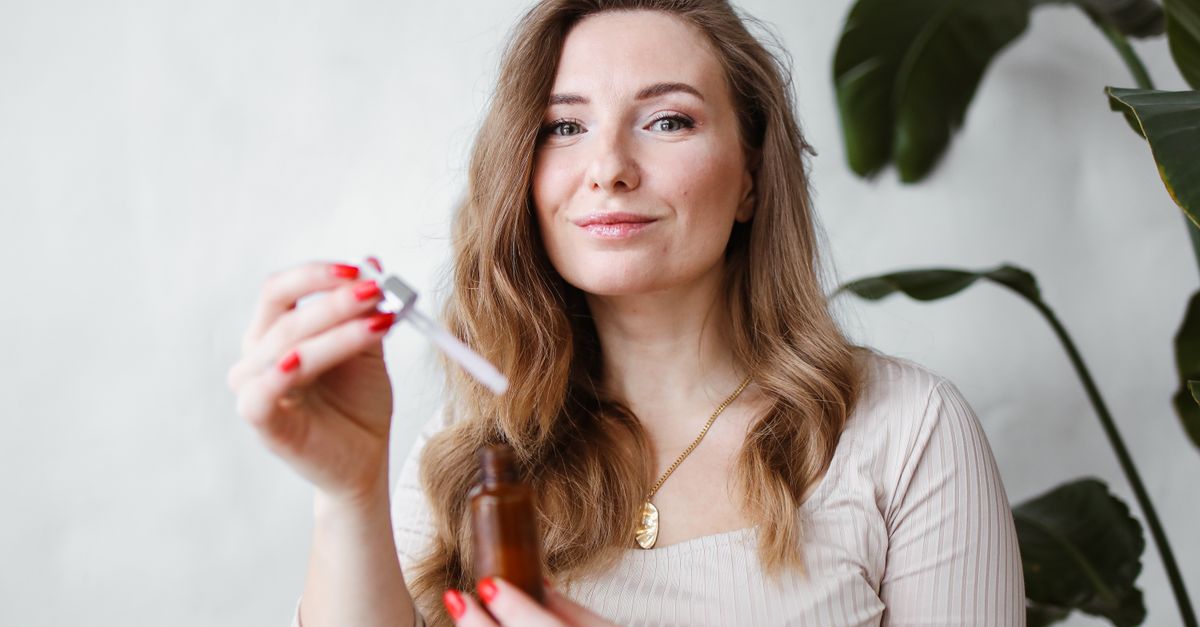
Our overnight scalp elixir
Grow More® Overnight Scalp Elixir, £25.50. A leave in scalp serum worked into the roots at night, supporting a healthy scalp environment while you sleep.
Key takeaways
- We could not find independent testing, a published ingredient percentage list, or a verifiable UK safety assessment for the Lilivera serum. That is not proof it is bad. It does mean you are buying on marketing copy alone.
- Judge any hair growth serum on three things: the full INCI list, where the active ingredients sit in that list, and whether the brand is transparent about who made it and where.
- Work out whether your problem is hair loss, hair shedding or hair breakage first. A serum is most useful for the third and least useful for the first.
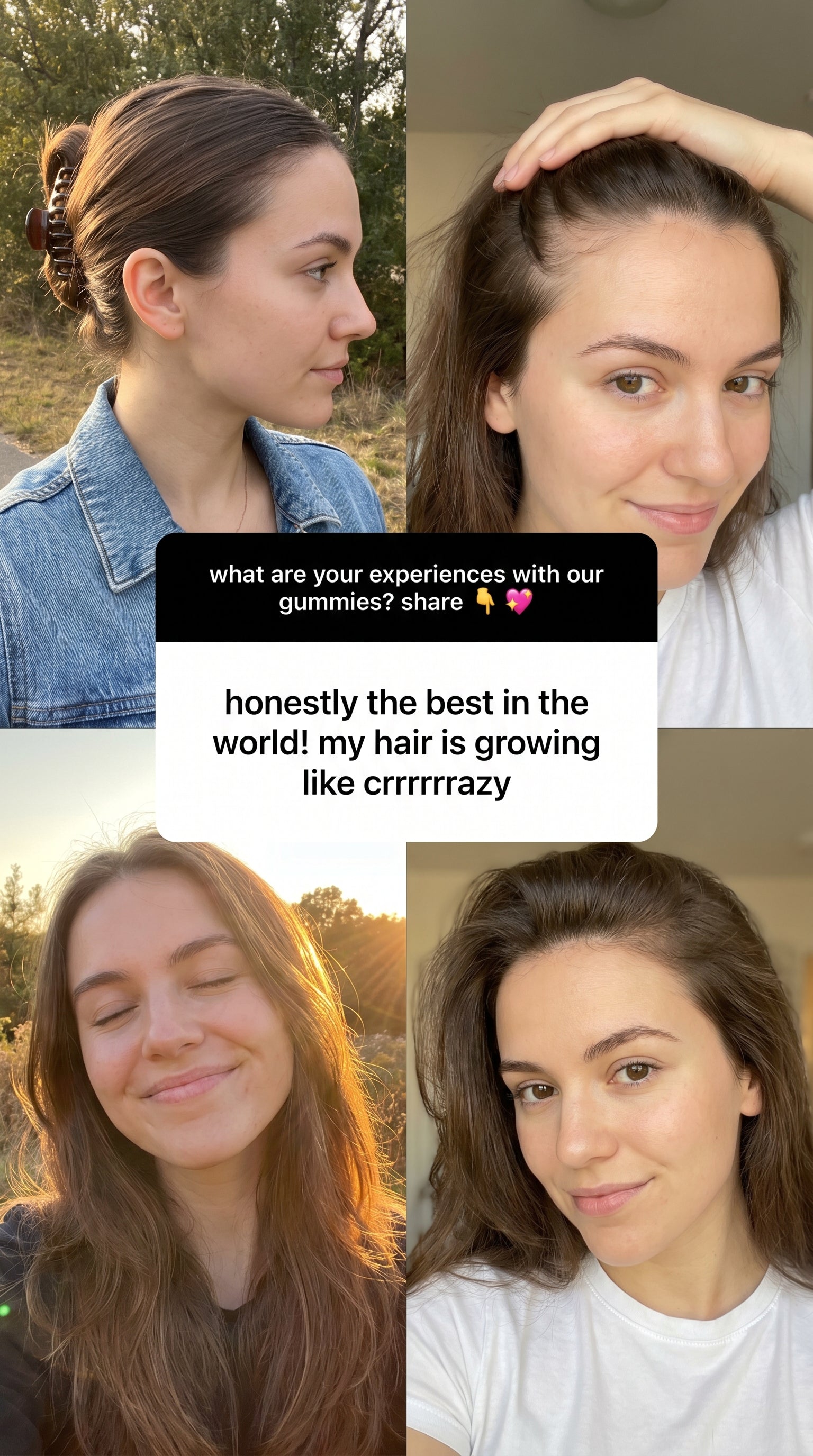
- Marketplace review counts are the weakest evidence available. Photograph your own parting instead and compare at week 0, 12 and 24.
- Sudden, patchy or painful hair loss is a GP matter and no serum is the right first step.
What is a hair growth serum, and what does it actually do?
A hair growth serum is a lightweight leave-on liquid applied to the scalp rather than the lengths, usually with a dropper or nozzle, and left in rather than rinsed. The category name is doing a lot of work. In the UK a cosmetic product is legally defined by what it does to the surface of the skin and hair, so anything sold over the counter as a serum is a cosmetic, not a medicine, whatever the packaging implies.
What a well formulated serum genuinely offers is scalp conditioning, better hydration at the root, and in some cases mild anti inflammatory or antimicrobial support that makes a flaky or irritated scalp more comfortable. A calmer scalp is a better environment for the hair that is already there. It is a real benefit and it is worth paying for. It is simply not the same benefit as changing the behaviour of the follicle.

What do we actually know about the Lilivera serum?
Less than we would like. Lilivera sells largely through online marketplaces rather than through a long established retail presence, and the brand does not publish the things that would let anyone assess the product properly: no full INCI list with concentrations, no named formulator or manufacturing site, no independent laboratory testing, and no UK cosmetic safety report made public. Marketplace listings carry star ratings, but ratings on those platforms are notoriously easy to inflate and impossible to audit from outside.
To be fair to the brand, almost none of that is unusual. Most small serum brands publish the same amount, which is to say hardly any. The point is not that Lilivera is worse than its peers. It is that a review of a serum like this is only as good as the information available, and here the information available is marketing copy and unverifiable ratings. Anyone telling you confidently that it works, or that it does not, is going beyond what the evidence supports.
The practical answer: if you want to try it, treat the purchase as an experiment with your own money and your own hair, set a 12 week review point, and photograph your parting in the same light before you start. That is the only data you will get that is actually about you.
Does a hair growth serum work, or is it just marketing?
Both, depending on which claim you are testing. It helps to sort the evidence into tiers rather than treating every ingredient as equal.
| Evidence tier | What sits here | What it is fair to expect |
|---|---|---|
| Established medical | Options that require a pharmacy or a doctor, outside the scope of any cosmetic serum. | Discuss with your GP. Not what you are buying in a serum bottle. |
| Reasonable cosmetic support | Caffeine, niacinamide, panthenol, peptides, hydrolysed proteins, humectants, mild exfoliants for flaking. | A more comfortable scalp, less breakage, hair that looks fuller because less of it is snapping off. |
| Interesting but limited | Rosemary oil, pumpkin seed oil, procapil, redensyl, various botanical extracts. | Small or single studies, often industry funded. Worth having, not worth paying a premium for. |
| Marketing | Before and after photos with different lighting, unnamed complexes, star ratings, influencer codes. | Nothing. Discount it entirely. |
Our longer piece on whether hair growth serums work goes through the published research in more depth, and our guide to scalp serums compares the formats side by side.
Which ingredients are worth looking for on a hair growth serum label?
Read the INCI list rather than the front of the bottle. Ingredients are listed in descending order by weight down to one percent, so anything appearing after the preservatives and the fragrance is present in a token amount. A serum whose headline ingredient sits second from last is selling you a name, not a dose.
Worth having
Caffeine has reasonable in vitro and small clinical support for the hair follicle and is cheap enough to be included honestly. Niacinamide and panthenol are dependable scalp conditioners. Peptides and hydrolysed proteins help the fibre hold together, which matters more than most people realise. Salicylic acid or a mild exfoliant helps if flaking is part of your picture.
Worth being sceptical about
Anything described as a proprietary complex without an INCI breakdown. Essential oils at unstated strength, which can irritate a scalp that is already unhappy. Long ingredient lists that read as a wish list rather than a formulation. Claims that a cosmetic can change what is happening inside the follicle.

Get a discount on the thinning hair range
Join the Watermans mailing list and we will email a discount code straight to your inbox, so you can try the thinning hair range for less. Made in the UK, over 6.5 million bottles sold since 2012.
Is your problem hair loss, hair shedding or hair breakage?
This decides whether a serum is a sensible purchase at all, and most serum marketing deliberately blurs the three together.
Hair loss means the follicle itself is affected: a widening parting, thinning at the crown or temples, scalp showing through, developing slowly over months or years. This is the follicular pattern, most often androgenetic alopecia, and no cosmetic serum changes it. That is a GP conversation.
Hair shedding means the growth cycle has been disturbed and too many hairs have entered the resting phase at once. You see whole hairs with a small pale bulb at the end, in far greater numbers than usual, typically starting two to three months after an illness, a birth, surgery, crash dieting, low iron or a thyroid problem. It is usually temporary. Blood tests are far more useful here than any bottle. See what causes telogen effluvium for the full timeline.
Hair breakage means the follicle is fine and the fibre is failing: short broken ends, rough midlengths, hair that snaps mid shaft with no bulb attached. Heat, bleach, relaxers, tight styling and friction cause it. This is the one where cosmetic products, including a well made serum and a gentle wash routine, genuinely change the outcome, because less breakage means more length retained and visibly denser hair.
How do you apply a hair growth serum properly?
Most of the disappointment with this category comes from application rather than formulation. Apply to a dry or towel dried scalp, not to the lengths, parting the hair in sections so the product reaches the skin. Use the amount stated on the bottle rather than more, because excess simply sits on the surface. Massage gently for a minute with the pads of your fingers, not your nails. Leave it in.
Use it daily unless the label says otherwise, and give it a full 12 weeks before forming a view, because the hair cycle does not respond faster than that. If your scalp becomes itchy, red or sore, stop. An irritated scalp will not help anything, and a serum that irritates is worse than no serum at all.
How long before you can judge a serum?
Scalp comfort is the fast signal and can change in two to four weeks. Breakage reduction shows up as fewer short broken hairs on your shoulders and a cleaner hairline over six to twelve weeks. Anything relating to density takes three to six months minimum, because that is how long the growth cycle takes to turn over, and honest assessment needs photographs rather than memory.
Set a simple protocol before you start: same room, same light, same time of day, same parting, phone at the same distance, week 0, week 12 and week 24. Memory is unreliable and hopeful, and it is the reason people credit whichever product they happened to be using when a shed ended on its own.
What is the Watermans serum, and what do we claim for it?
For transparency, we make one. We are not going to pretend it is a medicine, and here is what it is and is not.

Grow More® Leave-In Hair Density Serum
An overnight scalp elixir with caffeine, biotin and botanical extracts. It is designed to condition the scalp and support the strand so less of your hair snaps off, which is what makes hair look fuller. Cosmetic, vegan and made in the UK.

Hair Growth Boost Set
Shampoo, conditioner and the serum together. A serum on top of a harsh sulphate shampoo is largely wasted effort, so if you are going to change one thing, changing the whole wash routine is the more sensible move.
Over 6.5 million bottles sold since 2012. Watermans products are 100% cosmetic and do not treat medical hair loss. Individual results may vary.
If your wash routine is the weak link, our piece on sulphate free shampoo covers why that matters more than the serum you put on afterwards.
When should you see a doctor instead of buying a serum?
See your GP rather than reaching for a bottle if bald patches appear suddenly or in circles, if the scalp is painful, burning, weeping or heavily scaling, if you can see smooth shiny skin where hair used to be, if the change followed a new medicine, or if it comes alongside fatigue, weight change or a change in your periods. Children with hair loss should always be seen by a GP. Blood tests for ferritin, thyroid function and full blood count answer a surprising number of these questions in a fortnight, and they cost nothing on the NHS.
Frequently asked questions
Is the Lilivera serum a scam?
There is no evidence that it is fraudulent, and calling it one would be unfair. The honest criticism is thinner than that: the brand publishes very little that can be independently checked, so a buyer has nothing to go on beyond marketing copy and marketplace ratings. That is a reason for caution rather than an accusation.
Can any serum bring back a receding hairline?
No cosmetic serum changes a follicular pattern such as androgenetic alopecia, and a receding hairline is usually exactly that. What a serum can do is reduce breakage along a fragile hairline, which improves how it looks. Our guide to the signs of a receding hairline explains how to tell the difference.
How much should a decent serum cost?
Between roughly 15 and 40 pounds for a month or two of use is the normal range in the UK. Price above that is usually buying packaging and marketing rather than a materially better formulation. Price far below it often means the actives are present at token levels.
Can I use a serum alongside something my GP has given me?
Usually yes, since a cosmetic serum works on the surface of the scalp, but check with whoever is looking after you first and leave a gap between applications so one does not simply wash the other off. Never swap something a doctor has given you for a cosmetic.
Do serums work better than shampoos?
They do different jobs. A serum stays on the scalp, so it has longer contact time. A shampoo touches every strand and controls how much mechanical stress the hair takes during washing, which is where a great deal of breakage actually happens. Fixing a harsh shampoo usually gives a bigger visible change than adding a serum on top of it.
Will a serum help postpartum shedding?
It will not shorten the shed, which runs its own course over three to six months and then stops. What it can do is keep the scalp comfortable and reduce breakage in the fragile new growth that follows, which makes the recovery look tidier. The shed itself resolves on its own.
Are marketplace star ratings worth anything?
Very little for this category. Ratings can be seeded, incentivised or left after a fortnight, which is far too early for anyone to judge a hair product honestly. A four point eight average built on two week reviews tells you about packaging and delivery, not about hair.
Can a hair growth serum irritate my scalp?
Yes, and essential oils at unstated strength are the usual culprit. Patch test behind the ear for 48 hours before you commit, particularly if you have eczema, psoriasis or a history of contact allergy. Stop if you get itching, redness or soreness that does not settle.
Sources and References
- NHS, Hair loss, on causes, what is normal and when to see a GP.
- British Association of Dermatologists, Telogen effluvium, on the shedding timeline.
- UK Government, Cosmetic Products Enforcement Regulations 2013, on what a cosmetic may legally claim.
- Advertising Standards Authority, CAP Code section 12, on evidence standards for hair and beauty advertising.
- StatPearls, Androgenetic alopecia, on the follicular pattern a cosmetic cannot change.
What is the bottom line on hair growth serum?
A hair growth serum is a cosmetic, and the good ones earn their place by conditioning the scalp and reducing breakage rather than by changing the follicle. On Lilivera specifically, there is not enough published information to review it fairly, so if you want to try it, do so as your own 12 week experiment with photographs rather than on the strength of star ratings. Work out first whether you are dealing with loss, shedding or breakage, and take anything sudden, patchy or painful to your GP before you spend anything. If your question is about products or a routine rather than a medical one, you can talk to Gail Waterman, our co-founder, as an AI avatar on the Watermans homepage.
If the shampoo is already sorted, our overnight scalp serum is the next step worth adding. Made in the UK, with over 6.5 million bottles sold since 2012.
Watermans products are 100% cosmetic and do not treat medical hair loss. Individual results may vary.