Products for Thinning Hair: What Is Worth Buying and What Is Not
Products for thinning hair are worth buying for exactly three jobs: cleaning the scalp gently, stopping breakage, and making the hair you have look fuller. The simple solutions thinning hair responds to come first and are mostly free. Wash gently and often enough, stop breaking the hair you already have, eat enough protein and iron, get the obvious blood tests done, and be consistent for six months. Nothing cosmetic changes a follicle, and plenty of what looks like thinning is breakage, which is entirely within your control.
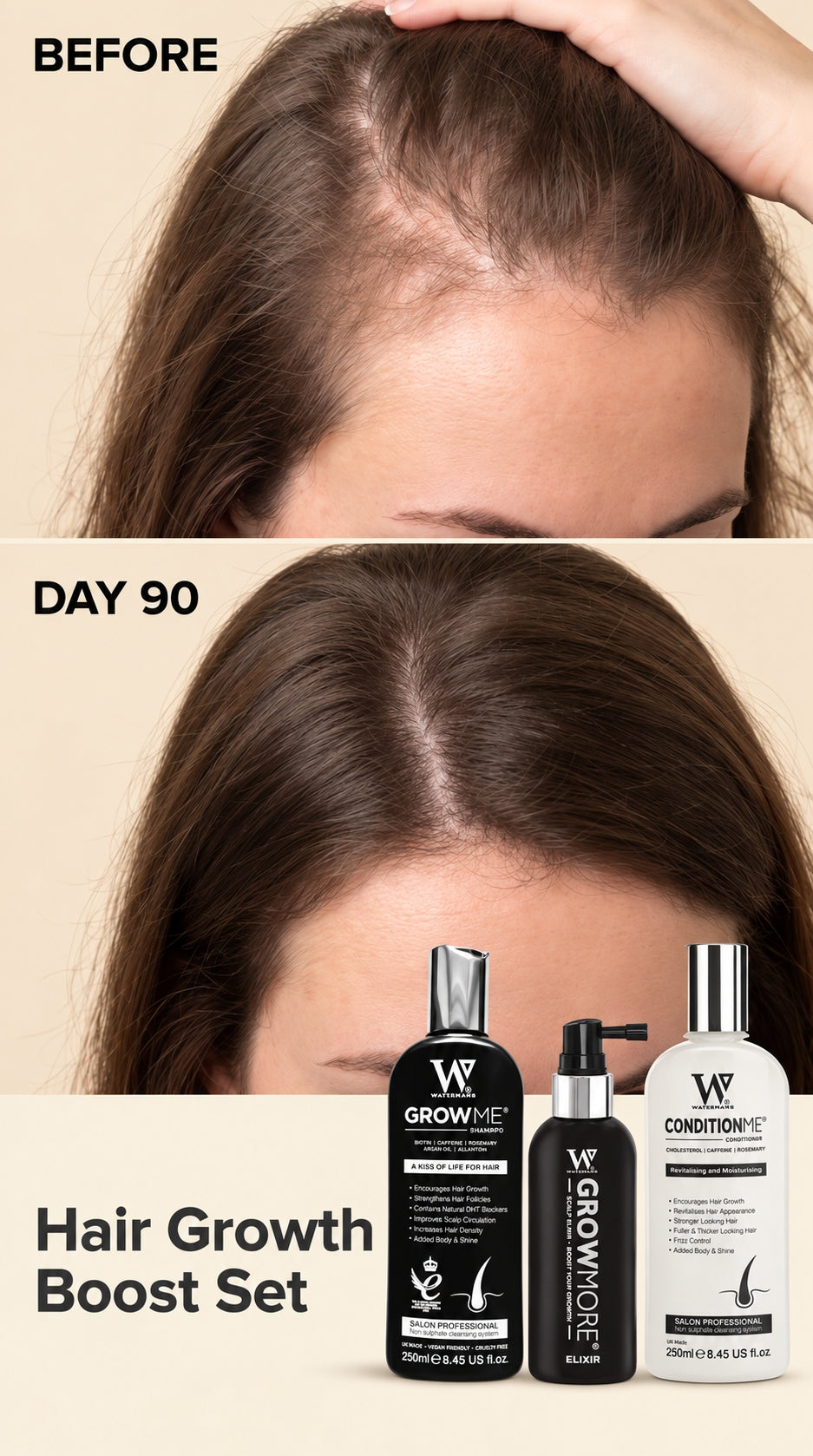
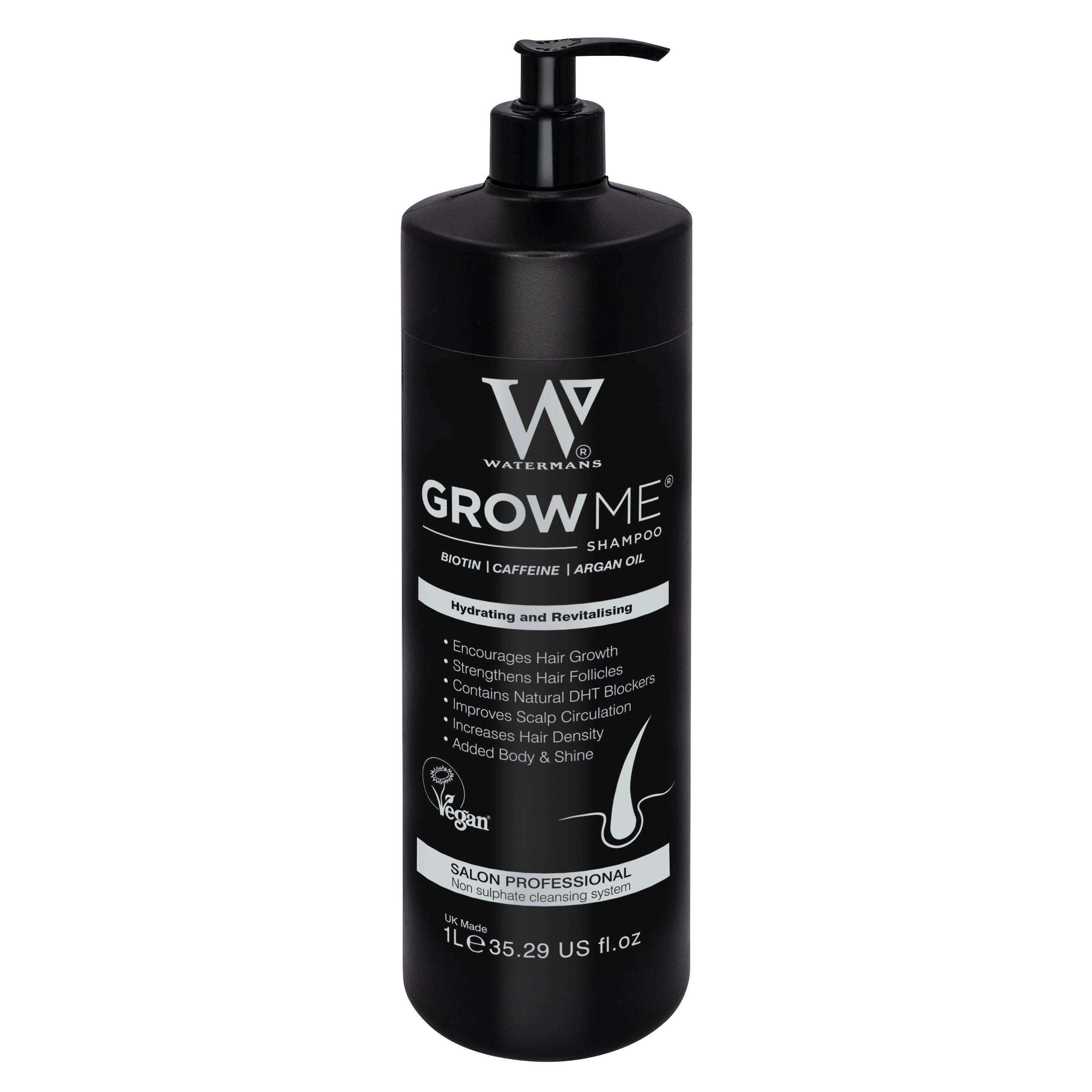
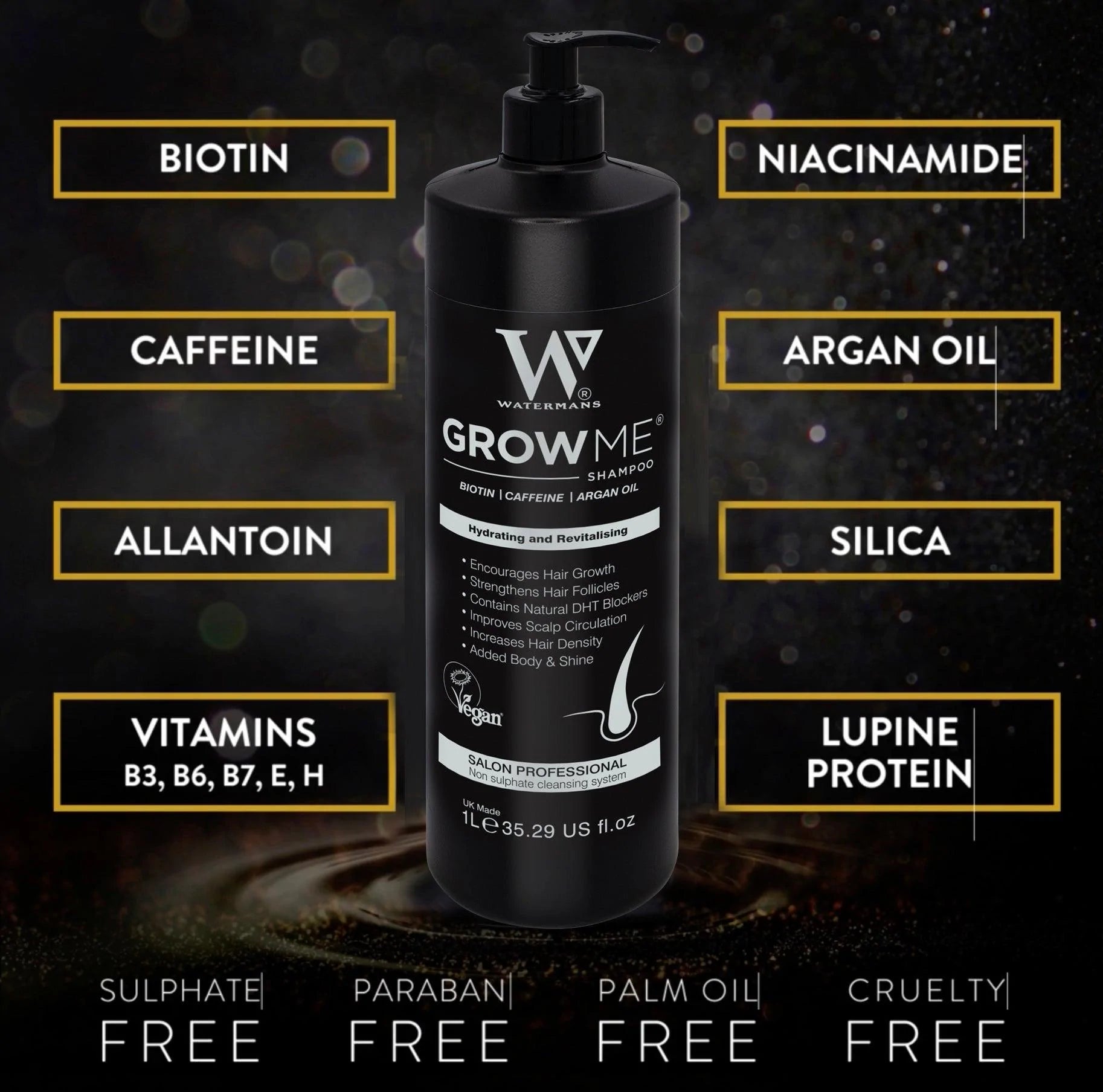
Our hair growth shampoo
Grow Me® Hair Growth Shampoo, £14.95. A sulphate free daily shampoo that supports a healthy scalp environment and helps reduce breakage, so lengths hold on and look fuller.
Key takeaways
- Work out first whether you are dealing with hair loss, hair shedding or hair breakage. They need different answers.
- Most of the simple solutions thinning hair responds to are habits, not purchases.
- Products for thinning hair earn their place after the habits, not instead of them: a gentle shampoo, a heat protectant and a light leave in cover most needs.
- Losing 50 to 100 hairs a day is normal. Volume alone is not the signal.
- Ferritin and thyroid are the two blood tests worth asking your own GP about.
- Give any routine a full six months. Hair grows about a centimetre a month.
- A widening parting, a see-through crown or bare patches means it is time to speak to a doctor, not to buy something.

First, is it hair loss, shedding or breakage?
This is the step almost everyone skips, and skipping it is why so many people spend two years on the wrong fix. Three completely different things all get described as thinning.
| Which one | What you actually see | What helps |
|---|---|---|
|
Hair loss Follicles making fewer or finer hairs. |
A parting that widens over years. Scalp visible at the crown in bright light. Same amount in the brush as always. | Medical. Your own GP first. |
|
Hair shedding A wave of hairs leaving the growing phase together. |
Sudden handfuls, two to three months after an illness, birth, crash diet or hard year. Whole hairs with a small white bulb. | Find and fix the trigger. It usually recovers. |
|
Hair breakage The fibre snapping. Follicle untouched. |
Short broken ends, frizzy halo at the crown, lengths stuck at the same point for years. Fragments, not whole hairs. | Cosmetic. Heat, tension, chemistry and handling. |
A quick test: pull the hairs out of your brush and look at the ends. A tiny pale bulb at one end means a whole hair that completed its cycle. Two blunt ends and no bulb means breakage. If most of what you are collecting is broken fragments, the routine below will make a visible difference, and quite quickly. Our three clue self-check for thinning hair walks through it in more detail.
What are the simple solutions thinning hair responds to?
Five of them, in order of how much difference they make. None requires a subscription, and none of them is a secret. The reason the simple solutions thinning hair responds to get overlooked is precisely that they are dull.
1. Wash gently, and often enough
Washing does not cause hair fall. The hairs that appear in the plughole had already been released by the follicle days earlier, and they would have come out on the pillow instead. Avoiding washing just collects them for a more alarming reveal later.
What does matter is how you wash. Use lukewarm water rather than hot, work the shampoo into the scalp with fingertips rather than nails, and let the rinse water carry the lather down the lengths rather than scrubbing them. Fine hair usually does better washed every day or every other day, because scalp oil and product residue flatten it faster than they weigh down thick hair.
2. Stop breaking the hair you already have
This is the highest return item on the list and it costs nothing. Every hair you keep is a hair that contributes to density.
- Detangle damp hair from the ends upwards with a wide tooth comb. Never a fine brush from the roots down.
- Drop your straighteners and dryer by 20 degrees and always use a heat protectant. Most breakage on fine hair is thermal.
- Loosen everything. Tight ponytails, buns and braids pull on the hairline, and repeated tension causes traction damage that is far harder to undo than a bad haircut.
- Stretch out the gap between colour appointments, and if you bleach, accept that the lengths need more conditioning than you think.
- Swap a cotton pillowcase for silk or satin if you wake with a knotted crown.
There is a full breakdown in our guide to what causes hair breakage and how to stop it.

3. Eat enough, especially protein and iron
Hair is mostly keratin, a protein, and the body ranks hair as non-essential. When intake drops, hair is among the first things deprioritised. This is why hair fall so often follows a period of rapid weight loss by two or three months.
Practical version: get a proper protein source at every meal, and take iron seriously. The NHS recommends 14.8mg of iron a day for women aged 19 to 49 and 8.7mg for men and for women over 50. Low iron stores are one of the most common and most fixable contributors to shedding in women. Do not start supplementing blind though. Too much iron is genuinely harmful, so get it checked first.
4. Ask your own GP for two blood tests
If shedding has been going on for more than three months, ask for ferritin, which reflects iron stores, and thyroid function. Between them these explain a very large share of unexplained hair fall in women, and both are simple to correct once identified. Vitamin D and a full blood count are reasonable additions. If your question is about products or a routine rather than a medical one, you can talk to Gail Waterman, our co-founder, as an AI avatar on the Watermans homepage.
Be specific when you go in. Say how long it has been happening, how much comes out, whether the parting has widened, and bring a monthly photo taken in the same light. Ten minutes goes a lot further with evidence in it.
5. Be boringly consistent for six months
Hair grows roughly one centimetre a month. Even if everything you changed today worked perfectly, the new growth would not be long enough to notice until spring. Most people abandon a routine at week six, conclude it failed, and start again from zero with something else. Consistency is the ingredient nobody sells.
Get a discount on the thinning hair range
Join the Watermans mailing list and we will email a discount code straight to your inbox, so you can try the thinning hair range for less. Vegan, made in the UK, over 6.5 million bottles sold since 2012.
How much hair fall is actually normal?
Between 50 and 100 hairs a day, and considerably more on a wash day if you only wash twice a week, because you are collecting several days at once. That figure surprises people because 100 hairs looks like a lot in the palm of your hand.
Volume on its own is a poor signal. The things worth watching are whether the ponytail has got thinner to hold, whether the parting has widened, and whether you can see scalp in ordinary light where you could not a year ago. Those are density changes. A dramatic wash day is usually just arithmetic.
Useful benchmark. The average adult scalp carries roughly 100,000 hairs, and around 85 to 90 percent of them are in the active growing phase at any moment. Losing 100 a day is about a tenth of one percent. The reason shedding still looks dramatic is that they arrive all at once, in the shower.
Which products for thinning hair are worth buying, and which are not?
Products for thinning hair sit at the bottom of any honest list of simple solutions thinning hair responds to, and it helps to be clear about what cosmetics can and cannot do. A shampoo does not change what a follicle produces. What good products genuinely do is reduce breakage, keep the scalp comfortable, and make the hair you have look fuller. That is a real benefit and it is worth paying for. It is just not the same as a medical answer, and anything sold to you as one deserves real suspicion.
Three things that earn their place in a thinning hair routine: a gentle daily shampoo you can use often, a heat protectant you actually apply, and a lightweight leave-in that does not flatten the roots. Skip anything promising a fixed timeline or a specific percentage.
| Type of product | What it genuinely does | Buy or skip |
|---|---|---|
| Gentle daily shampoo | Cleans the scalp without stripping it, so you can wash as often as fine hair needs | Buy. The one product almost everyone with thinning hair should own. |
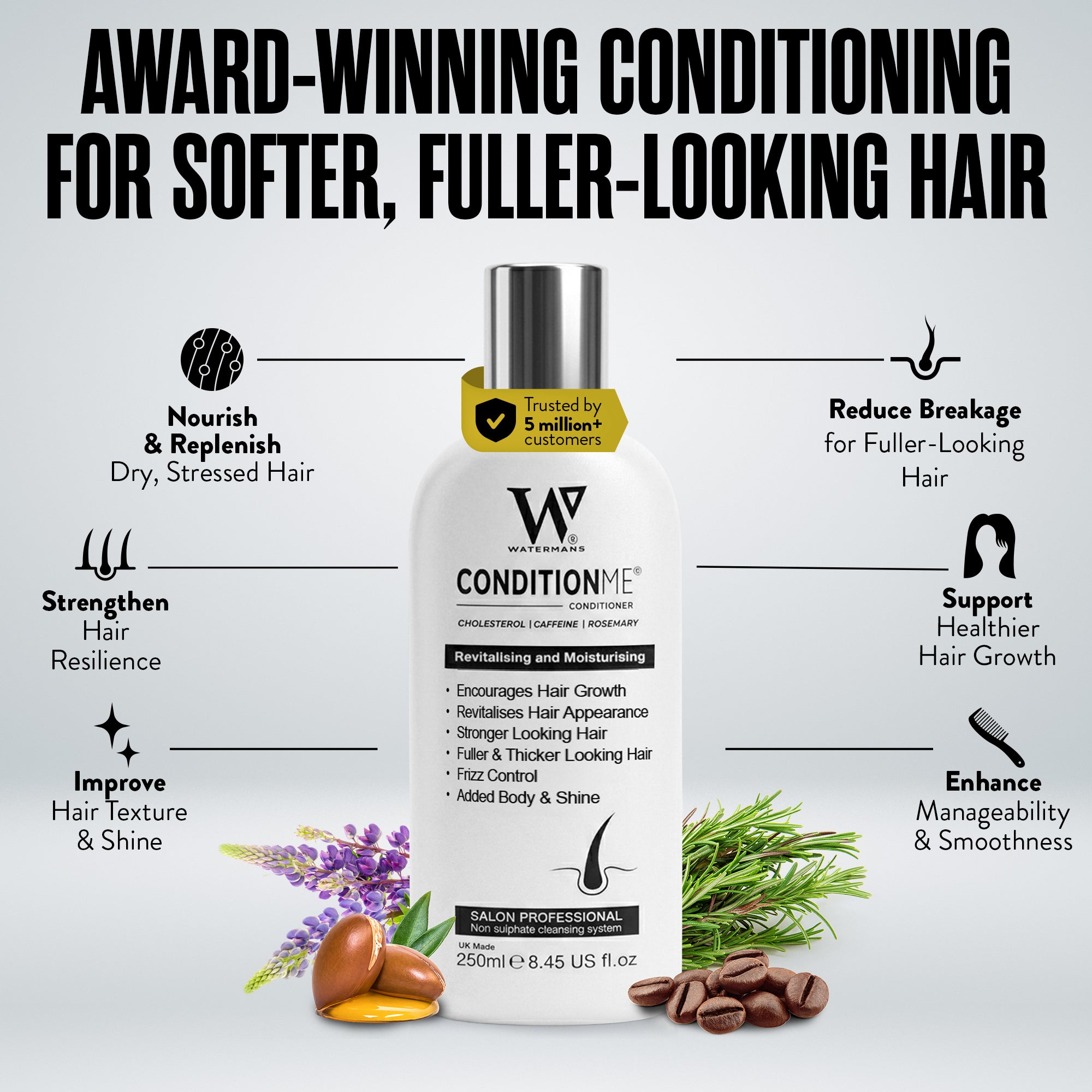
| Conditioner on the lengths | Smooths the cuticle so wet combing snaps fewer hairs | Buy, and keep it off the roots. Breakage is the most fixable part of thinning. |
| Heat protectant | Cuts thermal damage from dryers and straighteners, where most breakage on fine hair happens | Buy if you use heat at all. |
| Lightweight leave in or scalp serum | Conditions the scalp and gives you a reason to massage it; does not flatten roots | Optional. Worth it if it makes a routine stick. |
| Thickening fibres and root powders | Cosmetic cover for a visible parting or crown on the day | Optional. Honest about what they are: concealment, not change. |
| Supplements | Help only if a blood test shows you are short of iron, vitamin D or another nutrient | Skip until tested. Excess vitamin A and selenium make hair worse. |
| Anything promising a percentage or a timeline | Nothing a cosmetic product can prove | Skip. That is a claim a brand would have to substantiate to the ASA. |
For the other end of the shelf, where the question is what genuinely addresses hair loss at the follicle rather than breakage, our guide to hair loss products separates the medical conversation from the cosmetic one. This page stays with products for thinning hair you can buy without a prescription and judge for yourself.

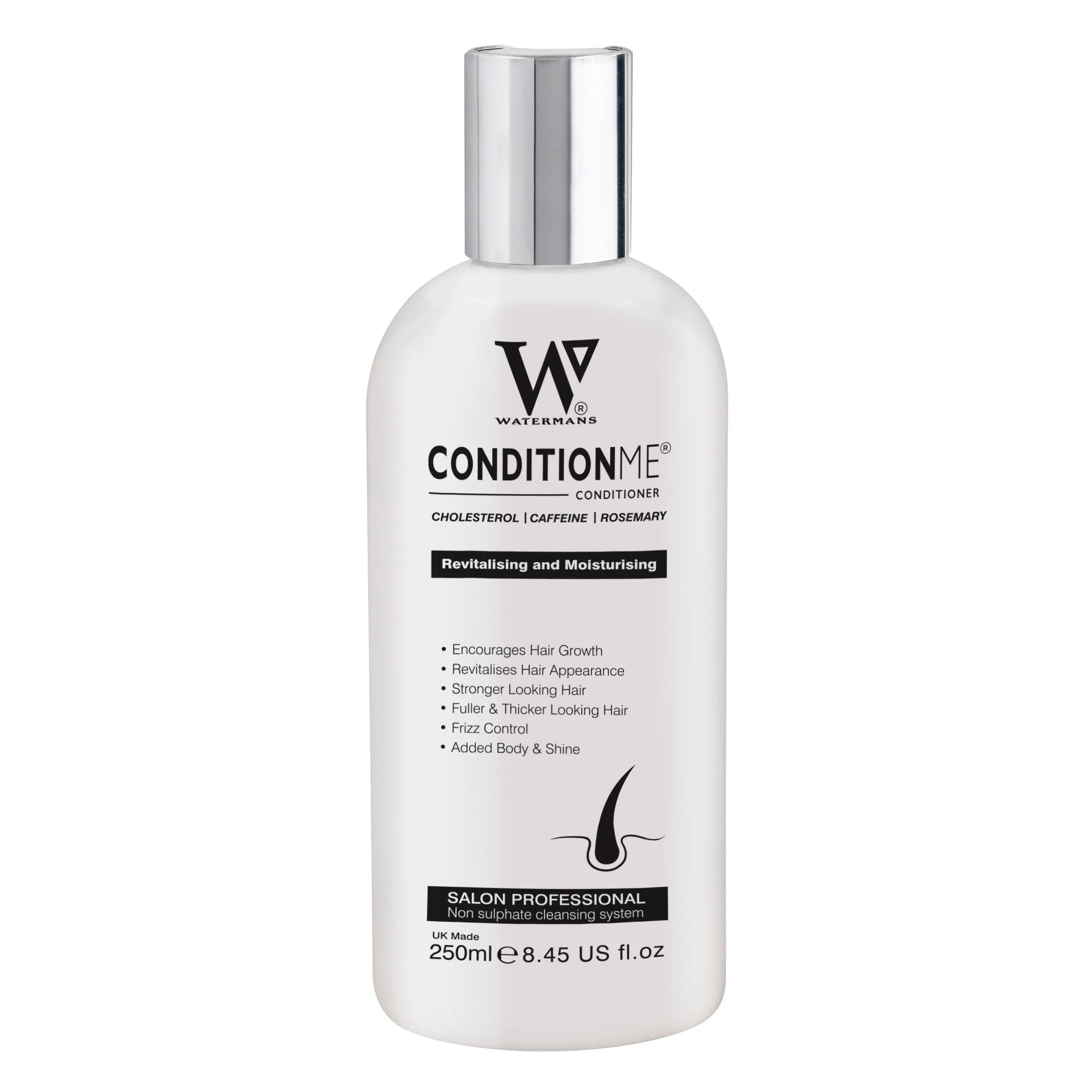
Grow Me Strength & Retention Shampoo
A gentle daily shampoo formulated to reduce breakage so hair looks fuller and thicker. Vegan, made in the UK, over 6.5 million bottles sold since 2012.

Protect Me Heat Protection Spray
A leave-in spray for before the dryer or straighteners, where most breakage on fine hair actually happens. Also helps with frizz and colour fade.

What should you stop doing straight away?
- Stop skipping washes to save hair. It does not work and the scalp suffers.
- Stop brushing wet hair from the roots. Wet hair stretches and snaps far more easily than dry hair.
- Stop the daily 200 degree straighten. If you must, use protection and go once, not four times over the same section.
- Stop taking a shelf of supplements on spec. Excess vitamin A and excess selenium can both make hair worse.
- Stop changing your routine every three weeks. You are never giving anything long enough to be judged.
- Stop the very tight ponytail every single day. Vary where the tension sits, or wear it down.
For a fuller day by day and week by week plan, see our daily and weekly hair care plan, and for what typically drives thinning at different ages, causes of hair loss in women by life stage.
When should you see a doctor rather than buy something?
Speak to your own GP if any of these apply, and do it before spending more money on products:
- Heavy shedding that has continued for more than three months.
- A parting that is visibly wider than it was a year ago, or scalp showing at the crown.
- Smooth, round bare patches, which point to a different condition entirely.
- A sore, scaly, itchy or scarring scalp.
- Hair change alongside fatigue, weight change, heavy periods or feeling cold all the time.
- Sudden hair fall in a child or teenager.
Frequently asked questions
Which products for thinning hair should I buy first?
Buy a gentle daily shampoo first, because washing often enough is the habit fine hair depends on, then a heat protectant if you use any heat, then a conditioner you keep to the lengths. Those three products for thinning hair cover cleaning, breakage and fullness. Add a leave in or scalp serum only if it helps you keep the routine, and leave supplements until a blood test says you need one.
Do the simple solutions thinning hair responds to actually work?
They work for the portion of the problem they address. Gentler handling, enough protein and iron, and a consistent routine reliably reduce breakage and improve how full hair looks. None of them changes genetic hair loss, which is why the blood tests and the GP conversation are on the list too.
How long before I see a difference?
Breakage improvements show within four to eight weeks because you stop losing length. Density changes take six to twelve months, because a hair only grows about a centimetre a month.
Does washing hair less often help thinning hair?
No. It just delays when you see the hairs. Fine and thinning hair usually looks better washed more often, not less, because oil and residue flatten it against the scalp.
Can stress cause hair to thin?
Physiological stress genuinely can, through telogen effluvium, where a wave of hairs shifts into the resting phase together. It typically starts two to three months after the stressful period and recovers once the trigger has passed.
Do hair supplements make hair thicker?
Only if you were short of the nutrient in question. Correcting a genuine iron or vitamin D shortfall helps. Taking large doses of things you already have enough of does not, and some, notably vitamin A and selenium, make things worse in excess.
Is thinning hair reversible?
It depends which of the three you have. Breakage improves as soon as you change how you handle hair. Shedding usually recovers once the trigger is dealt with. Genetic hair loss is a longer conversation and belongs with a doctor.
Does scalp massage do anything?
The evidence is thin and mostly small studies, so do not build a plan on it. It is pleasant, it costs nothing, and it gets you looking at your scalp regularly, which has its own value. Just do not expect it to carry the routine.
What is the bottom line on products for thinning hair?
Products for thinning hair do three honest jobs and no more, and the habits around them matter more. The simple solutions thinning hair responds to are the ones nobody can sell you: work out whether it is loss, shedding or breakage, stop damaging what you have, eat properly, get ferritin and thyroid checked, and hold a routine for six months instead of six weeks. Products help by reducing breakage and making hair look fuller, which is a genuine benefit and a modest one. Anything promising more than that is selling you a story.
For the everyday version of all this, the Grow Me hair growth shampoo is the first of the products for thinning hair worth owning, and it does the scalp work while you get on with the rest. Vegan, made in the UK.
Watermans products are 100% cosmetic and do not treat medical hair loss. Individual results may vary. This article is general information, not medical advice. If you are worried about your hair, speak to your own GP.
Sources & References
- NHS. Hair loss. Causes and when to seek help.
- NHS. Vitamins and minerals: Iron. 14.8mg a day for women 19 to 49, 8.7mg for men and women over 50.
- NHS. Iron deficiency anaemia.
- British Association of Dermatologists. Telogen effluvium. Onset two to three months after a trigger.
- British Association of Dermatologists. Female pattern hair loss (androgenetic alopecia).