Trichologist Consultation: What Happens and How to Prepare
A trichologist consultation is often the first time anyone looks properly at your hair and scalp for a whole hour, and knowing what to expect makes it far more useful. This guide explains who trichologists are and how to check their credentials, what happens in the room, how to prepare, what it typically costs, when to see a GP first, and the questions worth taking with you. Watermans does not run clinics; this is independent guidance for choosing and using one well.
Our hair growth shampoo
Grow Me® Hair Growth Shampoo, £14.95. A sulphate free daily shampoo that supports a healthy scalp environment and helps reduce breakage, so lengths hold on and look fuller.
A trichologist consultation is an appointment, often up to an hour, with a hair and scalp specialist who reviews your health, medicines, diet and lifestyle, examines your hair and scalp, and suggests further tests or a home care plan. The Institute of Trichologists asks you not to wash your hair that morning and to bring blood results and a list of medicines and products. Trichologists are not medically qualified, so they refer on when needed.
Key takeaways
- The Institute of Trichologists has trained and certified trichologists since 1902; look for AIT, MIT or FIT after a name.
- Trichologists are not medically qualified, so they refer to a GP or doctor for blood tests, biopsies and medicines.
- You do not need a GP referral to see a trichologist, but the NHS advises seeing a GP before a commercial hair clinic.
- The Institute's own London clinic lists a consultation of up to an hour at £250; prices vary by area.
- Arrive with unwashed hair, previous blood results, a medicines list and the products you use.

What is a trichologist consultation?
A trichologist consultation is a detailed assessment of your hair and scalp by a trichologist, a specialist in hair and scalp conditions. The Institute of Trichologists says the trichologist looks at any health problems, medicines, diet and lifestyle, then examines the hair and scalp in its natural state before recommending further tests, clinic-based care or a home routine.
People usually go because of shedding that will not settle, a widening parting, breakage, or an itchy, flaky or sore scalp. The Institute lists conditions trichologists deal with, including hair loss or breakage, sudden or long-term shedding, scalp conditions such as dandruff and psoriasis, hair shaft defects, and hair changes linked to low iron, thyroid problems and raised androgen levels.
What a trichologist does not do is replace your GP. The Institute is clear that trichologists are not medically qualified, and that infections and some other problems must be referred to a doctor.
Who is a trichologist, and what do AIT, MIT and FIT mean?
A trichologist is a hair and scalp specialist trained in the science of hair, and in the UK the main professional body is the Institute of Trichologists (IoT), which has provided education and certification since 1902. Anyone can call themselves a trichologist, so checking the register is the single most useful thing you can do before you pay.
| Letters | What they mean, per the Institute of Trichologists |
|---|---|
| AIT | Associate Member, likely recently qualified and in a 2-year mentorship towards full membership |
| MIT | Full Member, approved after mentoring and qualified for at least 3 years |
| FIT | Fellow, recognised for an outstanding contribution to the Institute or to research |
The Institute says that if someone is not listed on its register it does not recognise or regulate them, for example by checking their yearly professional development. It also names other established training bodies, including the International Association of Trichologists, Trichocare and the Trichological Society. Our city guides, such as finding a trichologist in London, explain how to search the register near you.
What happens during a trichologist consultation?
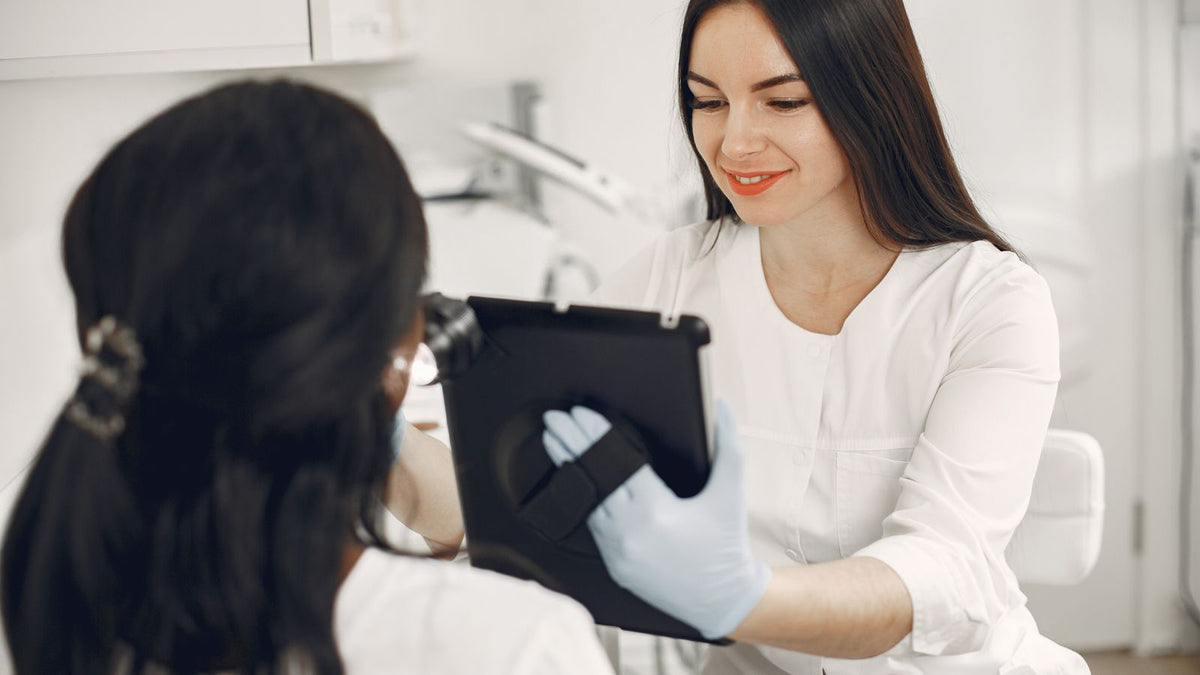
At the appointment you can expect a long conversation first and an examination second. The Institute of Trichologists describes a review of your health, medicines, diet and lifestyle, then a look at your hair and scalp in its natural condition, followed by recommendations for any further tests and for care in clinic or at home.
- History. When the change started, what else happened around then, your periods or hormone changes, illness, stress, diet, family history and every medicine or supplement you take.
- Examination. A close look at the scalp, the parting, the hairline and the shed hairs, often with magnification. A gentle pull test may show how many hairs are in the resting phase.
- Tests. If blood tests or a biopsy are needed, the trichologist will usually ask you to arrange them through your GP.
- Plan. An explanation of what is likely going on, what to change at home, whether clinic sessions are worth it and when to come back.

How should you prepare for the appointment?
You should prepare by leaving your hair unwashed that morning and gathering your evidence. The Institute of Trichologists asks people not to wash their hair on the morning of the appointment, so the hair and scalp can be seen naturally, and to bring copies of any blood test results, a list of medicines and a list of the products they use. If you are booking locally, our Leicester guide to preparing for a trichologist visit turns that same list into a city-by-city plan.
Questions worth taking with you
Which register are you on, and what are your letters? What do you think is going on, and how sure are you? Which tests should I ask my GP for? What should I change at home first? How many visits do you expect, and what will each cost? When should I see a doctor instead?
Monthly photos of your parting and crown in the same light, and a short shedding diary, give the trichologist far more to work with than memory. If you are not sure whether your problem is shedding or thinning, our hair thinning self-check is a useful warm-up.
Get a discount on the thinning hair range
Join the Watermans mailing list and we will email a discount code straight to your inbox, so you can try the thinning hair range for less. Made in the UK, over 6.5 million bottles sold since 2012.
How much does a trichologist appointment cost?
The cost of a first appointment varies by location, and the Institute of Trichologists advises phoning trichologists in your area to ask. As one published example, the Institute's own clinic in Tooting, London, lists a consultation of up to an hour at £250, with any medication and further care charged separately.
Ask for the full price of the first visit, any follow-ups and any in-clinic sessions before you commit. A good practitioner will be happy to explain what you are paying for and will not push you into a long, prepaid course on the first day.
Should you see a GP, a trichologist or a dermatologist first?
You should usually see a GP first, because the NHS advises seeing a GP to get an idea of what is causing your hair loss before going to a commercial hair clinic, and a GP can arrange blood tests. A trichologist can then offer a longer, hair-focused assessment, and a dermatologist is a doctor you normally reach through a GP referral.
| Who | Medically qualified? | Referral needed? | Best for |
|---|---|---|---|
| GP | Yes | No | First check, blood tests, spotting medical causes and referring on |
| Trichologist | No, according to the Institute of Trichologists | No | A long, hair-focused assessment and a practical care plan |
| Dermatologist | Yes, a doctor specialising in skin, hair and nails | Usually, via your GP on the NHS | Scarring, patchy or unexplained hair loss, and scalp disease |
Go straight to a GP, not a clinic, if you have bald patches, a painful, red or scaly scalp, sudden heavy shedding with other symptoms, or hair loss in a child. For the wider UK route through GP, tests and specialists, see our guide to a hair loss consultation. If your question is about products or a routine rather than a medical one, you can talk to Gail Waterman, our co-founder, as an AI avatar on the Watermans homepage.
What might the trichologist find: loss, shedding or breakage?
The trichologist will usually be trying to work out whether you have hair loss, hair shedding or hair breakage, because each has a different cause and a different plan.
| Problem | What is happening | What you will see |
|---|---|---|
| Hair loss (pattern thinning) | Follicles gradually shrink and make finer, shorter hairs | A widening parting, thinning crown or receding temples |
| Hair shedding | More hairs than normal enter the resting phase and fall from the root | Full-length hairs with a small white bulb, from all over |
| Hair breakage | The hair fibre snaps part-way along | Short, uneven pieces with no bulb, frizz and split ends |
Shedding often follows illness, stress, childbirth or low iron and is covered in our telogen effluvium guide. Breakage is usually about heat, colour and handling, and is the part you can change fastest at home.
What can you do at home before and after the appointment?
You can support your hair at home before and after the appointment by keeping the scalp comfortable, limiting breakage and following any plan you are given consistently for a few months. Hair grows slowly, so changes take time to show in the mirror.
- Keep washing normally, except on the morning of the appointment.
- Use a gentle, sulfate-free shampoo and condition every wash to cut friction and snapping.
- Reduce heat, tight styles and harsh chemical processing while you work out what is going on.
- Eat enough protein and iron; the NHS lists iron deficiency among the causes of temporary hair loss.
- Take the same photos every month so progress is judged on evidence.


Grow Me® Hair Growth Shampoo £14.95
A gentle, sulfate-free shampoo with caffeine, biotin, rosemary and niacinamide, made to support a healthy scalp environment and fuller-looking hair. Vegan and made in the UK.

Condition Me® Hair Growth Conditioner £13.95
A lightweight conditioner that smooths and strengthens the lengths, helping fine hair resist breakage.

Hair Building Fibres £19.95
Coloured keratin fibres that cling to existing hair to disguise a see-through parting or crown while you wait for answers.
What are the warning signs of a poor clinic?
The warning signs of a poor clinic are pressure and promises. Be wary of anyone who is not on a recognised register, who sells an expensive prepaid course before explaining what they think is wrong, who promises results, or who tells you not to see your GP.
A good trichologist explains their reasoning, is open about prices, tells you when something needs a doctor and is comfortable with you taking time to decide. If you want to raise a concern about a registered member, the Institute of Trichologists has a process for that on its website.
What are the frequently asked questions about trichologist consultation?
What happens at a trichologist consultation?
The trichologist reviews your health, medicines, diet and lifestyle, examines your hair and scalp, then recommends further tests, clinic care or a home routine.
How long does it take?
The Institute of Trichologists' own clinic lists a first appointment of up to an hour.
Should I wash my hair before I go?
No. The Institute asks you not to wash your hair on the morning of the appointment so it can be seen in its natural condition.
Do I need a GP referral?
No, you can see a trichologist directly, but the NHS advises seeing a GP about hair loss before going to a commercial hair clinic.
Is a trichologist a doctor?
No. The Institute of Trichologists says trichologists are not medically qualified, and they refer to doctors for blood tests, biopsies and medicines.
How do I check a trichologist is qualified?
Look for AIT, MIT or FIT after their name and check they appear on the Institute of Trichologists' register.
What should I bring?
Copies of recent blood test results, a list of your medicines and supplements, and a list of the hair products you use.
What is the bottom line on a trichologist consultation?
The bottom line on a trichologist consultation is that it works best as a second step after your GP, with a registered practitioner, and with you well prepared. Check the letters and the register, arrive with unwashed hair, your blood results and your medicines and products list, ask clear questions about the likely cause and the cost, and walk away from pressure selling.
While you wait for an appointment, a gentle hair growth shampoo keeps the scalp clean and comfortable.
Sources & references
- The Institute of Trichologists, FAQs, checked 19 September 2026.
- The Institute of Trichologists, What is trichology, checked 19 September 2026.
- NHS, Hair loss, checked 19 September 2026.
- DermNet, Telogen effluvium, checked 19 September 2026.
- DermNet, Female pattern hair loss, checked 19 September 2026.
Watermans products are 100% cosmetic and do not treat medical hair loss. Individual results may vary.