Trichologists Bathgate: What They Do and When to See a GP
Something has changed in your hair, and you want someone to look at it properly rather than guess from a forum thread.
People searching for trichologists Bathgate usually want two things: an explanation and a plan. A trichologist is a hair and scalp specialist who can examine your scalp closely, take a proper history and suggest a care routine. What they are not is a doctor. Trichology is not a regulated profession in the UK, and anything that needs blood tests or medicine belongs with your GP first, which costs you nothing.
Our hair growth shampoo
Grow Me® Hair Growth Shampoo, £14.95. A sulphate free daily shampoo that supports a healthy scalp environment and helps reduce breakage, so lengths hold on and look fuller.
What do trichologists Bathgate residents visit actually do?
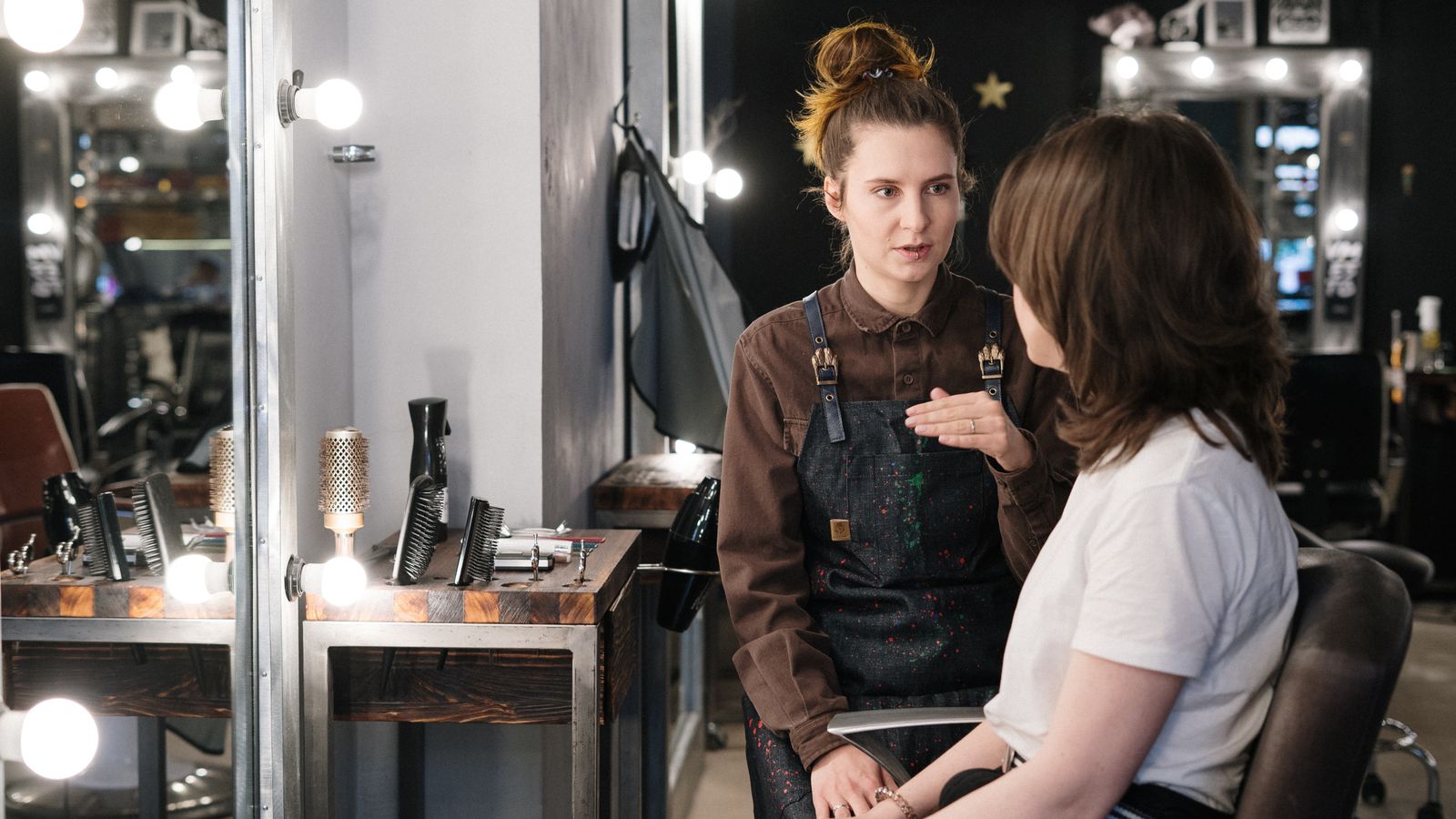
A trichologist looks at hair and scalp problems in detail. A typical session involves a long conversation about your history, family patterns, recent illness, stress, diet and what you use on your hair, followed by a close examination of the scalp, often with a magnifying device that shows the follicle openings and hair calibre. Many will do a gentle pull test to see how readily hairs release.
From that they will describe what they believe is happening and suggest a plan: changes to washing and styling, sometimes a topical product, sometimes a nutritional angle, and often a recommendation to see a doctor. Good ones are quick to send you to a GP. That referral instinct is one of the better signs you have found a sensible practitioner among the trichologists Bathgate and West Lothian can offer.

Key takeaways
- Trichology is not statutorily regulated. The title is not protected in law, so credentials vary enormously.
- Your GP is free and comes first. Blood tests, medicines and dermatology referrals only come through the NHS route.
- Expect to pay privately. A first private session commonly runs from around sixty to a hundred and fifty pounds.
- Bathgate is well placed. Edinburgh and Glasgow are both a short run along the M8 or a direct train.
- Beware anyone selling you a programme on day one. Especially one costing hundreds with no GP conversation.
Is trichology a regulated profession in the UK?
No, and this is the single most useful thing to understand before you spend money. In the UK the Health and Care Professions Council regulates a defined list of health professions, and holds a register of protected titles that no one may use without qualifying. Trichologist is not on that list. Neither is it protected the way doctor, dentist or physiotherapist are.
What exists instead is voluntary membership of trichology associations, which set their own training standards and codes of practice. A member of a recognised association has done a structured course and signed up to rules. Someone with no affiliation may still be excellent, or may have done a weekend course and bought a website. Since nothing in law stops the second person calling themselves a trichologist, checking affiliation is the practical substitute for regulation. Ask which body they belong to, then check that body directly rather than taking the logo on the site at face value.
Trichologist, GP or dermatologist: who does what?
| Who | What they can do | Cost |
|---|---|---|
| Trichologist | Close scalp examination, detailed history, hair care and routine advice, product guidance | Private, roughly sixty to one hundred and fifty pounds for a first session |
| GP | Blood tests for iron, thyroid and vitamin levels, medicines where appropriate, referral onwards | Free on the NHS |
| Dermatologist | Specialist skin and scalp medicine, scalp biopsy where needed, hospital level care | Free via GP referral, or private |
| Pharmacist | Advice on itching, flaking and over the counter options, and whether to escalate | Free |
The sequence that saves most people money is pharmacist or GP first, trichologist second. If bloods come back showing low ferritin or an underactive thyroid, that is your answer and no private session would have found it.
When should you see a GP rather than search for trichologists Bathgate?
Go to a GP first, or instead, if any of the following apply:
- Hair coming out in distinct round patches rather than thinning evenly.
- A sore, scaly, blistered or weeping scalp, or areas that look scarred and shiny with no visible follicle openings.
- Sudden heavy shedding a few months after childbirth, surgery, a severe illness, a crash diet or a major stress.
- Hair changes alongside fatigue, weight change, heavier periods or feeling cold, which point to something systemic.
- Any hair loss in a child.
- Hair loss that began after starting a new medicine.
Scarring patterns matter most because, once follicles are lost, they do not come back, so time genuinely counts. Registering with a GP practice in Bathgate is straightforward and NHS Inform sets out the Scottish route. If you are referred on, the local hospital for West Lothian is St John's in Livingston, a few minutes down the road.

Get a discount on your next order
Join the Watermans mailing list and we will email a discount code straight to your inbox. Made in the UK, over 6.5 million bottles sold since 2012.
What does an appointment involve, and what should it cost?
Most trichologists Bathgate people travel to work the same way. Expect the first session to last forty five minutes to an hour. Most of that is talking. Bring a list of what you use on your hair, any medicines you take, roughly when you first noticed the change, and photographs taken in daylight from a few weeks or months back if you have them. The history is where the answer usually lives.
On price, a first private session across central Scotland commonly sits somewhere between sixty and a hundred and fifty pounds, with follow ups lower. Prices in Edinburgh and Glasgow tend to sit at the upper end. That is for the session itself. Be careful where the session is free or heavily discounted but exists to sell a programme, because the economics of that arrangement are not working in your favour. For a fuller breakdown of what the fee buys and which questions to ask on the phone, see our Dunfermline guide to consultation costs.
How do you choose well among trichologists Bathgate can reach?
Bathgate sits on the M8 corridor with direct trains to both cities, so your practical catchment is far wider than the town itself. Livingston, Linlithgow, Falkirk, Edinburgh and Glasgow are all realistic. That is good news, because it means you do not have to settle for whoever is nearest.
Worth asking before you commit: which association are you a member of, and how long have you practised? What happens if you think this needs a doctor? What is included in the fee, and is anything else expected afterwards? Do you sell the products you recommend? None of these are rude questions and a good practitioner will answer all of them without hesitation. Compare notes with our guide to trichologists in Ayr, which covers the same ground for the west coast. Readers nearer Kirkcaldy may find our guide to hair and scalp help in Kirkcaldy more useful.
One thing we should be plain about: we sell hair care products. We do not run clinics, we do not offer appointments and we cannot tell you what is happening to your hair. This page exists to help you spend your money and your NHS appointment well, not to route you to us. If your question is about products or a routine rather than a medical one, you can talk to Gail Waterman, our co-founder, as an AI avatar on the Watermans homepage.
Is it hair loss, shedding or breakage?
Working out which of the three you have will make any appointment more useful, and may save you needing one.
Hair loss involves the follicle. Pattern loss shows as a widening parting or receding temples over months. Patchy round loss suggests alopecia areata. Both warrant a GP.
Shedding is the normal cycle, typically fifty to a hundred hairs a day. A heavy shed two to four months after a shock to the system is telogen effluvium, which usually settles by itself but is worth a GP conversation to rule out low iron or thyroid problems. Shed hairs are full length with a small pale bulb at the root.
Breakage is the fibre snapping along its length, from heat, bleach, tight styles or friction. Broken hairs are short and blunt with no bulb. This one is genuinely a hair care problem, and it is the one where a product change actually helps. Persistent tension from tight styles can also lead to traction alopecia, which is worth catching early.
Watermans products are 100% cosmetic and do not treat medical hair loss. Individual results may vary.
Where do cosmetic products fit, honestly?
If your problem is breakage, dryness or a scalp that feels uncomfortable, a better routine helps and costs less than a session. If your problem is genuine thinning at the follicle, no shampoo answers that, and anyone telling you otherwise is selling. If your hair simply looks flat and coated rather than broken, the Cumbernauld guide to clarifying shampoo and build-up on fine hair covers how to lift residue in soft water. West Lothian readers a few miles east face the same decision, and how the free NHS route works before you pay a trichologist in Livingston sets out what your GP practice can arrange first.

Sulfate free everyday cleansing that supports a comfortable scalp environment and leaves hair looking fuller. Cosmetic care, not a substitute for a medical opinion.

Aimed squarely at breakage and detangling, which is the part of the problem cosmetics genuinely address. Mid lengths and ends.
Frequently asked questions
Are there trichologists Bathgate has in the town itself?
Provision changes constantly, and single practitioners often work from a room within a salon or a clinic rather than a dedicated premises, so listings go stale quickly. Search current listings, then verify association membership directly. Livingston, Falkirk, Edinburgh and Glasgow all widen the field considerably.
Can a trichologist give you medicine?
No. They are not medically qualified and cannot issue medicines or arrange NHS blood tests. That is your GP's role, and it is free.
Is a trichologist worth the money?
It depends what you have. For a scalp or hair care problem, an hour with a knowledgeable specialist can be genuinely useful. For suspected pattern loss or anything systemic, a GP gets you further for nothing. Many people benefit most from doing the GP route first.
Will the NHS refer me to a trichologist?
Generally no. Trichology is not an NHS profession, so NHS referrals for hair and scalp problems go to dermatology instead.
How much does a session cost in central Scotland?
Commonly sixty to a hundred and fifty pounds for a first appointment, less for follow ups, with the higher end in Edinburgh and Glasgow. Always confirm what is included before you attend.
What should I bring with me?
A timeline of when things changed, photographs in natural light, a list of your medicines and supplements, and the products you currently use. Do not wash your hair right before, since a normal scalp is more informative than a freshly washed one.
Do I need a referral to see one privately?
No. Private trichology is self referral, which is part of why checking credentials matters so much.
Should I go if my hair loss started after a stressful year?
That pattern often suggests telogen effluvium, which usually settles on its own. A GP can check iron, ferritin and thyroid function, which is the most useful first move.
What is the bottom line on trichologists Bathgate?
If you are looking at trichologists Bathgate has within reach, the honest order is pharmacist or GP first, specialist second. Trichology is unregulated in the UK, so membership of a recognised association is the closest thing to a quality signal, and it is worth verifying yourself. Bathgate's position on the M8 means Edinburgh and Glasgow are easily reachable, so choose on credentials rather than proximity. Anything patchy, scarring, sudden, systemic or in a child goes to a doctor, not a private session. And if what you actually have is breakage, that is the one a better routine genuinely improves.
If your current shampoo is stripping the scalp, Grow Me hair growth shampoo is the gentler swap. Made in the UK, with over 6.5 million bottles sold since 2012.
Sources and references
- Health and Care Professions Council, on the health professions it regulates and the titles protected in law. hcpc-uk.org
- NHS Inform Scotland, skin, hair and nails, for the Scottish care route. nhsinform.scot
- National Health Service, Hair loss, on causes and when to see a GP. nhs.uk
- DermNet, Traction alopecia, on tension related hair loss. dermnetnz.org
- British Association of Dermatologists, public information on hair and scalp conditions. bad.org.uk