Trichologist Blyth: What Is Worth Paying For and What Is Not
People searching for a trichologist Blyth appointment are usually at the point of spending real money. That is exactly the moment to slow down, because the order you spend in matters more than the amount. The cheapest steps in Northumberland are also the ones most likely to explain what is happening, and almost nobody does them first.
Our hair growth shampoo
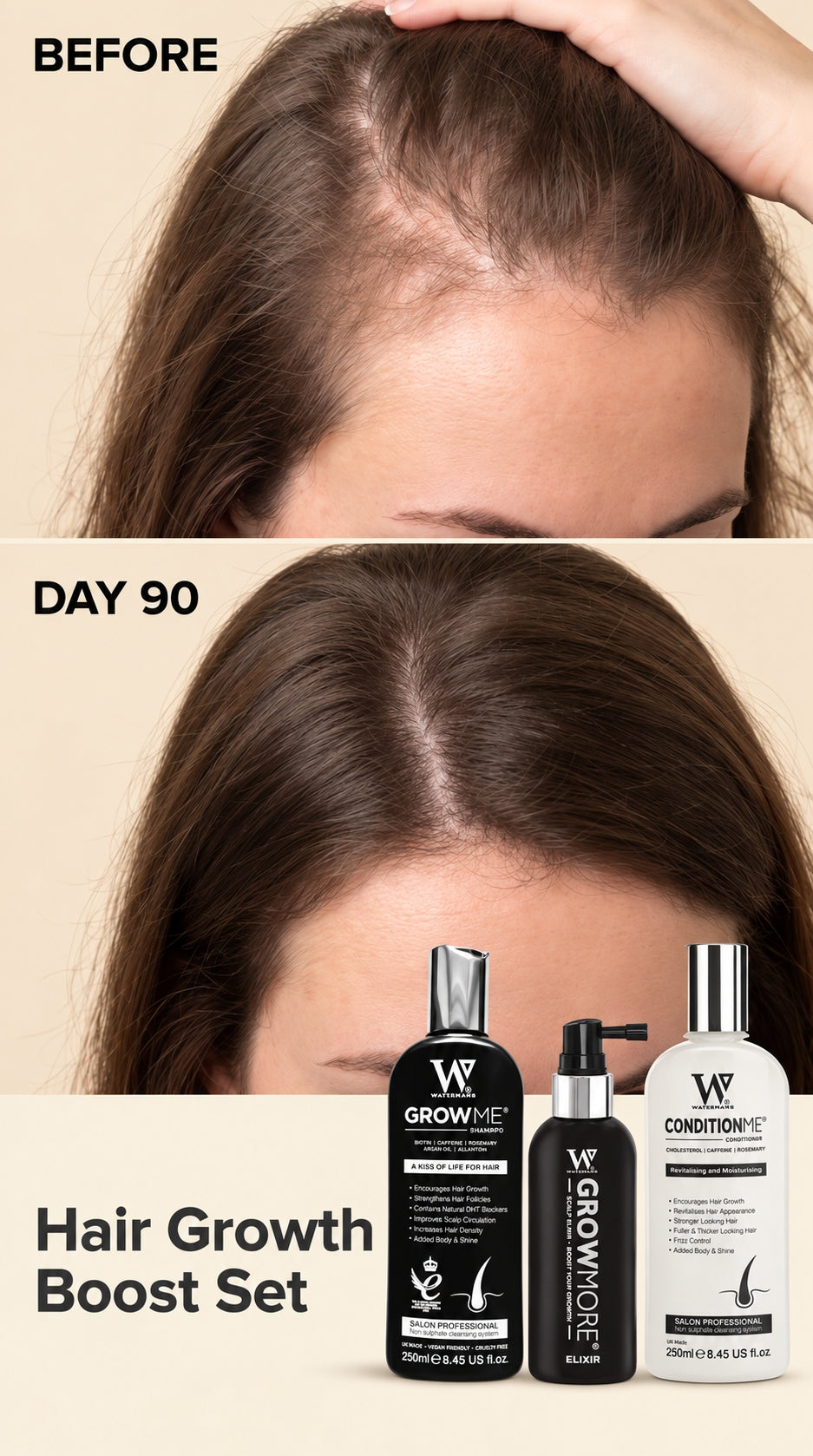
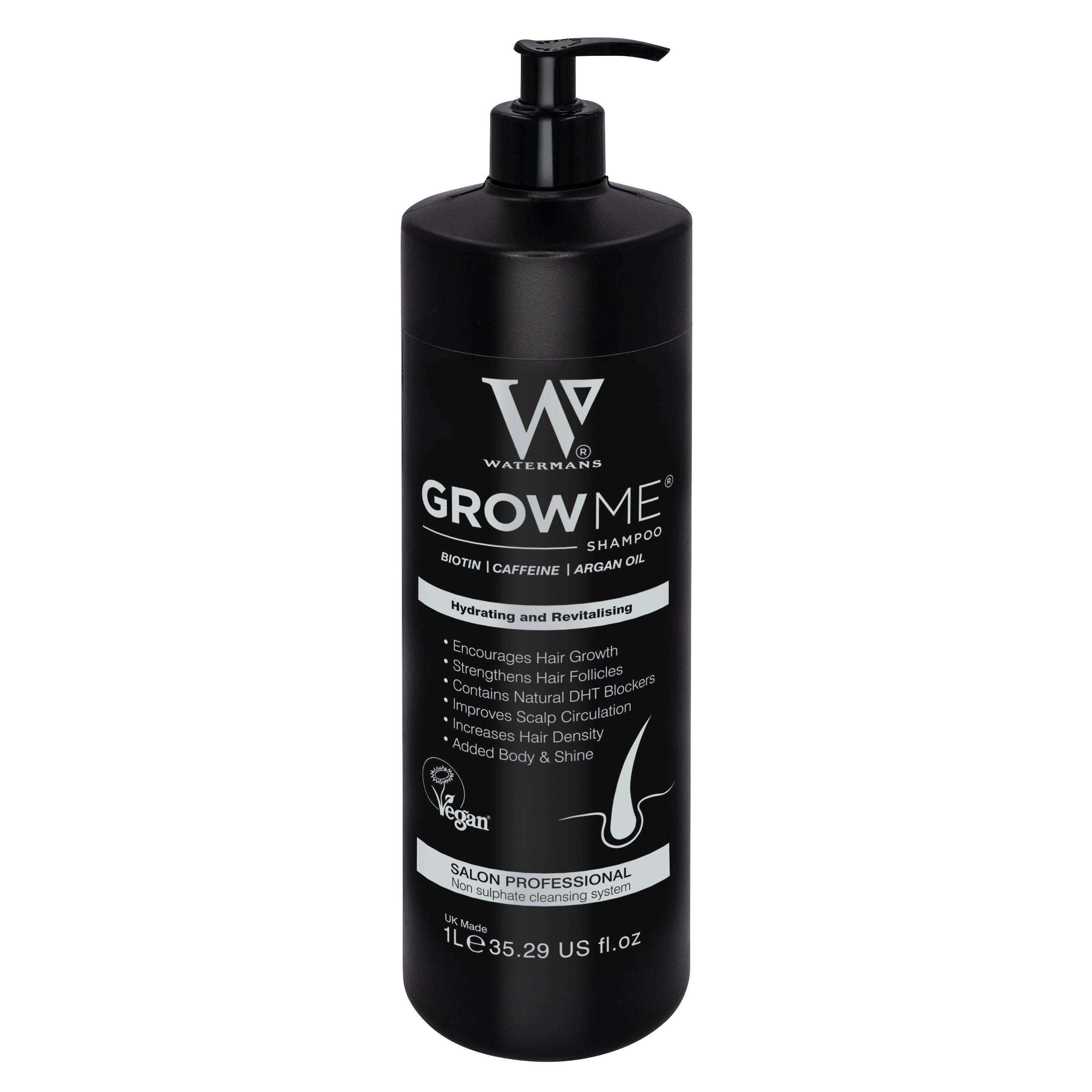
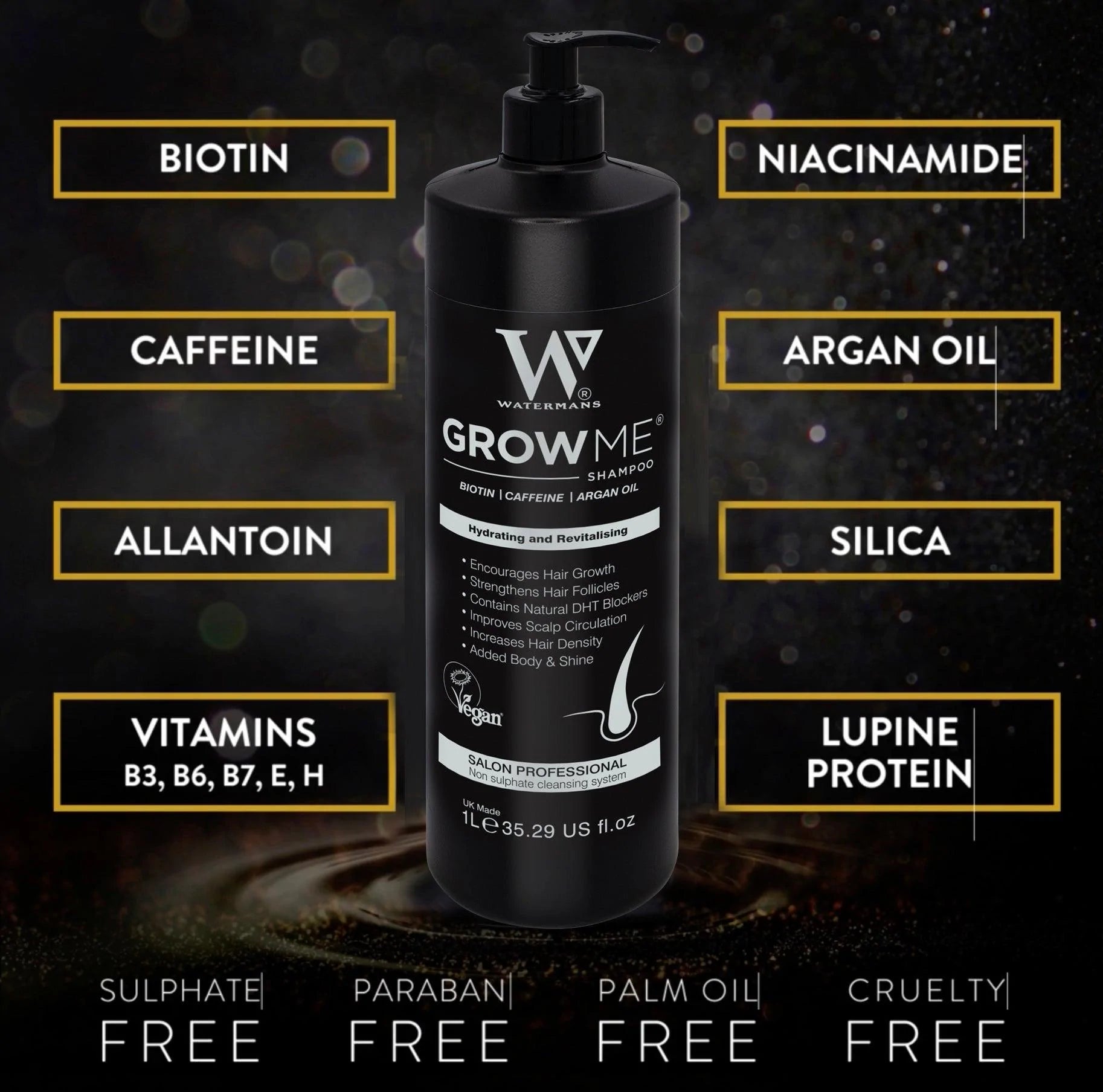
Grow Me® Hair Growth Shampoo, £14.95. A sulphate free daily shampoo that supports a healthy scalp environment and helps reduce breakage, so lengths hold on and look fuller.
A trichologist Blyth consultation is a paid, private assessment of hair and scalp condition, typically costing more than the free NHS route that should come before it. The NHS advises seeing a GP about hair loss before considering a commercial hair clinic, because a GP can arrange blood tests a trichologist cannot. Take the free NHS steps first and spend on products last.
Key takeaways
- The NHS says see a GP before thinking about a commercial hair clinic. That step is free.
- Blood tests for thyroid function, ferritin and a full blood count are the highest value spend at zero cost.
- Supplements only earn their place when a test shows a genuine shortfall.
- UK advertising rules mean a product claim has to be substantiated, so ask what the evidence is.
- Trichology is not a registered medical profession in the UK, so check a voluntary register before booking.
What does a trichologist Blyth appointment actually include?
A trichology consultation is a private appointment covering hair and scalp assessment, history taking, and advice on care and styling. Trichology is not a statutorily regulated profession in the UK, which is why the Institute of Trichologists maintains a voluntary register worth checking before booking. A trichologist Blyth visit buys expertise and unhurried time, not tests.
That distinction is the whole spending question. A trichologist cannot arrange a thyroid panel, a ferritin level or a full blood count, and cannot refer you to dermatology. If the answer to your hair change is sitting in a blood result, a paid consultation will not find it.

What should you spend nothing on first?
Start with the GP, because the NHS says so in plain language: see a GP to get an idea of what is causing your hair loss before thinking about going to a commercial hair clinic. That appointment is free, and the tests behind it are free. The NHS lists hair loss among the less common symptoms of iron deficiency anaemia and among the common symptoms of an underactive thyroid.
Two conditions, two ordinary blood tests, both free at the point of use, and between them a large share of sudden diffuse shedding in adults. Going private first does not skip the queue on this. It just means paying someone to tell you to go and get the test anyway.
| Step | Typical cost to you | What it can tell you |
|---|---|---|
| GP appointment about hair loss | Free | Whether the pattern suggests something medical |
| Full blood count and ferritin | Free on the NHS | Whether iron deficiency anaemia is part of the picture |
| Thyroid function blood test | Free on the NHS | Whether an under-active or over-active thyroid is involved |
| Private trichology consultation | Usually tens of pounds upward | Scalp assessment and care advice, no blood results |
| Shampoo and conditioner | Around 15 pounds each | Cosmetic condition, less breakage, nothing systemic |
| Hair supplements | Ongoing monthly | Useful only where a test showed a real shortfall |
Do hair supplements earn their place?
Supplements earn their place only when a blood test has shown you are short of something. The NHS position on vitamins and minerals is that most people get what they need from a varied diet, with vitamin D the notable exception over the British winter. Correcting a measured iron deficiency is genuinely useful. Taking iron without a measured deficiency is not.
The cost side is where this bites in Blyth as much as anywhere. A monthly supplement subscription taken for a year, without a test, comfortably exceeds the price of the shampoo, conditioner and the GP visit that would have told you whether you needed it.

One question that saves money
Before buying anything for hair, ask: would a blood test change what I do next? If the answer is yes, the blood test comes first. If you have already had the tests and they were normal, cosmetic care is a reasonable next step and a paid consultation may be worth it.
Get a discount on the thinning hair range
Join the Watermans mailing list and we will email a discount code straight to your inbox, so you can try the thinning hair range for less. Made in the UK, over 6.5 million bottles sold since 2012.
What does an anti-dandruff shampoo genuinely do?
An anti-dandruff shampoo works on the scalp surface, and the NHS names several specific active ingredients to look for on the label, sold over the counter in any pharmacy or supermarket. It also gives a clear time limit: use it for up to four weeks, and see a GP if symptoms are still there, or if the scalp is red, swollen or painful.
Four weeks is short enough to be honest and long enough to be fair. Most scalp flaking that is going to respond will have started responding in that window, and flaking that has not shifted by then is the kind worth showing to a GP rather than throwing a fourth bottle at.
That four week rule is a good model for hair spending generally. Give something a defined trial, decide with a date rather than a feeling, and stop paying for it if nothing has changed. Our guide to flaky scalp and seborrheic dermatitis goes further into the difference between dandruff and something that needs a GP.
How do you judge a hair product claim?
Judge it against the UK advertising rules, which put the burden of proof on the advertiser. The CAP Code section on medicines and health products requires claims to be substantiated and bars cosmetic products from being presented as medicines. The Advertising Standards Authority enforces it, and its published rulings are searchable.
In practice that gives you a simple filter. A cosmetic product may honestly say it reduces breakage, supports a healthy scalp environment or makes hair look fuller. If a bottle claims to permanently fix a medical cause of hair loss, that is a claim a regulator would want evidence for, and the sensible response is scepticism.
Over 6.5 million bottles of Watermans hair care sold since 2012, made in the UK.
What is genuinely worth paying for?
Three things are worth paying for once the free steps are done: a shampoo and conditioner you will actually use consistently, something that reduces heat and tension damage, and cosmetic camouflage if density is bothering you day to day. All three work on things you can control, which is exactly why they are worth the money.

Grow Me® Hair Growth Shampoo £14.95
A sulphate-free daily shampoo with caffeine, biotin and allantoin. Around 15 pounds and used every wash, which is a far better cost per use than a monthly supplement.

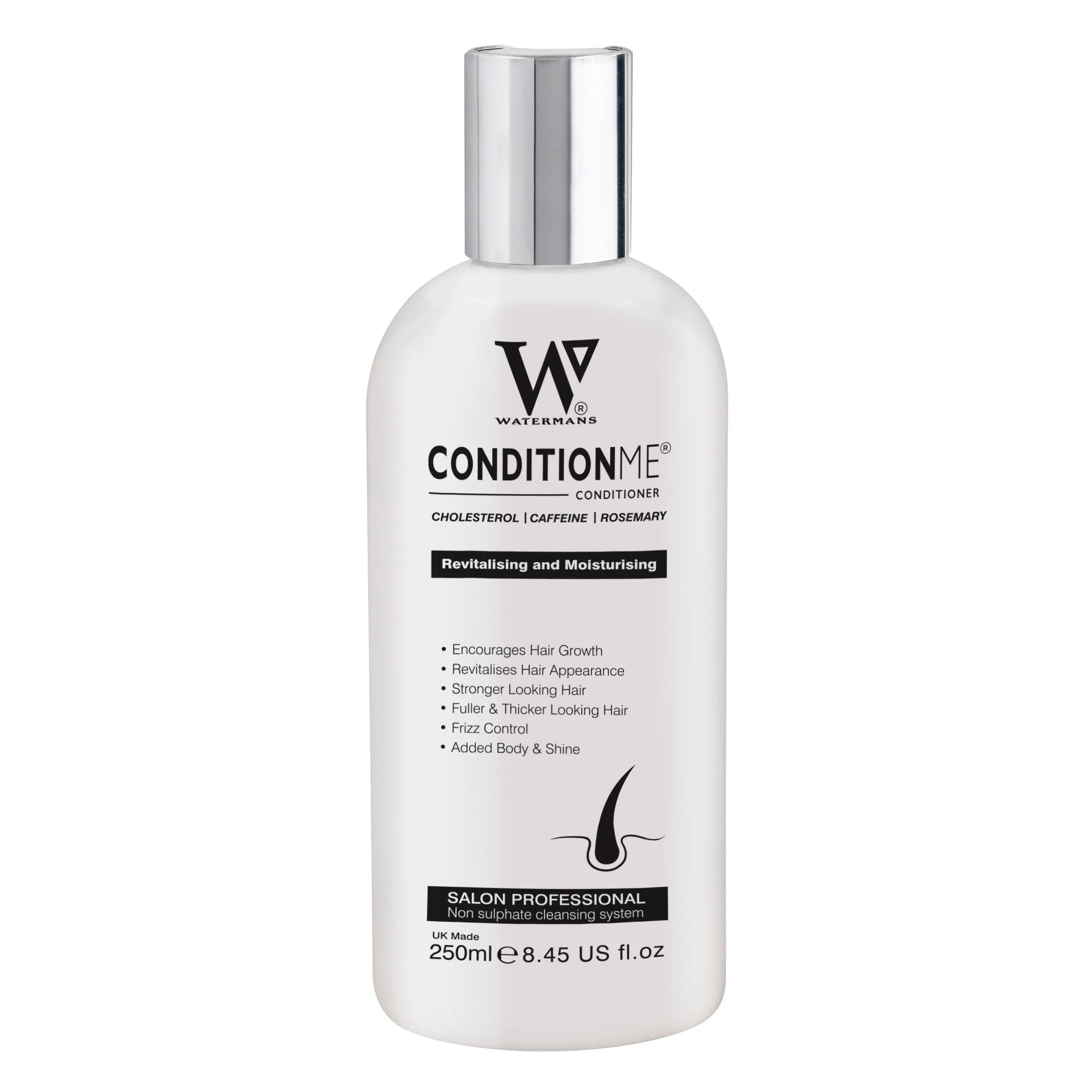
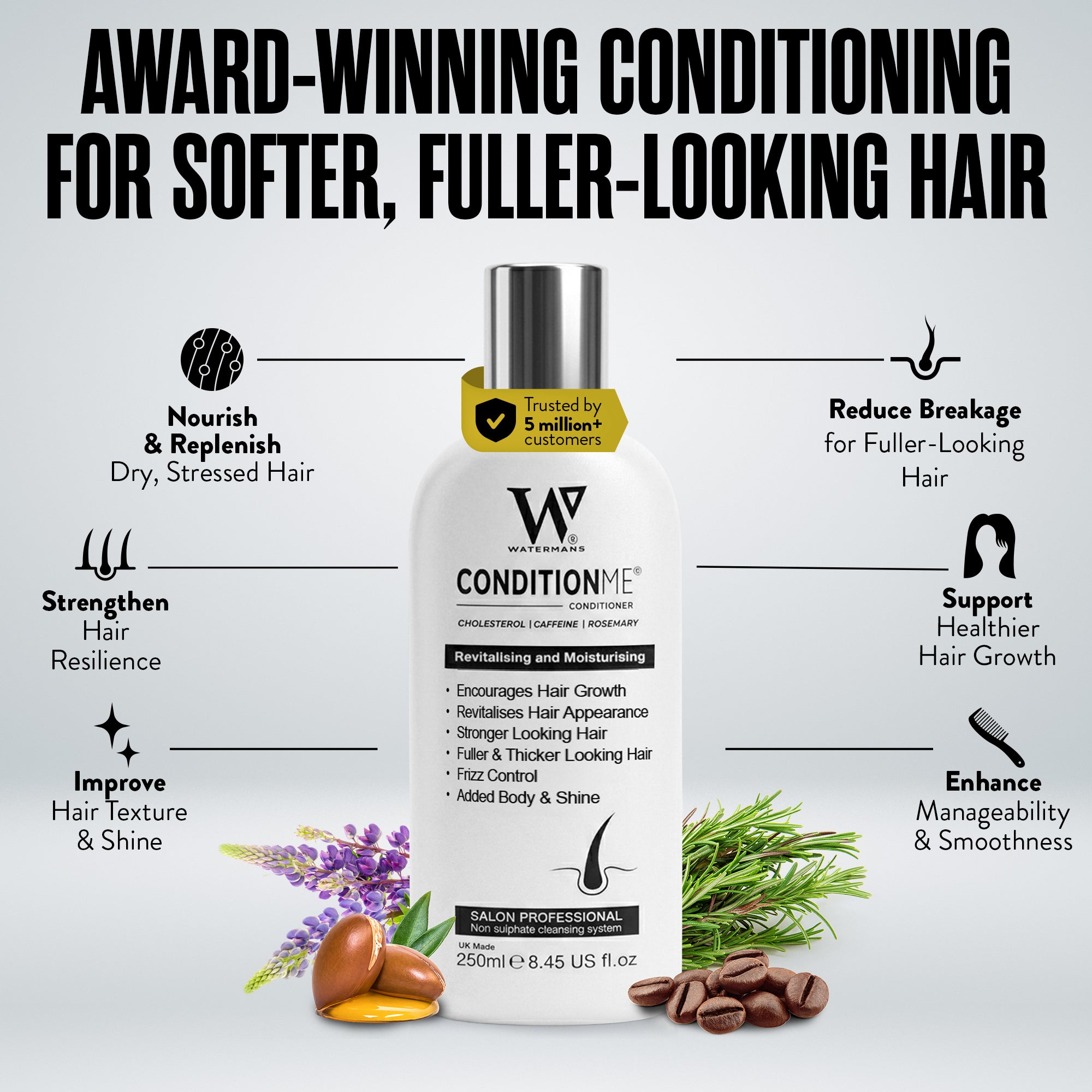
Condition Me® Hair Growth Conditioner £13.95
Detangles and smooths the mid-lengths so brushing and towel drying pull out fewer hairs. Reducing breakage is the honest, measurable job a conditioner does.
Cost per use is the number that matters and almost nobody calculates it. A 15 pound shampoo used twice a week for three months works out at roughly 60 pence a wash. A supplement subscription taken daily for the same three months, with no test behind it, costs several times that and tells you nothing you did not already know. For where that logic lands on the shampoo shelf, our guide to budget volume shampoo sets out where to spend and where to save.

Hair Building Fibres £19.95
Static-charged keratin fibres that cling to existing hair to cover thinner areas in seconds. Purely cosmetic camouflage, washed out at the end of the day.

When is a trichologist Blyth appointment actually a good buy?
It becomes a good buy once the free route has run out of answers. If bloods are normal, your GP has ruled out the obvious, and you still want a close look at the scalp with someone who does this all day, that is a reasonable use of money. A trichologist Blyth consultation is a second opinion on condition and care, not a shortcut past the tests. If your question is about products or a routine rather than a medical one, you can talk to Gail Waterman, our co-founder, as an AI avatar on the Watermans homepage.
Before you book, read the three clue self-check for thinning hair, what actually works for hair loss and the first 90 days action plan, so you arrive with better questions.
Frequently asked questions
How much does a trichologist Blyth consultation cost?
Private trichology fees vary by practice and are not set nationally, so ask for the fee and what it covers before booking. The relevant comparison is not the fee on its own but the free GP appointment and blood tests the NHS advises you to have first.
Is a trichologist the same as a dermatologist?
No. A dermatologist is a registered medical doctor who can order tests and manage skin disease. Trichology is not a statutorily regulated profession in the UK, so a trichologist assesses hair and scalp condition and advises on care.
Are hair growth supplements a waste of money?
They are wasted money when taken without a test showing a shortfall. The NHS position is that most people get the vitamins and minerals they need from a varied diet, with vitamin D the main exception in the British winter.
How long should I give a new shampoo?
Four weeks is a sensible trial, borrowing the NHS timescale for anti-dandruff shampoos. Decide on a date rather than a feeling, and stop paying for anything that has changed nothing by then.
Can I get any hair loss help on the NHS?
A GP appointment, an examination and relevant blood tests are all available on the NHS. Some wigs are available too, though you may have to pay unless you qualify for financial help.
What is the cheapest thing that actually helps?
Reducing breakage. Conditioning every wash, cutting back heat styling and loosening tight styles costs almost nothing and directly reduces the hair fall that sits on top of any underlying cause.
How do I check a trichologist is credible?
Check membership of a recognised voluntary body such as the Institute of Trichologists, ask what the consultation includes, and be cautious of anyone selling a long course of their own products at the first appointment.
What is the bottom line on trichologist Blyth?
The bottom line on a trichologist Blyth search is to spend in the right order. Free GP appointment and blood tests first, cosmetic basics second, paid consultation third, and supplements only where a test showed a genuine gap. That sequence costs less and answers more than doing it the other way round.
If you want one cosmetic change that earns its keep, start with Grow Me hair growth shampoo: Sulphate free, vegan, made in the UK, and used every wash rather than sitting in a cupboard.
Sources & references
- NHS: Hair loss, the advice to see a GP before a commercial hair clinic, and NHS wig availability
- NHS: Iron deficiency anaemia, hair loss among the less common symptoms and the full blood count
- NHS: Underactive thyroid (hypothyroidism), dry hair or hair loss as a common symptom and the thyroid blood tests
- NHS: Vitamins and minerals, the position that a varied diet supplies most needs, with vitamin D the winter exception
- NHS: Dandruff, the over-the-counter anti-dandruff actives to look for and the four week rule
- CAP Code section 12: Medicines, medical devices, health-related products and beauty products, the UK advertising rules a hair product claim has to satisfy
- The Institute of Trichologists, the voluntary UK register to check a trichologist against
Watermans products are 100% cosmetic and do not treat medical hair loss. Individual results may vary.