Trichologists Chelmsford: Do Sulfates, Silicones or Parabens Cause Hair Loss?
A clump of hair in the plughole and a scary headline about shampoo make a convincing pair, but the science tells a calmer story.
If you are searching for trichologists Chelmsford because you suspect your shampoo is thinning your hair, the evidence is reassuring: none of the NHS, dermatology or regulatory sources we checked links sulfates, silicones or parabens to hair loss. Some ingredients, fragrance and certain preservatives in particular, can irritate a sensitive scalp or trigger an allergy, bringing itching, redness and flaking. Stop the product, ask a pharmacist about a mild rash, speak to your GP if it lingers, and use a registered trichologist for ongoing scalp or hair concerns.
Our hair growth shampoo
Grow Me® Hair Growth Shampoo, £14.95. A sulphate free daily shampoo that supports a healthy scalp environment and helps reduce breakage, so lengths hold on and look fuller.
Key takeaways
- Sulfates such as SLS and SLES are strong cleansers. They can leave hair rough and a sensitive scalp tight or irritated, but that is irritation, not hair loss.
- Silicones such as dimethicone coat the hair to add slip and shine. Heavy styling residue can make fine hair look flat, and a weekly clarifying wash deals with it.
- Parabens are among the most tightly regulated preservatives in the UK. Five were removed from use in 2014 and two more were capped at 0.14% combined.
- Fragrance and preservatives such as methylisothiazolinone and formaldehyde releasers are the ingredients most often behind a genuine allergy to hair products.
- Reading the ingredients list, changing one product at a time and trying anything new on a small patch first will answer most shampoo worries before you need the trichologists Chelmsford searches bring up.
Can shampoo ingredients really cause hair loss?
Shampoo ingredients very rarely cause true hair loss, because a rinse-off product sits on the scalp for a minute or two and does not reach the follicle in any meaningful way; what they can do is irritate the skin or trigger an allergy, and a sore, itchy, heavily scratched scalp can shed more hair for a while.
The NHS says contact dermatitis is most commonly caused by irritants such as soaps and detergents, while the allergic type is less common and can be triggered by substances found in products such as cosmetics. Symptoms usually appear within a few hours or days of exposure, and the skin can become itchy, dry, cracked or blistered. On lighter skin it tends to look red, and on darker skin it can look dark brown, purple or grey.
It also helps to know what normal looks like. The NHS says we can lose between 50 and 100 hairs a day, often without noticing. Change your shampoo, pay closer attention in the shower, and you may simply be seeing hairs that were always going to fall. The table below sums up where each of the common "scare" ingredients really stands.
| Ingredient group | What it does | The genuine concern | Linked to hair loss in the sources we checked? |
|---|---|---|---|
| Sulfates (SLS, SLES) | Cleanse and foam | Irritation on sensitive skin; rough, tangly lengths | No |
| Silicones (dimethicone) | Smooth, shine, reduce static | Can weigh fine hair down when layered with styling products | No |
| Parabens | Preserve | Allergy is uncommon; strict legal limits apply | No |
| Formaldehyde releasers (DMDM hydantoin and others) | Preserve | A recognised cause of contact allergy | No published study found |
| Fragrance (parfum) | Scent | One of the most common causes of cosmetic allergy | No |
Do sulfates like SLS and SLES damage your scalp or hair?
Sulfates such as sodium lauryl sulfate (SLS) and sodium laureth sulfate (SLES) are powerful cleansers that lift oil and dirt and make shampoo foam, and while they can leave hair feeling rough and a sensitive scalp tight or irritated, no source we checked shows that they make hair fall out of the follicle.
In their review for dermatologists, D'Souza and Rathi describe lauryl sulfates as popular primary cleansers that work in hard and soft water, lather richly and rinse easily. They are excellent at removing sebum, which is exactly why they suit oily hair. The same review is candid about the downside: hair that is cleaned too thoroughly can end up harsh, dull, frizzy and prone to tangling, and tangles lead to snapped strands when you brush.
The irritation side is real and well measured. SLS is so reliably irritating that German dermatology departments add it to their standard patch test series as an irritant control. In a 2026 analysis of 43,478 people patch tested with 0.25% SLS in water, Forkel and colleagues found that 22.4% reacted, most with only weak redness. Stronger reactions were more common in men, people over 40 and those with hand dermatitis. Shampoo is rinsed off in minutes, so this is not the same exposure, but it explains why a fragile scalp can prickle after a very foamy wash.

So who should consider a switch? If your scalp feels tight or itchy after washing, your lengths are dry, frizzy or colour-processed, or you wash every day, a gentler sulfate-free formula is a sensible experiment. If your scalp is oily and comfortable, a sulfate shampoo is doing its job and there is no evidence-based reason to panic. Our guide on whether sulphate-free shampoo is really better goes deeper into the trade-offs.
Are silicones in shampoo and conditioner bad for fine or thinning hair?
Silicones such as dimethicone are conditioning ingredients that coat the hair fibre to add slip, shine and softness and to cut static, and they are not linked to hair loss in the sources we checked; the real issue is that layered silicones and styling products can weigh fine hair down and make it look flatter and thinner than it is. If your worry is conditioner itself, our Bedford guide to conditioner and thinning hair explains why fine hair goes flat and where to apply it.
D'Souza and Rathi note that two-in-one shampoos arrived in 1987 using droplets of dimethicone suspended in the cleanser, so that after washing the natural sebum is replaced with a thin silicone film that leaves hair shiny, soft and free of static. For dry, damaged or colour-processed hair that film is useful, because smoother fibres rub against each other less, tangle less and are less likely to snap during brushing.
The same review explains that styling polymers from hairspray, gel and mousse build up on the hair shaft with continued use, leaving it rough and dull, and describes deep cleaning shampoos, often based on lauryl sulfates, used about once a week to clear them. That is the honest middle ground: silicones are neither dangerous nor essential. If your hair feels coated or limp, a weekly clarifying wash and a lighter hand with leave-in products usually fixes it.
Where to put conditioner
Conditioning ingredients do their job on the mid-lengths and ends, where hair is oldest and driest. Keep them off a sensitive scalp and rinse well. Our step by step guide to using conditioner properly covers how much, where and for how long.
Are parabens safe in UK shampoos?
Parabens are preservatives that stop water-based products growing mould and bacteria, and the parabens still allowed in UK shampoos are permitted only within legal limits set after reviews by the EU Scientific Committee on Consumer Safety, which confirmed methylparaben and ethylparaben as safe at their maximum authorised concentrations.
The regulators did not simply wave parabens through. Commission Regulation (EU) No 358/2014 removed isopropylparaben, isobutylparaben, phenylparaben, benzylparaben and pentylparaben from the list of permitted preservatives because too little safety information had been submitted to evaluate the risk. Regulation (EU) No 1004/2014 then capped butylparaben and propylparaben at 0.14% (as acid) for the sum of the two. Both rules predate Brexit and appear on legislation.gov.uk as part of the retained Cosmetics Regulation that applies in Great Britain.
What about allergy? DermNet reports that parabens have been found in 66 to 87% of cosmetics, yet across 50 years of screening studies only 1.2% of people who were patch tested reacted to them, a figure that has fallen as concentration limits came in. Most paraben allergy comes from creams and dressings applied to broken skin such as leg ulcers, not from shampoo. On the wider health debate, the US Food and Drug Administration says it does not currently have information showing that parabens as used in cosmetics have an effect on human health, while noting that its scientists continue to review published studies.
One irony is worth knowing. A product labelled "paraben-free" still needs a preservative, and the replacement is not always gentler. Methylisothiazolinone (MI) was widely used in cosmetics from 2005, and DermNet describes the result as an "epidemic" of allergic contact dermatitis. The American Contact Dermatitis Society named MI its Contact Allergen of the Year for 2013, and DermNet reports that European regulators responded by removing it from new leave-on products and lowering the amount allowed in rinse-off products such as shampoo.

What are formaldehyde-releasing preservatives, and are they linked to hair loss?
Formaldehyde-releasing preservatives, such as DMDM hydantoin, quaternium-15, bronopol, imidazolidinyl urea and diazolidinyl urea, keep shampoos free of microbes by releasing tiny amounts of formaldehyde over time, and they are a recognised cause of contact allergy; a PubMed search found no published study linking them to hair loss.
D'Souza and Rathi list DMDM hydantoin and quaternium-15 among the typical shampoo preservatives, alongside sodium benzoate, parabens and methylisothiazolinone, and DermNet names formaldehyde releasers as ingredients to look out for on labels if you are allergic to formaldehyde. The best estimate of how often people react comes from a 2026 meta-analysis by Karimian and colleagues, which pooled 158 studies of more than 1.3 million people with dermatitis who were patch tested. The pooled rate was 2.88% for formaldehyde itself and 1.37% for DMDM hydantoin, with the highest rates in North America at 6.8%.
Regulation has changed the picture in Europe. Formaldehyde and quaternium-15 were banned from cosmetics in the EU in 2019, and the meta-analysis authors describe that kind of prohibition as a highly effective public health measure. A Turkish study of 2,592 people patch tested between 1996 and 2024 found no new cases of allergy to formaldehyde or its releasers after Turkey introduced the same ban in 2021.
Allergy, not hair loss
A search of the PubMed research database for DMDM hydantoin and hair loss returned no studies, so the documented concern with formaldehyde releasers is contact allergy. If you know you react to formaldehyde, avoid these preservatives; if you do not, there is no evidence-based reason to bin a bottle because of a headline.
Can fragrance in shampoo cause an itchy scalp?
Fragrance can cause an itchy scalp, because fragrance chemicals are among the most common causes of allergic contact dermatitis from cosmetics, and shampoos and conditioners are frequently scented; DermNet estimates that fragrance allergy affects around 1% of adults and is second only to nickel as a cause of allergic contact dermatitis.
Among people referred for patch testing, DermNet says around 10% turn out to have a fragrance allergy. The European EDEN Fragrance Study patch tested 3,119 randomly chosen adults aged 18 to 74 across five countries and found that sensitive skin was associated both with heavier use of scented products and with fragrance allergy, and that exposure to leave-on scented products in particular was linked to allergy. The study was funded by the fragrance industry's research institute, which makes its warning about leave-on products all the more notable.
Because allergy tends to follow repeated exposure, the product that finally triggers a reaction may be one you have used for years. The rinse-off nature of shampoo helps, but scented conditioners, masks and styling sprays left on the hair add to the total. If your scalp and the skin behind your ears or on your neck itch after washing, fragrance is one of the first suspects to rule out.
How do you read an INCI ingredients label on a shampoo?
An INCI ingredients label lists everything in a cosmetic under standard international names, in descending order of weight at the time each ingredient is added, with anything below 1% allowed in any order after the rest, so the first five or six names tell you what most of the bottle is made of. Our guide to reading the back of a hair product bottle takes that ordering rule apart name by name.
That rule comes from Article 19 of the Cosmetics Regulation, which applies in Great Britain. It also says perfume must be listed simply as "parfum" or "aroma", but that certain fragrance allergens named in the regulation must be listed individually in addition. That is why you may see limonene or linalool near the end of a label. Behind every product sold in Great Britain there must also be a Responsible Person, who according to the Office for Product Safety and Standards must keep a Product Information File containing a safety assessment confirming that the product is safe.
| If you want to avoid | Look for these names on the label |
|---|---|
| Sulfates | Sodium lauryl sulfate, sodium laureth sulfate, ammonium lauryl sulfate |
| Silicones | Dimethicone, amodimethicone, cyclopentasiloxane, and most names ending in "cone" or "siloxane" |
| Parabens | Methylparaben, ethylparaben, propylparaben, butylparaben |
| Formaldehyde releasers | DMDM hydantoin, quaternium-15, 2-bromo-2-nitropropane-1,3-diol (bronopol), imidazolidinyl urea, diazolidinyl urea |
| Isothiazolinones | Methylisothiazolinone, methylchloroisothiazolinone |
| Fragrance | Parfum, aroma, and named allergens such as limonene, linalool, citral or geraniol |
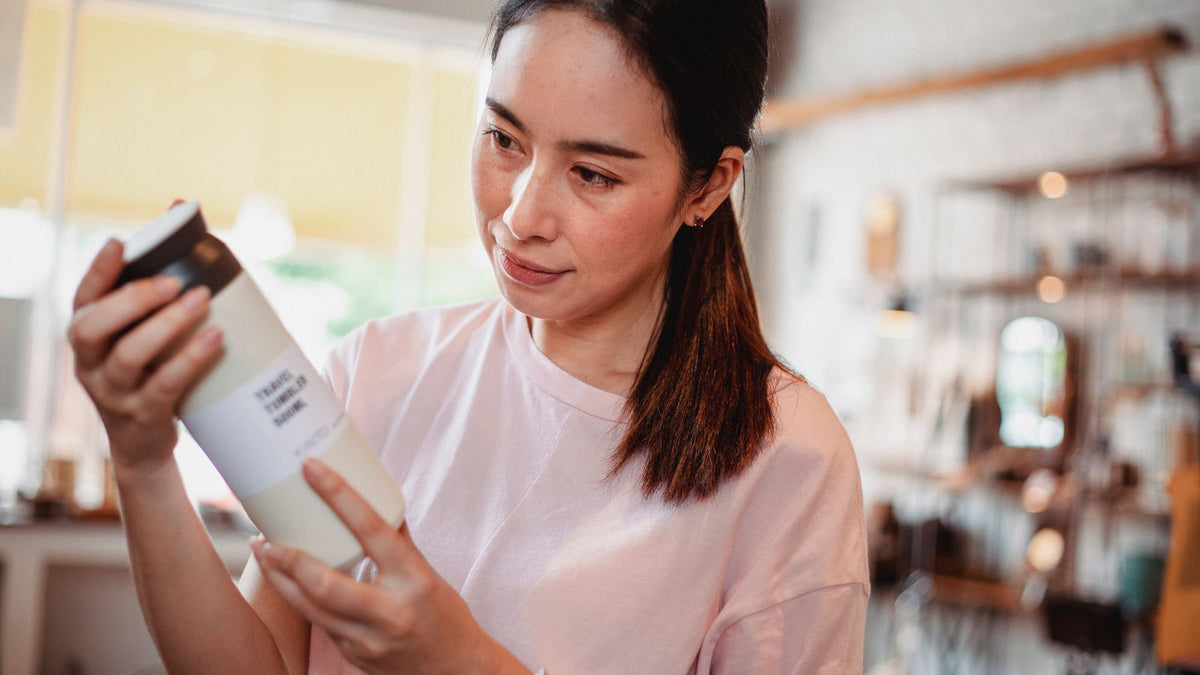
Two tips make labels far easier. First, photograph the ingredients list of anything you use before a flare, so you can compare bottles later. Second, be wary of "free from" claims on the front: a bottle can be sulfate-free and still packed with fragrance, or paraben-free and preserved with something you react to. To decode the front-of-pack words as well, such as thickening, volumising and hair growth, see our Newport guide to reading a shampoo label for thinning hair. Caffeine is another ingredient that turns up on many labels; our Rochdale guide to caffeine shampoo explains what the studies on it did and did not show.
Get a discount on the sensitive scalp range
Join the Watermans mailing list and we will email a discount code straight to your inbox, so you can try the sensitive scalp range for less. Made in the UK, over 6.5 million bottles sold since 2012.
How should you patch test a new shampoo at home?
A home patch test for a new shampoo means trying a small amount on one area of skin, such as behind the ear or the inner elbow, and watching it for a couple of days before you use the product on your whole scalp; it is a sensible precaution, although only formal patch testing in a dermatology department can identify a specific allergen.
The British Association of Dermatologists explains that formal patch testing is carried out in a specialist dermatology department. Patches containing common allergens are placed on the back, removed after 2 days, and the skin is checked then and again later. The BAD also asks people to bring their own products, or at least the packaging showing the ingredients list, which is one more reason to keep those label photos.
At home, a simple routine catches most problems early:
- One new product at a time. Leave a week or so between changes, so you know which bottle to blame if your scalp complains.
- Try a small area first. Use a little of the product on the skin behind one ear or on the inner elbow, rinse it as you would on your scalp, and repeat for a few days.
- Check at 24 and 48 hours. Look for itching, redness, bumps or dryness, remembering that on brown or black skin a reaction may look darker rather than red.
- Any reaction means stop. Rinse the area with plain lukewarm water and do not use that product on your scalp.
- Keep the evidence. Photograph the label and the reaction, and note the date.
A clear home test is reassuring rather than proof, because allergy can build over months of use. Our article on why hair products can make your scalp itch walks through what to do if a new product starts to sting.
Is it hair loss, shedding or breakage after changing shampoo?
Hair you notice after changing shampoo is usually breakage, meaning short snapped pieces from rough or tangled lengths, or normal shedding, meaning whole hairs with a tiny pale bulb at the root, and only rarely genuine hair loss, where the scalp itself changes or patches appear, which always deserves your GP's opinion.
- Hair breakage. The fibre snaps somewhere along its length and the follicle is untouched. Harsh cleansing without conditioning can leave lengths rough and tangled, which is how a shampoo switch can show up as more short pieces in the brush.
- Hair shedding. Whole hairs fall at the end of their growth cycle. The British Association of Dermatologists says around 15% of scalp follicles are in the resting, shedding phase at any time, and that a follicle rests for two to four months before a new hair pushes the old one out.
- Hair loss. The follicle or the scalp itself is affected: thinning in a pattern, patches, or a scalp that is scaly, sore or scarred. Here the NHS advice is simple: see a GP if you are worried about your hair loss.
| What you see | Breakage | Shedding | Hair loss |
|---|---|---|---|
| The hair itself | Short, uneven pieces, no bulb | Full length with a small pale bulb | Visible change on the scalp |
| When it shows | While brushing or detangling | In the shower and on the pillow | Gradual thinning or patches that do not fill in |
| Link to your shampoo | Possible, through dryness and tangles | Unlikely; usually just more noticed | Not supported by the evidence |
| First step | Gentler cleansing and conditioning | Count for a week; GP if heavy or ongoing | Speak to your own GP |
For a fuller look at why lengths snap, from heat to friction, see our piece on the four main causes of hair damage.
When should an itchy or red scalp go to a pharmacist, your GP or trichologists Chelmsford?
An itchy or red scalp after a new product should go first to a pharmacist if it is mild, to your GP if it is persistent, recurrent or severe, and to trichologists Chelmsford practices only once the skin has settled and you still have concerns about flaking, breakage or how your hair looks and feels.
The NHS says a pharmacist can help if contact dermatitis is troubling you and can recommend emollients, which are moisturisers that stop the skin becoming dry. It advises seeing a GP for persistent, recurrent or severe symptoms, adding that a GP can try to identify the cause and may refer you to a doctor who specialises in skin conditions. That route matters, because only a hospital dermatology department can carry out the full patch testing that pins down an allergen.

| Who | When | What they can do |
|---|---|---|
| Pharmacist | Mild itch, dryness or tightness after a product change | Suggest an emollient and tell you whether you need a GP |
| Your GP | Symptoms that persist, keep coming back or are severe; any patch, scarring or worrying hair loss | Look for the cause and refer you to a skin specialist for patch testing |
| Registered trichologist | After the skin has settled: ongoing flaking, breakage, or a routine to rebuild around a known allergy | Examine scalp and hair under magnification and review your products and habits |
Trichologists are not medical doctors, so an active rash belongs with a pharmacist or GP. Where the trichologists Chelmsford searches bring up earn their fee is afterwards, when you want someone to go through your bathroom shelf label by label and look closely at scalp and hair. Before paying anyone, check their membership. The Institute of Trichologists runs a Find a Trichologist register, and the Trichological Society is the other main UK professional body.
- Which professional body do you belong to, and can I check your entry on its website?
- If this still looks like an active allergy, will you send me back to my GP?
- Do you sell the products you recommend, and am I free to keep using my own?

How can you build a gentle wash routine for a sensitive scalp?
A gentle wash routine for a sensitive scalp uses a mild cleanser at the roots, lukewarm rather than hot water, conditioner kept on the lengths, one product change at a time, and a small test area for anything new, so that if your scalp reacts you know exactly which ingredient list to look at.
Before you look up trichologists Chelmsford for an irritated scalp, give a pared-back routine a fair trial of a couple of weeks. It costs little, and it tells you and any specialist you see later far more than a cupboard full of half-used bottles.
- Wash with fingertips, not nails. Scratching an itchy scalp breaks the skin and keeps the cycle going.
- Rinse thoroughly. DermNet lists water and soaps among the everyday irritants, and residue left on the skin simply extends contact time.
- Cut the leave-ons. Scented sprays, oils and serums stay on the skin for hours; the EDEN study linked leave-on scented products with fragrance allergy.
- Clarify occasionally. If hair feels coated, a weekly deeper wash clears styling residue without needing a harsh shampoo every day.
- Test ours too. Our shampoo and conditioner contain botanicals such as rosemary, so the same rule applies: try a small area first and stop if it stings.

A sulfate-free 250ml shampoo with biotin, caffeine, rosemary and niacinamide. It cleans without a sulfate cleanser and helps hair look and feel fuller, a simple option if your scalp prefers a milder wash.

A breakage-defence conditioner with cholesterol, shea butter, glycerin and hydrolysed lupine protein, £13.95 in September 2026. Smooth it through mid-lengths and ends, away from the scalp, to reduce breakage and tangles.
We make hair care and run no clinics, so we cannot look at your scalp, and you should weigh our view accordingly. We have not written this page to scare you off other brands: a well-made shampoo with sulfates, silicones or parabens is a perfectly reasonable choice for most people. Grow Me shampoo is vegan, and Watermans hair care is made in the UK, with over 6.5 million bottles sold since 2012. They are cosmetic: they help hair look and feel healthier and reduce breakage, but they are not a remedy for an allergy.
What are the most frequently asked questions about shampoo ingredients and hair loss?
Should I see one of the trichologists Chelmsford lists if my scalp itches after a new shampoo?
Not first. Stop the product, rinse with lukewarm water, ask a pharmacist about a mild rash and see your GP if it persists, keeps coming back or is severe. A registered trichologist is most useful once the skin has settled and you still have concerns about flaking, breakage or your routine.
Do sulfates cause hair loss?
None of the NHS, dermatology or regulatory sources we checked links sulfates to hair loss. SLS and SLES are strong cleansers that can irritate a sensitive scalp and leave lengths rough and tangly, which can mean more breakage, but that is different from hair falling out at the root.
Are parabens banned in the UK?
Some are. Five parabens were removed from the permitted list in 2014 because too little safety data had been submitted, and butylparaben and propylparaben are capped at 0.14% combined. Methylparaben and ethylparaben remain permitted after the EU Scientific Committee on Consumer Safety confirmed them safe at their maximum authorised concentrations.
Do silicones clog hair follicles?
We found no evidence that silicones such as dimethicone block follicles or cause hair loss. They coat the hair fibre to add shine and slip. Layered with styling products they can make fine hair look flat, and a weekly clarifying wash usually sorts that out.
What is DMDM hydantoin?
DMDM hydantoin is a preservative that slowly releases small amounts of formaldehyde to keep products free of microbes. It is a recognised cause of contact allergy: a 2026 meta-analysis found 1.37% of people with dermatitis who were patch tested reacted to it. A PubMed search for DMDM hydantoin and hair loss found no published studies.
Is fragrance-free shampoo better for a sensitive scalp?
It can be. DermNet estimates fragrance allergy affects around 1% of adults and is second only to nickel as a cause of allergic contact dermatitis. If your scalp, ears or neck itch after washing, a fragrance-free shampoo is a sensible first change, tested on a small area first.
How do I know which ingredient I react to?
Compare the labels of products you reacted to and look for shared names, then change one product at a time. To be certain, your GP can refer you to a dermatology department for patch testing, which the British Association of Dermatologists says involves patches on the back removed after 2 days.
Can a new shampoo make my hair shed more?
Usually you are noticing normal shedding more. The NHS says we can lose between 50 and 100 hairs a day. Short snapped pieces point to breakage from tangles or dryness. Patches, scalp changes or heavy ongoing shedding are a reason to speak to your own GP.
Sources & references
- NHS, Contact dermatitis
- NHS, Hair loss
- British Association of Dermatologists, Contact dermatitis
- British Association of Dermatologists, Patch testing
- British Association of Dermatologists, Telogen effluvium
- DermNet, Fragrance allergy
- DermNet, Allergy to parabens
- DermNet, Formaldehyde allergy
- DermNet, Methylisothiazolinone allergy
- DermNet, Irritant contact dermatitis
- legislation.gov.uk, Cosmetics Regulation (EC) No 1223/2009, Article 19: Labelling
- Commission Regulation (EU) No 358/2014 amending the annexes to the Cosmetics Regulation (parabens)
- Commission Regulation (EU) No 1004/2014 amending Annex V to the Cosmetics Regulation (butylparaben and propylparaben)
- legislation.gov.uk, Regulation (EU) No 1004/2014 as retained in UK law
- GOV.UK, Office for Product Safety and Standards: Making cosmetic products available to consumers in Great Britain
- US Food and Drug Administration, Parabens in cosmetics
- D'Souza P, Rathi SK. Shampoo and conditioners: what a dermatologist should know? Indian J Dermatol, 2015
- Forkel S et al. Strengths and limitations of sodium lauryl sulfate as an irritant control in patch testing. Contact Dermatitis, 2026
- Karimian K et al. The prevalence of contact allergy to formaldehyde and formaldehyde releasers: a systematic review and meta-analysis. Contact Dermatitis, 2026
- Özkaya E et al. Marked impact of regulatory bans on formaldehyde and formaldehyde-releaser-induced allergic contact dermatitis: a retrospective cohort study from Turkey. Contact Dermatitis, 2026
- van Amerongen CCA et al. Skin exposure to scented products used in daily life and fragrance contact allergy in the European general population: the EDEN Fragrance Study. Contact Dermatitis, 2021
- The Institute of Trichologists, Find a Trichologist
- The Trichological Society
What is the bottom line on trichologists Chelmsford?
Shampoo scares make good headlines, but the evidence does not show that sulfates, silicones or parabens make hair fall out. What shampoo can do is irritate a sensitive scalp or, in some people, trigger an allergy to fragrance or a preservative, and a sore, scratched scalp and tangled lengths can mean more hair in the brush. Read the label, change one product at a time, try anything new on a small patch first, see a pharmacist for a mild rash and your GP when it lingers, and save trichologists Chelmsford for the scalp and hair questions that remain once your skin has calmed down. If your question is about products or a routine rather than a medical one, you can talk to Gail Waterman, our co-founder, as an AI avatar on the Watermans homepage.
If your scalp prefers a milder wash, a sulfate-free shampoo such as Grow Me keeps the routine simple, as long as it passes your own small-area test first.
Watermans products are 100% cosmetic and do not treat medical hair loss. Individual results may vary.