Trichologists Ipswich: Vegan Diets, Iron, B12 and Hair Shedding
Gone vegan or plant-based and noticing more hair in the brush? Here is what your diet can and cannot explain, and who to ask.
If you are searching for trichologists Ipswich because your hair started shedding after you went vegan or plant-based, check your plate and your blood first. The NHS says a well-planned vegan diet can supply every nutrient you need, but names iron, vitamin B12, iodine, selenium and calcium as the ones people miss. Ask your GP for a blood test first; a trichologist helps most once those results come back normal.
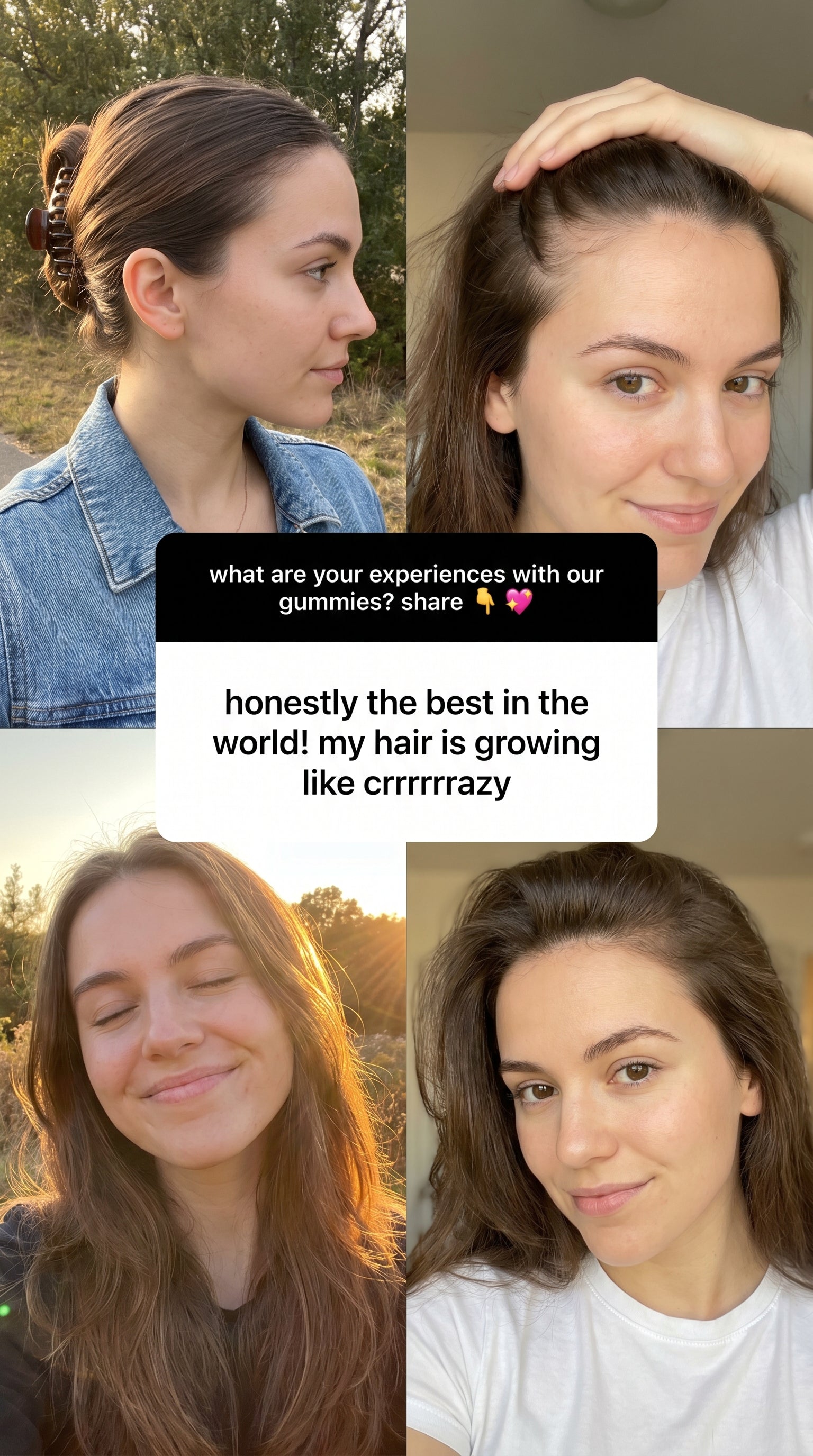
Our hair, skin and nails gummies
GrowPro® Hair, Skin & Nails Gummies, £22.95. Sugar free daily gummies for people who would rather chew than swallow a tablet, supporting hair care from the inside out.
Key takeaways
- The NHS says a well-planned vegan diet, with fortified foods or supplements where needed, can give you every nutrient you need.
- Plant iron is absorbed less well than iron from meat; the NHS and the British Dietetic Association advise vitamin C with meals and no tea or coffee alongside.
- Vitamin B12 does not occur naturally in plants; the BDA says fortified foods and supplements are the only reliable vegan sources.
- Never take iron on a hunch: the NHS says 17mg a day or less from supplements is unlikely to cause harm, while doses over 20mg bring side effects.
- Diet-related shedding usually starts around 3 months after the trigger, says the British Association of Dermatologists, so see your GP before contacting any of the trichologists Ipswich searches bring up.
Can a vegan or plant-based diet cause hair shedding?
A vegan or plant-based diet does not cause hair shedding in itself, but a poorly planned one can leave you short of iron, vitamin B12, zinc, iodine or protein, and shortfalls like these are among the recognised triggers for extra shedding a few months after the way you eat changes.
The NHS says that with good planning you can get everything your body needs from a vegan diet, and that without it you could miss out on calcium, iron, vitamin B12, iodine and selenium. The British Dietetic Association (BDA) agrees that carefully planned plant-based eating suits every life stage, with one exception: vitamin B12, which plants cannot provide.
The NHS lists iron deficiency and weight loss among the causes of temporary hair loss, and a 2019 review in Dermatology and Therapy described vitamins and minerals as playing an important but not entirely clear role in the hair follicle cycle, where cells at the base of each follicle divide rapidly.
Problems usually come from a few common patterns rather than from veganism itself:
- The beige plate. Meat swapped for pasta, white bread and meat-free ready meals, with few pulses, nuts, seeds or dark greens.
- Plant drinks without added nutrients. Not every soya or oat drink has B12, calcium or iodine added, so read the label.
- No B12 plan at all. The NHS says vegan sources are limited and a supplement may be needed.

Which nutrients matter most for hair on a plant-based diet?
The nutrients that matter most for hair on a plant-based diet are iron, vitamin B12, zinc, protein and iodine, because plants supply some of these in forms the body absorbs less well, supply others mainly through fortified foods, and do not naturally supply vitamin B12 at all.
Daily amounts are NHS figures; plant sources come from the NHS and the BDA.
| Nutrient | Adult daily amount (NHS) | Plant sources | Why it matters for hair |
|---|---|---|---|
| Iron | 8.7mg for men and for women over 50; 14.8mg for women aged 19 to 49 | Pulses, wholemeal bread, fortified cereals, watercress, spring greens, nuts, dried apricots and figs | Needed to make red blood cells; the NHS lists iron deficiency as a cause of temporary hair loss |
| Vitamin B12 | About 1.5 micrograms (ages 19 to 64) | Fortified cereals, soya drinks, yeast extract and nutritional yeast flakes, or a supplement | Keeps blood and nerves healthy; a shortfall can lead to a type of anaemia that leaves you exhausted |
| Zinc | About 9.5mg for men, 7mg for women | Wheatgerm, beans, nuts, seeds, mushrooms, some fortified cereals, tempeh and miso | Helps the body make new cells; zinc contributes to the maintenance of normal hair |
| Protein | The BDA says needs are easy to meet from protein-rich foods | Lentils, beans, chickpeas, nuts, seeds, tofu, tempeh, mycoprotein and seitan | The hair fibre is built mostly from keratin, which is itself a protein |
| Iodine | 140 micrograms | Iodine-fortified soya or oat drinks; seaweed no more than once a week, says the BDA | Needed for healthy thyroid function, and the BAD names thyroid conditions among the causes of shedding to rule out |
The evidence is thinner than supplement adverts suggest. A 2017 review in Dermatology Practical & Conceptual concluded that a genuine deficiency should be corrected, but that no benefit has been shown from supplements in people who are not deficient, and some can make shedding worse or cause toxicity. UK nutrition rules allow biotin, zinc and selenium to be described as contributing to the maintenance of normal hair.
Our guide to vitamins and minerals for hair, from A to zinc goes through every nutrient in more depth.

How do you get enough iron from plant foods?
You get enough iron from plant foods by eating iron-rich pulses, wholegrains, nuts, seeds and dark leafy greens every day, pairing them with a source of vitamin C at the same meal, and keeping tea and coffee away from mealtimes, which is exactly what the NHS and the BDA recommend.
The BDA explains that plant iron, called non-haem iron, is absorbed less efficiently than iron from meat and eggs. Vitamin C improves absorption, while phytates in bran-based cereals and tannins in tea and coffee reduce it. Many UK breakfast cereals are fortified with iron, so the label is worth a glance. Women aged 19 to 49 need 14.8mg a day, and the NHS notes that heavy periods raise the risk of running low.
Five easy iron pairings
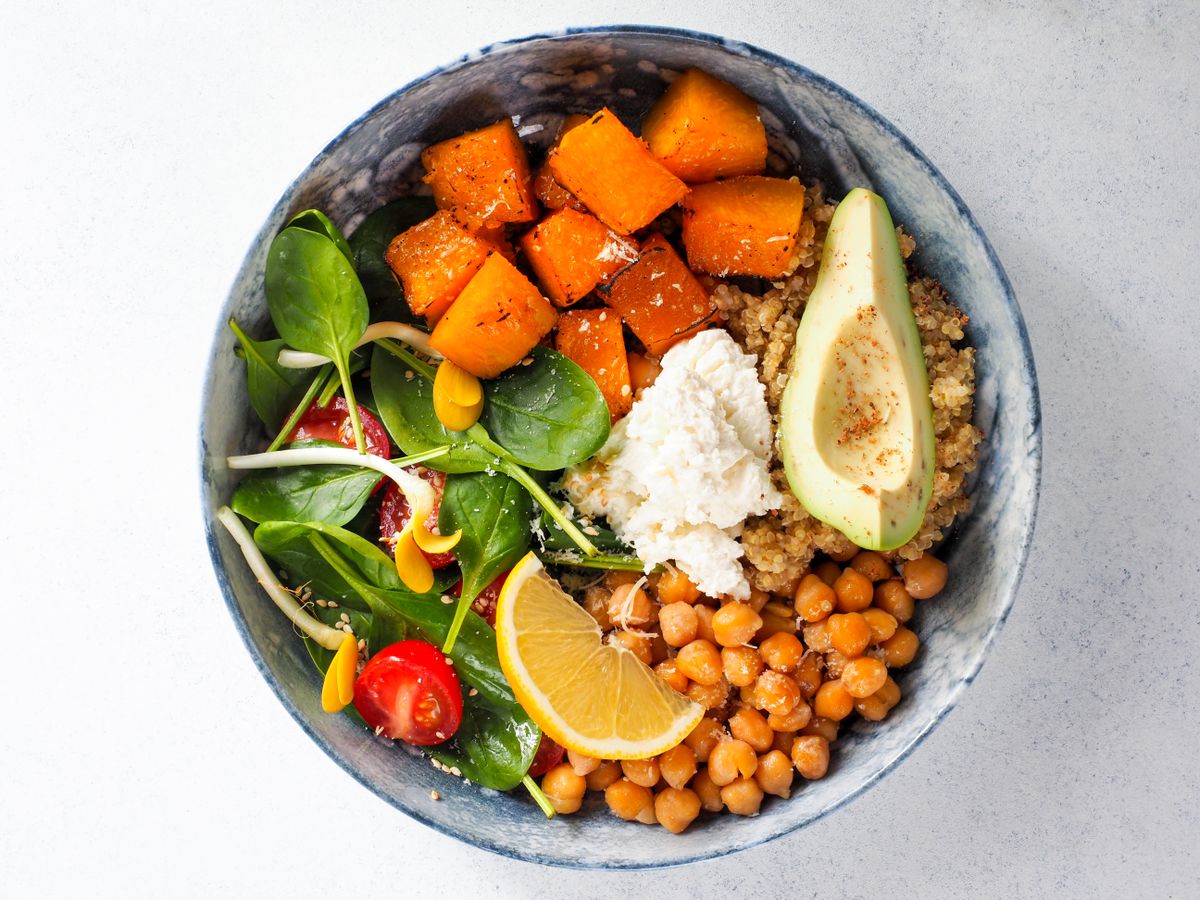
- Iron-fortified cereal with fortified soya drink and a small glass of orange juice.
- Lentil dhal with tomatoes, peppers and spinach, eaten with wholemeal chapati.
- Hummus and wholemeal pitta with strips of red pepper.
- Tofu stir-fry with broccoli and spring greens, finished with a squeeze of lemon.
- Porridge with pumpkin seeds and chopped dried apricots, with your cup of tea saved for between meals.
Get a discount on the thinning hair range
Join the Watermans mailing list and we will email a discount code straight to your inbox, so you can try the thinning hair range for less. Made in the UK, over 6.5 million bottles sold since 2012.
Why should you not take iron supplements without a blood test?
You should not take iron supplements without a blood test because shedding has many causes besides low iron, extra iron does nothing useful when your stores are already normal, higher amounts cause unpleasant side effects, and a genetic condition called haemochromatosis makes some people store too much iron already.
The NHS says most people get enough iron from a varied diet, and that 17mg or less a day from supplements is unlikely to cause harm. Above 20mg, side effects include constipation, sickness and stomach pain, and very high amounts can be fatal, particularly for children, so keep iron out of their reach. The BDA adds that people with haemochromatosis cannot lower their iron through diet, which is one more reason to know your levels first.
Zinc is similar. The NHS advises against more than 25mg a day of zinc supplements unless a doctor recommends it, because high amounts reduce how much copper the body absorbs, which can lead to anaemia and weaker bones.
The simple route is a full blood count from your GP, the usual NHS first check for iron deficiency anaemia, which also looks for B12 and folate deficiency anaemia. Our Northampton guide to the blood tests to ask your GP for explains what to request and why.

A sugar-free, vegan mixed-berry gummy with biotin and zinc, which contribute to the maintenance of normal hair. At £22.95 for two a day, it is a food supplement for use alongside a varied, balanced diet, not a replacement for anything your GP advises.
Is it shedding, breakage or genuine hair loss?
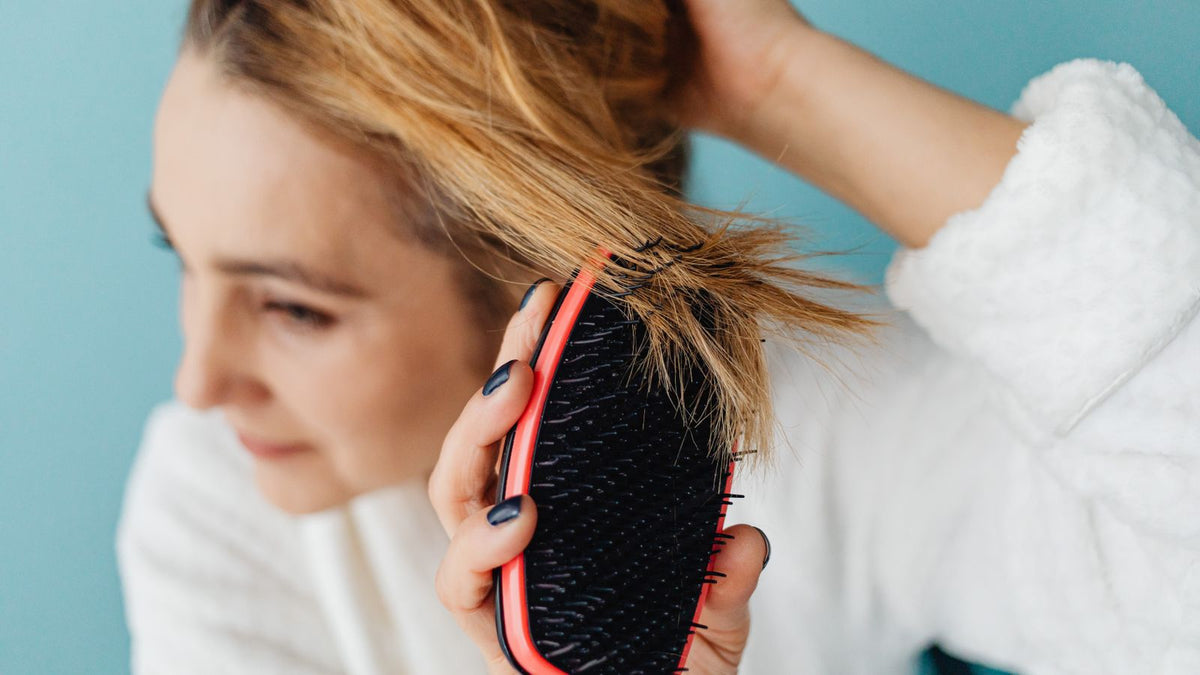
Shedding, breakage and genuine hair loss can look alike in a hairbrush but mean very different things: shedding is whole hairs released early from the growth cycle, breakage is the fibre snapping part-way along its length, and genuine hair loss is a follicle producing finer, shorter hairs over time.
- Hair shedding. Whole hairs, often with a tiny pale bulb at the root, released all over the scalp.
- Hair breakage. Short snapped pieces and split ends, usually from heat, friction or colouring rather than diet.
- Hair loss. A widening parting, thinner ponytail or receding temples developing slowly, as in pattern hair loss, which the NHS says usually runs in families.
The British Association of Dermatologists (BAD) explains that normally about 15% of scalp hairs are in the shedding phase, and that in telogen effluvium this rises to 30% or more, often suddenly and around 3 months after a trigger. Marked weight loss and extreme dieting are on its list of triggers. The shedding phase lasts 3 to 6 months before new hair starts to grow, and the BAD notes it can come back if an underlying cause such as iron deficiency is left unaddressed. For context, the NHS says losing 50 to 100 hairs a day is normal.
Keep washing as normal while shedding settles. The BAD notes that shedding is most noticeable after washing or brushing, but those hairs have already let go, so washing less does not keep them in.

A vegan, sulfate-free 250ml shampoo with biotin, caffeine, rosemary and niacinamide, for a gentle scalp clean that helps hair look and feel fuller while your diet settles.
| What you notice | Most likely | Sensible first step |
|---|---|---|
| Whole hairs coming out all over, 2 to 4 months after changing diet | Shedding (telogen effluvium) | GP blood test, keep eating well and allow 3 to 6 months |
| Short snapped pieces and split, rough ends | Breakage | Gentler drying and styling, conditioner on the lengths |
| Parting widening or temples receding over years | Pattern hair loss | GP first, then a registered trichologist |
| Smooth, round bald patches | Needs a proper look | GP promptly |
Our guide to what causes telogen effluvium covers the full list of triggers and the recovery timeline. If going plant-based also meant losing weight quickly, our Wolverhampton guide to shedding after rapid weight loss looks at that trigger on its own.

Breakage you can influence from the outside: detangle from the ends up, blot rather than rub with a towel, and keep heat low.

A conditioner with cholesterol, shea butter and hydrolysed lupine protein. Comb it through the mid-lengths and ends to ease detangling and reduce breakage.
When should you see a GP before a trichologist?
You should see a GP before a trichologist whenever shedding comes with tiredness, breathlessness, a pounding heartbeat, pale skin, pins and needles or a sore red tongue, because the NHS lists these among the signs of iron or vitamin B12 deficiency anaemia, and only a blood test can confirm either one.
The NHS lists tiredness, shortness of breath, noticeable heartbeats, paler skin and headaches as the main signs of iron deficiency anaemia, with hair loss, meaning more hair coming out when brushing or washing, among the less common ones. For vitamin B12 or folate deficiency it lists extreme tiredness, pins and needles, a sore and red tongue, mouth ulcers, muscle weakness and problems with vision. The NHS says a lack of B12 in the diet is uncommon, but can happen on a vegan diet without supplements or fortified foods, and that acting early matters because some of the problems it causes can become permanent. There is more on perifollicular fibrosis in a separate guide.
See your GP first if
You are shedding and also exhausted, breathless or pale; you have pins and needles, a sore tongue or mouth ulcers; your periods are heavy; you have lost weight quickly; you notice smooth bald patches; or you have been vegan for a while without a regular B12 source. The NHS advises seeing a GP to get an idea of what is behind your hair loss before thinking about a commercial hair clinic.
Do this before contacting any of the trichologists Ipswich searches list. A trichologist cannot order NHS blood tests, and the results shape any sensible next step.
What can a trichologist add for someone eating plant-based?
A trichologist can add a detailed look at your scalp and hair under magnification, a careful history of your diet, routine and recent life events, and progress tracking over several months, which is most useful once your GP has found your blood results normal but the shedding or thinning continues. Smoking, sleep and alcohol belong in that history as well, and our High Wycombe guide to everyday habits and hair sets out what the evidence shows for each. For a related angle, see our guide to does smoking cause hair loss.
- What a trichologist can do. Examine the scalp closely, do a hair pull test, photograph the parting and crown, and review your food diary and routine.
- What they cannot do. Order NHS blood tests or supply medicines; most trichologists are not doctors.
- Who handles the diet itself. A registered dietitian is the specialist for planning a plant-based diet. The BDA suggests asking your GP for a referral or finding a private dietitian through its directory.
For many people searching for trichologists Ipswich after going vegan, the more useful first specialist is actually a dietitian, with a trichologist brought in if the hair has not settled after 6 months of good eating and normal blood results.
How do you check the trichologists Ipswich searches bring up?
Trichologists Ipswich searches bring up are almost all private practitioners, and the quickest check is whether they belong to a recognised body: the Institute of Trichologists publishes a Find a Trichologist register and the Trichological Society is the other main UK body, so ask for their membership details and confirm them yourself.
For a plant-based eater, three questions separate a careful practitioner from a salesperson:
- Will you ask about my diet and look at any recent blood results from my GP?
- If you suspect a deficiency, will you send me back to my GP rather than sell me supplements?
- Are the products you suggest vegan, and can I carry on with my own?
We sell hair care and a hair supplement, so weigh our view accordingly. Grow Me shampoo is vegan, and Watermans hair care is made in the UK, with over 6.5 million bottles sold since 2012. They are cosmetic, and no shampoo or gummy makes up for a diet missing iron or B12.
What are the most frequently asked questions about vegan diets and hair?
Should I contact trichologists Ipswich if my hair is shedding after going vegan?
Not straight away. Start with your GP, who can arrange a full blood count covering iron, B12 and folate, and check that your diet includes pulses, fortified foods and a B12 source. A registered trichologist is most useful if results are normal and shedding continues beyond 6 months.
How long after changing my diet would shedding start?
Usually a few months later. The British Association of Dermatologists says telogen effluvium shedding often begins around 3 months after a trigger such as marked weight loss or extreme dieting, and the shedding phase lasts 3 to 6 months before new hair starts to grow.
Should vegans take a vitamin B12 supplement?
Most vegans need a reliable source. The NHS says vegan B12 sources are limited and a supplement may be needed, and both the BDA and The Vegan Society say fortified foods and supplements are the only reliable sources. Adults need about 1.5 micrograms a day.
Should I take iron tablets for shedding?
Not without a blood test. Shedding has many causes, extra iron does nothing useful if your stores are normal, and the NHS says doses above 20mg can cause constipation, sickness and stomach pain. People with haemochromatosis already store too much iron. Ask your GP first.
Do hair vitamins help if I am not deficient?
Probably not. A 2017 review found no proven benefit from nutrient supplements in people without a documented deficiency, and warned that some can make shedding worse. Biotin, zinc and selenium contribute to the maintenance of normal hair, so a vegan gummy can top up a varied diet, not replace it.
Which plant foods are best for healthy hair?
A mix works best. Lentils, beans, chickpeas, tofu and tempeh give protein and iron; nuts, seeds and wheatgerm add zinc; leafy greens and dried fruit add more iron; and fortified cereals and plant drinks can cover B12 and iodine. Add vitamin C at the same meal.
Sources & references
- NHS, The vegan diet
- NHS, Vitamins and minerals: Iron
- NHS, Vitamins and minerals: B vitamins and folic acid
- NHS, Vitamins and minerals: Others (including zinc)
- NHS, Vitamins and minerals: Iodine
- NHS, Iron deficiency anaemia
- NHS, Vitamin B12 or folate deficiency anaemia
- NHS, Hair loss
- British Dietetic Association, Plant-based diet food fact sheet
- British Dietetic Association, Iron food fact sheet
- British Association of Dermatologists, Telogen effluvium
- The Vegan Society, Vitamin B12
- GOV.UK, Great Britain nutrition and health claims (NHC) register
- Almohanna HM et al. The Role of Vitamins and Minerals in Hair Loss: A Review. Dermatol Ther (Heidelb), 2019
- Guo EL, Katta R. Diet and hair loss: effects of nutrient deficiency and supplement use. Dermatol Pract Concept, 2017
- The Institute of Trichologists, Find a Trichologist
- The Trichological Society
What is the bottom line on trichologists Ipswich?
A plant-based diet is not bad for your hair, but an unplanned one can be. Build meals around pulses, soya, wholegrains, nuts, seeds and greens, pair iron with vitamin C and have a daily B12 source. If shedding starts, see your GP for a blood test rather than guessing with iron, and save the trichologists Ipswich searches bring up for shedding that persists once results are normal. If your question is about products or a routine rather than a medical one, you can talk to Gail Waterman, our co-founder, as an AI avatar on the Watermans homepage.
If you want a simple top-up alongside a well-planned plant-based diet, vegan hair vitamins such as GrowPro provide biotin and zinc, which contribute to the maintenance of normal hair, in two sugar-free gummies a day.
Watermans products are 100% cosmetic and do not treat medical hair loss. Individual results may vary.