Trichologist Wolverhampton: Hair Shedding After Rapid Weight Loss
Hair coming out in handfuls a few months after a diet that finally worked? The two are very often connected.
If you searched for a trichologist Wolverhampton residents can see because your hair began falling out two to four months after a crash diet, a very low calorie plan or fast weight loss, the likeliest explanation is telogen effluvium. The sudden shortfall in energy and protein pushed many growing hairs into their resting phase at once, and they are now shedding together. DermNet says the fall usually tapers back to normal over six to nine months. See your GP first, and add a trichologist if it lingers.
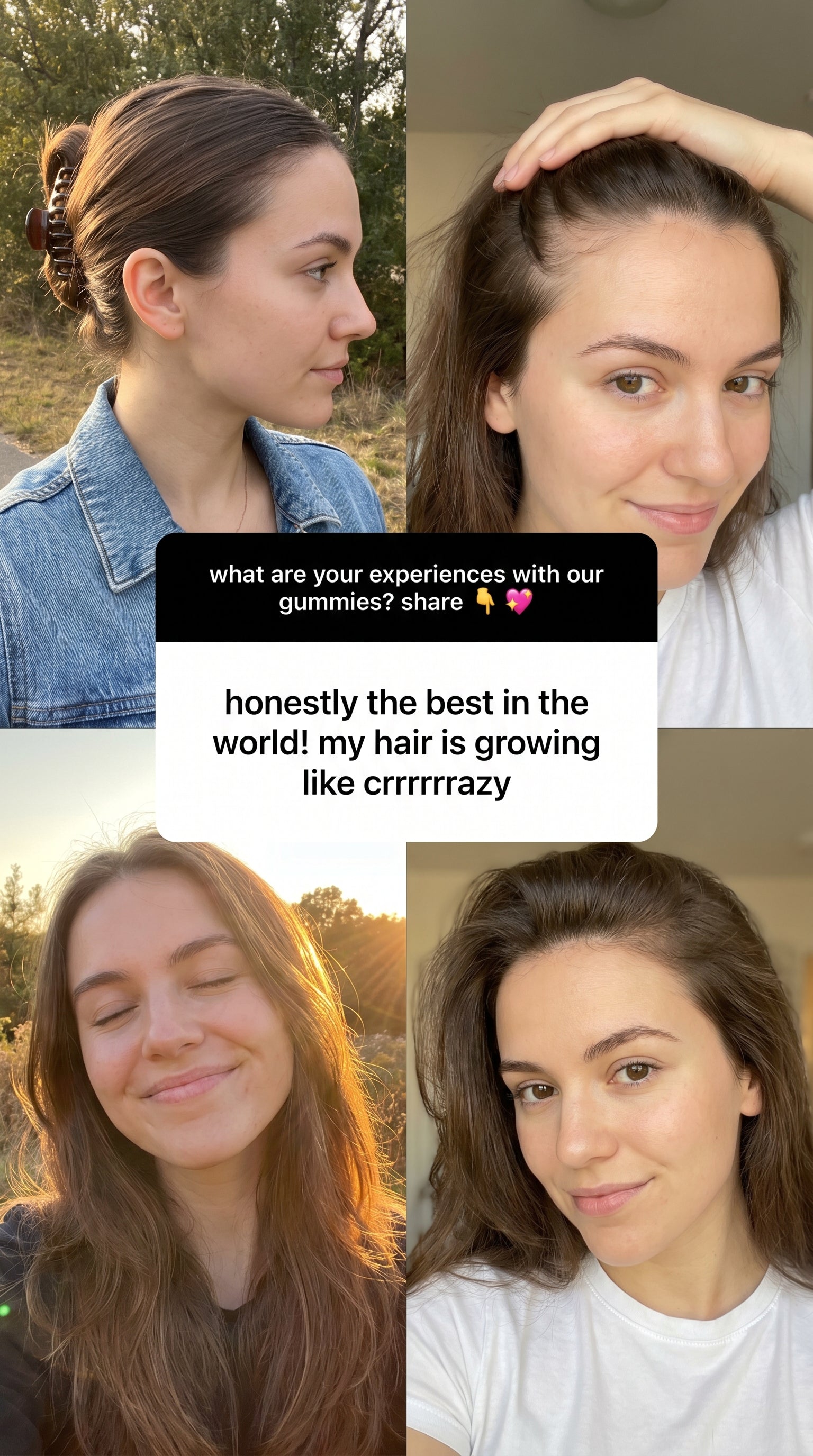
Our hair, skin and nails gummies
GrowPro® Hair, Skin & Nails Gummies, £22.95. Sugar free daily gummies for people who would rather chew than swallow a tablet, supporting hair care from the inside out.
Key takeaways
- Crash dieting and low protein intake are recognised shedding triggers, and DermNet says the extra hair fall appears two to four months later.
- The NHS suggests losing 0.5 to 1kg (1 to 2lb) a week and advises against losing weight suddenly with diets.
- UK guidance puts adult protein needs at 0.75g per kg of body weight, and the NHS sets iron at 14.8mg a day for women aged 19 to 49.
- Shed hairs come out whole with a club-shaped root, snapped hairs are short with blunt ends, and pattern thinning means finer hair.
- See your GP first. A trichologist Wolverhampton residents can see privately is most useful when blood results are normal but shedding carries on.
Why can a crash diet make your hair fall out months later?
A crash diet can make your hair fall out months later because a sudden drop in calories and protein pushes a large share of growing hairs into their resting phase at the same time, and resting hairs stay in the follicle for two to four months before new growth underneath pushes them all out together. If your weight loss came with a heavy training regime, our Sunderland guide to gym, sport and hair covers sweat, helmets, supplements and cutting diets.
The British Association of Dermatologists (BAD) says around 85% of scalp follicles are growing at any moment and 15% are resting. In telogen effluvium, the medical name for this shedding, the resting share climbs to 30% or more. The BAD names marked weight loss and extreme dieting as triggers, and StatPearls, on the NCBI Bookshelf, lists crash dieting and low protein intake.
A 1976 report in JAMA described nine crash dieters who lost between 11.7kg and 24.75kg and began shedding heavily two to five months into their programme. Their hair grew back within several months, and the authors blamed a severe calorie shortfall leaving the hair's busy growing cells short of energy.

The delay is what catches people out: a strict plan started in early January puts DermNet's two to four month window between March and May, when the diet may be long over. If your shedding followed a fever, an operation or a hospital stay instead, our Derby guide to hair shedding after illness or surgery covers that trigger. And if what you find is short snapped pieces rather than whole hairs, that is more likely breakage, which our Telford guide to detangling hair without snapping it explains. Everyday habits get blamed as well, and our West Bromwich guide to common hair myths explains why hats and daily washing are not behind thinning hair.
How fast is too fast when you are losing weight?
Losing weight faster than about 0.5 to 1kg (1 to 2lb) a week is quicker than the NHS suggests, and the NHS weight loss advice specifically warns against losing weight suddenly with diets and against skipping meals, both habits close to the crash dieting that StatPearls lists as a trigger for telogen effluvium.
No source names an exact speed at which shedding begins, and supervision does not remove the risk: a 2025 meta-analysis in Obesity Surgery pooled 41 studies of 7,044 people and found hair loss in 47% after weight-loss surgery. The BAD and DermNet describe weight loss itself as the trigger, so fast weight loss with weight-loss medicines your GP or pharmacist supplies can be followed by the same pattern. Never stop or change a medicine without talking to them first.
A quick self-check before you blame your shampoo
In the months before the shedding, did you eat far below the NHS averages of about 2,000 calories a day for women or 2,500 for men, skip meals, cut out a food group or lose over 1kg a week? Write it down with rough dates for your GP or a trichologist.
For steadier support, the NHS says you may be able to refer yourself to an NHS weight management service without seeing a GP: ask at your Wolverhampton surgery reception, check its website or contact your local integrated care board.
Which nutrients matter most for hair when you cut calories?
The nutrients that matter most for hair when you cut calories are enough overall energy, enough protein and enough iron, because StatPearls names crash dieting, low protein intake and iron deficiency as separate triggers of telogen effluvium, and DermNet adds vitamin B12 and folate to the levels worth checking when shedding is heavy.
- Energy. The NHS Eatwell Guide puts average needs at around 2,000 calories a day for women and 2,500 for men.
- Protein. The British Nutrition Foundation (BNF) sets 0.75g per kg of body weight: about 45g a day for a 60kg woman and 56g for a 75kg man.
- Iron. The NHS sets 14.8mg a day for women aged 19 to 49 and 8.7mg for men and women over 50. Heavy periods raise the risk of running low.
| Food (BNF figures) | Protein per 100g |
|---|---|
| Chicken breast, grilled, no skin | 32.0g |
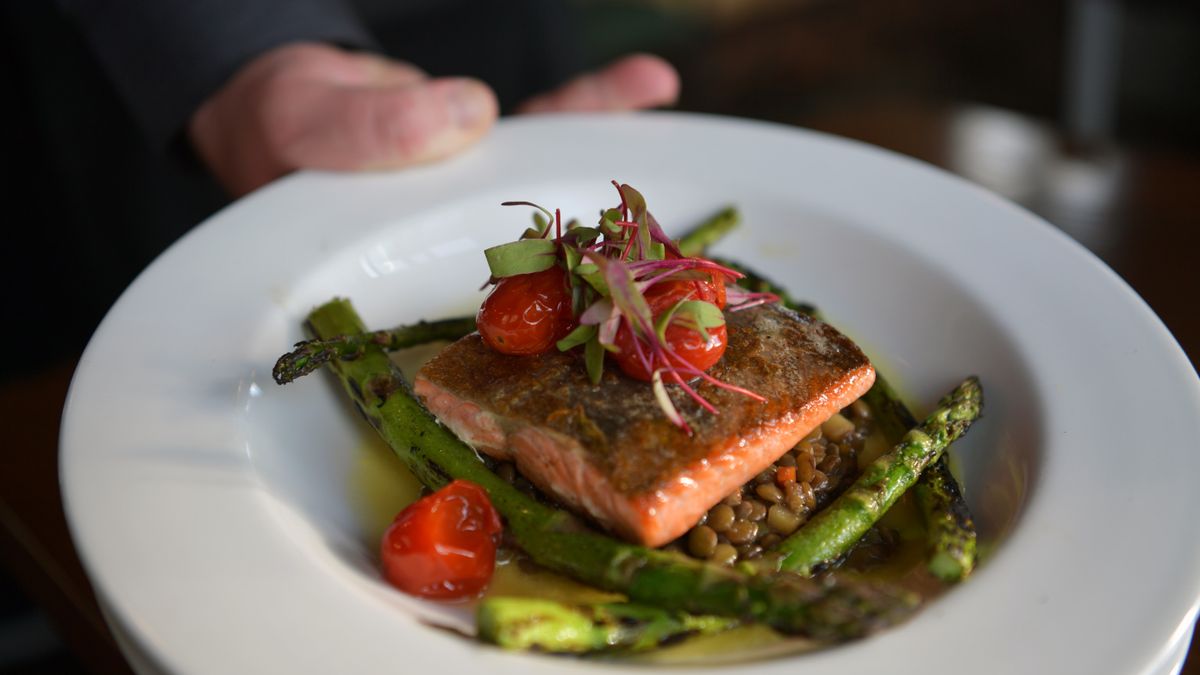
| Salmon, grilled (an oily fish) | 24.6g |
| Egg, boiled | 14.1g |
| Tofu, steamed | 8.1g |
| Red lentils, boiled | 7.6g |
| Chickpeas, canned (also an NHS iron source) | 7.2g |
Research on diet and hair is thinner than online claims suggest. A 2026 systematic review of 17 studies linked higher vitamin D and iron with less alopecia, and more alcohol and sugary drinks with more hair loss, while calling for further research. A 2025 Cureus review linked fad diets such as ketogenic, carnivore and raw vegan regimes, and overuse of selenium and zinc supplements, with hair loss. See also why cutting carbs can trigger shedding about three months later and which nutrient gaps are genuinely linked to hair loss.
Get a discount on the hair shedding range
Join the Watermans mailing list and we will email a discount code straight to your inbox, so you can try the hair shedding range for less. Made in the UK, over 6.5 million bottles sold since 2012.
What should you eat while your hair recovers from a restrictive diet?
While your hair recovers from a restrictive diet, eat regular balanced meals built on the NHS Eatwell Guide: a protein food at every meal, at least five portions of fruit and vegetables a day, starchy foods making up just over a third of what you eat, and iron-rich foods most days.

- Slow down rather than stop. Losing 0.5 to 1kg a week, the NHS pace, still gets you there.
- Put protein on every plate. By BNF figures, a 140g portion of grilled salmon, the NHS fish portion size, gives about 34g of protein.
- Add iron most days. NHS sources include red meat, beans such as kidney beans and chickpeas, nuts, dried apricots and fortified breakfast cereals.
- Keep some carbohydrate and never skip meals. The NHS warns that skipping meals can leave you hungrier and snacking more.
- Check supplements with your GP. The BAD suggests considering supplements if your diet is restricted, for example vegan. The NHS says 17mg or less of supplemental iron a day is unlikely to cause harm.

Sugar-free vegan gummies, taken two a day, with biotin and zinc, which contribute to the maintenance of normal hair. A supplement does not replace eating enough, so keep them as an extra alongside proper meals and your GP's blood tests. Related reading: our guide to if i stop eating sugar will my hair grow back.
Is it diet shedding, pattern hair loss or hair breakage?
Diet shedding, pattern hair loss and hair breakage can all leave hair in the plughole, but diet shedding is the growth cycle releasing whole resting hairs, pattern hair loss is the follicles gradually shrinking and producing finer hairs, and breakage is the hair fibre itself snapping partway along its length.
| Sign | Diet-related shedding | Pattern hair loss | Breakage |
|---|---|---|---|
| What you find | Whole hairs with a small club-shaped root | Finer, shorter hairs building up over time | Short pieces with blunt or split ends and no root |
| Timing | Sudden, two to four months after the diet began | Gradual, over months or years | Builds up with heat, colour and tight styles |
| Where | All over the scalp | Widening parting, crown or temples | Ends, crown and wherever hair is tied |
| Usual course | Tapers back to normal over six to nine months in most cases | Ongoing without assessment | Eases once the routine gets gentler |
| First step | Eat enough again; GP blood tests if heavy | GP, then specialist assessment | Less heat, looser styles, more conditioner |
The three can overlap. DermNet notes that telogen effluvium can unmask pattern hair loss, and that repeated episodes can sometimes evolve into female pattern hair loss. Three of the nine dieters in the 1976 JAMA report had shed after several earlier diets, a good reason to step off the yo-yo.

How long does diet-related shedding take to settle?
Diet-related shedding usually settles within months rather than years: the British Association of Dermatologists says the shedding phase lasts three to six months, DermNet says hair fall tapers back to normal over six to nine months in most cases, and full volume can take many more months to return.
The sources differ a little. The BAD calls shedding chronic after six months and warns it can return if low iron is not put right, while DermNet notes recovery is incomplete in some people. A fine fringe of new hair along the hairline often shows the cycle has turned.
How should you care for your hair while diet shedding settles?
Caring for your hair while diet shedding settles means washing as normal with a gentle shampoo, conditioning every time and removing extra strain on the fibre, because the British Association of Dermatologists advises avoiding harsh brushing, limiting heated tools and avoiding bleaching, relaxing and tight hairstyles when shedding is heavy.
- Keep washing. The hairs in the shower were already resting, so skipping a wash only saves them up for next time.
- Condition every time. Detangle from the ends upwards with a wide tooth comb, so hairs slide apart rather than snap.
- Go easy on heat and tension. Air dry most of the way and swap tight bands for soft scrunchies.
- Disguise, do not panic. The BAD mentions camouflaging hair fibres and volumising shampoo as ways to make thin areas look fuller.

A sulfate-free 250ml shampoo with biotin, caffeine, rosemary, niacinamide, hydrolysed lupine protein and argan oil. It cleanses gently, so you can keep washing as normal while shedding settles, and helps hair look and feel fuller.

A conditioner with cholesterol, shea butter, glycerin and hydrolysed lupine protein. It adds slip so fewer hairs snap while you detangle, which keeps breakage from piling on top of the shedding.
Which GP checks make sense after a crash diet?
The GP checks that make most sense after a crash diet are a full blood count, ferritin for your iron stores, thyroid function, and vitamin B12 and folate, because DermNet advises correcting any problem with these, and the NHS lists noticing more hair when brushing or washing among the less common symptoms of iron deficiency anaemia.
- Full blood count. The NHS says a GP will usually start here to look for anaemia.
- Ferritin. StatPearls explains that hair can shed before the blood count changes, and that inflammation can make ferritin read normal even when iron is low.
- Thyroid function. StatPearls advises a thyroid test when shedding comes with tiredness, constipation, weight gain or feeling the cold.
- Vitamin B12 and folate. DermNet lists both, and they matter more if your diet cut out animal foods.
The NHS advises seeing a GP about the cause of hair loss before going to a commercial hair clinic. Bring those results to any later trichologist Wolverhampton visit, so the fee goes on what blood tests cannot show.
When does a trichologist Wolverhampton based add something your GP cannot?
A trichologist Wolverhampton residents can see privately adds most when your blood tests come back normal but shedding carries on past six months, when you cannot tell diet shedding from early pattern thinning or breakage, or when you want your scalp examined under magnification and your hair measured over several months.
Expect a detailed history, including your diet and weight over the past year, a look at your scalp and shed hairs under magnification and perhaps a gentle pull test. Trichologists cannot run NHS blood tests, and a reputable one will send you back to your GP when needed.
Check that a practitioner is a member of the Institute of Trichologists or the Trichological Society, and ask what the fee covers. Many people in Wolverhampton and the wider Black Country also look to neighbouring Birmingham, and our Birmingham guide to checking the register and what a visit costs explains how to choose.
Take a food and hair diary with you
Note when the diet started, how much weight you lost and how fast, what you cut out, any supplements or medicines and when shedding began, plus dated photos of your parting taken in the same light.
When should you see a GP straight away?
See a GP promptly rather than waiting if shedding comes with smooth bald patches, a sore, red or scaling scalp, shiny scarred skin, or signs such as extreme tiredness, breathlessness, dizziness or feeling cold all the time, and see a GP as soon as you can if food, weight or eating has started to feel out of control.
The NHS lists tiredness, shortness of breath, palpitations and paler skin among iron deficiency anaemia symptoms. If you think you may have an eating disorder, the NHS says to see a GP as soon as you can; signs include eating very little, very strict routines around food, and feeling cold, tired or dizzy.
We sell hair care, so weigh our view accordingly. Our range is made in the UK and has sold over 6.5 million bottles since 2012. It is cosmetic: it reduces breakage and helps hair look and feel healthier, but it cannot make up for a diet that is too restrictive.
Frequently asked questions
Should I see a trichologist Wolverhampton based for shedding after a diet?
Start with your GP, who can check your blood count, ferritin and thyroid on the NHS. If results are normal but heavy shedding lasts beyond six months, a trichologist who belongs to the Institute of Trichologists or the Trichological Society can examine your scalp under magnification and track it.
How long after a crash diet does hair start falling out?
DermNet says increased hair fall usually appears two to four months after the trigger, and StatPearls gives a range of one to six months. In a 1976 JAMA report, nine crash dieters began shedding two to five months into their programme, so the link is easy to miss.
Will my hair grow back after diet-related shedding?
In most cases, yes. The follicles keep working: the British Association of Dermatologists says the shedding phase lasts three to six months before new hair grows, and DermNet says hair fall tapers back to normal over six to nine months. Full volume can take longer.
How much protein should I eat while losing weight?
The British Nutrition Foundation puts adult needs at about 0.75g of protein per kg of body weight, around 45g a day for a 60kg woman and 56g for a 75kg man. Spreading beans, lentils, fish, eggs, dairy, tofu or lean meat across your meals makes that easy.
Do hair gummies make up for a restrictive diet?
No. Biotin and zinc contribute to the maintenance of normal hair, but a supplement cannot replace the energy, protein and iron a restrictive diet leaves out. A 2025 review also linked overuse of zinc and selenium supplements with hair loss, so eat enough first.
Can weight-loss medicines lead to the same kind of shedding?
The British Association of Dermatologists and DermNet list weight loss itself as a trigger, not any particular method, so fast weight loss with weight-loss medicines your GP or pharmacist supplies can be followed by the same shedding. Never stop or change a medicine without speaking to them first.
Sources & references
- NHS, Hair loss
- NHS, Iron deficiency anaemia
- NHS, Vitamins and minerals: Iron
- NHS, The Eatwell Guide
- NHS, Tips to help you lose weight
- NHS, Eating disorders: overview
- British Nutrition Foundation, Protein
- British Association of Dermatologists, Telogen effluvium
- DermNet, Telogen effluvium (hair shedding)
- StatPearls, Telogen Effluvium (NCBI Bookshelf)
- Goette DK, Odom RB. Alopecia in crash dieters. JAMA, 1976
- Taghizadeh N et al. Hair Loss and Metabolic and Bariatric Surgery: An Updated Systematic Review and Meta-analysis. Obes Surg, 2025
- Gomes N et al. Assessing the relationship between dietary factors and hair health: A systematic review. Nutr Health, 2026
- Parga AD, Coven H. When Diet Trends Go Viral: Cutaneous Manifestations of Social Media-Driven Fad Diets and Supplements. Cureus, 2025
- The Institute of Trichologists
- The Trichological Society
What is the bottom line on trichologist Wolverhampton?
Hair that starts falling out two to five months after a crash diet or fast weight loss is most likely telogen effluvium, and it usually settles within months once you eat enough again. Before paying for a trichologist Wolverhampton residents can see privately, ask your GP for blood count, ferritin, thyroid, B12 and folate checks, and put protein and iron back on your plate. If shedding runs past six months, comes with patches or a sore scalp, or looks like thinning at the parting, a registered trichologist earns the fee. If your question is about products or a routine rather than a medical one, you can talk to Gail Waterman, our co-founder, as an AI avatar on the Watermans homepage.
Once proper meals are back, sugar-free vegan hair gummies such as GrowPro add biotin and zinc, which contribute to the maintenance of normal hair, as an extra alongside eating enough, never instead of it.
Watermans products are 100% cosmetic and do not treat medical hair loss. Individual results may vary.