

The Best Anti-Ageing Ingredients, Ranked by the Evidence
There is no single best anti-ageing product, and any article promising one is selling something. Two things have genuinely strong evidence behind them: daily broad-spectrum sunscreen, which is the only anti-ageing intervention tested in a long randomised trial, and a retinoid, which has decades of data for smoothing lines and improving texture. Everything else, including peptides, collagen drinks and expensive creams, sits somewhere between mildly helpful and cosmetic. This article ranks them honestly.
Last updated: August 2026
Key takeaways
- Most visible facial ageing is caused by sun exposure rather than the passage of time, which is why sunscreen outranks every cream.
- A randomised trial in Australia, published in Annals of Internal Medicine in 2013, found daily sunscreen users showed about 24 percent less skin ageing over four and a half years than discretionary users.
- Prescription tretinoin has the strongest evidence of any topical for fine lines. Over-the-counter retinol works in the same way but more slowly and more weakly.
- Vitamin C and niacinamide are worth having. Peptides are plausible but thinly evidenced, and most trials are funded by the companies selling them.
- Collagen molecules in a cream are too large to reach the dermis. Topical collagen hydrates the surface, it does not rebuild anything.
- Moisturiser improves how fine lines look by hydrating the skin. That is a real, visible effect, and it is not the same as changing skin structure.
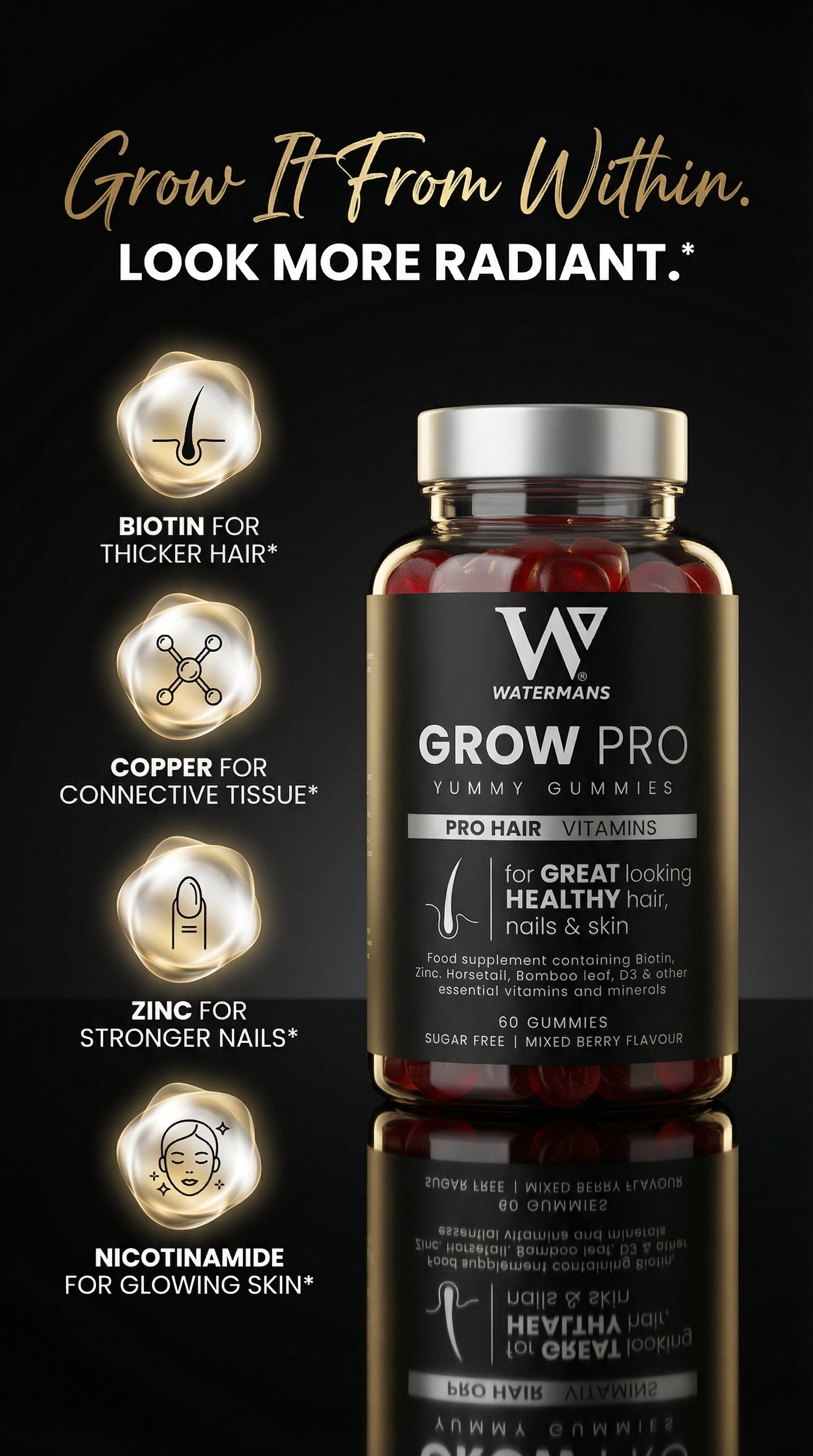
- Hair ages too: strands get finer, density falls and decades of heat and colour add breakage. Gentle cleansing and breakage control help the look far more than any single miracle product.
What actually makes skin look older?
Skin ageing has two separate drivers. Intrinsic ageing is the genetically programmed slowdown in collagen and elastin production that happens to everyone. Extrinsic ageing is damage from the outside, overwhelmingly ultraviolet light, plus smoking, pollution and poor sleep. The wrinkles, uneven pigment and leathery texture people most want to change are largely the extrinsic kind.
The clearest demonstration of this is the difference between skin that gets sun and skin that does not. Compare the skin on the inside of your upper arm with the back of your hand. Both are the same age and have had the same genes, hormones and diet. They look nothing alike, and the only meaningful variable is UV exposure. That comparison is the whole argument for where to spend your money.

Which anti-ageing ingredient has the strongest evidence?
Daily broad-spectrum sunscreen has the strongest evidence of anything you can put on your face. It is the only anti-ageing intervention that has been tested in a proper long-term randomised trial rather than a short manufacturer study, and the result was measurable prevention of visible ageing, not just a claim about hydration.
The trial that settled it ran in Nambour, Australia, and was published in Annals of Internal Medicine in 2013. Adults were randomised to daily sunscreen use or to using it at their own discretion, and skin ageing was assessed from silicone casts of the back of the hand after four and a half years. The daily group showed roughly 24 percent less skin ageing. No cream has produced a result like that under those conditions.
The practical version. An SPF 30 you apply properly and reapply beats an SPF 50 you use once and forget. Roughly two finger lengths covers the face and neck. In the UK it matters most from March to October and whenever the UV index reaches 3 or above. Backs of hands, ears and the neck age visibly and are the areas people miss most.

Do retinoids actually reduce wrinkles?
Yes, and retinoids are the best evidenced topical treatment for fine lines and photoageing. They increase the rate at which skin cells turn over and stimulate collagen production in the dermis. Prescription tretinoin has the deepest evidence base, built over several decades of dermatology research, and it works slowly rather than dramatically.
The strength ladder matters. Tretinoin and adapalene are prescription-only in the UK. Retinaldehyde sits below them and converts to the active form in one step. Retinol needs two conversion steps and is correspondingly weaker, and retinyl palmitate, which appears in a lot of budget creams, is weaker again. Expect three to six months before any of them show a visible difference, and expect a rough first month.
Retinoid safety, the parts that matter
- Do not use retinoids during pregnancy or while trying to conceive. Speak to your GP or midwife before starting or continuing any retinoid.
- Start twice a week and build up. Nightly from day one causes the peeling that makes people quit.
- Retinoids increase sun sensitivity, so daily sunscreen is not optional alongside them.
- Apply to dry skin and moisturise over the top. That reduces irritation without meaningfully reducing the effect.
How do the main anti-ageing ingredients rank against each other?
Ranked by the quality and quantity of independent human evidence, the picture is clear: sunscreen and retinoids sit well ahead, a middle tier of vitamin C, niacinamide and alpha hydroxy acids offers real but smaller benefits, and a bottom tier of peptides, topical collagen and growth-factor creams is mostly promise.
| Tier | Ingredient | What the evidence supports | Time to see anything |
|---|---|---|---|
| 1 | Broad-spectrum sunscreen | Prevention of visible ageing, shown in a randomised trial | Years, as prevention |
| 1 | Retinoids (tretinoin, retinal, retinol) | Reduced fine lines, better texture and tone | 3 to 6 months |
| 2 | Vitamin C (L-ascorbic acid) | Antioxidant protection, modest brightening of pigment | 8 to 12 weeks |
| 2 | Niacinamide | Barrier support, reduced redness, more even tone | 4 to 12 weeks |
| 2 | Alpha hydroxy acids | Smoother surface, better light reflection | 2 to 8 weeks |
| 3 | Peptides | Plausible mechanism, small and largely industry-funded trials | Uncertain |
| 3 | Hyaluronic acid | Surface hydration, temporary plumping of fine lines | Immediate but temporary |
| 3 | Topical collagen | Acts as a moisturiser, cannot reach the dermis | Cosmetic only |
What about vitamin C, niacinamide, peptides and hyaluronic acid?
These are the ingredients most heavily marketed and most often misunderstood. Vitamin C and niacinamide are genuinely worth including. Hyaluronic acid does exactly one thing well, which is hydration. Peptides are the category where the gap between the marketing and the independent evidence is widest.
- Vitamin C. Works as an antioxidant and supports collagen synthesis. L-ascorbic acid is unstable and oxidises, so a serum that has turned orange has lost potency. Keep it dark, sealed and cool.
- Niacinamide. One of the best-tolerated actives available. Supports the barrier, calms redness and evens tone. Useful precisely because almost everyone can use it without irritation.
- Peptides. The mechanism is reasonable, the human data is thin, and most studies come from the companies selling the ingredient. Not a waste of money, but not where the first fifty pounds should go.
- Hyaluronic acid. Draws water into the top layers, which makes fine lines look softer within minutes. That effect disappears when the skin dries out, and in a dry environment it needs a moisturiser sealed over it or it can make skin feel tighter.
Do collagen supplements and collagen creams work?
Topical collagen cannot work the way the marketing implies. The collagen molecule is far too large to pass through the outer layer of skin into the dermis where structural collagen lives, so a collagen cream functions as a perfectly decent moisturiser and nothing more. Oral collagen peptides have a more interesting but still modest evidence base.
The oral trials generally report small improvements in skin hydration and elasticity, and most of them are funded by collagen manufacturers, which is a real limitation rather than a technicality. If you enjoy taking them, the risk is low. If you are choosing between a collagen supplement and a sunscreen habit, the sunscreen is not a close call.

Does a moisturiser do anything for ageing skin?
Yes, but it is worth being precise about what. A good moisturiser restores water to the outer layers and supports the barrier, and well-hydrated skin reflects light better and makes fine lines noticeably less visible. That is a genuine, immediate, visible improvement. It is not the same thing as changing the structure of the skin, and no moisturiser should claim it is.
Where a richer, butter-based cream earns its place is on the areas that show age soonest and get the least attention: the backs of the hands, the neck, elbows and the drier parts of the face. Hands in particular are where UV damage and dryness compound, and they are almost always left out of a face-focused routine.

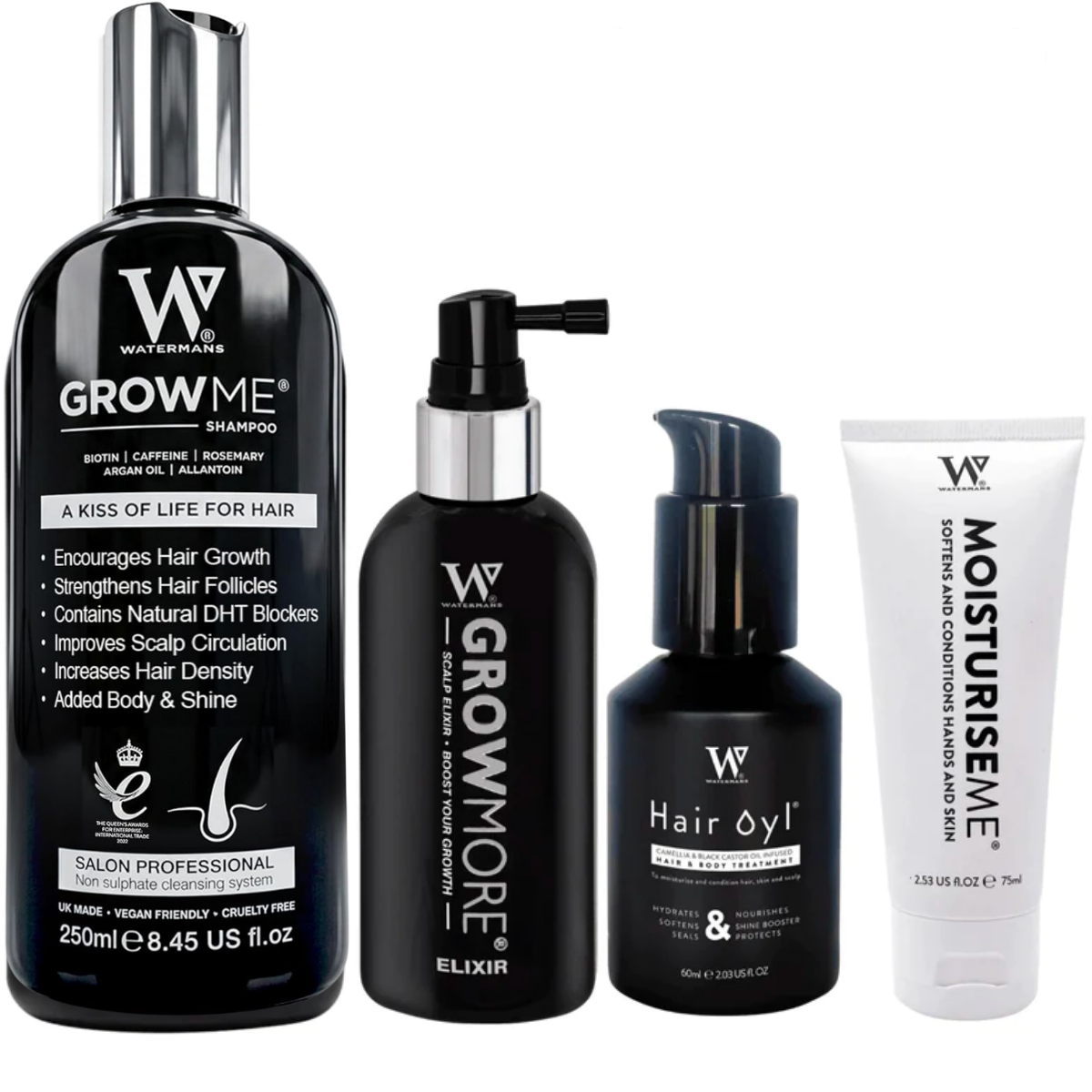
Plumping Moisturise Me® Face & Hand Cream, £15.00
Cupuacu, shea and cocoa butters with allantoin and almond oil. A cosmetic moisturiser for face and hands: it hydrates and softens the look of fine lines. It does not rebuild collagen, and we will not pretend otherwise. Vegan and made in the UK.
View Moisturise MeIf dryness is the main thing making your skin look tired, our guide to caring for dry skin in winter covers barrier repair in more detail, and how to rescue dry hands deals with the area that ages fastest and gets the least care.
What does an evidence-led routine actually look like?
A routine that reflects the evidence is short. Sunscreen every morning, a retinoid a few nights a week, a moisturiser to keep both tolerable, and optionally vitamin C in the morning or niacinamide at any point. Adding a seventh step rarely improves anything and often causes the irritation that undoes the rest.
| When | Essential | Optional | Skip |
|---|---|---|---|
| Morning | Gentle cleanse, moisturiser, SPF 30 or higher | Vitamin C serum before moisturiser | Acids and retinoids in daylight |
| Evening | Cleanse, retinoid on dry skin, moisturiser | Niacinamide, or an AHA on non-retinoid nights | Two actives on the same night |
| Weekly | Nothing extra is required | A hydrating mask if skin feels tight | Physical scrubs |
| Always | Include neck, ears and backs of hands | Hat and shade in strong sun | Sunbeds, without exception |

What happens to hair as you age, and what helps?
Hair ages in three separate ways, and they need different responses. Individual strands get finer as follicles shrink, overall density falls, and the pigment cells that colour hair gradually stop working, which is what produces grey. On top of that sits decades of accumulated damage from heat, colour and brushing, which is the part most within your control.
- Finer strands. A gradual reduction in the diameter of each hair, which makes the same number of hairs look thinner. Hormonal shifts around the menopause accelerate it for many women.
- Lower density. Fewer actively growing follicles at any one time. Sudden or patchy loss is different and warrants a GP or trichologist appointment rather than a shopping trip.
- Greying. Driven by the exhaustion of pigment-producing cells in the follicle. Nothing sold cosmetically reverses it, whatever the packaging says.
- Accumulated damage. Mid-lengths and ends on long hair may be several years old. Reducing breakage keeps length and makes hair look denser, which is the fastest visible win available.
The realistic goal with mature hair is the same as with mature skin: protect what you have and improve how it looks, rather than chase reversal. Our guide to what mature hair actually needs from a shampoo goes into the detail, what causes thinning hair covers the medical side, and how to make hair look thicker is the practical short-term version.

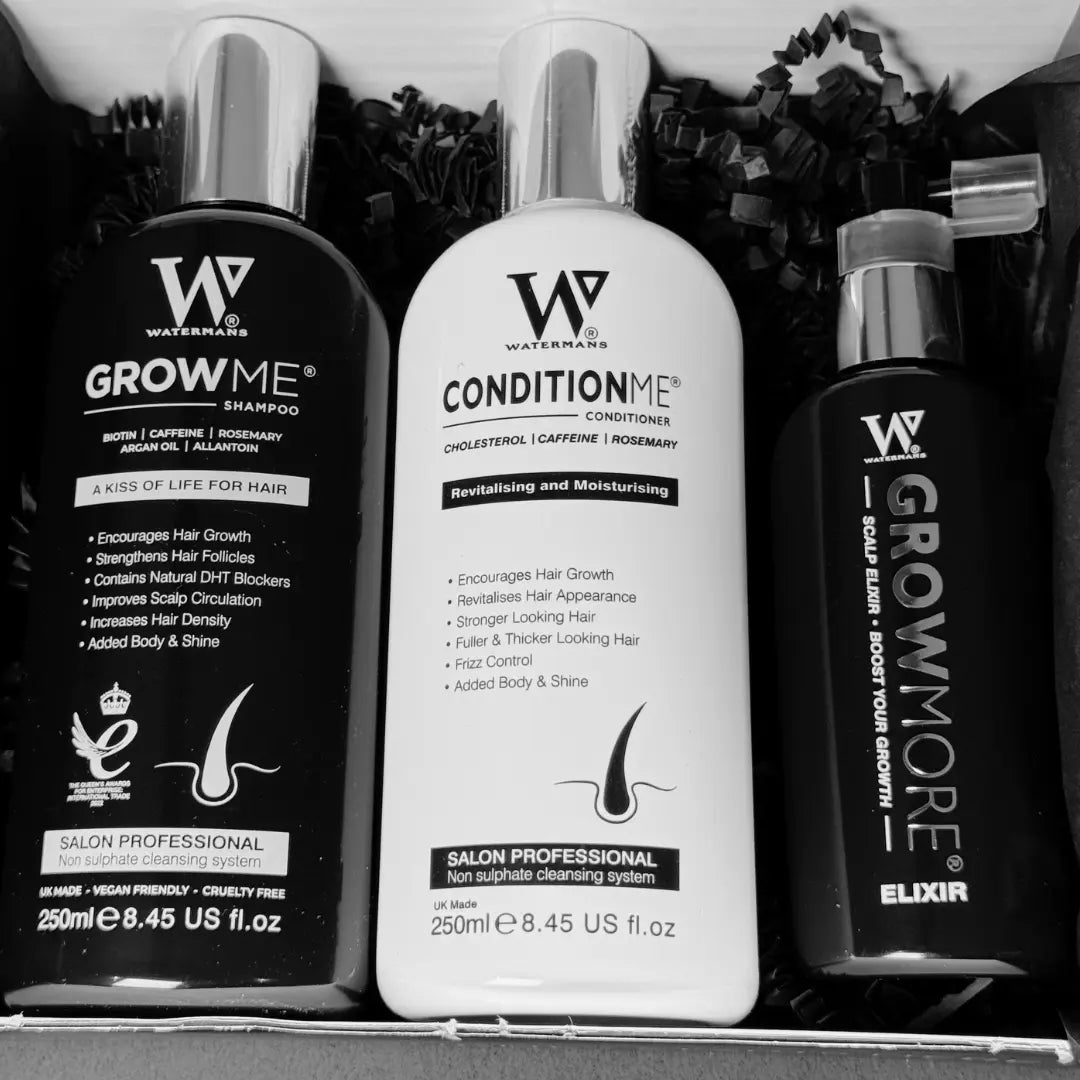
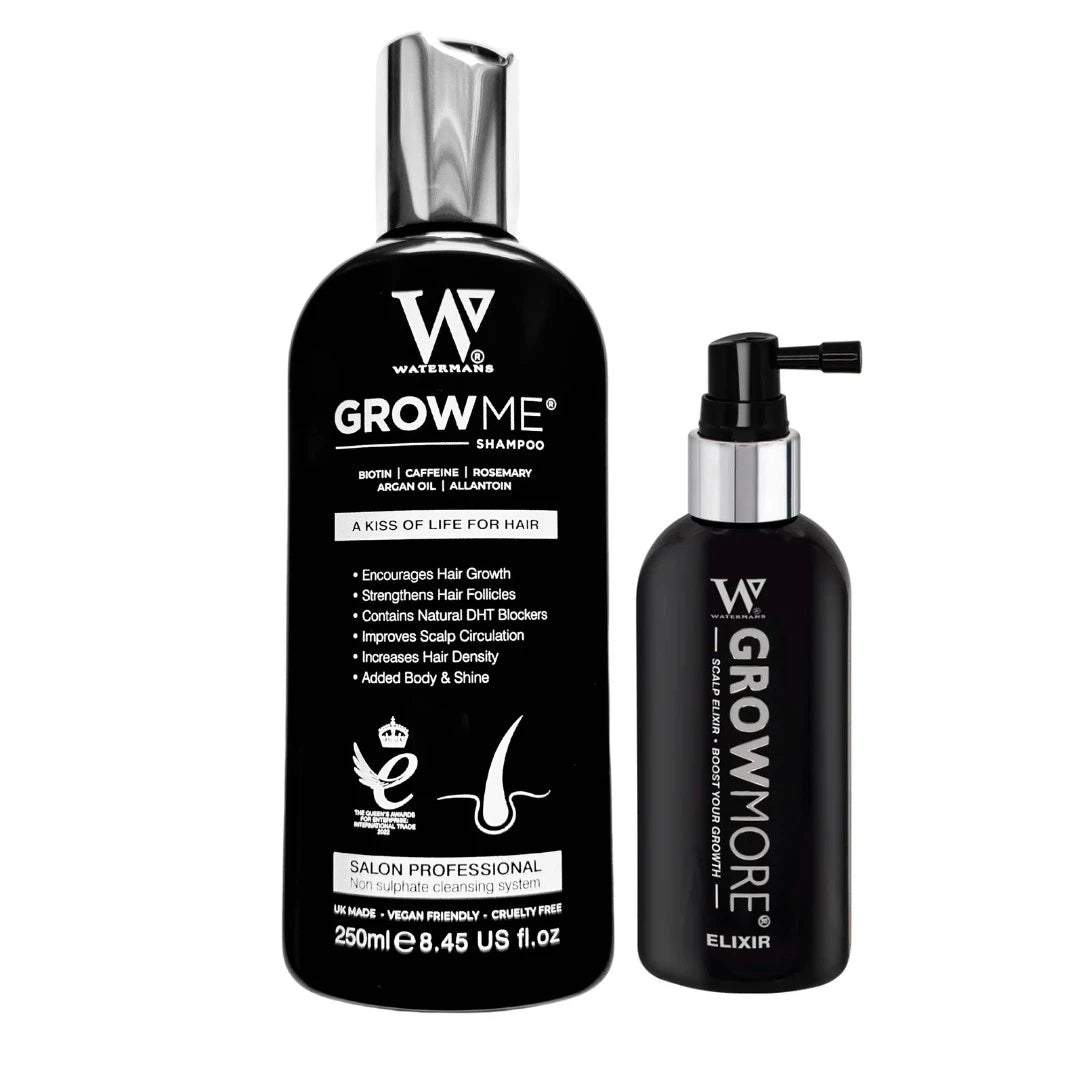
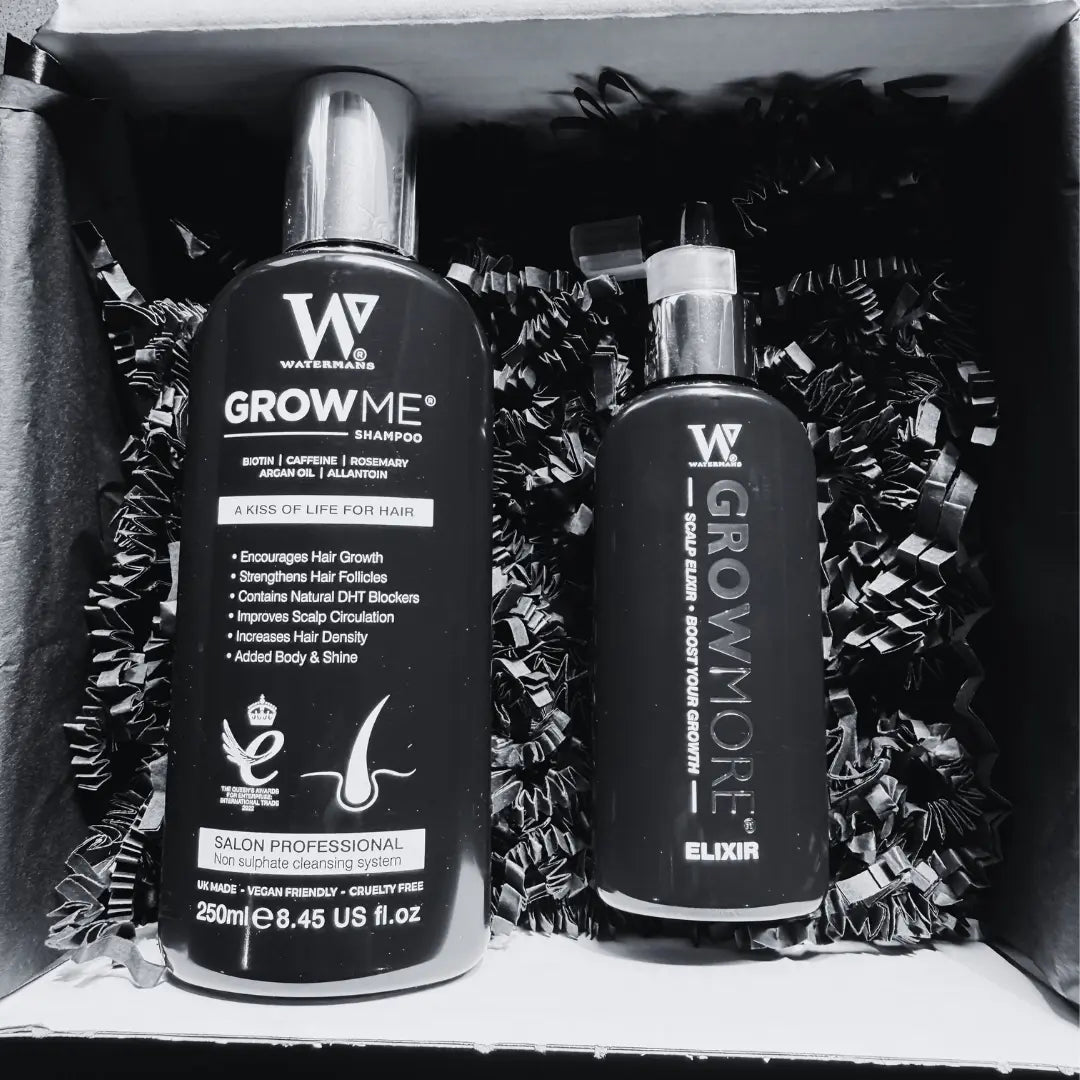
Grow Me® Shampoo, £14.95
Sulphate-free daily shampoo with biotin, caffeine, rosemary and niacinamide. Formulated to reduce breakage for fuller-looking hair, which is the realistic goal for ageing hair. It is a cosmetic product, not a treatment for hair loss. Vegan and made in the UK.
View Grow Me ShampooWhat does not work?
Several popular categories have little or no evidence behind them, and knowing which they are saves both money and irritated skin. Price is a particularly poor guide: some of the best-evidenced actives are inexpensive, and some of the most expensive creams are elegant moisturisers with an impressive ingredient list at concentrations too low to matter.
- Facial exercises. One small single-group study of fewer than 30 middle-aged women reported modest improvement in cheek fullness after 20 weeks. That is interesting, not established.
- Jade rollers and gua sha. Pleasant, and they move fluid so puffiness settles temporarily. No effect on wrinkles or collagen.
- Detox and cleansing regimes for the skin. The liver and kidneys handle detoxification. Skin does not store toxins that a diet can flush.
- Ingredient lists as proof. An active listed after the preservatives is present at a concentration unlikely to do anything. Position in the list matters.
- Sunbeds. Actively cause the ageing everything else on this page is trying to prevent, alongside a well-established skin cancer risk.
See a GP rather than shopping if you notice
- A mole or patch that changes shape, colour or size, bleeds, or does not heal.
- Sudden, patchy or rapid hair loss, or hair loss with scalp pain, scaling or scarring.
- Skin changes alongside fatigue, weight change or new symptoms elsewhere.
Cosmetic products are for appearance. None of the above is a cosmetic problem.
Frequently asked questions
What is the single most effective anti-ageing product?
Daily broad-spectrum sunscreen. It is the only anti-ageing intervention shown to prevent visible skin ageing in a long randomised trial, where daily users showed about 24 percent less ageing than discretionary users over four and a half years. No cream has matched that under comparable testing.
At what age should you start using anti-ageing products?
Sunscreen from childhood, since UV damage accumulates from the first sunny day onwards. A retinoid is commonly started in the late twenties or thirties, though there is no fixed threshold. Starting a retinoid at 50 still produces improvement, it simply takes patience.
Is retinol or retinoid better for wrinkles?
Prescription retinoids such as tretinoin are stronger and better evidenced than over-the-counter retinol, which needs two conversion steps in the skin before it becomes active. Retinol still works, just more slowly and more gently. Both need three to six months before results are visible.
Do collagen supplements improve skin?
Some trials report small improvements in hydration and elasticity, but most are funded by collagen manufacturers, which limits how much weight to give them. The effects reported are modest. Sunscreen and a retinoid deliver far more for the same spend.
Can expensive creams do more than cheap ones?
Not reliably. Effectiveness depends on which actives are present and at what concentration, not on price. Several of the best-evidenced ingredients, including niacinamide and basic sunscreen, are inexpensive. Check where an active sits in the ingredient list rather than the price.
Does drinking water reduce wrinkles?
Staying adequately hydrated supports general health, but drinking extra water beyond your needs does not smooth wrinkles. Skin hydration is governed mainly by barrier function and the environment, which is why a moisturiser has a visible effect and an extra litre of water does not.
Does hair really get thinner with age?
Yes. Individual strands reduce in diameter and fewer follicles grow actively at once, so the same head of hair looks less dense. Hormonal changes around the menopause accelerate this for many women. Sudden or patchy loss is different and should be checked by a GP.
Can anything reverse grey hair?
No cosmetic product reverses grey hair. Greying happens when the pigment-producing cells in the follicle stop working, and nothing sold over the counter restores them. Colouring changes the appearance, and gentle care keeps grey hair looking healthier rather than dull and coarse.
The honest conclusion
The best anti-ageing routine is unglamorous: sunscreen every morning, a retinoid a few nights a week, a moisturiser that keeps your skin comfortable enough to stick with both, and patience measured in months. Everything beyond that is refinement. If a product promises to reveal a secret, the secret is usually that there is not one.
Watermans has sold over 5 million bottles since 2012, and every formula is vegan and made in the UK. For the parts of ageing that are genuinely cosmetic, hands and dry patches that need hydrating and hair that needs less breakage, Moisturise Me Face & Hand Cream and Grow Me Shampoo are where we can genuinely help. For changing moles, sudden hair loss or anything medical, see your GP.