

Liver and Hormone Balance: How SHBG Really Works
The liver influences sex hormones in two concrete ways: it breaks them down for excretion, and it manufactures sex hormone binding globulin, or SHBG, the protein that decides how much of your testosterone and oestrogen is actually free to act. That second job is the one that matters most, and it is driven far more by insulin resistance than by anything marketed as liver support. Meaningful hormonal disruption from the liver generally means established liver disease, not a sluggish organ in need of a cleanse.
Last updated: August 2026
Key takeaways
- The liver makes SHBG, the protein that binds testosterone and oestradiol and controls how much circulates in a free, active form.
- Insulin resistance lowers SHBG. Lower SHBG means more free androgen, which is the mechanism behind a lot of what gets called a hormone imbalance.
- Oestrogen dominance is not a clinical diagnosis. The symptoms people describe are real, but they need proper testing rather than a label.
- Serious hormonal effects from the liver happen in established disease such as cirrhosis, where gynaecomastia and menstrual changes are recognised features.
- Alcohol is the clearest modifiable link between liver and hormones, and the UK low-risk guideline is no more than 14 units a week.
- Oral oestrogen passes through the liver first and raises SHBG. Transdermal oestrogen does not, which is one reason the route of HRT is a genuine clinical decision.
- Losing 5 to 10 percent of body weight improves both liver fat and insulin-driven hormone problems, which no supplement matches.

What does the liver actually do with hormones?
The liver performs three distinct jobs on sex hormones. It chemically modifies them so they can be excreted, it packages them into bile or sends them to the kidneys for disposal, and it manufactures the transport proteins that carry them around the bloodstream. The third job is where most of the real influence sits.
The breakdown work happens in two stages. Enzymes first alter the hormone molecule, then attach a water-soluble group so it can leave the body in bile or urine. This runs continuously and does not need assistance. What varies meaningfully between people is not the speed of that clearance but how much SHBG the liver is producing, because that determines how much hormone is available to tissues in the first place.
What is SHBG and why does it matter?
Sex hormone binding globulin is a protein made by the liver that binds tightly to testosterone and, less tightly, to oestradiol. Only the unbound fraction can enter cells and act, so SHBG functions as a dimmer switch on your own hormones. Two people with identical total testosterone can have very different symptoms if their SHBG differs.
This is why a total testosterone or total oestrogen result alone can be misleading. Clinicians often calculate a free androgen index, which relates total testosterone to SHBG, precisely because the total figure on its own does not say how much is active. If you have ever been told your hormone levels are normal while your symptoms are not, this is frequently where the explanation lives.
| What raises SHBG | What lowers SHBG | Practical effect of low SHBG |
|---|---|---|
| Oral oestrogen, including some contraceptive pills and oral HRT | Insulin resistance and high circulating insulin | More free testosterone reaching tissues |
| An overactive thyroid | Excess weight, particularly around the middle | Acne, unwanted facial or body hair, scalp thinning |
| Advanced liver disease such as cirrhosis | An underactive thyroid | Irregular cycles in women |
| Older age in men | Anabolic steroids and some other medications | Symptoms despite normal-looking total hormone results |
| Being underweight or restricting food heavily | Fat accumulation in the liver | Often the missing piece in a confusing blood test |
Is oestrogen dominance a real diagnosis?
No. Oestrogen dominance is a wellness term rather than a clinical one, and you will not find it as a diagnosis in NHS or specialist endocrinology practice. That does not make the symptoms imaginary. Heavy periods, breast tenderness, bloating, mood swings and cycle changes are real and often have identifiable causes, but the causes have their own names.
The conditions that actually produce these symptoms include perimenopause, where oestrogen fluctuates erratically rather than simply being high, thyroid dysfunction, fibroids, endometriosis, adenomyosis, PCOS and premenstrual dysphoric disorder. Each has its own test and its own treatment. Accepting an unofficial label tends to send people towards supplements and away from the assessment that would identify which of the above is actually going on.

How does insulin resistance connect the liver, PCOS and hormones?
Insulin resistance is the shared mechanism behind most of the genuine liver and hormone overlap. When cells respond poorly to insulin, the pancreas produces more of it. High circulating insulin suppresses SHBG production in the liver, which raises free androgens, and it simultaneously promotes fat storage in liver cells.
That is why fatty liver, now generally called MASLD following the 2023 renaming, is markedly more common in people with PCOS. The two conditions travel together because they share a driver, not because one causes the other. It also explains why the intervention that helps most is the same for both: improving insulin sensitivity through weight loss where relevant, regular activity including resistance training, and better sleep.
The number that matters. Losing 5 to 10 percent of body weight, where there is weight to lose, meaningfully reduces liver fat and improves ovulation, cycle regularity and androgen symptoms in PCOS. It is unglamorous and it outperforms every supplement sold for hormone balance. If weight is not the issue, activity and sleep still improve insulin sensitivity independently.
What happens to hormones in actual liver disease?
In established liver disease, particularly cirrhosis, hormonal effects are real, well documented and clinically visible. In men they include breast tissue development, shrinkage of the testicles, loss of body hair and reduced libido. In women they include irregular or absent periods and reduced fertility. These are features of advanced disease.
The distinction matters because wellness content frequently borrows the symptom list of cirrhosis to describe a supposedly overburdened liver in otherwise healthy people. If you have signs such as jaundice, spider-like blood vessels on the skin, reddened palms, swelling of the abdomen or legs, or easy bruising, that is a reason to see a GP promptly, not a reason to buy a supplement. If you do not have those signs, you almost certainly do not have the hormonal picture that goes with them.

Does alcohol affect hormones?
Yes, and alcohol is the single clearest modifiable link between liver function and sex hormones. Regular drinking raises circulating oestrogen and tends to lower testosterone in men, and it contributes directly to fat accumulation in the liver. The effects appear well below the level of drinking that causes recognisable liver damage.
The UK Chief Medical Officers advise no more than 14 units a week for both men and women, spread over three or more days, with several drink-free days. For context, 14 units is roughly six pints of average-strength beer or six medium glasses of wine across a whole week. Alcohol is also an established risk factor for breast cancer, and that risk is not confined to heavy drinking. Cutting back is the intervention with the best return here.
Does the type of HRT matter for the liver?
It can. Oestrogen taken by mouth is absorbed from the gut and passes through the liver before reaching the rest of the body, which increases SHBG production and alters several liver-made proteins including clotting factors. Oestrogen delivered through the skin as a patch, gel or spray bypasses that first pass.
This is a genuine clinical consideration rather than a marketing point, and it is one reason transdermal oestrogen is often preferred for women with particular risk factors. It is not a decision to make from an article. If you are considering HRT or are already taking it and have liver concerns, that conversation belongs with your GP or menopause specialist, who can weigh it against everything else in your history.

Can hormone changes show up in your hair?
Yes, and hair is often where people notice a hormonal shift before anything else. When SHBG falls and free androgen rises, sensitive follicles on the scalp gradually produce finer, shorter hairs, which is the mechanism behind female pattern hair loss. The same androgen shift can increase unwanted hair on the face and body at the same time as scalp hair thins.
The pattern is the diagnostic clue. Androgen-driven loss is gradual and concentrated at the parting and crown. Diffuse shedding all over, typically two to three months after an illness, rapid weight loss or a major stressor, is telogen effluvium and behaves quite differently. Thyroid problems produce their own picture again. Our guides to PCOS hair loss, what triggers androgenic alopecia, menopause hair thinning and how to work out why your hair is thinning cover how to tell them apart, and all of them point in the same direction first: get the underlying hormone picture assessed.
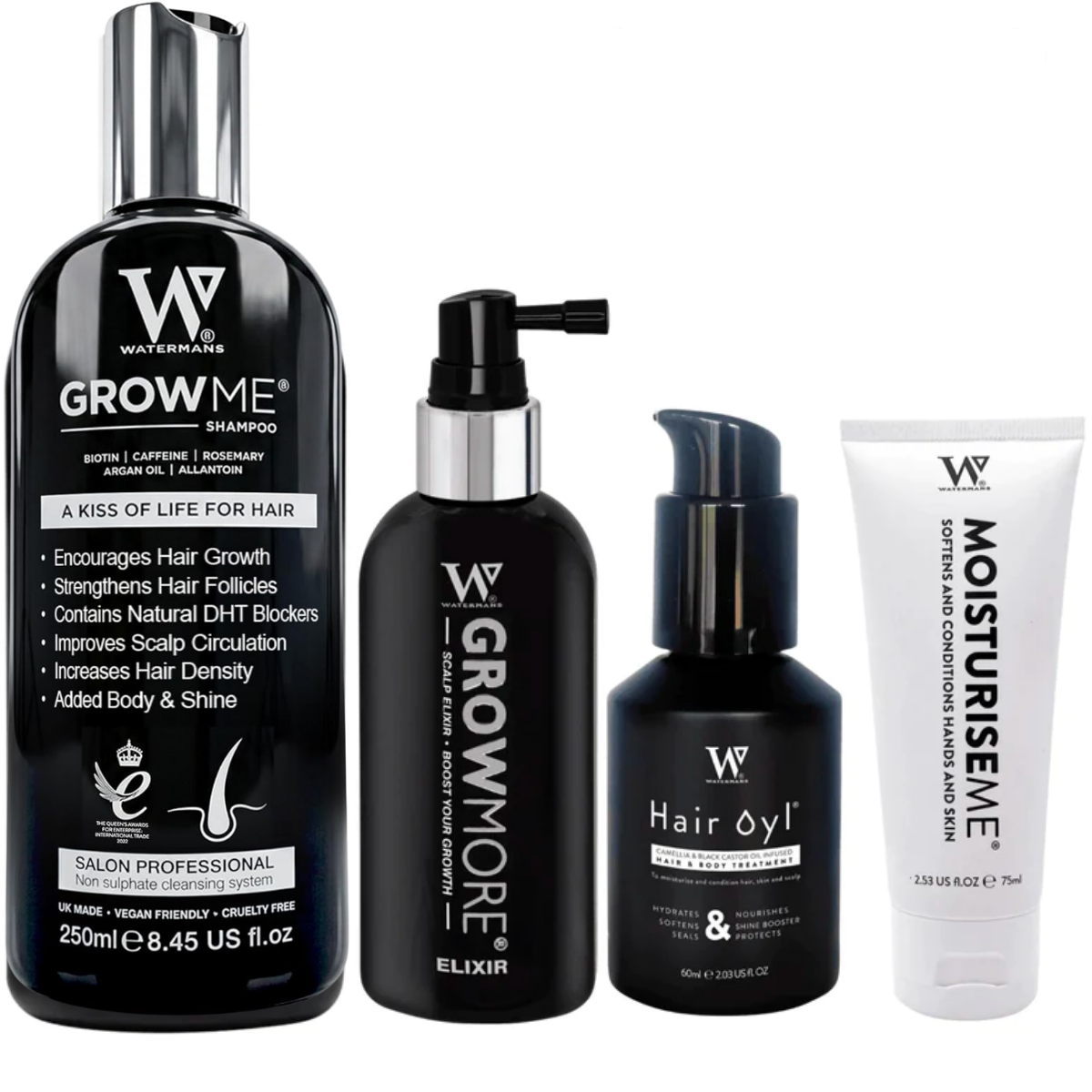
Where a shampoo does and does not fit. If hormone-driven thinning has been diagnosed, the medical part is handled by your GP or a specialist, and nothing cosmetic changes it. What a gentle sulphate-free shampoo can do is reduce breakage so the hair you have looks fuller, which is a cosmetic benefit and a genuinely useful one alongside proper treatment. Our Grow Me Shampoo is that kind of product. It is not a treatment for PCOS, liver disease or any hormonal condition, and we are not going to suggest otherwise on a page about your liver.
What genuinely supports liver health?
The evidence-backed list is short, unexciting and free. Reduce alcohol, keep weight in a healthy range, move regularly including some resistance training, sleep properly, and be cautious with supplements. There is no cleanse, no flush and no detox protocol with evidence behind it, because the liver is not a filter that clogs.
- Alcohol. The largest single lever most people have. Drink-free days matter as much as the weekly total.
- Weight and waist. Fat inside the liver responds to modest, sustained weight loss faster than most people expect.
- Movement. Both aerobic activity and resistance training reduce liver fat, and they help even without weight loss.
- Coffee. Observational studies consistently associate regular coffee intake with lower rates of liver fibrosis. It is an association rather than a proven treatment, but it is a reassuring one.
- Fewer supplements, not more. Herbal and bodybuilding supplements are a recognised cause of drug-induced liver injury. Tell your GP about everything you take, including anything bought online.
- Check your medication list. Some prescribed medicines need liver monitoring. That is a pharmacist conversation, not a reason to stop anything on your own.
Our guide to what actually reduces liver fat goes through the diet evidence in detail, and if your symptoms are digestive rather than hormonal, what pale stools and bloating can mean covers the bile side and its red flags.
Which tests are worth asking about?
If you suspect a hormone problem, ask for the tests that give an interpretable picture rather than a single number. That usually means total testosterone alongside SHBG, thyroid function, and liver function tests, timed appropriately in the cycle for women who are still menstruating.
- SHBG with total testosterone, so a free androgen index can be calculated. A total testosterone alone often misleads.
- Thyroid function, because thyroid disorders mimic almost every hormonal symptom on this page and are common and treatable.
- Liver function tests including ALT and ALP, which flag whether the liver is involved at all.
- HbA1c or fasting glucose, which get at the insulin resistance that sits underneath much of this.
- Ferritin and full blood count, particularly if hair shedding is part of the picture.
See a GP promptly for jaundice, abdominal swelling, easy bruising, sudden or patchy hair loss, or periods that stop without explanation. None of those belong in a self-management plan.
What we are not selling you on this page. Watermans makes hair and skin cosmetics. Nothing we make affects liver function, SHBG, oestrogen, testosterone or PCOS, and the previous version of this article implied otherwise. If a hormonal problem is causing hair changes, the thing that helps the hair is treating the hormonal problem, and that starts with a GP.
Frequently asked questions
Can liver problems cause hormone imbalance?
Established liver disease can. Cirrhosis alters the balance of oestrogen and androgens, producing breast tissue development and reduced testicular size in men and irregular periods in women. A healthy liver in someone without disease is not a common cause of hormonal symptoms, despite how often that is claimed.
What is SHBG and should I get it tested?
SHBG is a liver-made protein that binds testosterone and oestradiol, controlling how much is free to act. Testing it alongside total testosterone lets a clinician calculate a free androgen index, which is far more informative than a total hormone level alone, particularly with PCOS symptoms.
Is oestrogen dominance a real condition?
No, it is a wellness term rather than a clinical diagnosis. The symptoms attributed to it are real, but they are usually explained by perimenopause, thyroid dysfunction, fibroids, endometriosis, PCOS or PMDD. Each of those has a specific test, so pursuing a diagnosis beats treating a label.
Does a fatty liver affect testosterone and oestrogen?
Indirectly, through insulin resistance. High insulin lowers SHBG production, which increases the free fraction of testosterone, and the same insulin resistance drives fat accumulation in the liver. Losing 5 to 10 percent of body weight improves both, which is why they are usually managed together.
How much alcohol affects hormones?
Effects on oestrogen and testosterone appear well below the level that causes visible liver damage. UK guidance is no more than 14 units a week for men and women, spread over three or more days with several drink-free days. Alcohol is also an established breast cancer risk factor.
Do liver detox supplements balance hormones?
No. There is no evidence that cleanses, flushes or detox supplements improve hormone levels, and the liver clears substances continuously without assistance. Herbal supplements are themselves a recognised cause of drug-induced liver injury, so they can make the situation worse rather than better.
Why does PCOS affect the liver?
They share a driver rather than one causing the other. Insulin resistance raises circulating insulin, which lowers SHBG and raises free androgens while also promoting fat storage in liver cells. That is why fatty liver is more common in PCOS and why improving insulin sensitivity helps both.
Can hormonal hair loss be reversed?
It depends on the cause. Shedding triggered by a temporary event usually recovers once that event resolves. Androgen-driven pattern thinning is progressive and needs medical treatment to slow, so early assessment matters. Cosmetic products can reduce breakage and improve appearance but do not change the underlying process.
The short version
The liver does matter for hormones, just not in the way wellness content usually says. Its real lever is SHBG, and SHBG is governed mostly by insulin resistance, weight and alcohol. Fix those and you have done more than any supplement aimed at hormone balance can. If you have symptoms, ask for SHBG alongside your other bloods rather than accepting a total testosterone result on its own.
This article is general information, not medical advice. For jaundice, abdominal swelling, unexplained bruising, periods that stop, or sudden hair loss, contact your GP.