How to Thicken Hair Naturally in a Month: What Works
How to thicken hair naturally in a month is really two questions wearing one coat. You cannot grow more follicles or widen the hairs you already have in thirty days, because hair grows roughly one centimetre a month and follicle calibre is largely set by genetics. What you can genuinely change in a month is how full your hair looks, by stopping the breakage that is thinning your ends and by handling and styling it so it holds volume.
Our hair growth shampoo
Grow Me® Hair Growth Shampoo, £14.95. A sulphate free daily shampoo that supports a healthy scalp environment and helps reduce breakage, so lengths hold on and look fuller.
Key takeaways
- How to thicken hair naturally in a month starts with arithmetic: thirty days buys about one centimetre of new growth, so every visible win comes from what you stop losing.
- Breakage is the biggest lever. A ponytail that has thinned at the ends but not at the root is a breakage problem, and it improves within weeks.
- Fix nutrition for the months after, not for this month. Iron, protein and overall calories matter, but the follicle takes months to answer.
- Heat, tension and rough detangling do more damage in a week than most products repair in a month.
- If your parting is widening or your hairline is changing shape, that is not a thickness problem and no routine on this page will fix it. Speak to your GP.
What can realistically change in thirty days?
Hair grows from the follicle at an average of around one centimetre a month, so the hair sitting on your head today was largely made weeks or months ago. Nothing you do this month reaches back and changes it. That is the constraint everyone selling a thirty day transformation quietly ignores.
Here is the honest split between what moves in a month and what does not.
| Changes within a month | Needs three to six months | Does not change at all |
|---|---|---|
| How much hair snaps off during washing, drying and brushing | The growth cycle answering a corrected iron or protein shortfall | The number of follicles on your scalp |
| Ponytail thickness at the ends, once breakage stops | Recovery from a shedding episode after illness or stress | The genetic calibre of your individual hairs |
| Scalp comfort, flaking and build up | Length, at about one centimetre a month | An established pattern of follicular hair loss |
| Volume at the root from cut, dry and product choices | Visible density change after a real routine overhaul | Whether your hair is naturally fine or coarse |
If you want to understand why the timescale is what it is, our guide to the stages of the hair growth cycle explains how long each phase lasts and why a follicle cannot be hurried.
Why are thin, thinning and broken three different problems?
Before you change anything, work out which of these you actually have. They look similar in a mirror and they have completely different answers.
- Hair loss means follicles are miniaturising and producing finer, shorter hairs, or stopping. The tell is a change in shape: a widening parting, receding temples, a thinner crown. Nothing cosmetic fixes this and it deserves a conversation with your GP.
- Hair shedding means an unusual number of follicles have entered the resting phase together and released their hairs. The tell is a sudden increase everywhere, usually two to four months after illness, a crash diet, childbirth or a stressful stretch. It normally settles by itself.
- Hair breakage means the fibre is snapping while the follicle carries on perfectly well. The tell is short broken pieces, rough midlengths, and a ponytail that feels thinner at the ends but not at the root. This is the one that improves inside a month.
Almost everyone searching for how to thicken hair naturally in a month is in the third category, sometimes the second. That is good news, because the third is the one you can genuinely move.

How to thicken hair naturally in a month: what is the plan that works?
Week 1: stop the damage
Nothing you add matters while something is still subtracting. Cut heat styling to a maximum of twice a week and never use a tool without a heat protectant. Drop straightener temperature: most fine hair needs far less heat than the dial suggests. Replace thin elastics with soft ties, stop wearing the same tight ponytail in the same place daily, and take braids or buns down at night.
Change how you detangle, where a surprising share of breakage happens. Work from the ends upwards on damp, conditioned hair, never from the root down. Use a wide tooth comb rather than a bristle brush on wet hair, which stretches and snaps far more easily than dry hair.
Week 2: fix the wash routine
Wash often enough to keep the scalp clean, which for most people is more often than they think. Build up flattens hair at the root and irritates the scalp. Peer reviewed work links poorer scalp condition and oxidative stress at the scalp with worse hair growth and retention, so a comfortable scalp is a foundation rather than a nicety.
Condition every single wash, concentrating on midlengths and ends. Those are the oldest part of the fibre and have taken years of cumulative damage. Rinse cooler at the end, and blot rather than rub with the towel. A microfibre towel or an old cotton t shirt beats a rough bath towel.
Week 3: build volume where it shows
Root volume is where the eye reads thickness. Dry with your head tipped forward first, then finish upright, aiming airflow at the roots rather than down the lengths. Blow drying on a cool or warm setting adds more visible body than air drying, provided the heat is moderate and protected.
Get the ends trimmed. Removing 1cm to 2cm of split, tapered ends makes a ponytail measurably thicker at the bottom, which is where thinness is most visible. It is the fastest visual improvement on this list.
Week 4: lock in the habits
Swap a cotton pillowcase for silk or satin to cut overnight friction, and loosely plait long hair before bed. Keep the routine identical for the rest of the month, and take a dated photo at the start and the end in the same light.
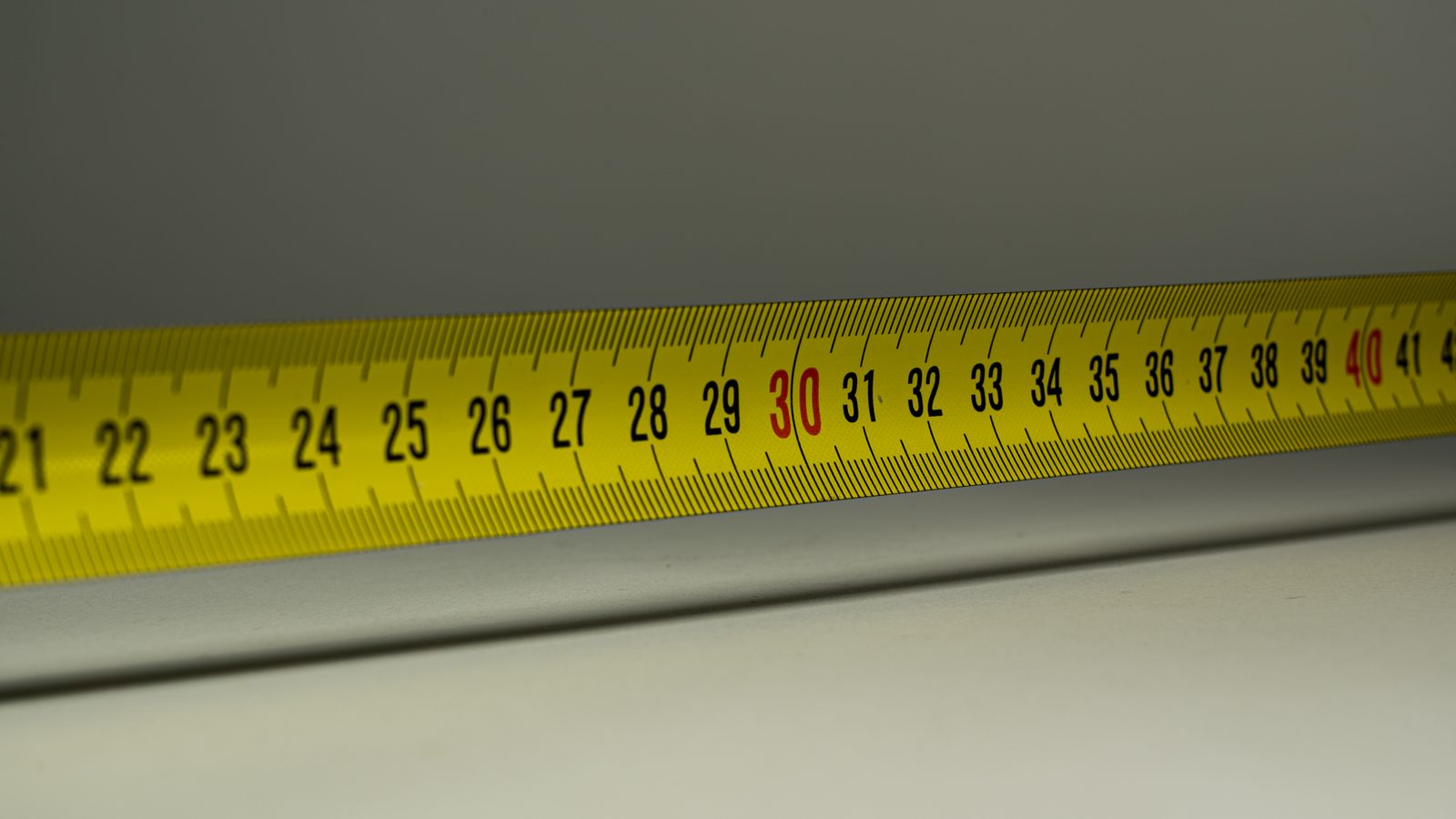
Measure it, do not guess. Wrap a tape measure around your ponytail 5cm from the roots on day one and write the number down. Repeat on day thirty. Circumference picks up breakage improvements that a mirror never will, and it stops you abandoning a routine that is working.
Get a discount on the thinning hair range
Join the Watermans mailing list and we will email a discount code straight to your inbox, so you can try the thinning hair range for less. Made in the UK, over 6.5 million bottles sold since 2012.

Why are fine hair and thin hair not the same thing?
Two people can describe their hair as thin and have opposite problems. Fine hair means each individual strand is narrow in calibre. Thin hair means there are fewer strands per square centimetre of scalp. Someone can have fine hair at high density, which looks perfectly full, or coarse hair at low density, which shows scalp at the parting.
The distinction matters because it decides what will help. If your hair is fine but dense, volume comes from technique and product choice: root lift, the right cut, lightweight conditioning that does not weigh the fibre down. If your hair is thinning in density, no styling technique compensates for long, and the useful question is why the density is falling. Working out which one you have is the first step in how to thicken hair naturally in a month, because it decides whether you are chasing a styling problem or a scalp one.
A quick test: compare the front of your scalp with the back in the same photograph. Broadly similar means you are fine haired rather than thinning. Noticeably sparser at the parting or crown than at the back points to a density change worth discussing with your GP.
Does diet make a difference in a month?
Diet matters enormously to hair, and almost none of it shows in thirty days. Hair is protein, and the follicle is one of the first tissues the body deprioritises when calories, protein or iron run short. Correcting a genuine shortfall changes what your follicles produce from now on, and that shows in three to six months.
The nutrients with the clearest link to hair are protein, iron, zinc and vitamin D. Iron is the one most often missed, particularly in women with heavy periods and in people eating little or no meat, and low ferritin is a well recognised contributor to shedding. Our guide to raising ferritin levels covers how to check and correct it properly.
Where sources genuinely disagree is on supplementing beyond need. NHS guidance is that a varied diet supplies what most people require, and topping up a nutrient you are not short of does very little for hair. Our honest position matches that: get tested before you buy, and read what hair vitamins can and cannot do before spending on capsules.
What about scalp massage, oils and home remedies?
Scalp massage is pleasant, costs nothing, and a few small studies suggest regular mechanical stimulation may help hair thickness over months. The evidence base is thin and it is not a shortcut. Do it because it is free, not because you expect it to transform a month.
Oils are useful, but for a different reason than most people think. A pre wash oil on the lengths reduces how much water the fibre absorbs during washing, and that reduces the swelling and stress that leads to breakage. That is a mechanical benefit, not follicle stimulation.
Be careful with home remedies on the scalp. Undiluted essential oils, raw garlic, onion juice and neat vinegar cause contact irritation often enough to be worth avoiding. If a remedy stings, it is not working, it is burning.

Which products support how to thicken hair naturally in a month?
These are cosmetic products. They will not add follicles or widen your hair shafts. What they do is reduce breakage and keep the scalp comfortable, which is the entire mechanism behind any visible win inside a month.

Grow Me Hair Growth Shampoo, 14.95 pounds
Sulphate free, so it clears build up without stripping. That matters when you are washing more often to keep the roots clean and the scalp comfortable.

Condition Me Hair Growth Conditioner, 13.95 pounds
The breakage defence half of the routine. Better slip means combing pulls less, and less pulling is where most of a month's visible improvement comes from.

Protect Me Heat Protection Spray, 13.95 pounds
Non negotiable if you use any hot tool. Protects to 230 degrees and doubles as a leave in for frizz, which is the single highest return purchase for anyone whose ends keep snapping.
Watermans products are 100% cosmetic and do not treat medical hair loss. Individual results may vary.
If you already own a growth shampoo and want to get more out of it, how to use a hair growth shampoo properly covers the application mistakes that waste most of it.
When should you speak to your GP instead?
A routine cannot solve a medical problem. See your GP if your parting is visibly widening, if your hairline is changing shape, if you find smooth bald patches, if the scalp is red, scaling, painful or shiny, if heavy shedding has not settled after around six months, or if hair changes arrive with fatigue, weight change or irregular periods. Your GP can arrange blood tests including ferritin, thyroid function and vitamin D. Doing that early matters most in the conditions that damage follicles permanently.
Frequently asked questions about how to thicken hair naturally in a month
Can I really thicken my hair in one month?
You cannot add follicles or widen your hair shafts in a month, because both are largely set by genetics and hair grows only about one centimetre in that time. What you can change is how full your hair looks, by stopping breakage, trimming tapered ends, keeping the scalp clean and comfortable, and building volume at the root. For most people that is a visible difference within four weeks.
What is the fastest win for fuller looking hair?
Stopping breakage. Less heat, a protectant every time, detangling from the ends upwards on conditioned damp hair, and no tight ties will do more in a month than any product added on top. Trimming split ends is the fastest single visual improvement.
Does genetics limit how thick my hair can get?
Yes. The number of follicles you have and the calibre of each hair are largely genetic and are not changed by diet, products or technique. What you control is whether the hair you grow reaches its full length rather than snapping off midlength.
Which nutrients matter most for hair?
Protein, iron, zinc and vitamin D have the clearest links. Iron is the one most often missed, particularly in women with heavy periods and in people eating little meat. Correcting a genuine shortfall helps, but supplementing a nutrient you are not short of does very little, so ask your GP for a blood test before buying capsules.
Does scalp massage thicken hair?
A few small studies suggest regular scalp massage may help hair thickness over months, but the evidence base is thin. It is free and harmless, so it is worth doing. It will not change anything inside four weeks.
Should I use oils on my scalp or my lengths?
Lengths, mainly. A pre wash oil on the midlengths and ends reduces how much water the fibre absorbs during washing, which reduces the swelling and stress that causes breakage. Heavy oils left on the scalp can build up and make roots look flatter, which works against the look you are after.
Will cutting my hair make it grow back thicker?
Cutting does not change what the follicle produces, so it does not make hair grow back thicker at the root. It does make a ponytail measurably thicker at the ends by removing tapered, split sections, and since thinness is most visible at the bottom of the length, the effect is real even though the mechanism is not what people assume.
When should I stop home methods and see a doctor?
See your GP if your parting is widening, your hairline is changing shape, you find smooth bald patches, the scalp is red, scaling, painful or shiny, or heavy shedding has not settled after around six months.
Sources & References
- NHS, Hair loss. Common causes, what is normal, and when to see a GP.
- NHS, Vitamins and minerals. What each nutrient does and why a varied diet covers most requirements.
- StatPearls via NCBI Bookshelf, Physiology, Hair. Growth rate, the phases of the cycle and what determines fibre calibre.
- Scalp Condition Impacts Hair Growth and Retention via Oxidative Stress, via PubMed Central. Peer reviewed evidence linking scalp condition to hair retention.
- DermNet, Telogen effluvium. Why shedding follows a trigger by two to four months and usually settles.
Where sources disagree, we have said so. Scalp massage is the clearest example: the supportive studies are small and short, and no large trial has confirmed them.
What is the bottom line on thickening hair in a month?
How to thicken hair naturally in a month has one honest answer: you protect what you have rather than growing what you do not. Thirty days buys about a centimetre of new hair, so every visible gain comes from breakage you stop, ends you trim, build up you clear and volume you build at the root.
Cut the heat, protect it when you do use it, detangle from the ends upwards, condition every wash, wash often enough to keep the scalp clean, and trim the tapered ends. Measure your ponytail on day one and day thirty so you can see what actually changed rather than guessing.
Fix nutrition for the months after this one, and get iron checked rather than guessed. If the parting is widening or the hairline is changing shape, that is a different problem entirely and belongs with your GP. Watermans is made in the UK, and has sold over 6.5 million bottles since 2012: the Condition Me conditioner and Protect Me heat spray are the two that do most of the work in a month. If your question is about products or a routine rather than a medical one, you can talk to Gail Waterman, our co-founder, as an AI avatar on the Watermans homepage.